Part of the Bestiary Compendium
Every religion has thousands of prayers. Liturgies, hymns, supplications, lamentations, praise songs, mantras, invocations. But if you strip away everything else — every commentary, every ritual, every theological argument — and ask “what is the single most important sentence in this entire tradition?” — you get the list below.
These are the words that define faiths. The sentences people whisper on their deathbeds. The lines that, spoken sincerely, can change your religious identity in an instant. The sounds that billions of people believe literally hold the universe together.
Fifteen traditions. Fifteen prayers. The most sacred words humanity has ever spoken.
The Prayers
| Tradition | The Prayer | Translation / Meaning | When It’s Said |
|---|---|---|---|
| Jewish | שְׁמַע יִשְׂרָאֵל | ”Hear, O Israel: the LORD our God, the LORD is One” (Deut 6:4) | Twice daily; on the deathbed; the most important sentence in Judaism |
| Christian | Πάτερ ἡμῶν ὁ ἐν τοῖς οὐρανοῖς | ”Our Father, who art in heaven” (Matt 6:9) | The Lord’s Prayer — taught by Jesus himself |
| Islamic | لَا إِلٰهَ إِلَّا ٱللَّهُ مُحَمَّدٌ رَسُولُ ٱللَّهِ | ”There is no god but God, and Muhammad is His messenger” | The Shahada — saying it sincerely makes you Muslim |
| Hindu | ॐ | ”Om” — the primordial sound of creation, containing all of reality | Before every prayer, every meditation, every sacred act |
| Buddhist | ॐ मणि पद्मे हूँ | ”Om mani padme hum” — “The jewel is in the lotus” | The most widely recited mantra in the world (Tibetan Buddhism) |
| Sikh | ੴ ਸਤਿ ਨਾਮੁ | ”Ik Onkar, Sat Naam” — “One God, True Name” | The opening of the Guru Granth Sahib; the foundation of Sikhism |
| Zoroastrian | اشم وهو | ”Ashem Vohu” — “Truth is the highest virtue” | The most sacred Avestan prayer; the essence of Zoroastrianism |
| Shinto | 祓え給い清め給え | ”Harae tamae, kiyome tamae” — “Purify and cleanse” | Before entering a shrine; the act of purification |
| Yoruba | Àṣẹ | ”Ashé” — divine power/energy that makes things happen | Spoken to seal prayers, blessings, and intentions |
| Celtic | ”I am the wind on the sea” | The Song of Amergin — the first poem spoken in Ireland | The druid’s declaration of unity with all creation |
| Aboriginal | [Varies by nation] | The songs that sing the land into being — the Songlines | Walking the land IS the prayer; the map IS the hymn |
| Norse | ”Cattle die, kinsmen die…” | Havamal 76-77: “One thing I know never dies: the good name of the dead” | The closest thing to a Norse creed: fame is immortality |
| Native American | ”Mitákuye Oyás’iŋ" | "All my relatives” (Lakota) — spoken at the end of prayer/ceremony | Acknowledges kinship with ALL living beings |
| Taoist | 道可道,非常道 | ”The Tao that can be spoken is not the eternal Tao” | The opening line of the Tao Te Ching — the anti-prayer prayer |
| Jain | णमो अरिहंताणं | ”Namokar Mantra” — bowing to the enlightened ones | The most important Jain prayer; said daily |
What Makes These The Prayer?
Not every tradition has a single “most important” prayer in the same way. But the pattern is striking:
Identity prayers — The Shahada, the Shema, Ik Onkar. These don’t just express belief. They constitute it. Saying the Shahada with sincere intention literally makes you Muslim. The Shema is the last thing a Jew says before death. Ik Onkar is the first syllable of the Guru Granth Sahib — before the theology, before the hymns, before everything: One God.
Sound prayers — Om, Om Mani Padme Hum. These aren’t statements about God. They are God, in sonic form. Om isn’t a word that describes the universe — it’s the sound the universe makes. The Buddhist mantra compresses the entire path to enlightenment into six syllables. You don’t need to understand it. The sound does the work.
Anti-prayers — The Tao Te Ching’s opening line is the ultimate anti-prayer: the real Tao can’t be spoken, so every prayer is already a failure. The Havamal isn’t addressed to any god — it’s addressed to you, reminding you that the gods will die too, and the only thing that survives is reputation. The Aboriginal Songlines aren’t recited — they’re walked. The prayer is the journey.
Power words — Ashé, Mitákuye Oyás’iŋ. These words don’t ask for anything. They activate something. Ashé is divine energy made verbal — when you say it, you’re not requesting power, you’re releasing it. Mitákuye Oyás’iŋ doesn’t petition a deity — it declares a fact: everything is related to everything. The prayer is the acknowledgment.
Purification prayers — Harae tamae kiyome tamae, Ashem Vohu. Before you can speak to the divine, you must be clean. Shinto reduces this to its essence: purify, cleanse. Zoroastrianism goes one step further: truth itself is the purification. You don’t need ritual. You need honesty.
The Pattern No One Talks About
Look at what’s missing from almost every prayer on this list: requests.
The Lord’s Prayer is the only one that asks for anything (“give us this day our daily bread”), and even that is buried in a longer structure of praise and submission. Every other prayer on this list is either a declaration (“God is One”), a sound (“Om”), or a recognition (“all my relatives”).
The most important prayers in human history don’t ask God for things. They acknowledge what already is.
This might be the single most important insight in comparative religion: the deepest prayer isn’t a request. It’s a recognition.
Calligraphic Art
Each prayer has been rendered as illuminated calligraphic manuscript art in its original sacred script. See the Prayers Gallery.
| # | Tradition | Art | Prayer |
|---|---|---|---|
| 1 | Jewish |  | שְׁמַע יִשְׂרָאֵל |
| 2 | Christian | 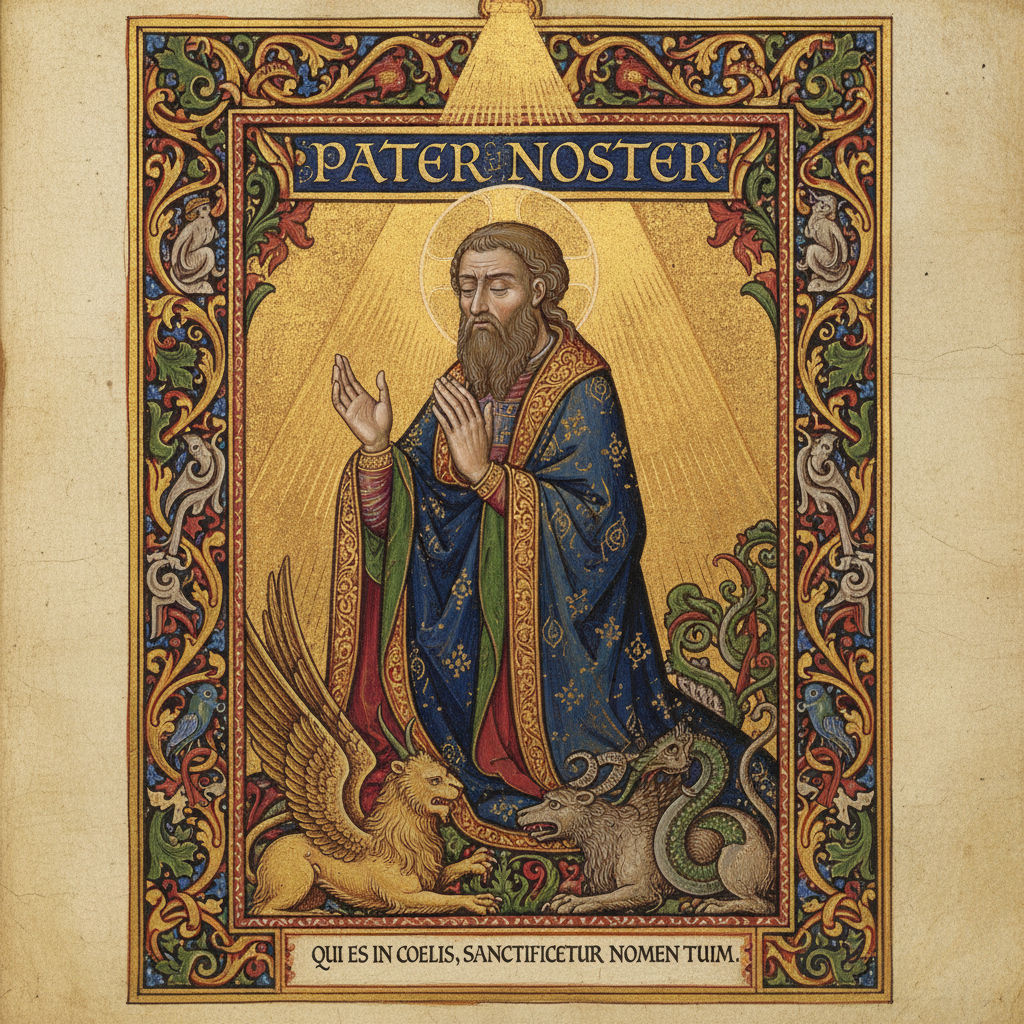 | Πάτερ ἡμῶν |
| 3 | Islamic | 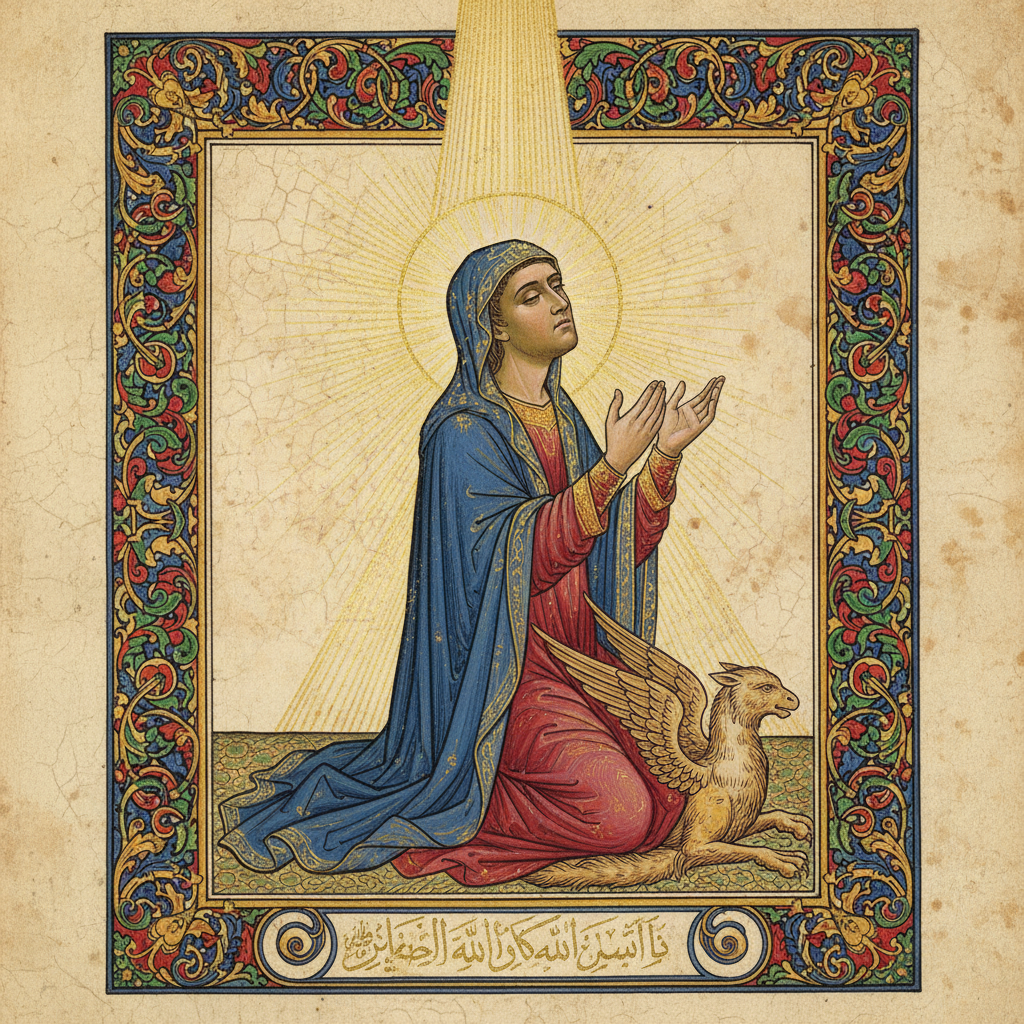 | لَا إِلٰهَ إِلَّا ٱللَّهُ |
| 4 | Hindu | 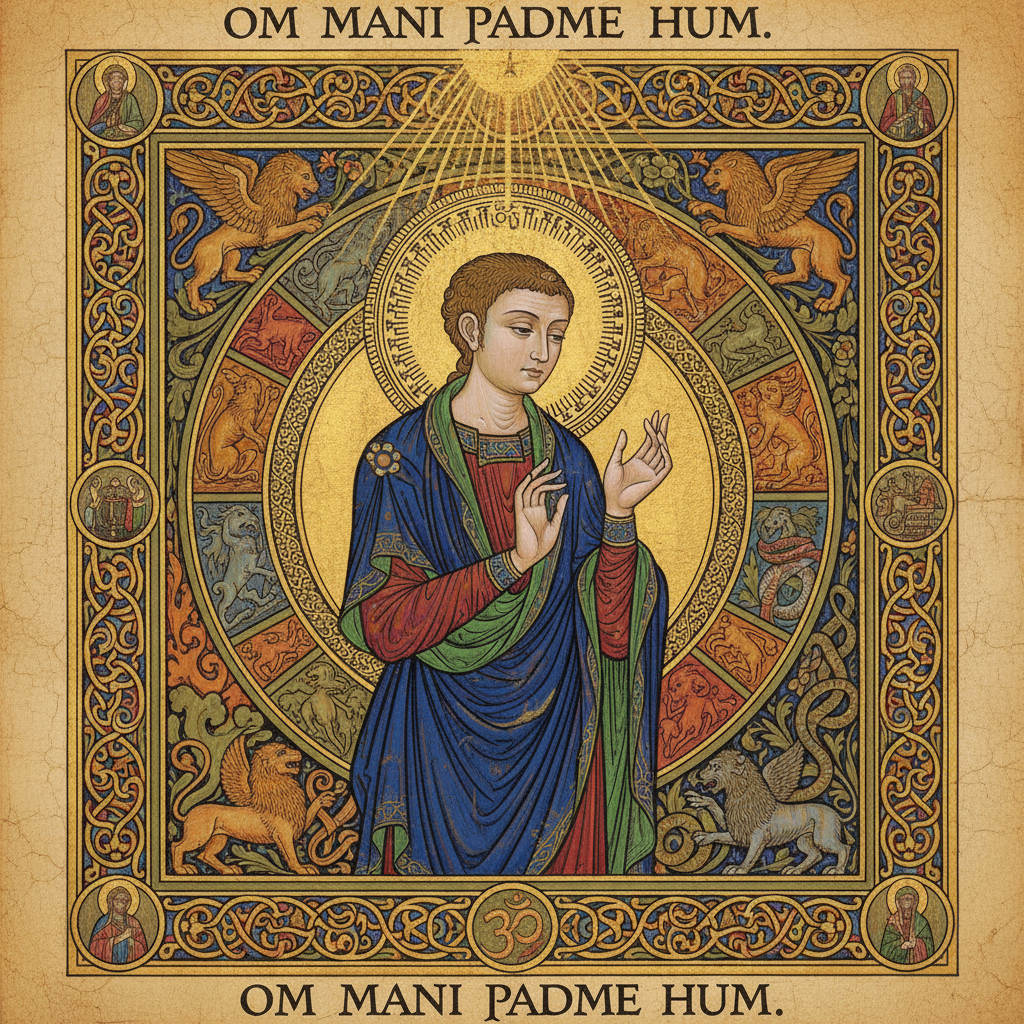 | ॐ |
| 5 | Buddhist | 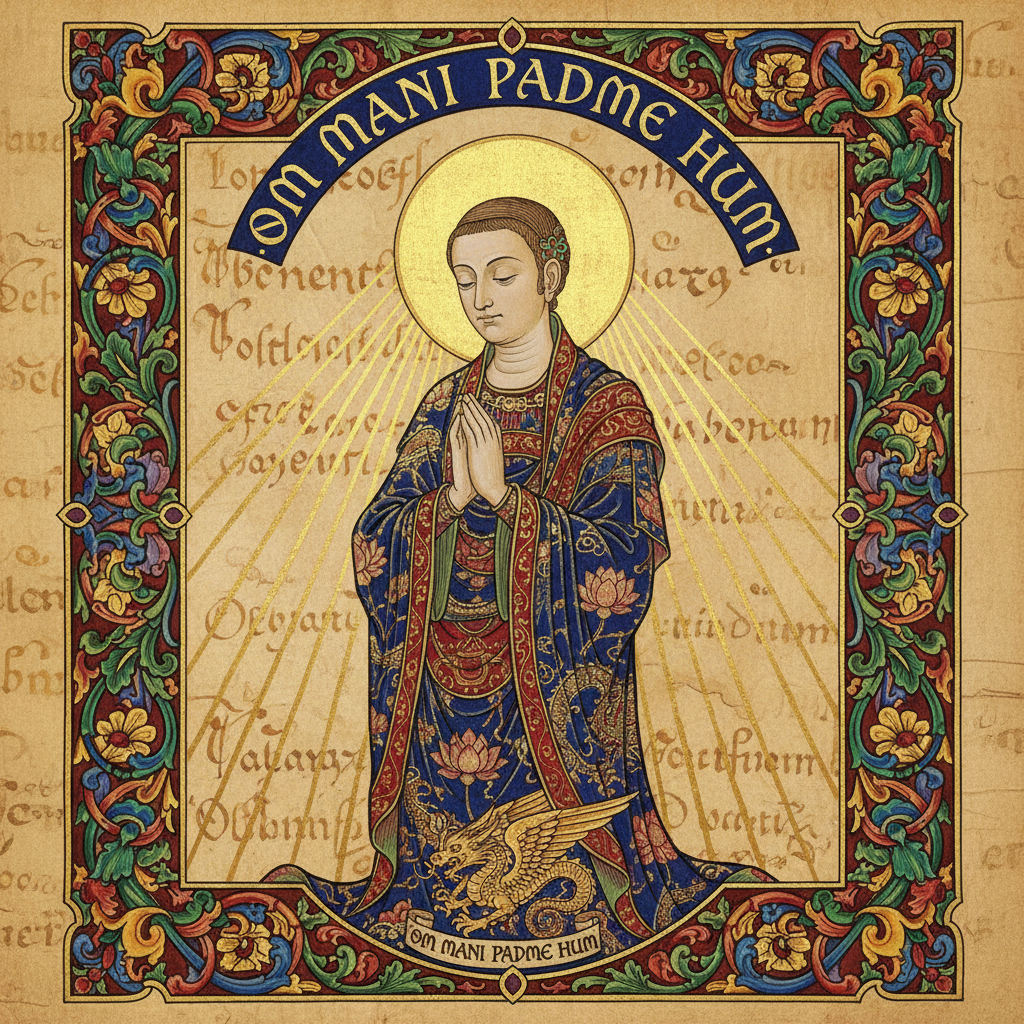 | ॐ मणि पद्मे हूँ |
| 6 | Sikh | 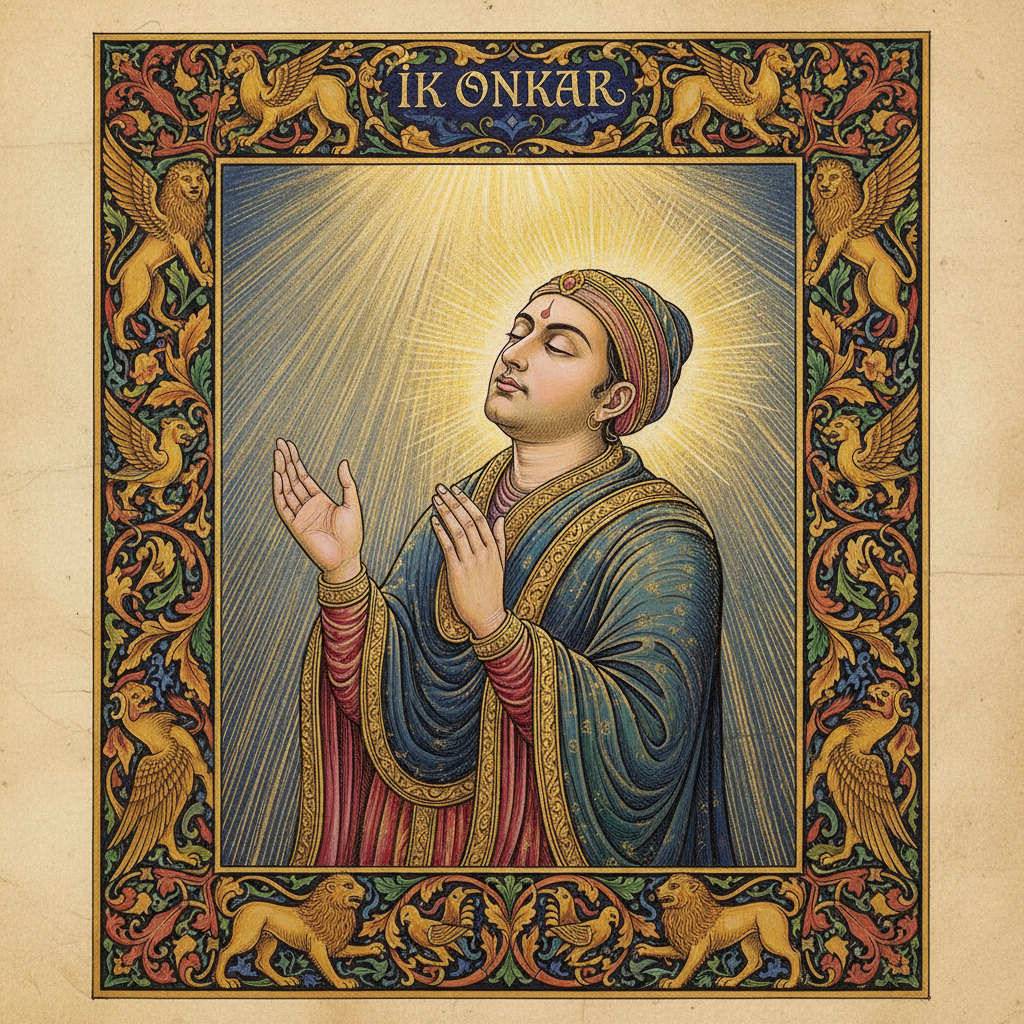 | ੴ ਸਤਿ ਨਾਮੁ |
| 7 | Zoroastrian | 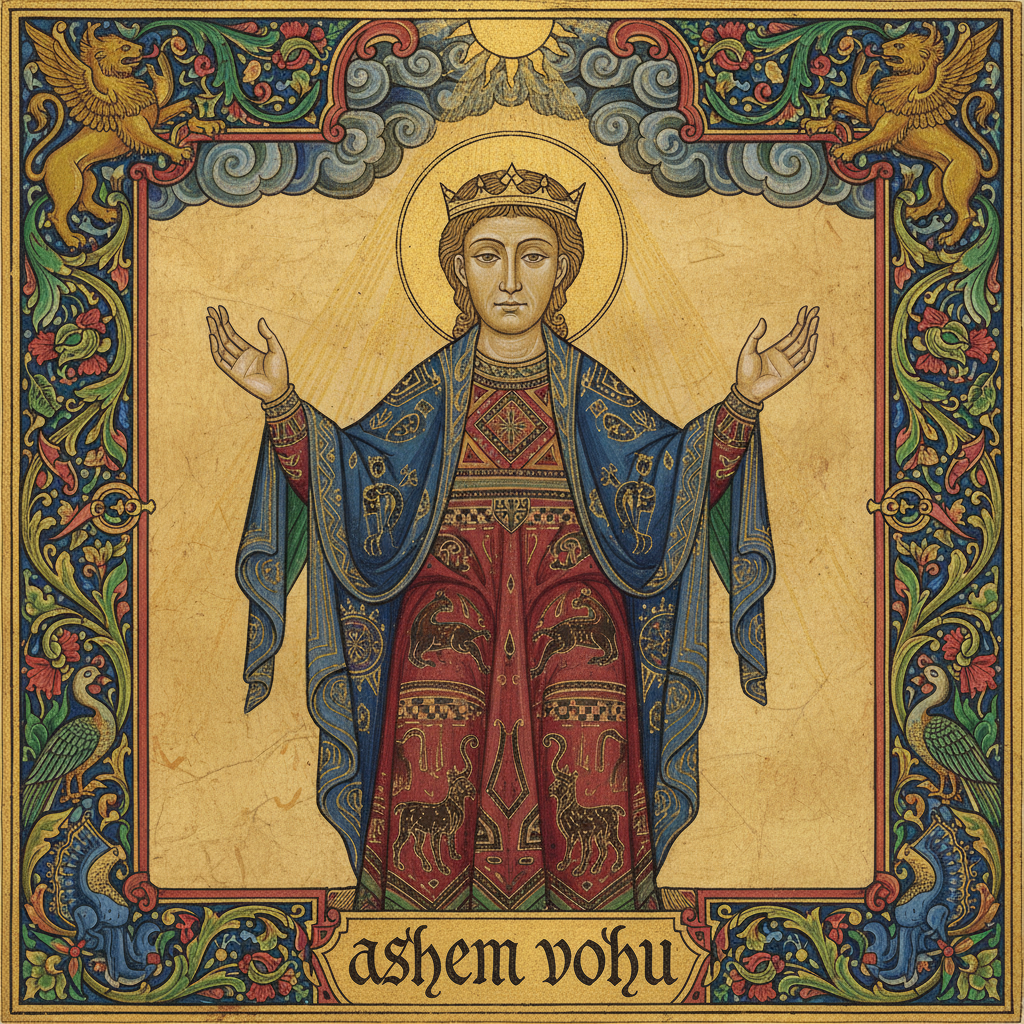 | اشم وهو |
| 8 | Shinto | 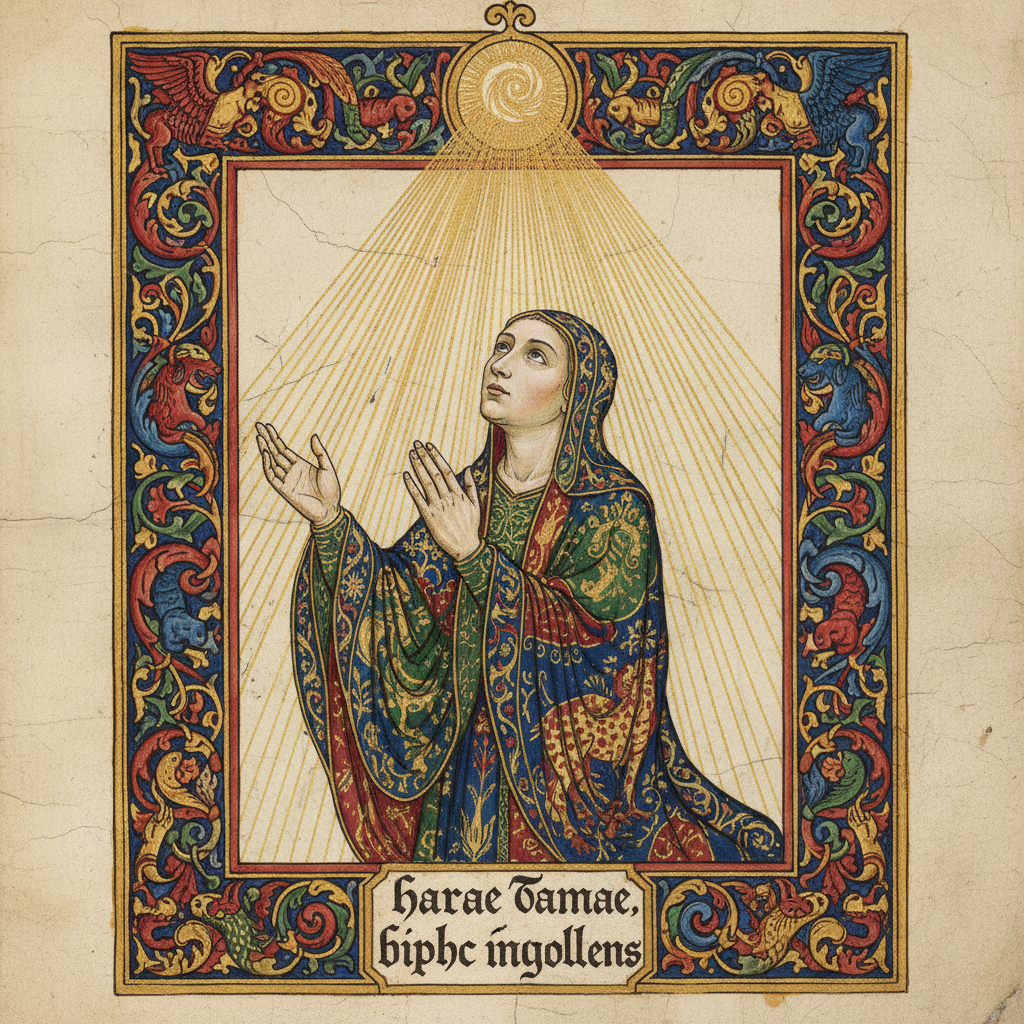 | 祓え給い清め給え |
| 9 | Yoruba |  | Àṣẹ |
| 10 | Celtic | 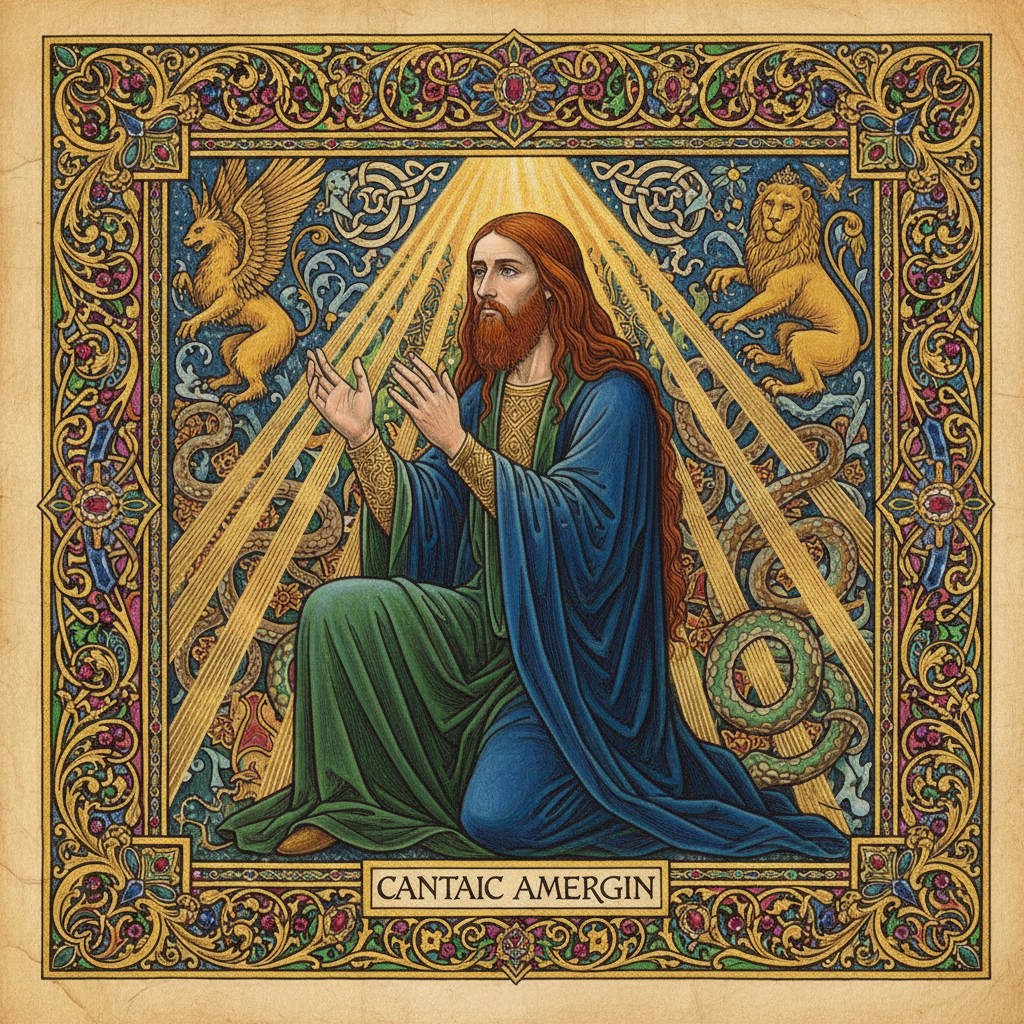 | ”I am the wind on the sea” |
| 11 | Aboriginal | 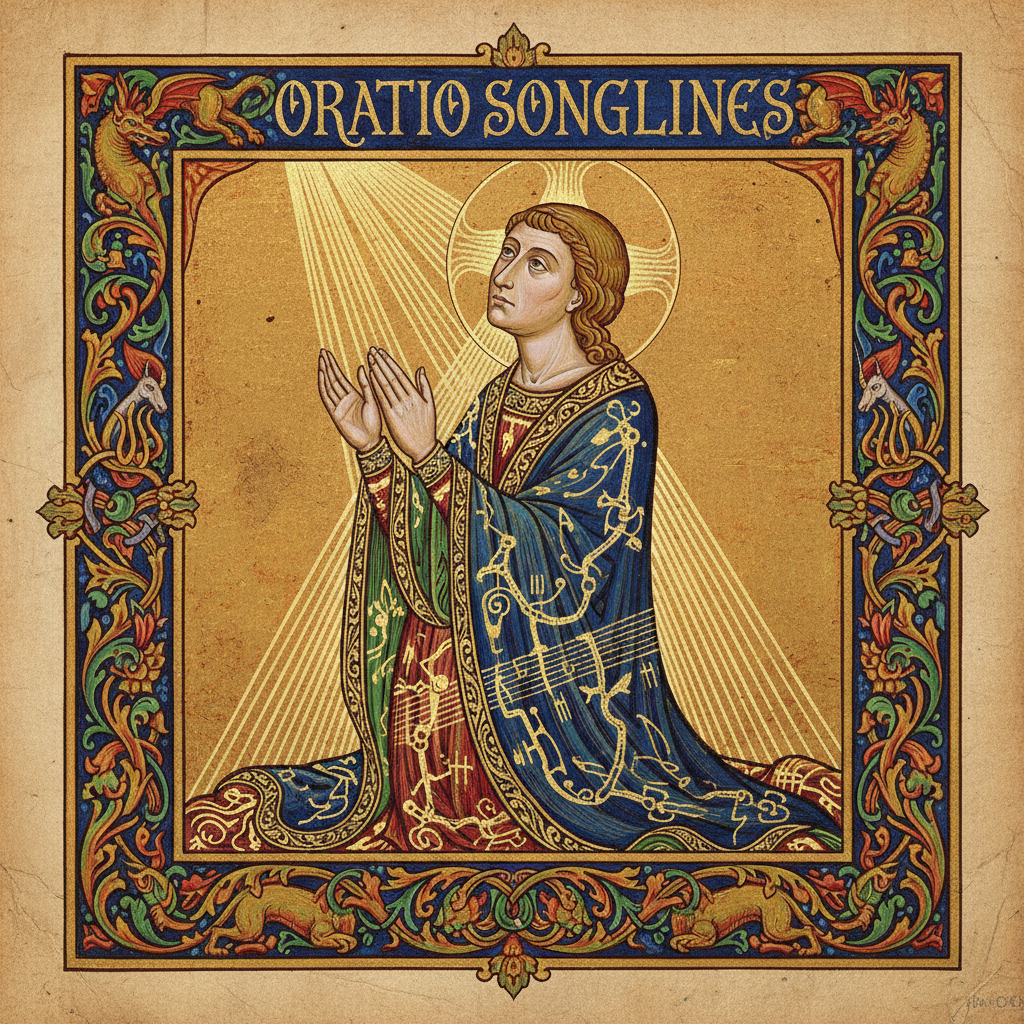 | The Songlines |
| 12 | Norse |  | ”Cattle die, kinsmen die…“ |
| 13 | Native American | 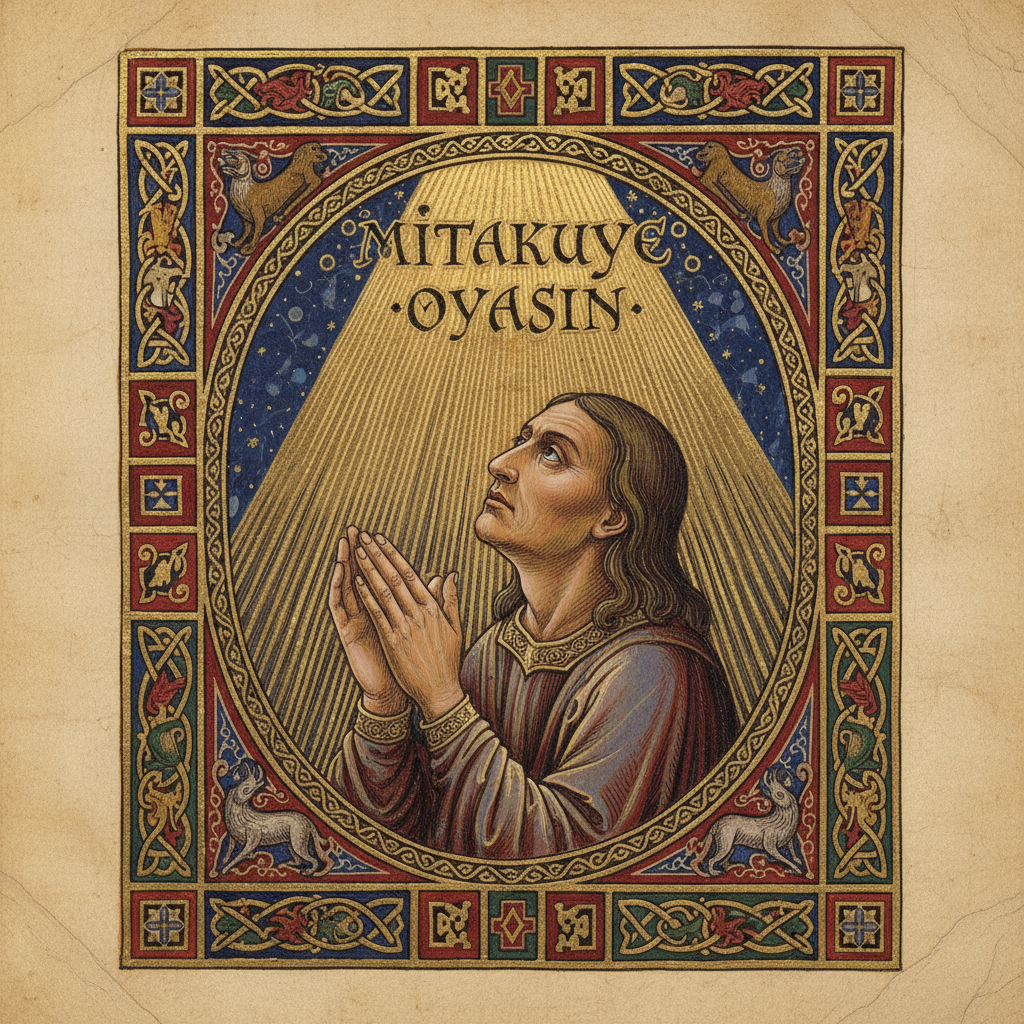 | Mitákuye Oyás’iŋ |
| 14 | Taoist | 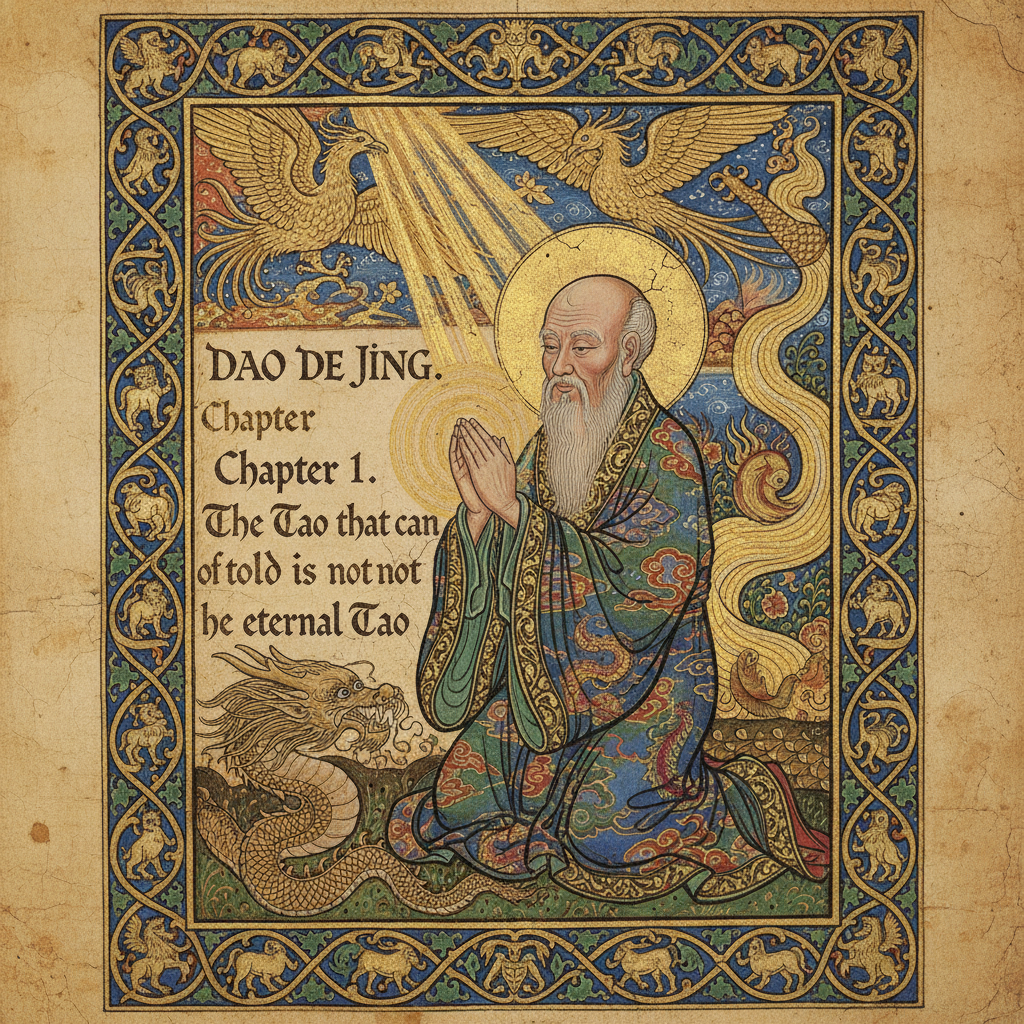 | 道可道,非常道 |
| 15 | Jain | 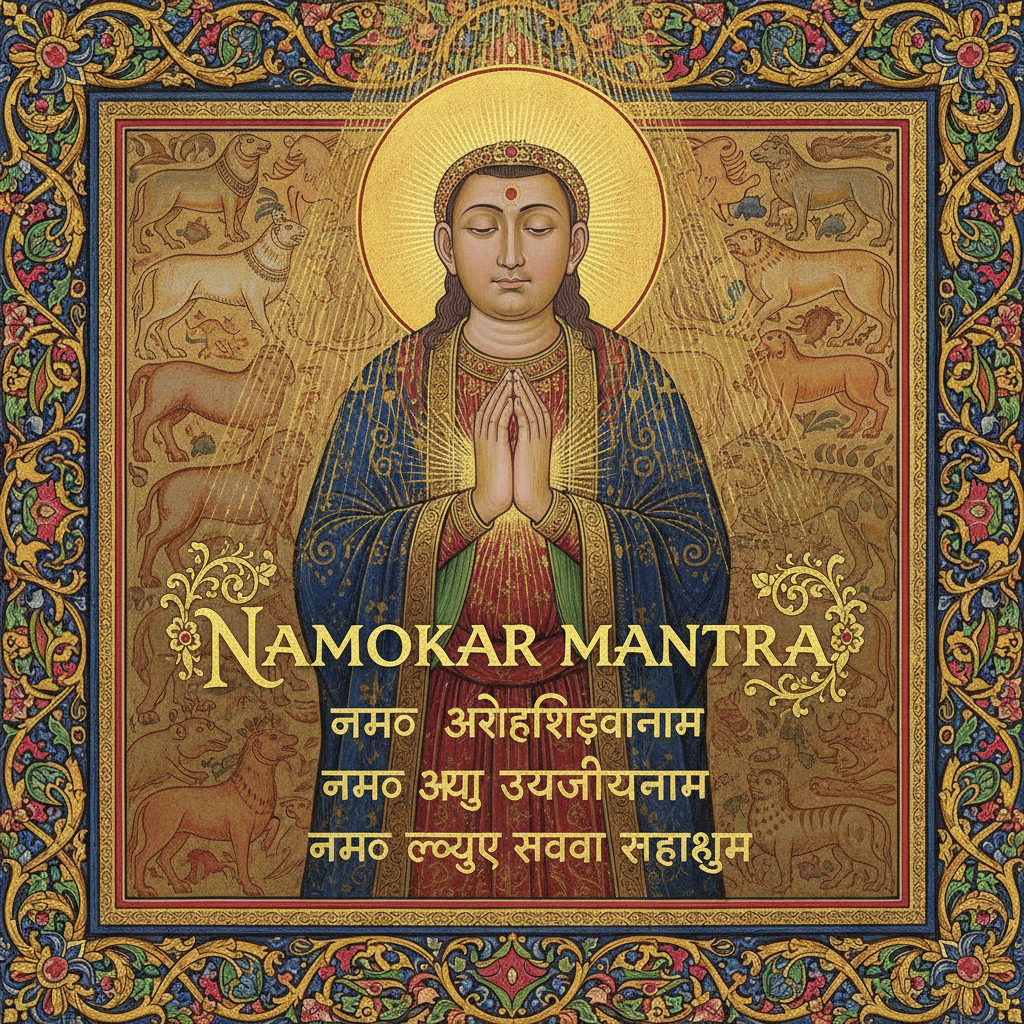 | णमो अरिहंताणं |