Hitchhiker's Guide to Religion
Cross-Tradition Studies

Recurring
Themes

Patterns, parallels, and points of contact woven across the world's religions — from resurrection myths and flood accounts to trickster gods, sacred meals, and the laughing divine.

25 studies
25 studies
Ancient Astronaut Claims vs What the Texts Actually Say

Ancient Astronaut Claims vs What the Texts Actually Say

5 traditions

Ancient astronaut theories -- von Däniken, Sitchin, the History Channel -- are how **millions** of people first encounter mythology. They deserve a response.

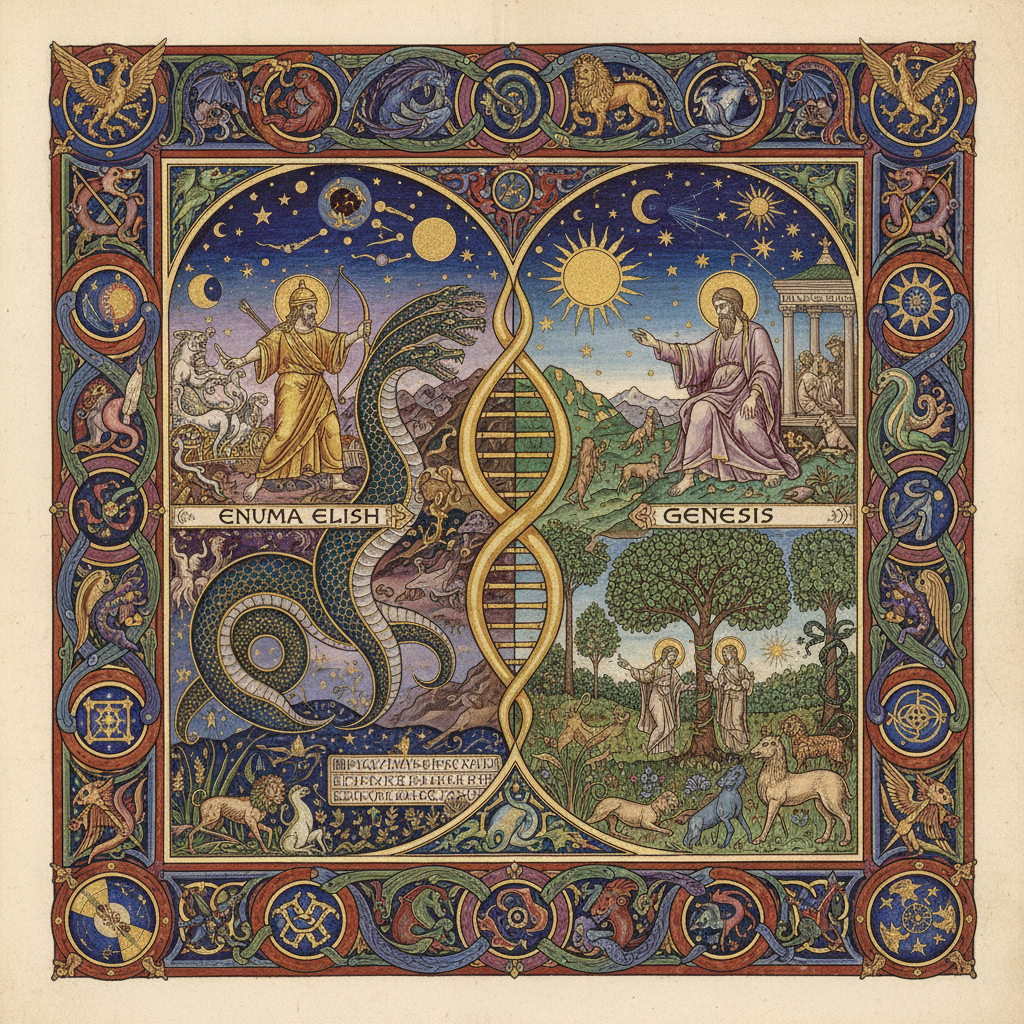
Parallel Texts: Mesopotamia and the Bible Side by Side

Parallel Texts: Mesopotamia and the Bible Side by Side

6 traditions

**What this document is**: Not summaries. Not "the Flood story is similar to Genesis." The actual words. Set them beside each other and let them speak. Every passage below comes from a recognized scholarly translation. Judge for yourself.

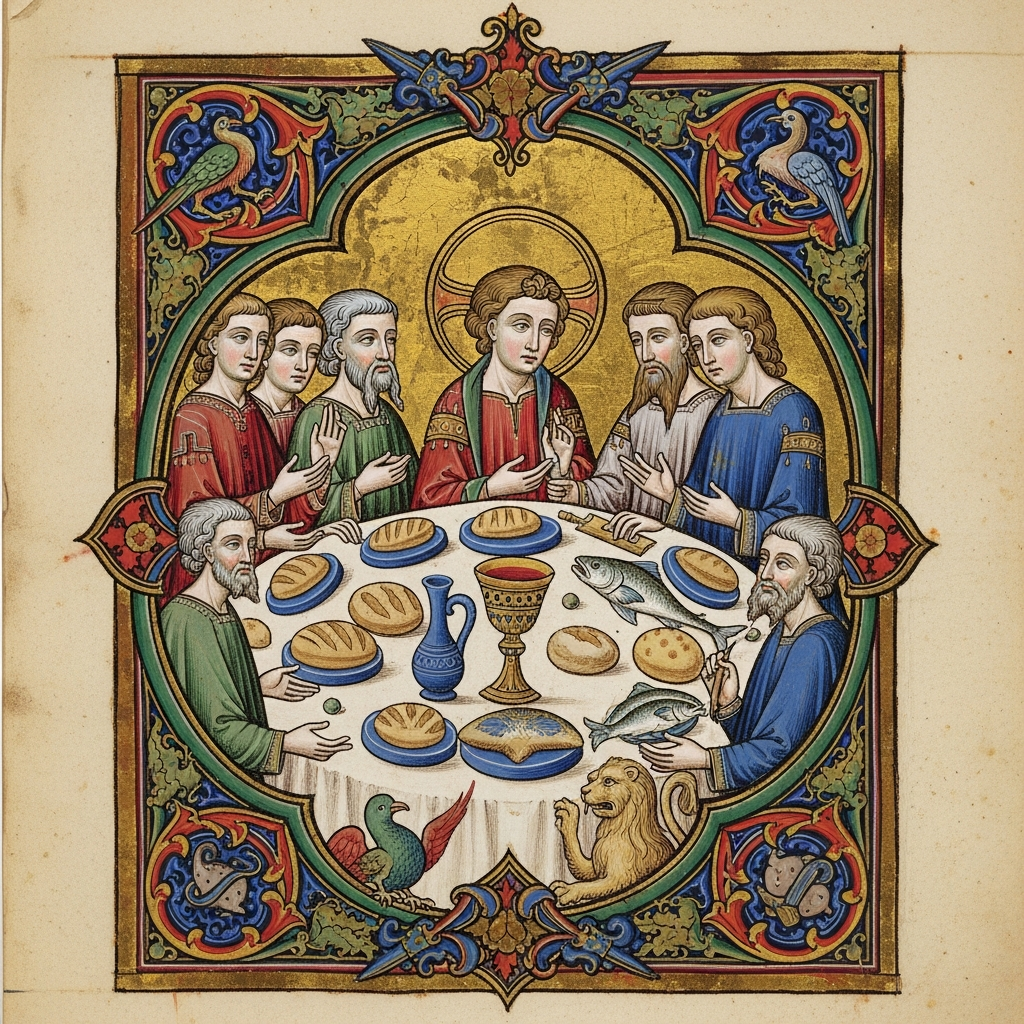
Sacred Meals -- Breaking Bread Across All Traditions

Sacred Meals -- Breaking Bread Across All Traditions

16 traditions

Food is the most democratic theology. You do not need to read, to travel, to belong to the right lineage, to speak the right language. You need only to eat. And every tradition on earth has looked at this most animal of necessities -- the body's insistence on being fed -- and decided it is sacred.

The Animals of God -- Sacred Beasts Across All Traditions

18 traditions

Every tradition has its sacred animals -- creatures chosen by the gods to carry, guard, announce, or embody divine will. Some pull chariots across the sky. Some whisper prophecy. Some devour the world at the end of time.

The Art of Dying — Death Rituals Across Religious Traditions

18 traditions

A comprehensive comparative analysis of how 15 world religions and spiritual traditions handle death, the disposal of the body, and the fate of the soul.

The Betrayals -- When the Knife Comes From Inside

The Betrayals -- When the Knife Comes From Inside

8 traditions

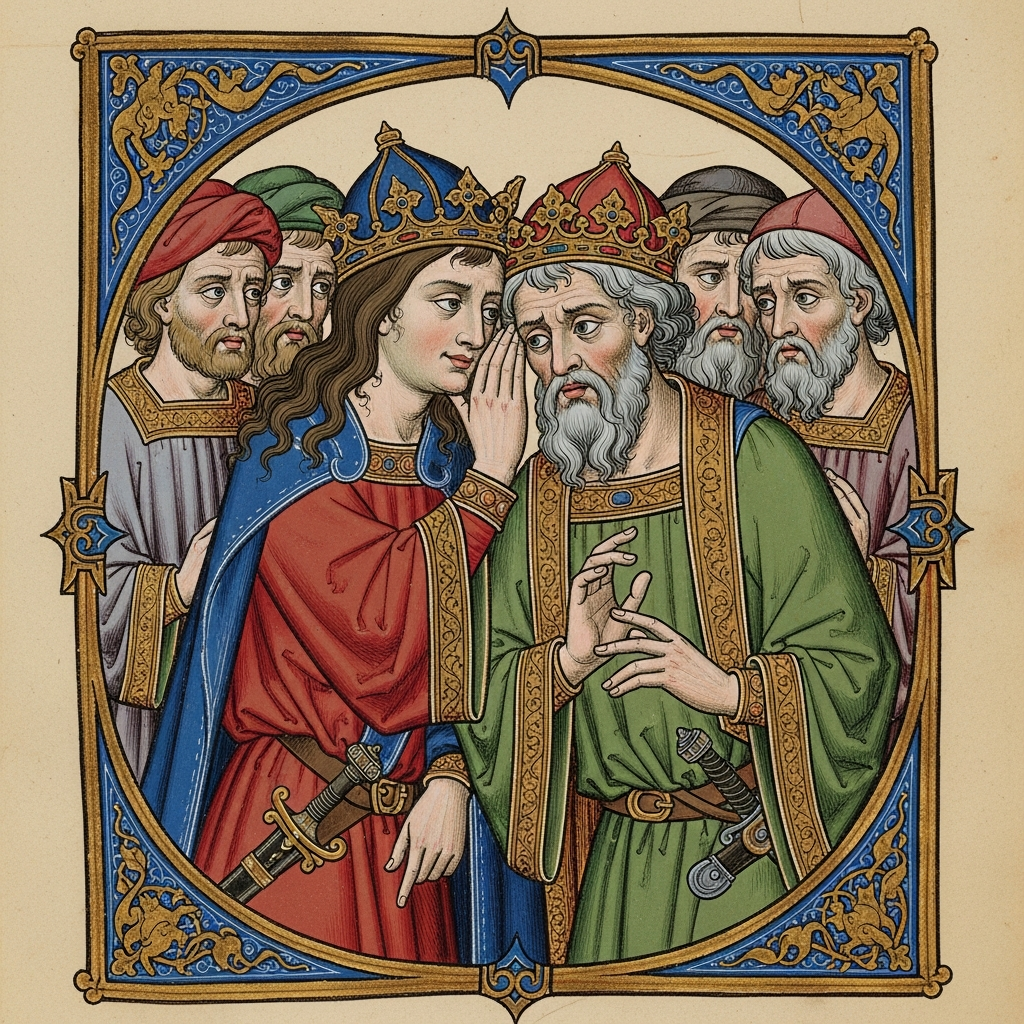
The most devastating moments in mythology are not battles but betrayals. Battles have enemies. Betrayals have loved ones. The damage from a sword heals.

The Children of Gods -- When the Divine and Human Meet

8 traditions

Every tradition has figures born of unions between gods and mortals. Half-divine, half-human, they walk between worlds -- too powerful to be ordinary, too mortal to be gods. They become heroes, monsters, saviors, and disasters. The pattern is universal, and universally tragic.

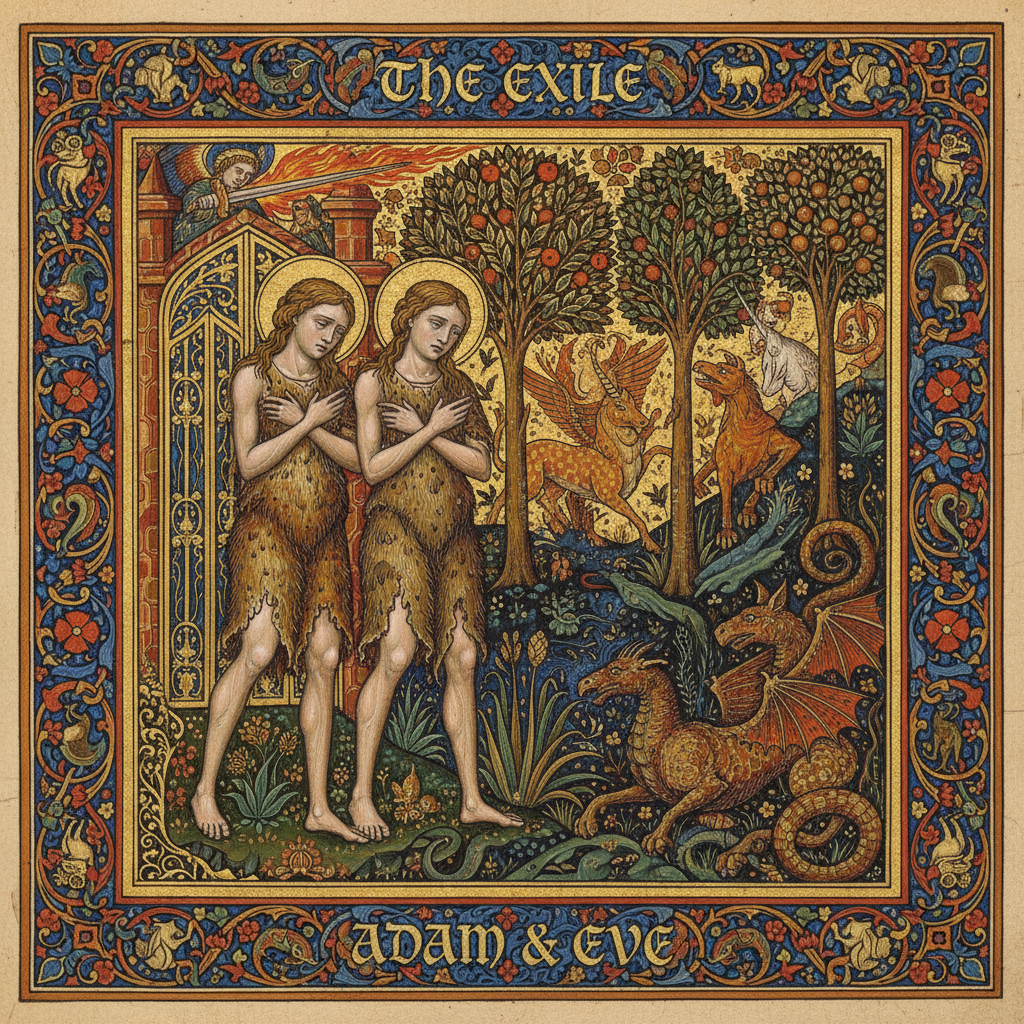
The Exiles -- Cast Out, Sent Away, Forced to Wander

The Exiles -- Cast Out, Sent Away, Forced to Wander

15 traditions

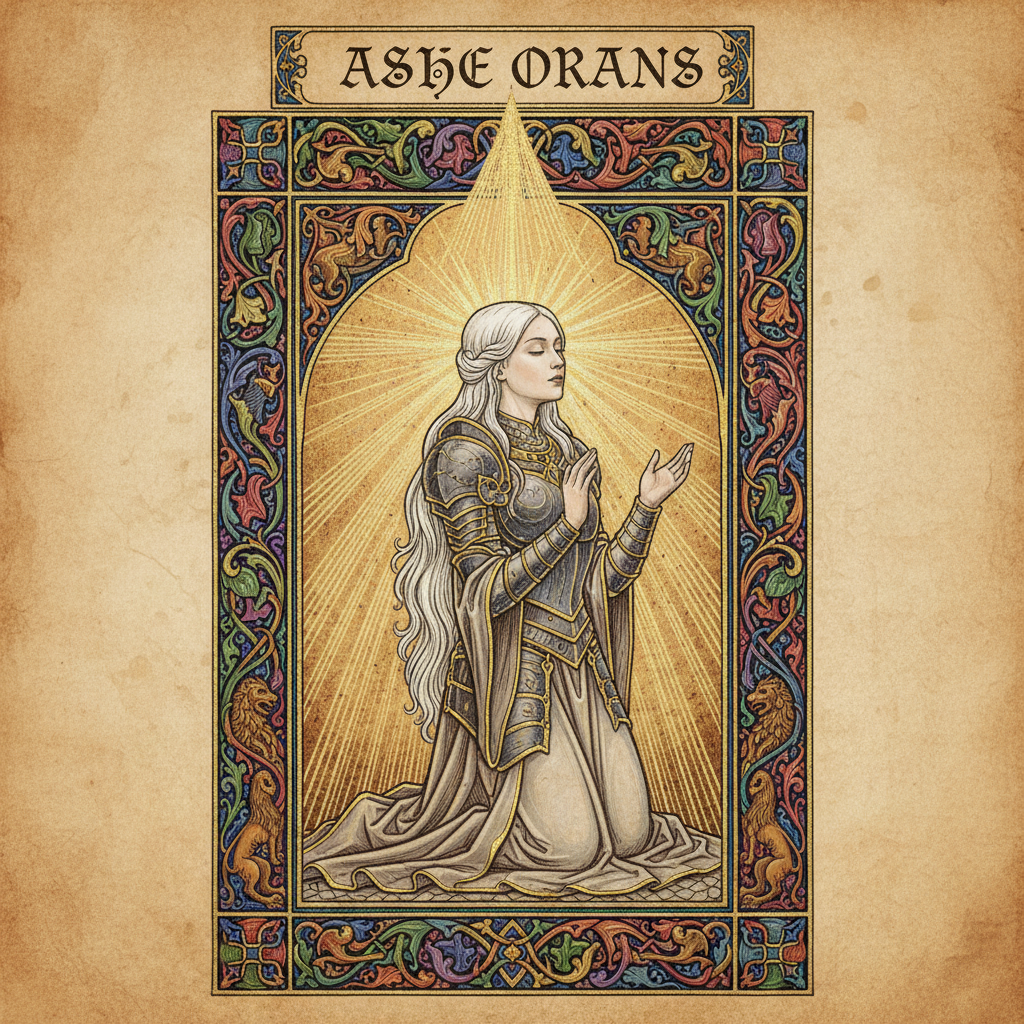
Every tradition has them: figures who are pushed out, cast down, sent away from everything they knew. The exile is not a minor character. The exile is often the *center* of the story -- the one whose forced journey reshapes the world.

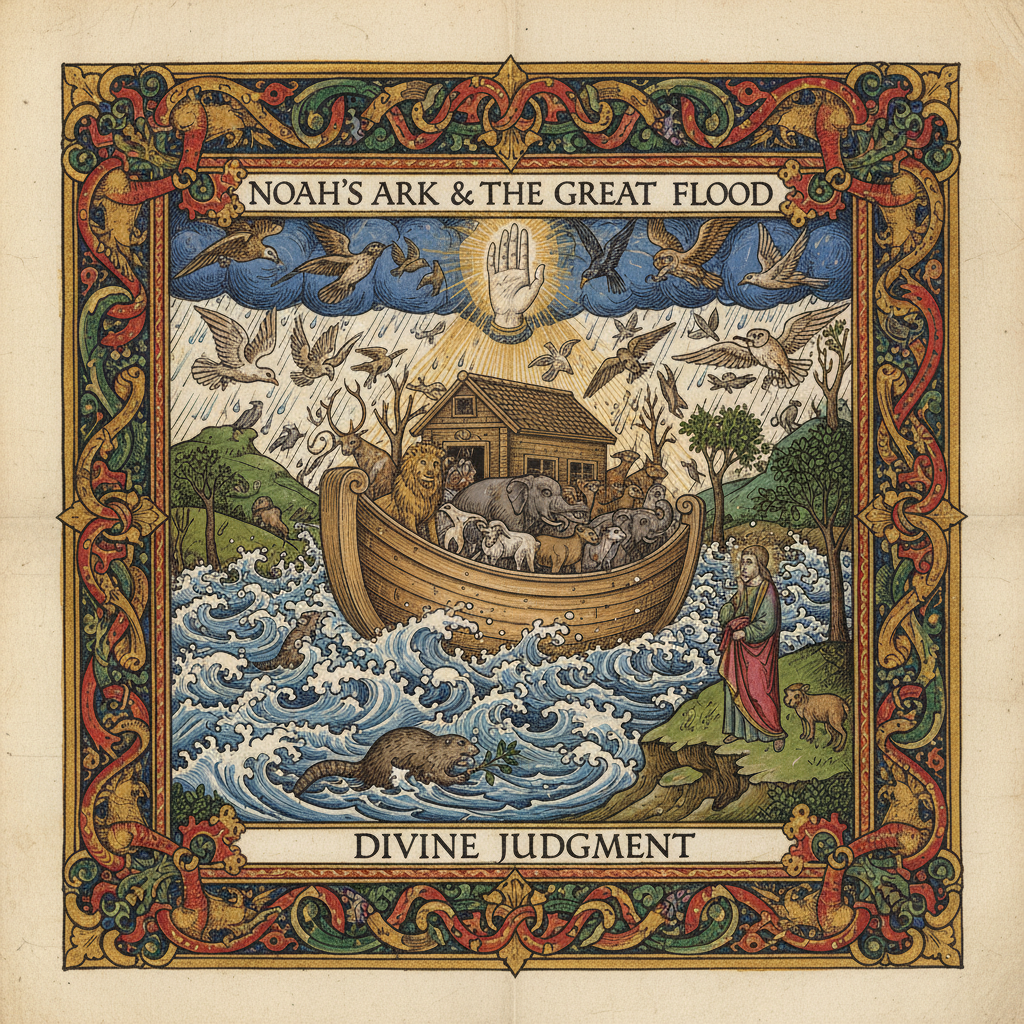
The Flood -- Complete Forensic Comparison

The Flood -- Complete Forensic Comparison

9 traditions

**What this document is**: A verse-by-verse forensic comparison of the great flood narratives across seven traditions. Not summaries. Not "this is similar to that." The actual words, placed side by side, analyzed for structural, theological, and cultural divergence.

The Last Words -- How Gods and Heroes Die

8 traditions

Death scenes are the most dramatic moments in any mythology. Every tradition's greatest figures face their end differently -- some with defiance, some with acceptance, some with silence.

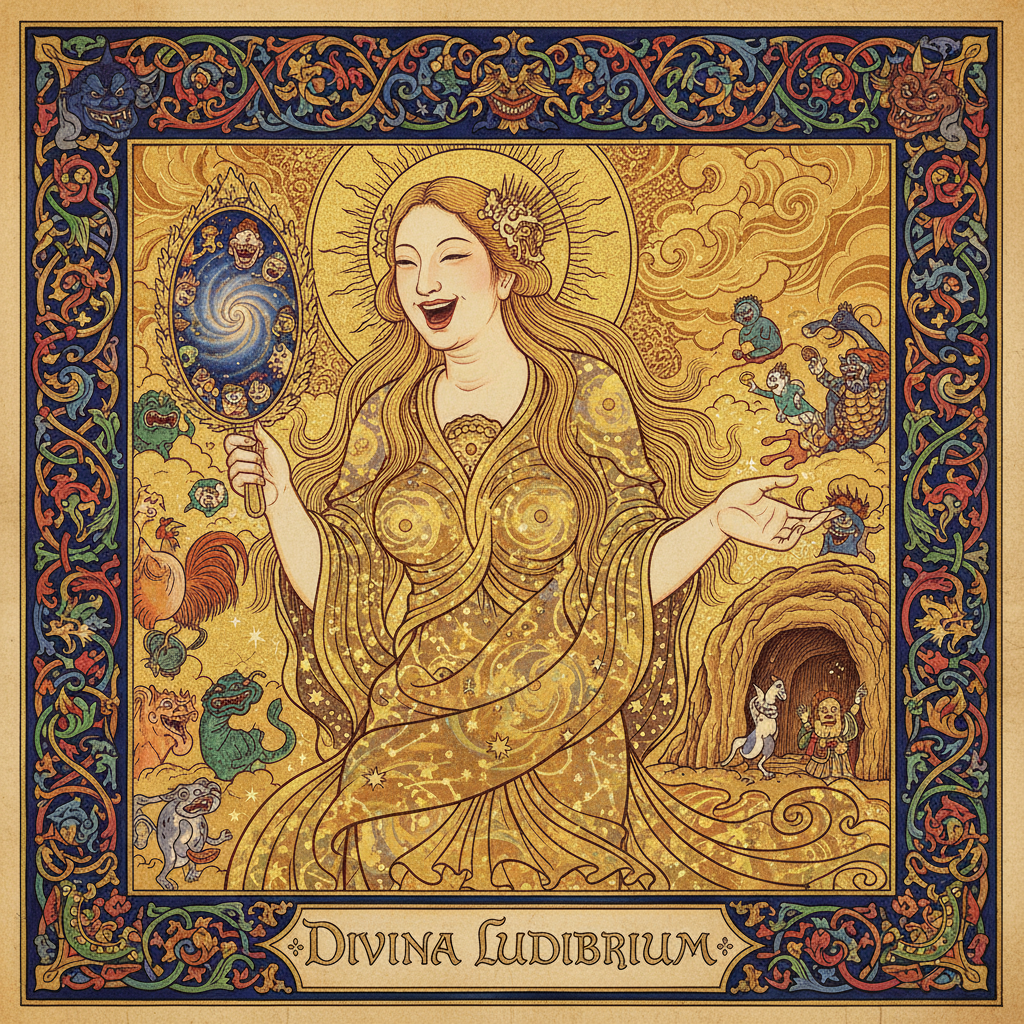
The Laughing Gods -- When the Sacred is Funny

The Laughing Gods -- When the Sacred is Funny

13 traditions

Religion is not always solemn. Every culture on Earth has moments where the divine becomes absurd, where the cosmos runs on comedy, where laughter saves the world. Gods get pranked. Tricksters fail spectacularly. Death tells dirty jokes. A flood gets solved by standup comedy.

The Metamorphoses -- Permanent Transformations

The Metamorphoses -- Permanent Transformations

7 traditions

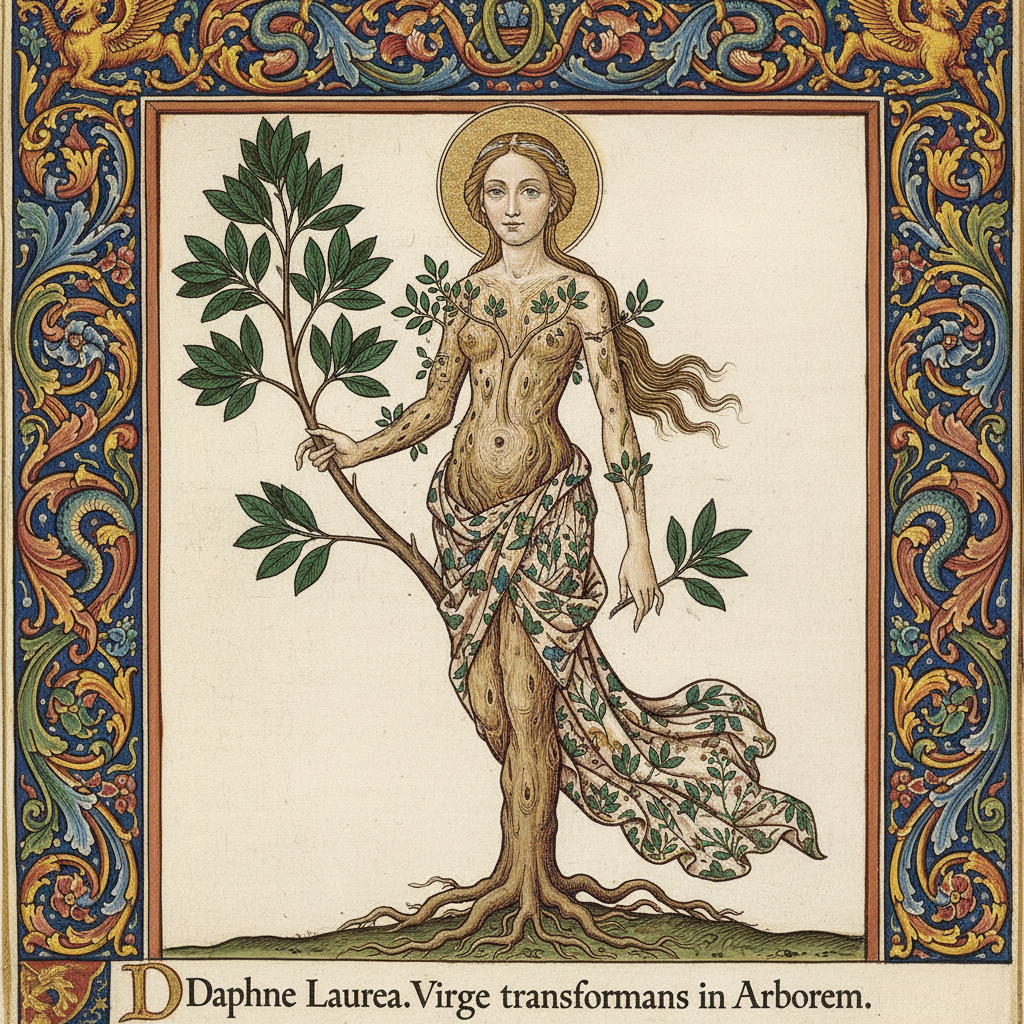
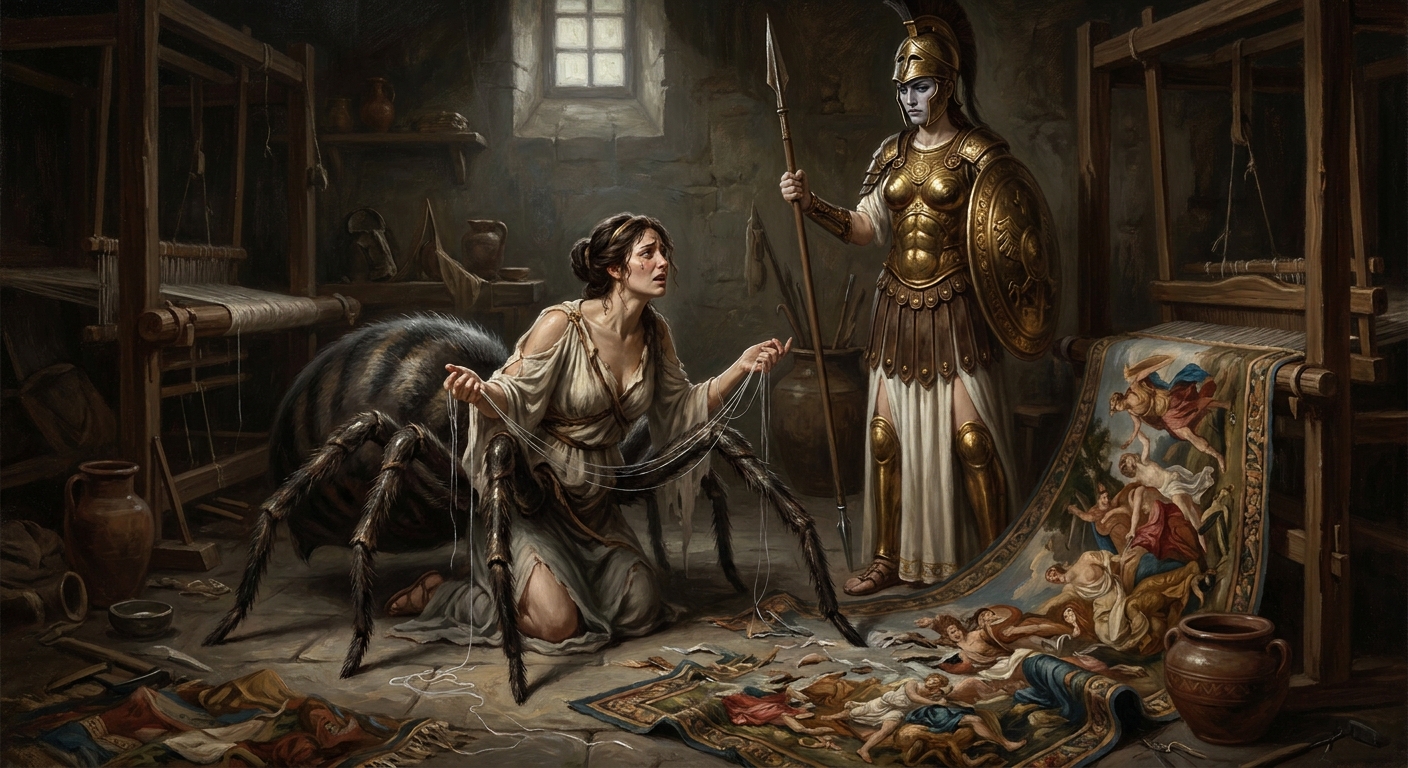
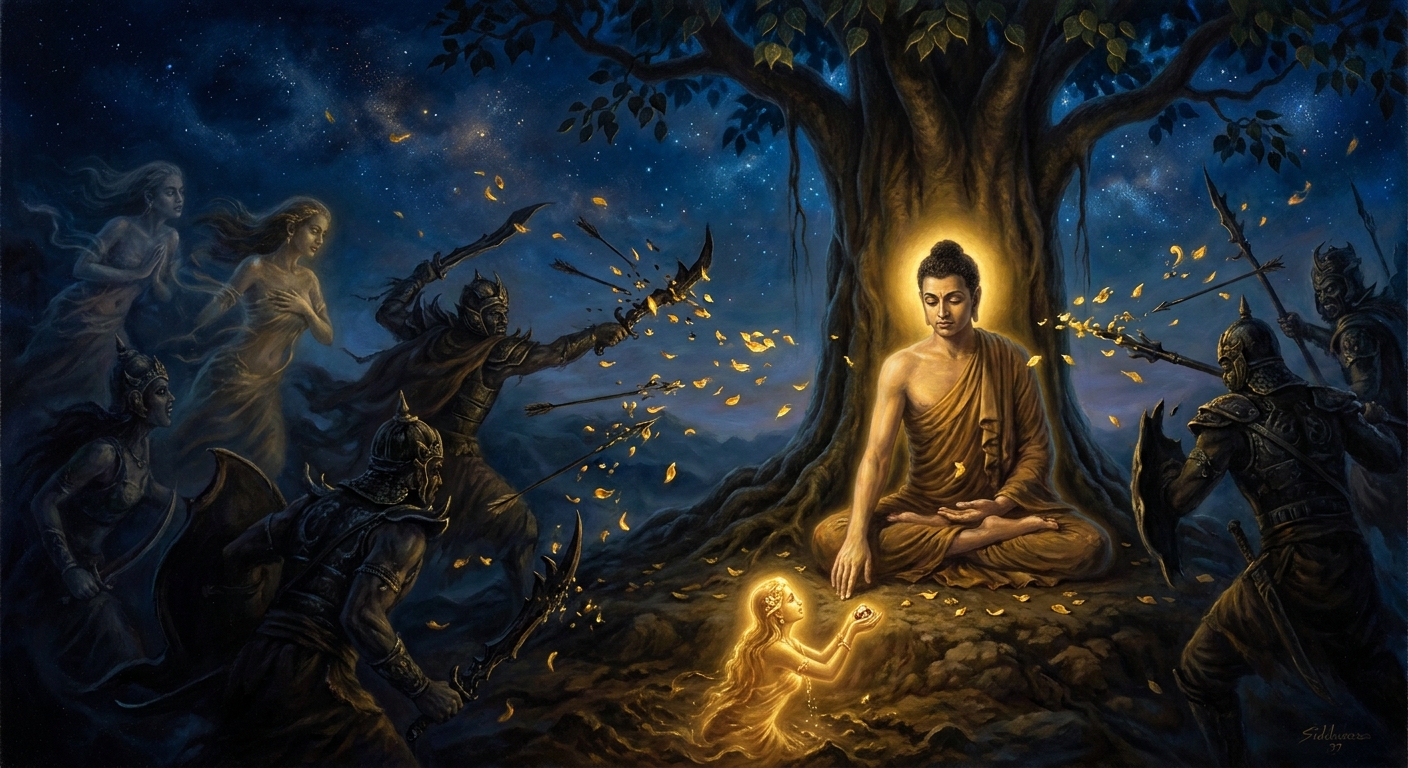
Shape-shifters change form and change back. The metamorphosed don't get that option. These are the beings who crossed a threshold -- through punishment, prayer, enlightenment, or death -- and came out the other side as something permanently different. The old form is gone. There is no return.

The Miracles -- Supernatural Acts Across Traditions

The Miracles -- Supernatural Acts Across Traditions

14 traditions

Every tradition has them: moments where reality bends. Where the rules stop applying. Where something happens that *cannot* happen, and then it does anyway, and everyone who witnesses it spends the rest of their life trying to describe it.

The Mothers -- The Divine Feminine Across All Traditions

The Mothers -- The Divine Feminine Across All Traditions

13 traditions

The mother figure is the single most universal deity-type in human religion. Before there were sky gods and thunder lords, there was She -- the one who creates, who feeds, who destroys to protect.

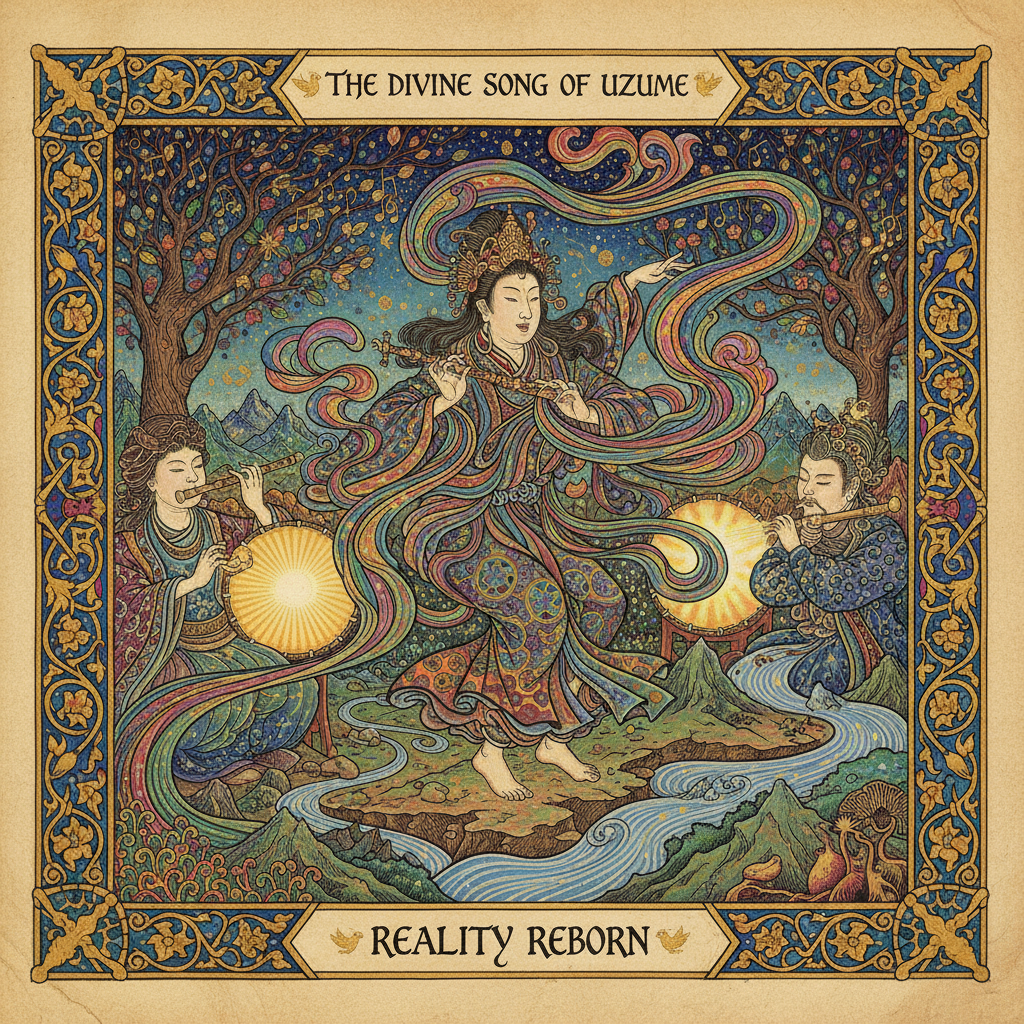
The Music of the Gods -- Sacred Sound Across All Traditions

The Music of the Gods -- Sacred Sound Across All Traditions

7 traditions

Every culture discovered it independently: sound is not just sound. It is the raw material of creation. Before there was light, there was vibration. Before there were words, there was the hum. The gods don't just happen to play music -- music is how they do everything.

The Numbers of the Dead -- A Grim Accounting

9 traditions

Every tradition contains mass death. This is not a criticism. It's a data point.

The Paradoxes -- The Contradictions at the Heart of Faith

10 traditions

Every tradition that survives long enough hits a wall. Not a wall of ignorance -- a wall of *logic itself*. A point where two things that cannot both be true are both required to be true, simultaneously, without compromise.

The Prayers -- One Line From Every Tradition

The Prayers -- One Line From Every Tradition

15 traditions

Every religion has thousands of prayers. Liturgies, hymns, supplications, lamentations, praise songs, mantras, invocations.

The Promises -- What the World Looks Like When It's Fixed

The Promises -- What the World Looks Like When It's Fixed

10 traditions

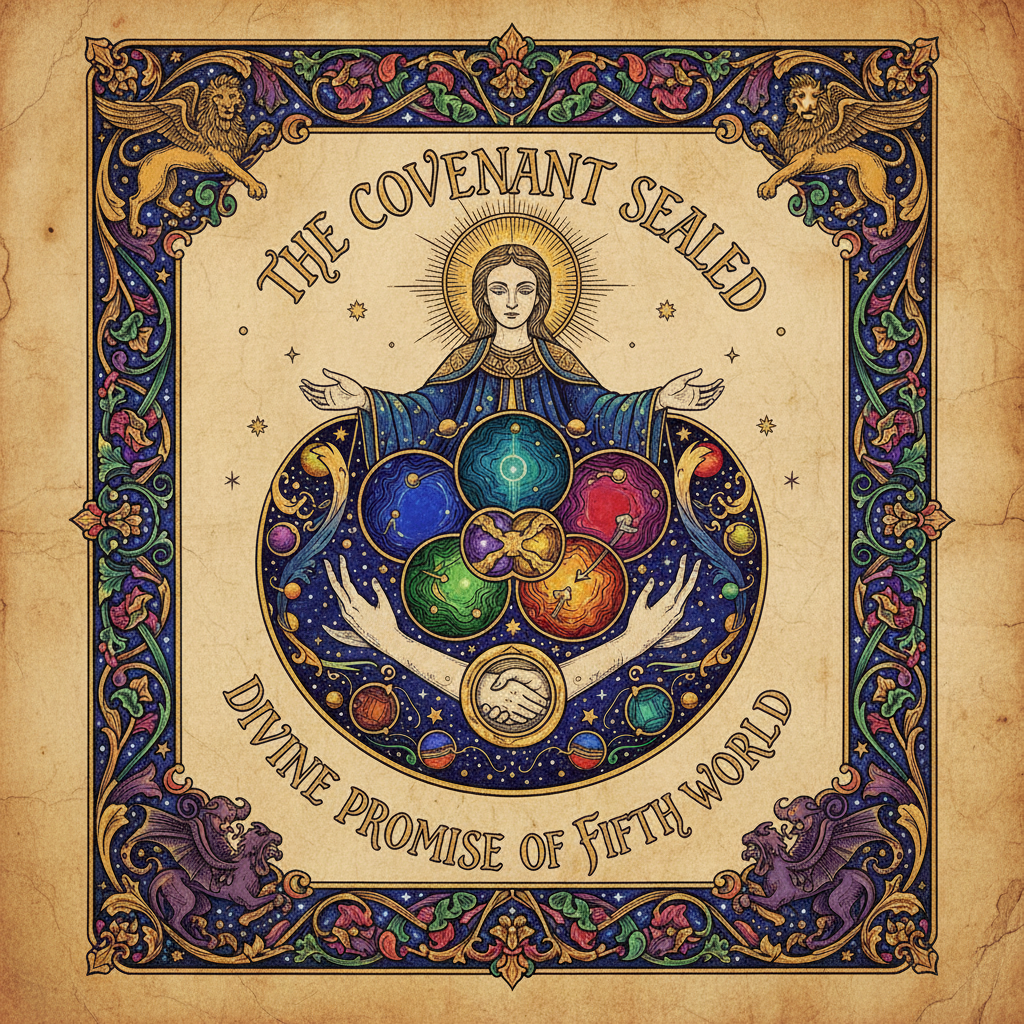
Every tradition has its darkness. Its flood, its fall, its fire, its age of ruin. We've catalogued those: the destructions, the punishments, the apocalyptic end-states, the wars between gods and giants and the long slow dying of dharma.

The Punishments -- What Happens When You Cross the Divine
The Punishments -- What Happens When You Cross the Divine
6 traditions

Every tradition has its gallery of the damned. Not the hell-bound masses -- the *specific* sinners, the ones whose punishments became myths in themselves.

The Questions -- What Nobody Can Answer

6 traditions

The Bestiary has documented 40+ traditions, 1,700+ entities, 2,000+ art pieces, and dozens of analytical comparisons. After all of it, the one thing every tradition shares is not an answer but a **question**.

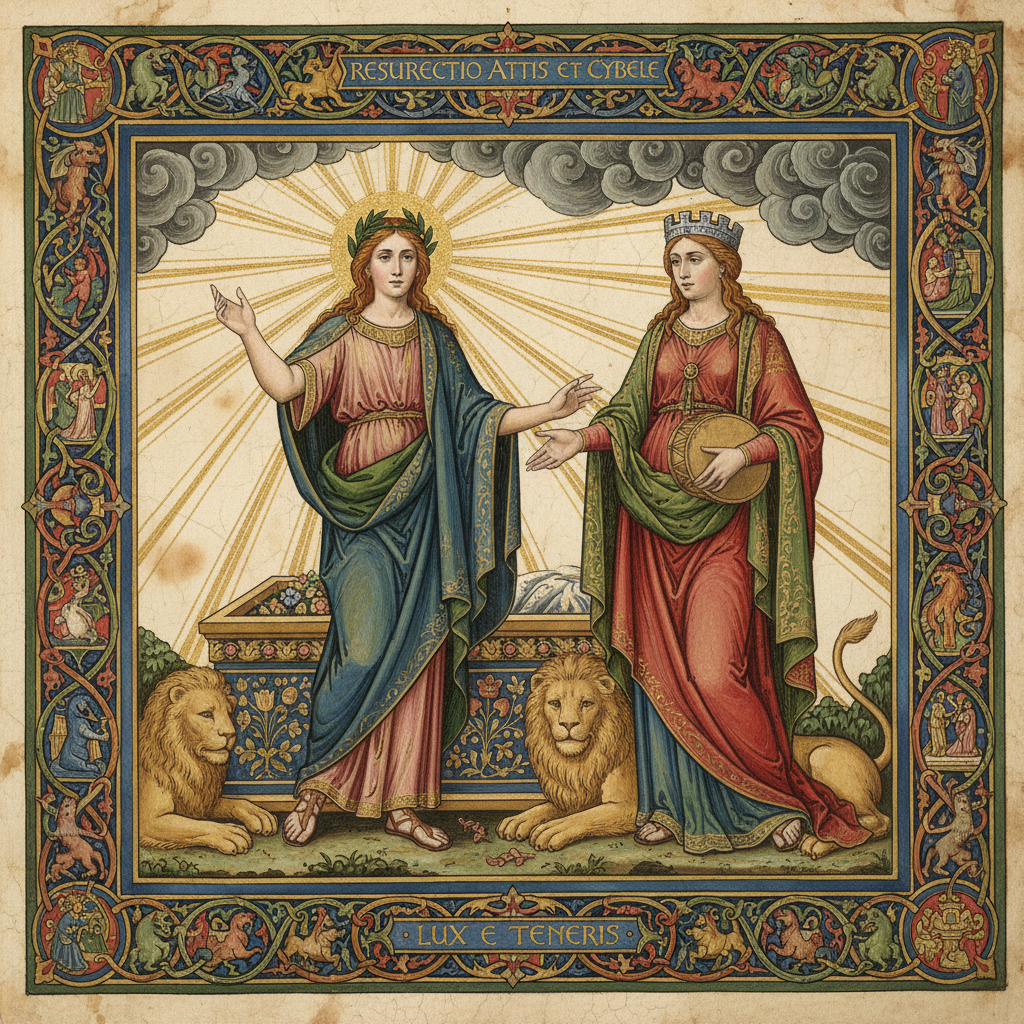
The Resurrections -- Everyone Who Came Back

The Resurrections -- Everyone Who Came Back

16 traditions

Every culture that looked at death asked the same question: *can you come back?* The answers are wildly different -- but the question is universal. Some gods die and return forever. Some die and return on a schedule. Some die and return only after the world itself ends.

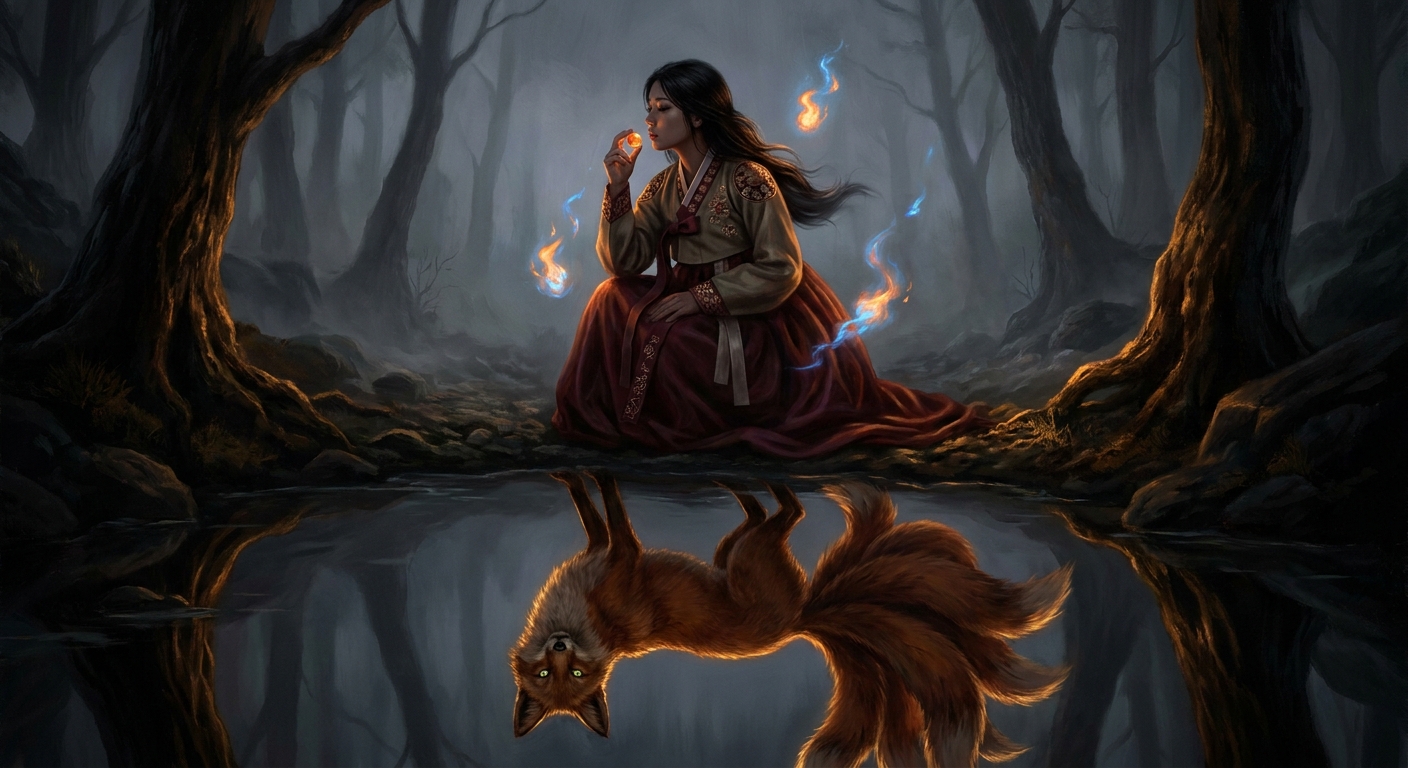
The Shape-Shifters -- When Identity Is Fluid

The Shape-Shifters -- When Identity Is Fluid

10 traditions

Almost every mythology on Earth has shape-shifters. Gods become animals. Foxes become women. Seals become lovers. Wolves eat men from the inside out. The specifics change, the principle doesn't: **form is negotiable, but identity always leaks through.**

The Underdog Victories -- When the Weakest Won

The Underdog Victories -- When the Weakest Won

9 traditions

Every tradition keeps these stories. The ones where the smallest won. Where the weakest, the most overlooked, the most unlikely defeated the seemingly invincible. These are not tales of luck -- they are the universe's statement that power calculates wrong. The strong count armies.

The Wise Ones -- The Greatest Minds in Sacred History

The Wise Ones -- The Greatest Minds in Sacred History

14 traditions

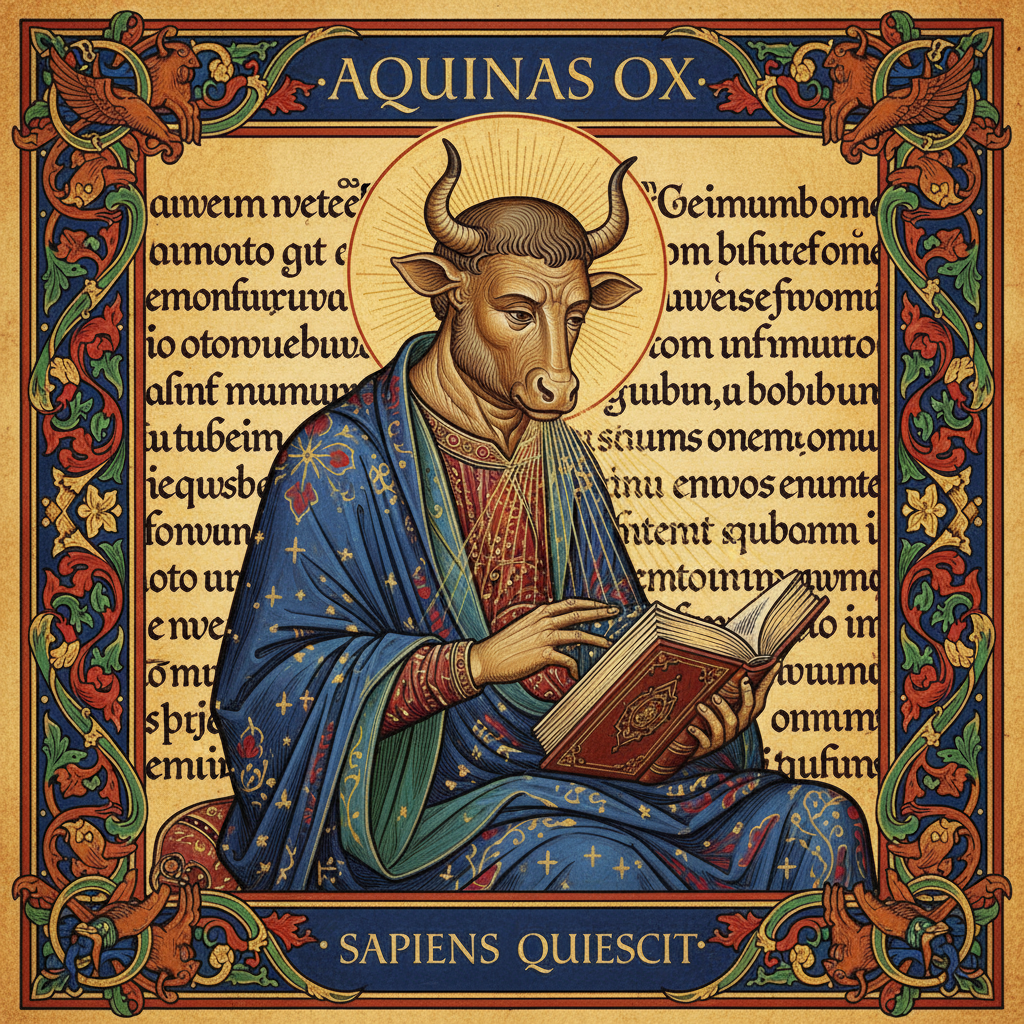
Not warriors. Not gods (mostly). MINDS. Every tradition has figures who embody wisdom itself -- who sought knowledge at any cost, who thought harder and further than anyone around them, and who paid for it. Because wisdom is never free.