Combat Profile
Purifying Ascension
strips away all corrupting influences and impurities from a target, restoring them to their essential nature and granting temporary invulnerability to darkness
Dawn's Blessing
all allies in presence gain gradual cleansing of hexes and poisons while recovering spiritual essence with each passing moment
Passivity -- Albedo is pure but not yet complete; the White Queen alone is receptive but not generative; the soul may rest in purity without pressing on toward union
“Wash me, and I shall be whiter than snow.” — Psalm 51:7
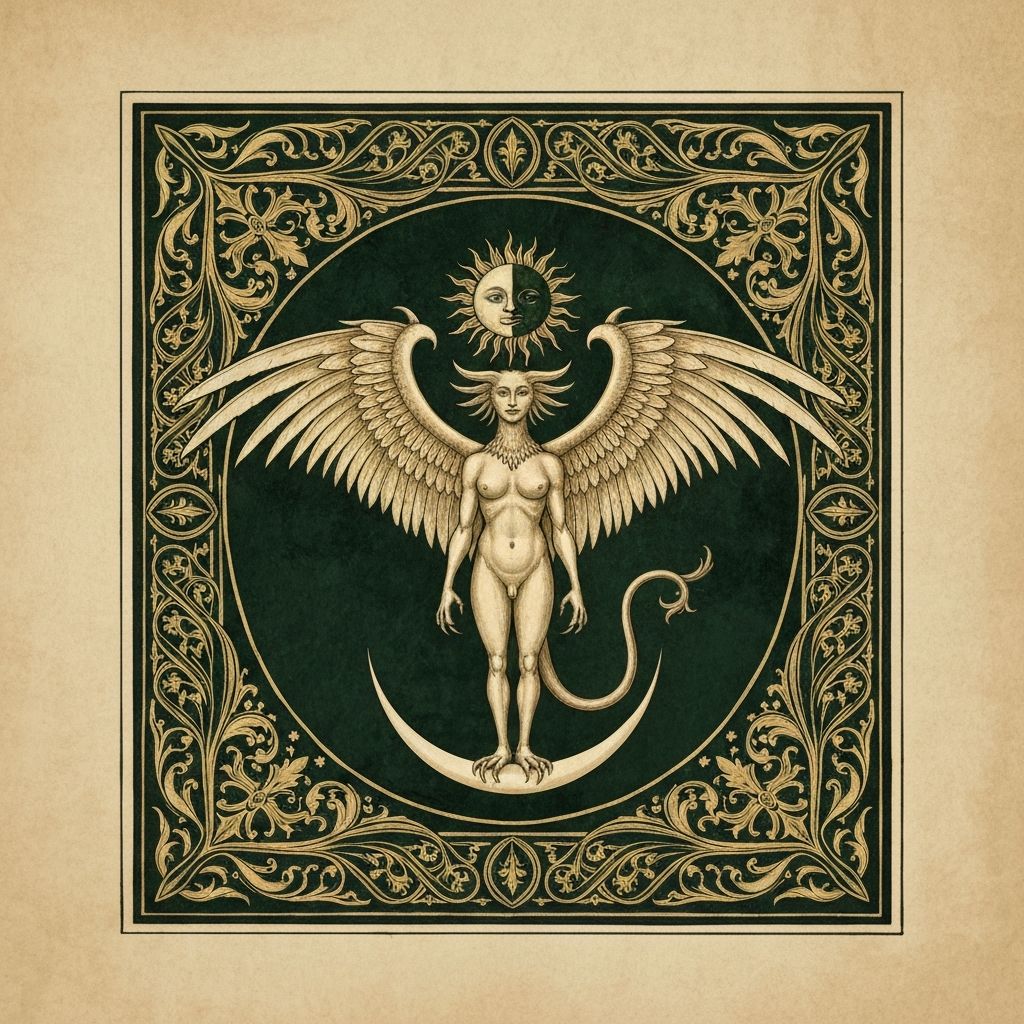
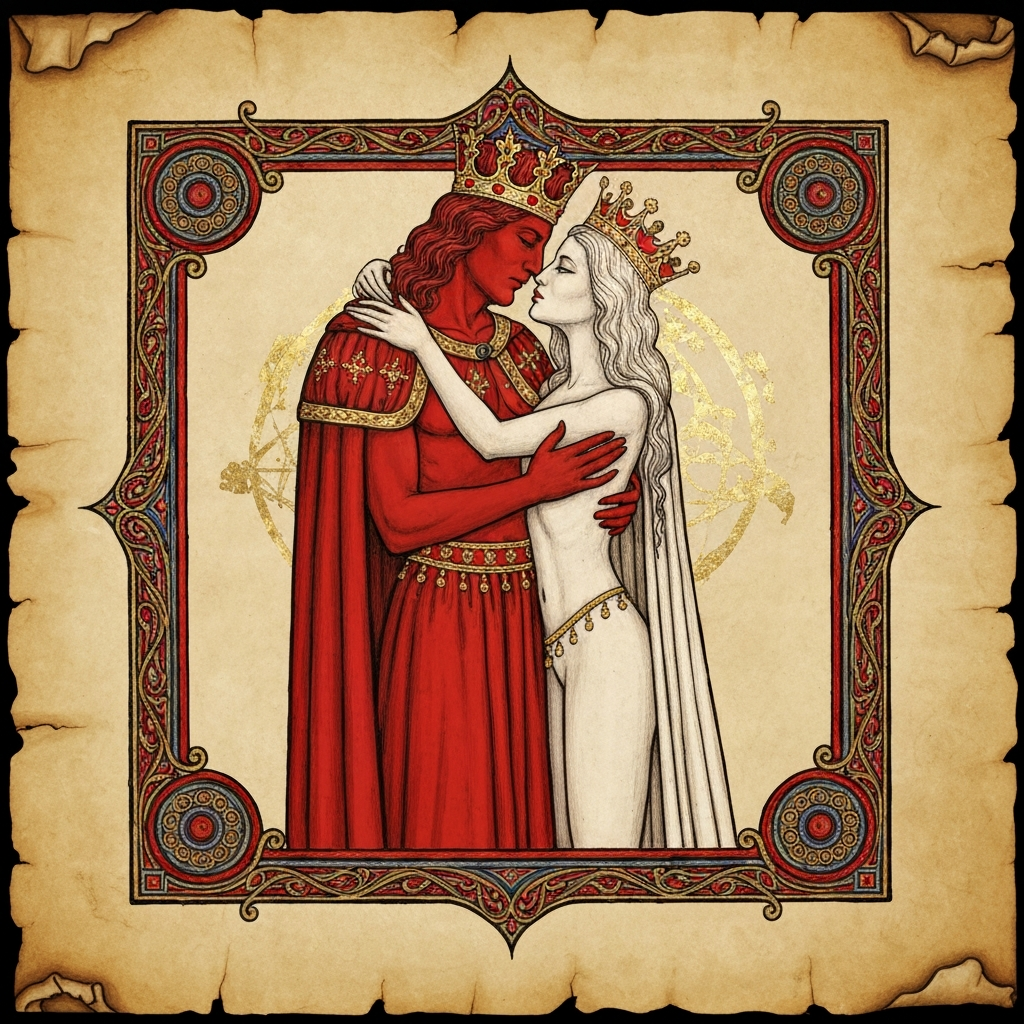
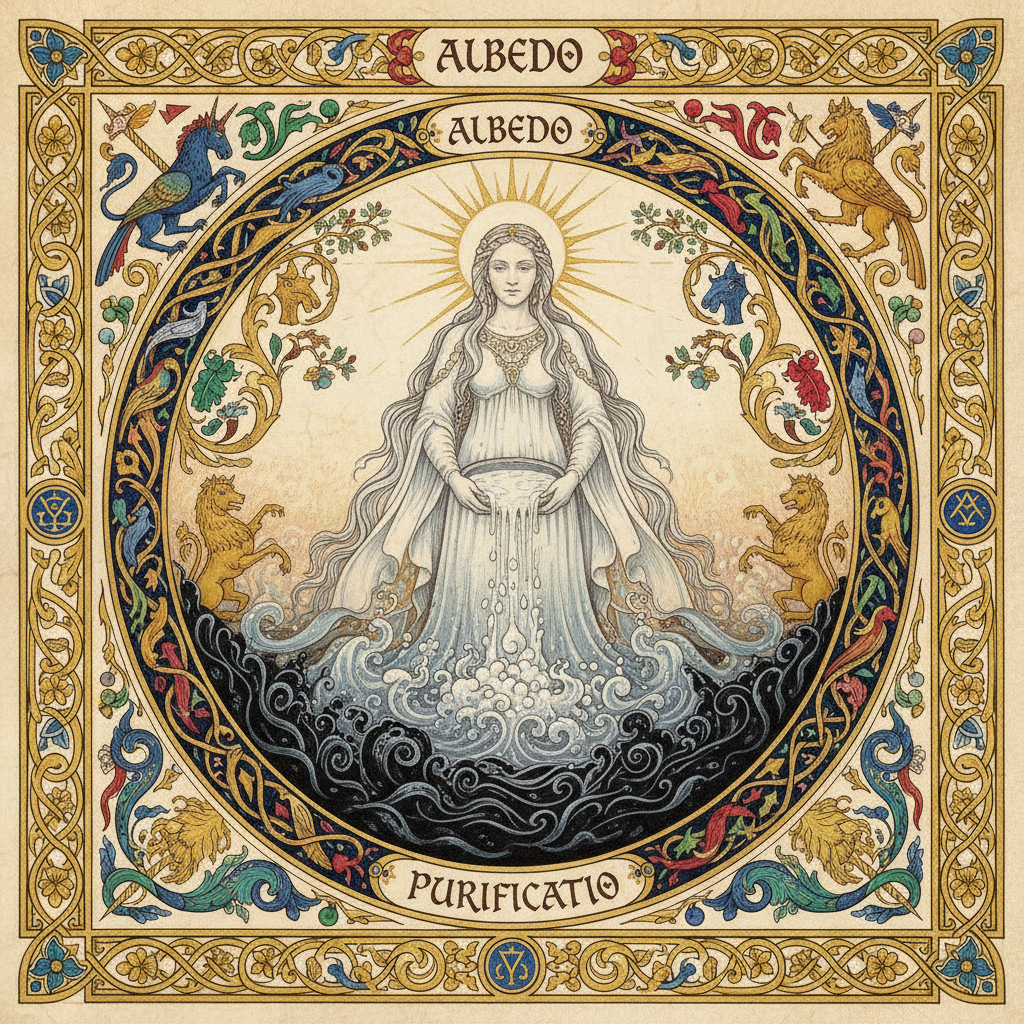
Lore: After the total destruction of Nigredo, Albedo arrives as relief — the first light after the dark night. The blackened material is repeatedly washed (ablutio) and distilled until it turns white. The White Queen — Regina Alba — emerges from the ashes, representing the purified soul, the receptive feminine principle, the moon reflecting the sun’s light. But Albedo is not the end. Purity is not perfection. The soul is clean but not yet complete; it must still be united with the masculine principle (the Red King) to achieve the Philosopher’s Stone.
Parallel: Baptism — the washing away of sin (Acts 22:16: “Get up, be baptized and wash your sins away”). Easter morning — the tomb is empty, the darkness is over, but the disciples do not yet understand. Psalm 51:7: “Purge me with hyssop, and I shall be clean; wash me, and I shall be whiter than snow.” The white garments of the transfigured Christ (Mark 9:3).
1 min read
Rubedo (the fire that completes what washing began); spiritual complacency; any force that mistakes purity for perfection
*Rosarium Philosophorum*; *Aurora Consurgens* (attributed to Thomas Aquinas); *Atalanta Fugiens* (Michael Maier, 1617)