Combat Profile
Three Books of Occult Philosophy
channels celestial, natural, and ceremonial forces in perfect harmony to reshape reality through symbolic knowledge
Systematic Synthesis
all magical operations gain increased efficacy through methodical categorization and understanding of divine correspondences
Hounded across Europe by ecclesiastical authorities; dies in poverty in Grenoble in 1535; his *De Vanitate* (1530) public retraction of magic was probably tactical rather than sincere
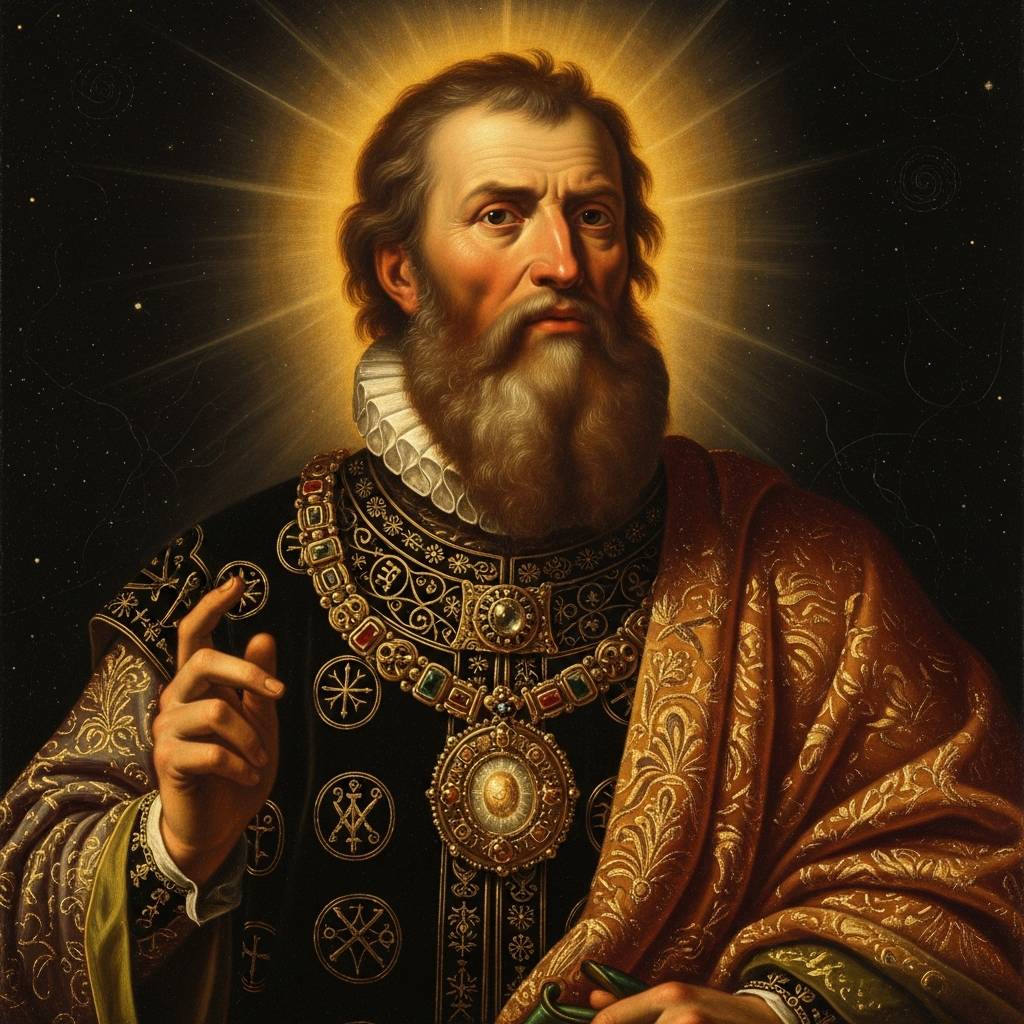
Heinrich Cornelius Agrippa von Nettesheim — soldier, doctor, lawyer, court secretary to Margaret of Austria, and full-time troublemaker — wrote the book that taught Europe how to do magic systematically. De Occulta Philosophia organizes magic into three tiers: the natural (stones, plants, planetary correspondences), the celestial (numerology, astrology, talismans), and the ceremonial (angels, divine names, spirits). The book is so comprehensive that virtually every later Western magical text quotes or assumes it. The Golden Dawn syllabus assumed Agrippa as background reading. His public renunciation of magic in De Vanitate fooled no one; he kept revising De Occulta Philosophia up to the year of its publication.
1 min read
Agrippa, *De Occulta Philosophia* (1533); *De Vanitate* (1530)