What This File Is (and Isn’t)
“Esoteric” means Western Esotericism — the braided tradition of Hermeticism, Christian Kabbalah, alchemy, ceremonial magic, Tarot, Theosophy, and ritual magick from Hellenistic Egypt through the modern occult revival. It is not a catch-all for Eastern mysticism, “New Age,” or anything spooky. Tantra, Zen, and Sufism belong to their own files.
Scholars like Hanegraaff, Faivre, and Goodrick-Clarke recognize Western Esotericism as a distinct current with its own canon, teachers, and arguments. It overlaps with but is not identical to magic, occultism, mysticism, or Gnosticism. Where these overlap (alchemy, Tarot, Goetia, Gnostic cosmology), this file points to dedicated entries. The goal is the connective tissue and figures without a single home.
Caveat: Most “ancient origins” claimed by esotericists are 17th- or 19th-century inventions. The Rosicrucians did not exist before 1614. The Golden Dawn’s “Cipher Manuscripts” almost certainly didn’t come from Anna Sprengel. The Kybalion (1908) is not Hermes Trismegistus. This file separates documented history from myth at every step.
The Story
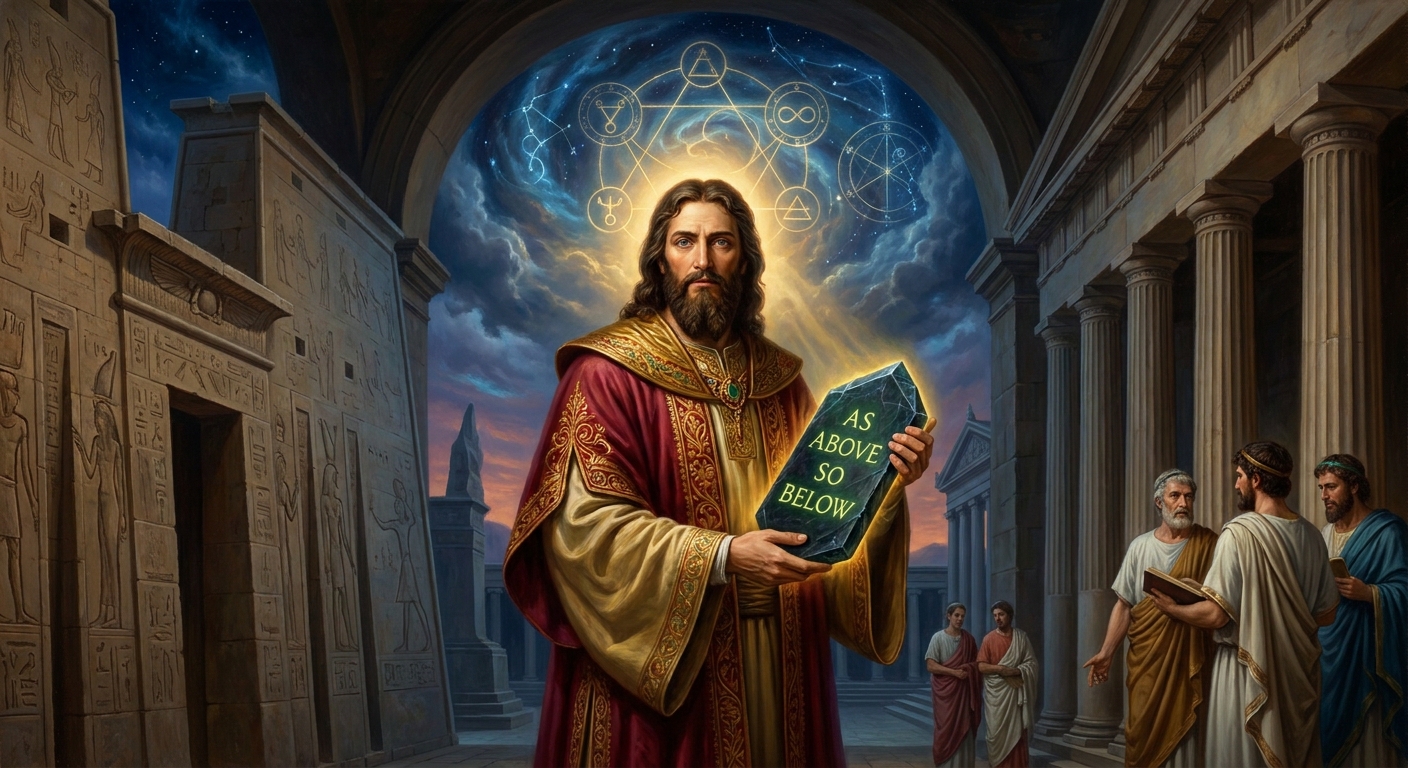
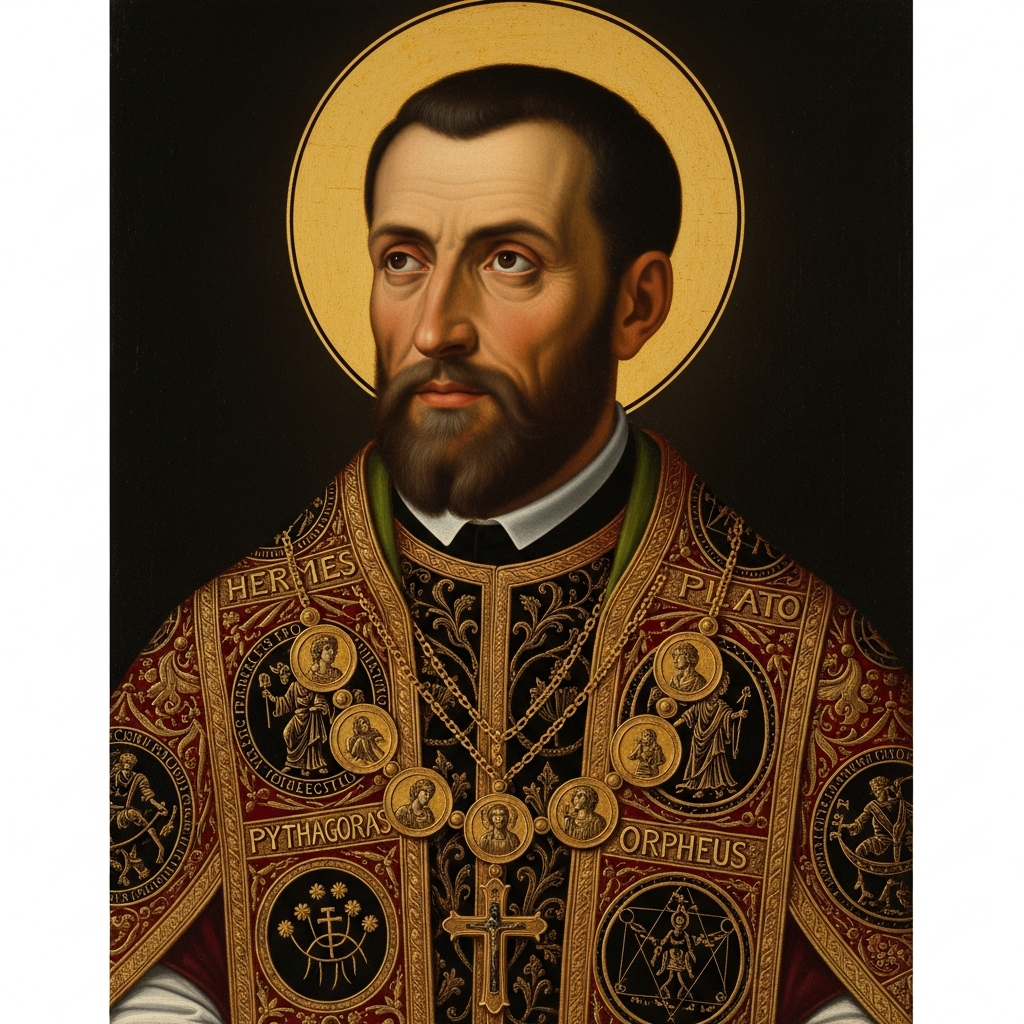
Hellenistic Egypt (1st-3rd century CE): Alexandria becomes a crucible — Greek philosophy, Egyptian priestcraft, Jewish scripture, early Christianity, Mesopotamian astrology all converging. Out of it emerges the Hermetica, Greek treatises attributed to Hermes Trismegistus (“Thrice-Great Hermes”), a syncretic figure merging Greek Hermes with Egyptian Thoth. The Corpus Hermeticum and Asclepius teach that fallen humanity finds salvation through gnosis — knowledge of God, self, and cosmos (Corpus Hermeticum I). The Emerald Tablet (Arabic, ~6th-9th century, claiming Hermetic roots) supplies the formula that defines the entire tradition: “As above, so below.”
Medieval Transmission (700-1450): Greek Hermetica vanish from Christian Europe, but Arabic scholars preserve them: Jabir ibn Hayyan (~8th century) systematizes alchemy; the Picatrix (Ghayat al-Hakim, ~10-11th century, Andalusian) compiles astrological magic. Christian Europe develops its own stream — monastic alchemy, the Ars Notoria, the Sworn Book of Honorius. By the 13th century, Spanish Jewish mystics produce the Zohar, Kabbalah’s founding text. None yet calls itself “esotericism” — it is simply the era’s high-end magical and mystical literature.
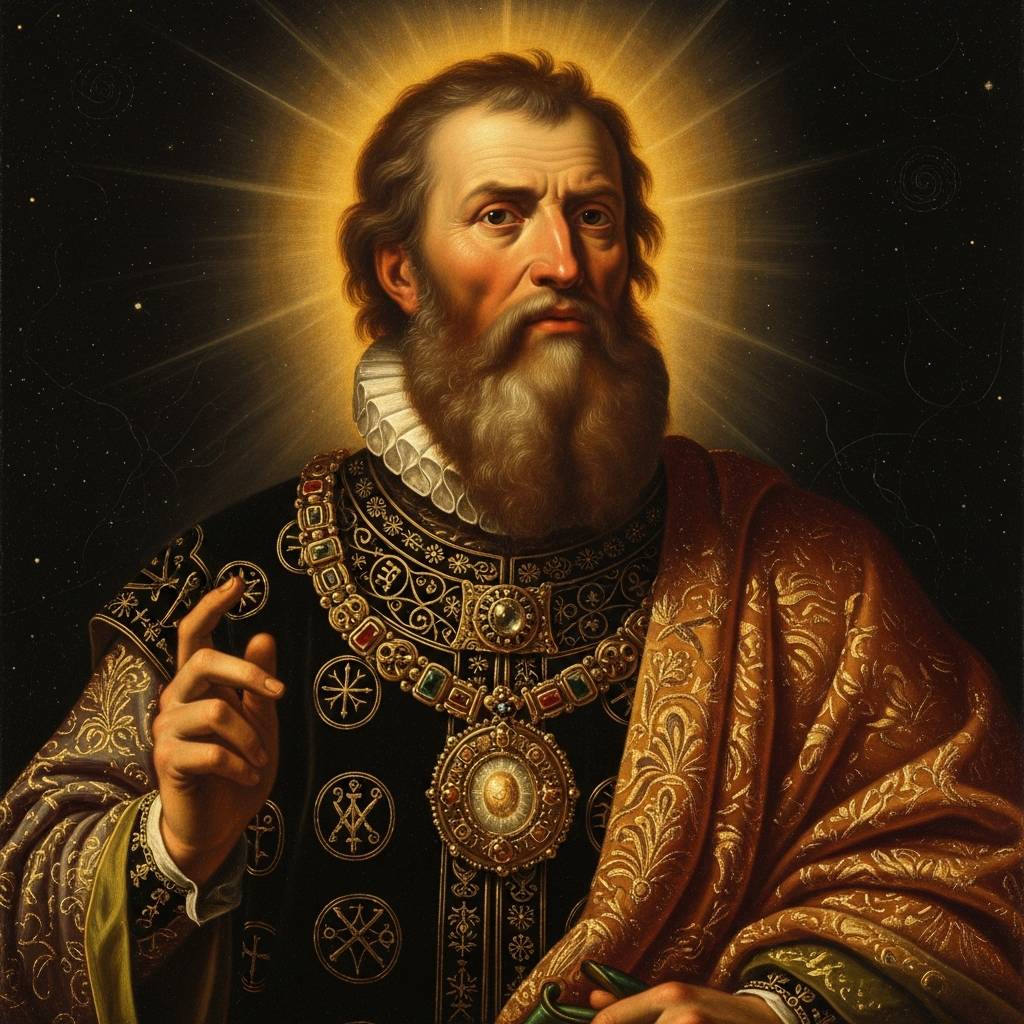
The Renaissance Magus (1463-1600): Marsilio Ficino translates the Corpus Hermeticum into Latin (1463); Cosimo de’ Medici ordered him to halt Plato for this first — that signals how electrifying these texts were. Renaissance Europe now believes it has recovered Egyptian wisdom older than Moses. Pico della Mirandola marries Hermeticism to Christian Kabbalah. Cornelius Agrippa publishes De Occulta Philosophia (1533), Renaissance magic’s systematic encyclopedia. John Dee, Elizabeth I’s court astrologer, partners with medium Edward Kelley (1582-1589) to receive the Enochian language and angelic hierarchies through a black obsidian mirror (Dee, Mysteriorum Libri Quinque). Giordano Bruno preaches an infinite Hermetic cosmos and burns in Rome in 1600. The “Western magus” archetype crystallizes.
The Rosicrucian Manifestos (1614-1617): Three anonymous German pamphlets announce a secret brotherhood — the Fama Fraternitatis (1614), the Confessio Fraternitatis (1615), and the Chymical Wedding of Christian Rosenkreutz (1616). They claim a 200-year-old order founded by Christian Rosenkreutz, with hidden adepts reforming all knowledge. No such order existed. The pamphlets likely come from the Lutheran theologian Johann Valentin Andreae and his circle. But the response is real — a flood of pamphlets, actual Rosicrucian societies forming, influence on Freemasonry. Western Esotericism invents its own myth and then becomes that myth.
Enlightenment Underground (1700-1850): As official culture turns rationalist, esotericism goes underground and grows. Speculative Freemasonry consolidates in 1717 London. Hermetic, Kabbalistic, and alchemical streams pour into Masonic ritual through Martinez de Pasqually and the Élus Coëns. Swedenborg sees heaven and hell. Mesmer animates the salons. Cagliostro charms and grifts European courts. These strands knit themselves into Enlightenment Europe’s hidden circulatory system.
Eliphas Levi and the French Occult Revival (1854-1875): Eliphas Levi (born Alphonse Louis Constant, a defrocked deacon) publishes Dogme et Rituel de la Haute Magie (1854-1856) — the 19th century’s most influential occult book (Levi, Dogme et Rituel de la Haute Magie). Levi systematizes everything: ceremonial magic, Kabbalah, Tarot, the pentagram, the Baphomet image. His mapping of the 22 Major Arcana to Hebrew letters founds all later Tarot practice (see Tarot.md). Without Levi, no Golden Dawn, no Crowley, no modern occultism.
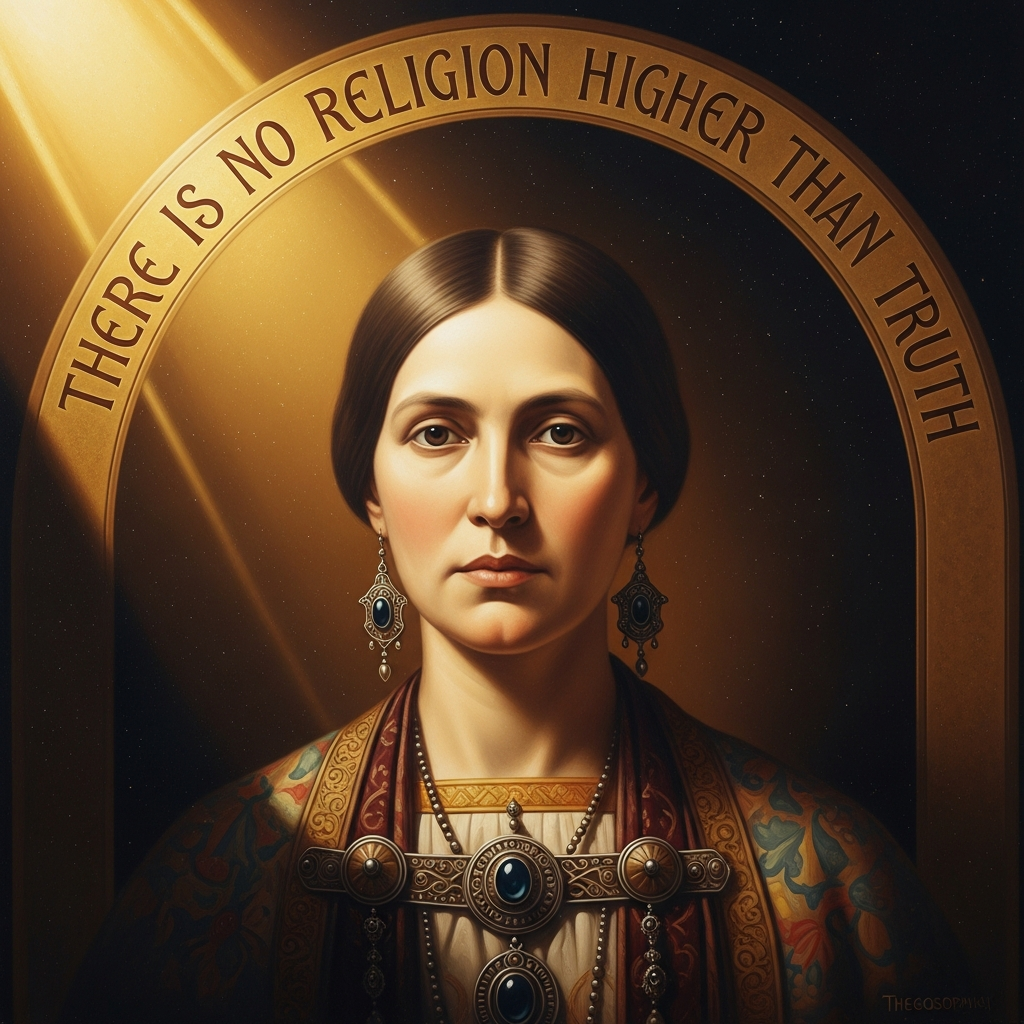
The Theosophical Society (1875): Helena Petrovna Blavatsky, a Russian aristocrat, co-founds the Theosophical Society in New York with Henry Steel Olcott in 1875 (Blavatsky, Isis Unveiled 1877). Isis Unveiled and The Secret Doctrine (1888) advance an enormous synthesis: humanity as “root races,” hidden Tibetan Mahatmas guiding evolution, perennial wisdom underlying all religions. The scholarship is dubious — Blavatsky was caught fabricating phenomena and her sources are often invented — but the cultural impact is enormous. Theosophy bridges Western esotericism and Asian traditions, shaping the entire 20th-century New Age. (It also supplies “Aryan root race” tropes that Ariosophy and Nazi occultism would weaponize.)
The Hermetic Order of the Golden Dawn (1888-1903): Three London Freemasons — Westcott, Mathers, and Woodman — found the Hermetic Order of the Golden Dawn, supposedly authorized by German adept “Anna Sprengel” via cipher manuscript. (Sprengel almost certainly never existed; Westcott likely invented her.) Regardless, what emerged is real and lasting: a complete integrated system synthesizing Hermeticism, Kabbalah, alchemy, Tarot, astrology, and ceremonial ritual into a single graded curriculum. Membership reads like fin-de-siècle culture: Yeats, Waite, Crowley, Blackwood, Pamela Colman Smith, Florence Farr, Maud Gonne, Dion Fortune. The order fractures by 1903, but successors — the Stella Matutina, the A.’.A.’., Crowley’s O.T.O., Dion Fortune’s Society of the Inner Light, the Builders of the Adytum — carry it forward. Modern ceremonial magic descends almost entirely from this lineage.
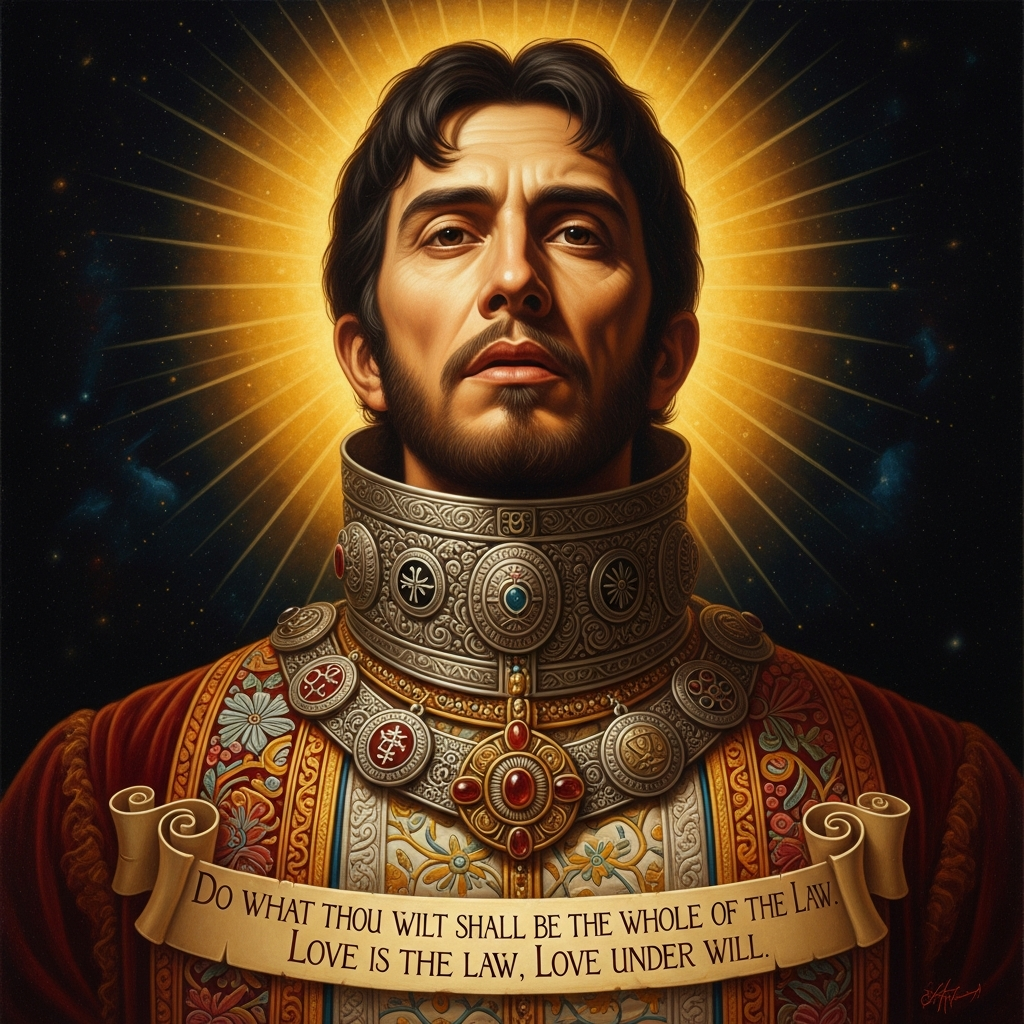
Aleister Crowley and Thelema (1904-1947): Aleister Crowley — Cambridge-educated, mountaineer, poet, drug user, deliberate scandalizer — joins the Golden Dawn in 1898 and quarrels with nearly everyone. In Cairo in 1904, he receives The Book of the Law from discarnate Aiwass, announcing the “Aeon of Horus”: “Do what thou wilt shall be the whole of the Law. Love is the law, love under will.” (Crowley, Liber AL vel Legis I:40, I:57). Crowley founds Thelema, takes over O.T.O., produces the Thoth Tarot (with Lady Frieda Harris), writes Magick in Theory and Practice, lives wildly, dies broke in Hastings in 1947. His shadow dominates everything that follows.
Modern Occult Revival (1947-present): Israel Regardie, Crowley’s former secretary, publishes the entire Golden Dawn corpus as The Golden Dawn (1937-1940), breaking his oaths because the system deserved to survive (Regardie, The Golden Dawn). Gerald Gardner creates Wicca in the 1950s, drawing on the Golden Dawn, Crowley, and Margaret Murray’s (now-discredited) witch-cult theory. Anton LaVey founds the Church of Satan in 1966. Carl Jung legitimizes alchemy, Tarot, and Gnosticism as serious psychological symbol systems. By the 1970s New Age is mass-market. By the 2000s chaos magick, neopaganism, and academic Esoteric Studies flourish. The Western esoteric current, declared dead a hundred times since 1700, has reliably refused to die.
Pivotal Events
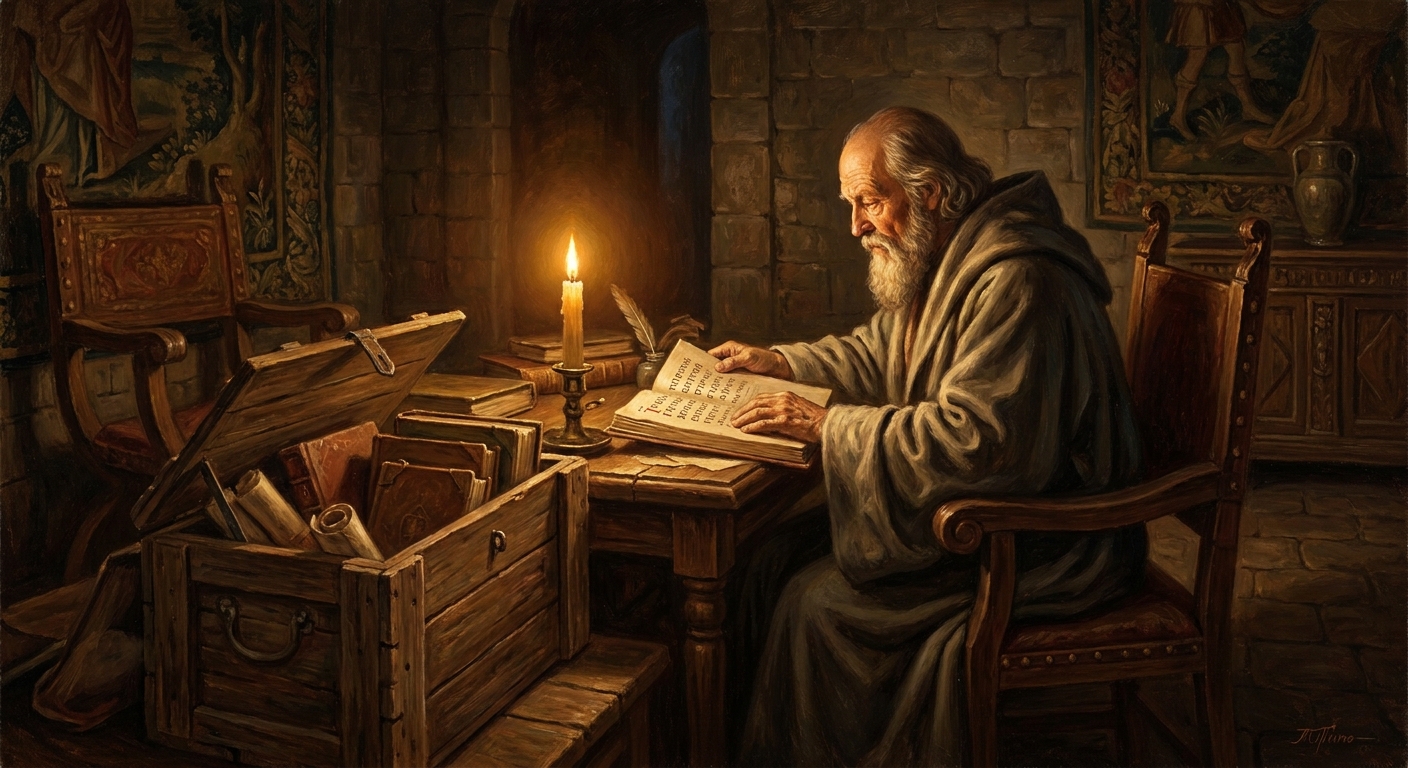
In 1460, a Byzantine monk named Leonardo of Pistoia arrives in Florence with a Greek manuscript of Hermetic treatises. Cosimo de’ Medici orders Ficino to halt his Plato project and translate these first. Ficino’s Latin version (1463, printed 1471) becomes a sensation — dozens of editions. Renaissance Europe believes it has recovered wisdom of Hermes Trismegistus, an Egyptian sage older than Moses, whose teachings prefigured Christianity. In 1614, Isaac Casaubon proves the Corpus Hermeticum dates from the 1st-3rd centuries CE, not Mosaic Egypt. The damage is done; these texts have already reshaped European thought. Ficino’s translation is the birth moment of Western Esotericism as a self-aware tradition. Without it: no Pico, no Agrippa, no Bruno, no Rosicrucians, no Golden Dawn. The entire lineage rests on this translation.
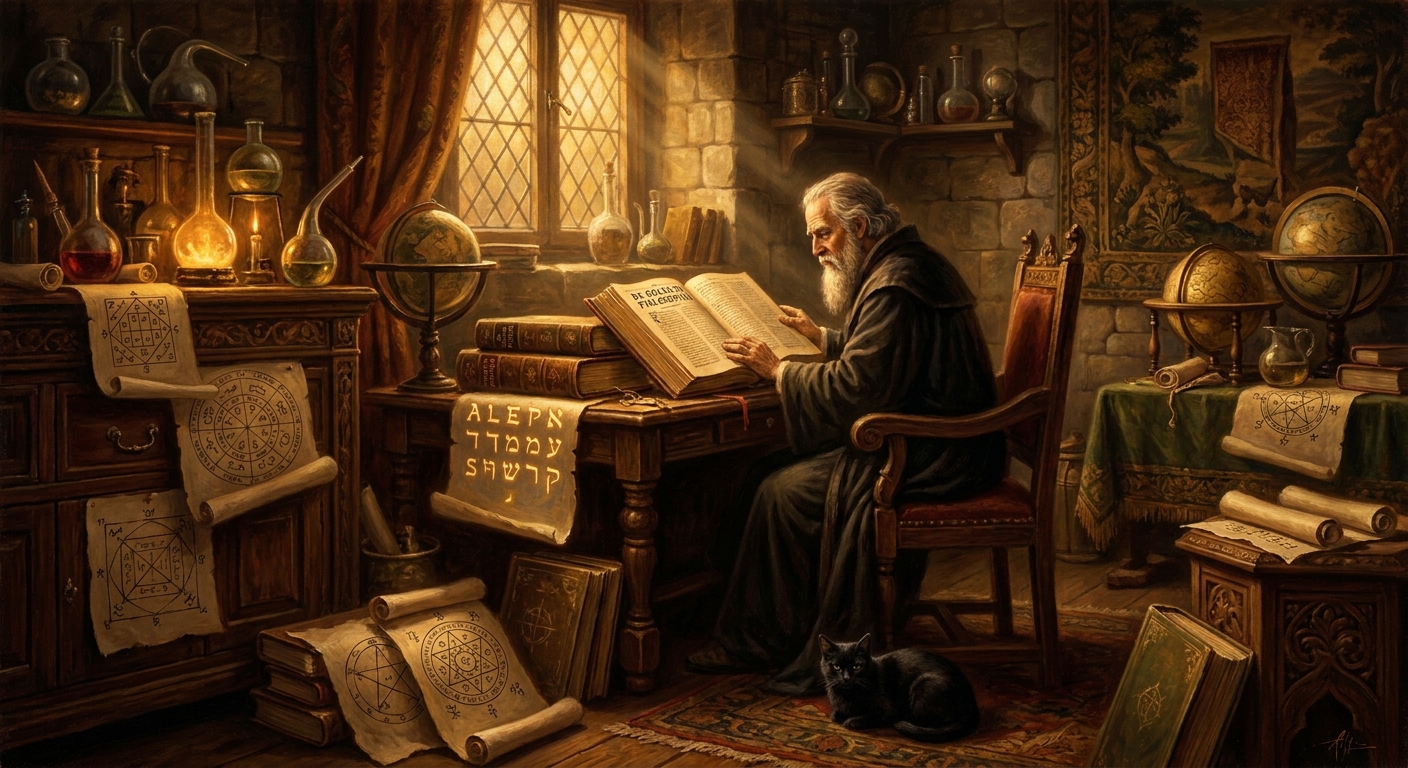
Heinrich Cornelius Agrippa spends two decades drafting and publishing De Occulta Philosophia Libri Tres — the first systematic encyclopedia of Renaissance magic. Book One: natural magic (stones, plants, stars). Book Two: celestial magic (numerology, astrology, talismans). Book Three: ceremonial magic (angelic hierarchies, divine names, ritual). Agrippa synthesizes Hermetic philosophy, Christian Kabbalah, Neoplatonism, Pythagorean numerology, medieval grimoires. The Church harasses him for life. In De Vanitate he pretends to renounce magic entirely (he doesn’t). For four hundred years, every serious Western magician reads Agrippa first. The Golden Dawn assumes it. Crowley quotes it constantly. Modern practitioners still consult it. It is the foundational Western magical textbook.
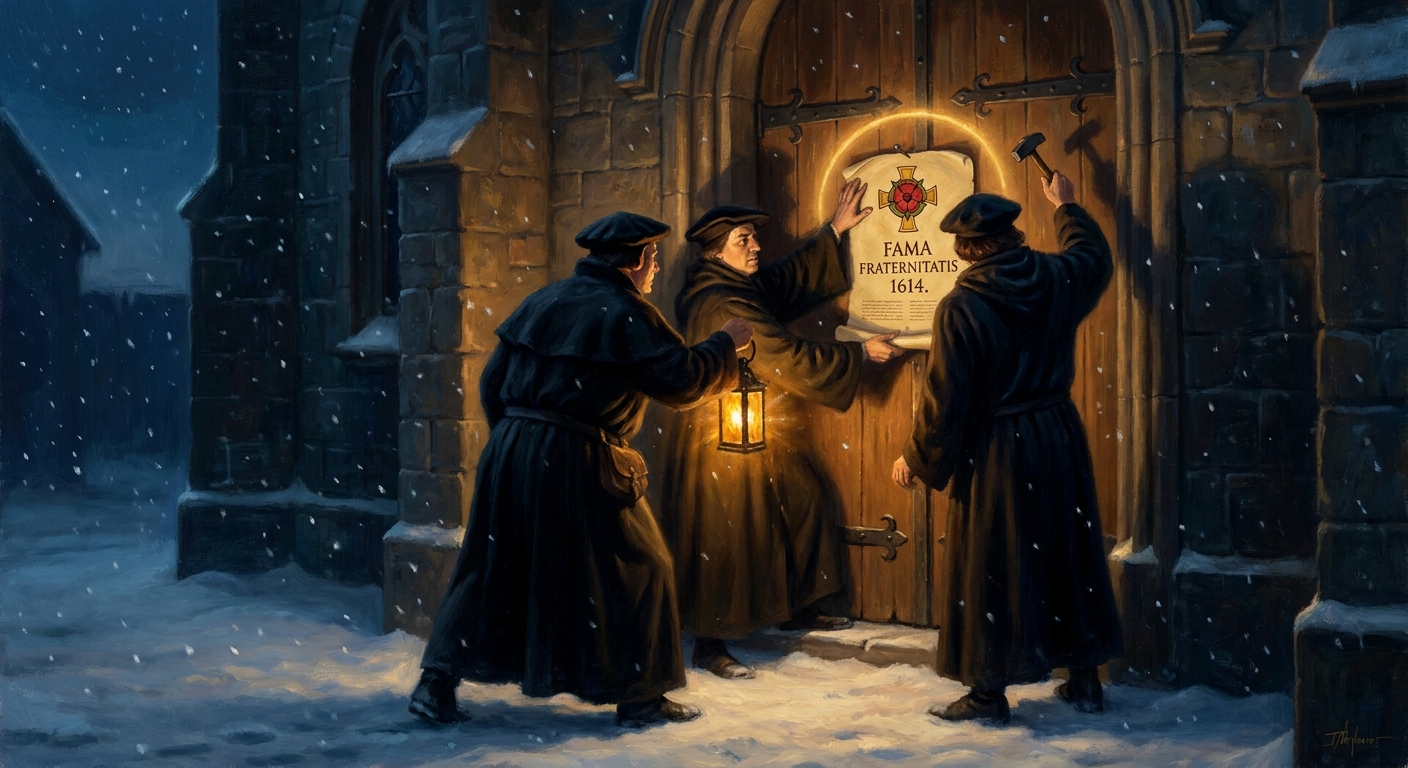
Between 1614 and 1617, three anonymous German pamphlets announce a secret brotherhood: the Fama Fraternitatis (1614), the Confessio Fraternitatis (1615), and the Chymical Wedding of Christian Rosenkreutz (1616). They claim the Order of the Rosy Cross was founded two centuries earlier by Christian Rosenkreutz, who traveled East, learned mysteries, and entrusted them to a secret society reforming European spirituality. There was almost certainly no original Rosicrucian Brotherhood. The manifestos likely come from the Lutheran theologian Johann Valentin Andreae and his circle, possibly as a parable or hoax. Yet the idea — a secret brotherhood preserving ancient wisdom — becomes one of Western culture’s most generative myths. It seeds Freemasonry’s self-mythologizing, the Golden Dawn’s “Secret Chiefs,” Theosophy’s hidden Mahatmas, and countless later conspiracy structures. The Rosicrucians weren’t real in 1614. They became real because people believed in them.
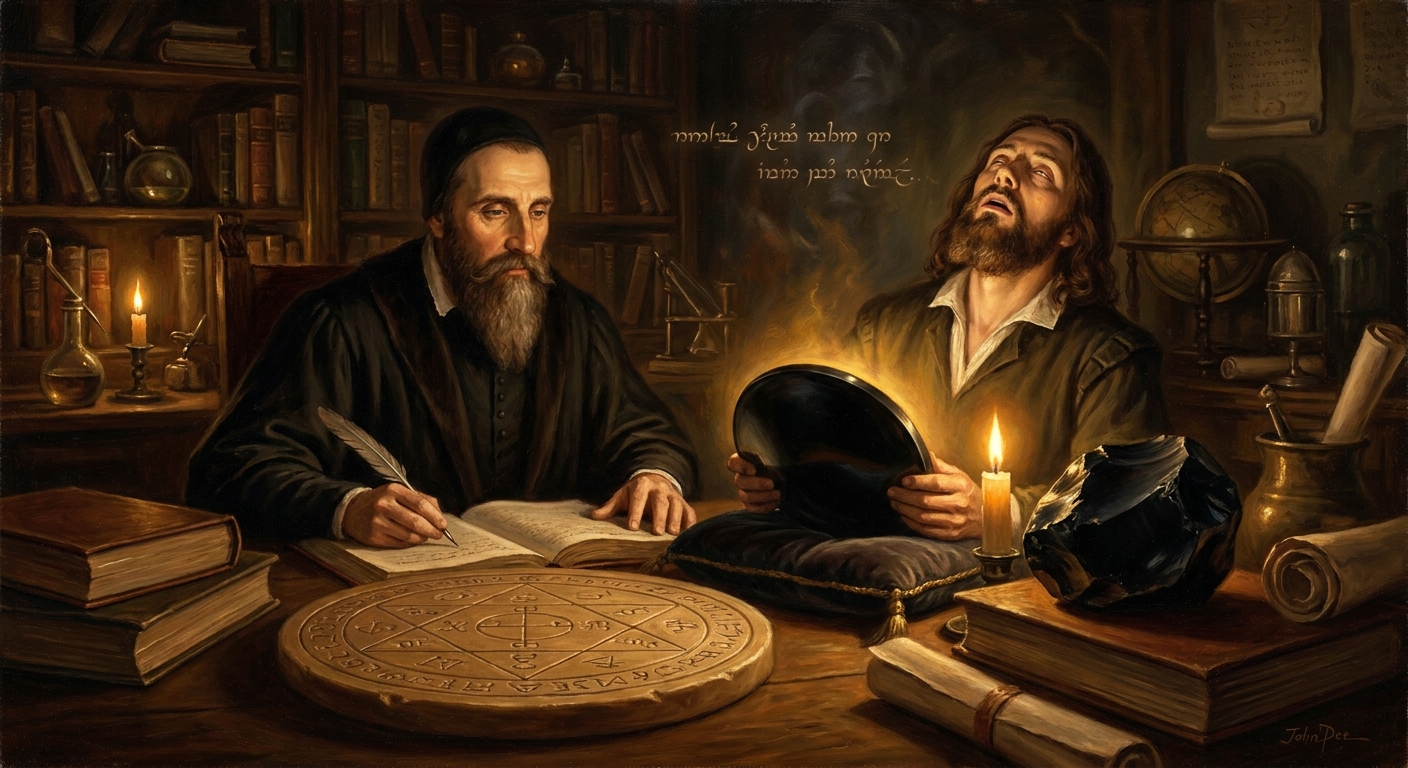
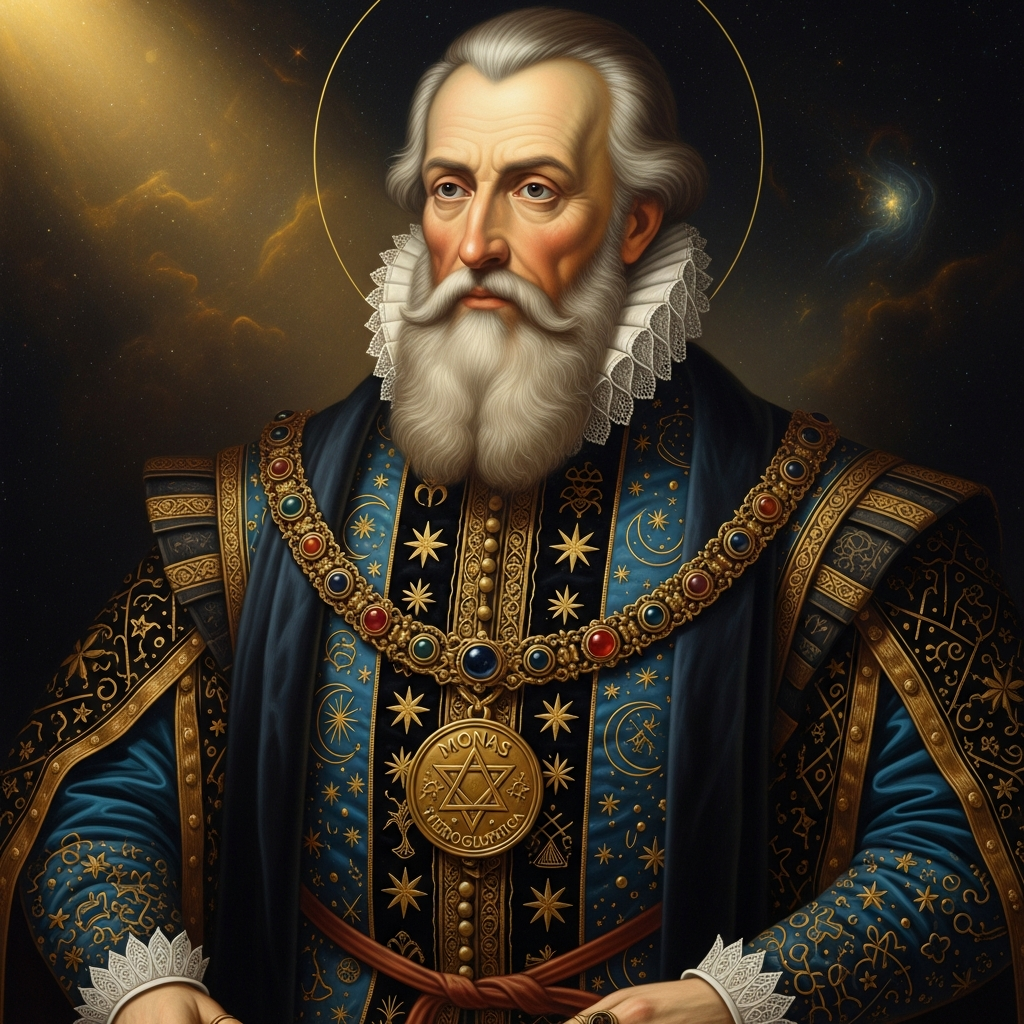
Dr. John Dee was Elizabethan England’s most learned man — mathematician, astronomer, Queen Elizabeth’s astrologer, the man who chose her coronation date. From 1582 to 1589, he conducts hundreds of “scrying” sessions with medium Edward Kelley, who sees angels in a polished black Aztec obsidian mirror (now in the British Museum). Through Kelley, angels deliver an entire system: the Enochian language (its own alphabet and grammar), the 48 Calls (Enochian invocations), the four Watchtower Tablets (angelic hierarchies), and the 30 Aethyrs (concentric heavens). Dee believes this recovers the Adamic language before Babel. Kelley may have been a fraud. He certainly lied about gold-making and likely manipulated Dee, including a notorious 1587 episode where “angels” demand wife-sharing — Dee, devastated, complies once. The partnership ends catastrophically. Yet the system — whatever its source — has staggering internal coherence. Dee’s notebooks, lost for two centuries, are recovered and adapted by the Golden Dawn (Mathers, Crowley); modern Enochian magic descends almost entirely from them. (See the dedicated Enochian section in the Bestiary.)
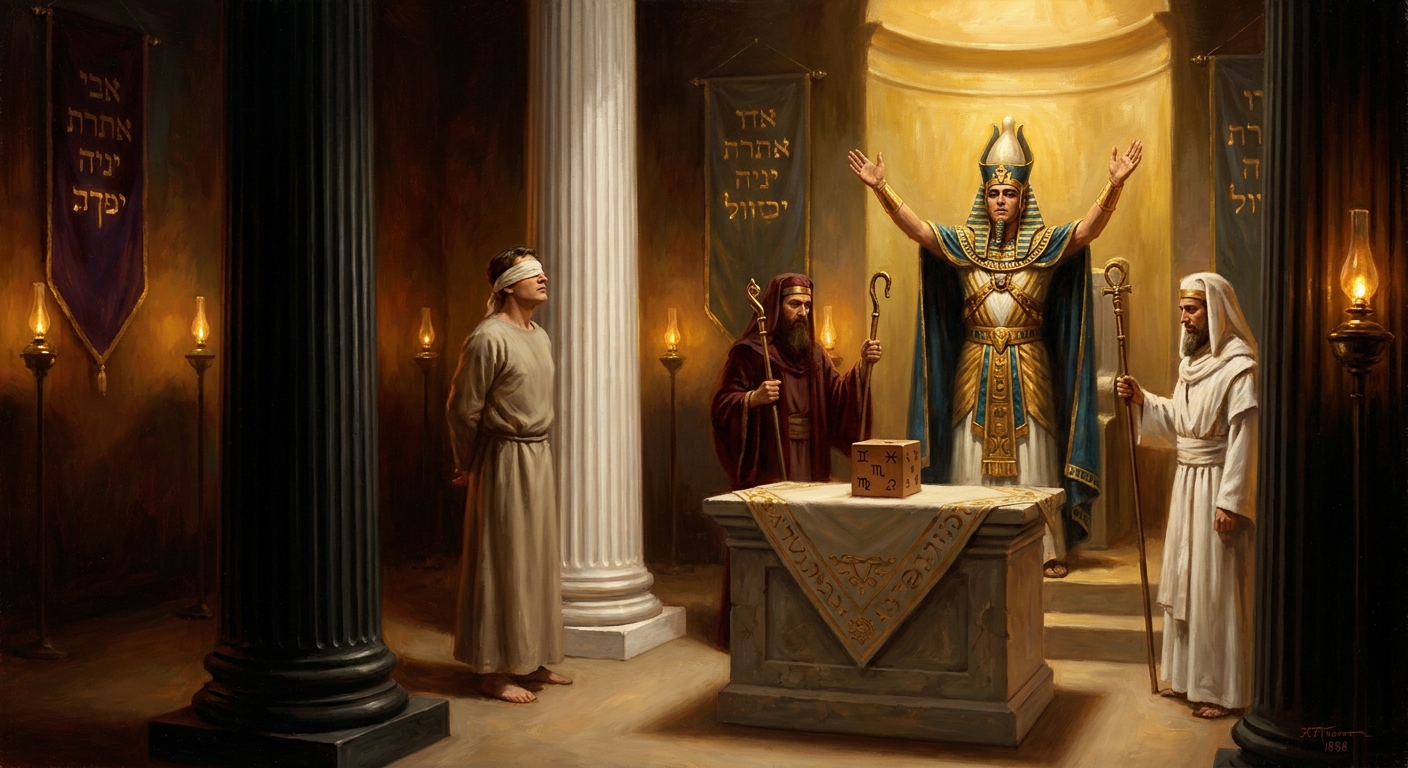
In 1888, three London Freemasons — Westcott (a coroner and Theosophist), Mathers (a brilliant translator of Hebrew and grimoires), and Woodman — found the Hermetic Order of the Golden Dawn. They claim authority from a “Cipher Manuscript” via German adept Anna Sprengel. Sprengel almost certainly never existed; Westcott’s letters to her are likely fabricated. The Cipher Manuscript itself was real — probably by Kenneth Mackenzie, a Masonic scholar, in the late 1860s. The forged authority mattered less than what emerged: the most coherent, complete integrated curriculum of Western magic ever assembled. A graded system from Neophyte through Adeptus Minor, synthesizing Hermetic philosophy, Christian Kabbalah, Tarot (Mathers’s wife Moina drew the order’s deck; Pamela Colman Smith later illustrated Waite’s), alchemy, astrology, Enochian magic, geomancy, ceremonial ritual. Membership was extraordinary: Yeats, Waite, Crowley, Blackwood, Florence Farr, Maud Gonne, Pamela Colman Smith, Dion Fortune (in a successor order). When Israel Regardie publishes the entire system as The Golden Dawn (1937-1940), breaking his oaths, modern ceremonial magic becomes globally available. Virtually every English-language occult order today — the OTO, the BOTA, modern Wicca’s ceremonial wing, Thelema, chaos magick — traces lineage back to this single, brief, brilliant order.
Timeline
| Era | Date | Event | Source |
|---|
| Mythic origin | ??? | Hermes Trismegistus (legendary) supposedly receives the divine wisdom in Egypt | Asclepius; Corpus Hermeticum (later attributed) |
| Hellenistic | 1st-3rd c. CE | The Corpus Hermeticum and Asclepius are composed in Greek in Alexandria | scholarly consensus |
| Late antique | 3rd-4th c. CE | Zosimos of Panopolis writes the earliest surviving alchemical treatises | Authentic Memoirs |
| Arabic transmission | 8th-12th c. | Jabir ibn Hayyan; the Emerald Tablet circulates in Arabic; the Picatrix compiled | Jabir corpus; Ghayat al-Hakim |
| High medieval | ~1280 | The Zohar appears in Spain, foundation of Kabbalah | Moses de Leon |
| Renaissance | 1463 | Marsilio Ficino translates the Corpus Hermeticum into Latin | Ficino, Pimander |
| Renaissance | 1486 | Pico della Mirandola, 900 Theses and Oration on the Dignity of Man | Pico |
| Renaissance | 1533 | Cornelius Agrippa, De Occulta Philosophia Libri Tres | Agrippa |
| Tudor England | 1582-1589 | John Dee and Edward Kelley’s Enochian sessions | Dee, Mysteriorum Libri Quinque |
| Late Renaissance | 1600 | Giordano Bruno burned in Rome for Hermetic-infused heresies | Roman Inquisition records |
| Early modern | 1614 | Casaubon proves the Hermetica is post-Christian; same year, Fama Fraternitatis appears | Casaubon, De Rebus Sacris |
| Early modern | 1614-1617 | The Rosicrucian Manifestos | Fama, Confessio, Chymical Wedding |
| Speculative era | 1717 | Premier Grand Lodge of England constituted — modern Freemasonry begins | Anderson’s Constitutions (1723) |
| Enlightenment | 1745-1775 | Pasqually’s Élus Coëns; Saint-Martin; Cagliostro; Mesmer | various |
| Romantic occult | 1854-1856 | Eliphas Levi, Dogme et Rituel de la Haute Magie | Levi |
| Spiritualism | 1848 | The Fox sisters and the rise of Spiritualism (the popular cousin) | Spiritualist press |
| Theosophy | 1875 | Helena Blavatsky and Henry Steel Olcott found the Theosophical Society in New York | Blavatsky, Isis Unveiled (1877) |
| Theosophy | 1888 | Blavatsky, The Secret Doctrine | Blavatsky |
| Magical revival | 1888 | Westcott, Mathers, and Woodman found the Hermetic Order of the Golden Dawn | Cipher Manuscript |
| Magical revival | 1904 | Crowley receives The Book of the Law in Cairo; Aeon of Horus declared | Crowley, Liber AL |
| Modernist occult | 1908 | The Kybalion published anonymously; presents the “Seven Hermetic Principles" | "Three Initiates” (William Walker Atkinson) |
| Tarot standard | 1909 | Rider-Waite-Smith Tarot deck published | Waite/Smith |
| Modern publication | 1937-1940 | Israel Regardie publishes the complete Golden Dawn system | Regardie |
| Wicca | 1954 | Gerald Gardner publishes Witchcraft Today, founding modern Wicca | Gardner |
| Counterculture | 1960s-70s | Crowley on the Sgt. Pepper’s cover; the New Age explodes; Carlos Castaneda | popular culture |
| Academic | 1992 | Antoine Faivre’s L’Ésotérisme establishes Western Esotericism as a discipline | Faivre |
| Present | 21st c. | Ongoing chaos magick, eclectic neopaganism, academic Esoteric Studies | Hanegraaff, Goodrick-Clarke |
The Hermetic Principles
The “Seven Hermetic Principles” are modern occultism’s most-quoted summary — and they come from 1908, not antiquity.
The Kybalion: A Study of the Hermetic Philosophy of Ancient Egypt and Greece (1908, Chicago) claims to transmit the Corpus Hermeticum. The author was William Walker Atkinson (1862-1932), a New Thought writer who published prolifically under assumed names. The Kybalion presents seven principles, claiming they summarize ancient Hermetica (Kybalion, 1908). But those seven principles don’t appear as a systematic list anywhere in the actual Hermetica. They are Atkinson’s New Thought repackaging, dressed in archaic English to sound ancient. This matters because the Kybalion is enormously popular and frequently presented as Hermes Trismegistus himself. It isn’t.
That said, the seven principles are a useful and reasonably faithful summary of common Hermetic and esoteric themes:
- The Principle of Mentalism. “The All is Mind; the Universe is Mental.” Reality is fundamentally mind/consciousness. Material existence is a projection or expression of the divine Mind. (Compare: classical idealism, certain readings of Genesis 1, the Vedantic Brahman, modern simulation theory.)
- The Principle of Correspondence. “As above, so below; as below, so above.” The microcosm reflects the macrocosm. The structure of the human being mirrors the structure of the cosmos. This is genuinely ancient — a direct paraphrase of the Emerald Tablet (Tabula Smaragdina). It is the operating slogan of the entire Western esoteric tradition.
- The Principle of Vibration. “Nothing rests; everything moves; everything vibrates.” All phenomena are different vibrations of a single underlying substance. (This is the principle that 19th-20th century occultists most enthusiastically married to physics, often badly.)
- The Principle of Polarity. “Everything is dual; everything has poles.” Hot and cold are the same thing in different degrees; love and hate are points on the same scale. This is the alchemical principle of the coniunctio oppositorum. (See Alchemical.md on the Red King and White Queen.)
- The Principle of Rhythm. “Everything flows, out and in; everything has its tides.” Cycles govern all existence — biological, historical, cosmic. (Compare: Ecclesiastes 3, the wheel of fortune, the Yuga cycles of Hinduism.)
- The Principle of Cause and Effect. “Every cause has its effect; every effect has its cause.” What appears to be chance is unrecognized causation. (This is essentially karma, repackaged.)
- The Principle of Gender. “Gender is in everything; everything has its masculine and feminine principles.” Active and receptive principles operate at every level of reality. The alchemical Sulfur and Mercury. The Kabbalistic Pillars. The Daoist Yin and Yang.
These principles work pedagogically. They are not ancient Hermetic doctrine. The actual Corpus Hermeticum focuses on the soul’s ascent through planetary spheres, the divine Nous, inner human rebirth, and God’s ineffability. It is much closer to Gnosticism than to New Thought.
What’s Distinctive
Western Esotericism treats secrecy as a positive value. Where great public religions are evangelical — Christianity, Islam, Buddhism all broadcast — Western Esotericism guards core teachings behind initiatory grades, oaths, symbolic codes. The reasons vary: teachings are dangerous to the unprepared (Golden Dawn); incomprehensible without practice (alchemy); weapons in wrong hands (ceremonial magic). Whatever the rationale, this tradition chooses, repeatedly, to whisper.
It is also the tradition most willing to fabricate. Hermes Trismegistus is invented. The Rosicrucians are invented. Anna Sprengel is invented. The Mahatmas may or may not be. The seven Hermetic principles are invented (1908). The pattern is creative fabrication becoming culturally real: the brotherhood that didn’t exist in 1614 has existed since 1614; the Egyptian sage who never lived shapes every Western magical text since 1463; the angelic language from a possibly-fraudulent medium founds a system practitioners report works. The tradition’s relationship to historical truth is complicated. Its relationship to symbolic truth — whether these systems work as engines of psychological and spiritual transformation — is harder to dismiss.
What unites the tradition across two thousand years is conviction that the universe is alive, intelligent, structured in correspondences. As above, so below. The pattern in stars mirrors the body mirrors the soul. Everything reflects everything else. The magus, alchemist, Kabbalist’s work is to learn correspondences and act upon them. Hermes, Agrippa, Dee, Levi, the Golden Dawn, Jung in his alchemical phase — all operate from this premise. Read it literally (the universe really is structured this way) or psychologically (how the mind organizes meaning) — it is the current’s spine.
Cross-Tradition Links
- See Alchemical.md for the Great Work, the Philosopher’s Stone, the Red King and White Queen, the Rebis — alchemy is the practical laboratory of the Hermetic tradition, and its symbolism is foundational to everything else here
- See Tarot.md for the 22 Major Arcana, the Tree of Life path-mappings, and the Tarot’s evolution from Italian playing cards to Eliphas Levi’s Kabbalistic system to the Rider-Waite-Smith and Thoth decks
- See Gnostic.md for the Hermetic-adjacent Gnostic schools — the Corpus Hermeticum is closer to Gnostic theology than to anything else, and many esoteric figures (Blavatsky, Jung, Crowley) read both as the same family of texts
- See Demons.md for the Goetia (the 72 demons of the Lesser Key of Solomon) and the Qliphoth (the dark Tree of Life) — the working ceremonial systems that Western Esotericism actually uses, distinct from the philosophical Hermetica
- See Symbols.md for the Tree of Life, All-Seeing Eye, pentagram, hexagram, ouroboros, and Baphomet — the visual lexicon of Western Esotericism analyzed across traditions
- See Sacred-Numbers.md for Kabbalistic gematria, which underlies most serious esoteric textual practice; the Western esoteric tradition is, among other things, the only Christian-adjacent tradition that takes Hebrew letter-mysticism completely seriously
- See Masonic.md for the speculative Freemasonry that is the institutional cousin of the Hermetic-Rosicrucian tradition — the two streams interpenetrate constantly from 1717 onward, with most major occult orders (Golden Dawn, OTO) requiring Masonic membership in their early decades
- See Conspiracies.md for the conspiracy theories that have grown up around Western Esotericism (Illuminati, Rosicrucians-as-secret-rulers, the Golden Dawn behind world events) — evidence-ranked, with the actual documented secret societies separated from the imagined ones
- See Connections-Atlas.md for the master synthesis showing how the Hermetic-Kabbalistic-alchemical tradition cross-pollinates with Christianity, Judaism, and the broader esoteric world
- See Timeline.md for the unified historical timeline placing Hermes, Ficino, Dee, Levi, Blavatsky, and Crowley alongside the public religious and political history they were responding to
 RARE
RARE 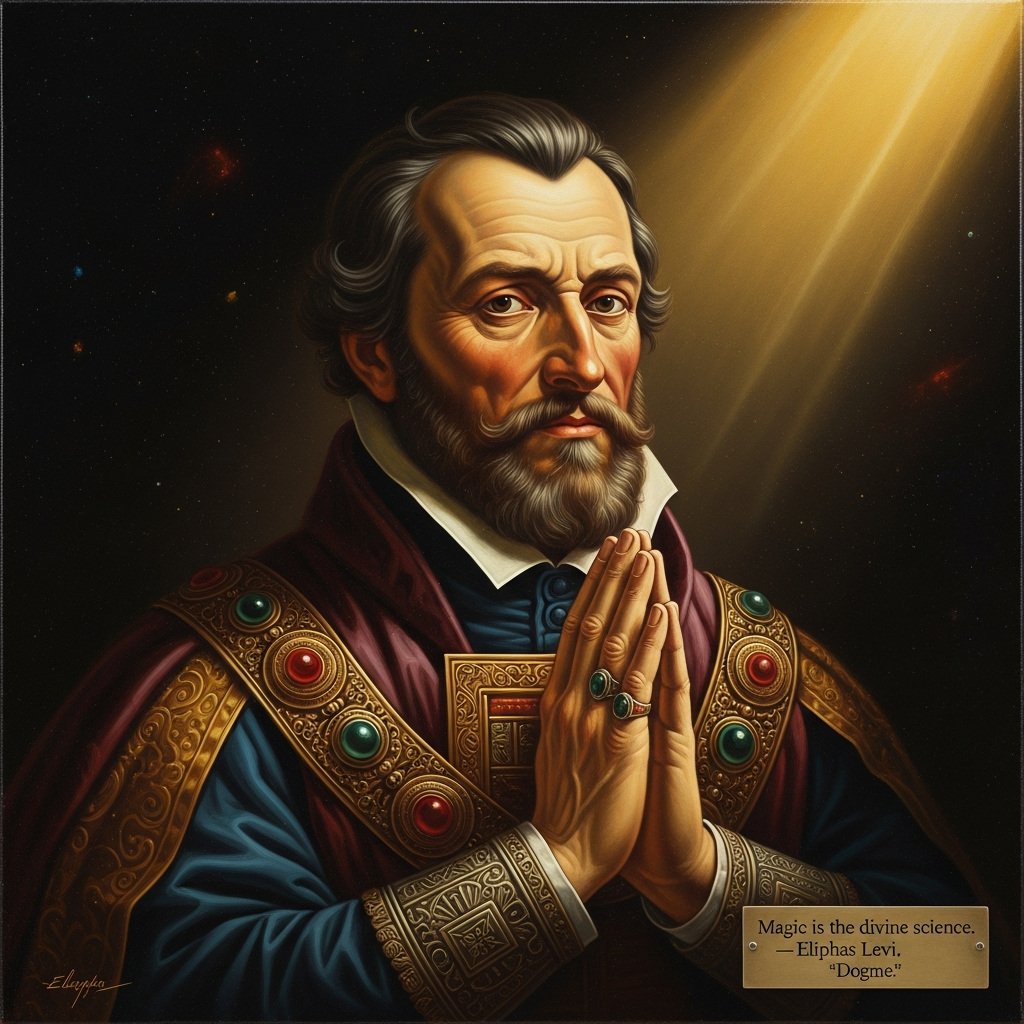 LEGENDARY
  MYTHIC
  LEGENDARY
  LEGENDARY
  LEGENDARY