Combat Profile
Hermetic Synthesis
channels divine wisdom through translation and reinterpretation of pagan texts, bridging earthly knowledge with celestial truth
Platonic Illumination
continuously radiates intellectual clarity and spiritual harmony, elevating the consciousness of all who study within their sphere of influence
His "natural magic" stayed safely on the licit side of the Church's lines; his bolder magical interests appear only in private letters and the suppressed *De Vita Coelitus Comparanda*
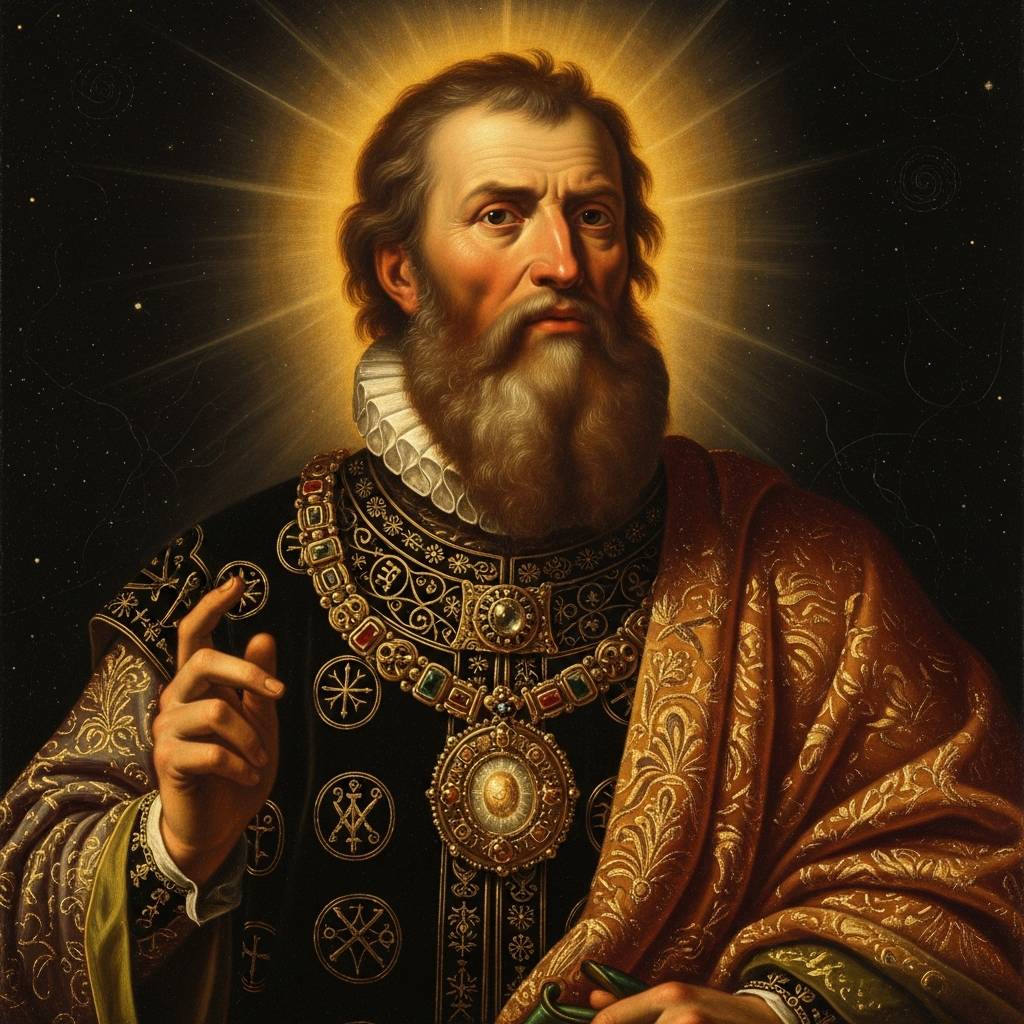
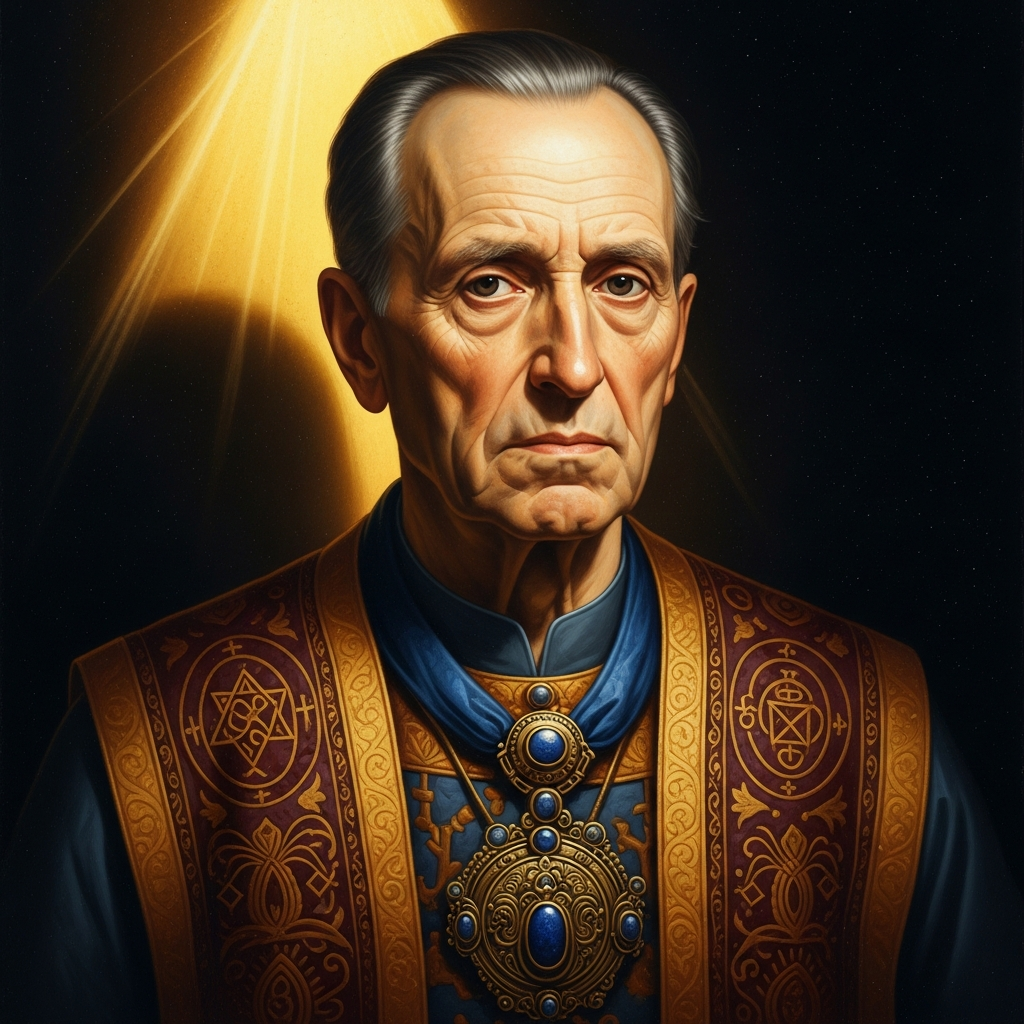
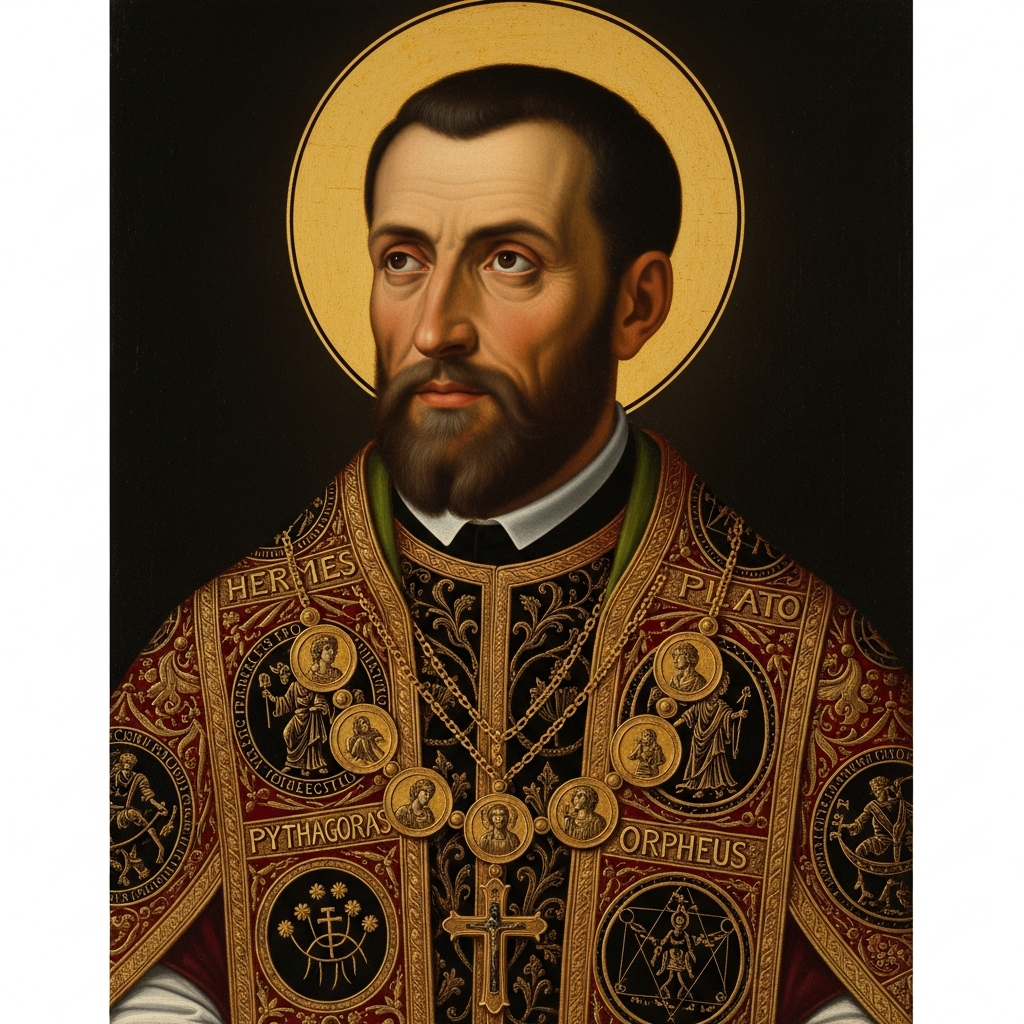
The single most important translator in Western Esotericism’s history. Ficino’s Hermes translation gives Renaissance Europe its “ancient Egyptian wisdom”; his Plato gives it Platonism; his Plotinus and Iamblichus give it Neoplatonic theurgy. An ordained Catholic priest, he considers himself fully orthodox — his project is to show pagan wisdom prefigures Christianity, not contradicts it. He sees the prisca theologia (“ancient theology”) as a golden chain from Hermes through Pythagoras, Orpheus, Plato, culminating in Christ. The chain is historical fiction, but the idea shapes Western esotericism ever since.
1 min read
Ficino, *Pimander* (1463 trans.); *De Vita* (1489); *Theologia Platonica* (1482)