Combat Profile
Thrice-Great Wisdom
Instantly reveals hidden knowledge, divine correspondences, and the underlying unity of all magical systems to allies or grants visions of future outcomes.
Hermetic Principle
All magical effects gain increased potency, and the boundaries between opposing forces (Egyptian-Greek, material-spiritual, macrocosm-microcosm) dissolve into synthesis.
He is not a historical person; his "ancient Egyptian" texts are 1st-3rd century CE Greek compositions
“Truth! Certainty! Without lie. As above, so below. As below, so above.” — Emerald Tablet
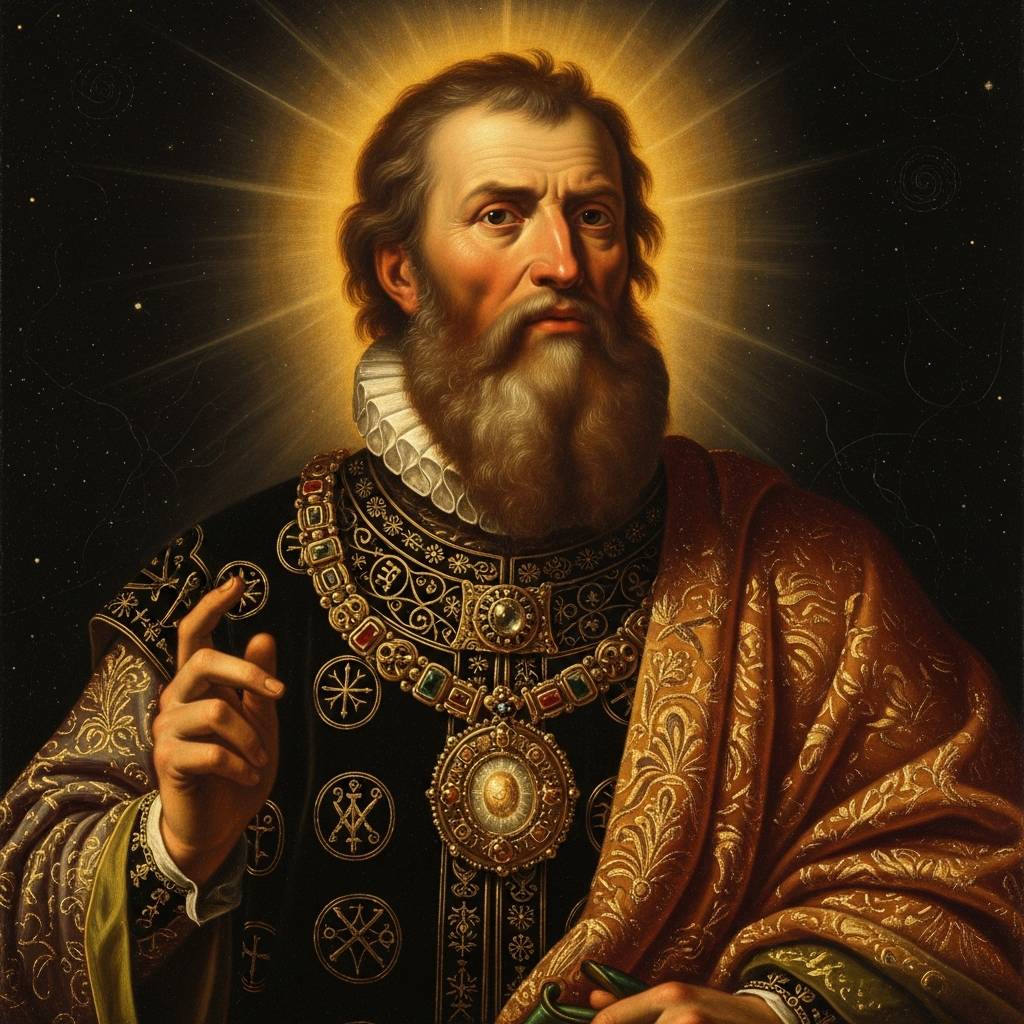
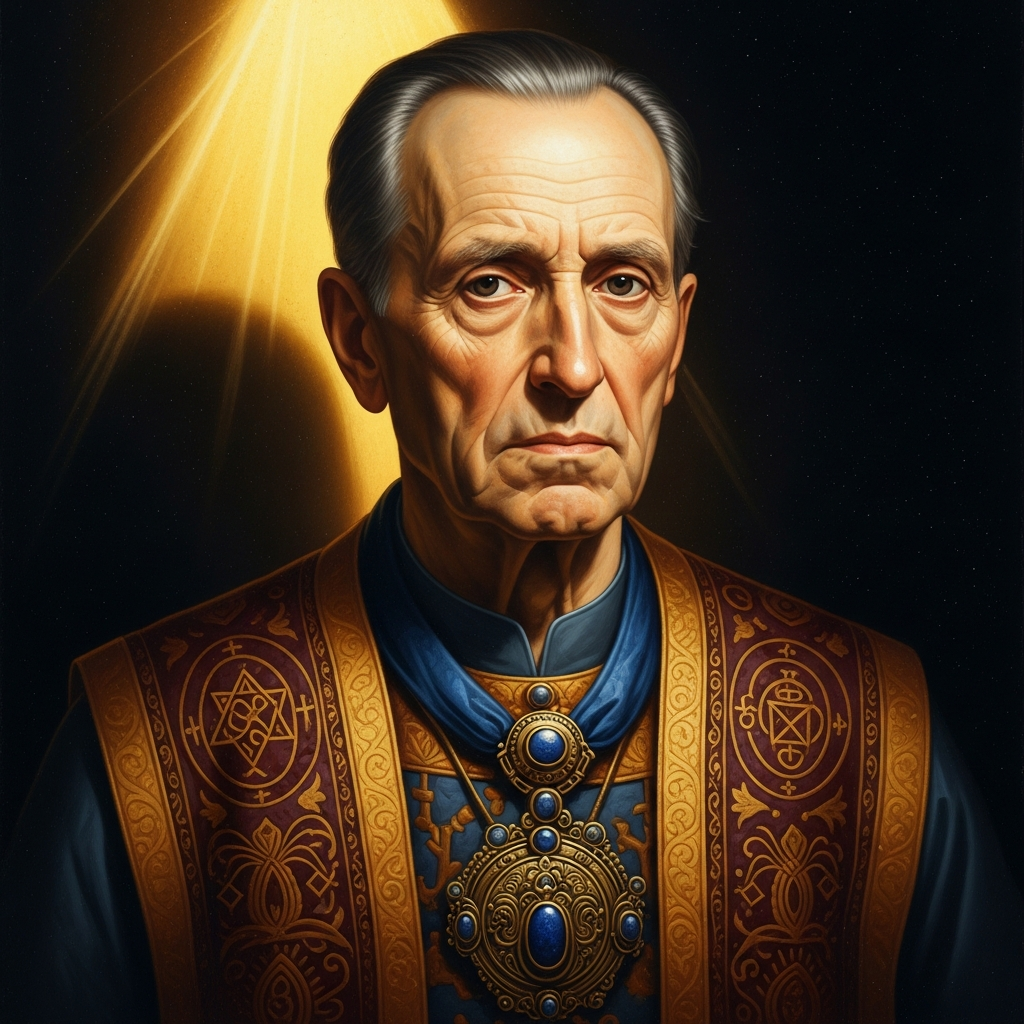
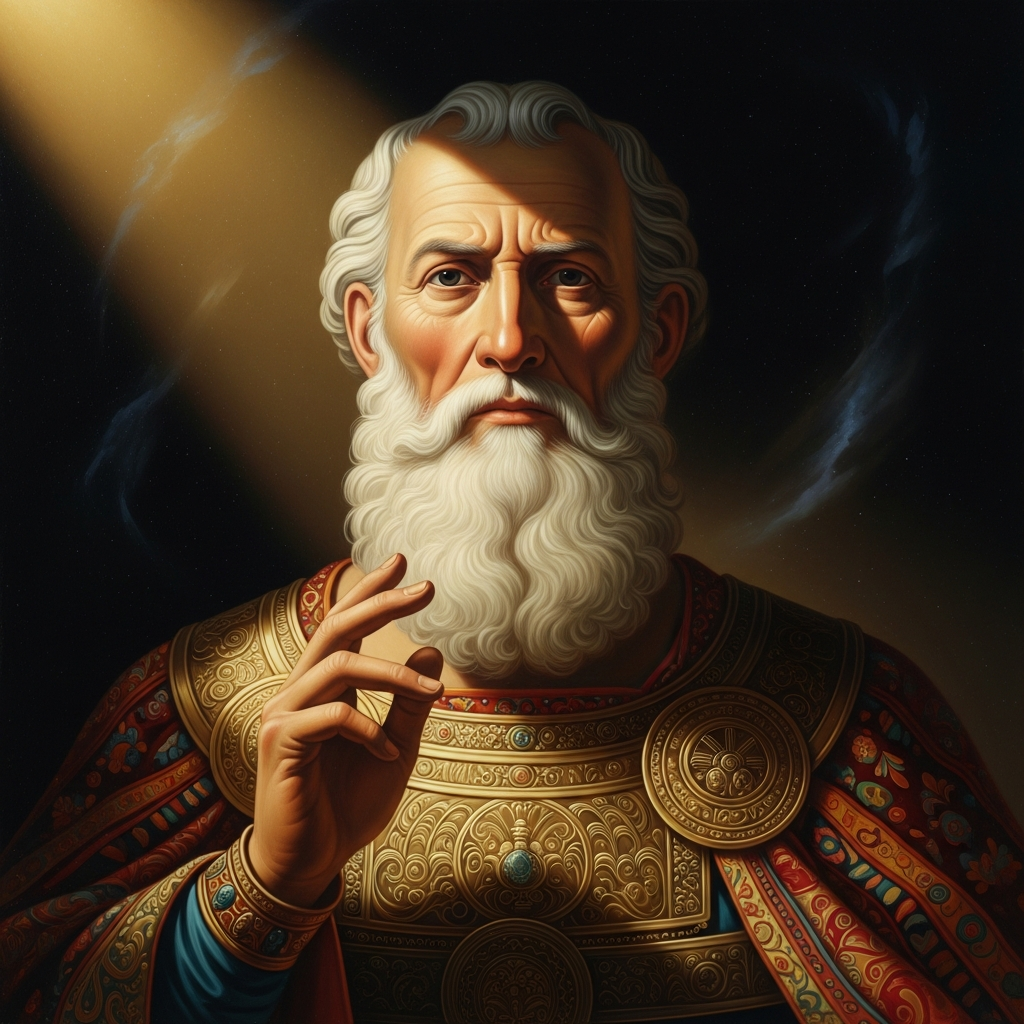
Hermes Trismegistus — “Hermes the Thrice-Great” — is a syncretic Hellenistic fusion of Greek Hermes (messenger, psychopomp, god of boundaries) with Egyptian Thoth (god of writing, magic, death). The epithet is Egyptian, applied to Thoth in priestly texts. Every major writer from Lactantius (~300 CE) to Casaubon (1614) treats Hermes as a real ancient Egyptian sage. Casaubon correctly proves the Hermetic texts date to the 1st century CE, not Mosaic Egypt (Casaubon, De Rebus Sacris, 1614). It takes two more centuries to persuade most occultists. Hermes remains the poetic founder: a stand-in for the moment Greek philosophy and Egyptian priestcraft fused into something genuinely new. Whether he existed is irrelevant; the tradition behaves as if he did, and that behavior is a real cultural force.
1 min read
*Corpus Hermeticum*; *Asclepius*; *Emerald Tablet*; cited by Lactantius, Augustine, Ficino, and every later Western esotericist