Combat Profile
Divine Joy
transforms suffering and despair into ecstatic communion with the Divine through radical acceptance and joyful service
Elevation of Sparks
sanctifies the mundane and elevates the souls of the simple and unlearned, finding holiness in all acts performed with pure intention
Anti-intellectualism (relative to scholastic Talmudism) drew fierce opposition from the Vilna Gaon and the Mitnagdim
“From every human being there rises a light that reaches straight to heaven.” — Baal Shem Tov
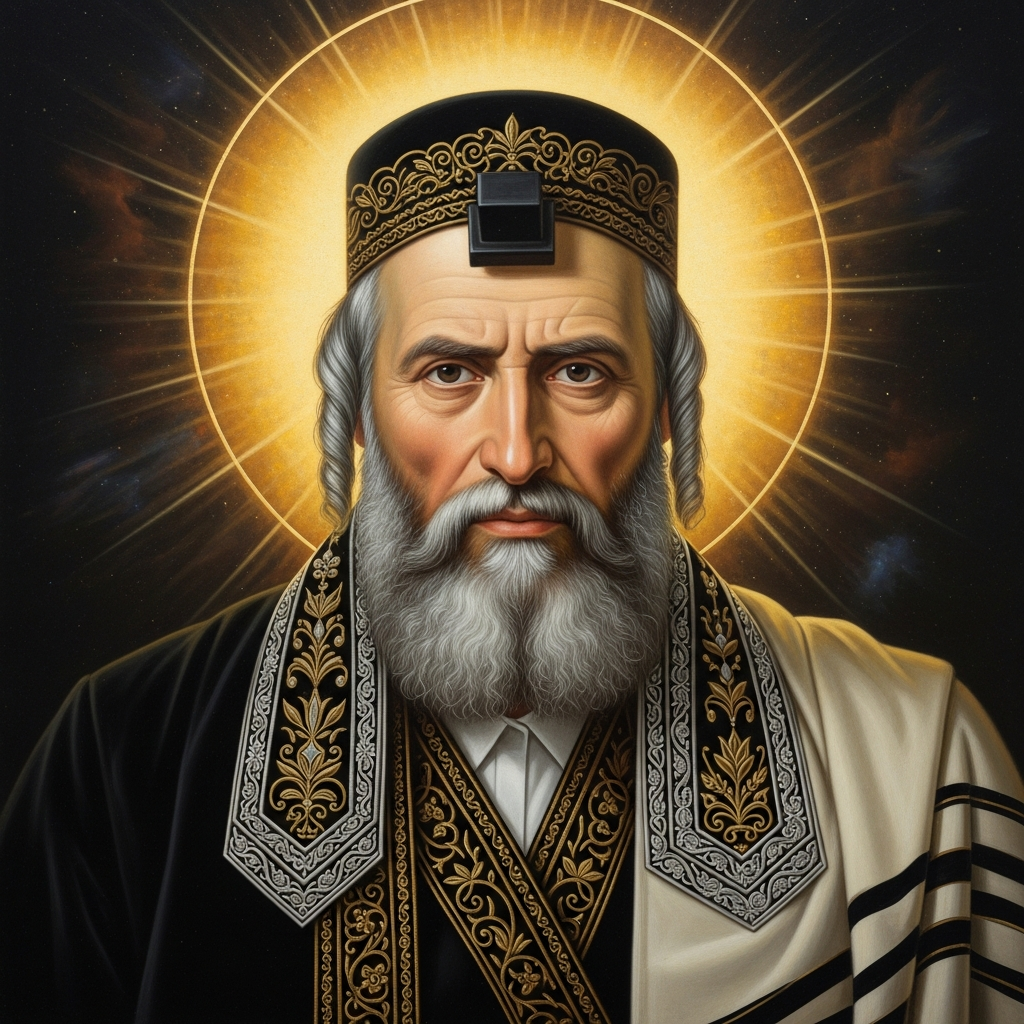
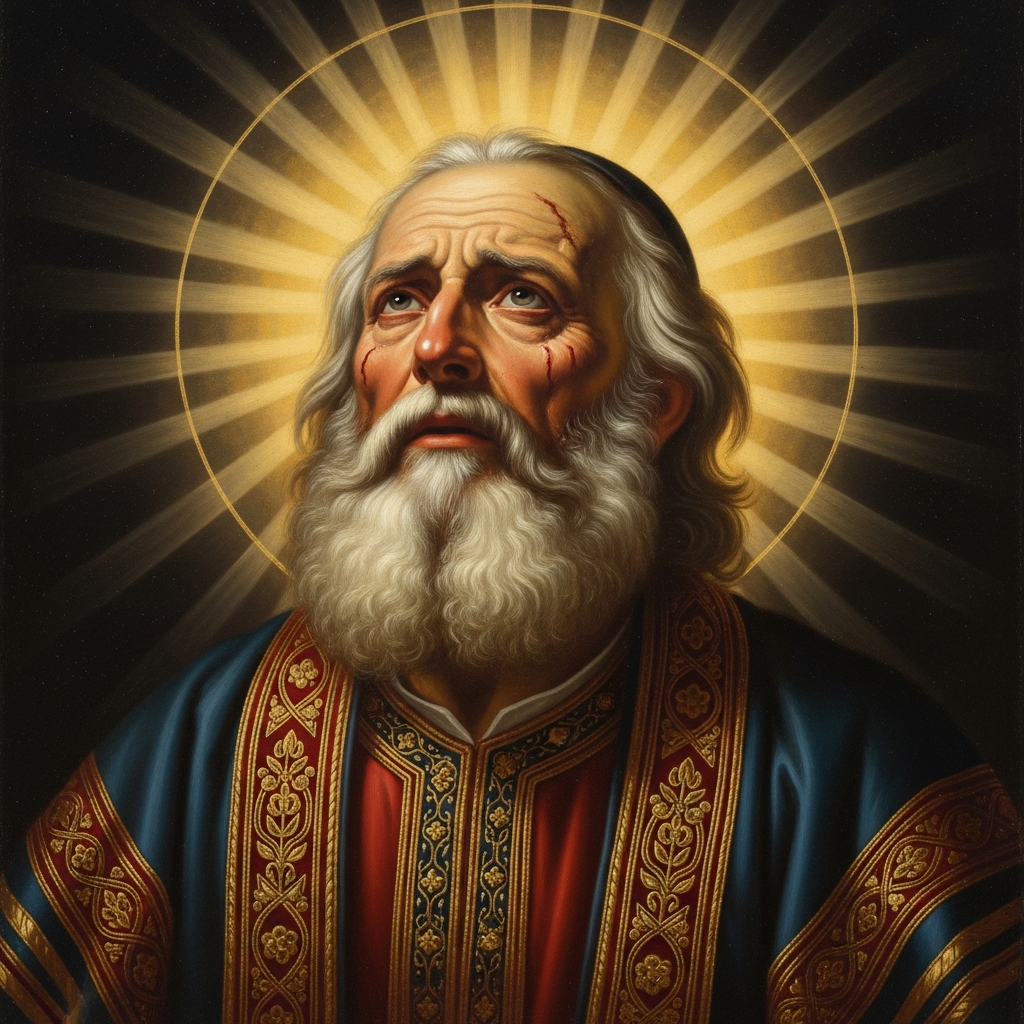
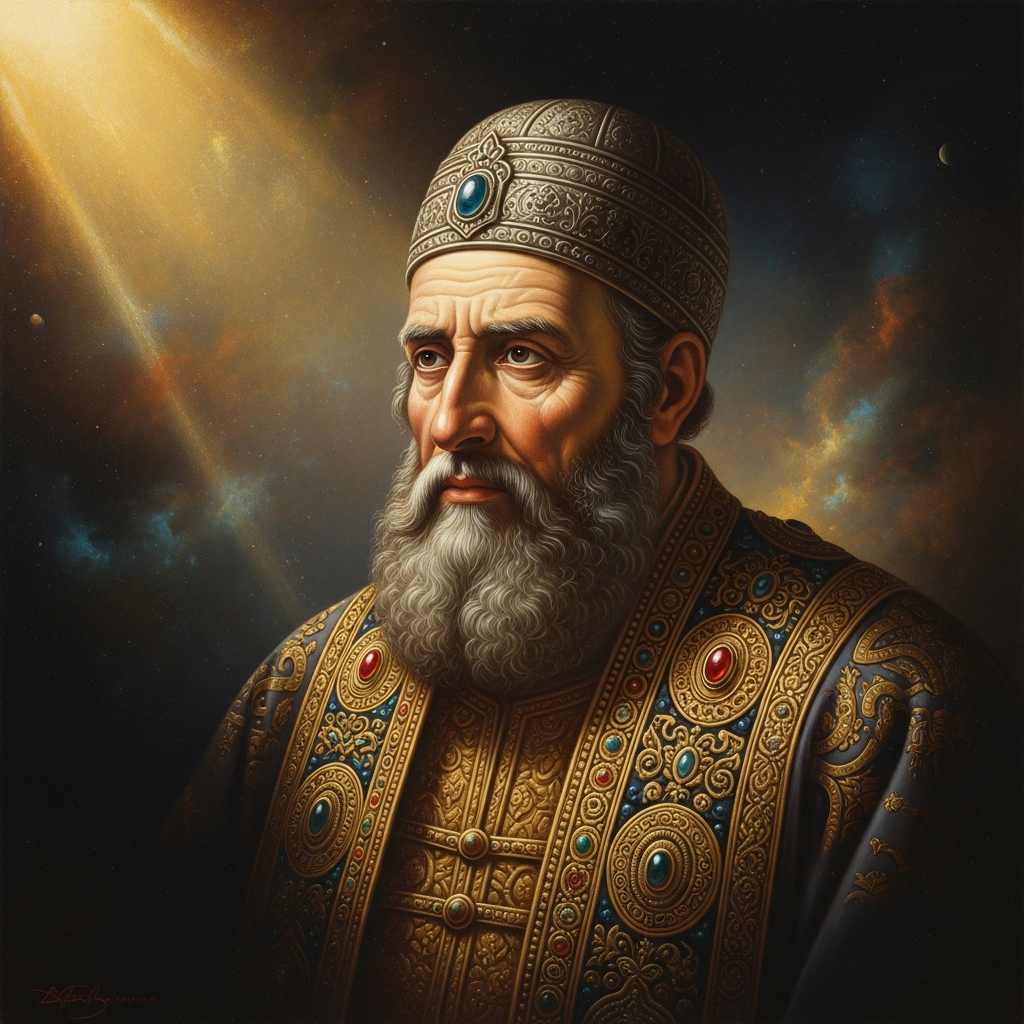
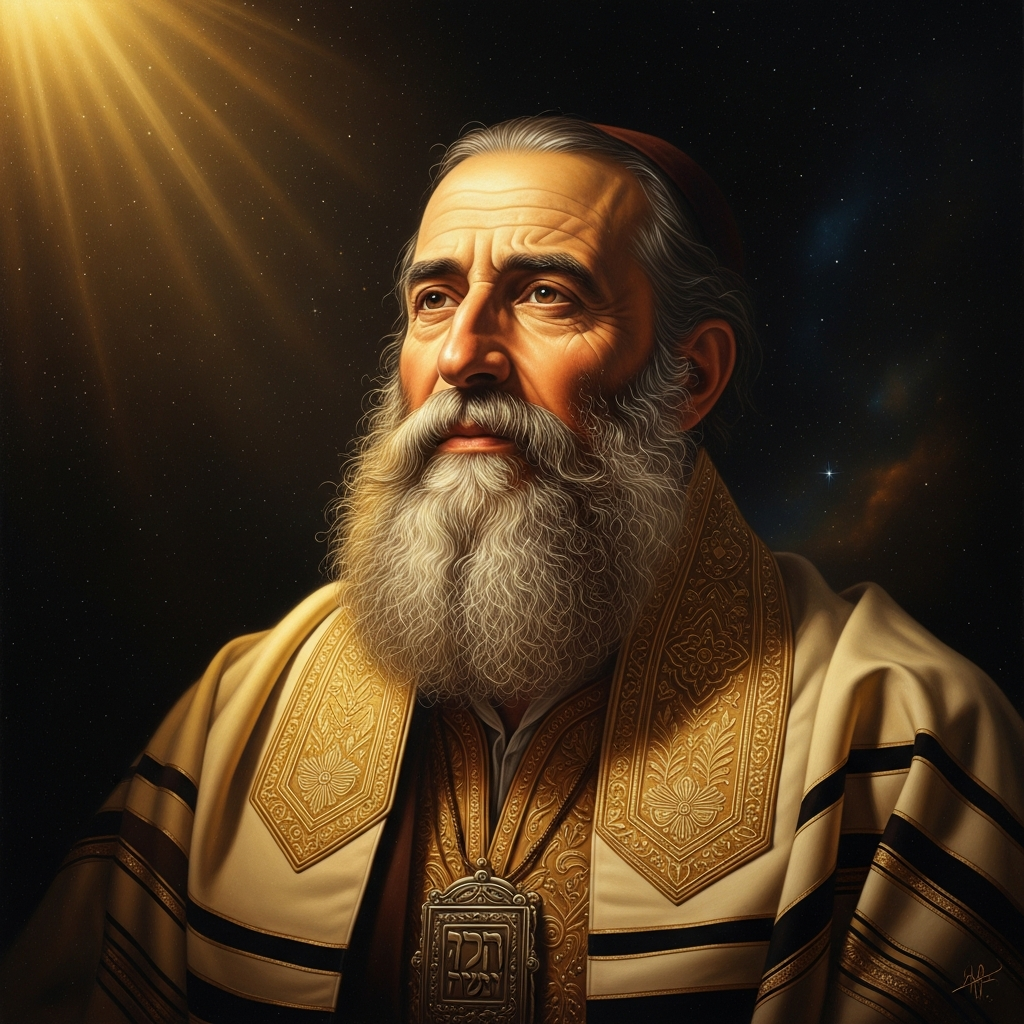
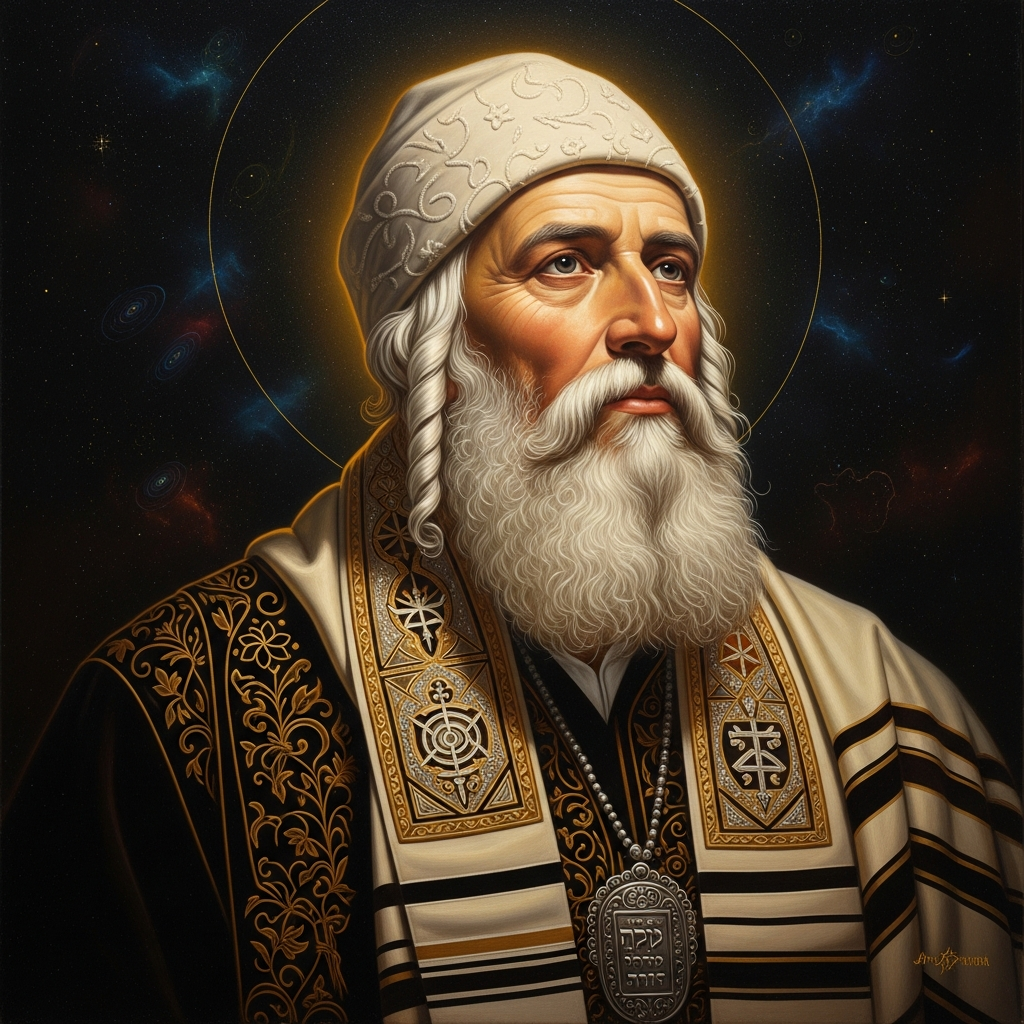
Israel ben Eliezer, the “Master of the Good Name” (c. 1700-1760), took Lurianic Kabbalah out of the elite study halls and into the Yiddish-speaking poor (Shivchei ha-Besht). Hasidism today — Chabad-Lubavitch, Satmar, Belz, Bobov, Ger, Breslov — is an enormous and visible part of contemporary Orthodox Jewry. All of it descends from the Besht’s teaching that joy and devotion outrank scholastic credentials.
1 min read
*Shivchei ha-Besht*; *Keter Shem Tov*; oral tradition