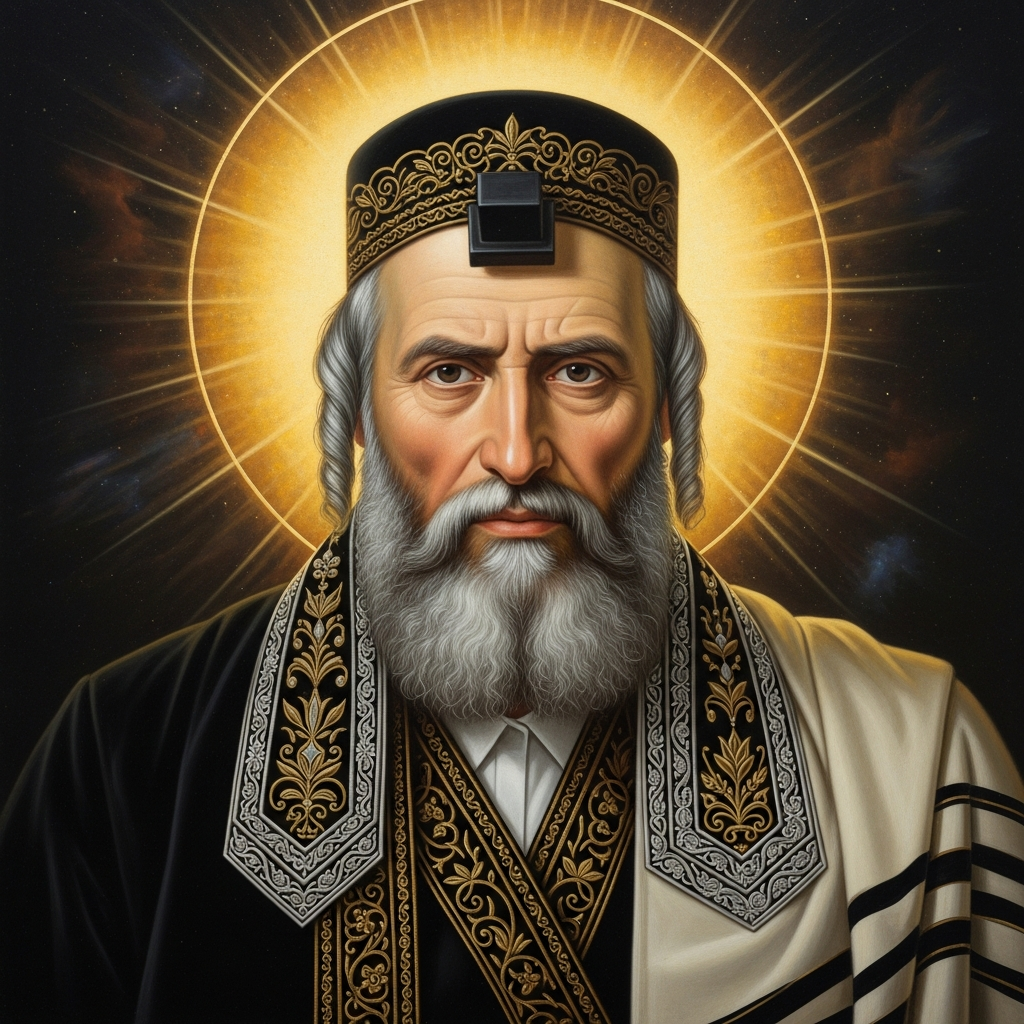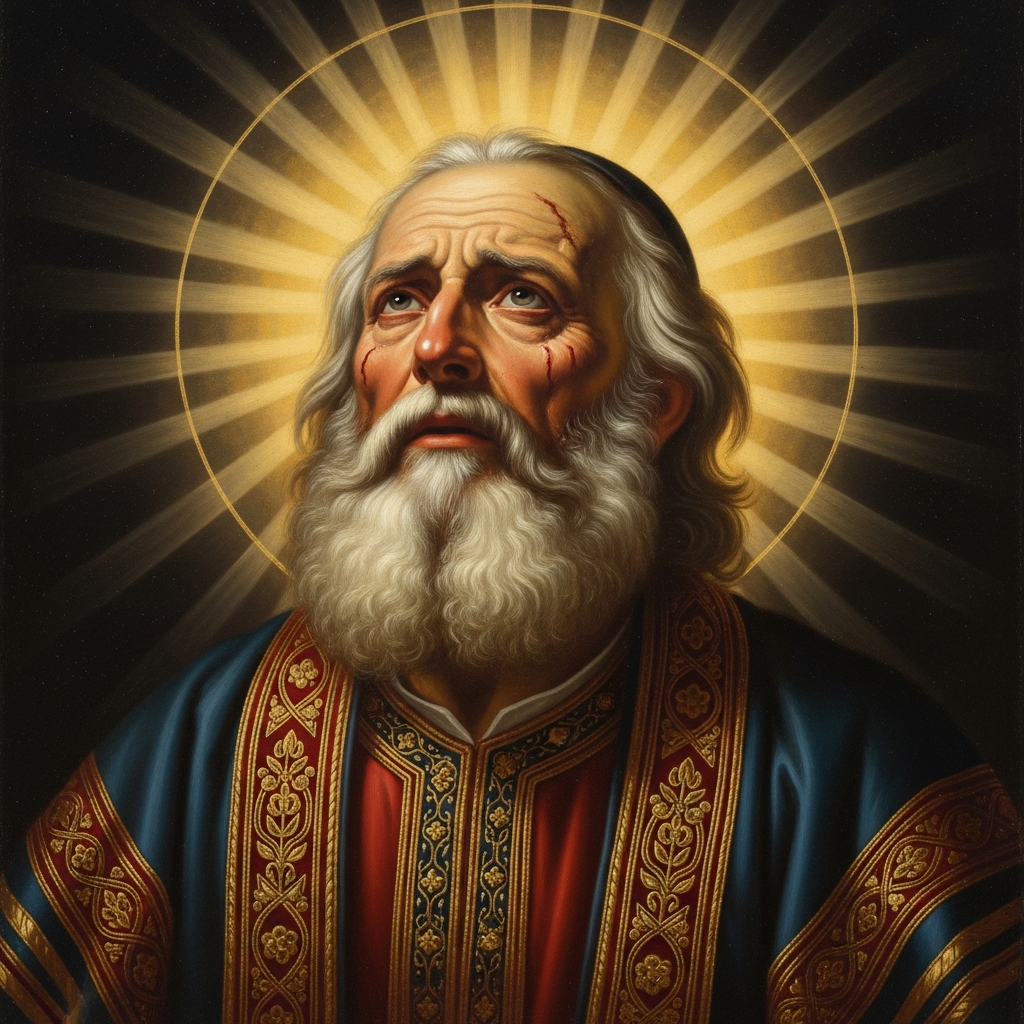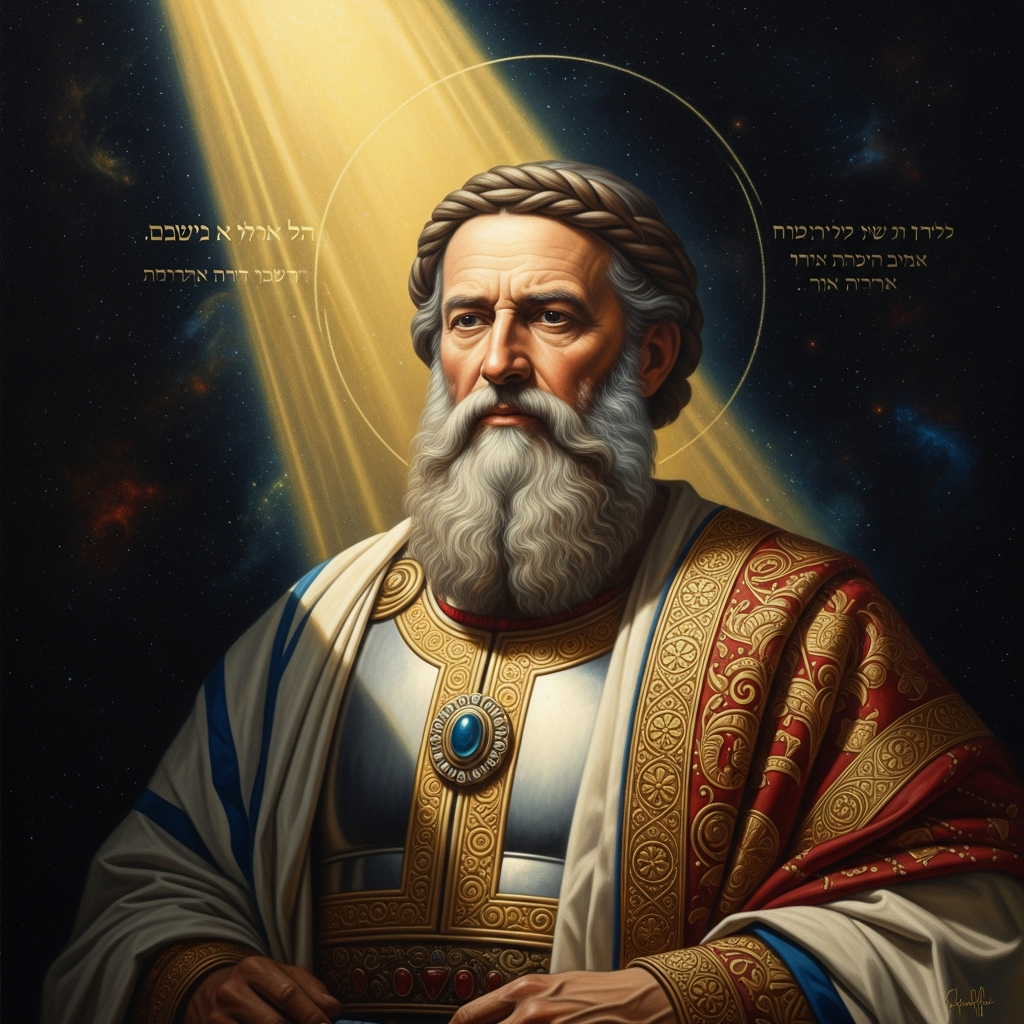
Combat Profile
Dreamstate Manifesto
channels collective Jewish aspiration into political reality, binding diaspora consciousness toward a singular national vision
Pen of Nations
diplomatic words carry the weight of displaced peoples, granting immunity to dismissal and forcing adversaries to acknowledge legitimacy
Secular Hungarian-born Austrian Jew with limited Hebrew; the early religious Orthodox community was largely opposed to him; died at 44 of heart failure
“If you will it, it is no dream.” — Herzl, Altneuland
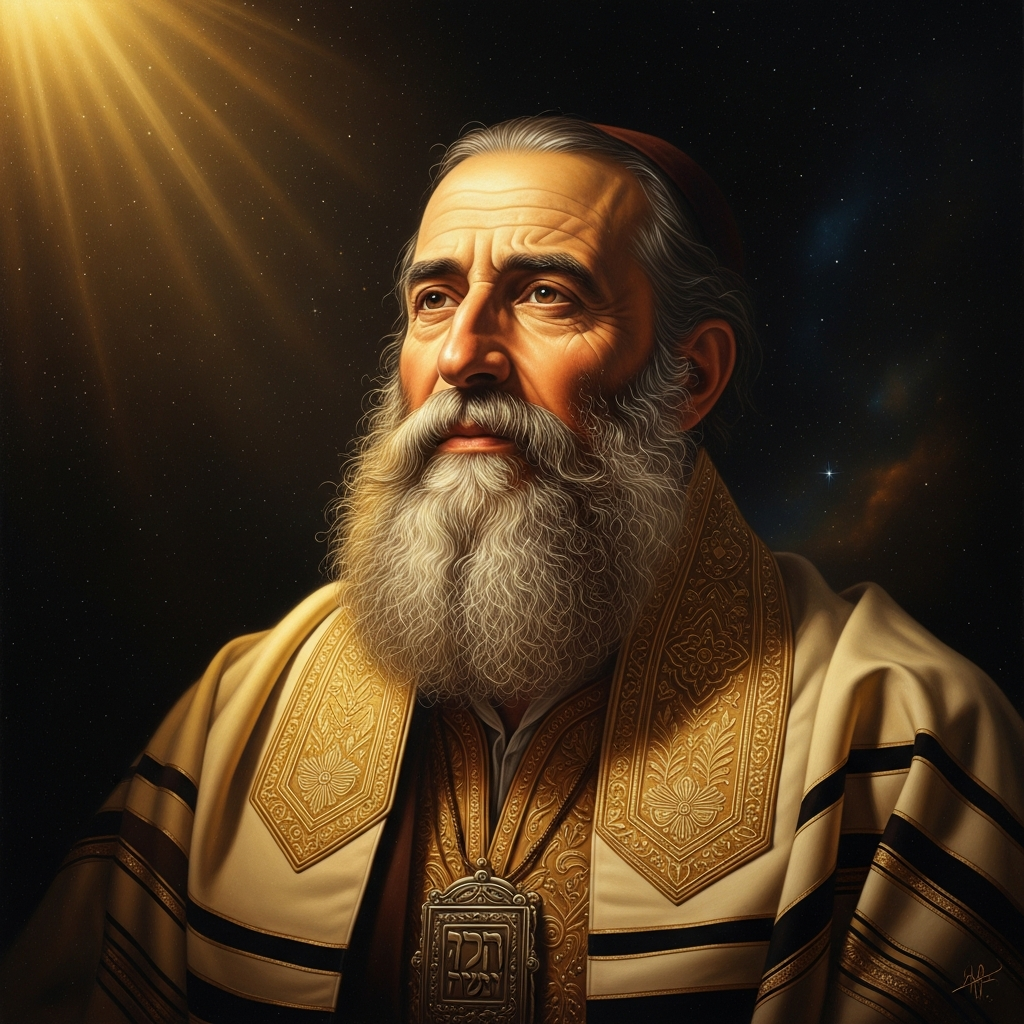
Theodor Herzl (1860-1904), an assimilated secular Viennese journalist, watched Alfred Dreyfus stripped of his rank in Paris while a crowd shouted “Death to the Jews” (Dreyfus Affair, 1894-95). He concluded the Enlightenment’s promise of emancipation through assimilation had failed. His political Zionism — the idea Jews needed a sovereign state of their own — was wildly controversial when he proposed it (Der Judenstaat, 1896). Reform Judaism opposed it. Orthodox Judaism was largely opposed. Assimilationists thought it confirmed antisemitic stereotypes. The Holocaust changed the math. He did not live to see the state, but it exists in part because he willed it (First Zionist Congress, 1897).
1 min read
*Der Judenstaat* (1896); *Altneuland* (1902); his diaries