Combat Profile
Peak's Blessing
Grants protection and prosperity to those who make offerings at mountain shrines, shielding them from harm.
Mountain's Presence
Inhabitants of sacred mountains gain enhanced endurance and spiritual connection to the land.
Title: The Localized Divine, The Watcher from the Peak
Tradition: Korean Muism & Indigenous Korean Religion
Description:
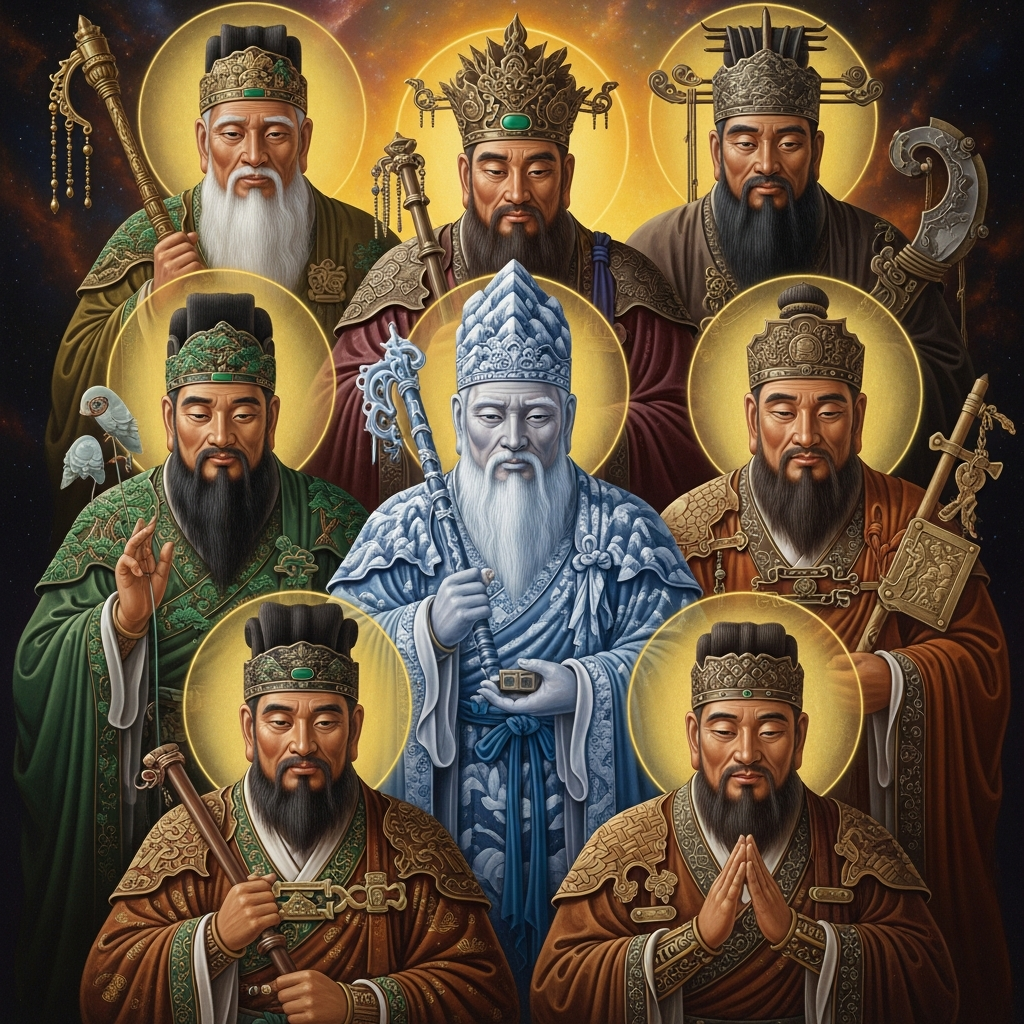
Sansin (산신) are mountain gods—not a single entity, but one god per significant mountain in Korea. Every notable peak has its sansin: a specific, named entity with personality, preferences, and power. The sansin of Jirisan (Korea’s tallest mountain) is different from the sansin of Seoraksan (the “Snow Peak”), which is different from the sansin of Bukhansan (the “Northern Ridge”).
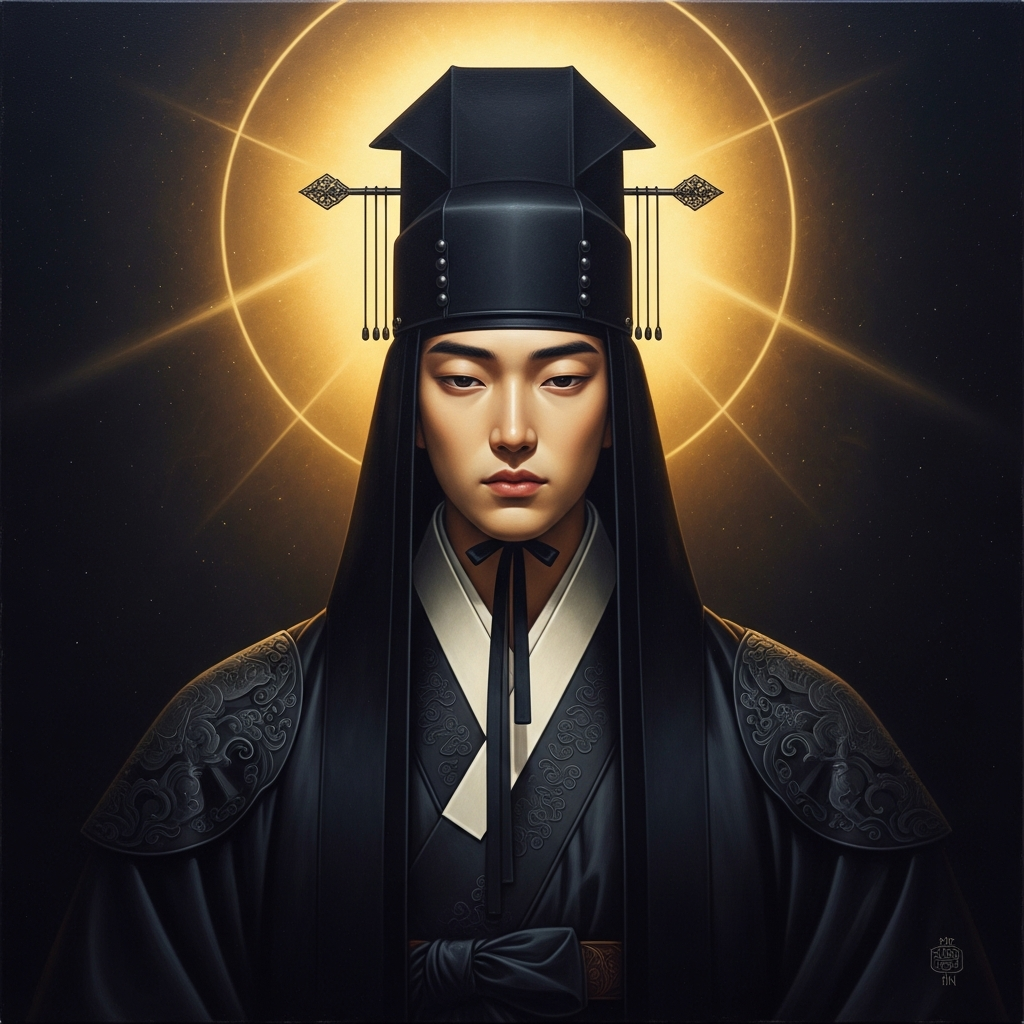
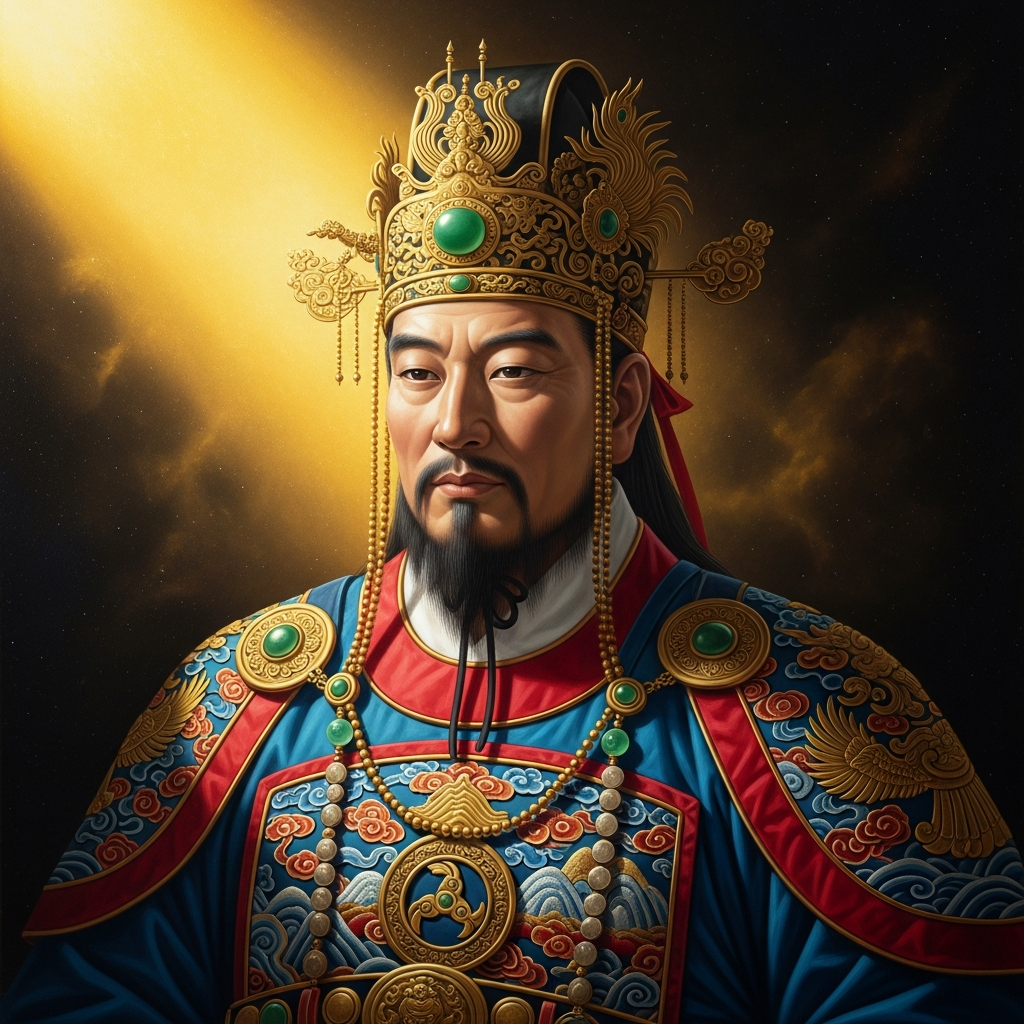
Sansin are among the oldest deities in Korean religion, predating muism itself, likely surviving from pre-historic animistic practice. Each sansin is depicted as an elderly man, dignified and serene, often accompanied by tigers (the sansin’s messengers and sacred animals). Sansin do not come down from their peaks; instead, shamans climb to them, bringing offerings of food and wine.
The relationship between a sansin and its mountain community is reciprocal. The community respects the sansin, makes offerings, and the sansin grants:
- Protection from disaster
- Good harvests and weather
- Safe passage through the mountain
- Spiritual blessing and presence
When shamans undergo initiation, they often spend time on mountains, especially in caves or high hermitages, where they may encounter a sansin. The sansin’s blessing becomes part of the shaman’s spiritual authority.
Sansin represent the principle that the divine is local—not abstract, not far, but immediately present in the landscape you inhabit. Each mountain holds consciousness. Each peak has agency.
Alignment: Korean Sacred
RPG Stats:
Power Tier: A (Archangelic) — Authority over a specific place and its community
Sacred Number: Variable (one per mountain; sacred mountains often associated with 5 cardinal directions, 5 ancient Korean kingdoms)
Symbols: Mountain peak, elderly man’s face, tiger at his side, wind and mist, hermitage and cave
Cross-Tradition Parallels:
- Djinn of Place (Islamic): Spirits bound to specific locations
- Dryads (Greek): Tree spirits tied to individual trees and groves
- Land Wight (Norse): Spirit of a specific place or landform
- Kami of Mountains (Shinto): Each mountain has its own kami with distinct personality
2 min read