Combat Profile
Illuminated Doctrine
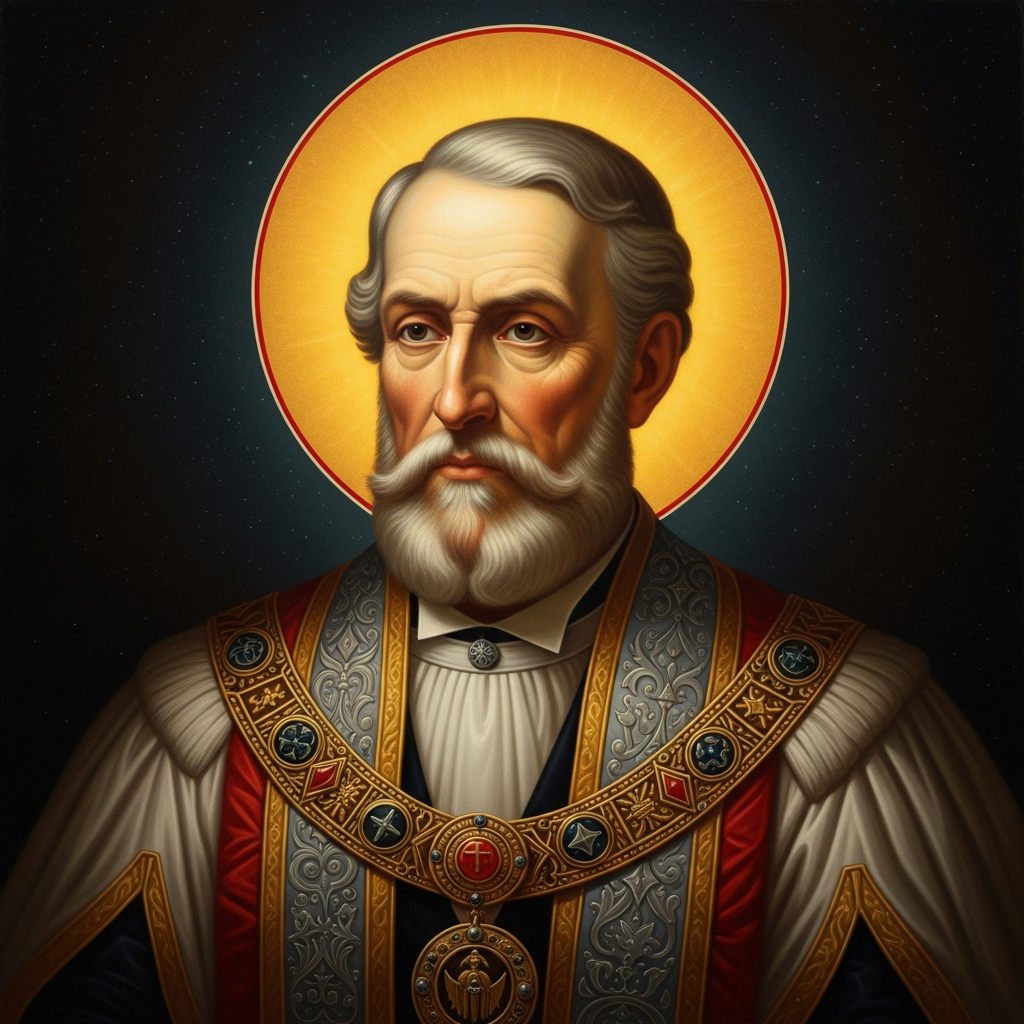
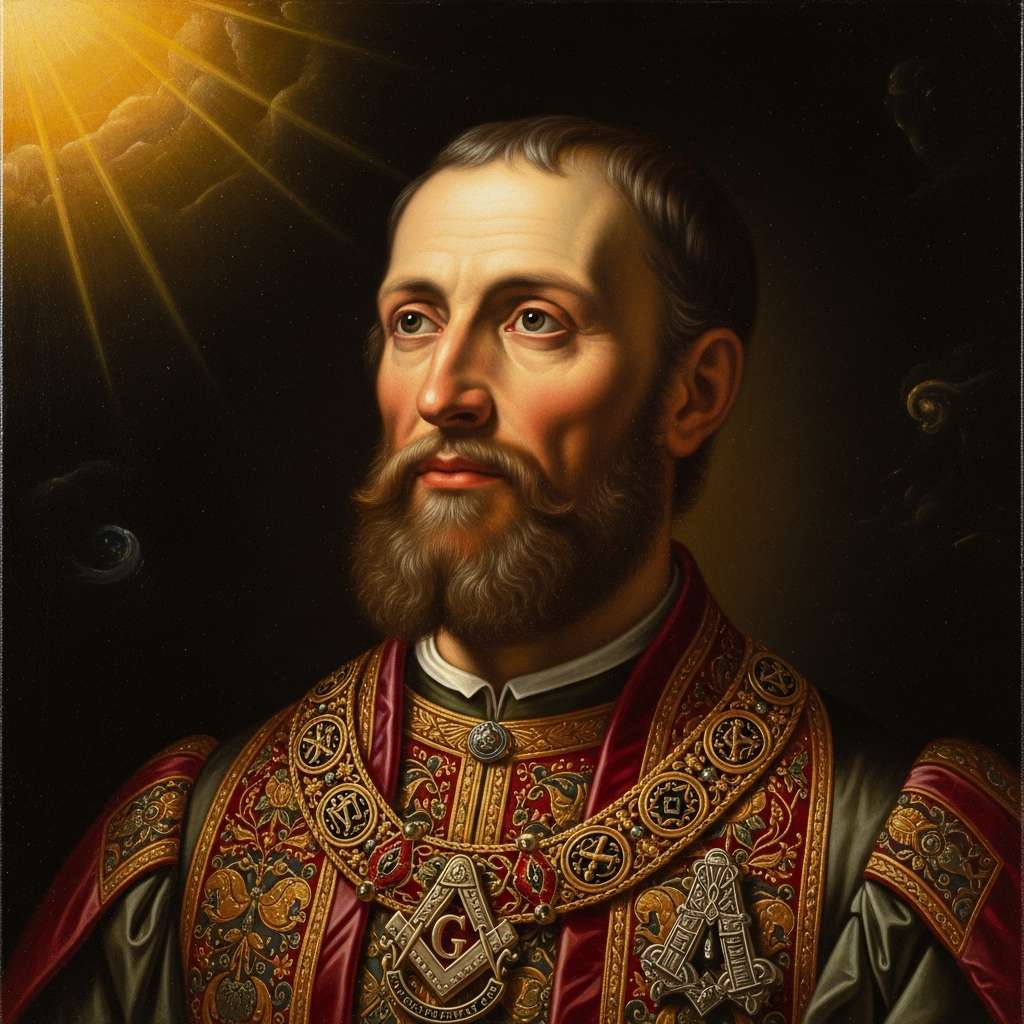
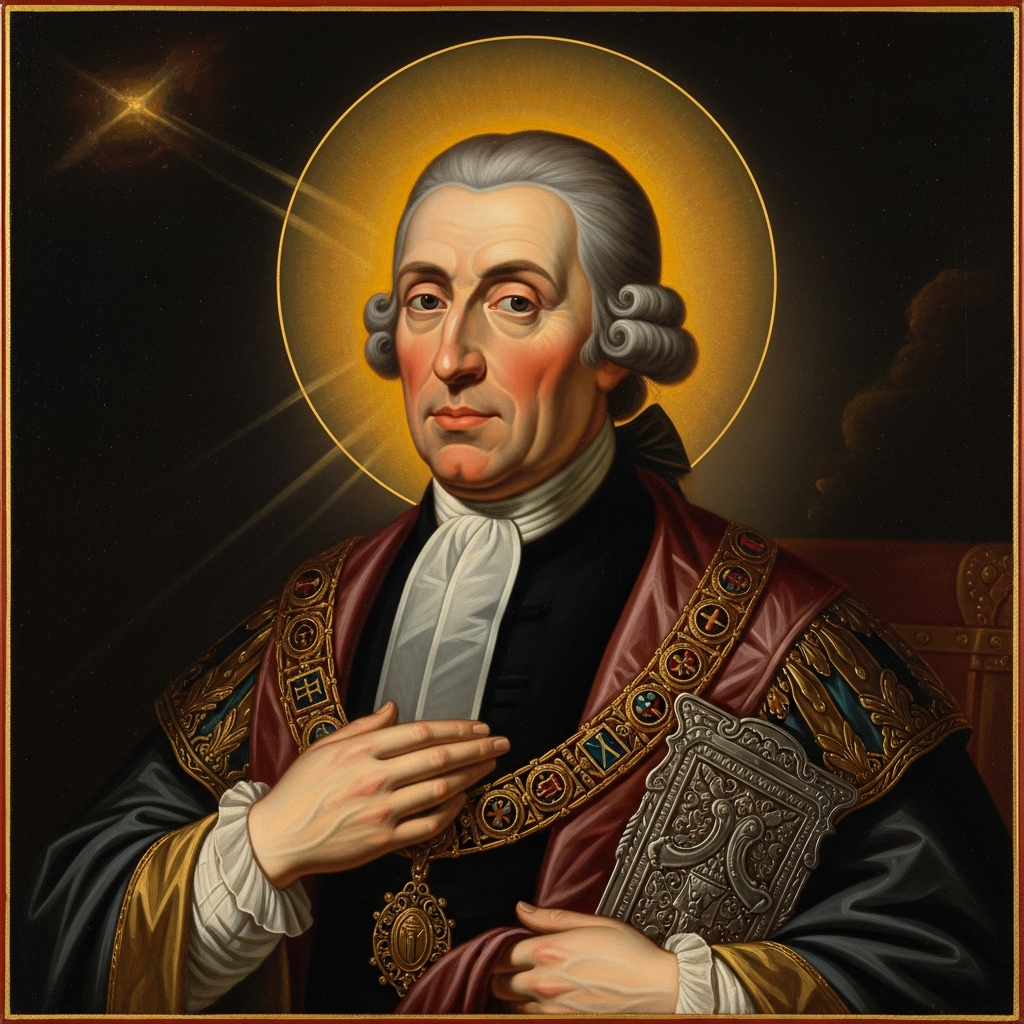
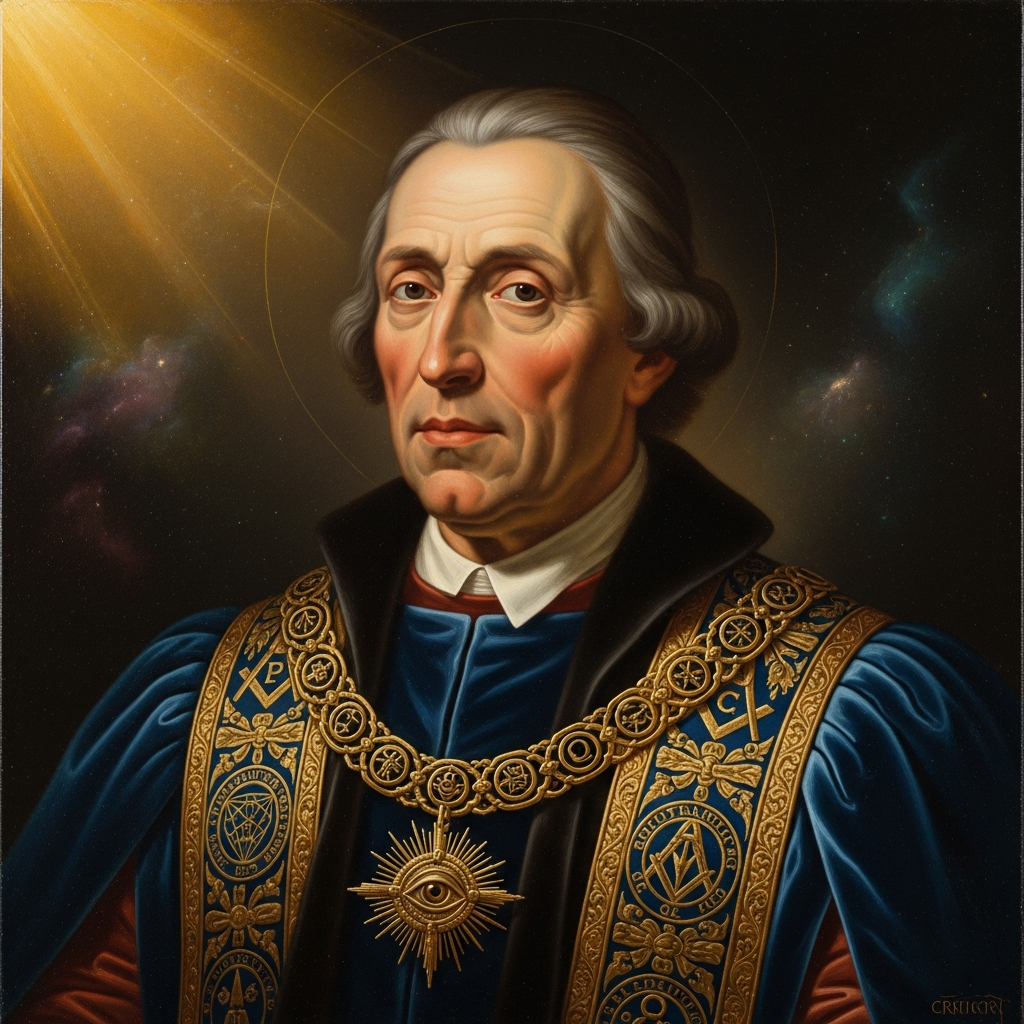
Reveals hidden knowledge to followers, granting them temporary clarity and strategic advantage against religious and state authority.
Rational Reformer
Passively spreads ideas of reason and secular enlightenment, weakening superstition and increasing skepticism in nearby mortals.
The Bavarian government, which suppressed his order in 1785 and seized its papers; subsequent two centuries of conspiracy theorists who keep insisting his dead organization still runs the world
Lore: Weishaupt is the figure conspiracy theorists most conflate with Freemasonry. He was not a conventional Mason, and the Illuminati is not Masonry—though he co-opted Masonic ritual and recruited from existing lodges, explaining his perennial entanglement with Masonic conspiracy theories. The Bavarian Illuminati was real (founded 1776, suppressed 1785) with radical Enlightenment aims: anti-clerical, pro-republican, opposed to absolutism. Crushed within nine years. Every claim that the Illuminati still operates—behind the French Revolution, the New World Order, the Federal Reserve, the United Nations, the music industry—rests on the corpse of an organization dead 240 years. See Conspiracies.md #5 for evidence ranking (4/2: documented historical organization; speculative conspiracy claims).
1 min read
Karl Theodor, Elector of Bavaria (banned the Illuminati 1785); historical reality (the order was crushed and never effectively reconstituted)
Bavarian state archives (the seized Illuminati papers); cf. [Conspiracies.md](../Conspiracies.md) for the conspiracy treatment