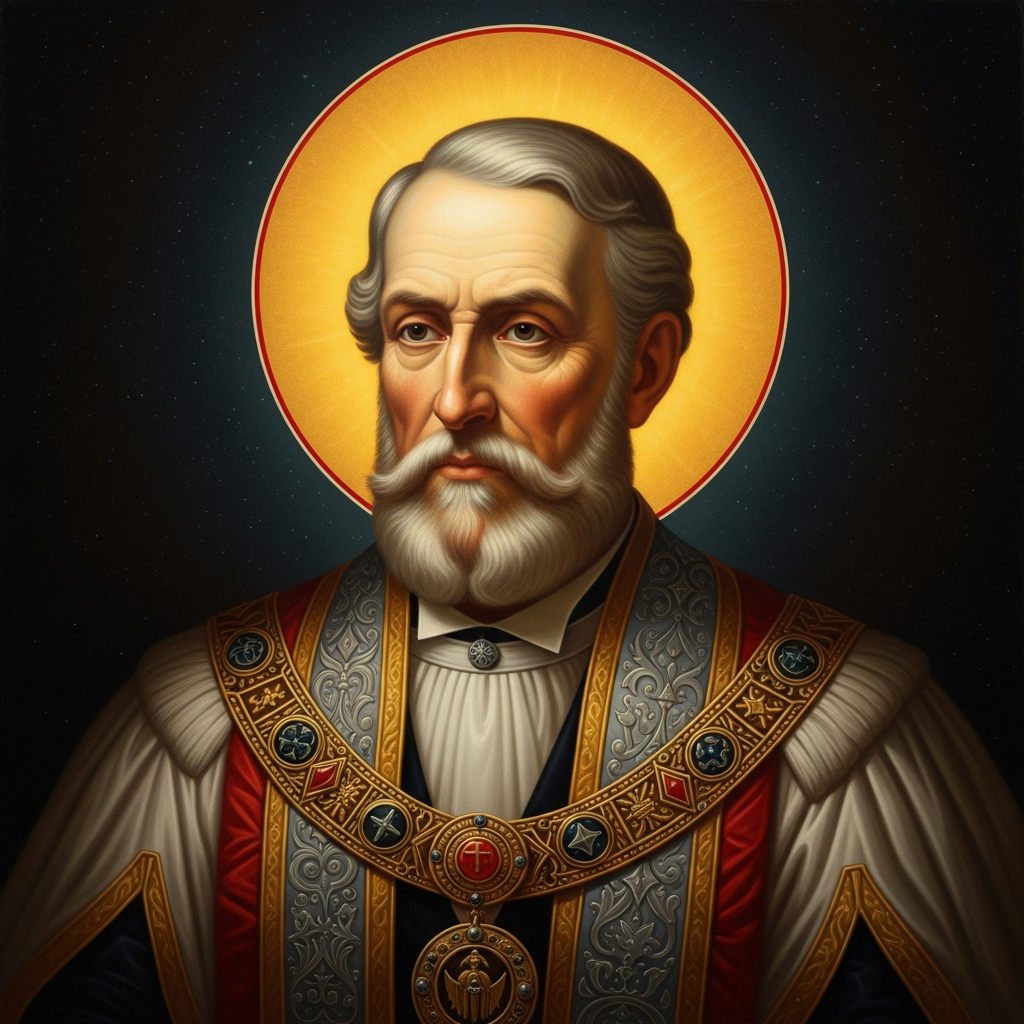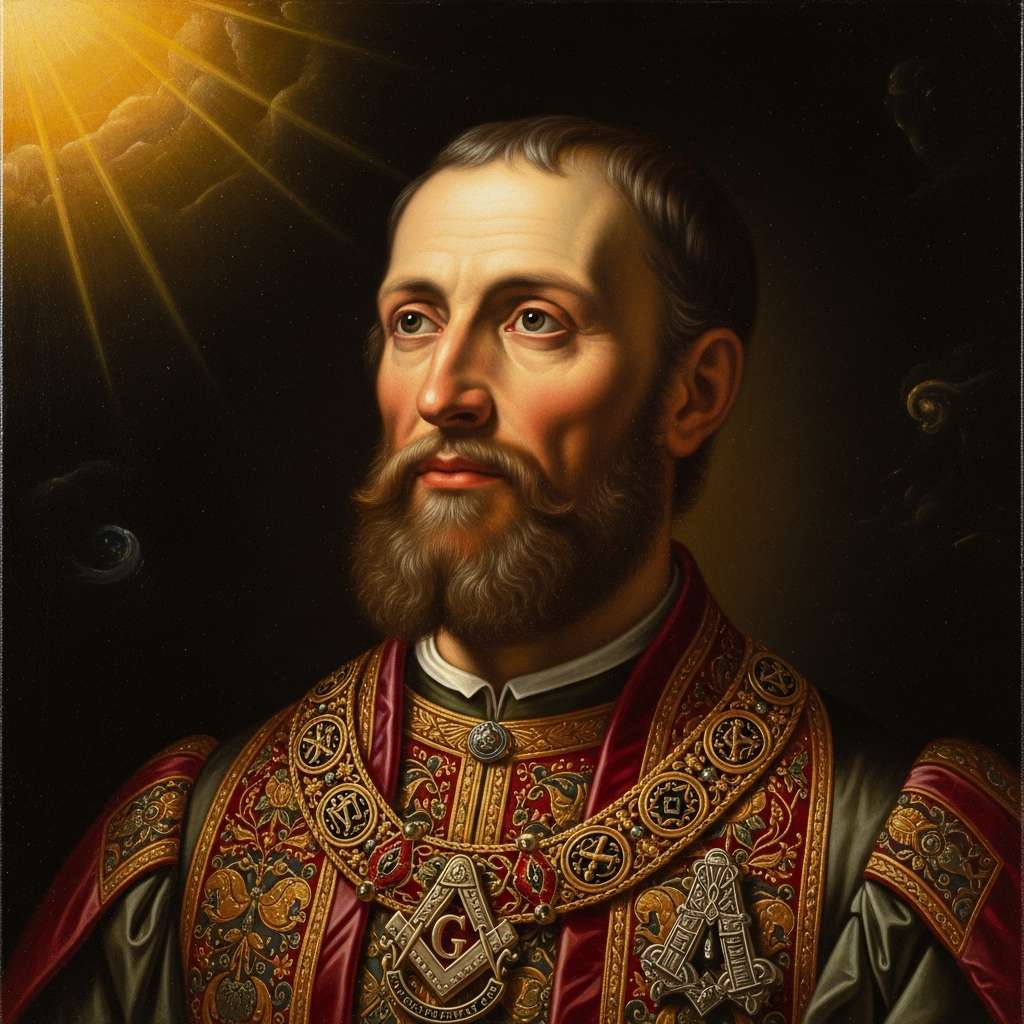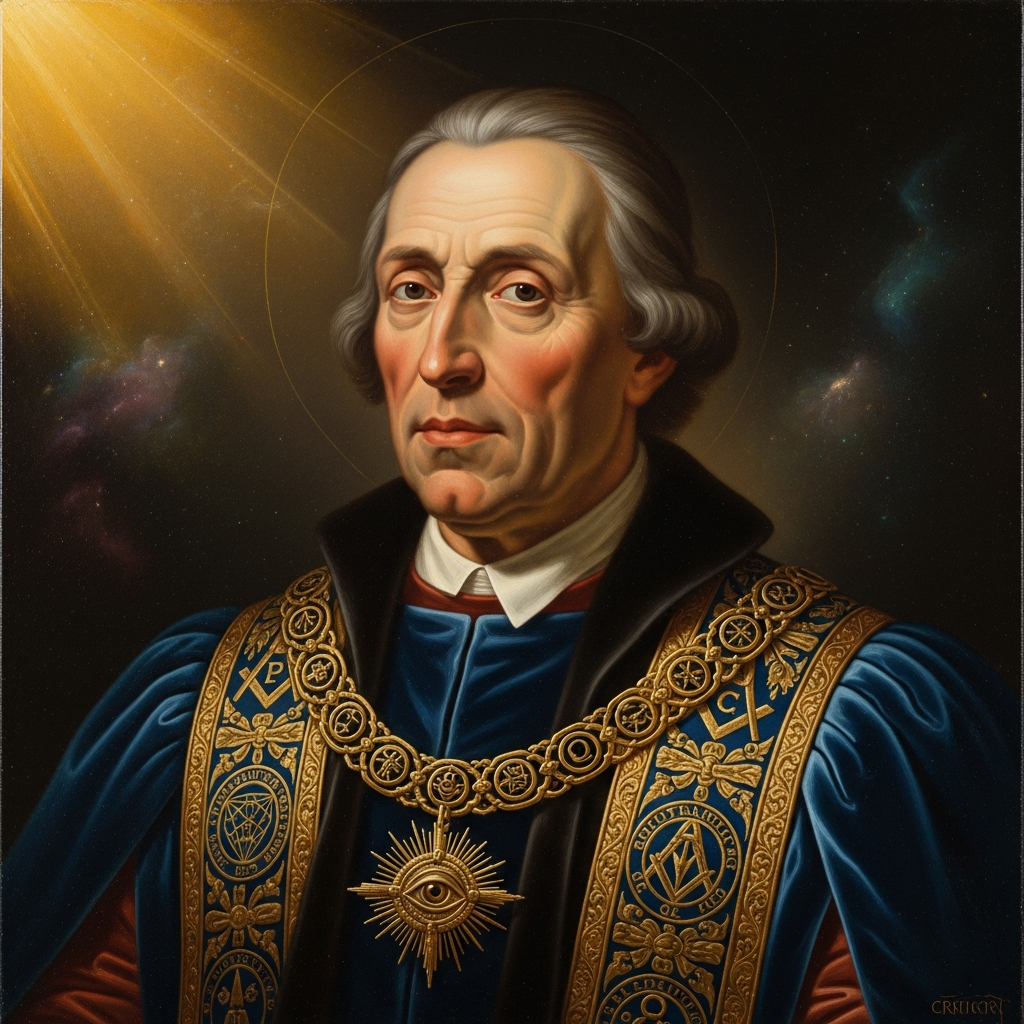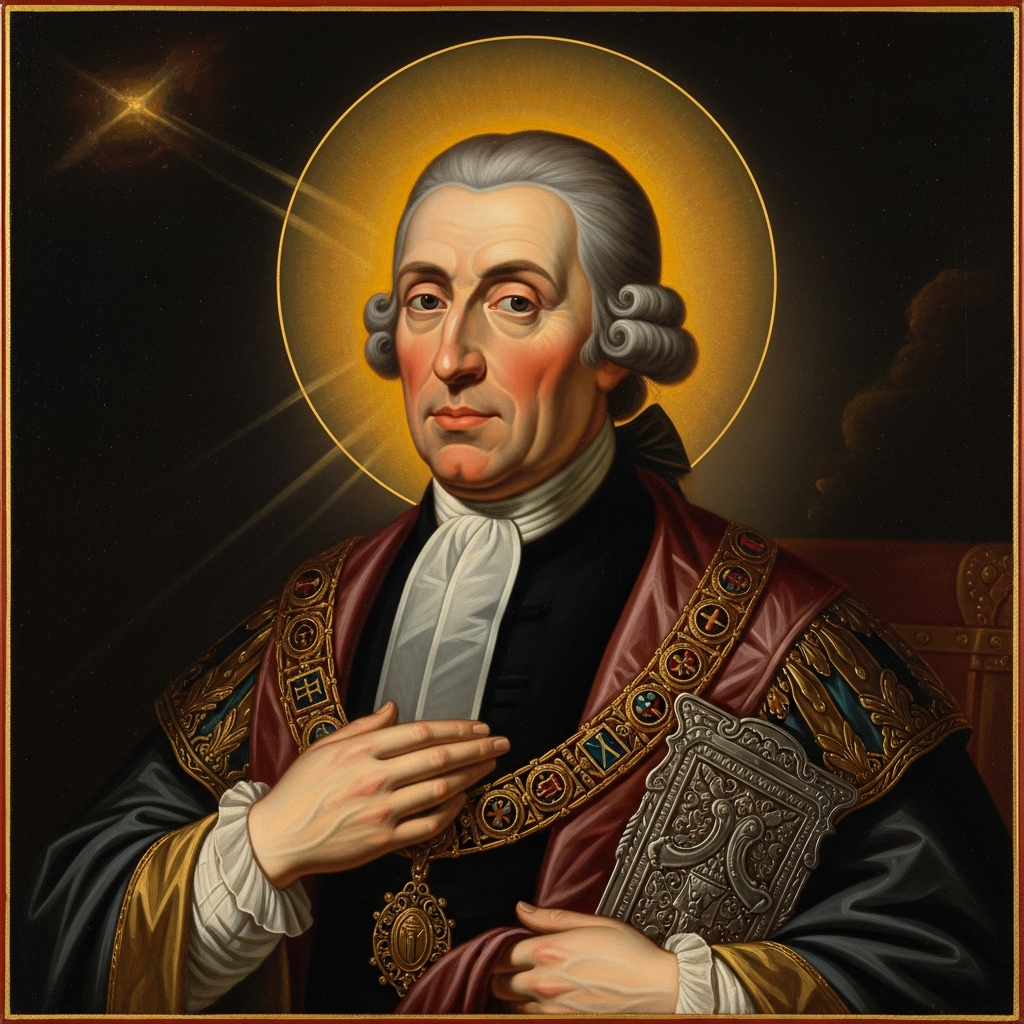
Combat Profile
Codification of Mysteries
Anderson inscribes divine principles into eternal law, granting structured order to chaotic knowledge and binding future generations to enlightened doctrine.
Architect of Tolerance
Anderson's presence naturally harmonizes conflicting beliefs, allowing disparate traditions to coexist within a unified framework without contradiction.
His "history" of Masonry from Adam through Solomon is largely invented; later editions contradict the first
Lore: Anderson was a pragmatist. He knew the Premier Grand Lodge needed a foundational text, that such texts needed ancient pedigrees, and that ancient pedigrees in 1723 were largely self-invented. So he wrote one: Masonry descended from Adam through Noah, Nimrod, Moses, Solomon, Pythagoras, Vitruvius, the Roman collegia, medieval cathedral guilds, to the Premier Grand Lodge. None is true as history. All is true as ritual orientation. His durable gift: the religious clause—belief in a Supreme Being required, the Supreme Being’s identity unspecified. This clause grounds every regular Masonic jurisdiction worldwide.
1 min read
Historians (his fabricated genealogy has been demolished by serious Masonic scholarship since the 19th century)
*The Constitutions of the Free-Masons* (1723, revised 1738)