Combat Profile
Hermetic Synthesis
Weaves disparate religious and philosophical traditions into unified esoteric frameworks that unlock hidden cosmic truths.
Master of Degrees
Continuously refines and elevates initiates through ritual knowledge, granting them access to deeper layers of symbolic understanding and mystical power.
Confederate general (his statue in DC was toppled in 2020); 19th-century racial views; his work is constantly misquoted by conspiracists
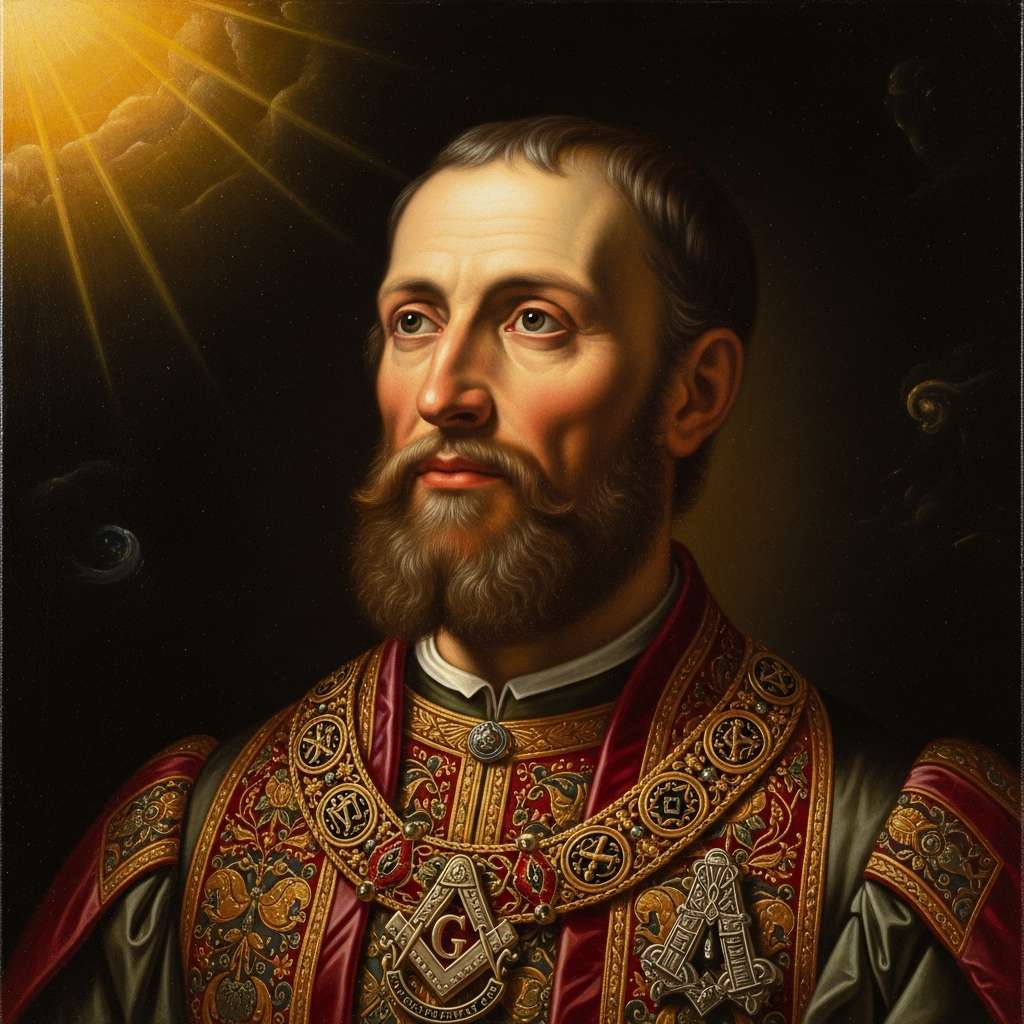
Lore: Pike was a vanishing breed of 19th-century polymath—a frontier lawyer fluent in Sanskrit, Hebrew, Old Persian; a comparative mythologist and Zoroastrianism scholar; a Confederate brigadier general (poorly); a man who spent his final decades rebuilding the Scottish Rite from decaying 18th-century French rituals into the 33-degree philosophical system it is now. Morals and Dogma reads strangely: Plato, Kabbalah, Hermeticism, Zoroastrian dualism, Christian ethics, all tangled. It is not doctrine; Pike calls it “speculative” and explicitly permits disagreement. The famous “three world wars” letter is a 1925 forgery (it uses post-1871 terminology). The actual Pike was flawed, learned, prolix—not a satanic architect. See Conspiracies.md for evidence-ranked analysis.
1 min read
The 1925 "Pike letter to Mazzini" forgery, which has done more damage to his reputation than anything he actually wrote
*Morals and Dogma of the Ancient and Accepted Scottish Rite* (1871); Scottish Rite SJ archives