Combat Profile
Separation of Realms
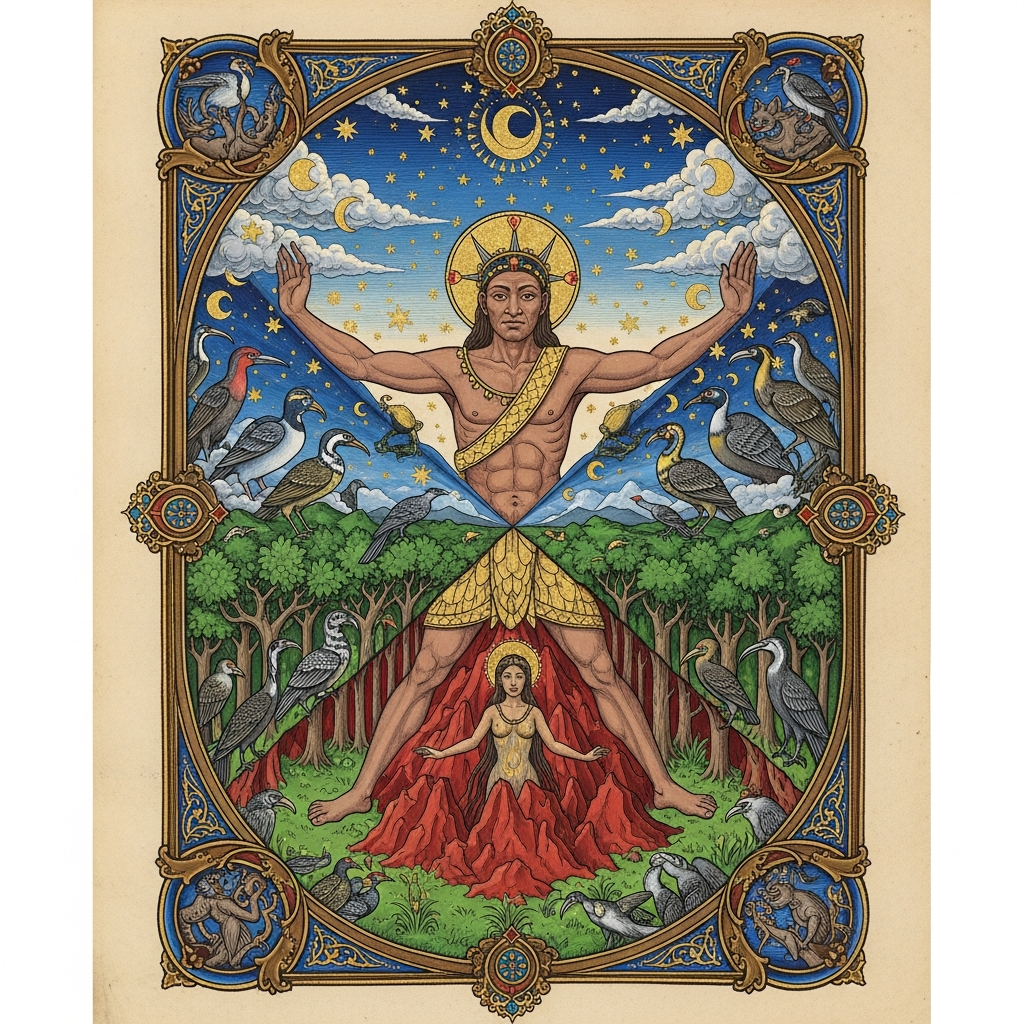
Tane-mahuta splits sky from earth, reshaping the boundaries between worlds and granting temporary dominion over all natural spaces
Creator's Benediction
All living things within Tane-mahuta's presence flourish; forests grow dense, birds sing in harmony, and beauty manifests in all natural forms
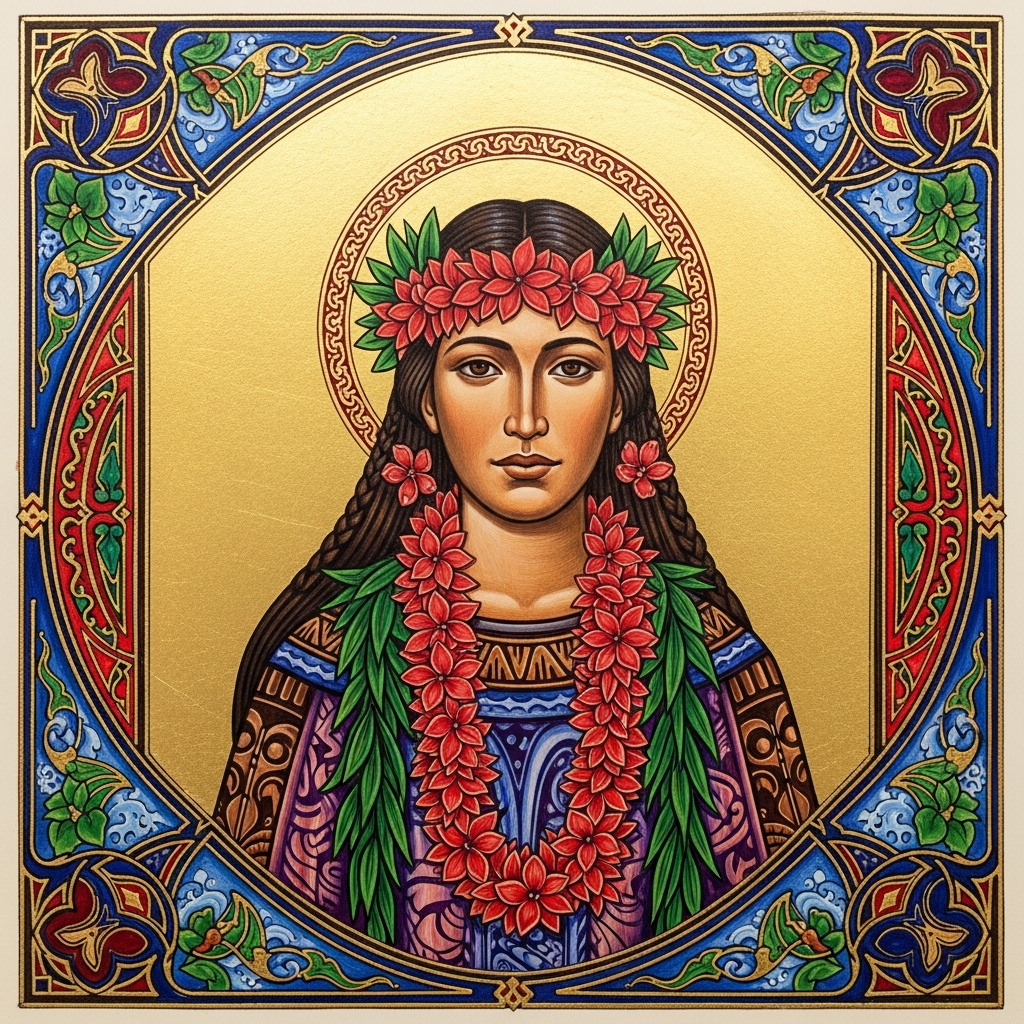
Created Hine-ahu-one from red earth, married her, then fathered Hine-titama -- who, upon learning Tane was both her father and her husband, fled in horror to the underworld and became Hine-nui-te-Po, the goddess of death. Tane's act of creation introduced death into the world
“Tane placed his head upon his mother Papa and his feet against his father Rangi and he strained, and strained, and strained — and the parents were pushed apart, and the light rushed in.”
Lore: Tane (known as Kane in Hawaiian tradition) is the god of forests, birds, and light — and the architect of the world as we know it. It was Tane who separated the primordial parents, pushing Rangi skyward and allowing light (ao) to enter the world for the first time. He then adorned his father with stars and his mother with trees. But his most consequential act was the creation of the first woman. Tane shaped Hine-ahu-one (Earth-Formed Maiden) from the red clay at Kurawaka, a sacred place on Papa’s body, and breathed life into her nostrils. He married her, and she bore Hine-titama (Dawn Maiden). When Hine-titama asked who her father was and learned the truth — that Tane was both her father and her husband — she was consumed with shame and fled to the underworld, declaring: “Stay in the world of light to raise our children. I will go to the darkness to receive them when they die.” She became Hine-nui-te-Po, the goddess of death. And so Tane, in the act of creating life, also created the conditions for death.
Parallel: The creation of the first woman from earth is a nearly universal motif. In Genesis 2:7, God forms Adam from the dust of the ground (adamah — the Hebrew pun is identical in function to the Maori whenua wordplay) and breathes life into his nostrils. In both traditions, the creative act involves shaping from earth and divine breath. The incest-and-shame narrative has no direct biblical parallel but resonates with Greek mythology (Oedipus) and with the broader mythological pattern where the creation of consciousness necessarily introduces suffering and death. In Hawaiian tradition, Kane is the chief of the great gods, the god of creation and fresh water, and is never represented by carved images — a form of aniconism that parallels the Hebrew prohibition on graven images.
2 min read
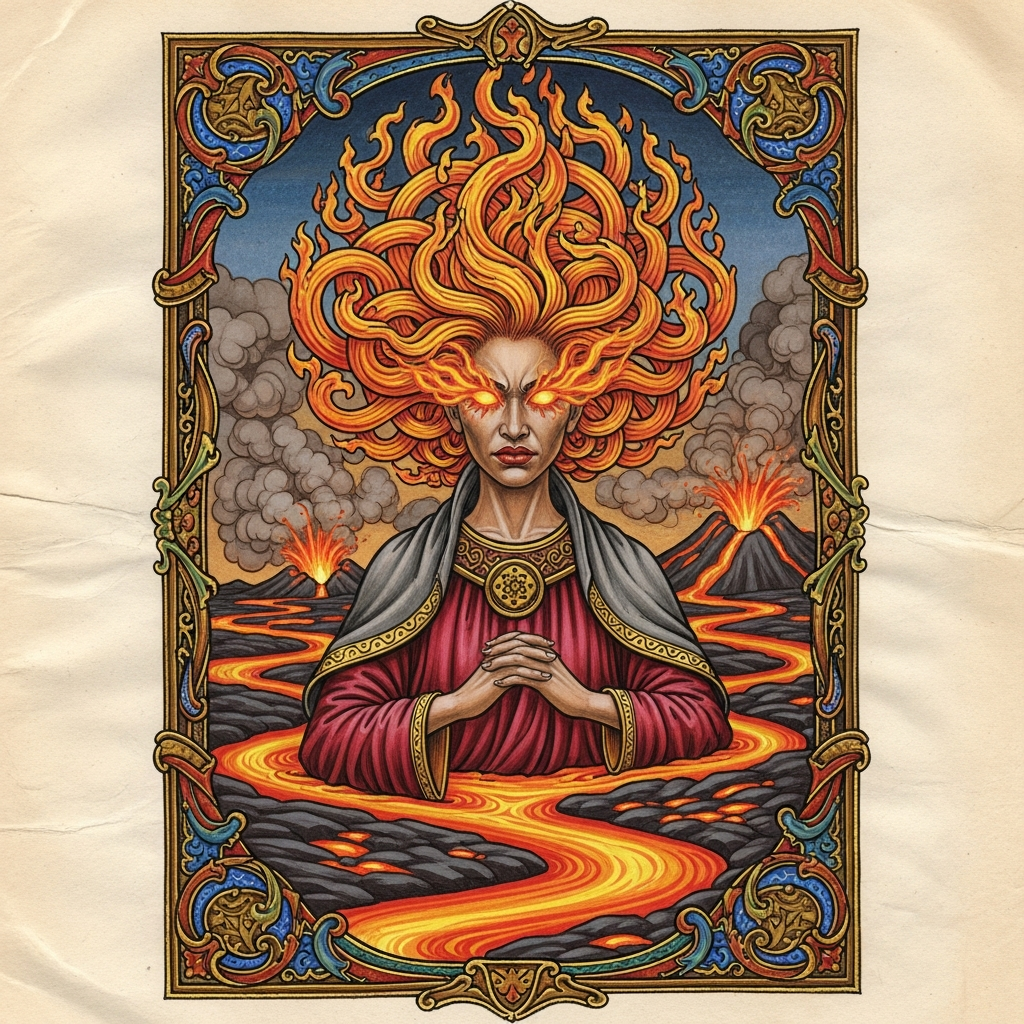
Hine-nui-te-Po (his daughter/wife, now guardian of death, who kills Maui when he tries to reverse what Tane set in motion)
Grey, *Polynesian Mythology*; Best, *Maori Religion and Mythology*; Orbell, *Illustrated Encyclopedia*; Tregear, *Maori-Polynesian Comparative Dictionary*