The Centerpiece: The Maui Cycle — One Hero, Four Universal Stories
Maui’s four greatest exploits — fishing up islands, lassoing the sun, stealing fire, and dying in the quest for immortality — each correspond precisely to a major myth in an entirely unrelated tradition. These parallels cannot be explained by cultural contact (Polynesia was isolated from the Near East, Greece, and Mesopotamia). They can only be explained by one of two possibilities: either these stories reflect universal human experiences so fundamental that every culture independently generates them, or they descend from a shared human narrative inheritance so ancient it predates the dispersal of modern humans across the globe. Either explanation is extraordinary.
| Maui’s Feat | The Parallel | The Tradition | The Resonance |
|---|
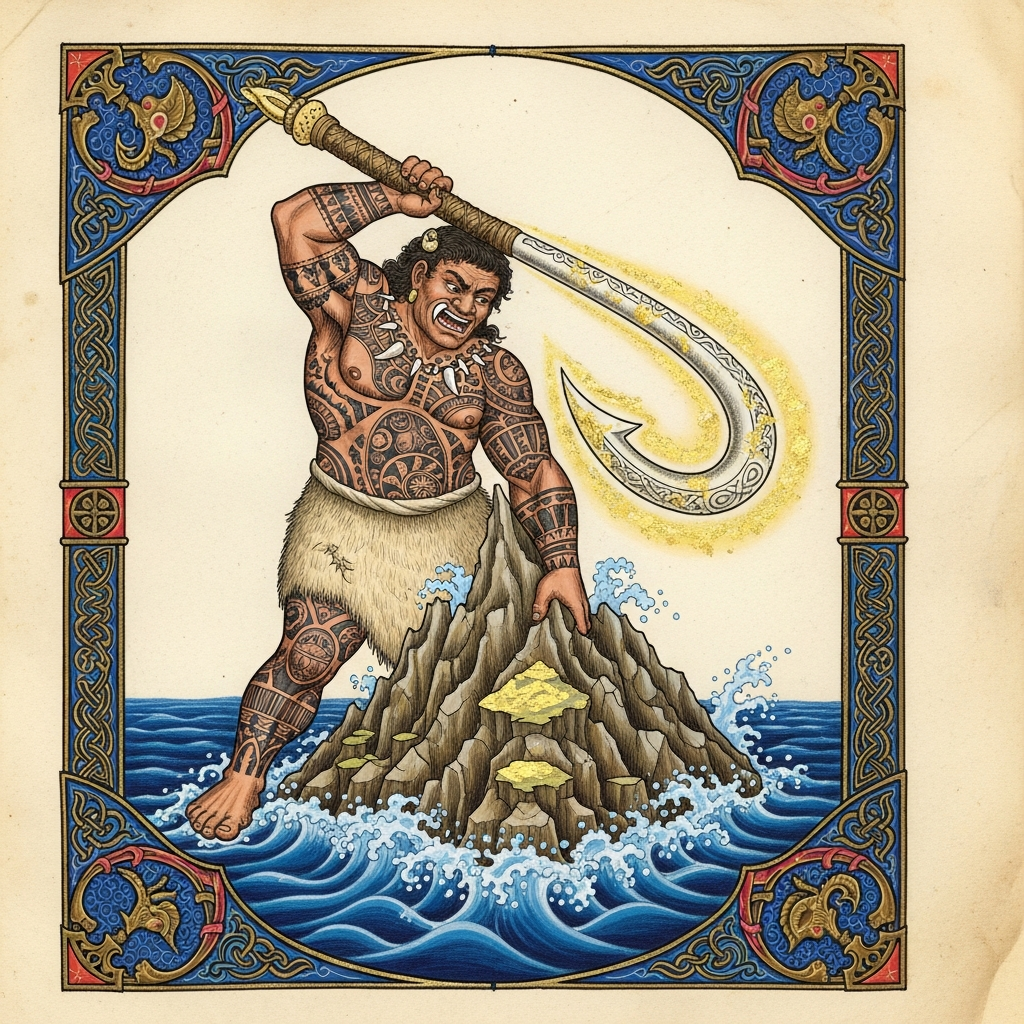
| Fished up the islands: Maui baits his grandmother Murirangawhenua’s enchanted jawbone as a fishhook, casts it into the deep ocean, and hauls up Te Ika a Maui (the North Island of New Zealand) — or, in Hawaiian tradition, the Hawaiian Islands themselves. Land is not found but created by an act of will and trickery. His brothers hack at the fish before the proper rituals are completed, creating the mountains and valleys | Creation from the deep: God separates the waters and raises dry land (Gen 1:9-10). Marduk splits Tiamat’s body to form earth and sky. Vishnu as Varaha (the cosmic boar) dives into the primordial ocean and raises the earth on his tusks | In nearly every cosmology, the land must be retrieved or raised from a primordial ocean. The earth does not begin dry — it begins submerged. Creation is an act of pulling something up from below. For a Pacific people surrounded by ocean, this is not metaphor. This is experience. You sail, and eventually, land rises from the water. Maui’s fishing line is the Polynesian version of the divine hand that lifts the world out of the deep | |
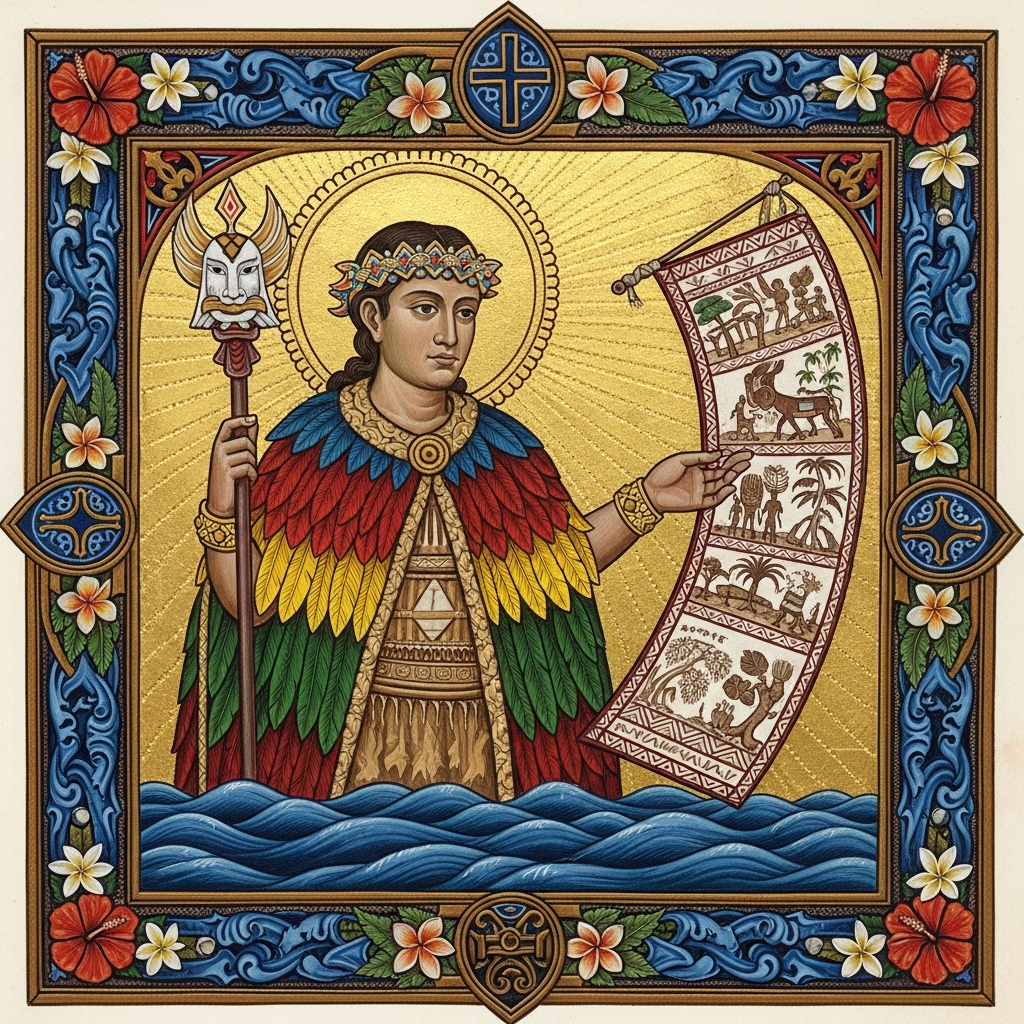
| Lassoed the sun: The days are too short for people to cook food, dry cloth, and do their work. Maui braids ropes from his sister’s hair (or flax), waits at the edge of the pit where the sun rises, lassoes it as it climbs, and beats it with his grandmother’s jawbone until it agrees to travel more slowly across the sky | Commanding the sun to stand still: “Sun, stand still over Gibeon, and you, moon, over the Valley of Aijalon. So the sun stood still, and the moon stopped” (Joshua 10:12-13). Joshua commands the sun to stop during battle so Israel can complete its victory | Both stories involve a hero who commands the sun to alter its course for human benefit. Joshua does it by divine authority through prayer; Maui does it by physical force through cunning. The theological difference is profound: in the biblical version, humans petition God, who controls the sun; in the Polynesian version, the human hero directly overpowers a cosmic force. Maui does not pray. He acts. This is the fundamental difference between Polynesian and Abrahamic theology: the Polynesian hero does not submit to the cosmic order — he wrestles it into shape | |
| Stole fire from the underworld: Maui extinguishes all fires in the world, then descends to the underworld to visit the fire goddess Mahuika (his ancestress). He tricks her into giving him her flaming fingernails one by one, until only one remains. She hurls the last flame in fury, setting the world ablaze. The fire is preserved in certain trees, from which it can be coaxed by friction | Prometheus steals fire from the gods: Prometheus steals fire from Zeus’s hearth (or from Hephaestus’s forge) and gives it to humanity, hidden in a fennel stalk. Zeus punishes him by chaining him to a rock where an eagle eats his liver daily | The fire-theft myth is one of the most universal in the world. In both Polynesian and Greek versions, a trickster figure steals fire from a divine source and gives it to humanity, transforming human civilization. The critical difference: Prometheus is punished eternally for his theft. Maui gets away with it (this time). Greek theology demands cosmic justice; Polynesian theology allows the trickster to win. Fire in both traditions represents the dividing line between animal and human existence — cooking, warmth, light, technology. The thief who brings fire is the founder of civilization | |
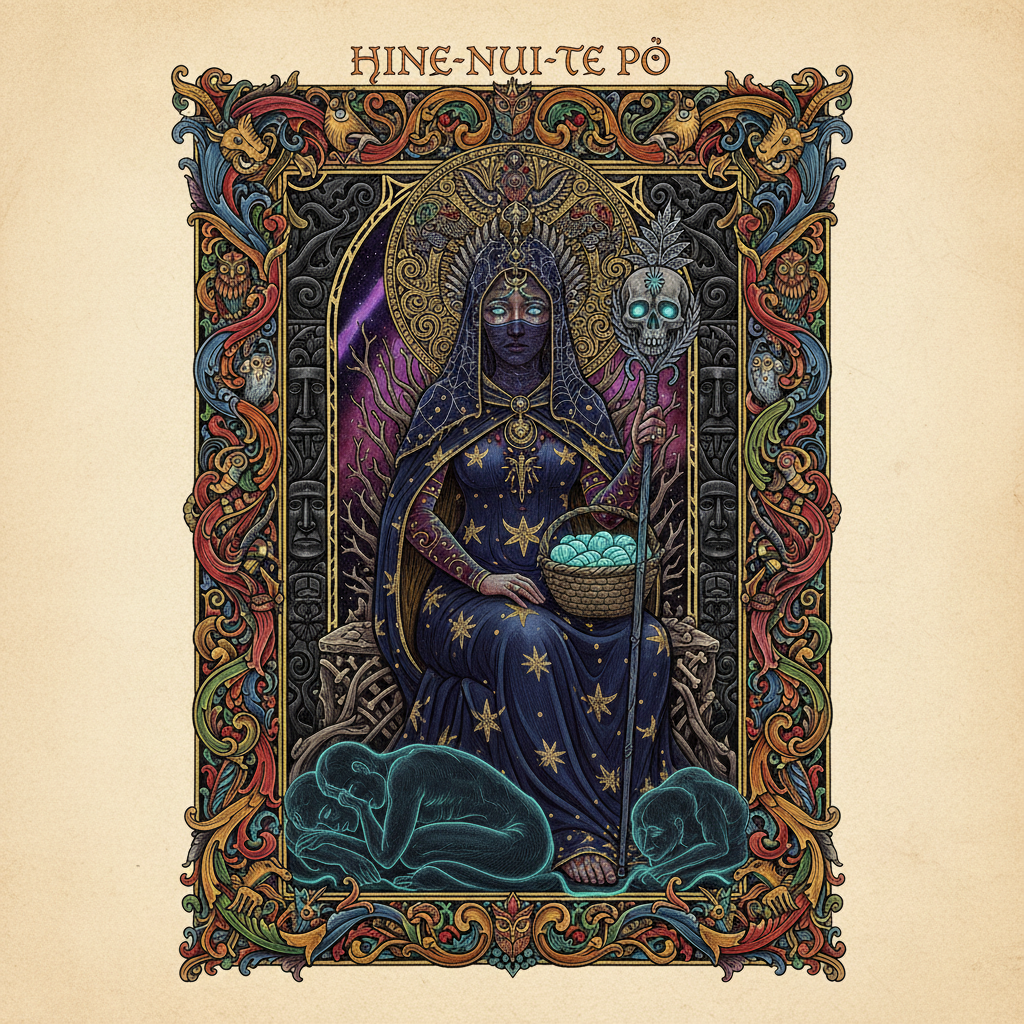
| Died seeking immortality: Maui’s final quest: to conquer death by crawling through the body of Hine-nui-te-Po while she sleeps, reversing the passage of death by entering through her birth canal and emerging from her mouth. The fantail bird laughs, she awakens, and Maui is crushed. Humanity remains mortal | Gilgamesh fails to win eternal life: Gilgamesh, devastated by the death of Enkidu, journeys to find Utnapishtim (the flood survivor) and obtain the secret of immortality. He finds the plant of rejuvenation at the bottom of the sea but loses it to a serpent while he sleeps. He returns to Uruk empty-handed, mortal | Both are heroes defined by their refusal to accept death. Both undertake a quest to the boundary between life and death. Both come tantalizingly close to success. Both fail — not through lack of courage or strength, but through a small, almost farcical detail (a laughing bird, a swimming serpent). Both stories arrive at the same conclusion: mortality is the non-negotiable condition of human existence. No amount of heroism can change it. The theological message is identical across 10,000 miles and 2,000 years of separation: you will die, and that is what makes your life matter | |
The Maui Cycle is not a borrowing from any of these traditions. Polynesia was geographically isolated from the Near East, Greece, and Mesopotamia. There was no cultural contact. These parallels arise because certain experiences are so universally human — the need for land, the tyranny of time, the transformative power of fire, the terror of death — that every culture generates stories about them. The stories differ in detail (Maui uses a fishhook; Varaha uses tusks; Genesis uses divine speech) but converge in structure because the human condition converges. We all stand on land surrounded by water. We all need more time. We all need fire. We all die.
Maui is the Polynesian answer to the question every culture asks: what would the bravest, cleverest person who ever lived do about the things that limit us? And the Polynesian answer, like every other culture’s answer, is: they would fight, and they would reshape the world, and in the end, they would die anyway. The greatness of Maui is not that he wins. It is that he tries.
The Centerpiece: Words the World Borrowed — Tapu, Mana, Tatau
Three Polynesian concepts have entered global vocabulary, usually stripped of their sacred depth. These are not quaint ethnographic footnotes. They are sophisticated theological and philosophical concepts that the English language adopted because it had no equivalent.
The English word “taboo” entered the language through Captain James Cook, who encountered the concept during his voyages to Tonga and Tahiti in the 1770s. Cook spelled it “taboo” based on Tongan pronunciation. It is derived from the Polynesian tapu (Maori), tabu (Tongan), kapu (Hawaiian).
What it actually means: Tapu is not “forbidden” in the casual English sense. It is the state of being set apart by sacred power — charged with spiritual energy that makes something dangerous to touch, enter, or violate without proper authority. A chief’s head is tapu because mana concentrates there. A burial ground is tapu because the dead inhabit it. A newly built canoe is tapu until the proper rituals release it for use. Tapu is not a social convention. It is a spiritual fact — a quality as real and as dangerous as electrical charge.
The opposite of tapu is noa — the ordinary, the common, the safe-to-touch. The process of moving something from tapu to noa requires specific rituals performed by authorized people (tohunga in Maori). Eating cooked food, for example, removes tapu from a person. This is why food preparation and consumption were hedged with elaborate protocols — mixing the sacred and the common could be spiritually lethal.
The biblical parallel is exact: The Hebrew concept of kadosh (holy, set apart) functions identically. The Ark of the Covenant was kadosh — Uzzah touched it and died (2 Samuel 6:6-7). The Holy of Holies in the Temple was kadosh — only the High Priest could enter, once a year, on Yom Kippur. The Levitical purity laws (Leviticus 11-15) describe a system of sacred/common, clean/unclean that maps precisely onto the tapu/noa distinction. Both systems assume that sacred power is real, dangerous, and requires mediation by authorized ritual specialists (tohunga / kohanim).
Mana has entered English as a gaming term (the blue bar that powers your spells) and a vague New Age concept. Its original meaning is far more powerful and precise.
What it actually means: Mana is spiritual power, authority, and efficacy. It is not abstract. A chief has mana because his genealogy (whakapapa) connects him to the gods. A warrior gains mana by defeating enemies. A tohunga (priest/expert) has mana because of their training and spiritual gifts. Crucially, mana can be gained, lost, transferred, and measured by its effects. If a chief makes a decision and the crops fail, his mana is diminished. If a warrior boasts and then loses, his mana is broken. Mana is not faith. It is demonstrated spiritual authority measured by outcomes.
The concept operates at every level: individual mana (mana tangata — personal power), inherited mana (mana tupuna — ancestral power), territorial mana (mana whenua — authority over land), and divine mana (mana atua — power derived from the gods). A person’s total mana is the sum of all these sources, and it determines their place in the social and spiritual order.
The parallel across traditions: The concept of demonstrated spiritual authority measured by effects appears in multiple traditions. The Hebrew Bible’s test for a true prophet is whether their words come true (Deuteronomy 18:22) — this is a mana test. Jesus’s authority (exousia in Greek) is demonstrated by his miracles: “the works I do in my Father’s name testify about me” (John 10:25). In Chinese philosophy, the Mandate of Heaven (Tianming) functions similarly — a dynasty rules because it has de (virtue/power); when it loses de, natural disasters signal that heaven has withdrawn its mandate. The Polynesian concept of mana is arguably the most sophisticated articulation of this universal intuition that spiritual authority must be proven by its fruits.
The English word “tattoo” (the body-marking kind) derives from the Samoan tatau and entered European languages through Cook’s voyages and the accounts of Joseph Banks and Sydney Parkinson, who documented Polynesian tattooing in the 1770s.
What it actually means: Polynesian tattooing is not body decoration. It is a sacred act — a ritual inscription of identity, genealogy, status, and spiritual protection onto the skin. The Maori ta moko (facial tattoo) is a visual encoding of whakapapa (genealogy), tribal affiliation, social rank, and personal history. No two moko are alike because no two genealogies are alike. To wear moko is to carry your ancestors on your face. The Samoan pe’a (male body tattoo, covering from waist to knees) and malu (female tattoo) are rites of passage that demonstrate courage, endurance, and community belonging — the process is extraordinarily painful and traditionally performed without anesthesia using hand-tapped bone combs.
The act of tattooing is itself sacred. The tufuga ta tatau (tattoo master) in Samoa is a hereditary specialist whose role is both artistic and priestly. The tools are consecrated. The process is hedged with tapu. An incomplete pe’a is a mark of profound shame — one must endure the full process or bear the social consequences. The tattoo is not chosen like a design in a parlor. It is received as a spiritual and social obligation.
The broader significance: The adoption of these three words into English tells a story about cultural encounter and misunderstanding. “Taboo” was flattened from a sophisticated sacred concept into “something you shouldn’t do at dinner.” “Mana” became a blue bar in a video game. “Tattoo” became a fashion choice. In each case, the English language took the surface and discarded the depth. Understanding what these words actually mean — in their full spiritual, social, and cosmological context — is one of the fastest ways to understand that Polynesian civilization is not “primitive” or “pre-modern” but a fully developed theological and philosophical system with concepts that English literally had no words for.
The Polynesian Naming Correspondences
The same gods appear across the Polynesian Triangle under cognate names — proof that the traditions predate the dispersal.
| Maori | Hawaiian | Samoan | Tongan | Tahitian | Domain |
|---|
| Rangi | Wakea | — | — | — | Sky Father |
| Papa | Papa | — | — | — | Earth Mother |
| Tane | Kane | — | — | Ta’ane | Forests, Light, Creation |
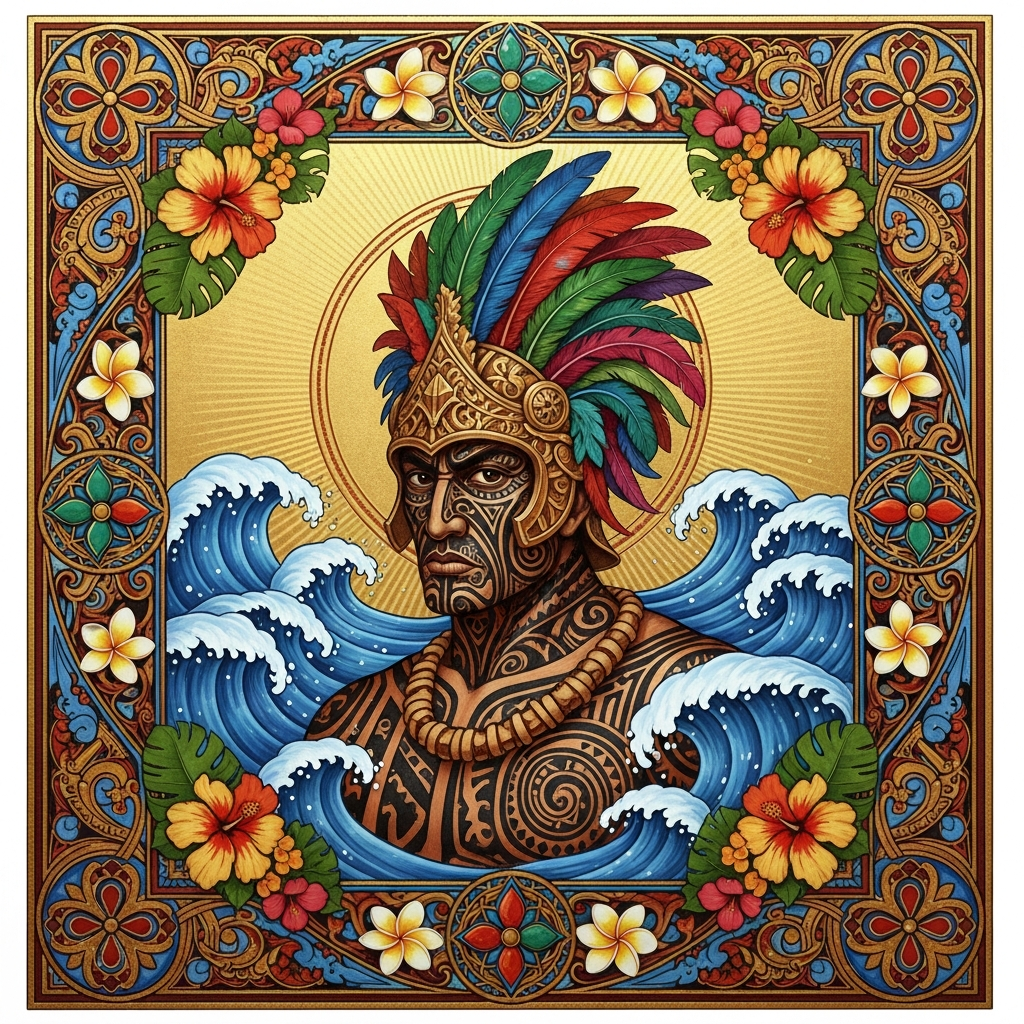
| Tangaroa | Kanaloa | Tagaloa | Tangaloa | Ta’aroa | Sea (Creator in western Polynesia) |
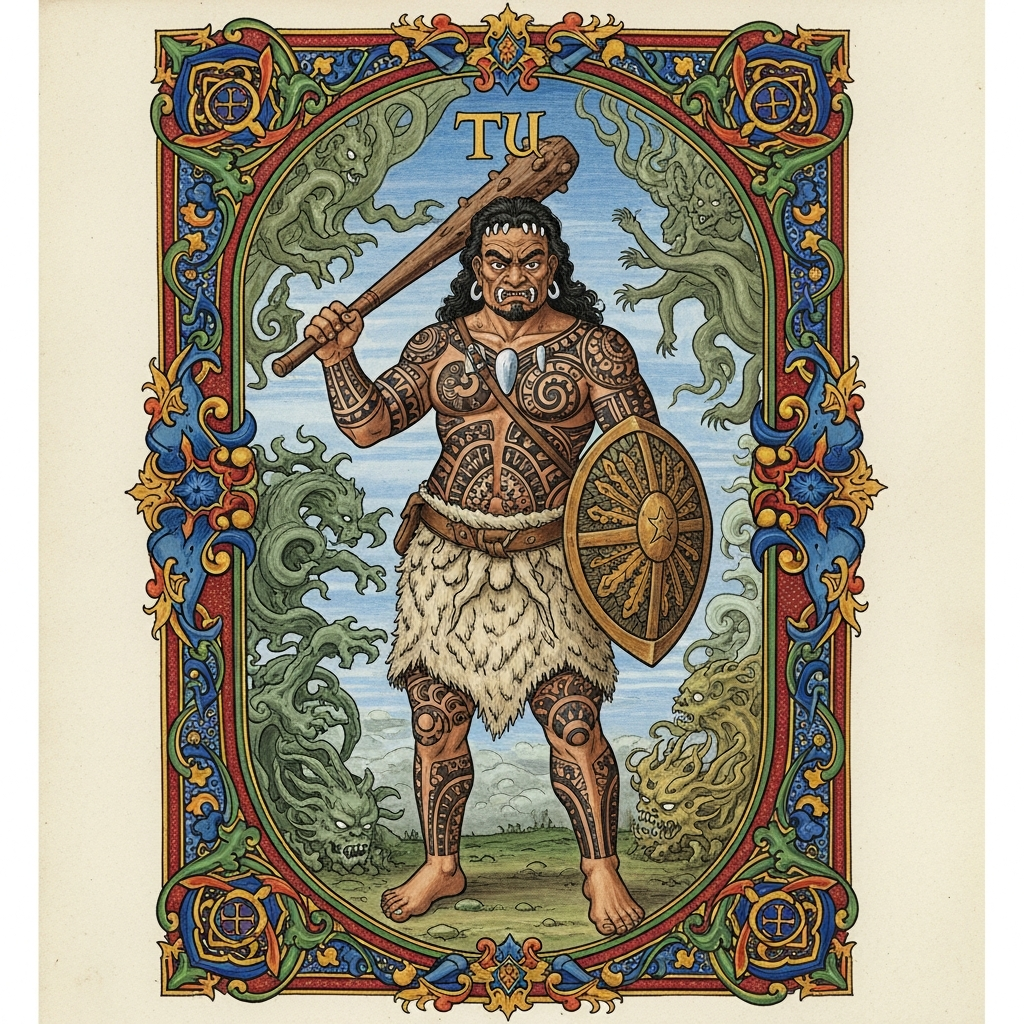
| Tu | Ku | Tu | Tu | Tu | War |
| Rongo | Lono | — | — | Ro’o | Agriculture, Peace |
| Maui | Maui | Ti’iti’i/Maui | Maui | Maui | Trickster-Hero (universal) |
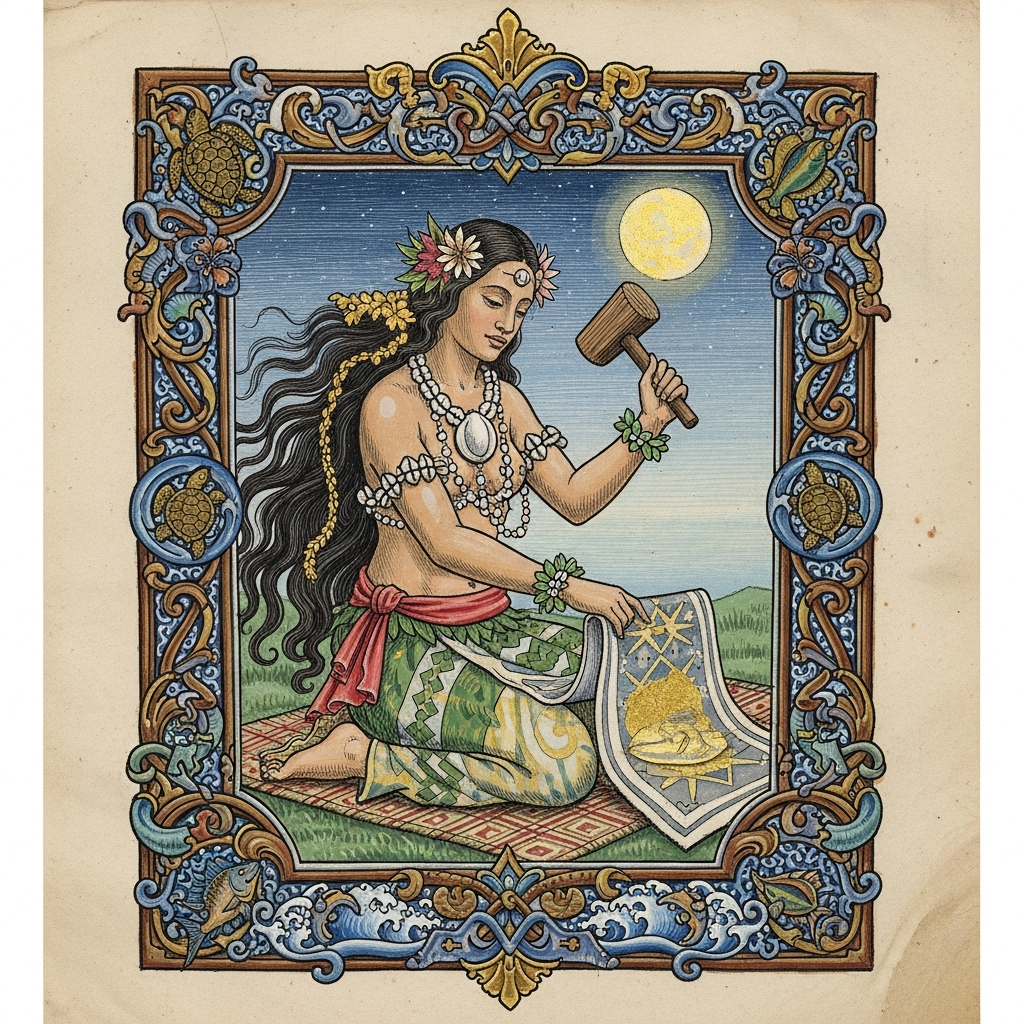
| Hina | Hina | Sina | Hina | Hina | Moon, Femininity |
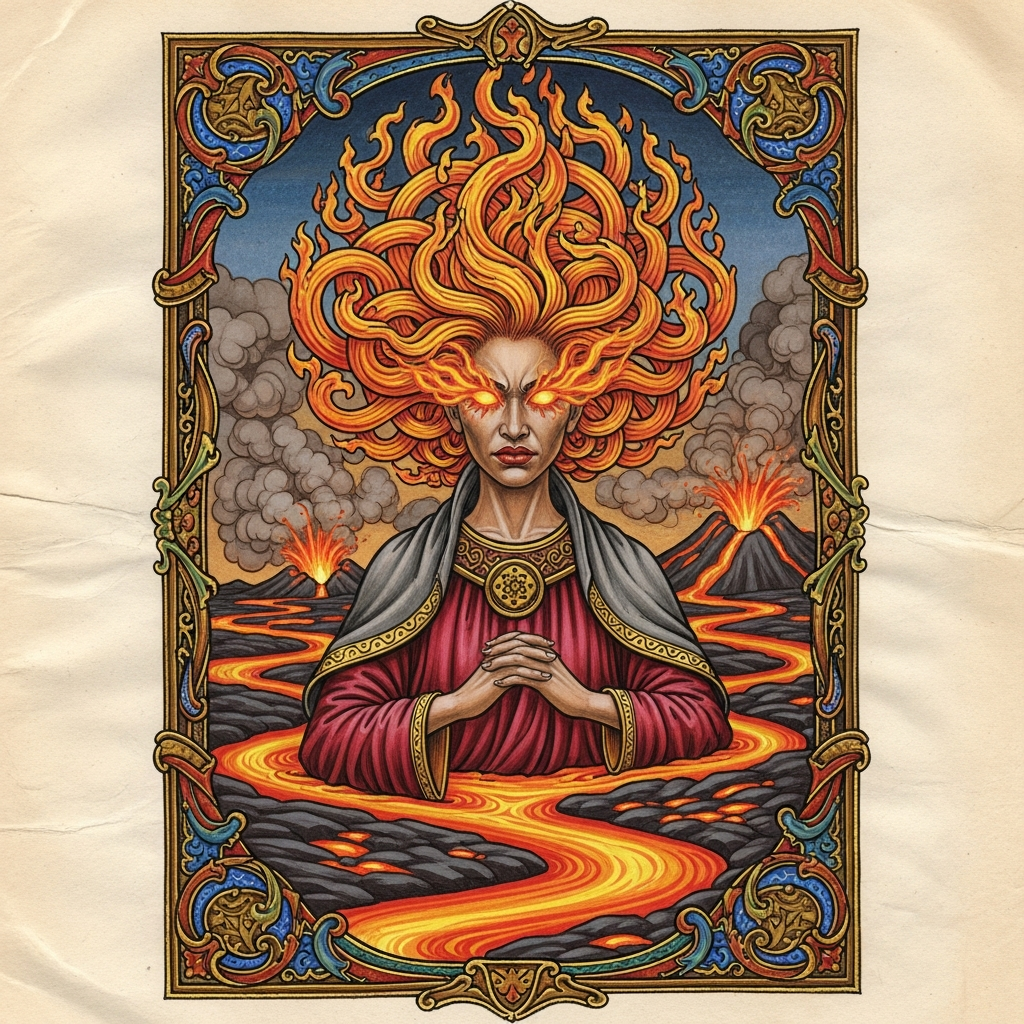
| Pele | Pele | — | — | Pere | Volcanoes (primarily Hawaiian) |
| Tawhirimatea | — | — | — | — | Storms (primarily Maori) |
The linguistic consistency is remarkable. The sound shifts follow regular patterns: Maori t corresponds to Hawaiian k (Tane/Kane, Tangaroa/Kanaloa), Maori ng to Hawaiian n (Rangi/—, Tangaroa/Kanaloa), Maori wh to Hawaiian h. These are the same sound-shift rules that govern the entire Polynesian language family and provide hard linguistic evidence that the mythological system was already fully formed before the Polynesian diaspora — before the great canoe voyages that settled the triangle over a span of roughly 2,000 years.
The Polynesian Sacred Cycle
flowchart LR
    subgraph CREATION["CREATION"]
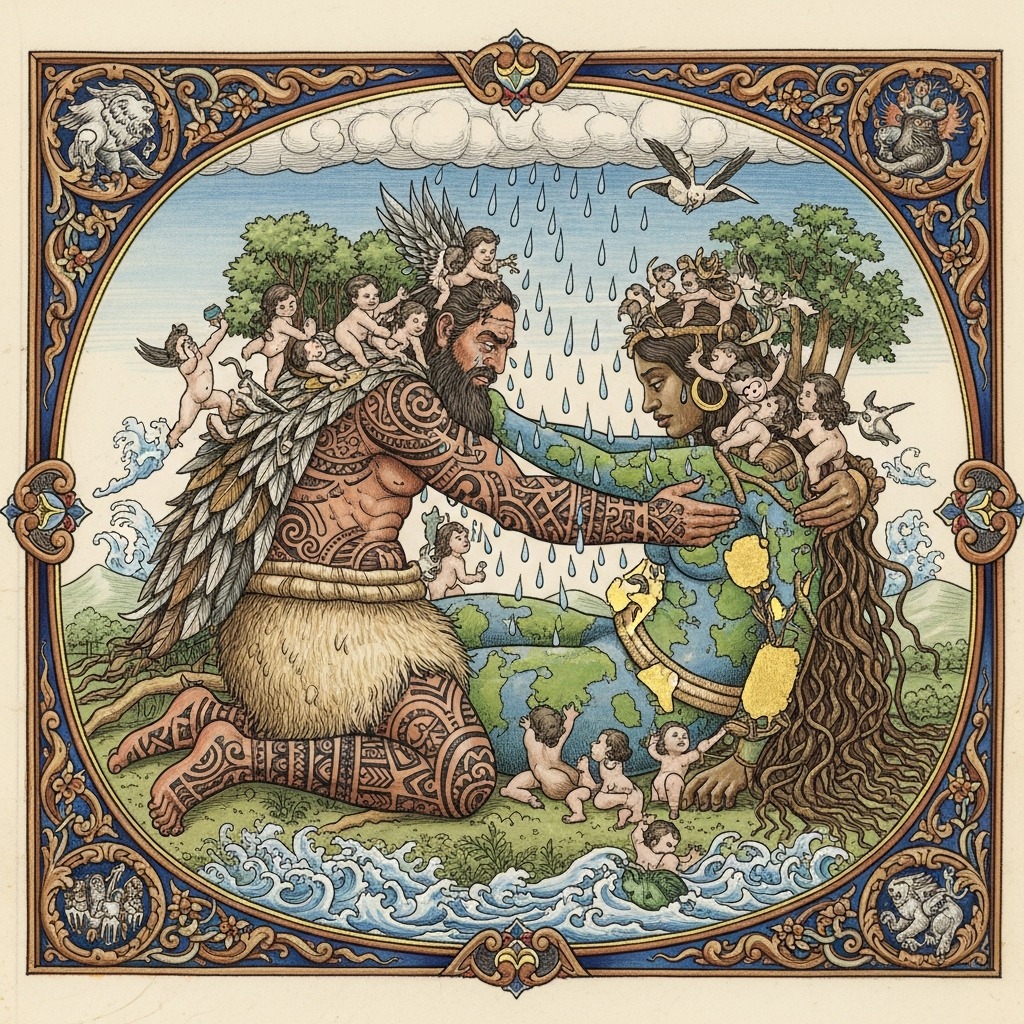
        A["Rangi & Papa<br/>locked in embrace<br/>(Primordial Unity)"]
        B["Children separate<br/>Sky and Earth<br/>(Light enters the world)"]
    end

    subgraph SHAPING["WORLD-SHAPING"]
        C["Maui fishes up<br/>the islands"]
        D["Maui lassoes<br/>the sun"]
        E["Maui steals fire"]
    end

    subgraph LIMIT["THE LIMIT"]
        F["Maui dies seeking<br/>immortality"]
        G["Death is permanent<br/>(Hine-nui-te-po<br/>cannot be tricked)"]
    end

    subgraph LIVING["THE LIVING TRADITION"]
        H["Mana flows through<br/>people & places"]
        I["Tapu governs<br/>sacred boundaries"]
        J["Pele still erupts.<br/>Taniwha still guard.<br/>The tradition lives."]
    end

    A --> B --> C --> D --> E --> F --> G --> H --> I --> J

    style CREATION fill:#87CEEB,stroke:#4682B4,color:#000
    style SHAPING fill:#228B22,stroke:#006400,color:#fff
    style LIMIT fill:#8B0000,stroke:#4B0000,color:#fff
    style LIVING fill:#FFD700,stroke:#B8860B,color:#000
Sources & Further Reading
| Source | Focus | Notes |
|---|
| Grey, Sir George. Polynesian Mythology and Ancient Traditional History of the New Zealand Race (1855) | Maori mythology — the foundational English-language source | Grey recorded these traditions directly from Maori sources. Essential but must be read with awareness of colonial-era framing |
| Beckwith, Martha. Hawaiian Mythology (1940) | Comprehensive survey of Hawaiian tradition | The standard academic reference for Hawaiian mythology. Beckwith was meticulous |
| Best, Elsdon. Maori Religion and Mythology (1924) | Maori cosmology, ritual, and belief systems | Deeply detailed ethnographic work. Best spent decades among Maori communities |
| Orbell, Margaret. The Illustrated Encyclopedia of Maori Myth and Legend (1995) | Accessible reference for Maori mythology | Excellent entry point; well-organized and respectful |
| Luomala, Katharine. Maui-of-a-Thousand-Tricks (1949) | Comparative analysis of Maui traditions across Polynesia | The definitive comparative study of the Maui cycle |
| Kirch, Patrick Vinton. Feathered Gods and Fishhooks (1985) | Hawaiian archaeology and the material culture behind the mythology | Bridges the gap between mythology and archaeology |
| Emerson, Nathaniel B. Pele and Hiiaka: A Myth from Hawaii (1915) | The complete Pele-Hi’iaka epic cycle | A full translation of one of the great Polynesian literary epics |
| Nimmo, H. Arlo. Pele, Volcano Goddess of Hawai’i (2011) | Pele in historical and contemporary Hawaiian culture | Documents the living worship of Pele into the 21st century |
| Salmond, Anne. Tears of Rangi: Experiments Across Worlds (2017) | Maori-European encounter and the clash of cosmologies | Brilliant modern scholarship on what happens when worldviews collide |
The entities in this file are not relics. They are not quaint stories from a “primitive” past. Maori cosmology shapes New Zealand law. Pele is actively worshipped in Hawai’i. Tapu governs behavior in Samoa and Tonga. Mana is not a metaphor. When a Maori elder performs a karakia (incantation) before a meeting, they are not engaging in cultural performance — they are invoking real spiritual power in a tradition that has been continuous for over a thousand years. The fact that these traditions survived European colonization, missionary campaigns, and the systematic suppression of indigenous religion across the Pacific is itself a testament to their depth and resilience. They did not merely survive. They prevailed.
 LEGENDARY
  MYTHIC
  LEGENDARY
  LEGENDARY
  RARE
RARE 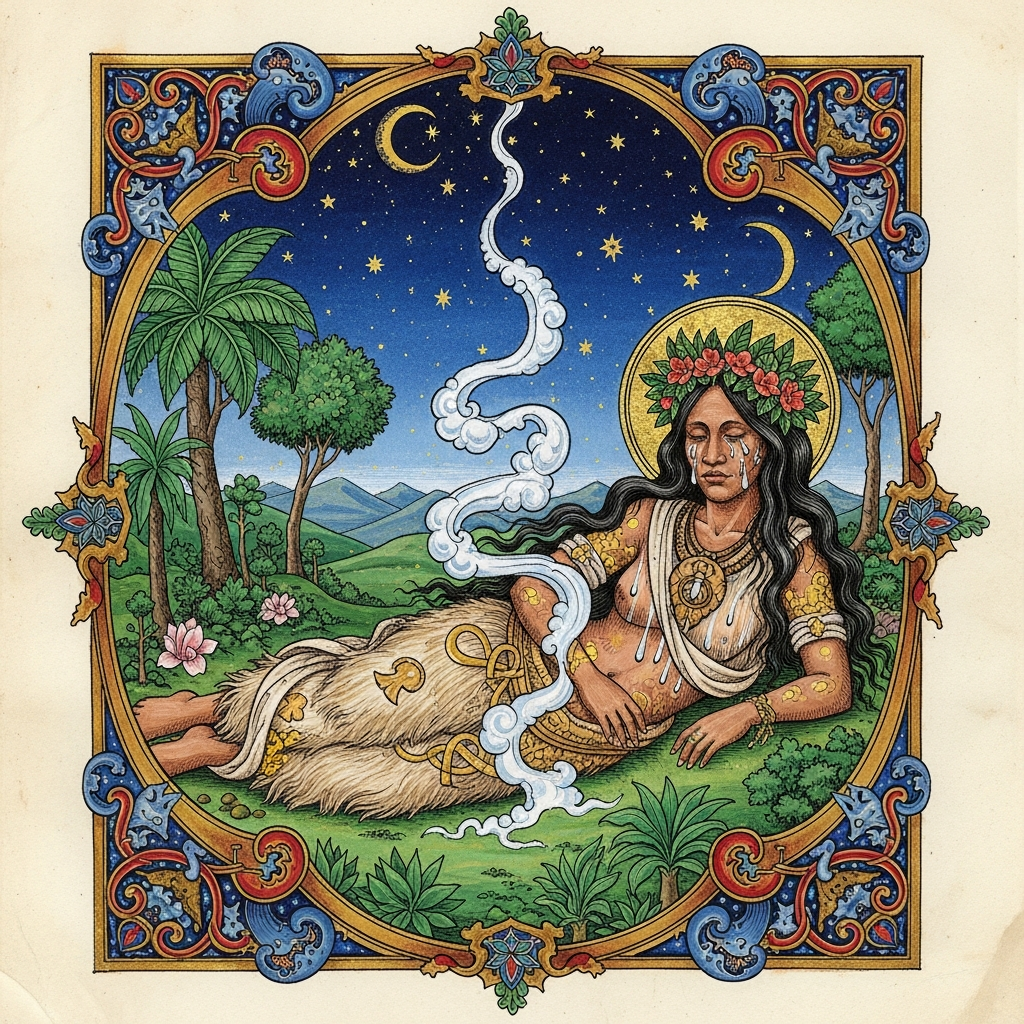 LEGENDARY
  LEGENDARY
 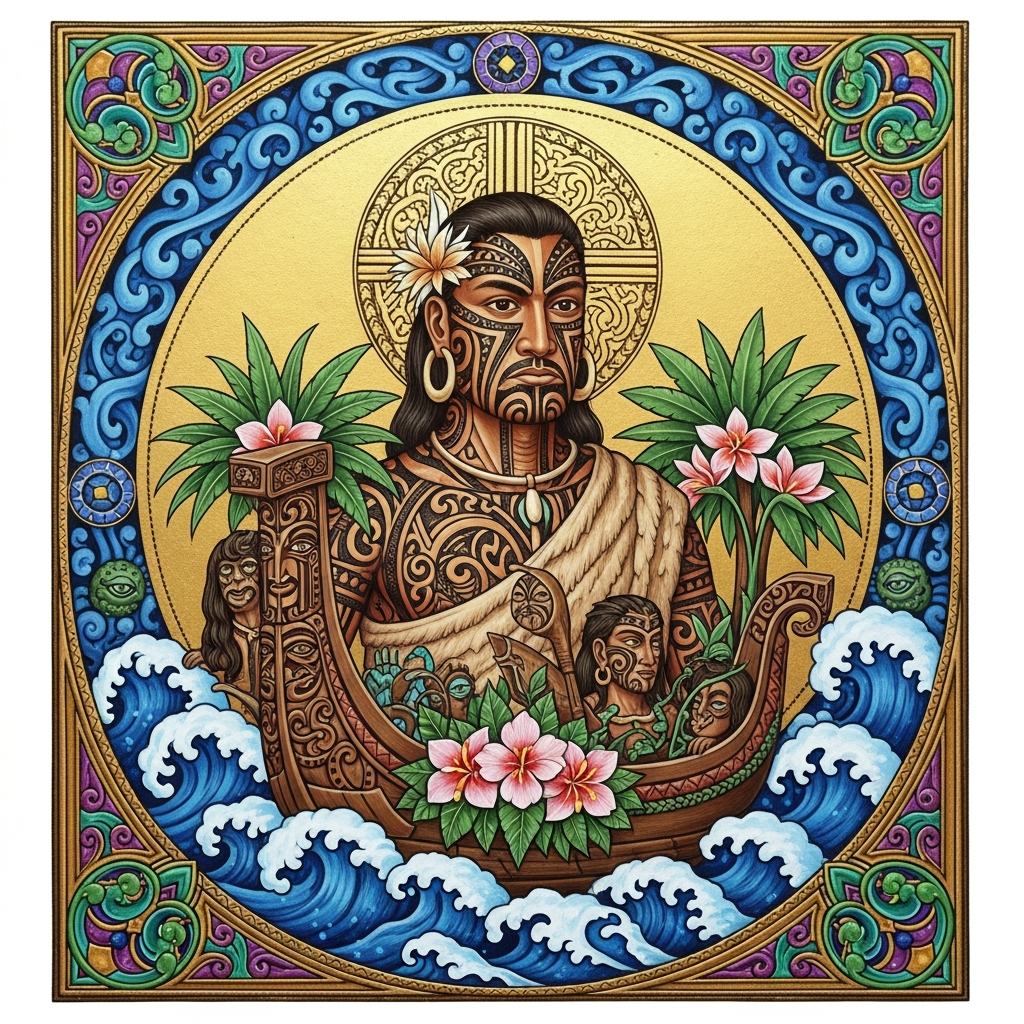 LEGENDARY
 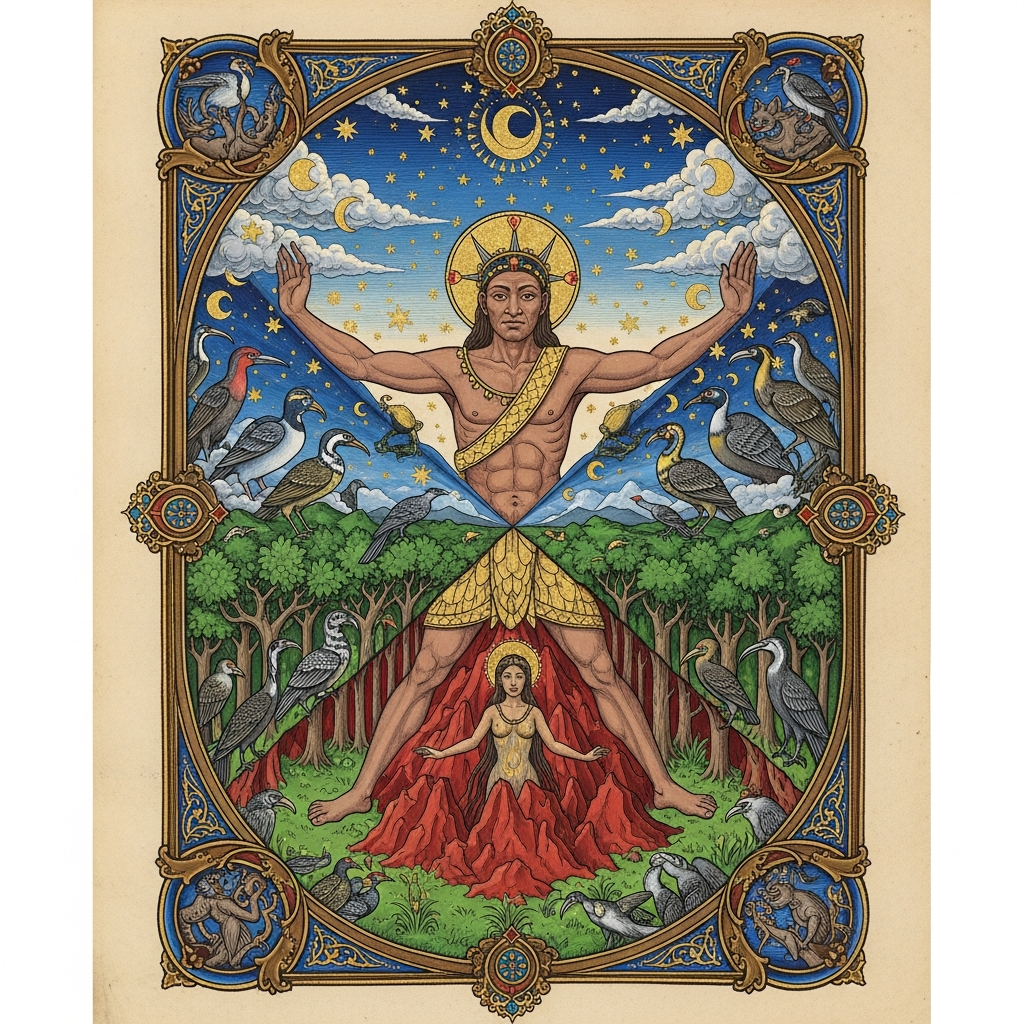 MYTHIC
 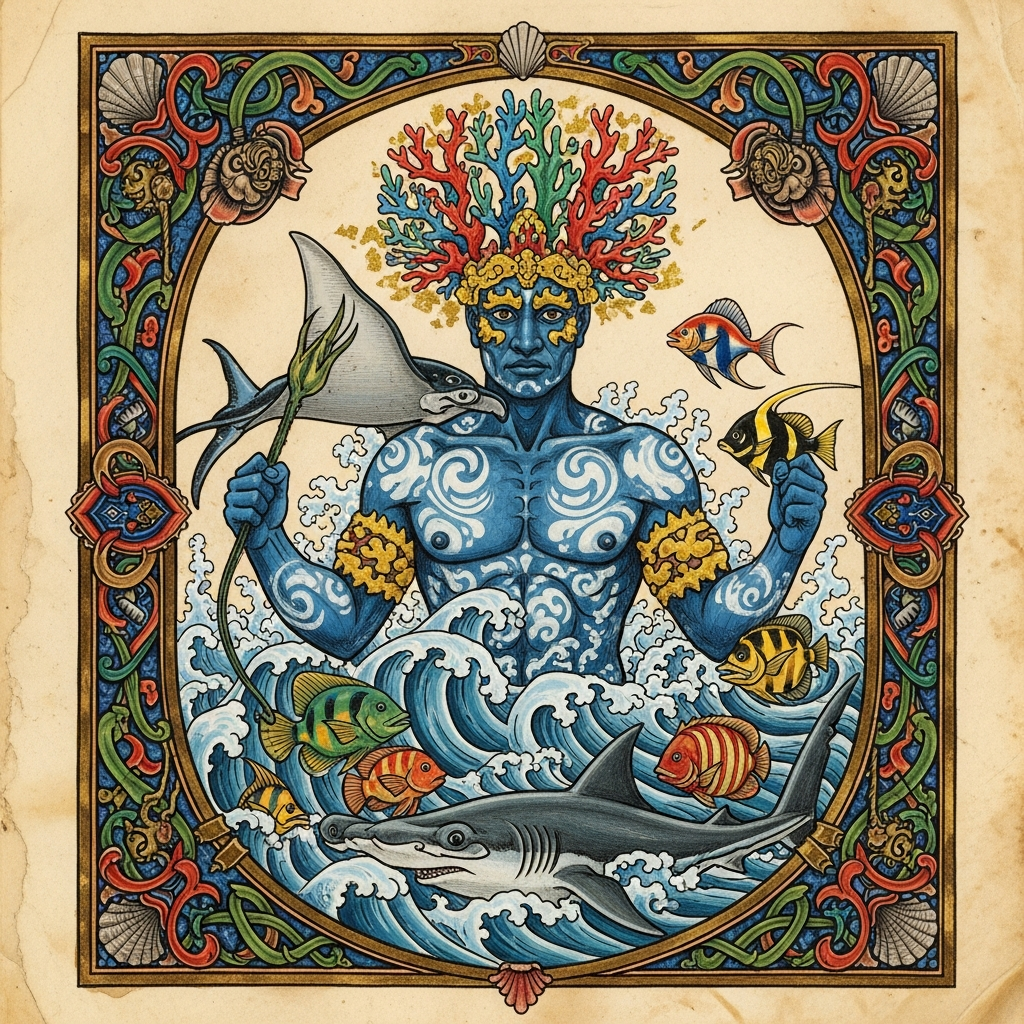 LEGENDARY
 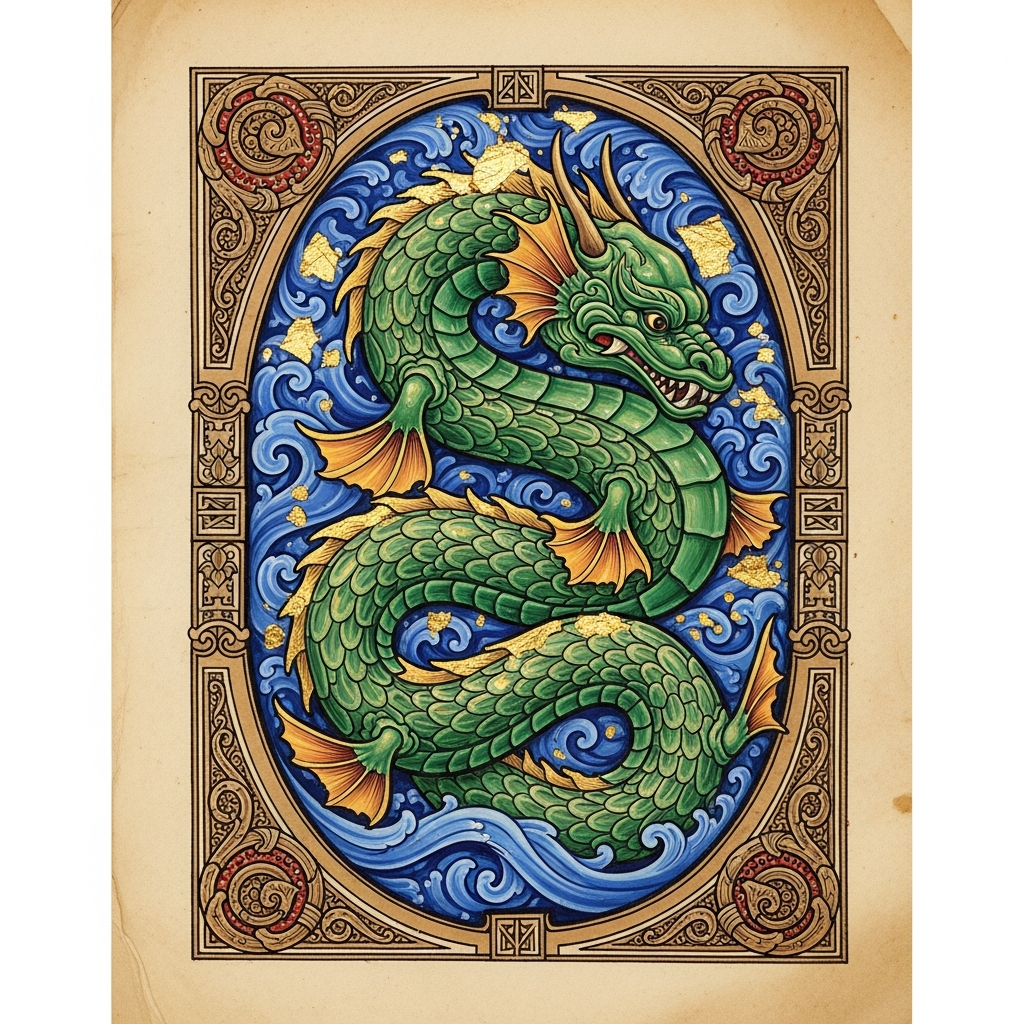 RARE
RARE 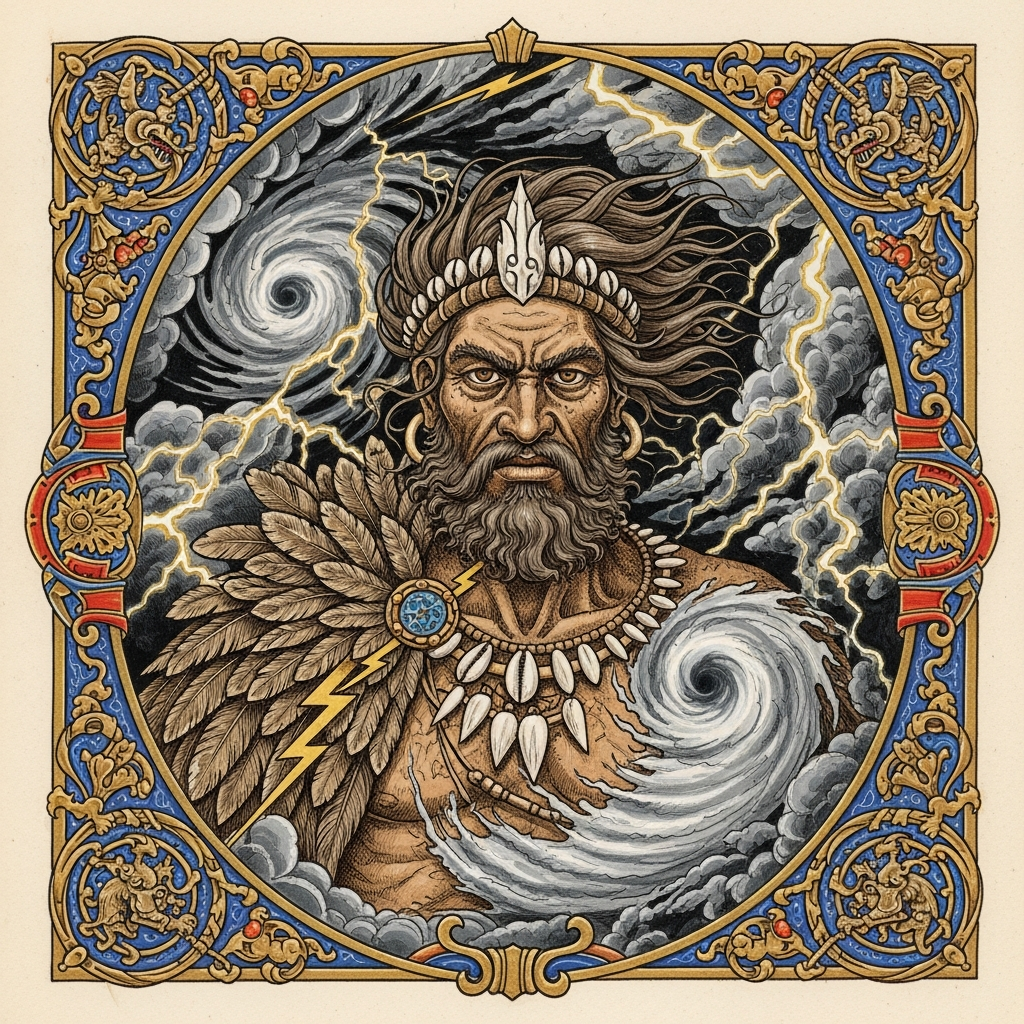 LEGENDARY
  MYTHIC