Combat Profile
Territorial Dominion
commands absolute control over a specific waterway or cave system, drowning or protecting those who enter without proper respect
Amphibious Sovereignty
exists simultaneously in water and land domains, sensing all movement within their territory and shifting between forms at will
Bound to specific locations; can be appeased or redirected by the correct rituals and the authority of the right people
“You may not believe in taniwha. The river believes in them.”
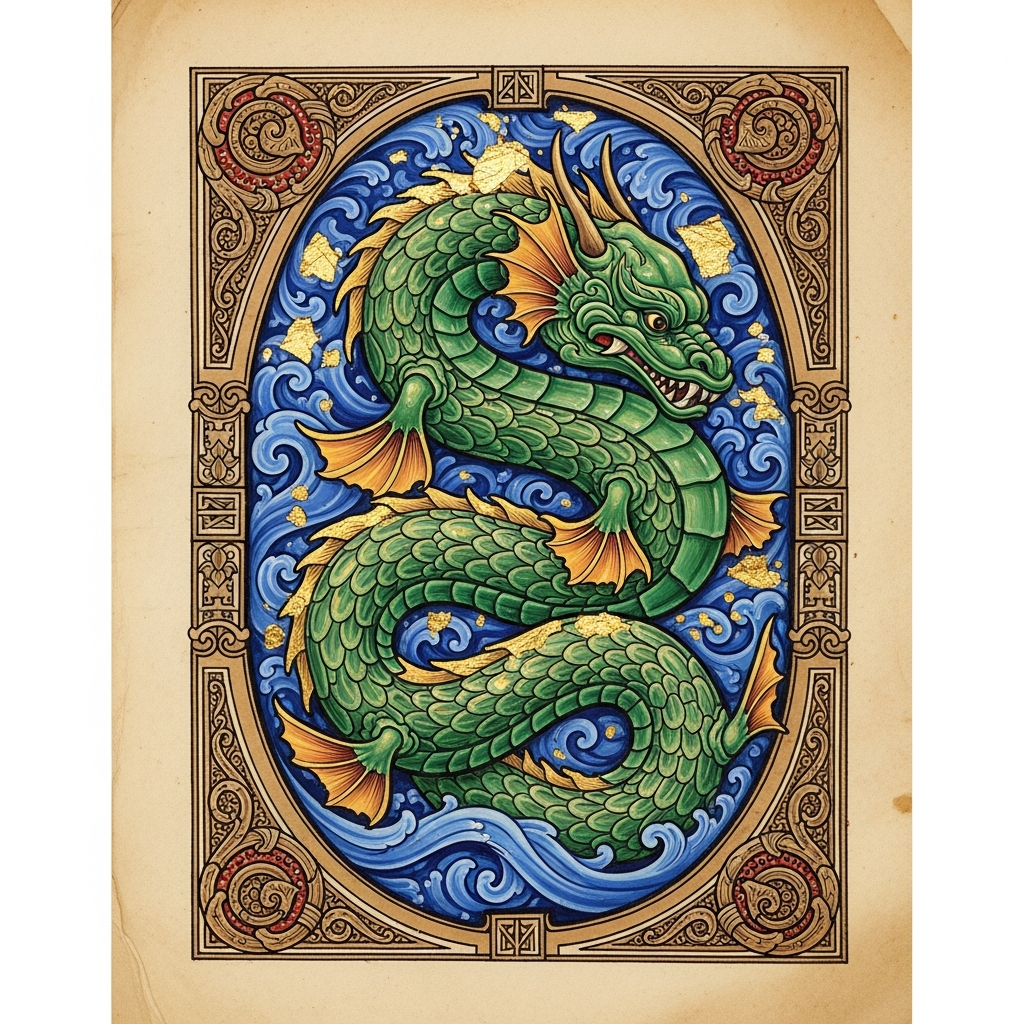
Lore: Taniwha are supernatural beings of Maori tradition — water spirits that inhabit rivers, lakes, harbors, and coastal waters. They are shape-shifters, appearing as giant lizards, sharks, whales, logs, or surges of water. They are not uniformly benevolent or malevolent — like the waters they inhabit, they can protect or destroy. Some taniwha are tribal guardians (kaitiaki), warning of floods, guiding canoes, and protecting the people who honor them. Others are dangerous predators who drag the unwary beneath the surface. Many are both, depending on whether their tapu (sacred prohibitions) are respected.
Taniwha have entered modern New Zealand legal discourse. In several high-profile cases — including a 2002 proposed highway near Meremere debated in the Environment Court because local Maori testified that a taniwha named Karu Tahi lived in the wetlands along the route — Maori iwi (tribes) have cited the presence of taniwha in opposing development projects. These claims have been taken seriously within the framework of the Treaty of Waitangi and the Resource Management Act. A taniwha is not “just a legend” in Aotearoa — it is a spiritual and legal reality that must be negotiated with. This is what a living tradition looks like.
Parallel: Water spirits guarding specific locations appear in virtually every mythology on earth — the Greek Naiads, the Norse Nokken, the Celtic each uisce (water horse), the Japanese kappa, the Yoruba mami wata. The unique feature of taniwha is their ongoing legal and political significance. No one files environmental impact statements about Naiads.
1 min read
Tohunga (priests) with the correct *karakia* (incantations); some taniwha are defeated by heroes in specific traditions
Orbell, *Illustrated Encyclopedia*; Best, *Maori Religion and Mythology*; various Waitangi Tribunal reports