Oceania & Pacific
Maori
Apex of Maori
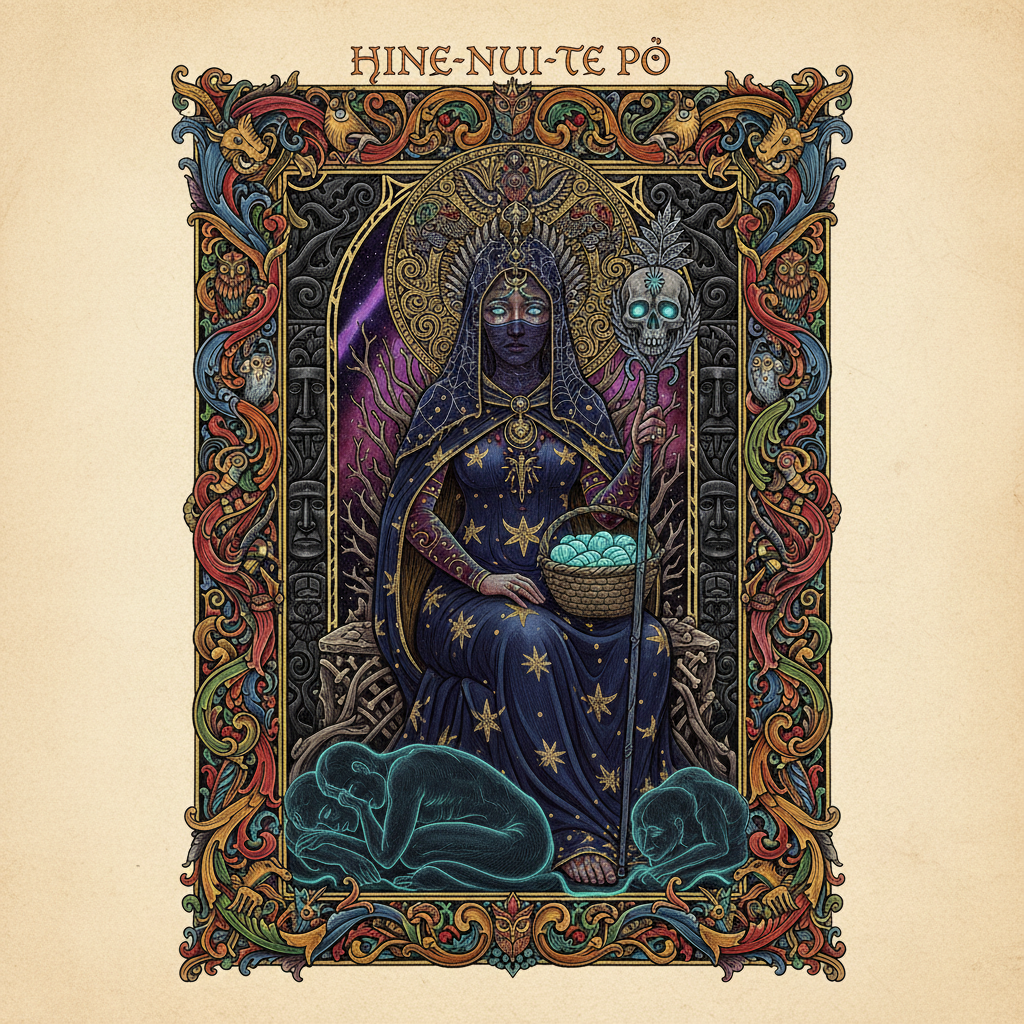
#1 ranked
Hine-nui-te-pō
Goddess of Death, the First Woman, the Informed Choice
Death, the Underworld, Night, Transition, Maternal Protection of the Dead ATK 90 DEF 95 SPR 100 SPD 30 INT 90 CHA 95 WIS 99 END 99
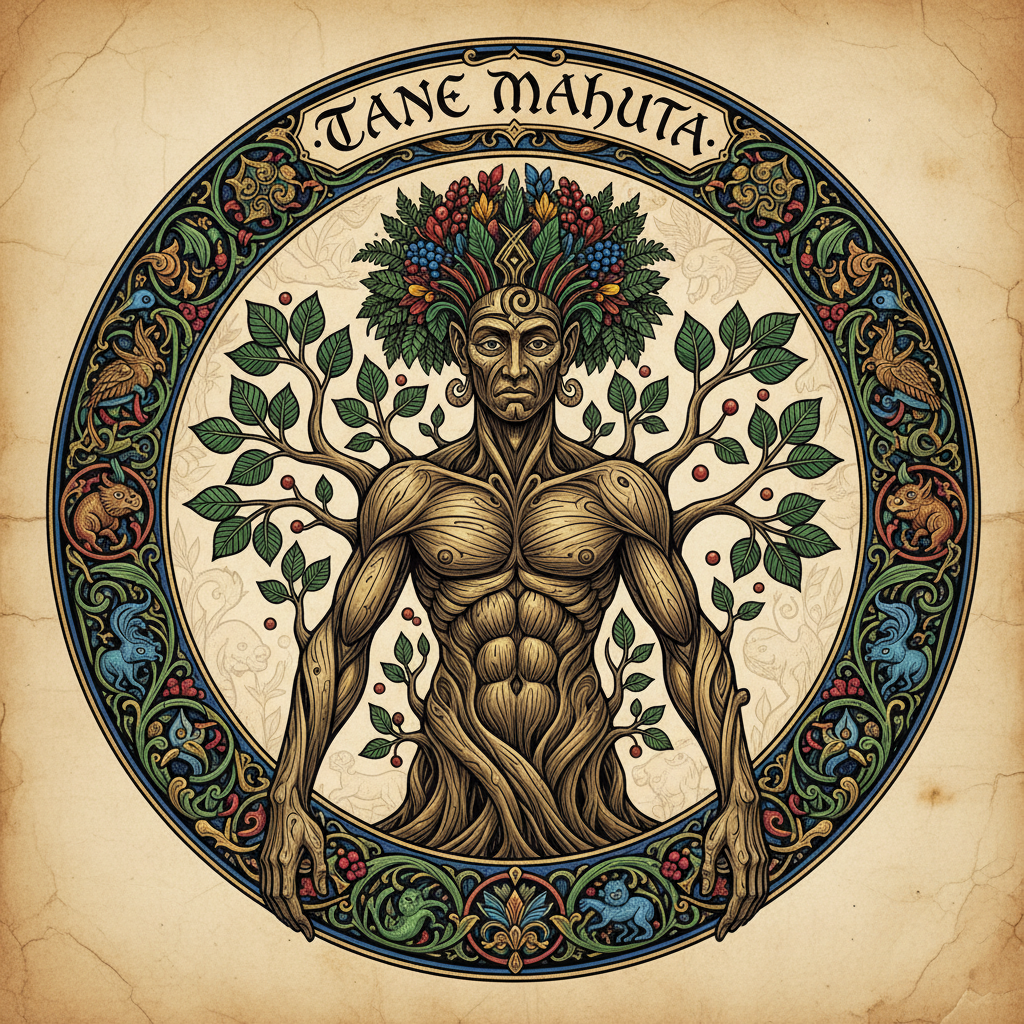
#2 ranked
Tāne-mahuta
God of Forests, Separator of Worlds, Father of Humanity and Death
Forests, Birds, Light, Creation, Beauty, the Separation of Heaven and Earth ATK 75 DEF 80 SPR 92 SPD 55 INT 85 CHA 99 WIS 99 END 99
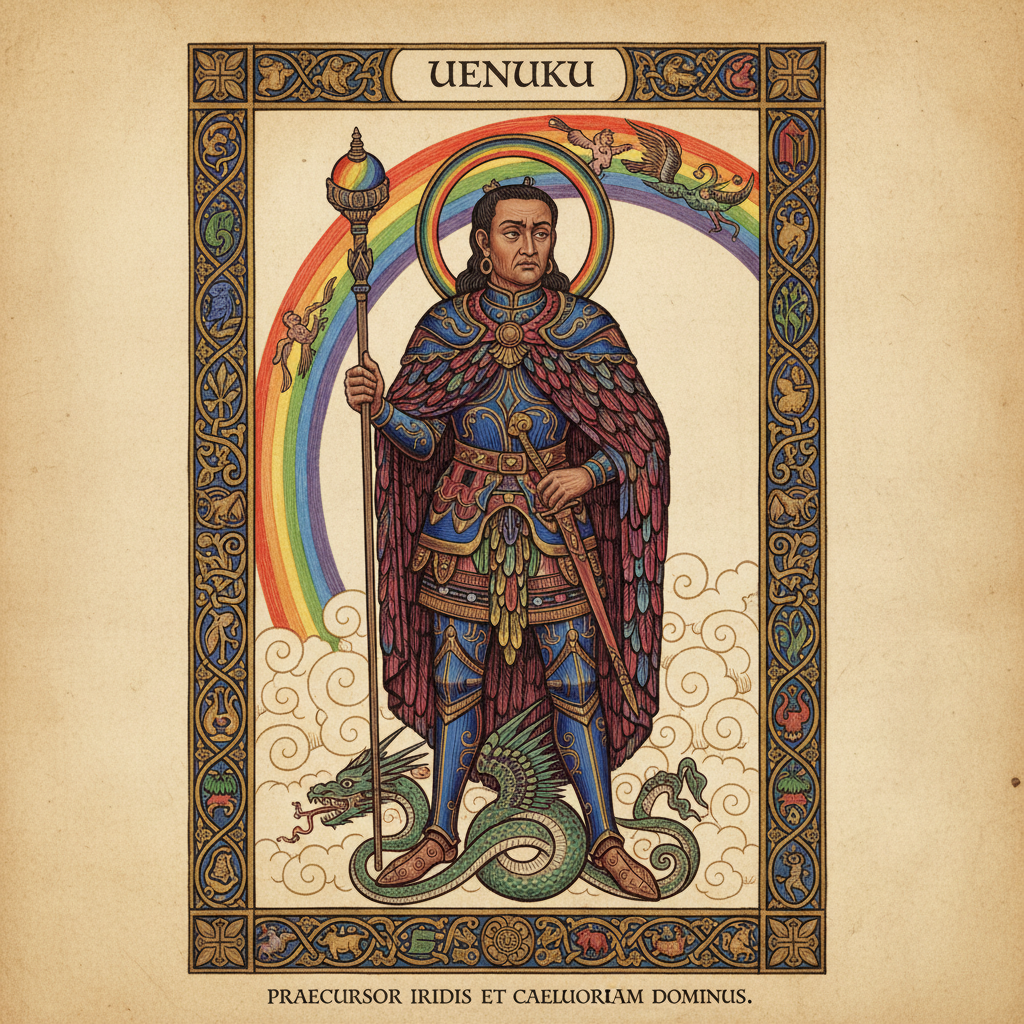
#3 ranked
Uenuku
The Rainbow God, the Eternal Search
Rainbows, War Omens, Lost Love, the Boundary Between Worlds ATK 70 DEF 60 SPR 88 SPD 90 INT 75 CHA 99 WIS 99 END 92
MYTHIC Hine-nui-te-pō
Goddess of Death, the First Woman, the Informed Choice
Death, the Underworld, Night, Transition, Maternal Protection of the Dead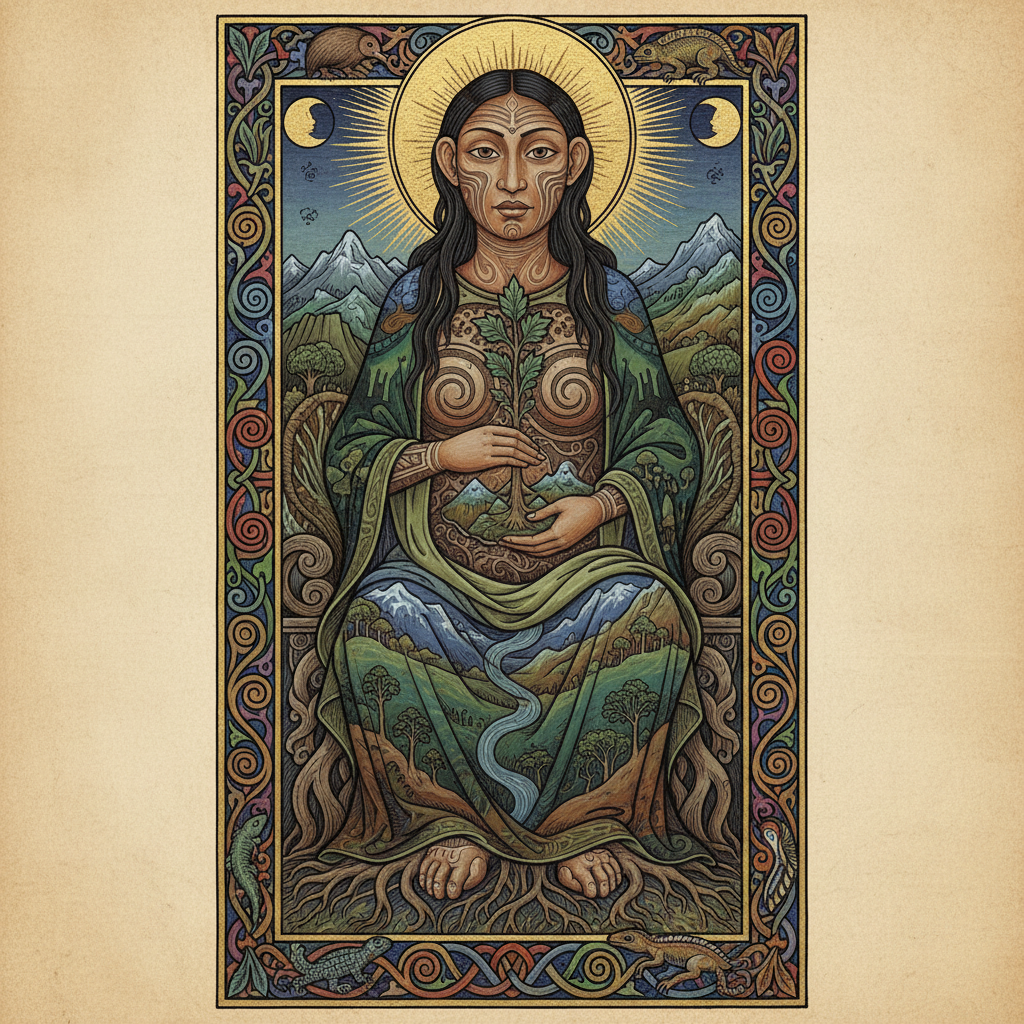 LEGENDARY
 Papatūānuku
Earth Mother, the Body Beneath Us
Earth, Fertility, Rivers, Forests, Earthquakes, Mourning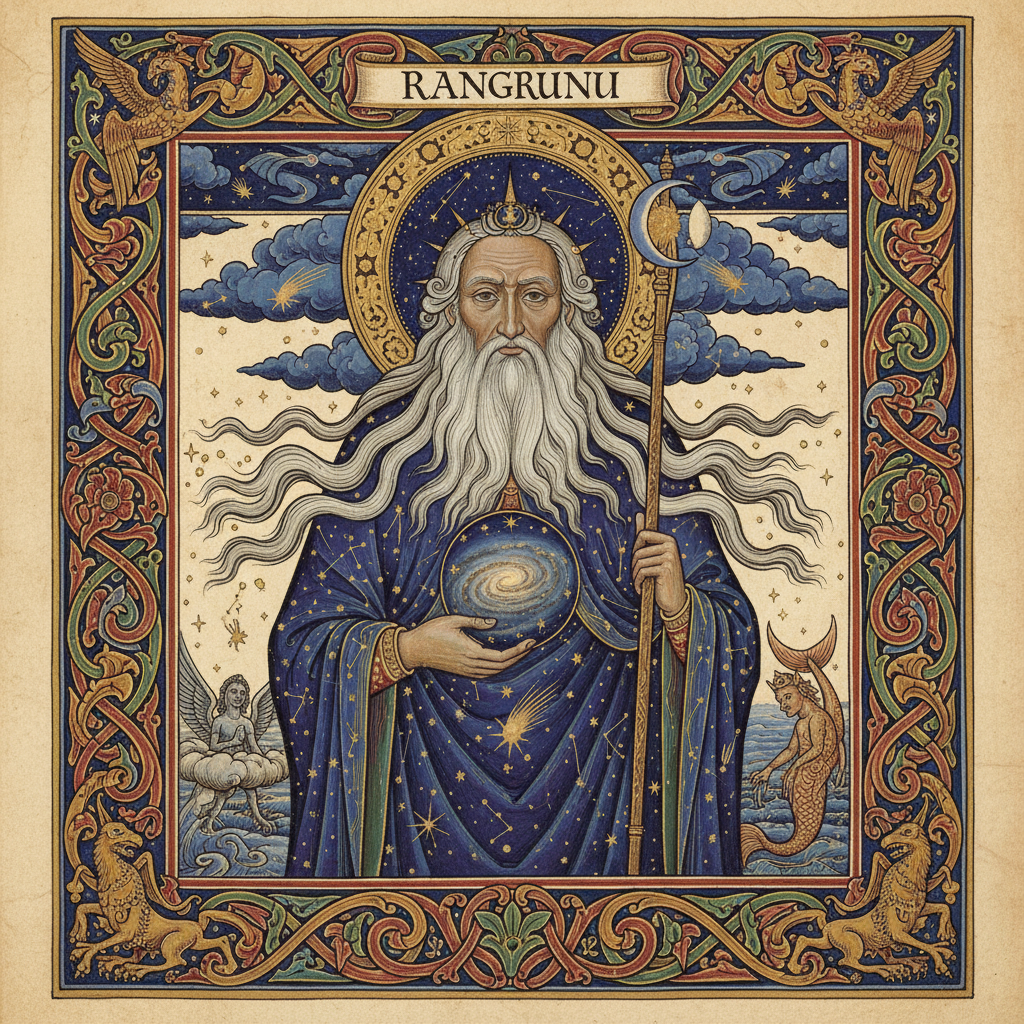 LEGENDARY
 Ranginui
Sky Father, the Weeping Heaven
Sky, Rain, Mist, Weather, Grief, Fatherhood MYTHIC Tāne-mahuta
God of Forests, Separator of Worlds, Father of Humanity and Death
Forests, Birds, Light, Creation, Beauty, the Separation of Heaven and Earth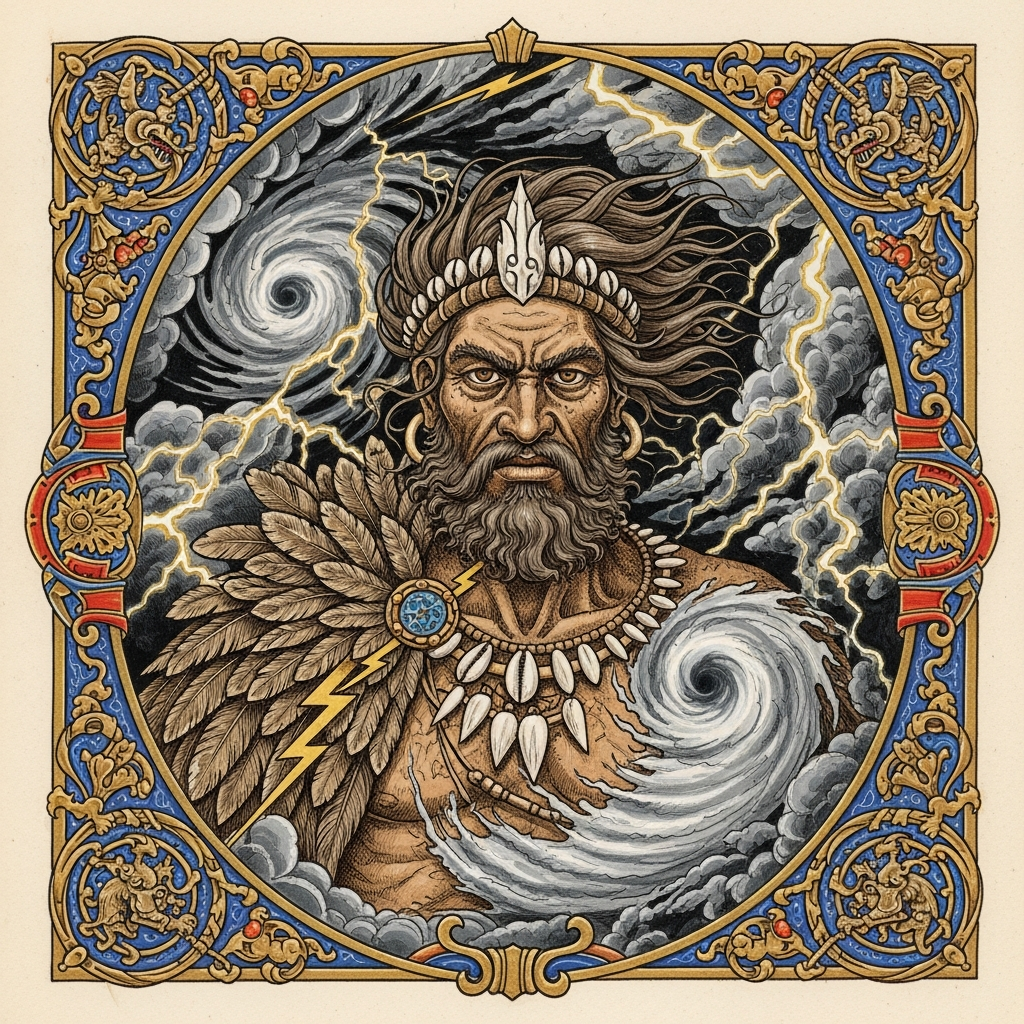 LEGENDARY
 Tāwhirimātea
God of Storms, the Loyal Son Who Chose His Parents
Storms, Wind, Thunder, Lightning, Weather, Filial Loyalty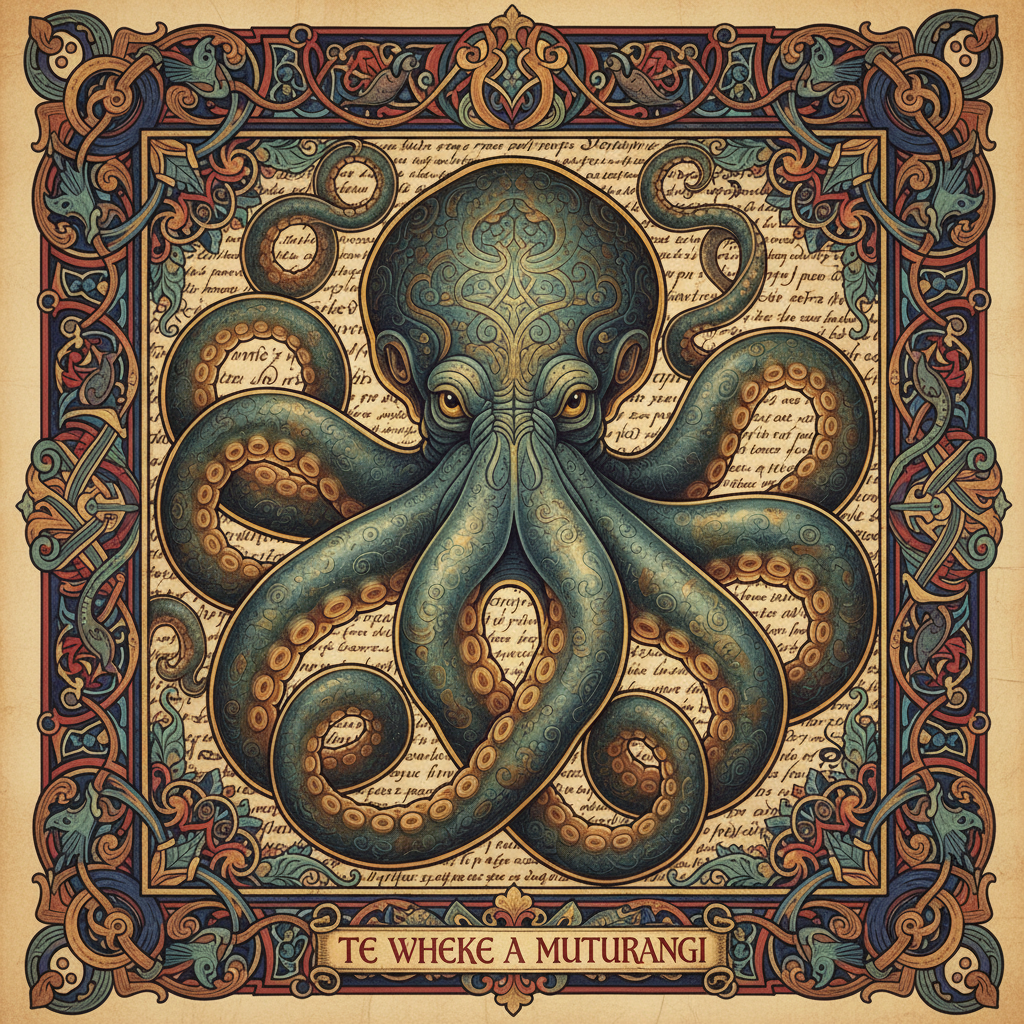 RARE
RARE Te Wheke-a-Muturangi
The Giant Octopus That Led to Paradise
The Sea, Destruction, Navigation, the Discovery of Aotearoa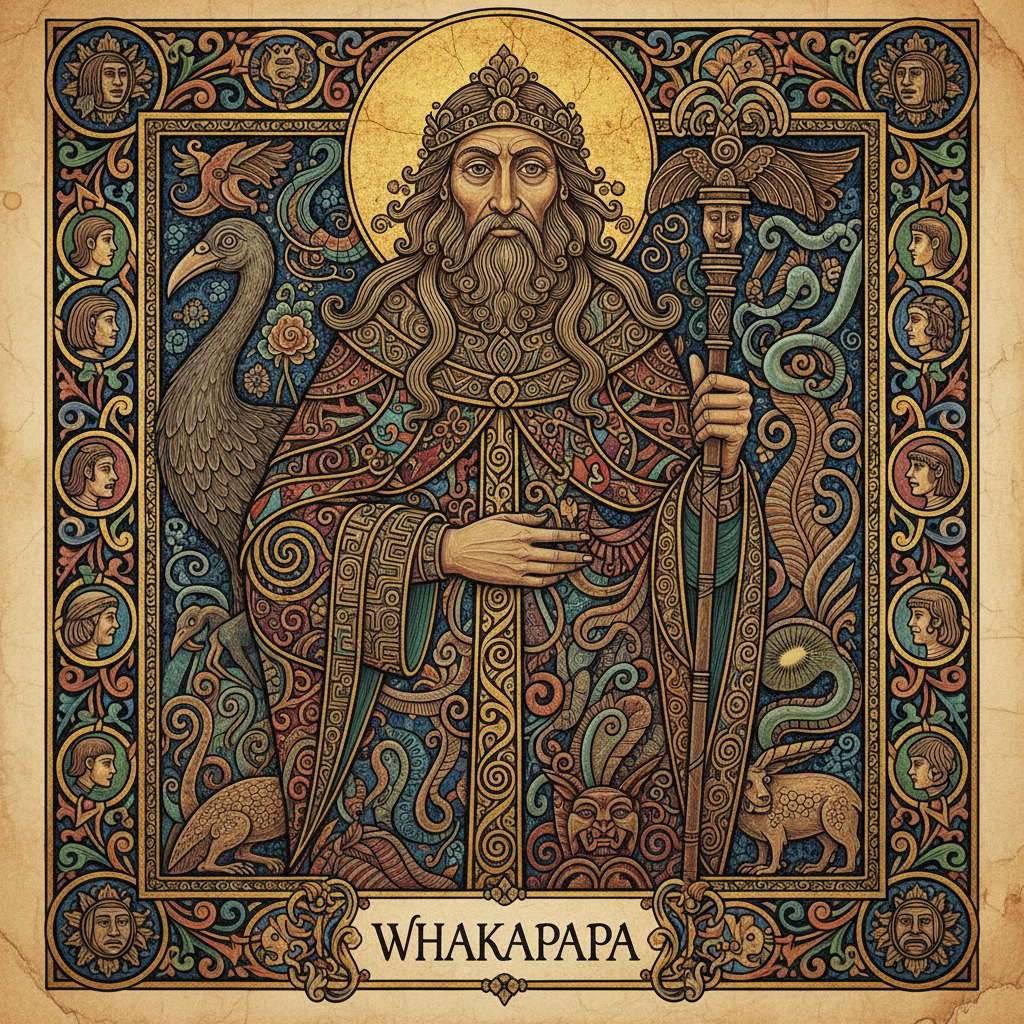 MYTHIC
 The Whakapapa
Genealogy as Cosmology, Identity as Connection
Genealogy, Identity, Land, Sea, Ancestry, the Connection Between All Things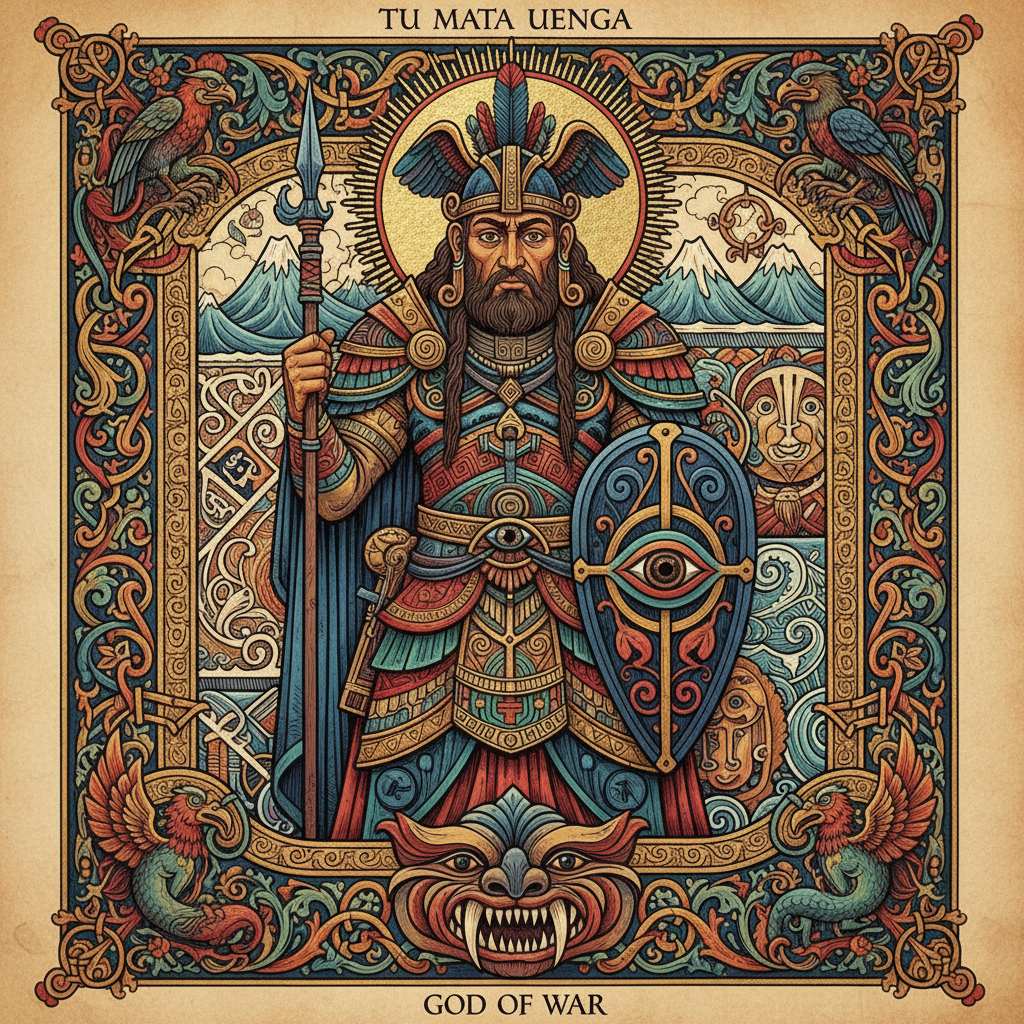 LEGENDARY
 Tū-mata-uenga
God of War and Humanity, the War God's Children
War, Humanity, Courage, Anger, Hunting, Survival LEGENDARY Uenuku
The Rainbow God, the Eternal Search
Rainbows, War Omens, Lost Love, the Boundary Between Worlds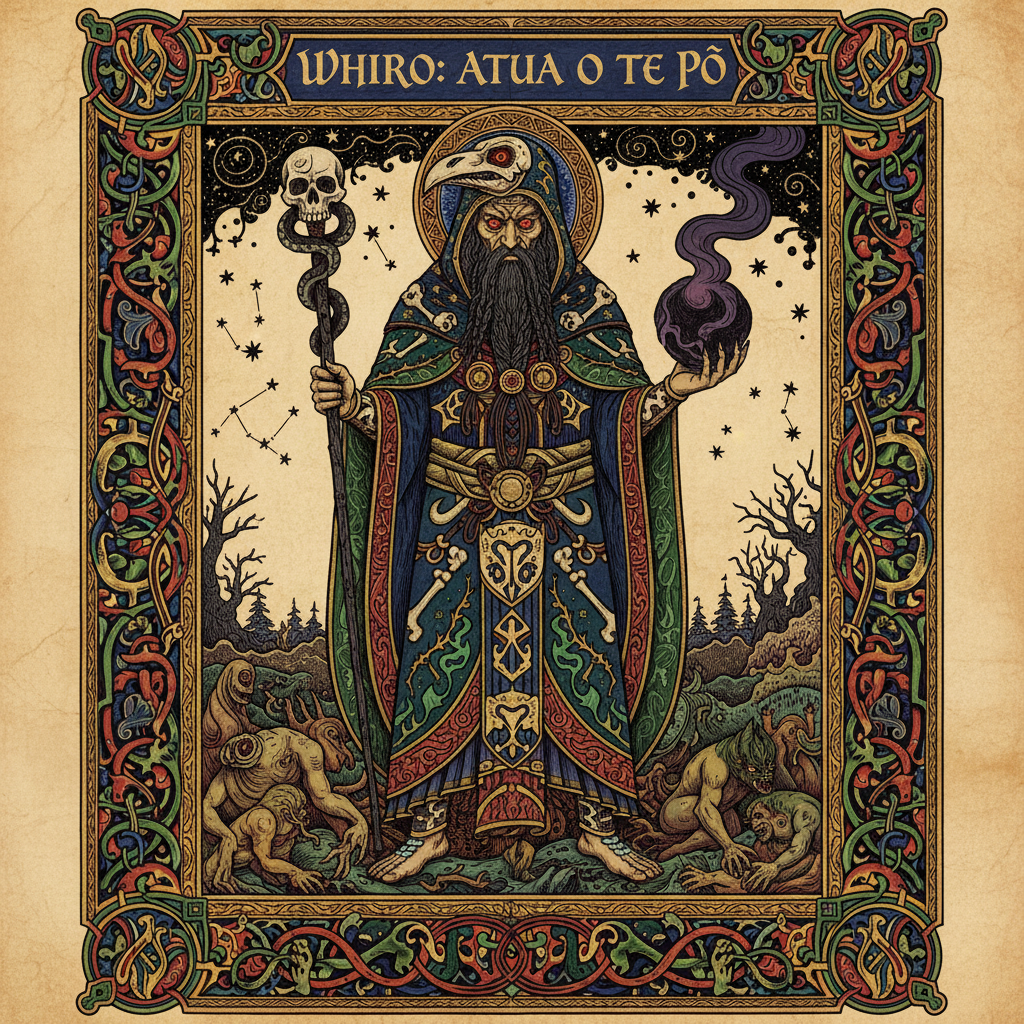 LEGENDARY
 Whiro
Lord of Darkness, the Evil Below
Darkness, Evil, Disease, Death, the Underworld