Combat Profile
Odu Revelation
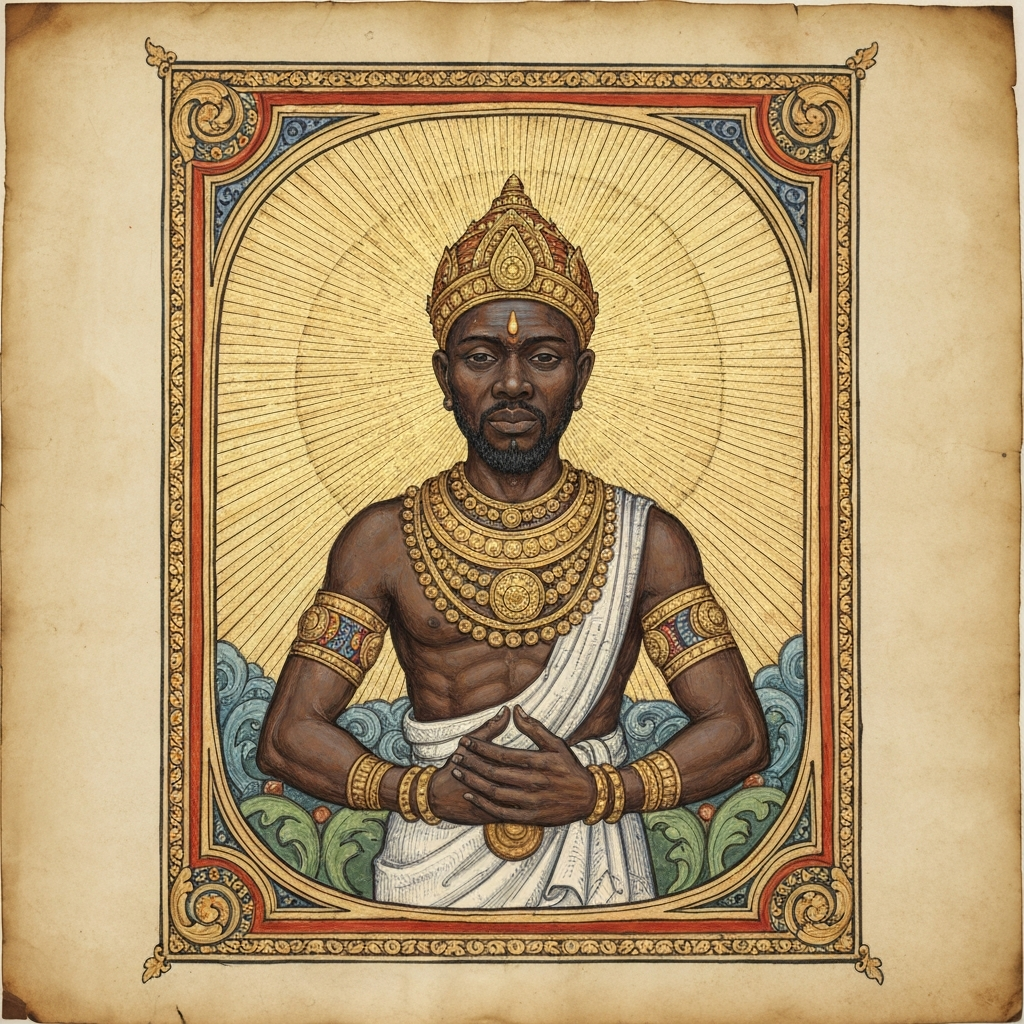
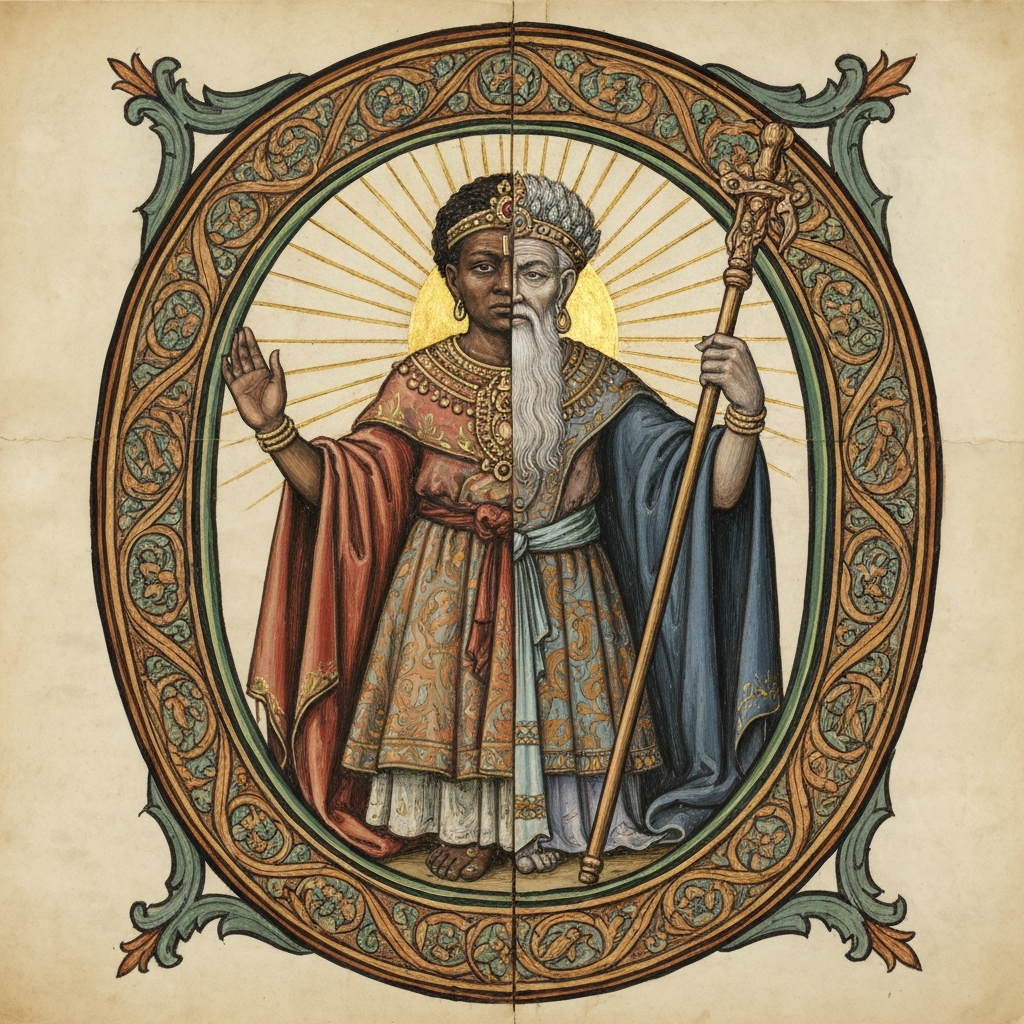
Orunmila speaks the sixteen sacred letters of Ifa, unveiling all hidden truths and rewriting a target's predetermined fate
Eternal Witness
Orunmila remembers all moments from creation to present, granting immunity to deception and perfect knowledge of all possible futures
None in the combative sense -- Orunmila does not fight. His "weakness" is that he can only reveal the path; he cannot force anyone to walk it. Free will is the limitation of prophecy
“Orunmila, the one who was present when Olodumare created the universe. He alone knows the past, the present, and the future.” — Ifa prayer
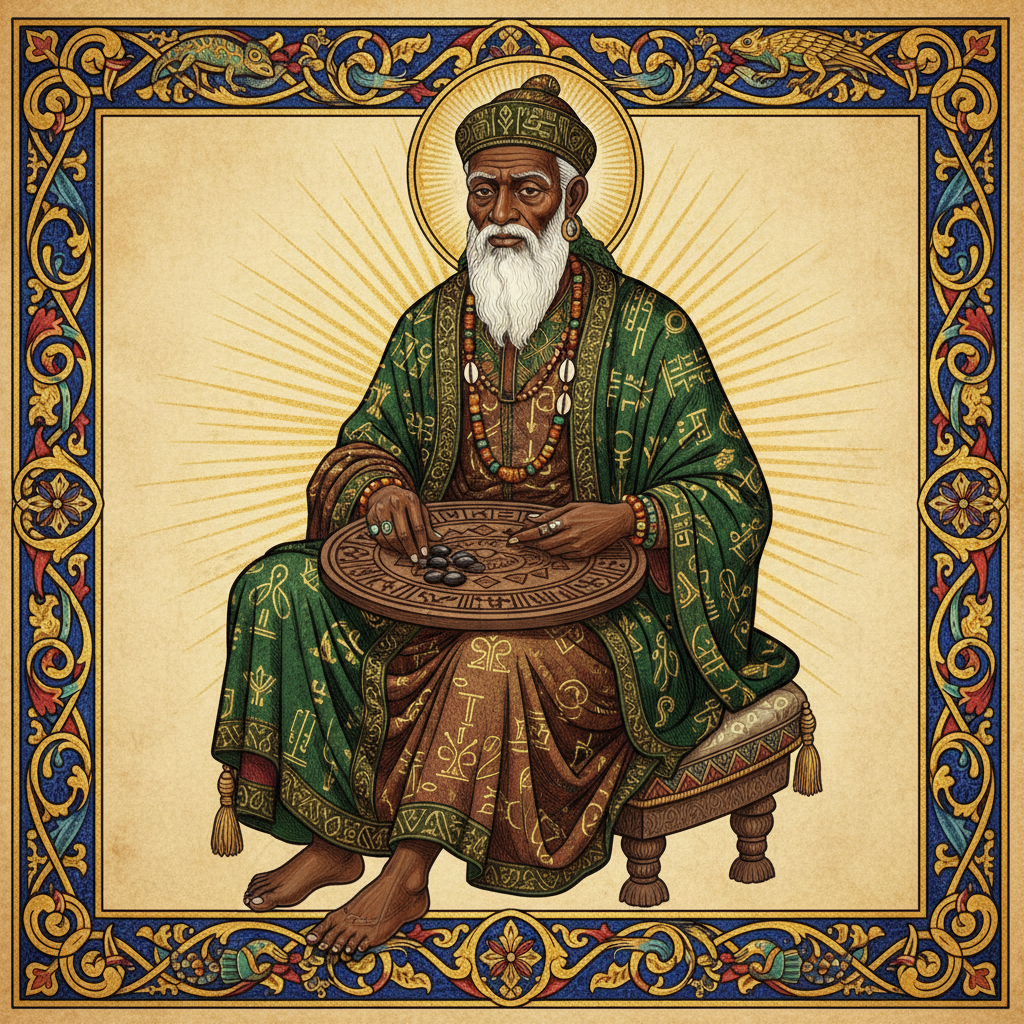
Lore: Orunmila (also called Ifa, though Ifa technically refers to the divination system rather than the Orisha himself) is the Orisha of wisdom and the patron of the Ifa divination system — one of the most sophisticated oracle systems ever developed by any civilization. The Ifa system uses a binary mathematical structure based on 256 Odu (figures), each of which contains hundreds or thousands of verses of sacred poetry encompassing mythology, proverbs, prescriptions for sacrifice, herbal medicine, ethical guidance, and prophecy. The total literary corpus of Ifa rivals the length of the Mahabharata and is entirely oral — transmitted through memorization by the Babalawos (fathers of secrets), the initiated priests of Orunmila. UNESCO recognized the Ifa Divination System as a Masterpiece of the Oral and Intangible Heritage of Humanity in 2005. Orunmila himself is the witness of creation: he was present when Olodumare assigned each soul its destiny, and he remembers everything. He does not fight; he knows.
Parallel: Orunmila is Thoth (Egyptian god of wisdom, writing, and divine knowledge), Metatron (the heavenly scribe who recorded all of creation), and the embodiment of the Urim and Thummim (the Israelite priestly oracle, Exodus 28:30). The Ifa system’s binary structure (based on marking single or double lines, producing 2^8 = 256 combinations) has led scholars to note its structural anticipation of Leibniz’s binary mathematics — though the Ifa system is at least 800 years older. Orunmila’s role as the witness of destiny parallels the Lamb’s Book of Life (Revelation 20:12) — the divine record of every soul’s fate.
1 min read
Human stubbornness. Orunmila provides the answer through the Ifa oracle, but if the querent refuses to perform the prescribed sacrifice or follow the guidance, the prophecy is useless
Odu Ifa (the 256 Odu and their thousands of associated verses); Wande Abimbola, *Ifa: An Exposition of Ifa Literary Corpus* (1976); William Bascom, *Ifa Divination: Communication Between Gods and Men in West Africa* (1969)