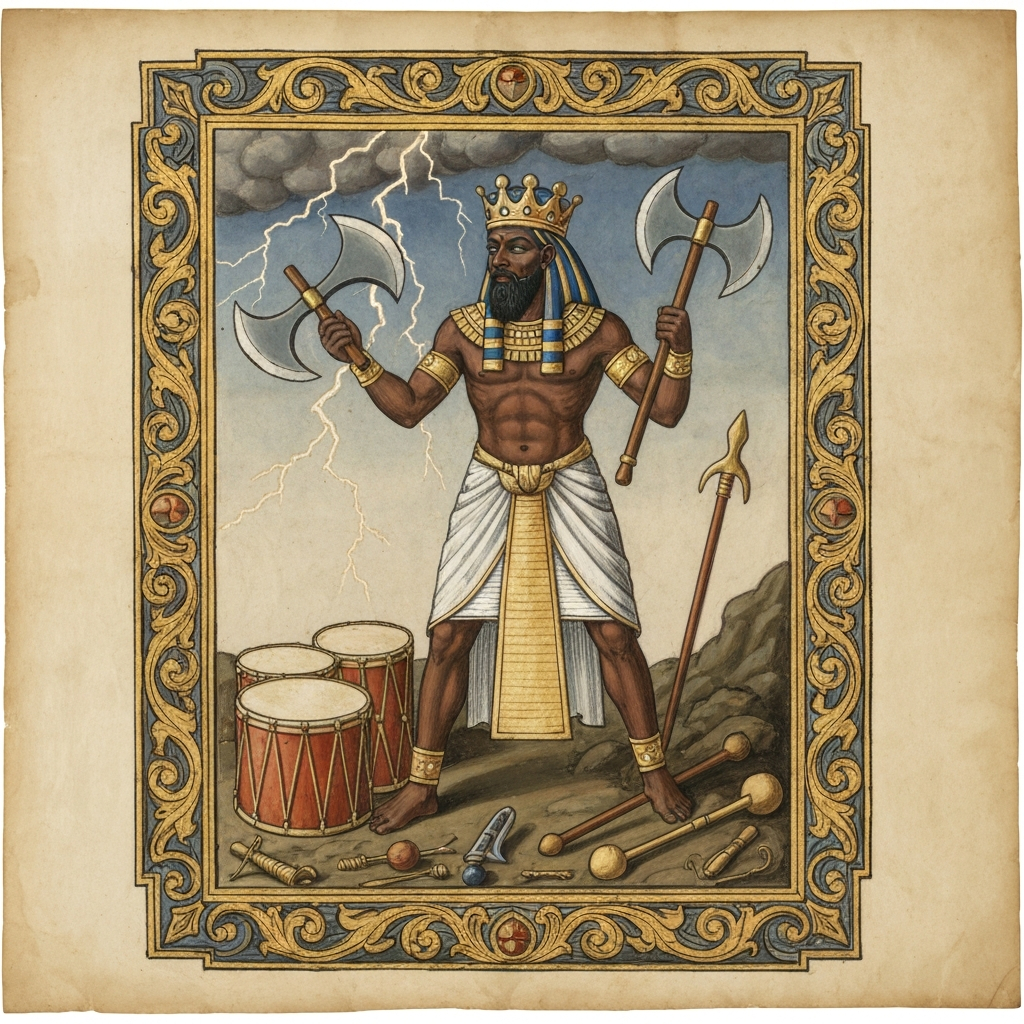
Combat Profile
Thunderous Judgment
Shango strikes with divine lightning that punishes the guilty and destroys falsehoods, his wrath unerring against those who violate oaths and justice
Drum-Bearer's Fury
Shango's presence manifests as rhythmic thunder and crackling fire; his mere appearance inspires both passionate courage in allies and primal fear in enemies
His pride and appetite. Shango's power is matched by his ego. He has three wives (Oya, Oshun, Oba) and the complications of these relationships are central to Yoruba narrative. His arrogance as a mortal king led to his downfall -- he accidentally destroyed his own palace with lightning and was driven into exile
“Shango’s fire does not burn the righteous. It consumes only the guilty.” — Yoruba proverb
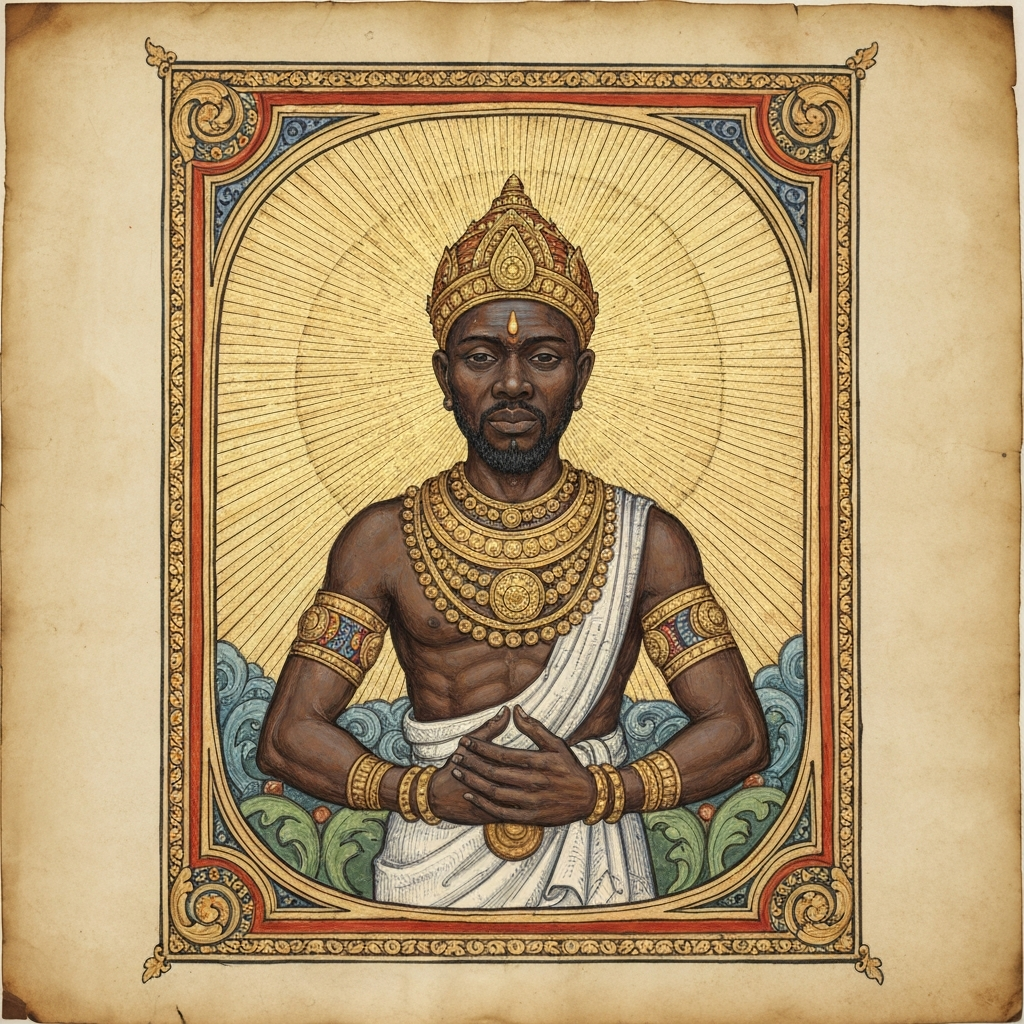
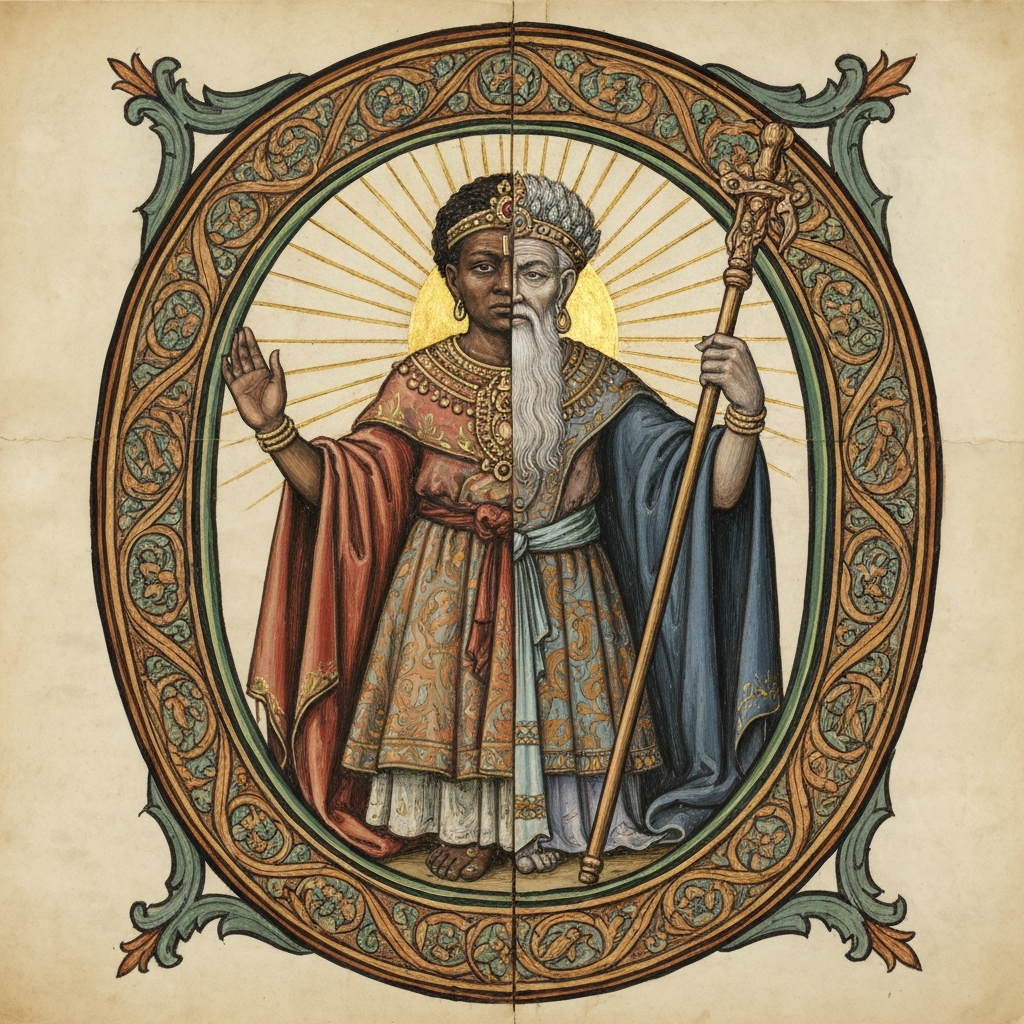
Lore: Shango (Chango in Cuban Santeria, Xango in Brazilian Candomble) is perhaps the most vivid Orisha — the god of thunder and lightning, fire and drumming, justice and kingship, dance and masculine power. Uniquely among the Orishas, Shango was (according to tradition) a historical figure: the fourth Alafin (king) of the Oyo Empire, one of the most powerful West African states. As a mortal king, Shango was brilliant, charismatic, and dangerously proud. He gained the power to breathe fire and call lightning, but lost control — one account says he accidentally destroyed his own palace and family with lightning, and in shame, he hanged himself. But the tradition insists he did not die: he ascended, descended into the earth, and became an Orisha. His thunderstones (smooth, dark stones found where lightning has struck) are sacred objects. His double-headed axe (oshe Shango) is his primary symbol. His colors are red and white. His drums, the Bata, are the voice of divine communication itself.
Parallel: Shango is the thunder god — a role occupied by Zeus (Greek), Thor (Norse), Baal (Canaanite), and Indra (Vedic). But the closest parallel may be David: a historical warrior-king whose personal excesses brought catastrophe upon his house, but who was so beloved by God that he became something more than mortal in the tradition’s memory. The dynamic of the king who becomes divine — who transcends his own failures through the force of his relationship with the sacred — is shared across traditions. In Cuban Santeria, Shango was syncretized with St. Barbara (who is associated with thunder and lightning in Catholic iconography), a gender-crossing identification that speaks to the creative power of diasporic theology.
1 min read
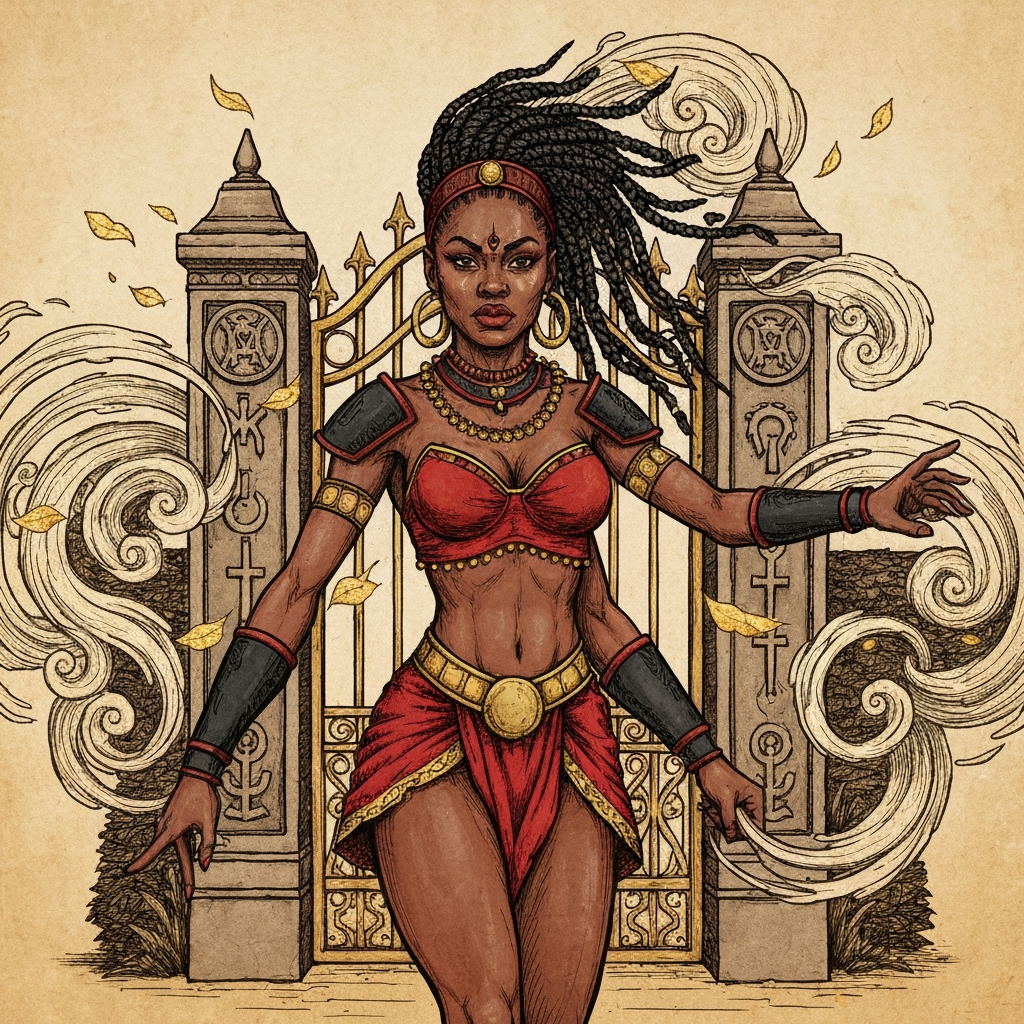
His own power turned inward (the lightning that destroys his own palace); Oya (his wife, who is the only Orisha who does not fear his thunder -- she stole the secret of his fire and wields storms of her own)
Odu Ifa; Robert Farris Thompson, *Flash of the Spirit* (1983); William Bascom, *Shango in the New World* (1972)