Frashokereti: The Final Renovation
The end of the fourth cosmic age — after twelve thousand years of cosmic history · The entire material world — the renovation is universal and simultaneous
Contents
At the end of cosmic time, the entire creation is restored to its original perfection — the dead rise, the mountain-ranges collapse, the rivers run clean, and a river of molten metal purifies every soul before eternity begins.
- When
- The end of the fourth cosmic age — after twelve thousand years of cosmic history
- Where
- The entire material world — the renovation is universal and simultaneous
The mountains will fall.
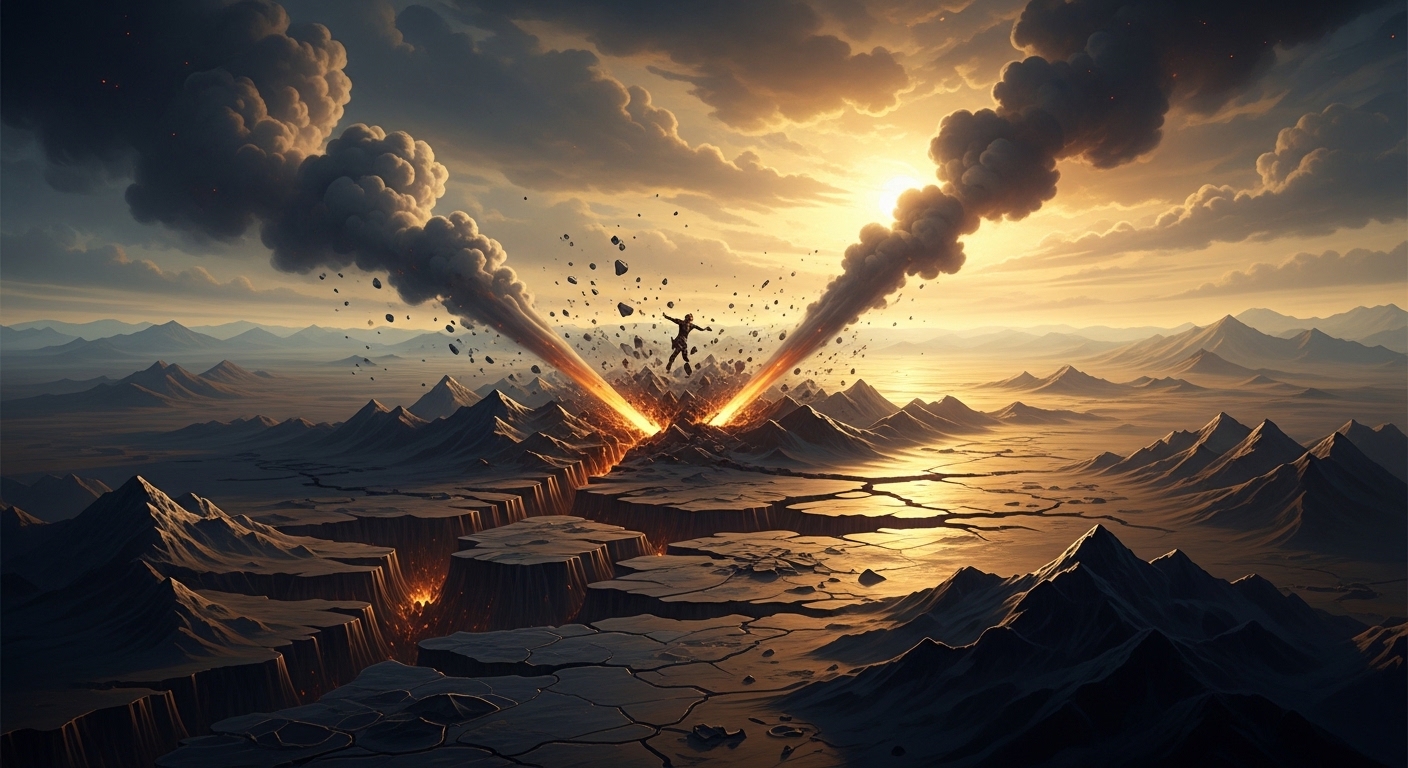
They fell the other way at the beginning — Angra Mainyu’s assault broke the flat earth into ridges and valleys and deserts, drove the mountains up through the earth’s surface like splinters from a wound. At the Frashokereti, the renovation, they will return to where they came from. The earth will be flat again: smooth and perfect, as Ahura Mazda made it before the assault.
This is the image the Bundahishn gives for the restoration of the physical world, and it is worth pausing on: the mountains — which we experience as permanent, as old, as the very definition of the unchanging — are in the Zoroastrian worldview temporary. They are wounds. When the cosmic healing is complete, they will be healed. The world will not end; it will be restored. The difference is absolute.
First, the dead rise.
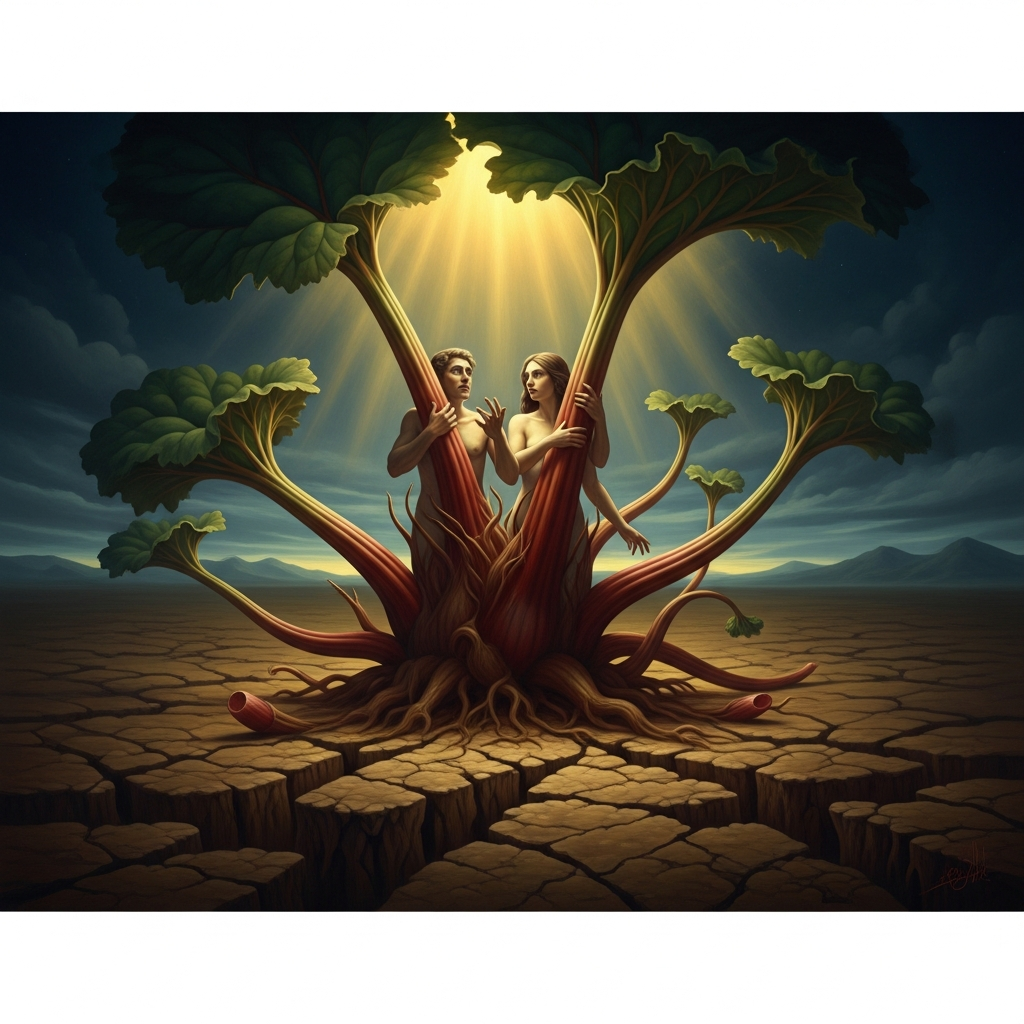
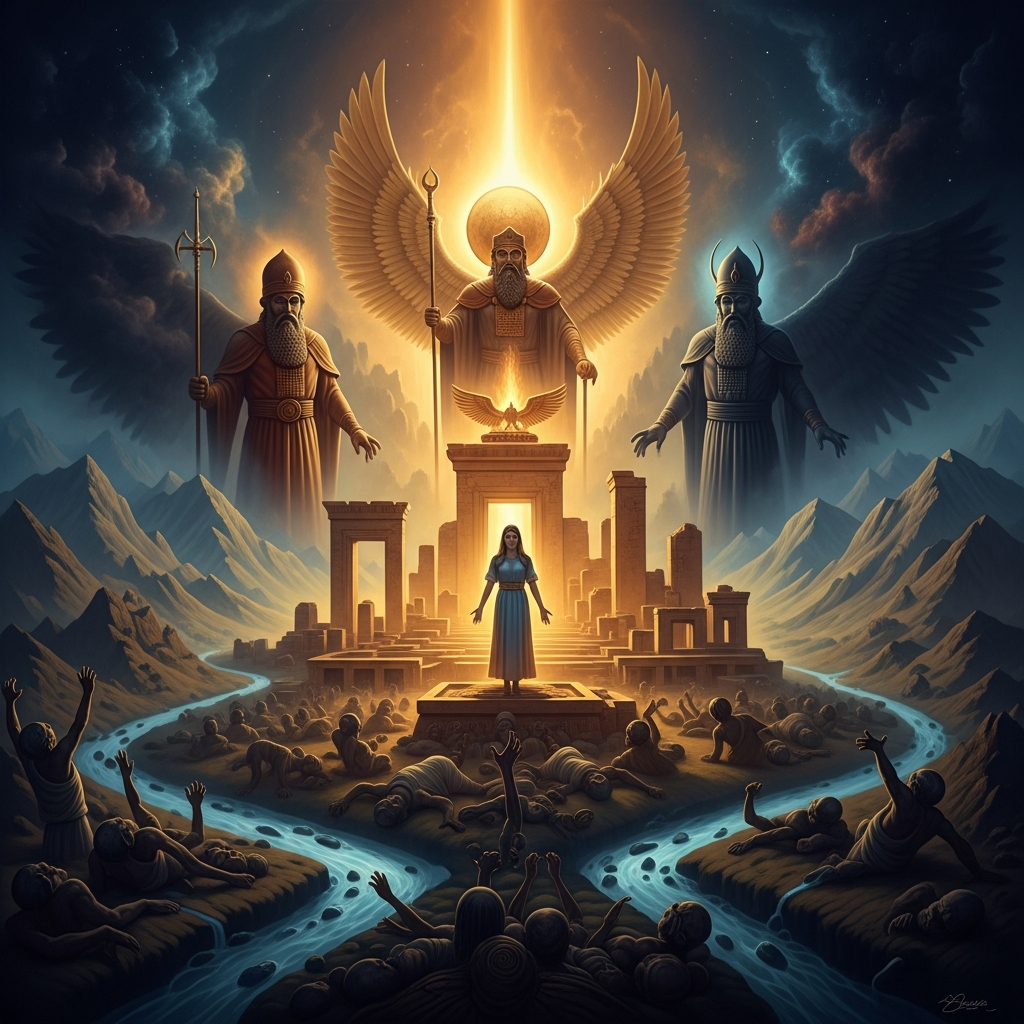
The resurrection is sequential and beautiful in its specificity. Gayōmard rises first — the first man, whose body was the seed of all humanity, who must be the first to participate in the restoration. Then the first couple, Mašyā and Mašyānag, who told the first lie but raised the first children. Then the righteous dead in order, then all the dead, then even the inhabitants of the House of Lies — because the final renovation is universal. No soul is left unrenovated. This is the feature of Zoroastrian eschatology that most surprised later commentators: the fire purifies even those who spent time in the House of Lies.
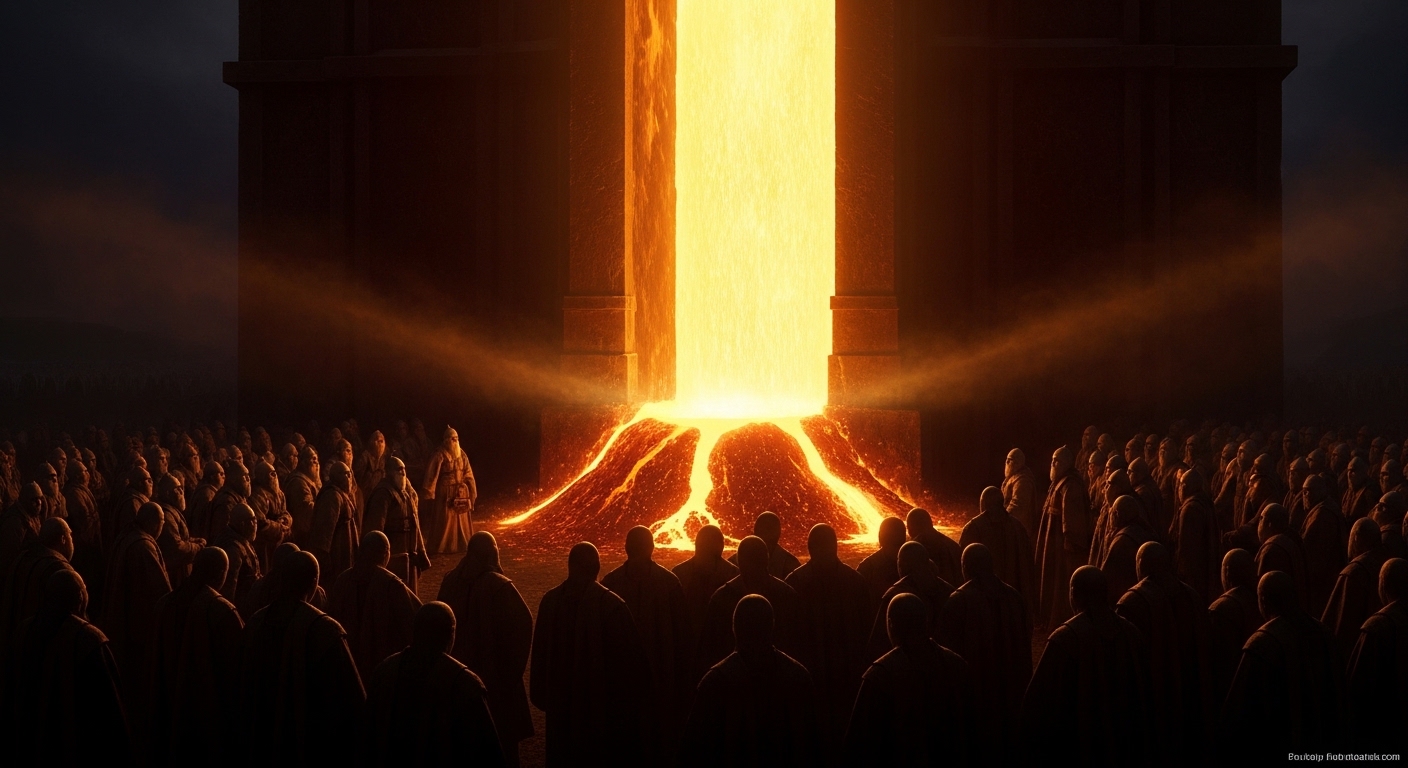
The river of molten metal runs through the earth.
All living and resurrected souls must pass through it. For the righteous who spent their existence in the House of Song, the molten metal will feel like warm milk — a comfort, a cleansing, a confirmation. For those who spent time in the House of Lies, it will feel like what it is: fire. It burns through the dross of their accumulated deceptions and corruptions. But it burns through them — not to destroy them but to clean them. When they emerge from the other side, they are as whole as the righteous who never knew the House of Lies.
This is the apokatastasis — the restoration of all things — that the Zoroastrian tradition holds as its central eschatological promise.
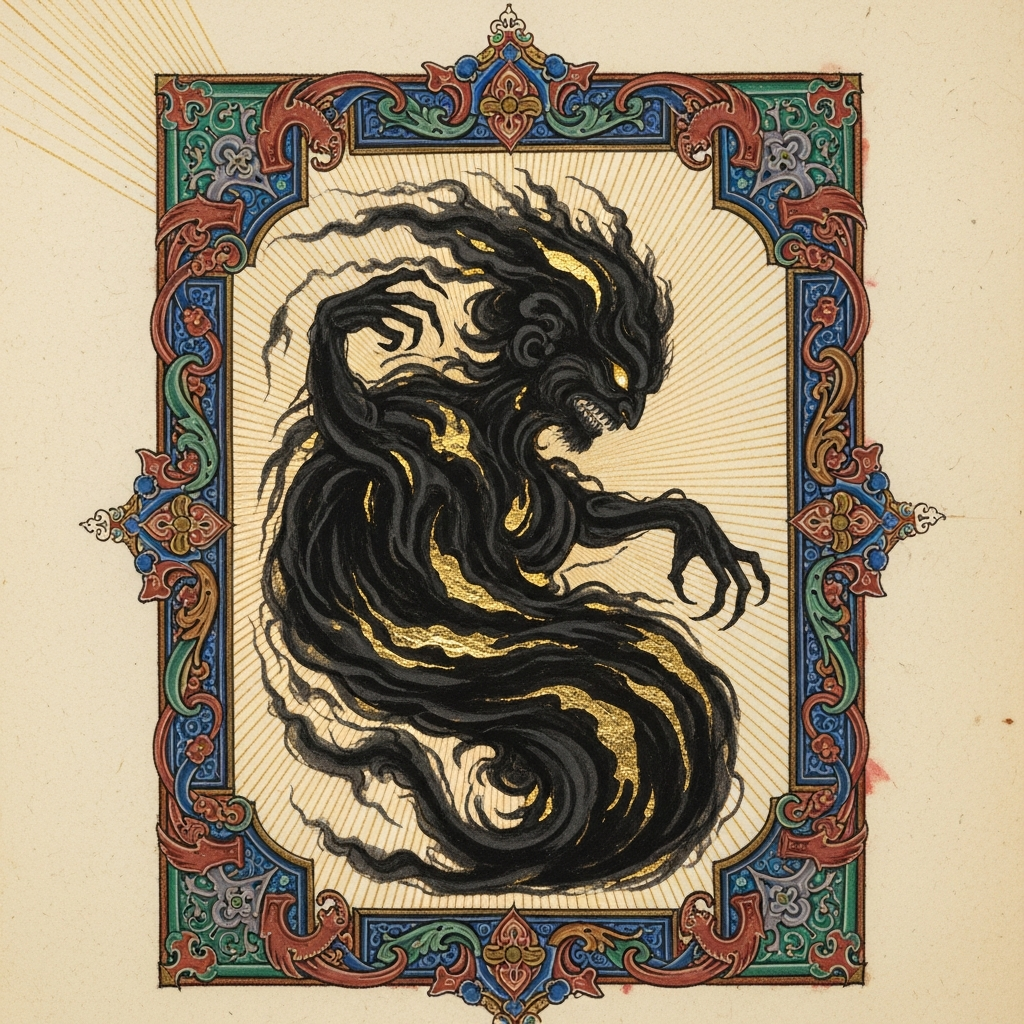
Angra Mainyu is not merely defeated. He is ended.
The mechanism varies between sources, but the result is consistent: the Hostile Spirit, who existed as a co-eternal principle in the darkness before creation, cannot survive the conditions of a fully restored creation. The molten metal river that purifies souls also flows through the House of Lies and dissolves it. Angra Mainyu, whose existence is dependent on the existence of the Lie — who is, in the deepest sense, nothing but the Lie given cosmic persistence — cannot survive the elimination of the last lie. The Druj, the cosmic falsehood, is burned away in the same fire that purifies souls.
What remains is everything.
The earth is flat and perfect. Every human being who ever lived is present, in a body that is whole and young and permanent — not the aged body of their last years but the ideal body of their prime, freed now from every corruption and disease that Angra Mainyu’s assault introduced into biological existence. The sky is unbroken. The water is pure. The cattle are healthy. The plants are healing. Everything that was corrupted is restored.
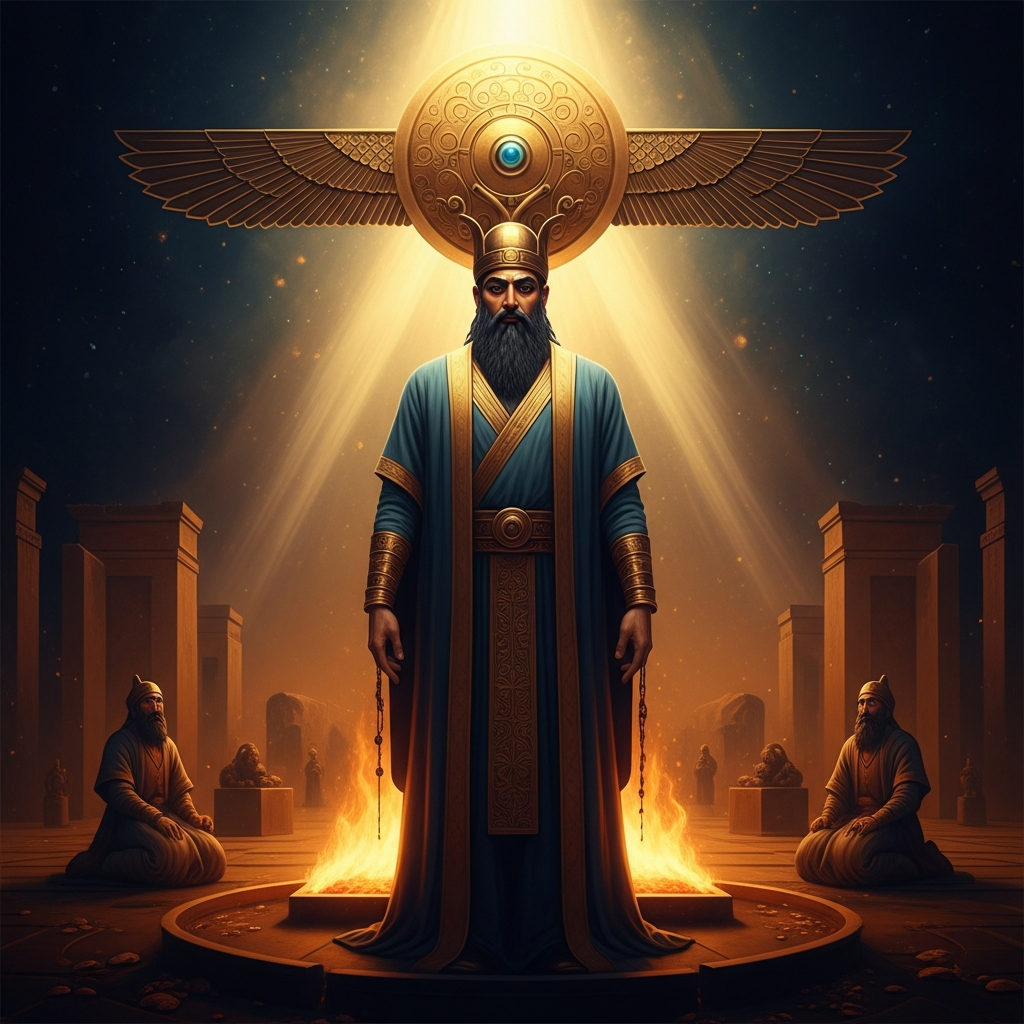
The Wise Lord and the Bounteous Immortals are present in the material world without the barrier that the mixed creation maintained between the spiritual and physical realms. The division between menog and getig — spiritual and material — dissolves. The world that Ahura Mazda made is also now the world that Ahura Mazda inhabits.
This was always the plan.
The Bundahishn records that Ahura Mazda knew this outcome before he spoke the first word. He knew the assault was coming. He knew the duration of the suffering. He knew the number of the dead who would pass through the House of Lies. He made the world anyway, because the Frashokereti was always on the other side of it, and the Frashokereti makes the suffering worth it — not by erasing the memory of suffering, but by being so complete that the suffering can be acknowledged and survived and ended.
The word frashokereti means making wonderful.
The renovation is not a return to a pre-existing state. It is the making of something wonderful that has never fully existed before — a creation that has been tested, that has known evil and survived it, that has been refined by the river of metal, that has earned its perfection.
Creation ends.
Eternity begins.
They are the same place, only now complete.
Scenes
Echoes Across Traditions
Entities
- Astvat-Ereta (Saoshyant)
- Ahura Mazda
- Angra Mainyu
- Gayōmard
- All the resurrected dead
Sources
- *Bundahishn*, chapters 30–34, translated by Behramgore Anklesaria
- Mary Boyce, *A History of Zoroastrianism*, Vol. I (Brill, 1975)
- Prods Oktor Skjærvø, *The Spirit of Zoroastrianism* (Yale, 2011)
- Anders Hultgård, 'Persian Apocalypticism,' *Encyclopedia of Apocalypticism*, Vol. 1 (1998)