Iron Crutch Li and the Wandering Soul
The mythological Tang dynasty in popular religious tradition · The mountains of central China where the Taoist masters practiced — and the heavenly realm
Contents
When the Taoist master Li's soul returns from a journey to heaven and finds his original body has been cremated by an impatient student, it must inhabit the nearest available corpse — the body of a dead beggar — and he becomes the ugliest of the Eight Immortals.
- When
- The mythological Tang dynasty in popular religious tradition
- Where
- The mountains of central China where the Taoist masters practiced — and the heavenly realm
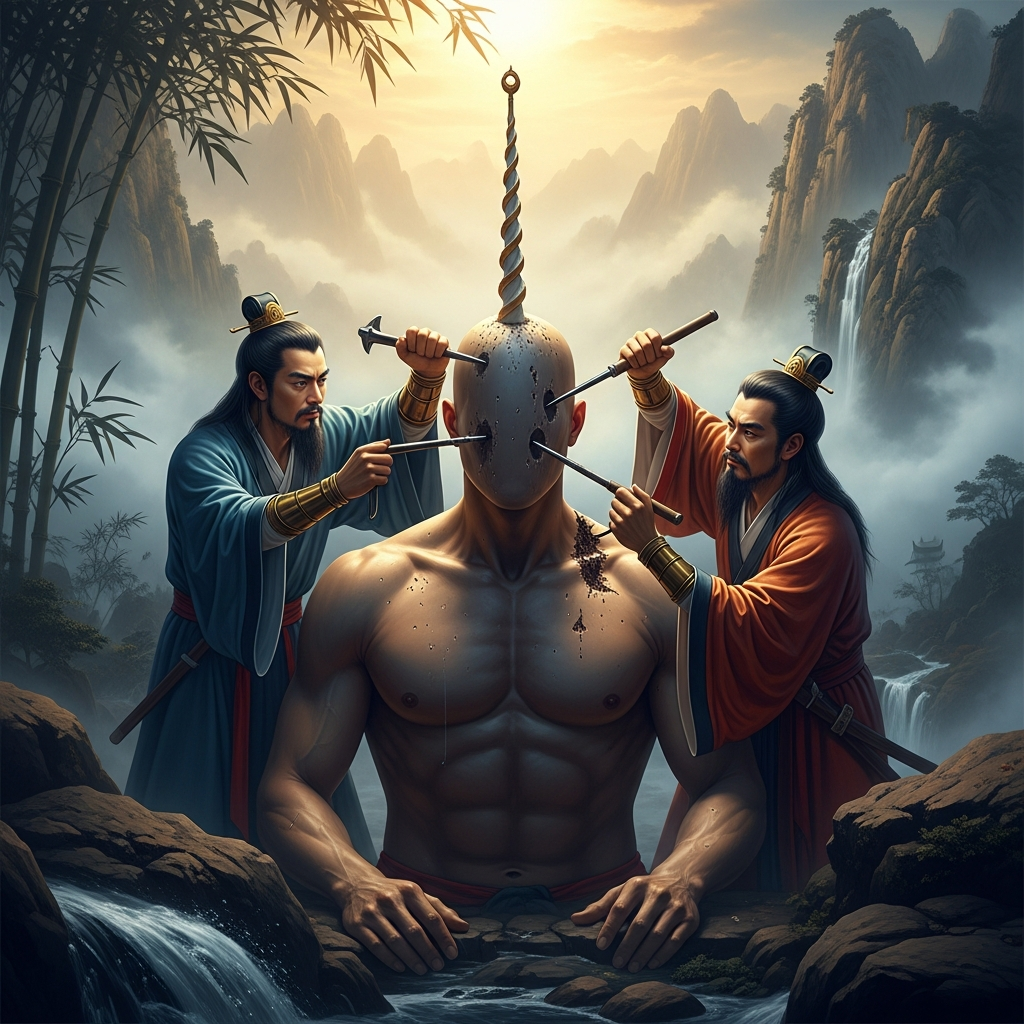
He sends his soul out of his body for seven days.
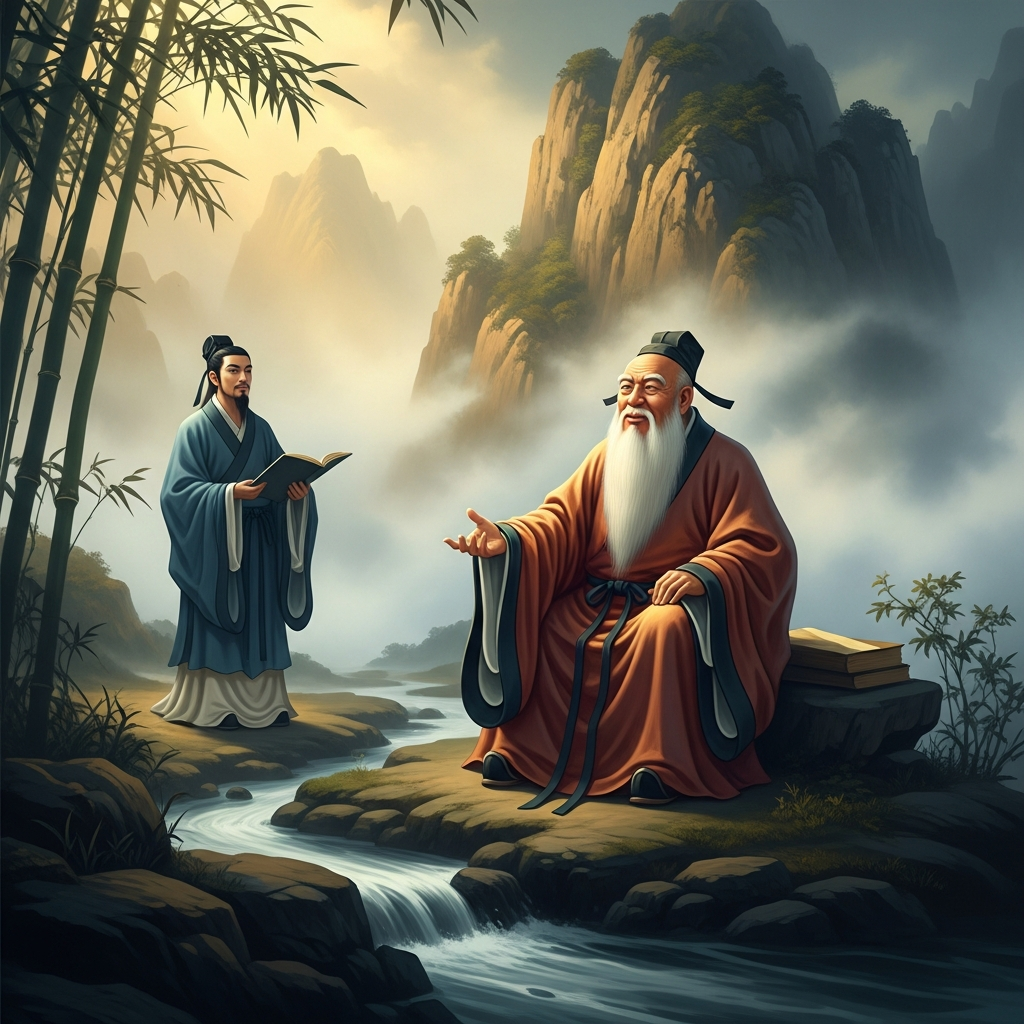
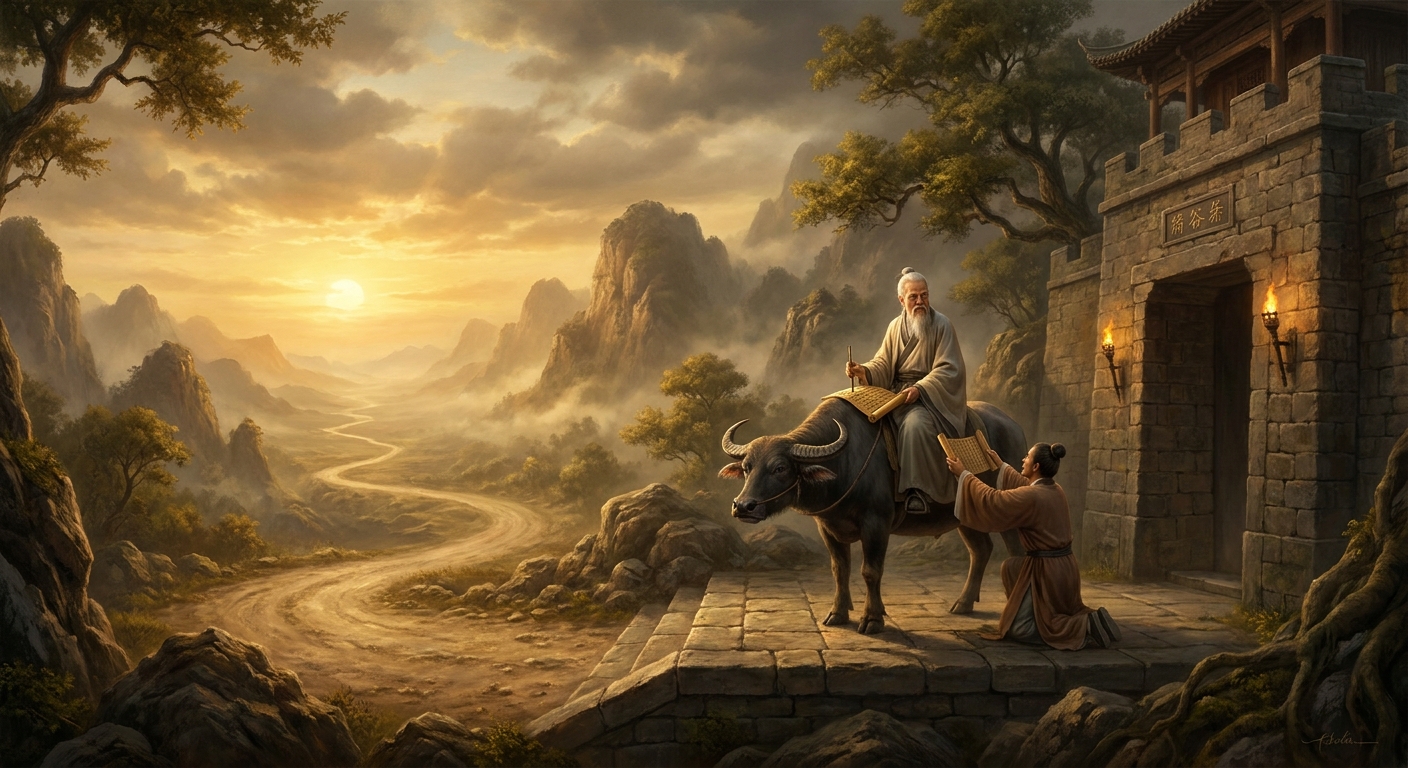
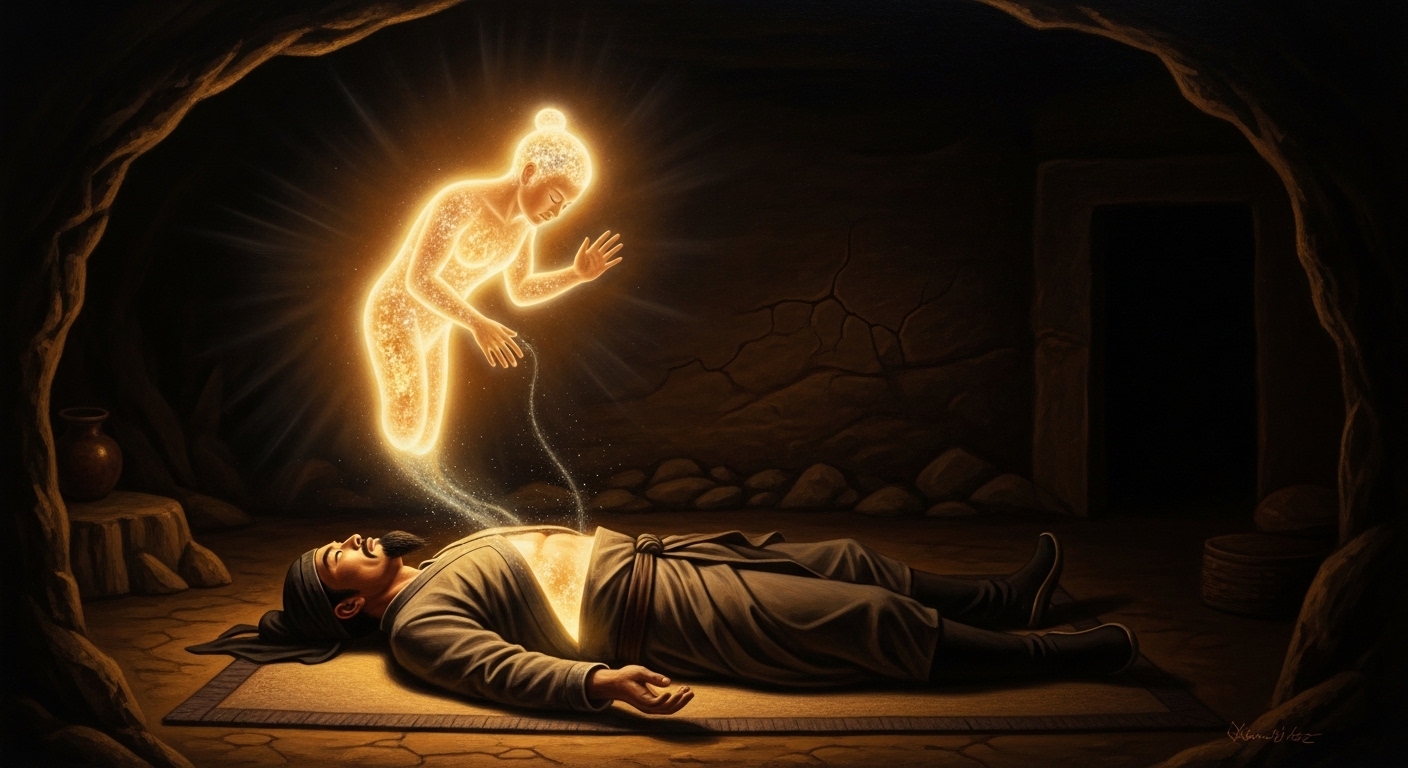
This is not unusual in the tradition of the Taoist masters who practice the art of traveling in the spirit while the body waits. The body is left in a room — sitting, breathing very slowly, as cool and still as stored jade — and the soul goes wherever the practice requires it to go. Li has arranged to meet Laozi in heaven. The meeting is important. He tells his student: wait seven days, and if I have not returned, burn the body and scatter the ashes.
On the sixth day, the student’s mother becomes ill.
This is not the student’s fault. The mother is ill and the student must go to her and he cannot leave the master’s body unattended for an unknown duration because the body in that state requires someone present in case it needs to be defended, turned, cooled. He does the calculation: one more day. He will wait one more day. He sends a message to his mother: one more day.
On the seventh day, the student’s mother’s condition worsens.
He waits until the end of the seventh day. The body has not stirred. The breathing is imperceptible. He cannot, in good conscience, leave his dying mother alone any longer. He follows his instructions: he burns the body. He burns it thoroughly and scatters the ashes and is on the road to his mother’s village before the ashes cool.
On the eighth day, Li’s soul returns from heaven.
It returns to the place where the body was. There is no body. There are ashes. The soul hovers above the ashes for a moment with the particular disorientation of returning to a home that no longer exists.
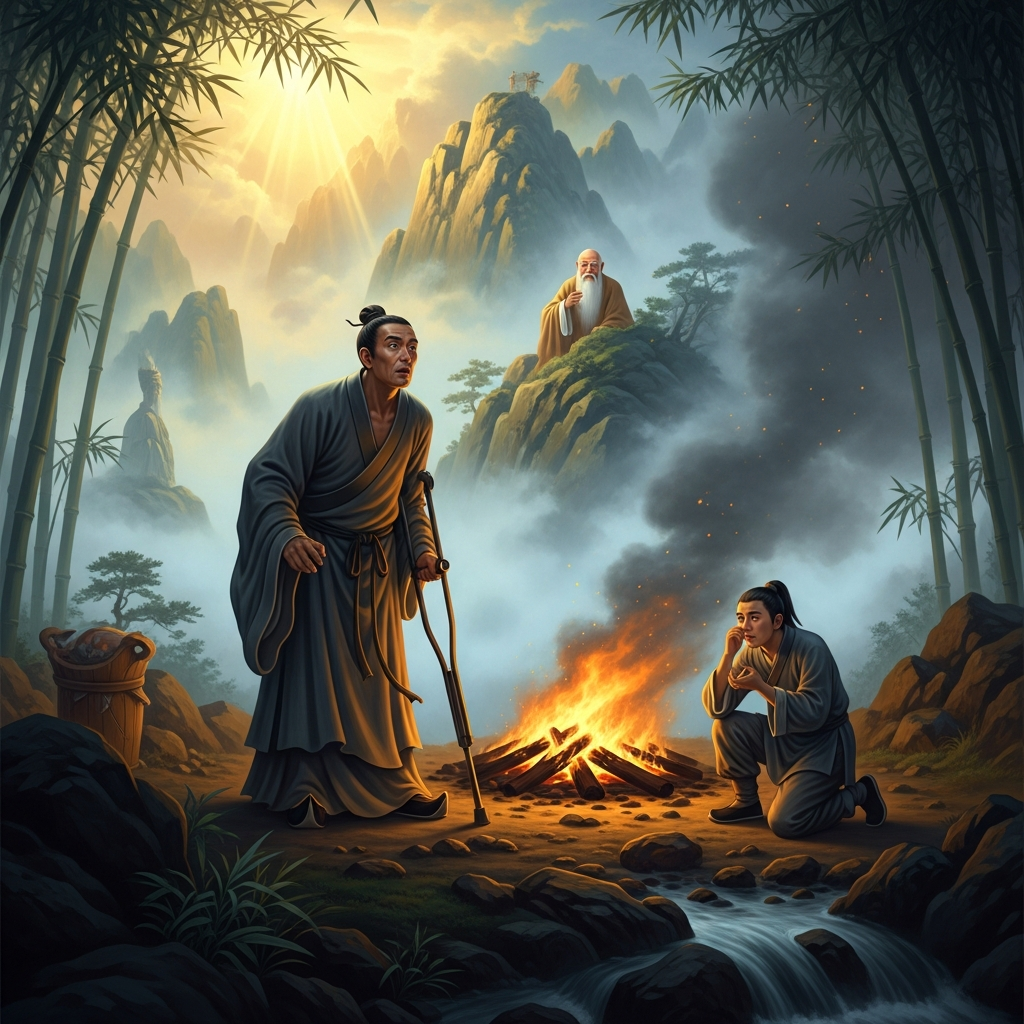
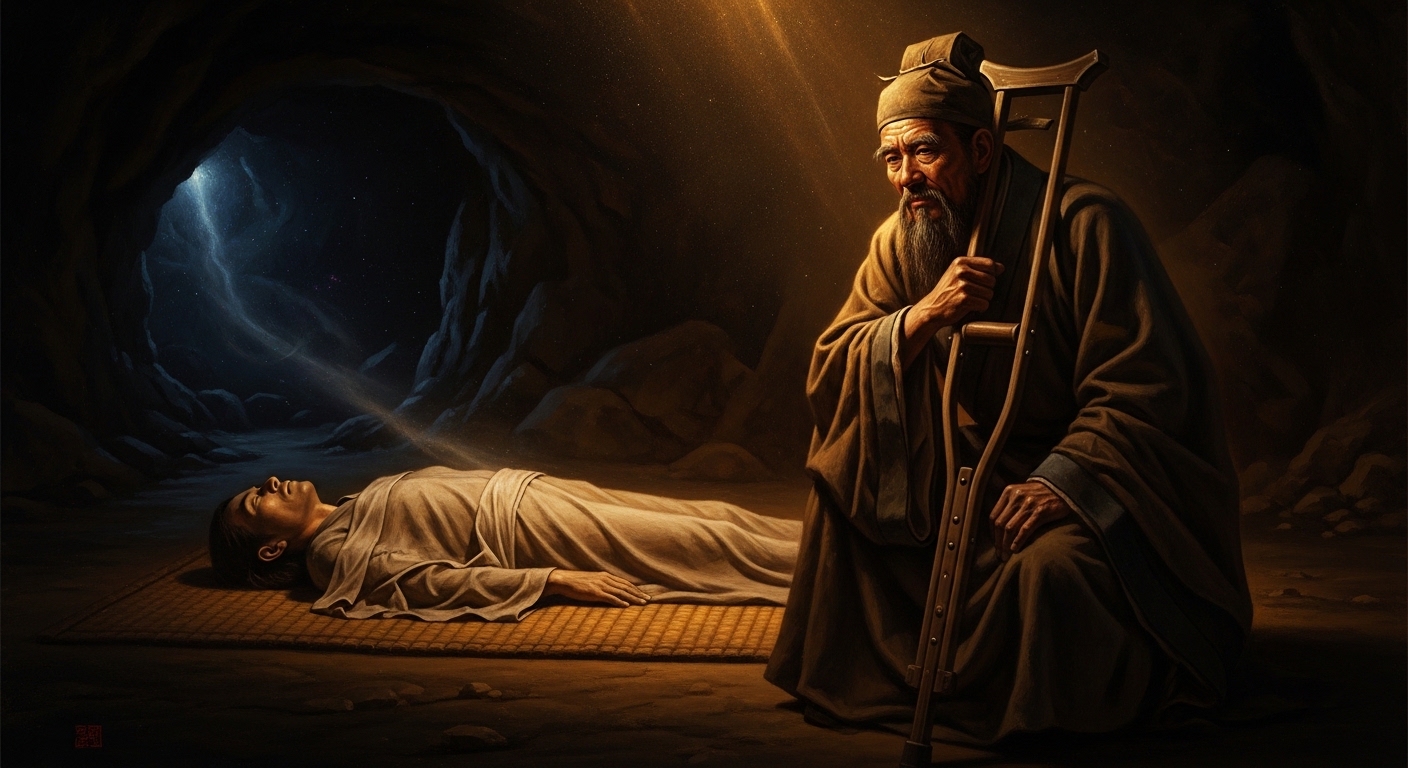
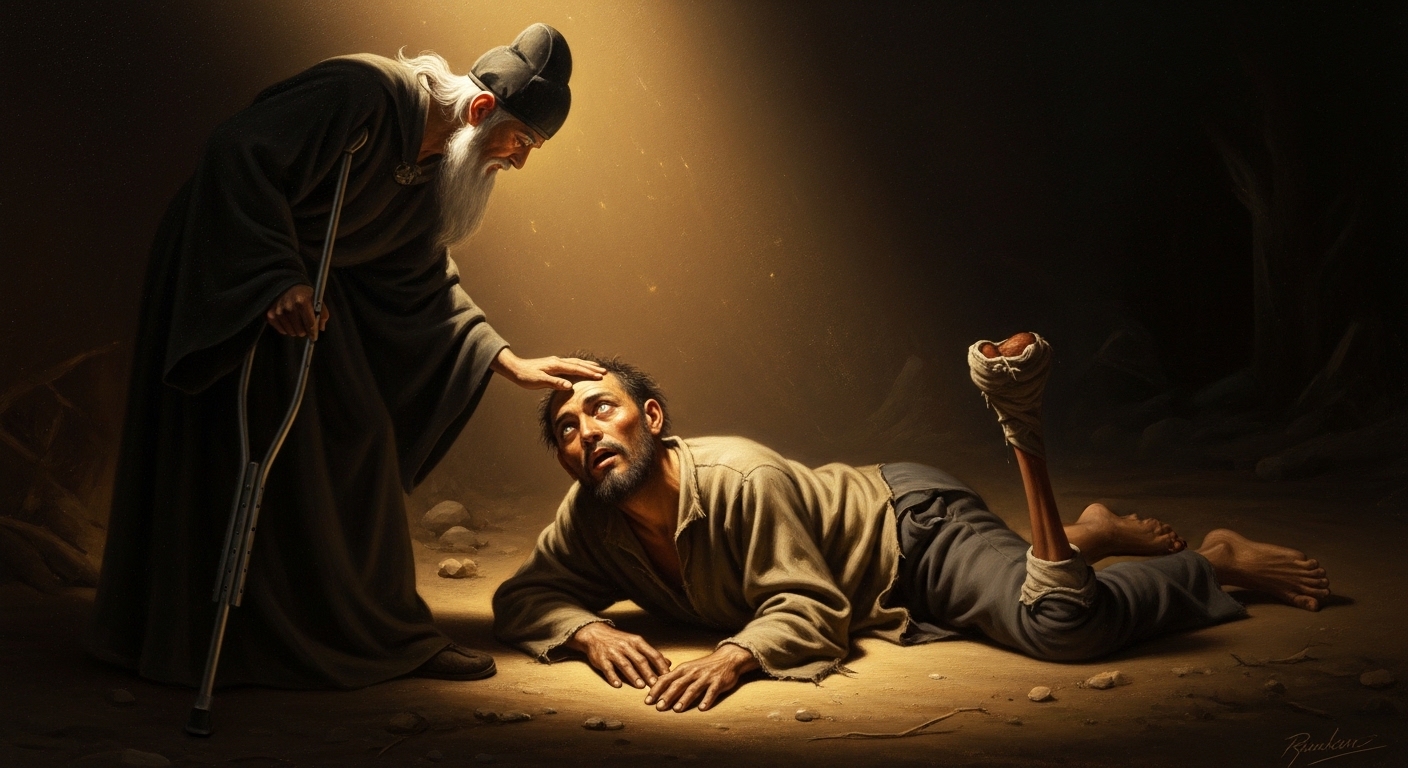
A beggar has died on the road nearby. He is old and lame, one leg shorter than the other, the kind of man who has spent a long life being told his body disqualifies him from the things bodies allow. He has nothing but the iron crutch he used for walking and the gourd he carried water in and the rags he wore and the rice bowl he begged with. He has been dead long enough that his family — if he had family — has not come.
Li’s soul considers. The Tao does not wait. The body is the vessel, not the content. He enters the beggar’s body.
He opens the beggar’s eyes on the roadside. The leg is lame. The body is old. The face has the particular asymmetry of a life lived in weather and want. He stands — unevenly, finding the balance of this new structure, testing the iron crutch that the beggar had been using.
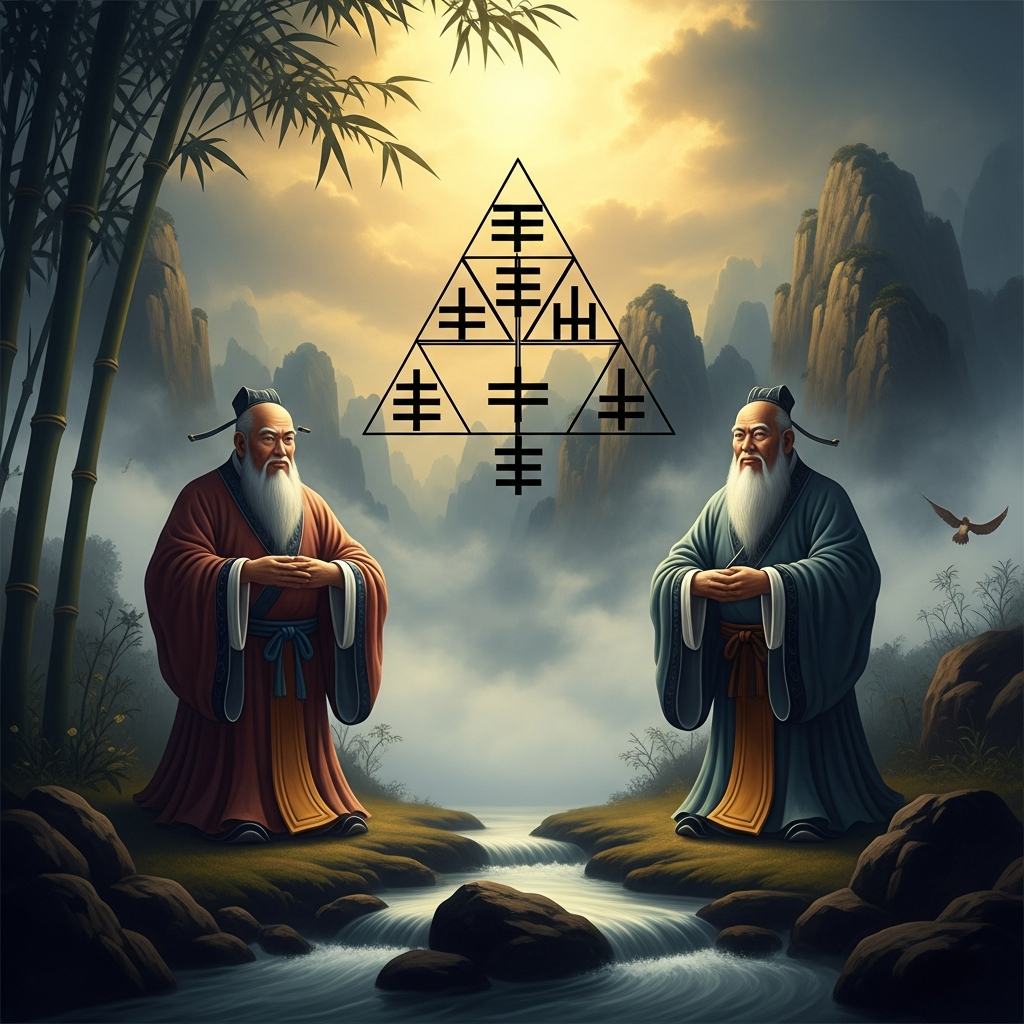
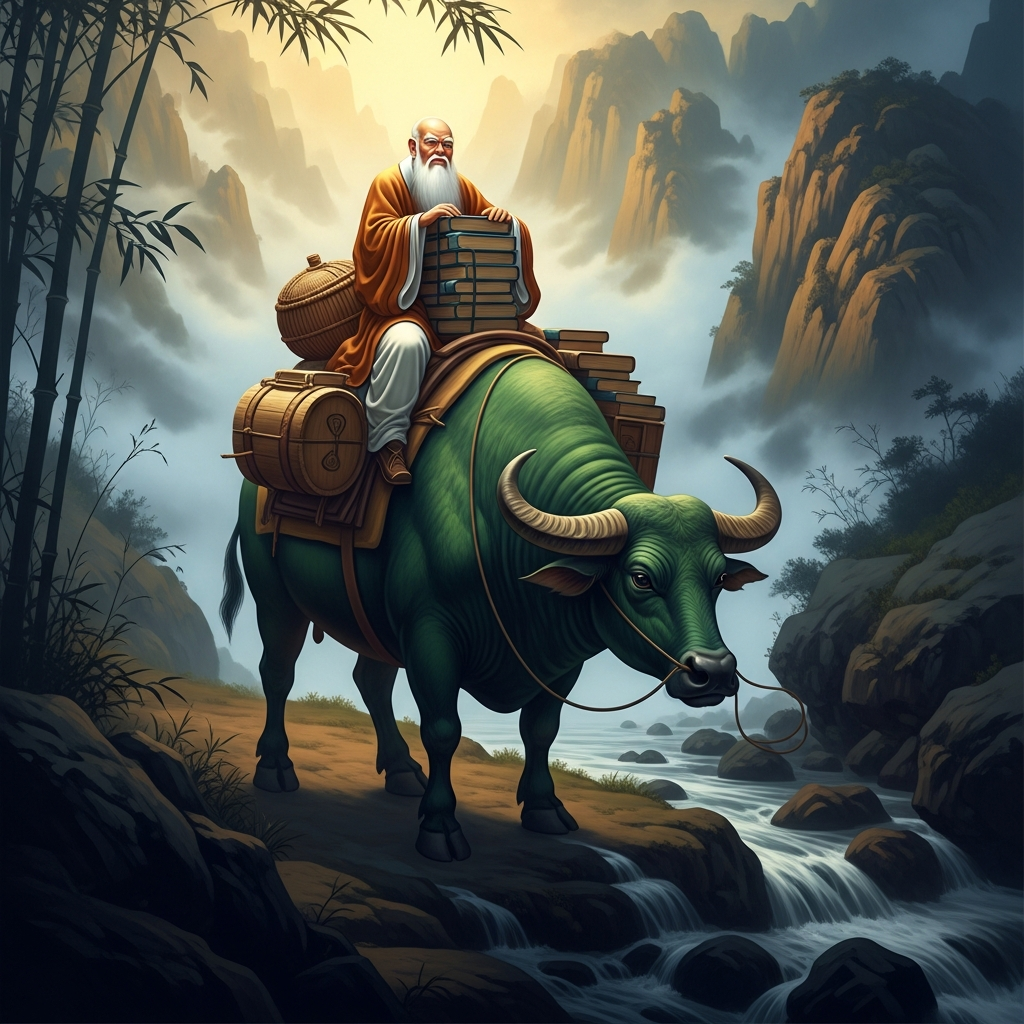
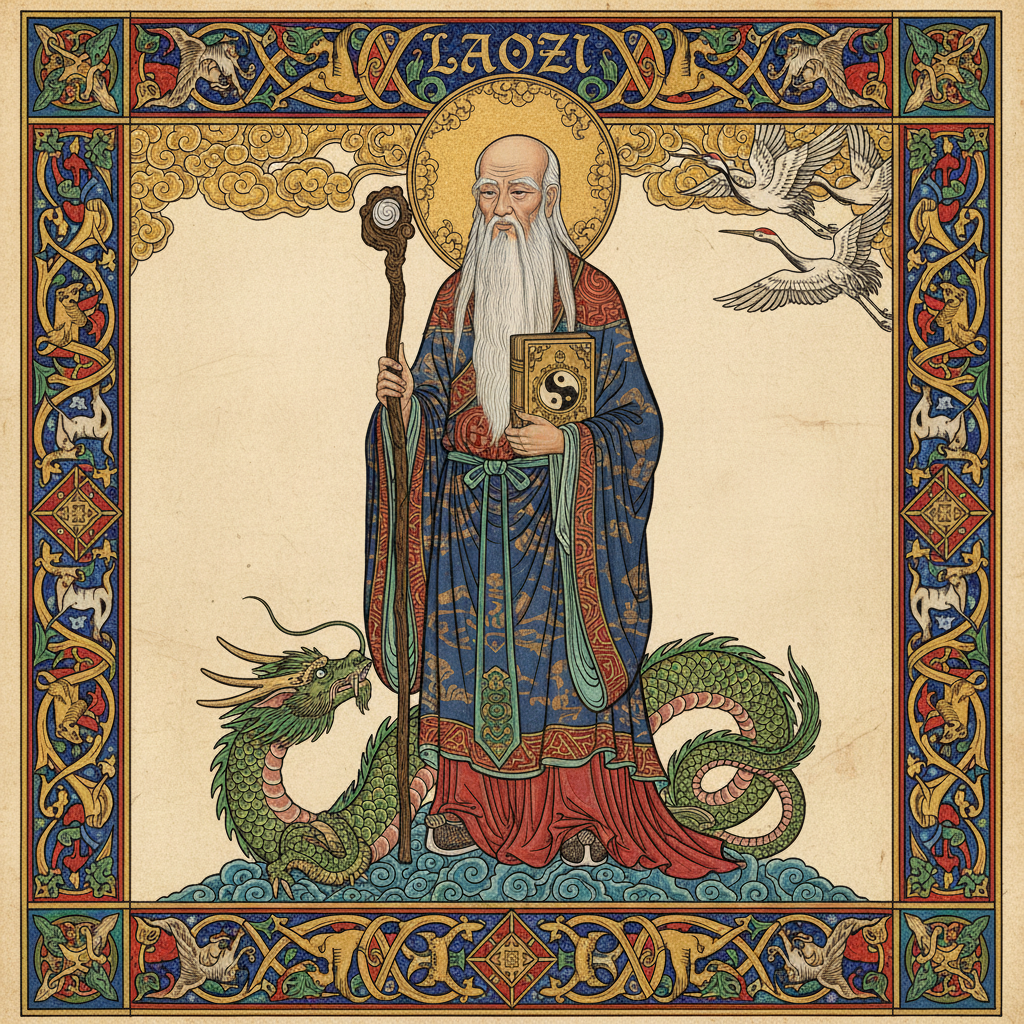
Laozi, in some accounts, appears and offers to give him a beautiful body, a young body, the kind of body appropriate to a sage of his attainment. Li refuses. He has been the scholar, the cultivated man with the elegant body. He is now the beggar. The refusal is the teaching: the Tao is not located in the beautiful form. The medicine in the gourd he picked up from the beggar’s belt works regardless of who is carrying it.
He becomes the first of the Eight Immortals, and the most recognizable in Chinese iconography: the wild-haired old man with the iron crutch and the gourd of medicine, limping through the world with the expression of someone who knows exactly what the gourd contains and is waiting for the person who actually needs it. The gourd is never empty. The medicine inside it is the thing that cannot be harmed by accident or changed by circumstance or lost by the burning of a vessel that was never, in the deepest analysis, the point.
People who encounter him in tales often do not recognize him. This is the second teaching. They see the beggar. They do not see what the beggar carries. They offer him charity or they deny him entry or they explain things to him that he already knows. He listens. He accepts or declines. He moves on with the crutch clicking on the stone road, the gourd swinging at his side, going toward whoever has been waiting long enough to recognize what he has.
Scenes
Echoes Across Traditions
Entities
- Iron Crutch Li (Tiě Guǎi Lǐ)
- Laozi
- the student who burned the body
- the Eight Immortals
Sources
- Various Ming dynasty hagiographies of the Eight Immortals
- Journey to the East (東遊記), Wu Yuantai, c. 1602
- Eva Wong, *Seven Taoist Masters* (Shambhala, 1990)
- Lihui Yang & Deming An, *Handbook of Chinese Mythology* (Oxford, 2008)