Suhrawardī and the Philosophy of Illumination
1154–1191 CE — Aleppo, Syria, under the Zangid and early Ayyubid dynasties · Aleppo, Syria — where Suhrawardi taught and was imprisoned and executed at age thirty-six
Contents
Shihab al-Din Suhrawardi, executed for heresy at thirty-six, left behind a philosophy that fused Platonic light metaphysics with Zoroastrian angelology and Sufi mysticism — claiming that reality itself is organized from the intensest Light downward, and that the mystic's goal is to become so pure that light passes through them without obstruction.
- When
- 1154–1191 CE — Aleppo, Syria, under the Zangid and early Ayyubid dynasties
- Where
- Aleppo, Syria — where Suhrawardi taught and was imprisoned and executed at age thirty-six
He is thirty-six years old and already knows he is going to die.
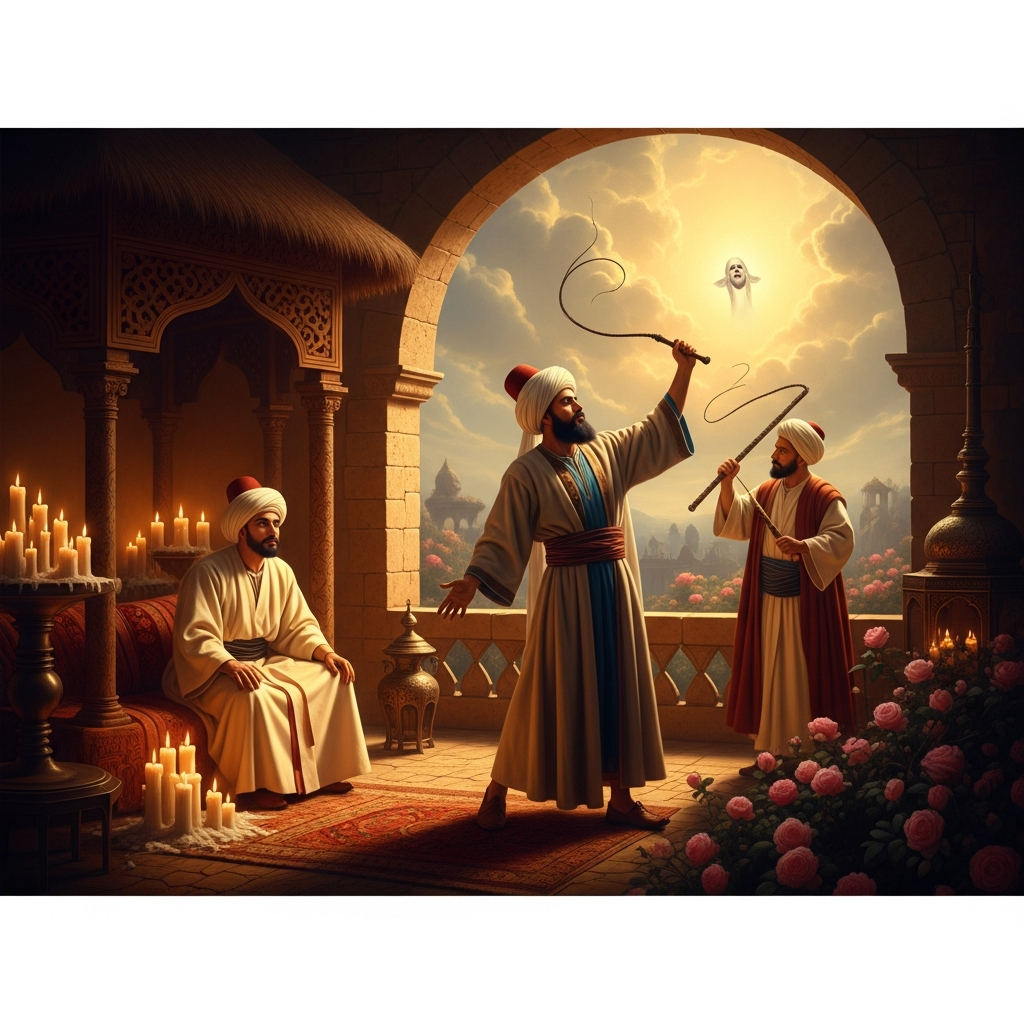
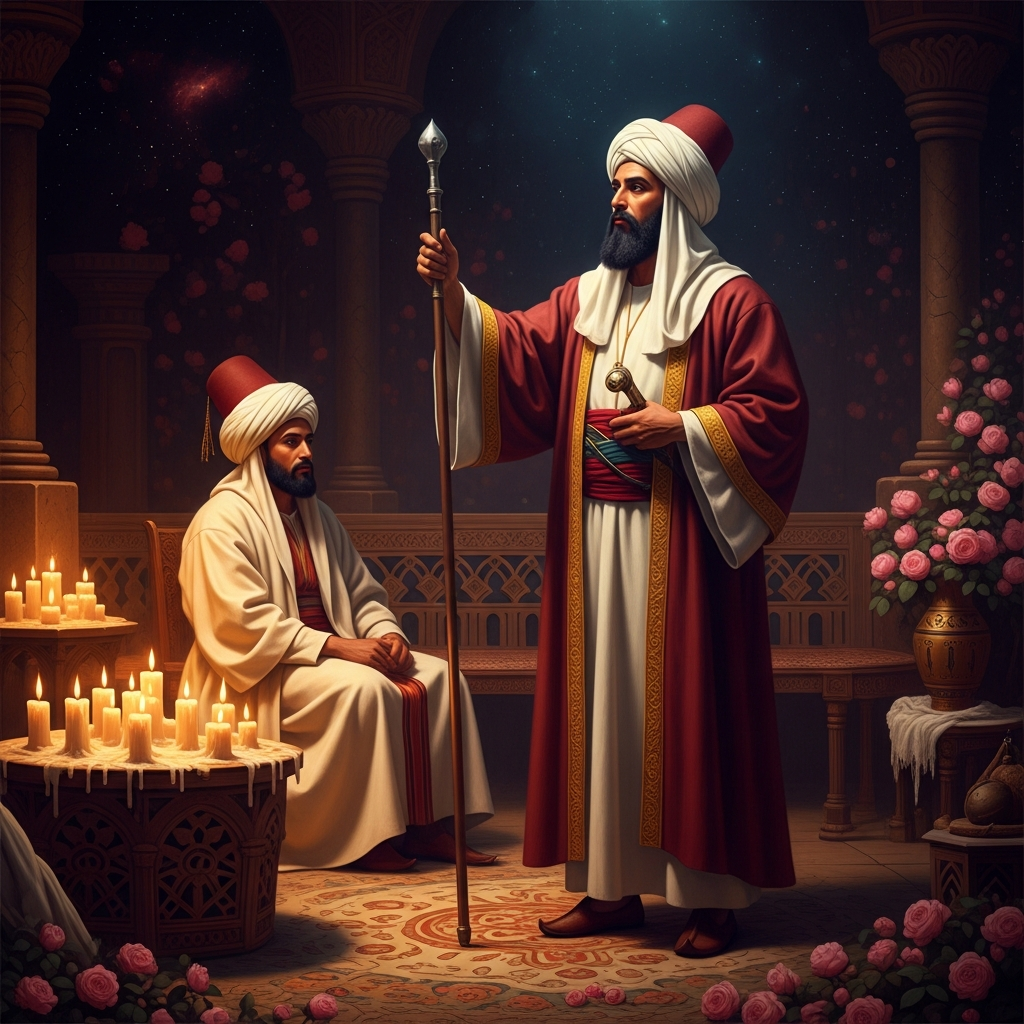
Shihab al-Din Suhrawardi has been in Aleppo for several years under the patronage of the Zangid prince al-Malik al-Zahir. The prince has been protective. But the religious establishment of Aleppo — the Sunni jurists and theologians who see in Suhrawardi’s eclectic philosophy a serious threat to orthodox Islamic thought — have been building a case against him. Saladin, the great sultan who now rules the broader Syrian-Egyptian empire, receives the petition. He asks his son al-Malik al-Zahir to take action.
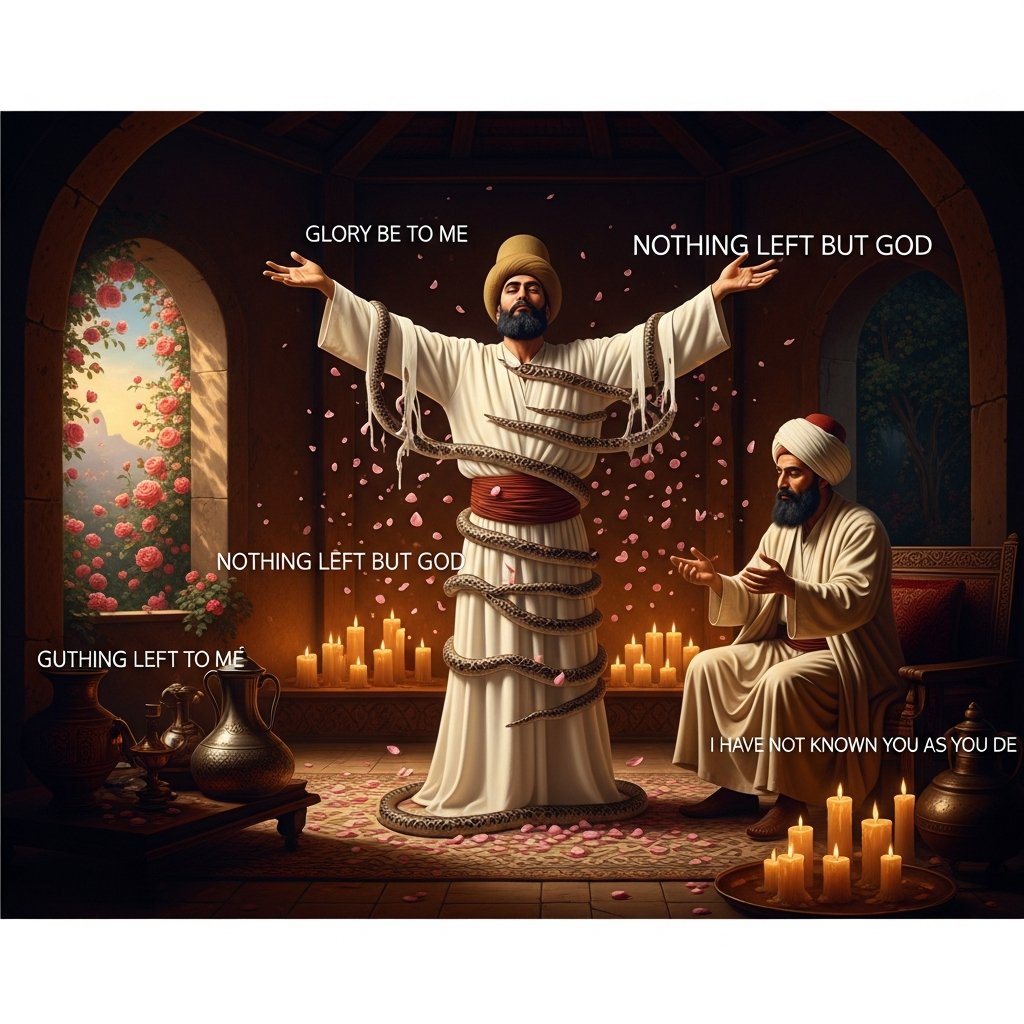
Suhrawardi is arrested. The charges are: claiming prophetic-level inspiration, mixing Islamic theology with the ancient Zoroastrian wisdom he calls Hikmat al-Ishraq, undermining the distinction between prophet and philosopher. He argues in his own defense. He is not persuasive enough. He is executed in 1191.
His Philosophy of Illumination survives, circulates, and influences every major Iranian philosopher for the next eight centuries.
The central claim is about light.
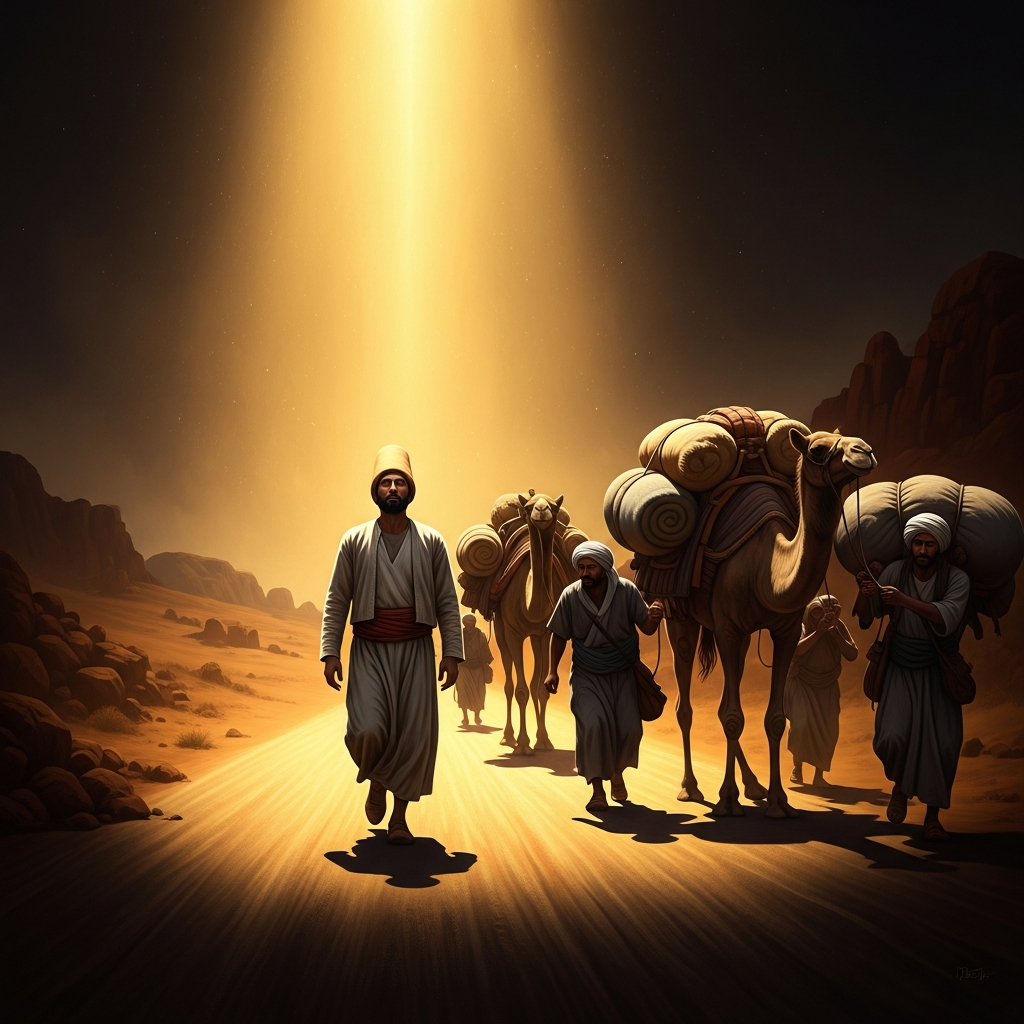
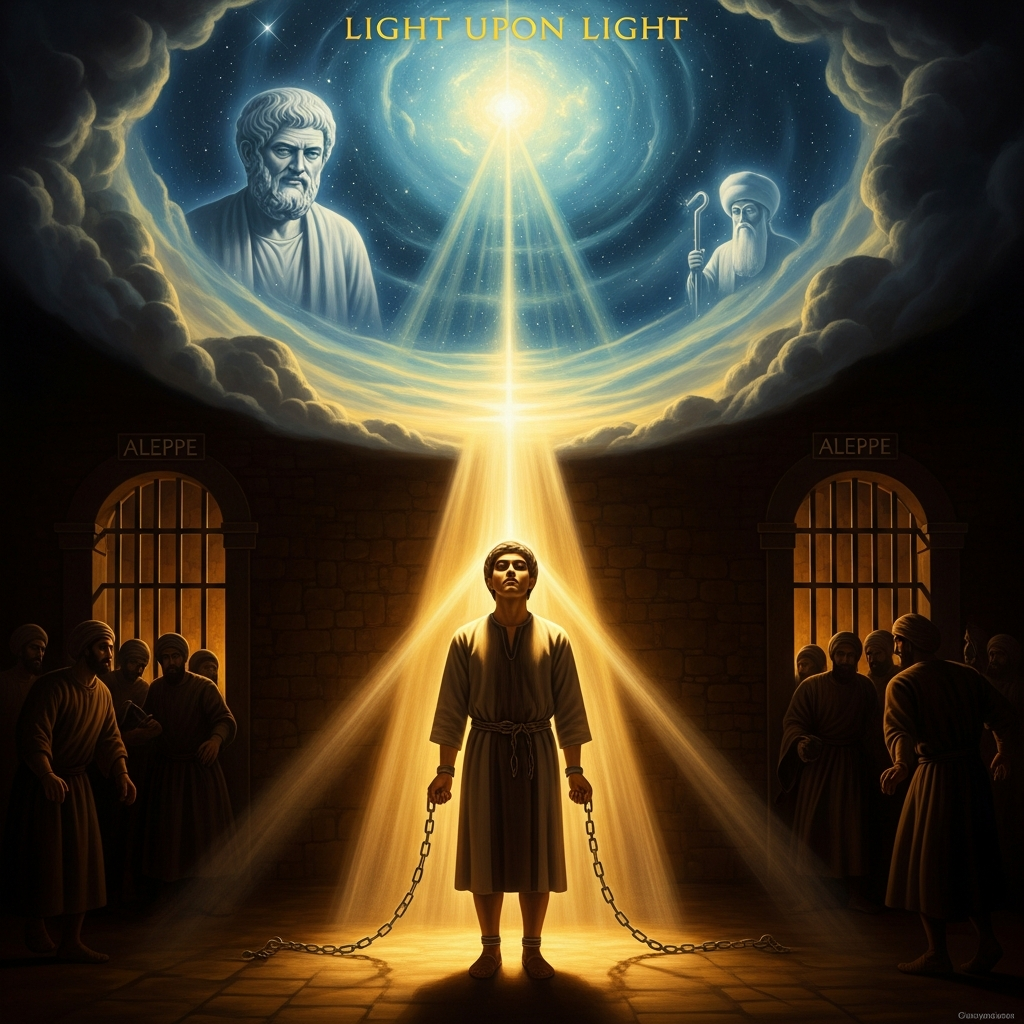
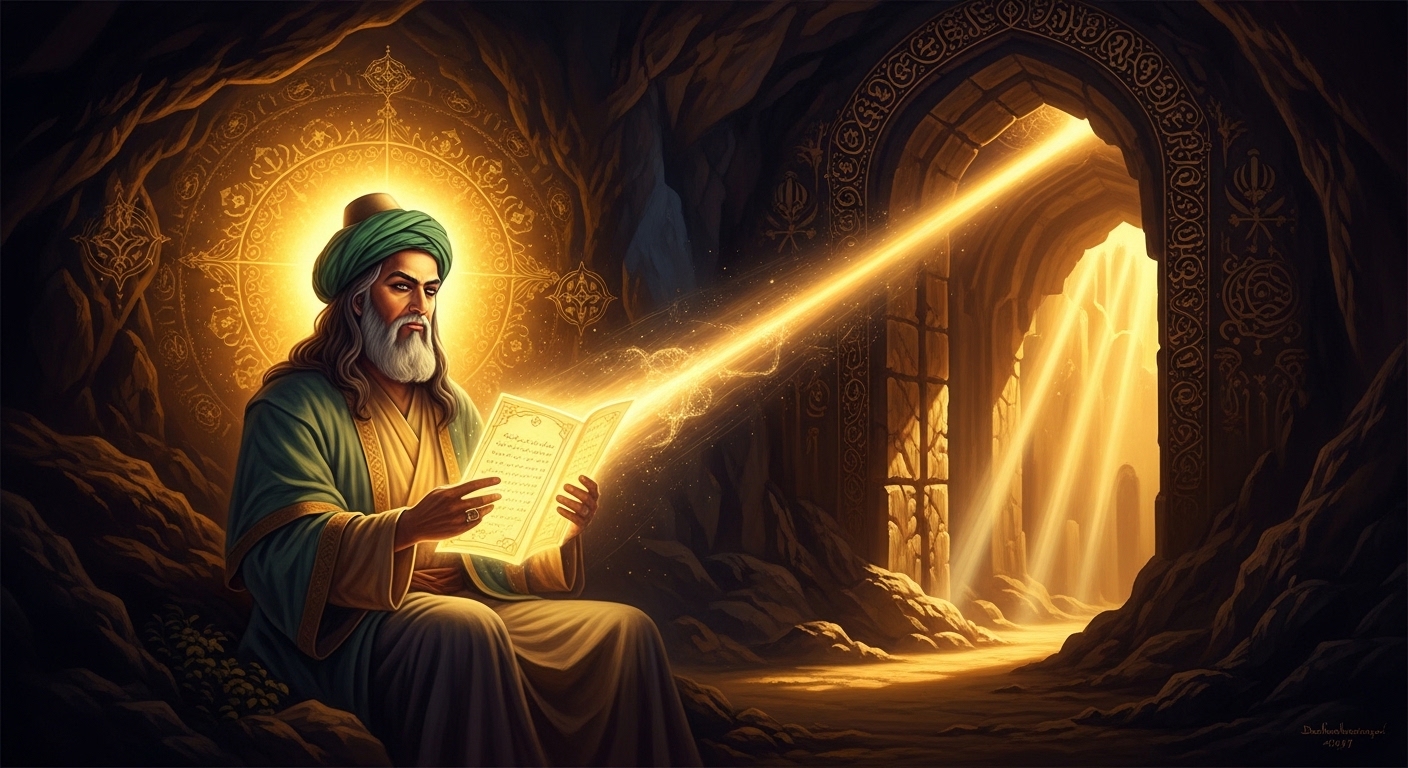
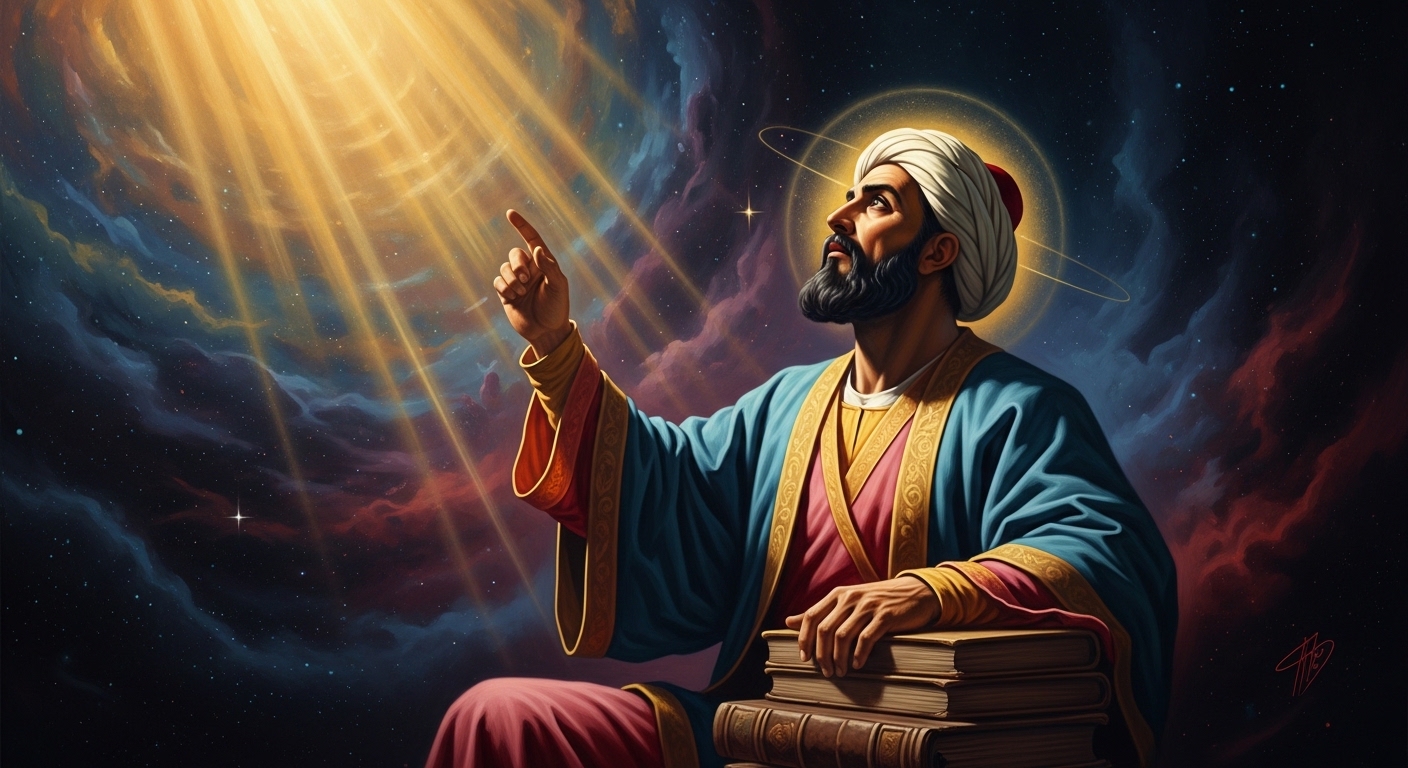
Not light as metaphor — though it is also that. Light as the metaphysical organizing principle of reality. Suhrawardi argues: the fundamental nature of reality is not substance in the Aristotelian sense, not matter and form. Reality is light. Everything that exists is light at some degree of intensity. God — the Light of Lights — is the most intense light, self-subsistent, not derived from any other source. Emanating from the Light of Lights is a hierarchy of increasingly attenuated lights — the angels, the celestial spheres, the forms that govern material reality — and at the bottom of the hierarchy is darkness, which is not the opposite of light but its near-total absence.
The human being is a fragment of light trapped in matter. The material world is dense, dark, attenuating. But the human soul is oriented by its nature toward its origin in the Light. The entire project of human existence — and therefore of philosophy, and therefore of Sufi practice — is the progressive purification of the soul’s light, the removal of the material obscurations that prevent the light from returning to its source.
He recovers explicitly the ancient Iranian light wisdom.
This is the heterodox move the jurists cannot accept. Pre-Islamic Iran had sophisticated cosmologies organized around the battle between light and darkness — Zoroastrian in its canonical form, but older and more diffuse in its actual cultural presence in the regions through which Suhrawardi traveled. He reads this tradition not as a competing religion but as an anticipation of the truth that Islam also teaches: that light is divine, that the soul is a fragment of divine light, that the spiritual life is the purification of that fragment until it can return to its source.
He calls this the Hikmat al-Ishraq — the Wisdom of Illumination, or the Wisdom of the East, ishraq carrying both meanings. He is recovering a wisdom he believes was always there, carried by the Iranian philosophical tradition alongside the Greek tradition, which together with Islamic revelation constitute the full toolkit for understanding reality.
The jurists hear: Zoroastrian. They are not entirely wrong. He is not Zoroastrian. But he is taking Zoroastrian light-metaphysics seriously in a way that the clean Islamic rejection of pre-Islamic Iranian religion does not permit.
The Philosophy of Illumination enters the Iranian intellectual tradition and stays.
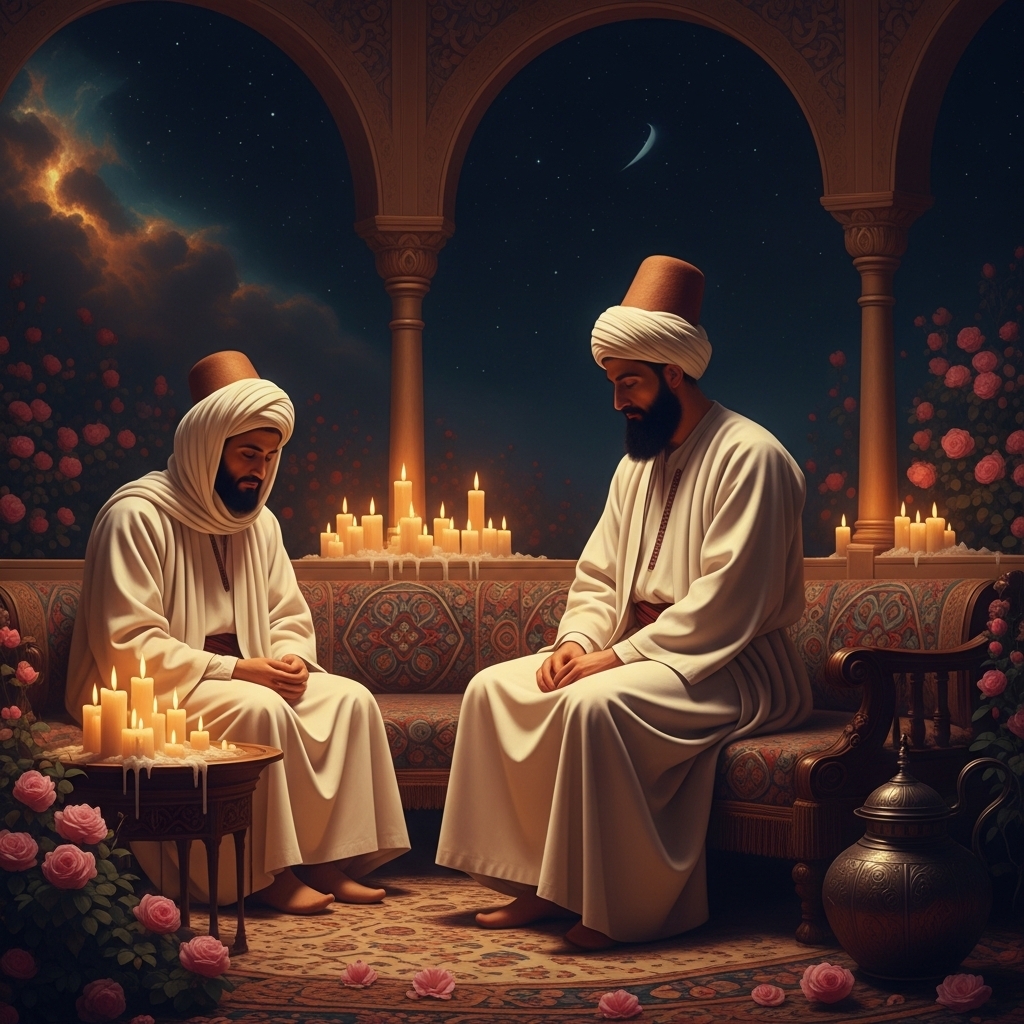
In Safavid Iran, in the sixteenth and seventeenth centuries, the school of Illuminationism becomes the dominant philosophical current — fused with Ibn ʿArabī’s mystical metaphysics and the Shia theology of the imams to produce the hikma ilahiyya, the divine philosophy, of Mulla Sadra. Mulla Sadra’s Transcendent Wisdom (Hikmat-i Muta’aliya) is unthinkable without Suhrawardi’s framework.
The tradition that Suhrawardi founded by dying for it survived in Iran as a living philosophical current for eight hundred years — a current that is still active in the Iranian philosophical and theological seminaries today.
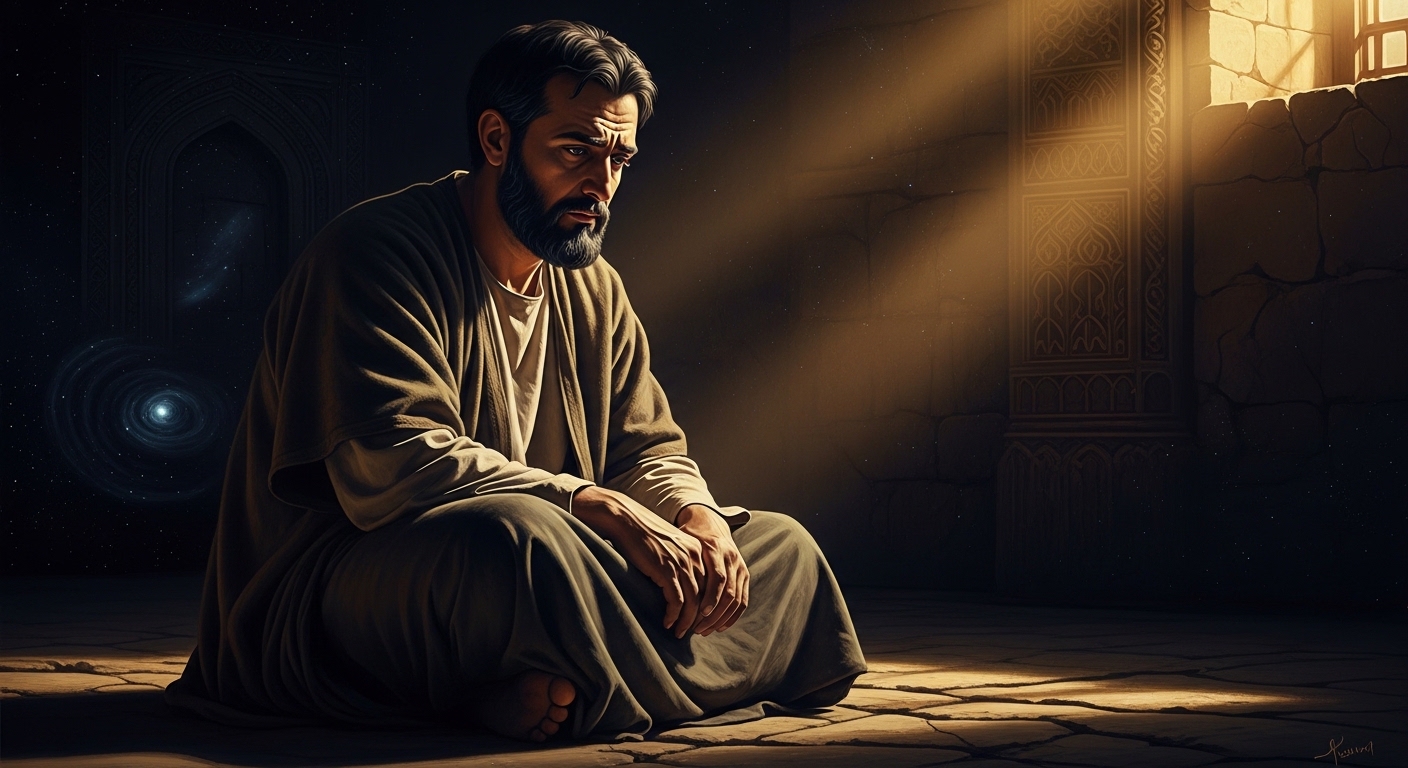
The philosopher who argued that light is the fundamental nature of reality died at thirty-six in a Syrian prison.
The light he described outlasted the darkness that put him there.
Scenes
Echoes Across Traditions
Entities
- Shihab al-Din Suhrawardi
- Saladin (whose son ordered the execution)
- Ibn Rushd (Averroes, his contemporary)
Sources
- Shihab al-Din Suhrawardi, *Hikmat al-Ishraq* (Philosophy of Illumination), trans. John Walbridge and Hossein Ziai (BYU Press, 1999)
- Henry Corbin, *Suhrawardi d'Alep fondateur de la doctrine illuminative* (Paris, 1939)
- John Walbridge, *The Leaven of the Ancients: Suhrawardi and the Heritage of the Greeks* (SUNY, 2000)
- Seyyed Hossein Nasr, *Three Muslim Sages* (Harvard, 1964)