Combat Profile
Treasury of Earth
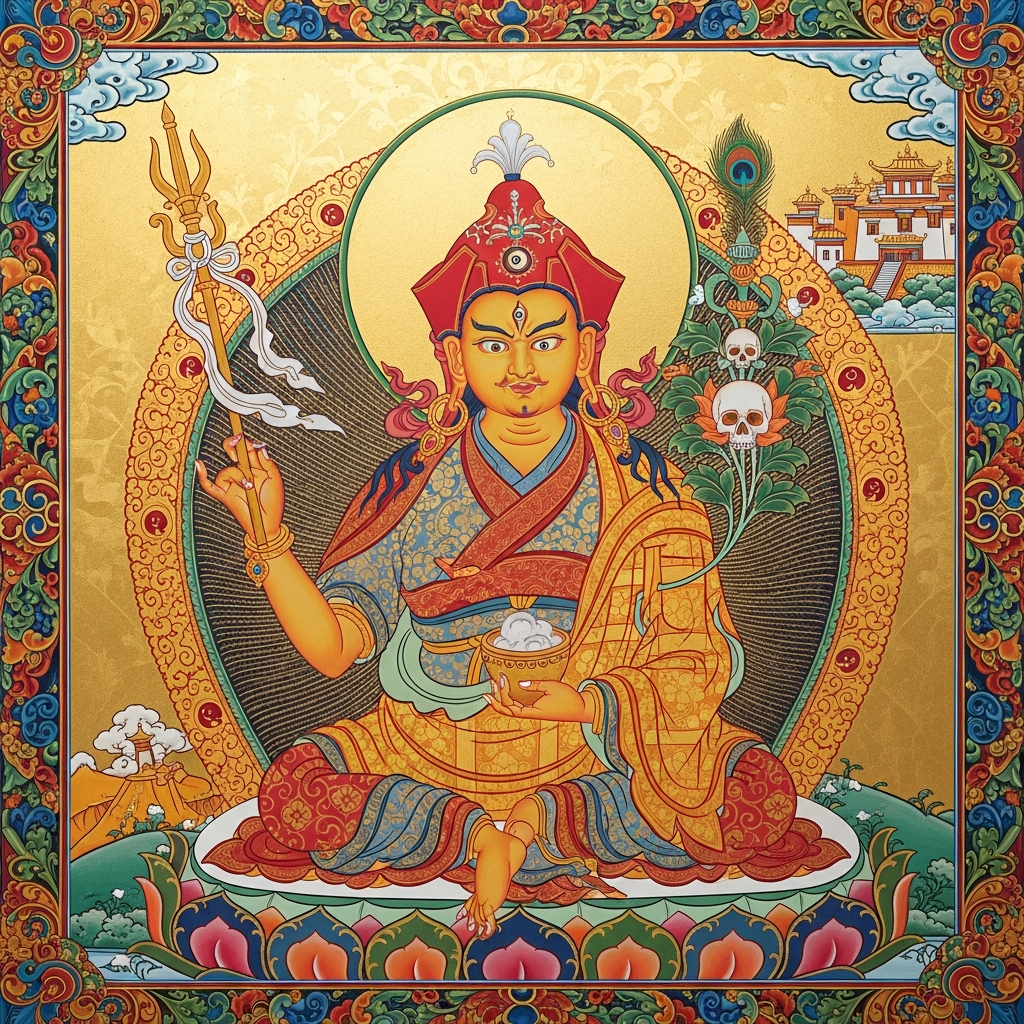
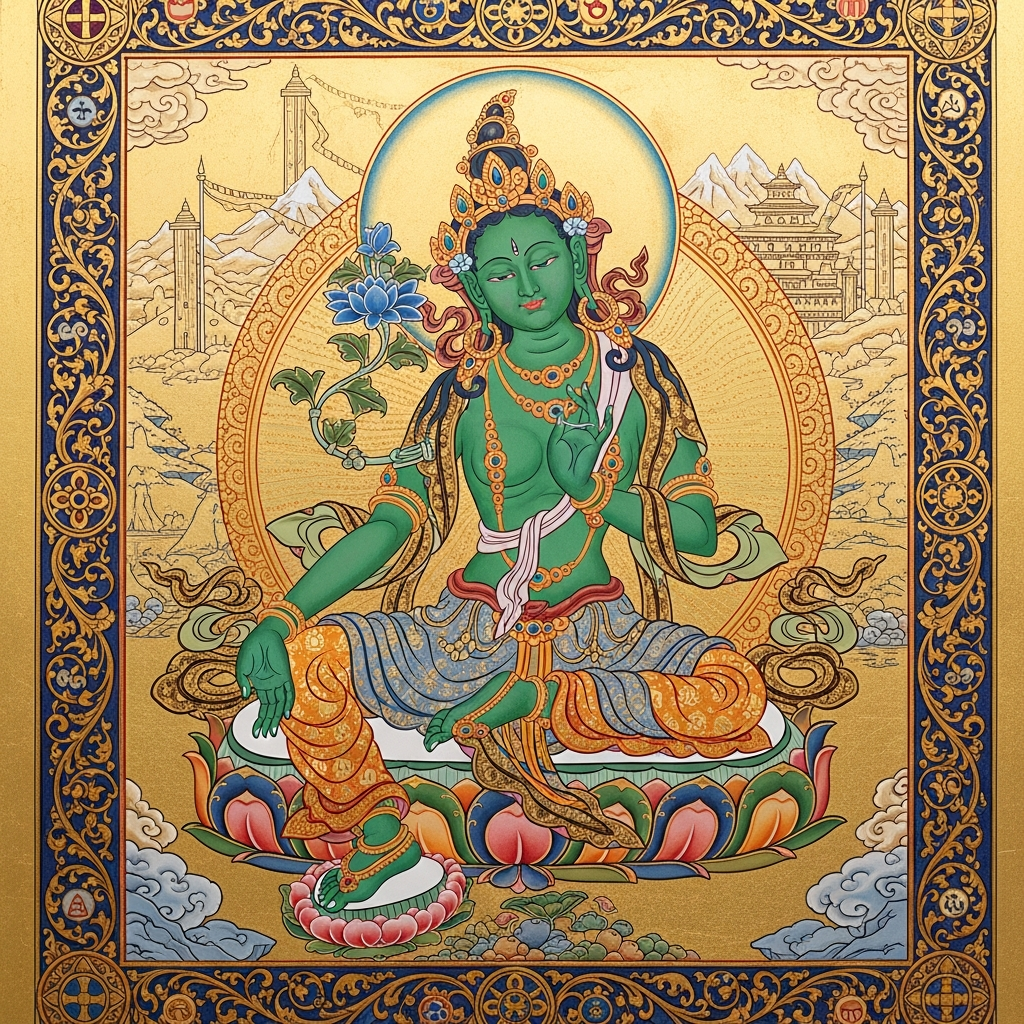
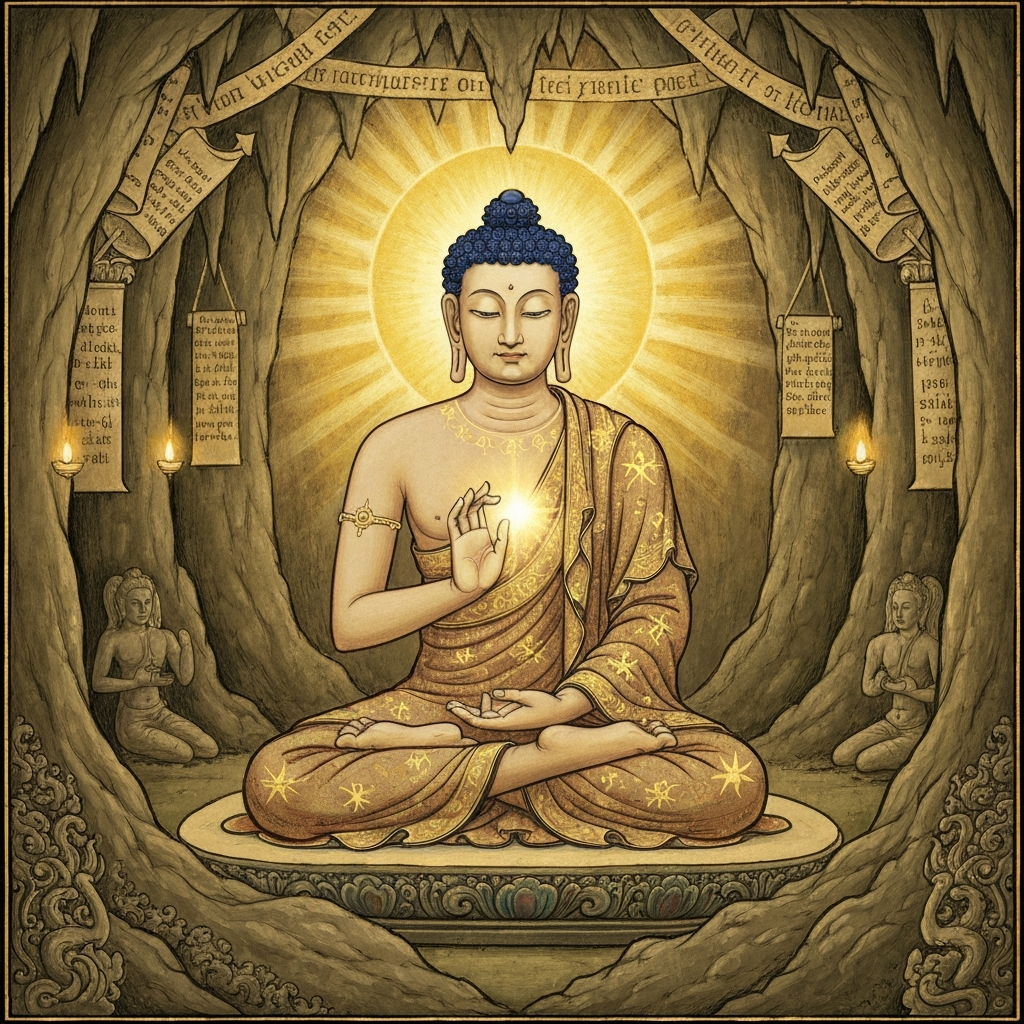
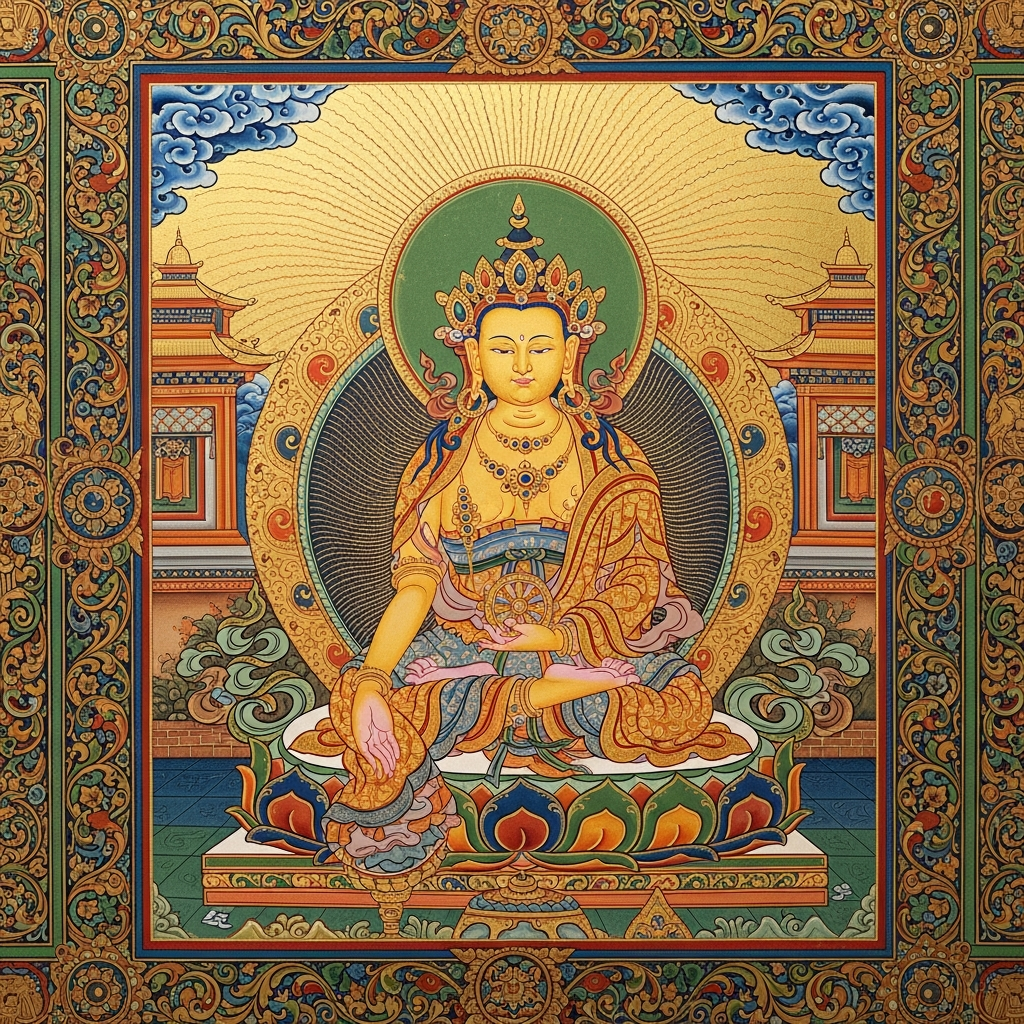
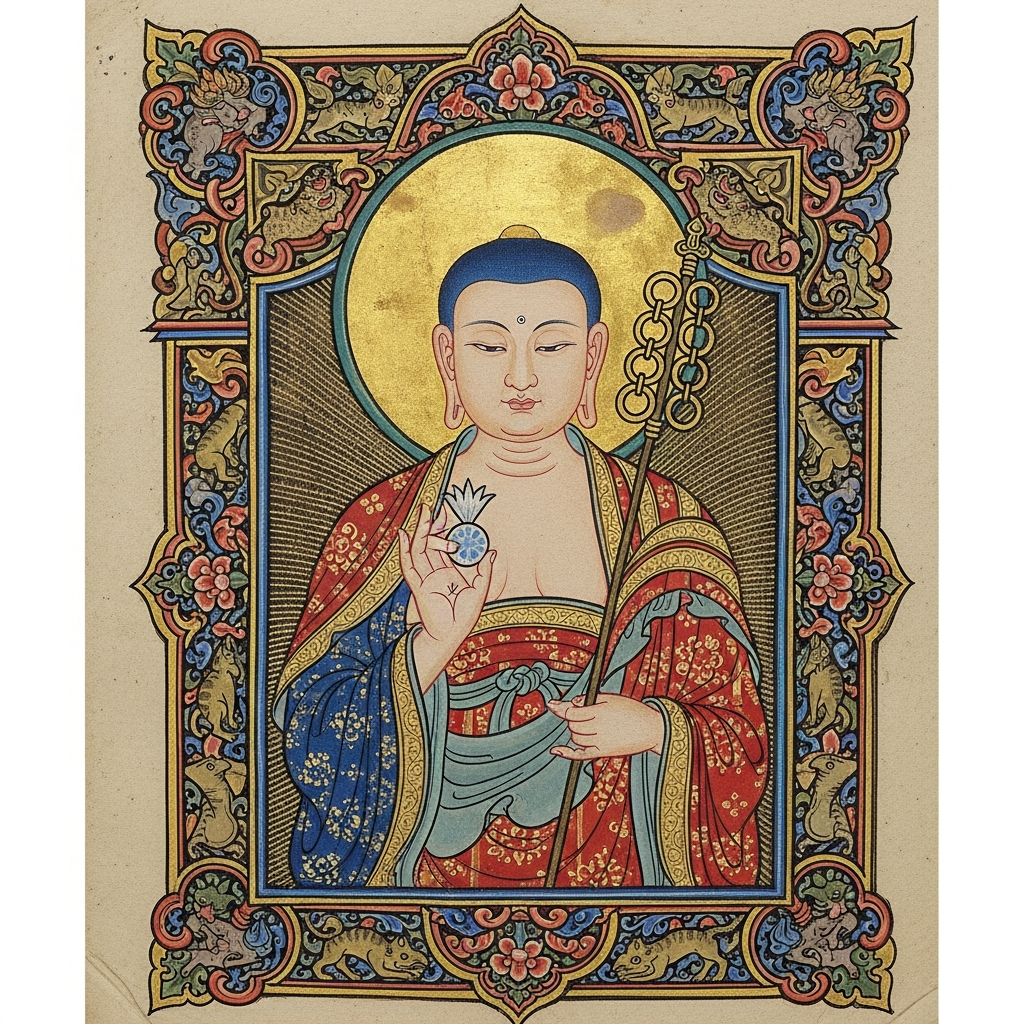
Ksitigarbha opens the vaults of compassion to liberate all beings trapped in hell realms, granting temporary resurrection and karmic cleansing to fallen allies.
Infinite Compassion
Ksitigarbha's presence reduces suffering; all allies gain protection from death effects and restored faith each turn while the Bodhisattva remains in service.
Ksitigarbha made the most audacious vow in Buddhist cosmology: “Not until the hells are emptied will I become a Buddha. Not until all beings are saved will I achieve Bodhi.” He willingly enters the most terrible hell realms — where beings are boiled in molten metal, crushed between mountains, frozen in infinite ice — to teach the dharma to those who suffer there and lead them to liberation.
In Japan, Ksitigarbha is known as Jizo and has become one of the most beloved figures in Japanese Buddhism. Small stone Jizo statues appear along roadsides, in graveyards, and at temples throughout Japan. Jizo is the particular protector of mizuko — the souls of children who died before their parents, including miscarried and aborted children. Parents dress Jizo statues in tiny red bibs and caps, leave toys and pinwheels, and pray for Jizo to guide their lost children through the underworld. It is one of the most poignant devotional practices in any world religion.
The Christian parallel — the Harrowing of Hell — is exact in structure: In the Apostles’ Creed, Christ “descended into hell” between his crucifixion and resurrection. The medieval tradition of the Harrowing of Hell (drawn from the Gospel of Nicodemus / Acts of Pilate) describes Christ breaking down the gates of hell, binding Satan, and liberating the righteous dead — Adam, Eve, the patriarchs, the prophets. Ksitigarbha does the same, but his mission is not limited to the righteous: he goes to save EVERYONE, including those whose karma sent them to the lowest hells. And his mission never ends.
The patron saint parallel: Jizo functions in Japanese devotion exactly as patron saints function in Catholic devotion — a specific heavenly figure with a specific domain (travelers, children, the dead) to whom one offers specific prayers and offerings. The structure of intercession is identical.
“If I do not go to hell, who will go to hell?” — Ksitigarbha Bodhisattva
2 min read
Ksitigarbha Bodhisattva Purvapranidhana Sutra; Dazhidu Lun