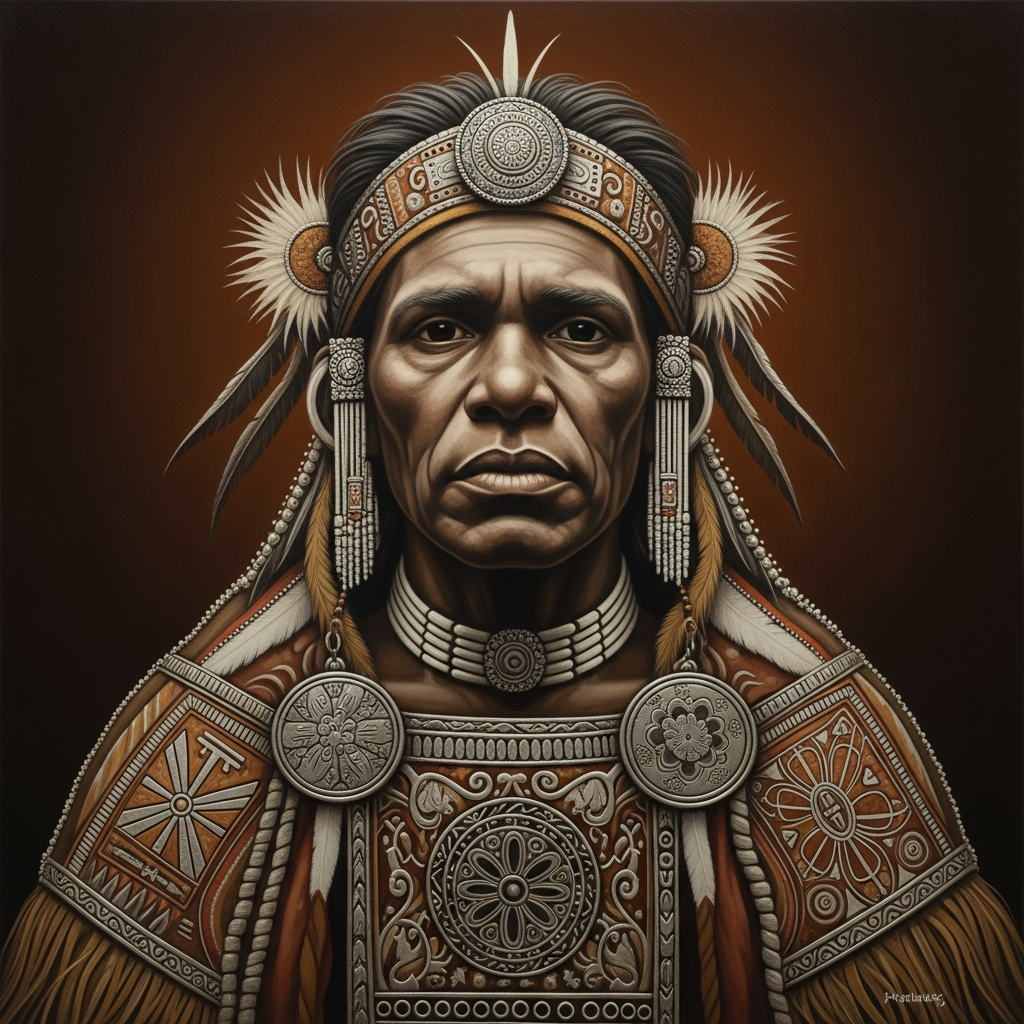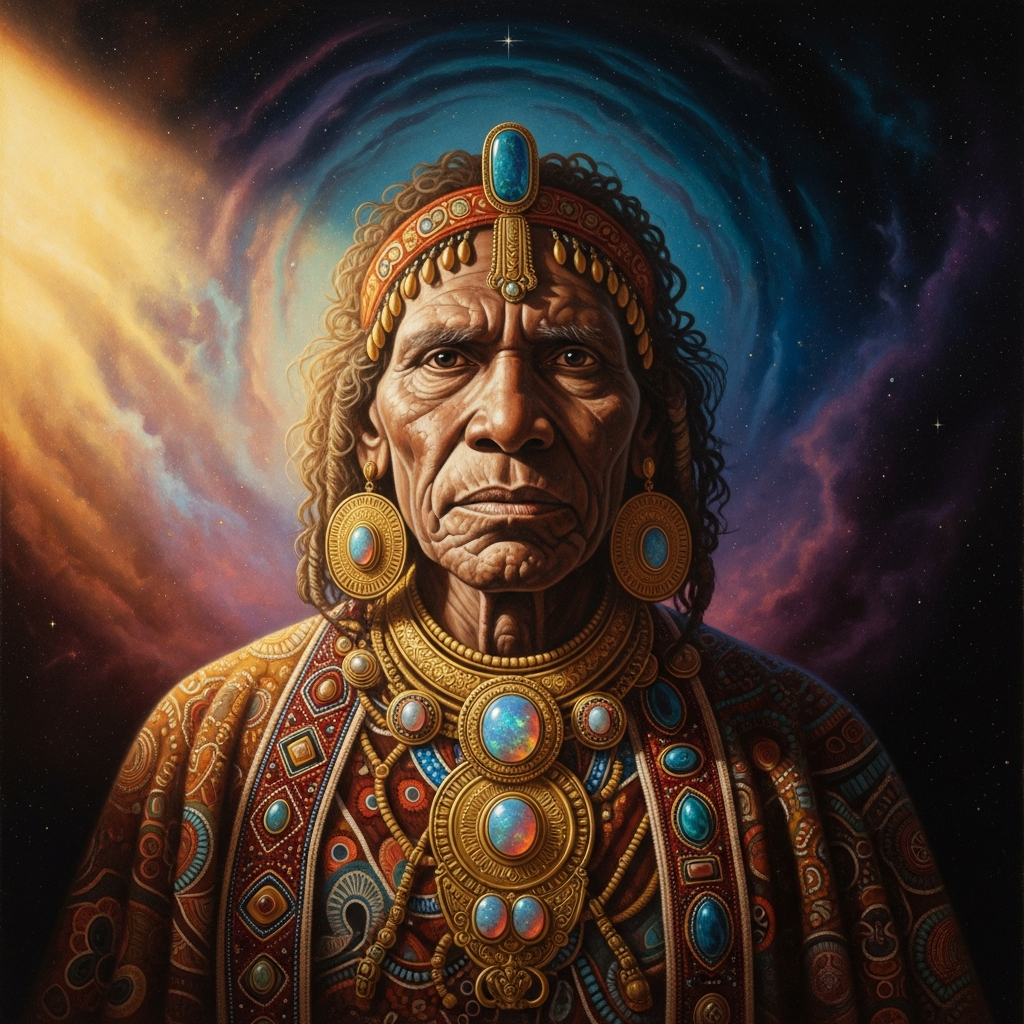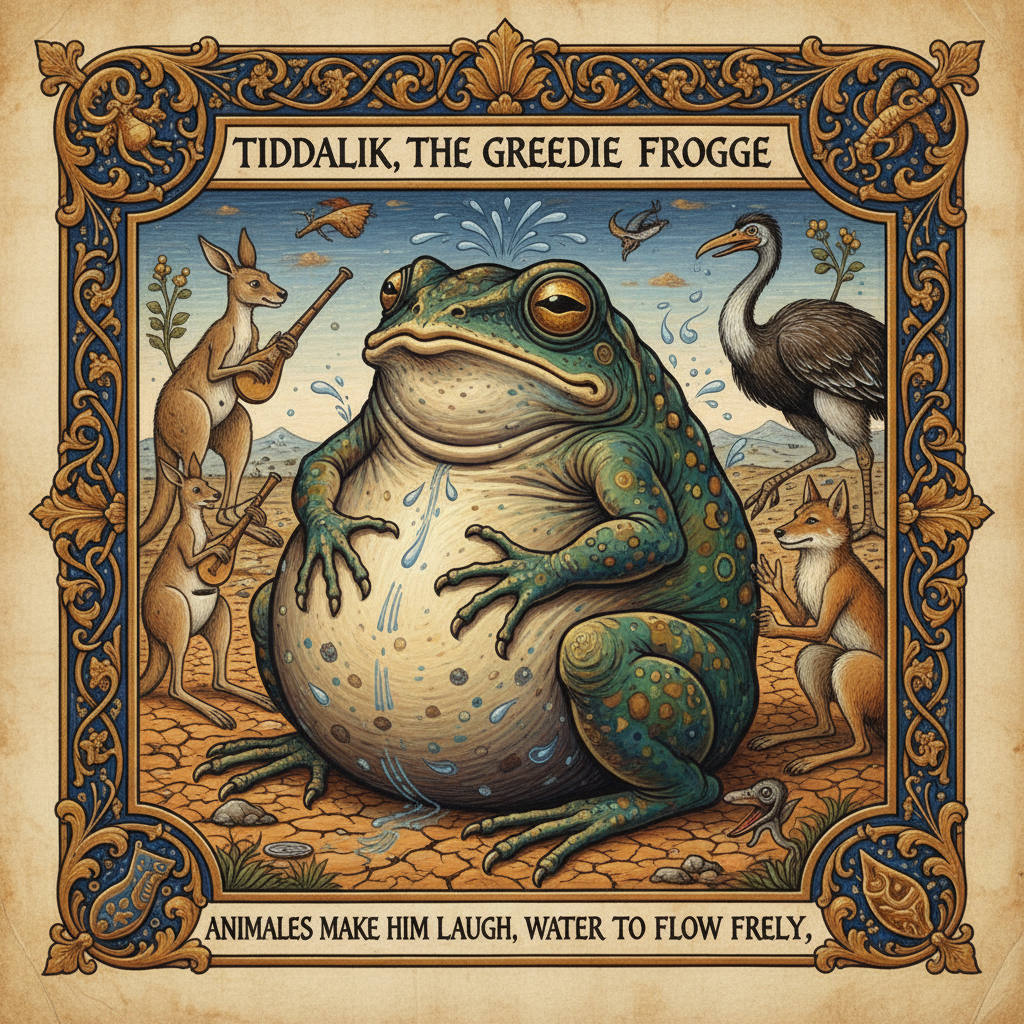
Combat Profile
Deluge of Consequence
Tiddalik releases all hoarded waters in a catastrophic flood that devastates the land, teaching mortals the price of greed through drowning ruin.
Cosmic Glutton
Tiddalik's presence drains all nearby water sources into their being; the more they consume, the more unstable and dangerous reality becomes around them.
Laughter. He cannot hold the water if he laughs. The solution to cosmic crisis is comedy
“And Tiddalik drank. He drank the rivers and the lakes and the waterholes and the puddles. He drank until there was no water left in the world. And then he sat there, enormous, and said nothing.”
Lore: Tiddalik is one of the most widely known Dreamtime stories, in part because it is one that has been broadly shared by Aboriginal communities for educational purposes. It is a story told to children, but like all Dreamtime stories, it operates on multiple levels simultaneously.
Tiddalik was a frog of enormous size. One day, he woke with an insatiable thirst and began to drink. He drank the rivers. He drank the lakes. He drank the billabongs and the waterholes and the morning dew. He drank until every drop of fresh water in the world was stored inside his impossibly swollen body, and the land was dry, and the animals were dying. The animals gathered in council. They tried to reason with Tiddalik. They tried to threaten him. Nothing worked. He just sat there, bloated and immovable, indifferent to the suffering around him.
Then Nabunum the eel had an idea. He began to dance. He twisted and contorted his body into shapes so ridiculous, so absurd, so grotesque, that the other animals began to laugh. And Tiddalik — try as he might — could not hold back. His mouth twitched. His belly shook. And then he laughed, a great booming laugh, and all the water came flooding out, refilling the rivers and the lakes and the waterholes, and the world was restored.
Parallel: Flood and drought narratives exist in virtually every tradition — Noah (Hebrew), Utnapishtim (Mesopotamian), Deucalion (Greek), Manu (Hindu), Nu’u (Hawaiian). But Tiddalik is unique in the global canon in one extraordinary respect: the solution is humor. In every other flood/drought narrative, the crisis is resolved through divine intervention, sacrifice, righteousness, or violence. In the Aboriginal version, it is resolved through comedy. The eel dances. The frog laughs. The world is saved. This is not trivial. It encodes a profound philosophical position: that laughter, community, and the refusal to take oneself too seriously are legitimate responses to existential crisis. It also encodes an ecological lesson about water hoarding that is brutally relevant to modern Australia.
The story also functions as a moral teaching about greed. Tiddalik is not evil. He is not a demon. He is greedy, and his greed has consequences for everyone. The solution is not punishment but persuasion. He is not killed or exiled. He is made to laugh, and in laughing, he releases what he had no right to hoard. The rehabilitation of the offender through community action rather than punitive violence — this is a legal and moral philosophy encoded in a frog story.
2 min read
Nabunum the eel, who danced so absurdly that Tiddalik could not help but laugh
Reed, *Aboriginal Fables*; publicly shared versions from multiple nations; widely published as a children's story with elder approval