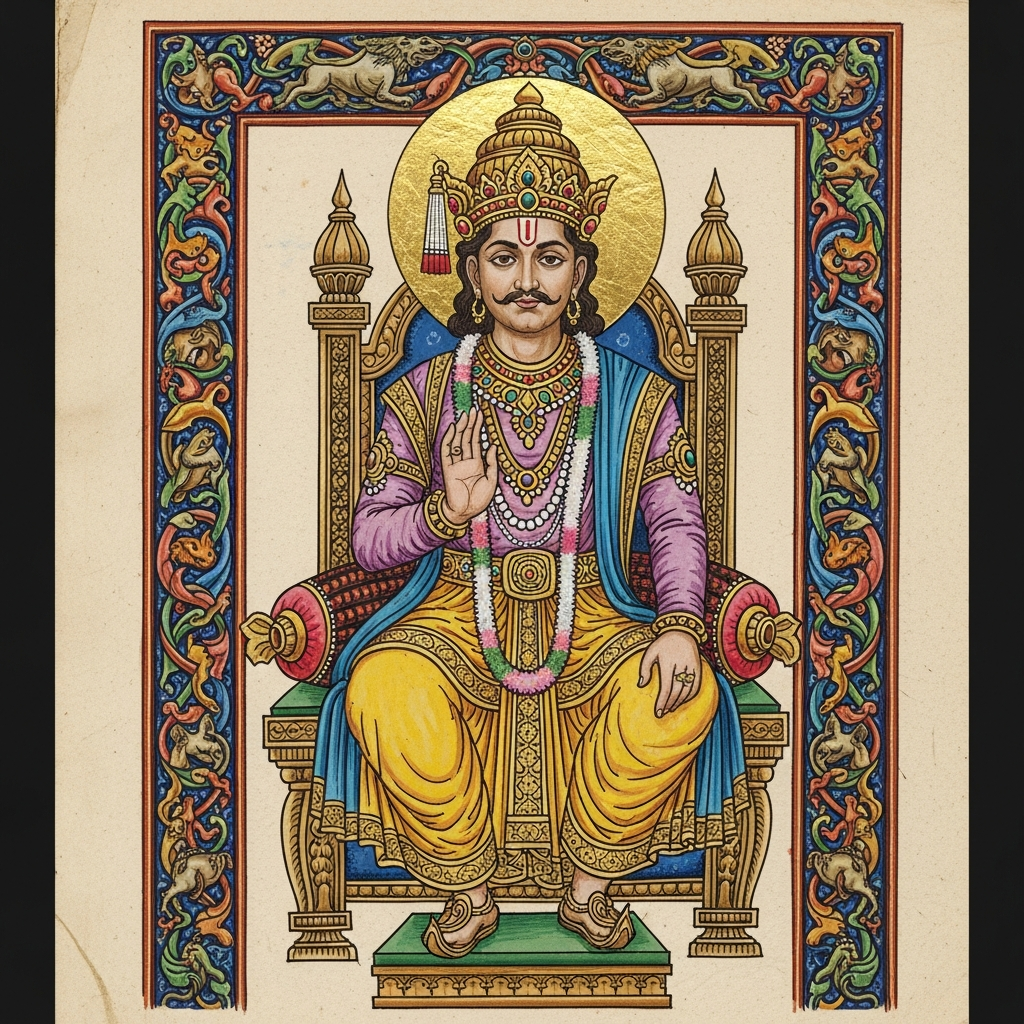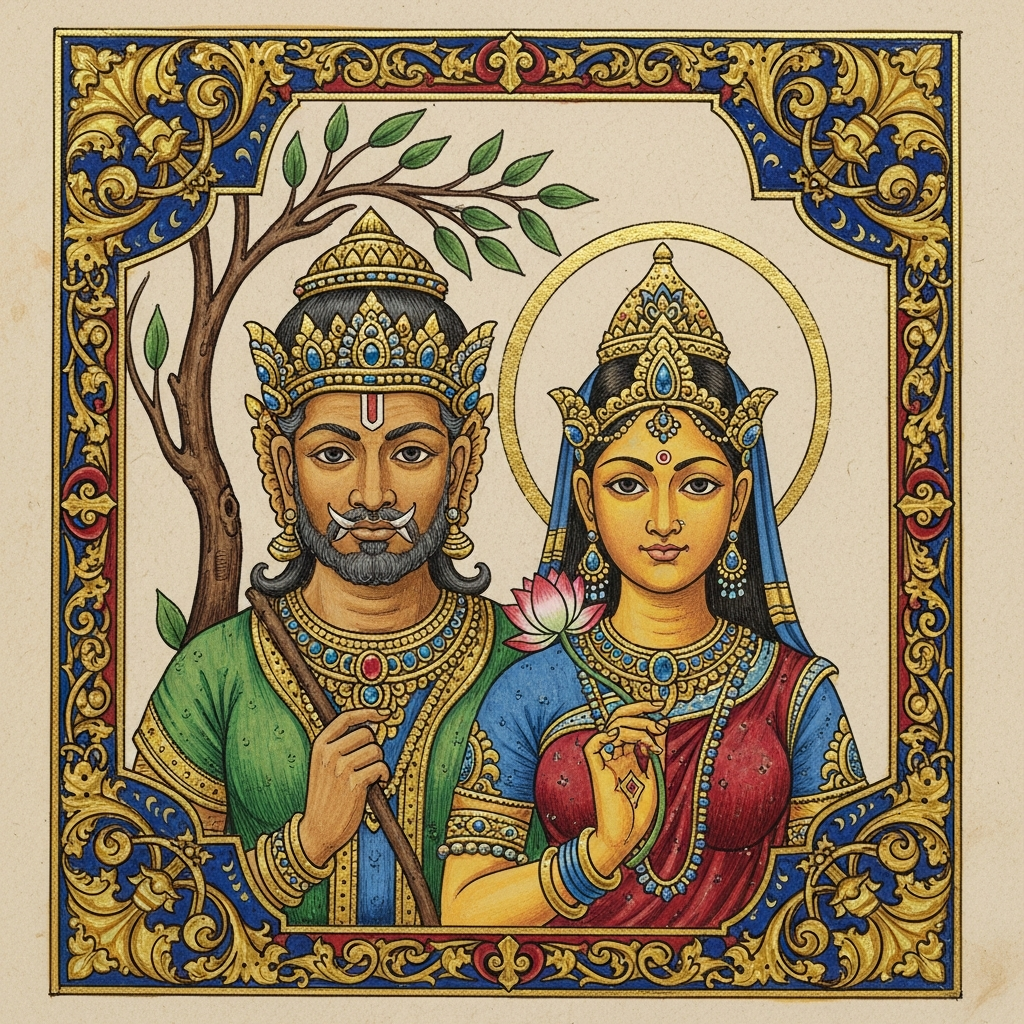
Combat Profile
Sacred Vigil
bestows divine protection upon temples and their devotees, creating an impenetrable sanctum against malevolent forces
Tirthankara's Attendant
perpetually guards Jain holy sites and enhances the spiritual merit of sincere worshippers through their presence
Still within samsara -- they have not achieved liberation; subject to the same karmic laws as all beings
“The Tirthankaras do not look down. The Yakshas guard the gate — one hand raised in protection, one holding the gift of fearlessness.”
Lore: Jainism faces a theological paradox that it addresses with elegant pragmatism. If the Tirthankaras are perfectly liberated souls beyond all engagement with the world — and they are — then they cannot be prayed to for protection, healing, rain, fertility, or any worldly benefit. And yet human beings need to pray to something that will listen and respond. The Yaksha-Yakshi tradition resolves this: each Tirthankara is attended by a pair of guardian deities who remain within samsara, who do hear prayers, and who can and do intervene in worldly affairs.
The Yaksha-Yakshi are not minor figures. Their iconography is elaborate, varied, and regionally specific. Ambika, the Yakshi of the 22nd Tirthankara Neminatha, is depicted as a mother with children and a mango branch, offering fertility and protection. Chakreshvari, Yakshi of Rishabhadeva, rides a Garuda-bird and carries a discus. Padmavati, Yakshi of Parshvanatha, is associated with serpents and is one of the most widely venerated of all Jain deities. Their temples receive active worship, offerings, and petitions in ways that the serene, unresponsive images of the Tirthankaras in the inner sanctum do not.
This creates a two-tier system that is simultaneously philosophically rigorous (the Tirthankaras are truly beyond — do not expect miracles from them) and pastorally practical (the Yakshas and Yakshis are here, they hear you, bring your need). It mirrors a similar structure in Theravada Buddhism, where the Buddha is beyond prayer but the bodhisattvas and local spirits are available.
Parallel: Guardian angels (the beings who intercede while the divine remains transcendent). Bodhisattvas in Mahayana Buddhism (beings who remain accessible within samsara to help others toward liberation, while the Buddha himself is beyond). The Catholic saints (who can intercede, while God himself is approached only through them). Temple guardians across East and Southeast Asia. The Yaksha-Yakshi are among the oldest guardian-deity traditions in India; some scholars trace the tradition to pre-Vedic fertility and spirit worship absorbed into Jain practice.
2 min read
None specified; they serve willingly as protectors
*Kalpa Sutra*; temple iconographic traditions; Paul Dundas, *The Jains*; John Cort, *Jains in the World*