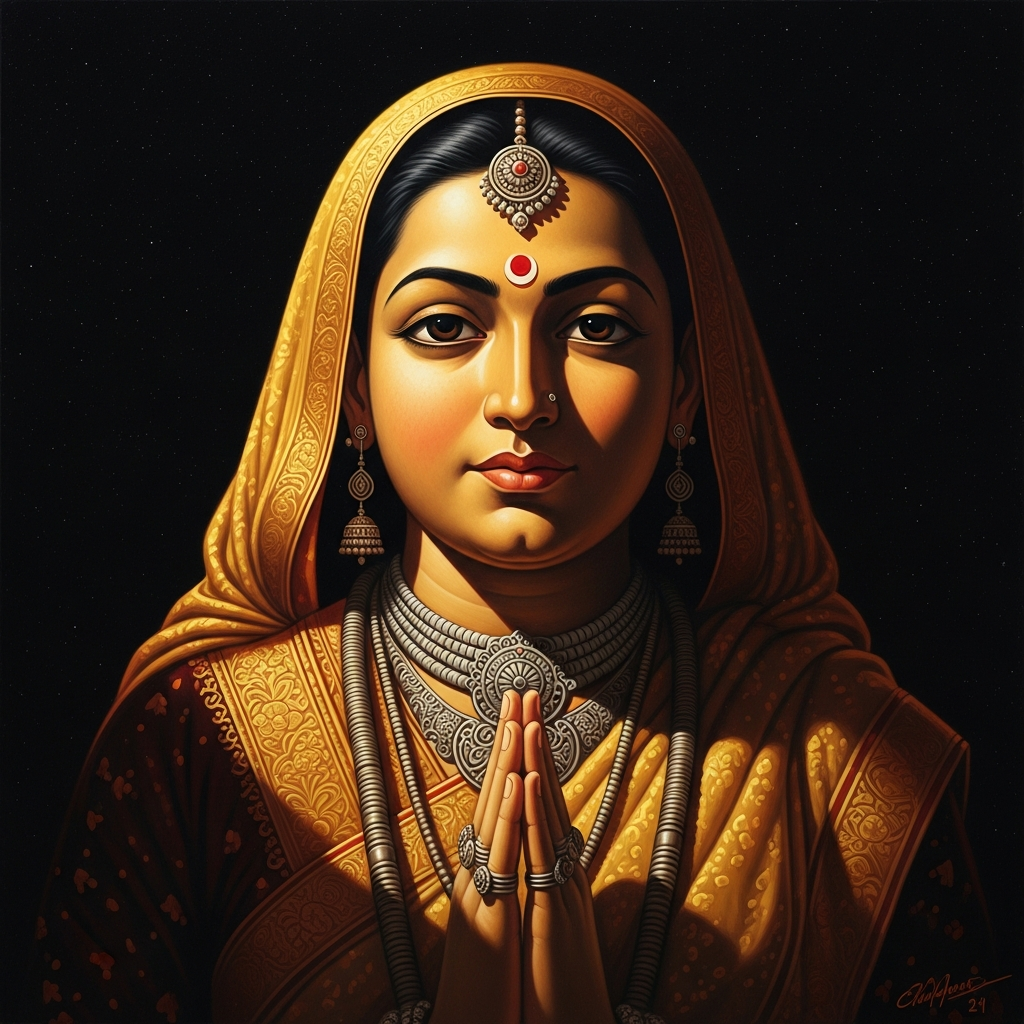
Combat Profile
Divine Fragrance
emanates sanctified sandalwood essence that purifies karma and grants visions of past lives to those who inhale it
Celestial Purity
radiates absolute non-violence and immunity to corruption, inspiring ahimsa in all beings within presence
Historical Nun | Jain
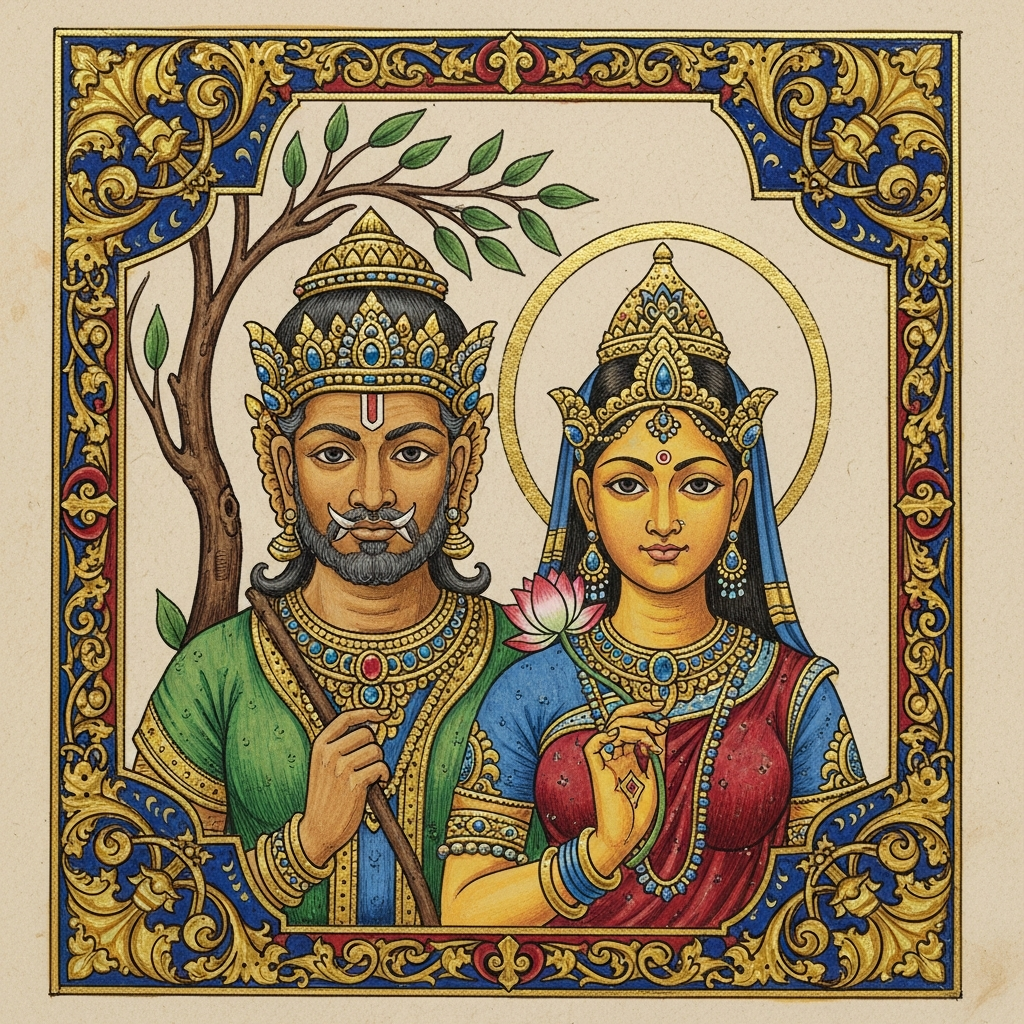
A princess sold into slavery who maintained her Jain vows even while imprisoned in chains, Chandanbala became the first Jain nun and an enduring symbol of unbreakable spiritual resolve. Mahavira had maintained a vow to break his five-month fast only under a precise set of conditions; she met them accidentally — a shaved head, chains on her feet, lentils in a sieve held in cupped hands standing at a threshold — and by accepting food from her he ended his fast and she entered the sangha. The episode is central to Jain narratives about the intersection of suffering, vow-keeping, and liberation.
Parallels: Mary Magdalene (first witness to a transformative moment; later tradition elevates her); Joseph (enslaved, maintaining integrity under captivity); Perpetua (maintaining faith under imprisonment and death). See also: Mahavira (Vardhamana), [Digambara vs Svetambara](#digambara-vs-svetambara----the-great-schism)
1 min read