Combat Profile
Cycle of Salvation
Establishes a new era of dharma where all souls can achieve liberation through proper conduct and knowledge.
First Teacher
All civilizations and arts originate from this being's guidance; mortals gain wisdom when following righteous paths.
None -- achieved total liberation
“He who taught humanity to work the earth and read the stars — the same who then showed them that even the earth and stars are not worth grasping.” — traditional Jain reflection on Adinatha
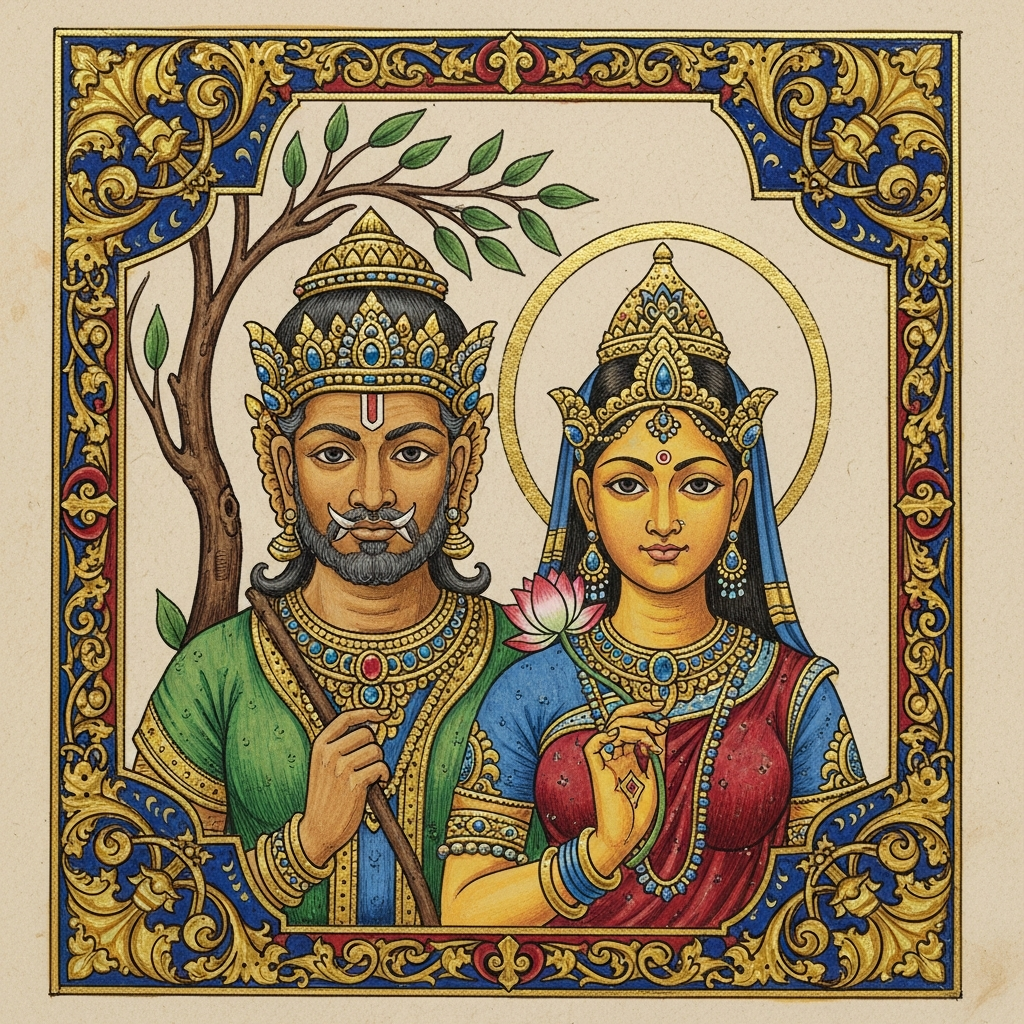
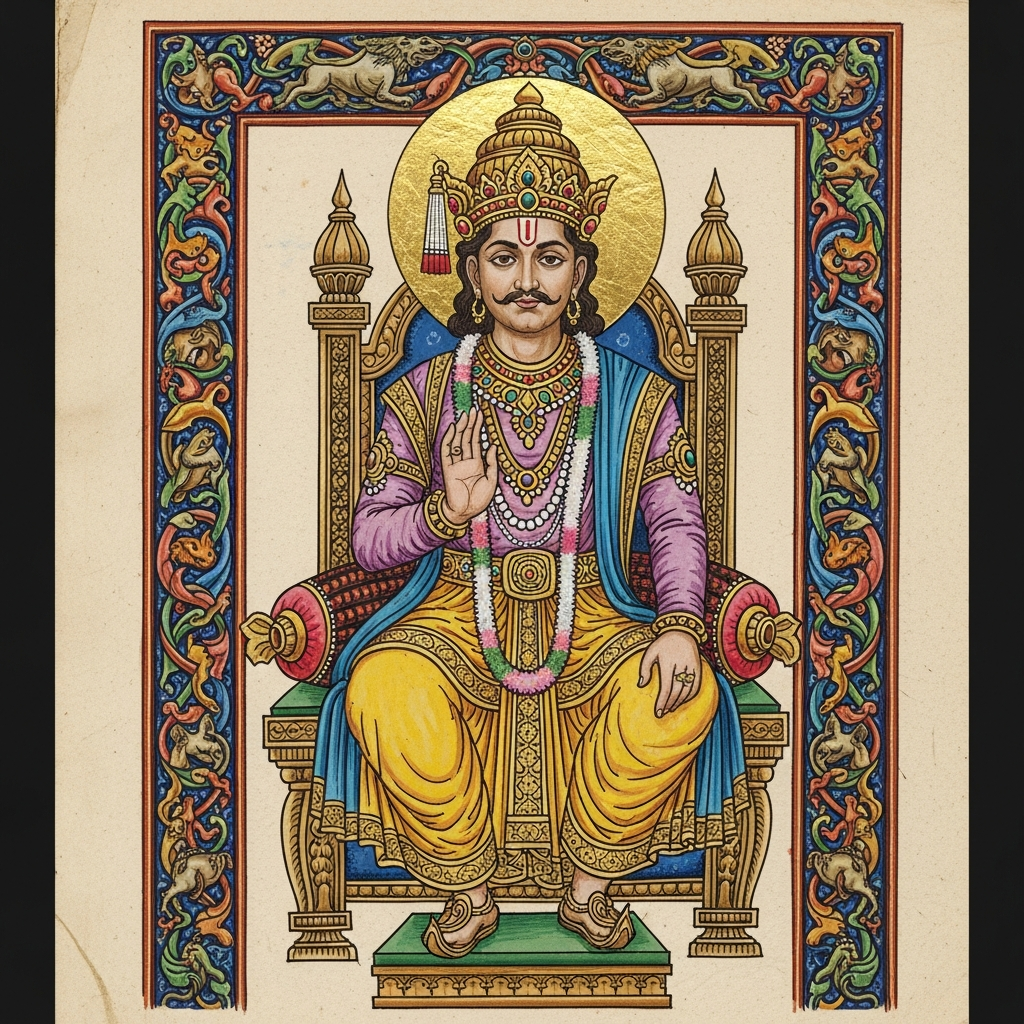
Lore: Rishabhadeva — “Lord of the Bull,” also called Adinatha, “First Lord” — is the first Tirthankara of the current cosmic cycle (avasarpini, the age of decline). He did not merely teach liberation: he taught civilization itself. In the Jain account, the earliest humans lived in a paradise of wish-fulfilling trees (kalpavrikshas) that provided all needs. As the cosmic age declined, the trees withered. Rishabhadeva’s daughter Brahmi invented the Brahmi script; his daughter Sundari invented mathematics. He himself taught the 72 arts and 64 crafts — including agriculture, animal husbandry, pottery, and cooking. He established the institutions of society before showing that society is ultimately a trap.
Then he renounced it all. He handed his kingdom to his sons (including the famous Bahubali and the legendary Bharata, from whom India — Bharatavarsha — takes its name). He wandered without possessions, achieved omniscience, and achieved final liberation atop Mount Ashtapada.
The Hindu tradition absorbed Rishabhadeva into its own cosmology: the Bhagavata Purana describes him as an avatar of Vishnu. The Jains regard this as a respectful misattribution — Rishabhadeva was not an avatar of God but something greater: a fully liberated human who had become the highest thing a being can become.
Parallel: Prometheus (who taught humanity fire and the arts; was punished for the gift; the original culture-hero). The Watchers of 1 Enoch (who taught humanity writing, metalworking, and cosmetics — though in that text the teaching is presented as the corruption of humanity, not its education). Adam (the first human, whose descendants learned agriculture and civilization). The difference from all of these: Rishabhadeva’s teaching of the arts is followed by his renunciation of them. He gave humanity everything, then demonstrated that everything must eventually be given up.
1 min read
The ignorance of nascent humanity, which he came to dispel
*Kalpa Sutra*; *Adipurana* (Jinasena); Paul Dundas, *The Jains*; also referenced in the Hindu *Bhagavata Purana* (11.2, 5.3-5.6)