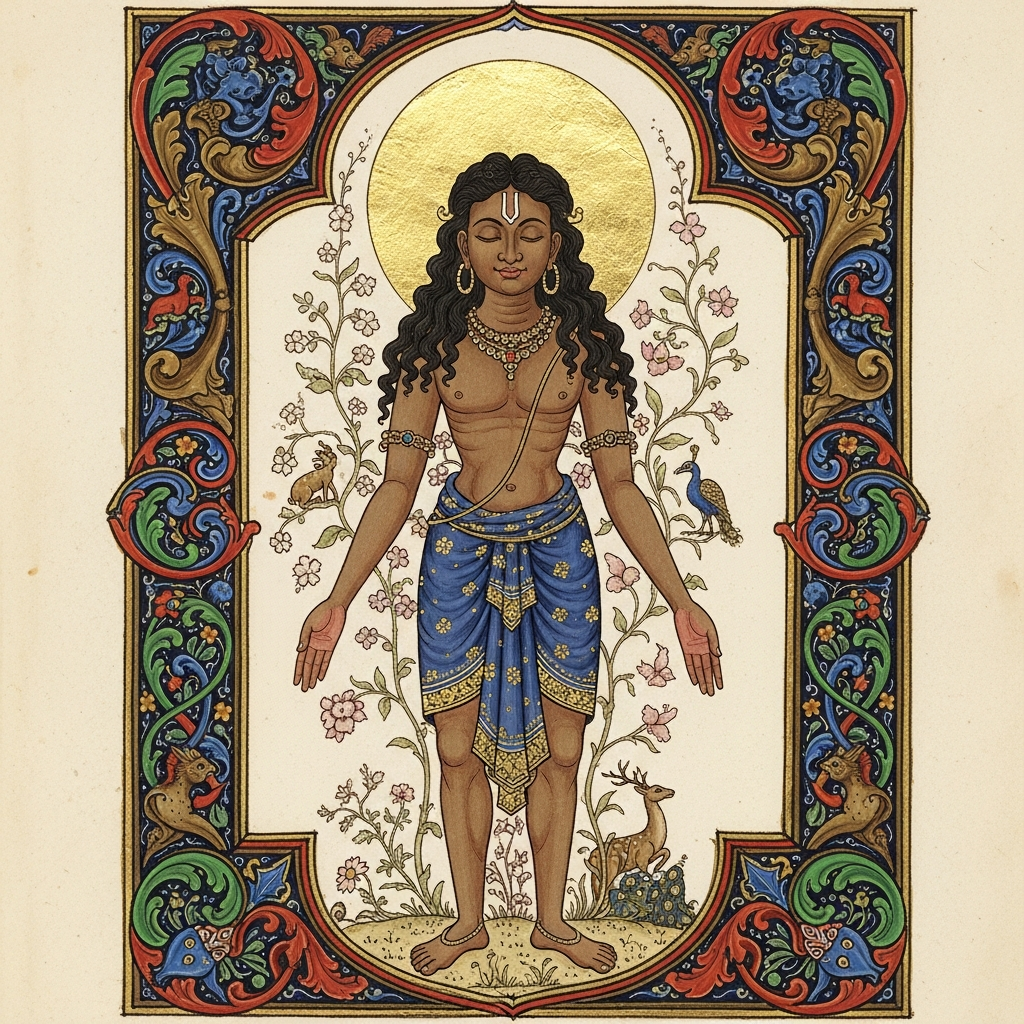
Combat Profile
Kevala Jnana
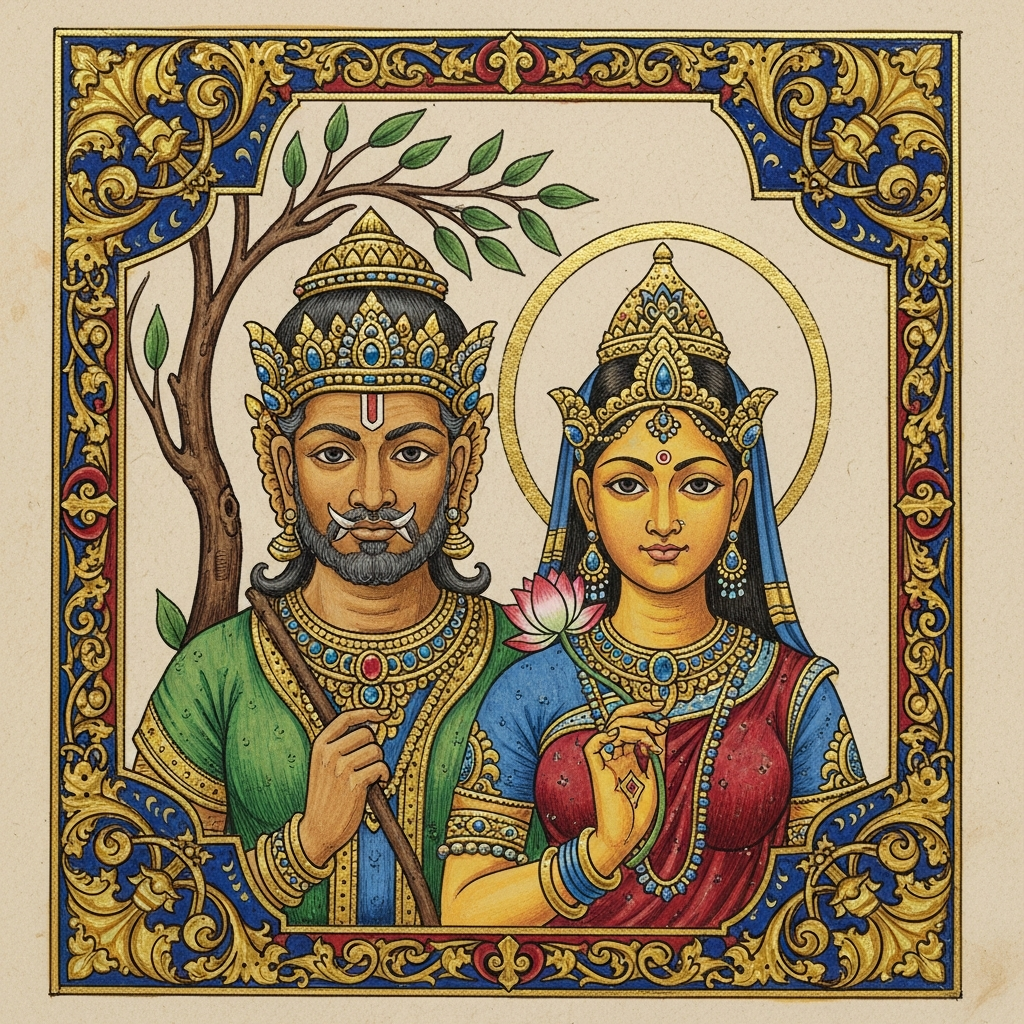
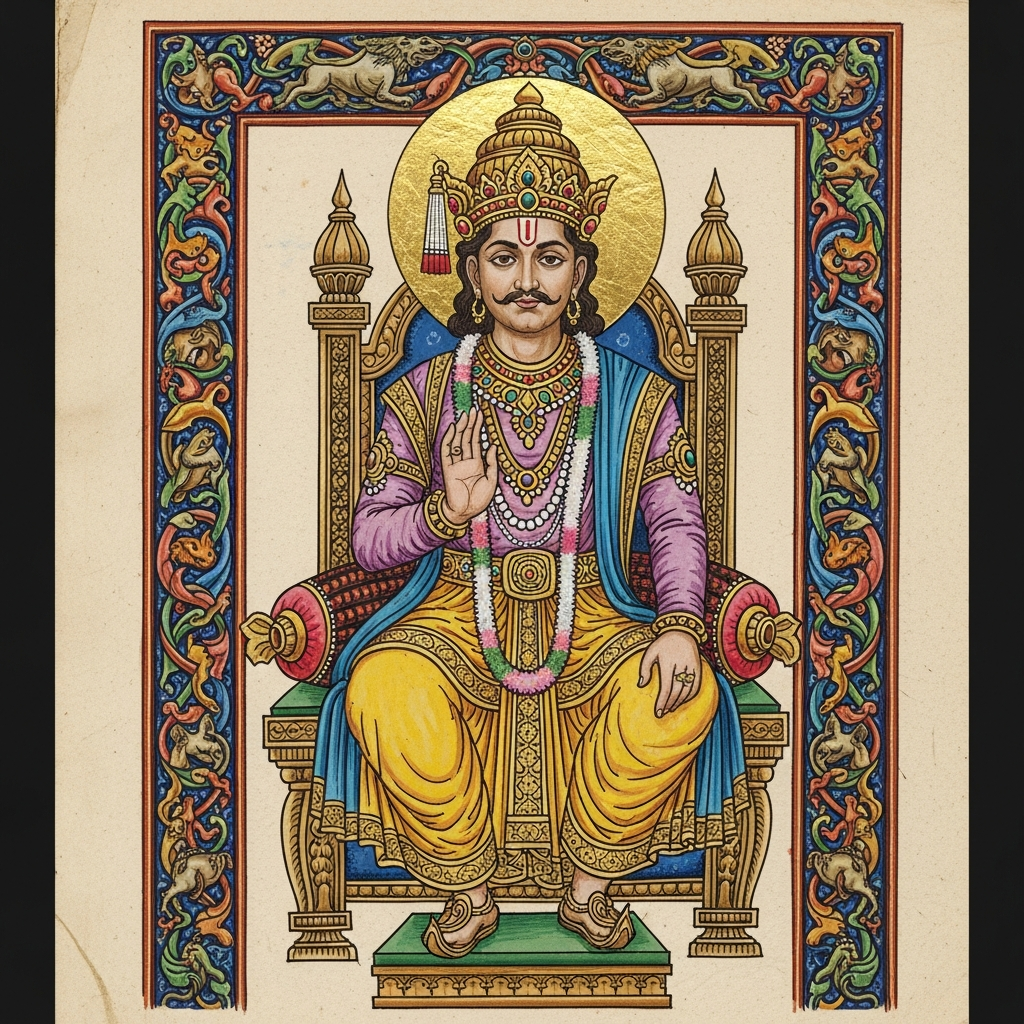
Bahubali achieves perfect omniscient knowledge, transcending all worldly illusions and granting absolute clarity to those who seek liberation.
Sallekhana Perfection
Through eternal stillness and renunciation of all ego, Bahubali radiates an aura that dissolves pride and worldly attachments in those near him.
Pride -- the last karmic particle that prevented his liberation for the entire duration of his meditation
“He stood as a mountain stands — immovable, indifferent to rain and vine and bird — and the world grew up around him, and he did not notice, and that was the point.”
Lore: Bahubali was the son of Rishabhadeva and a king in his own right. When his father renounced the throne and distributed his kingdom, Bahubali’s brother Bharata sought to consolidate all power. The two brothers agreed to resolve their dispute not through war but through three ritual contests: a staring contest, a water fight, and a wrestling match. Bahubali won all three. Then, on the verge of victory — with Bharata defeated before him — Bahubali put down his fists.
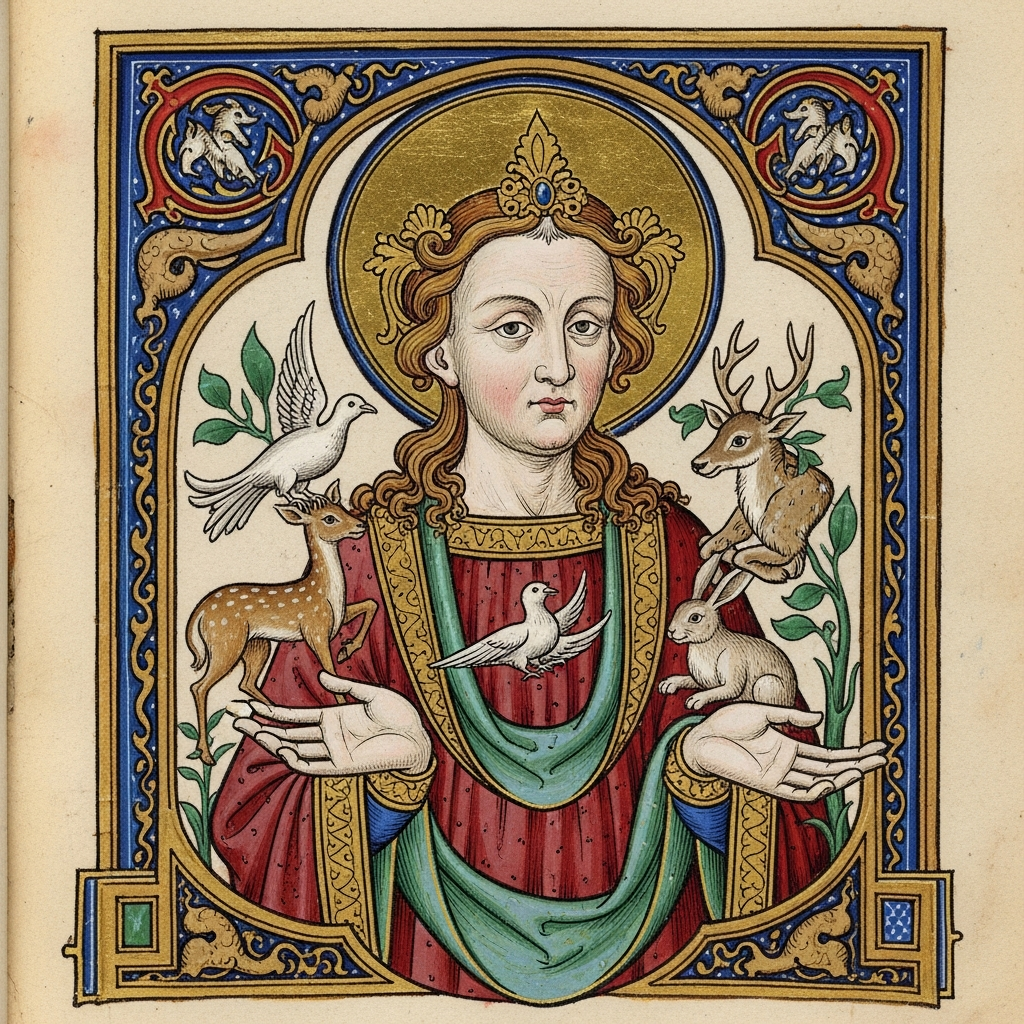
The moment of renouncing victory is depicted in Jain iconography across millennia: Bahubali’s fists lowering, his expression shifting from triumph to something vaster. He pulled out his hair by the roots (the traditional Jain act of renunciation). He stood in the kayotsarga posture — body upright, arms at his sides, completely still. He stood there for a year. Vines grew up his legs. Anthills grew at his feet. Snakes coiled around him. Birds nested in his hair. He did not notice.
At the end of the year, he had achieved omniscience — nearly. His sister-saints came to him and told him he was still holding onto something. He was standing in his own field, they said. As long as he clung even to the ground beneath his feet as “his,” karma remained. The insight broke the last particle loose. He achieved liberation.
The statue at Shravanabelagola in Karnataka (built 984 AD, 57 feet tall, carved from a single granite hilltop) is the world’s largest monolithic statue. Every 12 years, a Mahamastakabhisheka ceremony is held: thousands of pilgrims anoint the statue with milk, curds, ghee, coconut milk, sugar cane juice, sandalwood, saffron, and flowers. The last one drew three million pilgrims.
Parallel: Odin hanging on Yggdrasil for nine days to gain the runes — voluntary suffering as the price of ultimate knowledge. Jesus’ 40 days in the wilderness. Simeon Stylites standing on a pillar for 37 years. But Bahubali’s austerity is unique in its stillness: he did not fast dramatically or suffer dramatically — he simply did not move, and the world grew over him, and he waited for the last grain of pride to dissolve.
2 min read
His own ego; his brother Bharata's claim to supremacy
*Adipurana* (Jinasena); *Kalpa Sutra*; Shravanabelagola inscriptions; Paul Dundas, *The Jains*