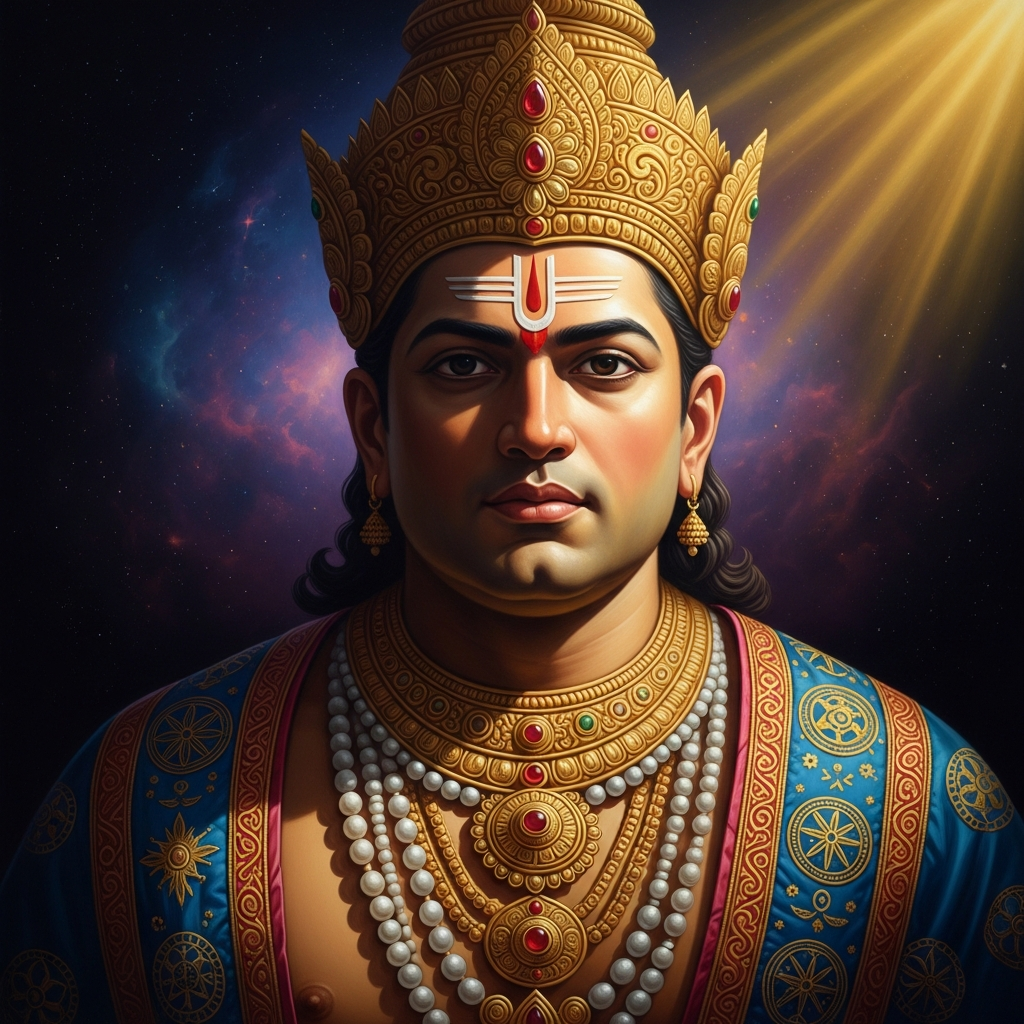
Combat Profile
Vajra Strike
Indra hurls his celestial thunderbolt weapon with devastating precision, striking down challengers to the cosmic order with overwhelming force.
Lord of the Celestials
Indra commands the respect and obedience of lesser devas and maintains dominion over the heavenly realms, granting him authority over all divine hierarchies.
Deva King | Jain
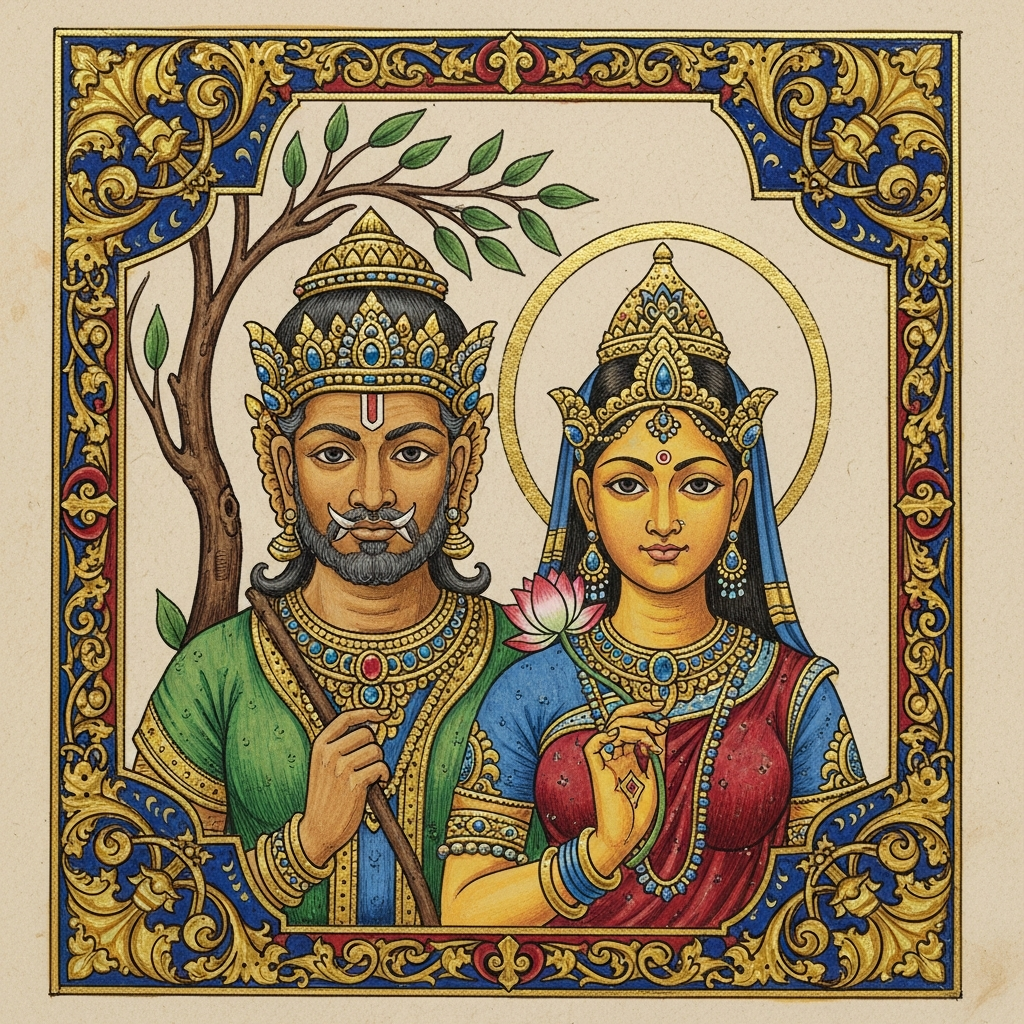
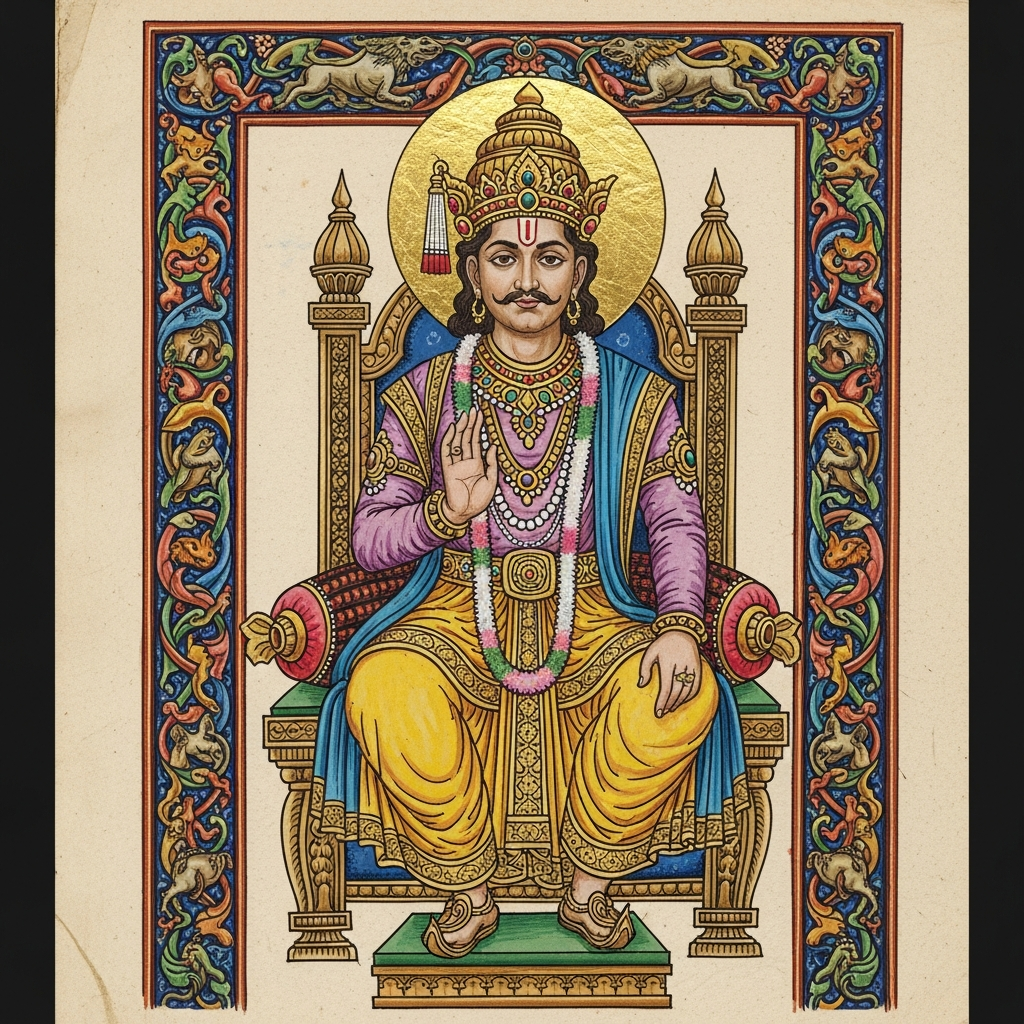
In Jain cosmology, Indra is the king of the devas — the celestial beings — who descends to honor each tirthankar at birth and performs the sacred ablution ceremony on Mount Meru. He is entirely distinct from the Hindu war-god Indra: in Jain theology he is still within the cycle of rebirth, powerful but not liberated, and his highest duty is to bow before the enlightened human souls who have transcended his entire realm. His role encodes a core Jain principle — the liberated soul ranks above any god.
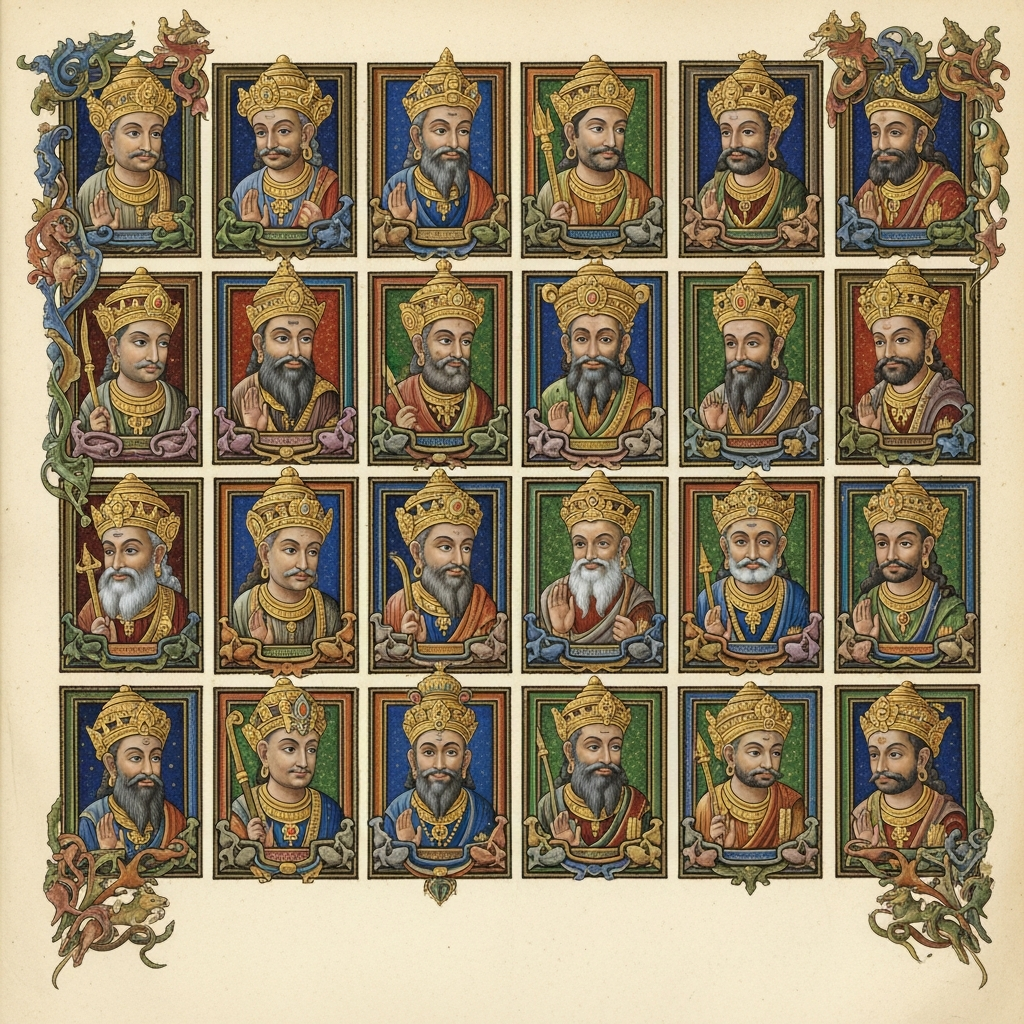
Parallels: The Hindu Indra (same name, radically different status — here subordinate to human enlightenment); the Buddhist Sakra/Indra (similarly a deva-king who honors the Buddha at key moments); angels who attend divine births in Abrahamic tradition. See also: [The 24 Tirthankaras](#the-24-tirthankaras----the-complete-lineage), [Yaksha and Yakshi](#yaksha-and-yakshi----the-guardian-attendants)
1 min read