Combat Profile
Vajra Strike
Hurls the diamond-thunderbolt forged by Tvashtri, dealing massive lightning damage that splits mountains and shatters serpentine coils; cannot be parried by mortal armor
Soma-Drunk
Each cup of soma consumed grants exponentially increasing strength; Indra fights better the longer the battle continues
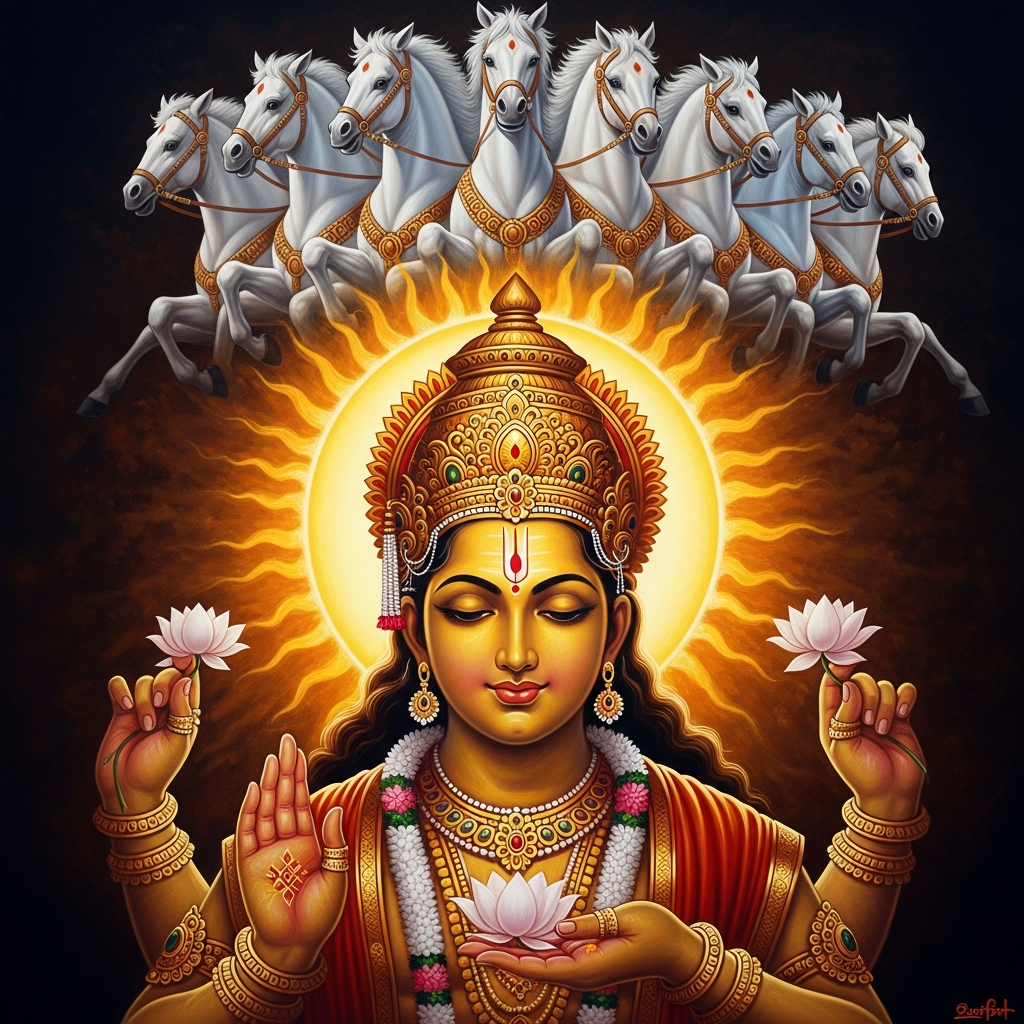
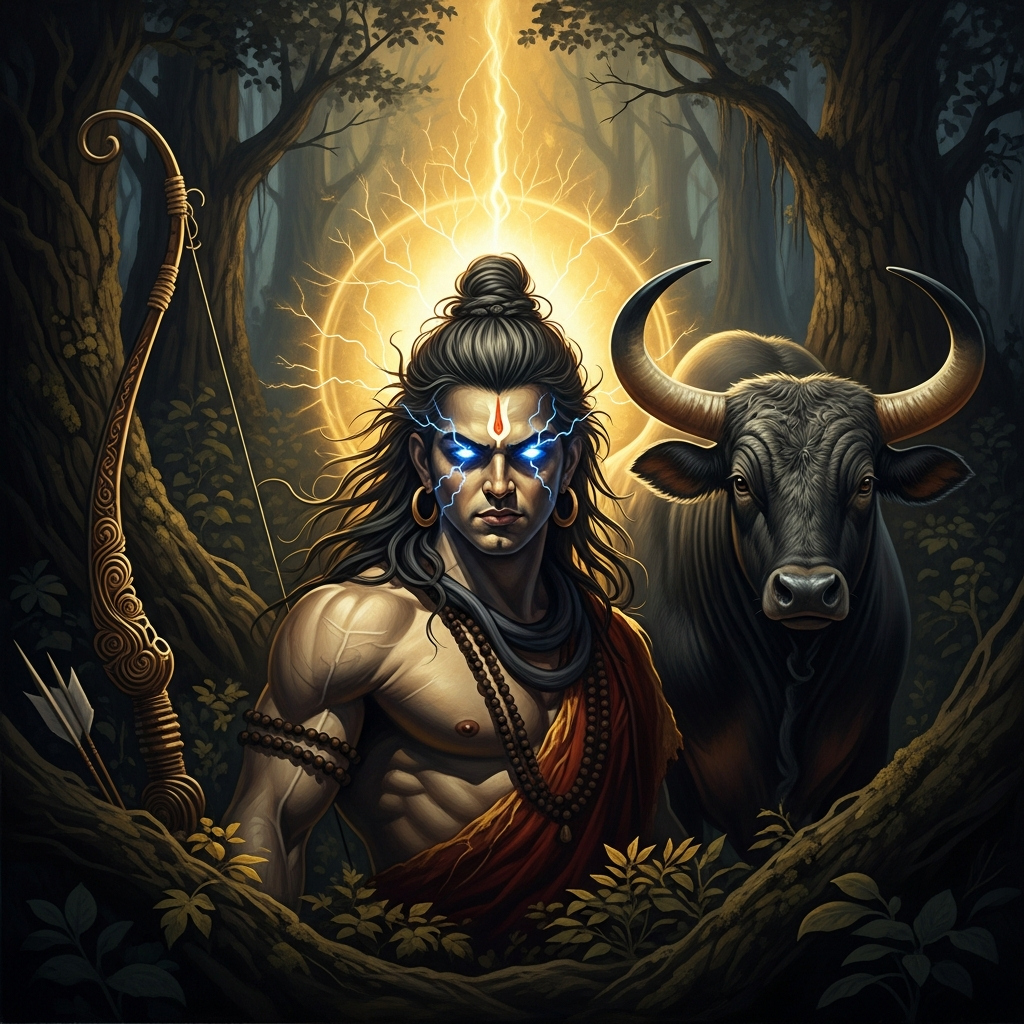
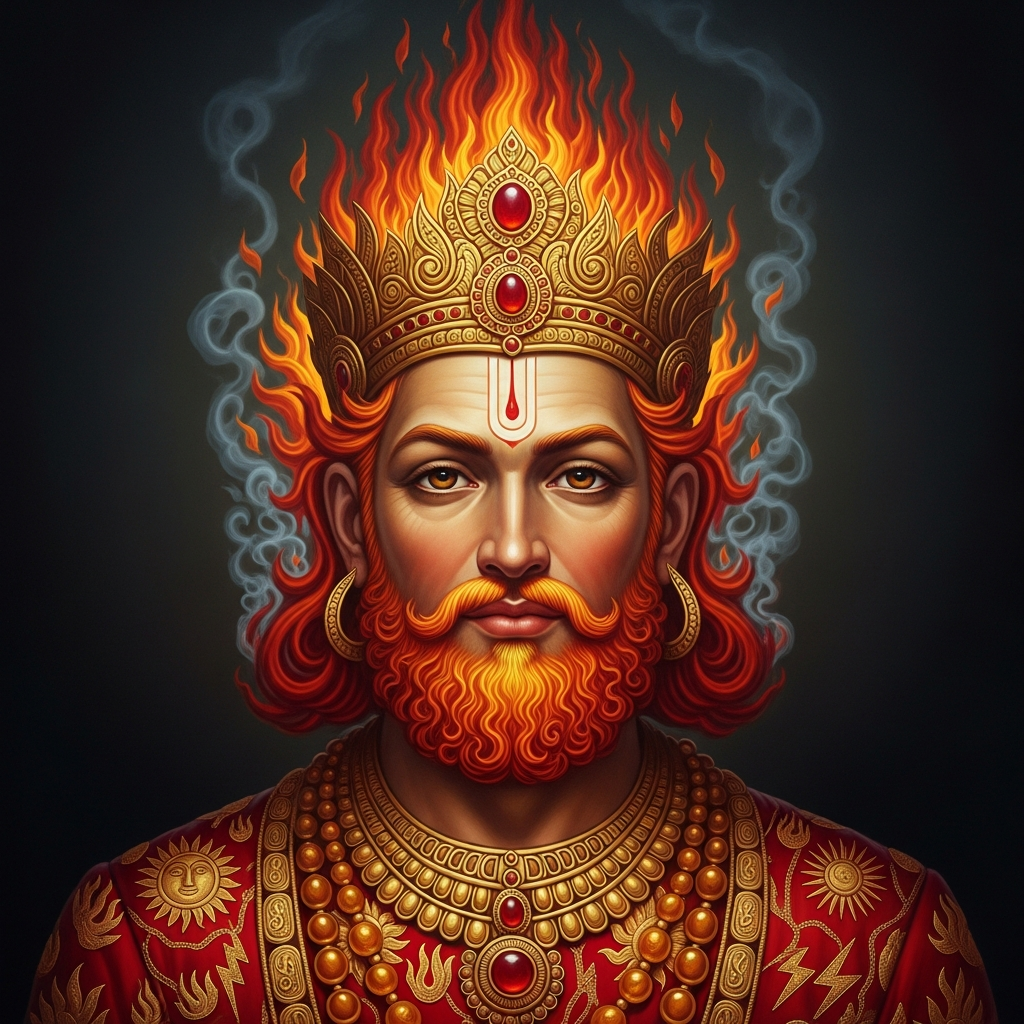
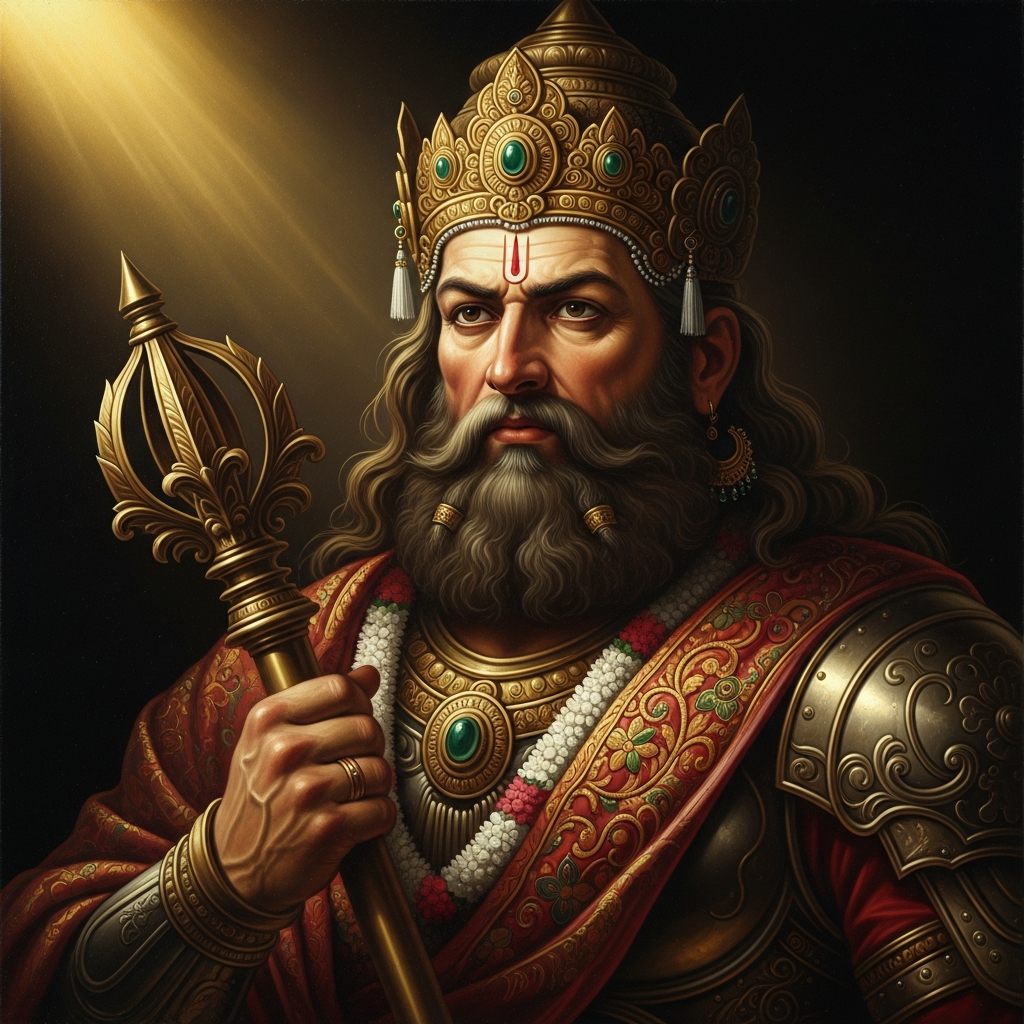
Indra is the warrior-king of the Vedic pantheon, lord of the thunderbolt (vajra), patron of warriors and chariot-drivers, and the most-invoked deity in the Rigveda — roughly 250 of its 1,028 hymns address him. He is a god of overwhelming masculine power: he drinks soma in mythic quantities, splits mountains with his thunderbolt, releases the imprisoned cattle of the dawn, and above all slays Vritra, the cosmic serpent who had coiled around the mountain to dam the world’s waters. With Vritra dead, the rivers run, the rains fall, and the cosmos lives. This single act — Indra slew the dragon — is the founding heroic deed of Vedic religion (Rigveda 1.32).
Yet Indra is no moral paragon. He drinks too much, boasts excessively, kills the brahmin Vishvarupa and incurs guilt, sleeps with the wife of Gautama and is cursed for it. By the time of the Brahmanas he has begun his long demotion; by the Puranas he is merely the petty king of a lower heaven, repeatedly humiliated by Krishna and Vishnu. But in the Rigvedic dawn he is the god the warrior calls when the chariot rolls toward battle.
Biblical Parallels: Indra-slays-Vritra parallels Yahweh’s defeat of Leviathan (Psalm 74:13-14, Isaiah 27:1) and Rahab the sea-monster — the storm-god who breaks the chaos-serpent’s heads and releases the waters of life. The thunderbolt evokes the divine warrior of Habakkuk 3 who treads the earth in fury. Indra’s moral compromises, however, have no Yahwistic parallel; they echo Zeus’s lust and pride more than the Hebrew God.
Cross-Tradition: Direct cognates with Zeus (Greek), Jupiter (Roman), Thor (Norse — both wield the hammer/bolt and slay the world-serpent), Perun (Slavic), and Marduk (Babylonian, who similarly slays Tiamat). The Indo-European storm-god slaying the chaos-serpent is among the oldest reconstructible myths in human history.
1 min read