The Story
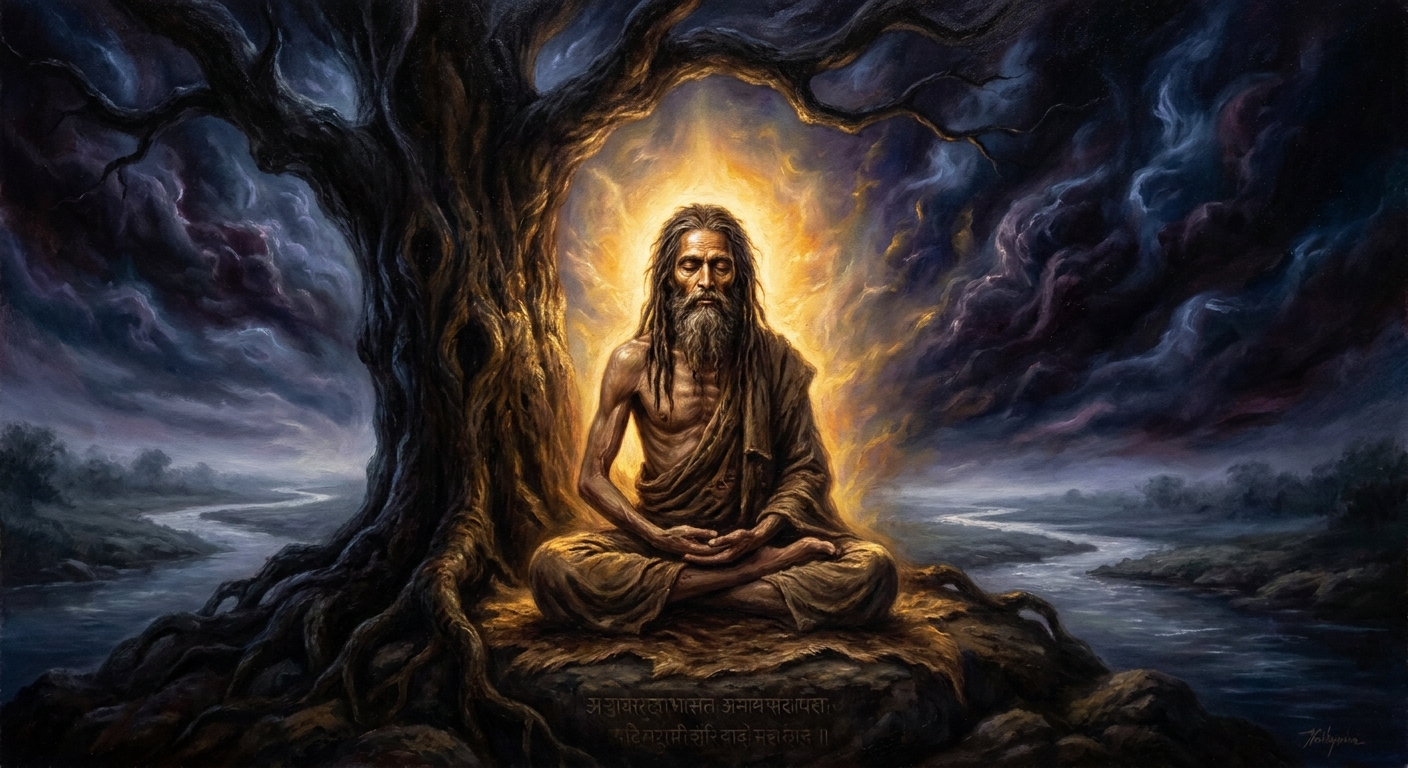
Jainism is, frankly, the most uncompromising commitment to non-violence ever produced by a human civilization. It did not evolve toward absolute ahimsa — it started there. Every breath kills microorganisms. Every step risks crushing insects. Every meal is a negotiation with the suffering of living things. A Jain accepts this and builds an entire existence around minimizing it. No other tradition has gone so far, for so long, with so few compromises.
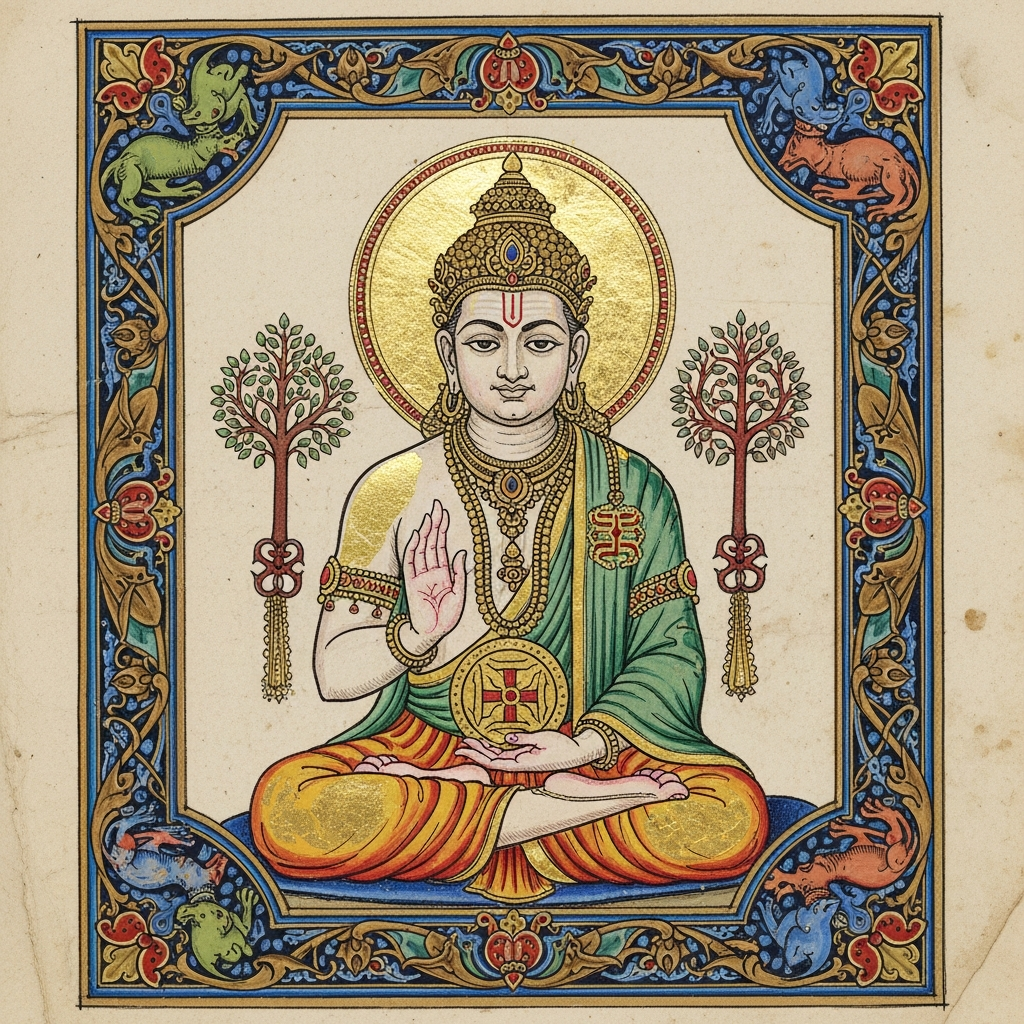
The Jain account of history begins not in a moment but in a cycle. The current cosmic age produced 24 Tirthankaras — “Ford-Makers” who built the crossing across the river of rebirth (Tattvartha Sutra 1.1). The first, Rishabhadeva (also called Adinatha), allegedly lived millions of years ago, taught humanity agriculture and writing, then renounced everything to pursue liberation (Kalpasutra). He is the recovered founder, not the invented one — in the Jain telling, the path itself is eternal.
The 23rd Tirthankara, Parshvanatha, is where documented history begins. 9th-8th century BCE (Acharanga Sutra 1.1): he taught a fourfold discipline (non-violence, truth, non-stealing, non-possession) and founded a monastic community that survived unbroken to the next Tirthankara. Most scholars accept him as historical, making Jainism’s institutional continuity older than nearly anything but Vedic Hinduism.
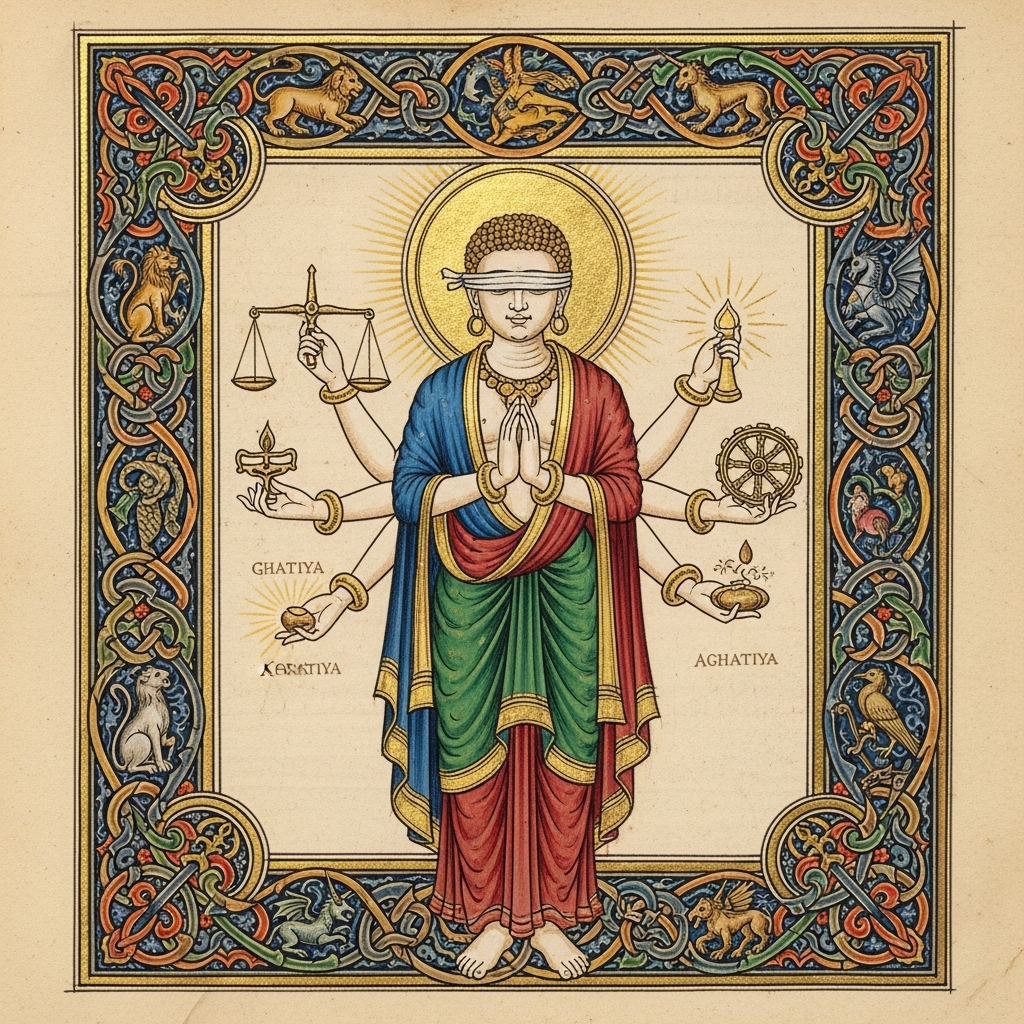
The 24th and final Tirthankara is Mahavira (Vardhamana, 599-527 BCE traditional dating; the Buddha’s contemporary). Born a prince in Bihar, he walked away at 30, wandered naked for 12 years in extreme asceticism (Acharanga Sutra), and at 42 attained kevala jnana — omniscience (Kalpasutra). For 30 years he taught the crystallized path: ahimsa (absolute non-violence), aparigraha (non-attachment), satya (truth), asteya (non-stealing), brahmacharya (chastity), and anekantavada — reality is many-sided; no single perspective captures the whole (Bhagavati Sutra). (That last one is arguably Jainism’s most original philosophical gift.)
Two centuries after Mahavira’s death, the community fractured (Kalpasutra). The Digambara (“sky-clad”) insist true monks renounce even clothing — nakedness as ultimate aparigraha. The Shvetambara (“white-clad”) retained simple robes. The split, formalized around the 3rd century BCE, never healed. Two separate canons, monasteries, theology — but agreement on the core.
Around 298 BCE, Chandragupta Maurya — the emperor who first unified most of the Indian subcontinent — abdicated, became a Digambara monk, and walked south to Karnataka. There he performed sallekhana, fasting to death as the ultimate non-attachment. Shravanabelagola still stands as a Jain pilgrimage site. His grandson Ashoka would choose Buddhism and spread non-violence across Asia, but the family’s first religious pivot was Jain.
For two millennia Jainism remained a minority faith concentrated in Karnataka, Gujarat, Rajasthan. The Mughals brought forced conversions and temple destruction; many were razed or converted to mosques. Yet the community endured — sustained by extraordinarily wealthy merchant families who built temples, libraries, and panjrapoles (animal sanctuaries) (Tattvartha Sutra). Jain animal welfare practices predate Western animal rights by centuries.
The 20th century amplified Jainism beyond its numbers. Mahatma Gandhi, raised in Gujarat among Jain teachers (especially the jeweler-philosopher Shrimad Rajchandra), absorbed Jain ahimsa and weaponized it as satyagraha — non-violent resistance (Autobiography). Through Gandhi, Jain ethics shaped Indian independence, then the American civil rights movement (King studied Gandhi explicitly), then anti-apartheid resistance, then the global animal-rights movement. Today roughly 6 million Jains exist — a tiny community whose ethical footprint vastly exceeds its size.
Pivotal Events
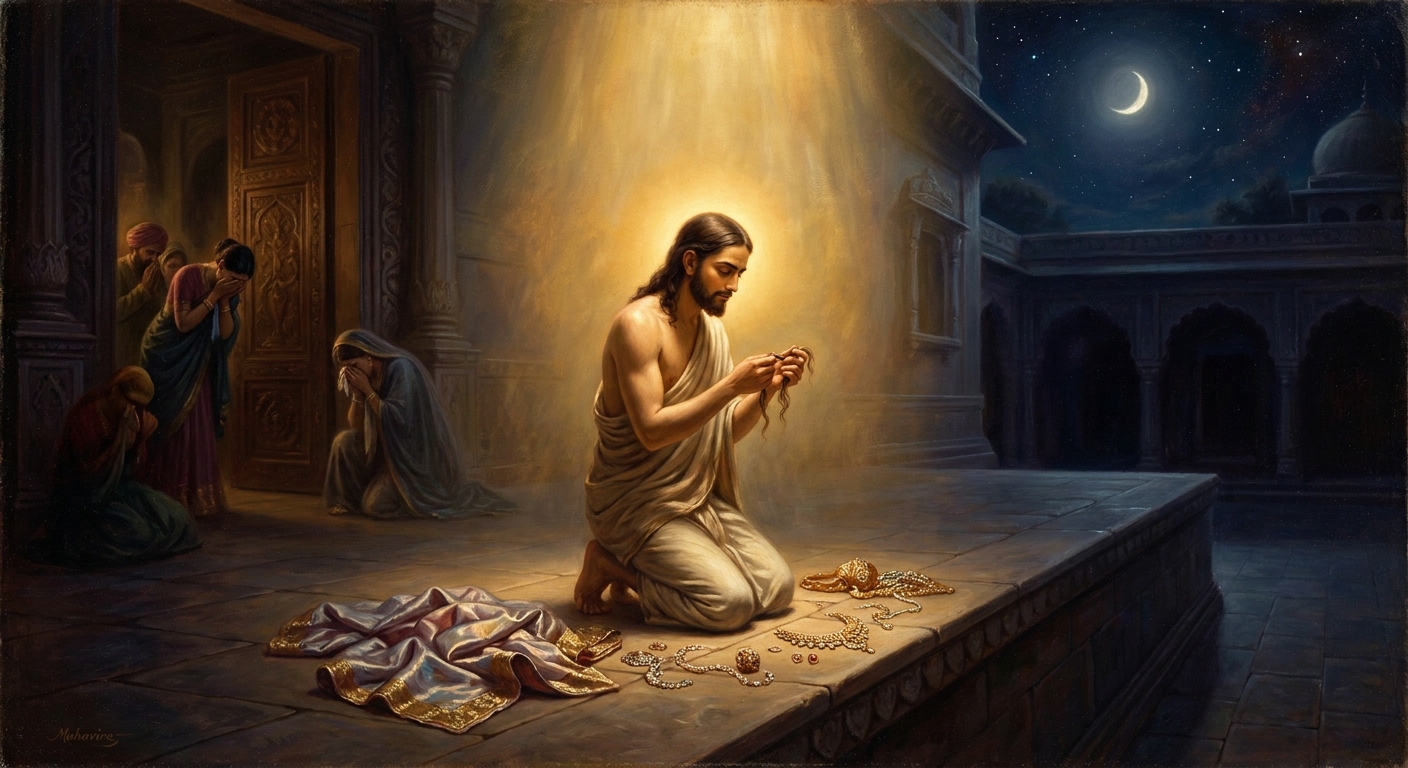
At 30, Prince Vardhamana abandoned palace, wealth, family, and eventually clothing (Acharanga Sutra 1.1). For 12 years he wandered northern India in what may be the most extreme sustained asceticism ever undertaken: standing motionless for days, fasting months, refusing to brush insects from his body, accepting beatings without resistance (Kalpasutra). At 42, sitting under a sal tree by the Rijupalika river, he attained kevala jnana — omniscience of all things past, present, future, in infinite aspect. Mahavira, “the Great Hero,” the 24th Tirthankara, was born. For 30 years he taught the Dharma he had directly verified (Uttaradhyayana Sutra). The four-fold community he established — monks, nuns, laymen, laywomen — persisted unbroken for 2,500 years.
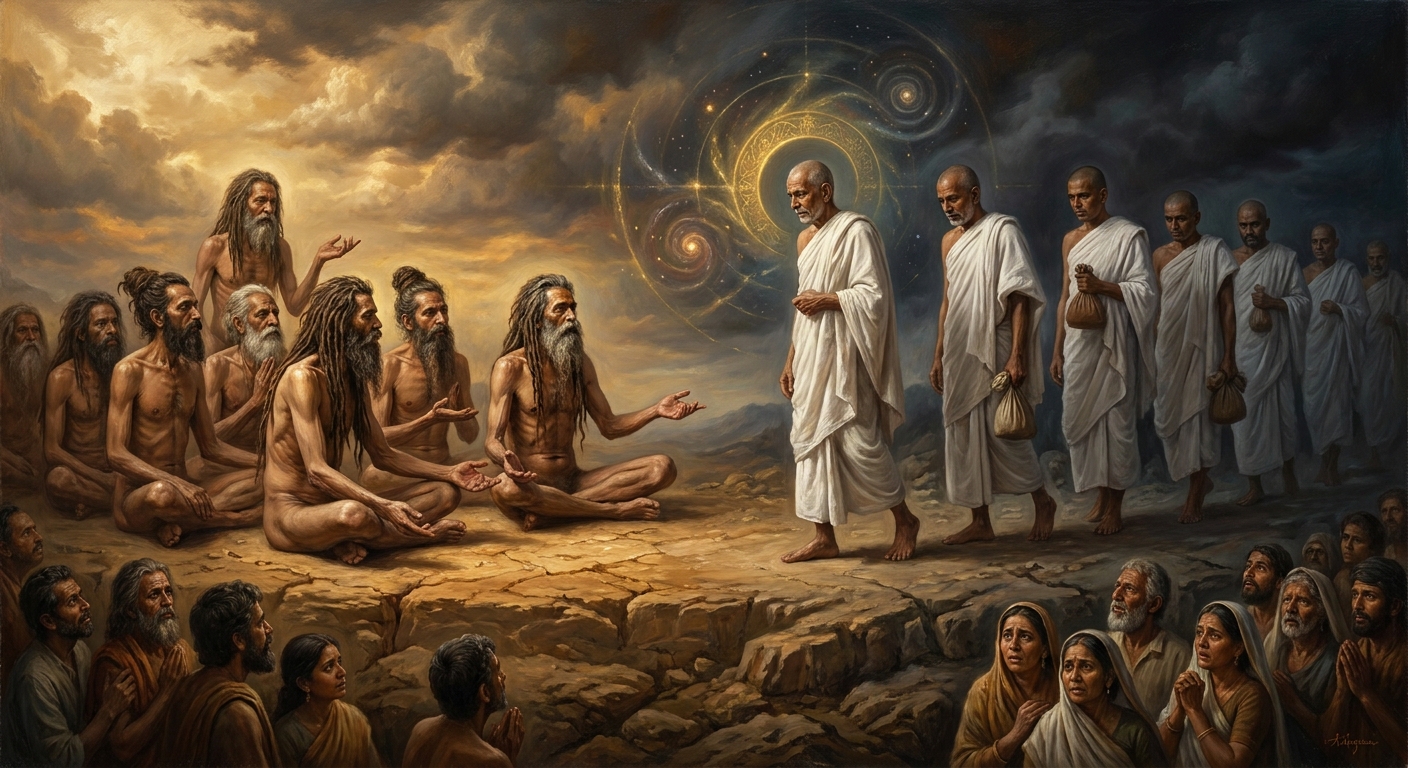
A famine in the Ganges valley (roughly 2nd-3rd century BCE) forced a wedge into the Jain monastic community. Bhadrabahu led monks south to Karnataka. When they returned, the northern monks under Sthulabhadra had adopted white robes — a concession to social pressure and practical endurance. The returning monks said: true aparigraha is nakedness. The northerners replied: cloth does not impede non-attachment. The surface disagreement masked a deeper fault: Can women achieve liberation? The Digambaras said no — total nudity is mandatory, women cannot practice it publicly, therefore women cannot be fully liberated in a female body. The Shvetambaras said yes — the 19th Tirthankara Malli was female, and women walk the path. The split formalized into two separate traditions: distinct canons, distinct lineages, distinct temples. It has never healed.
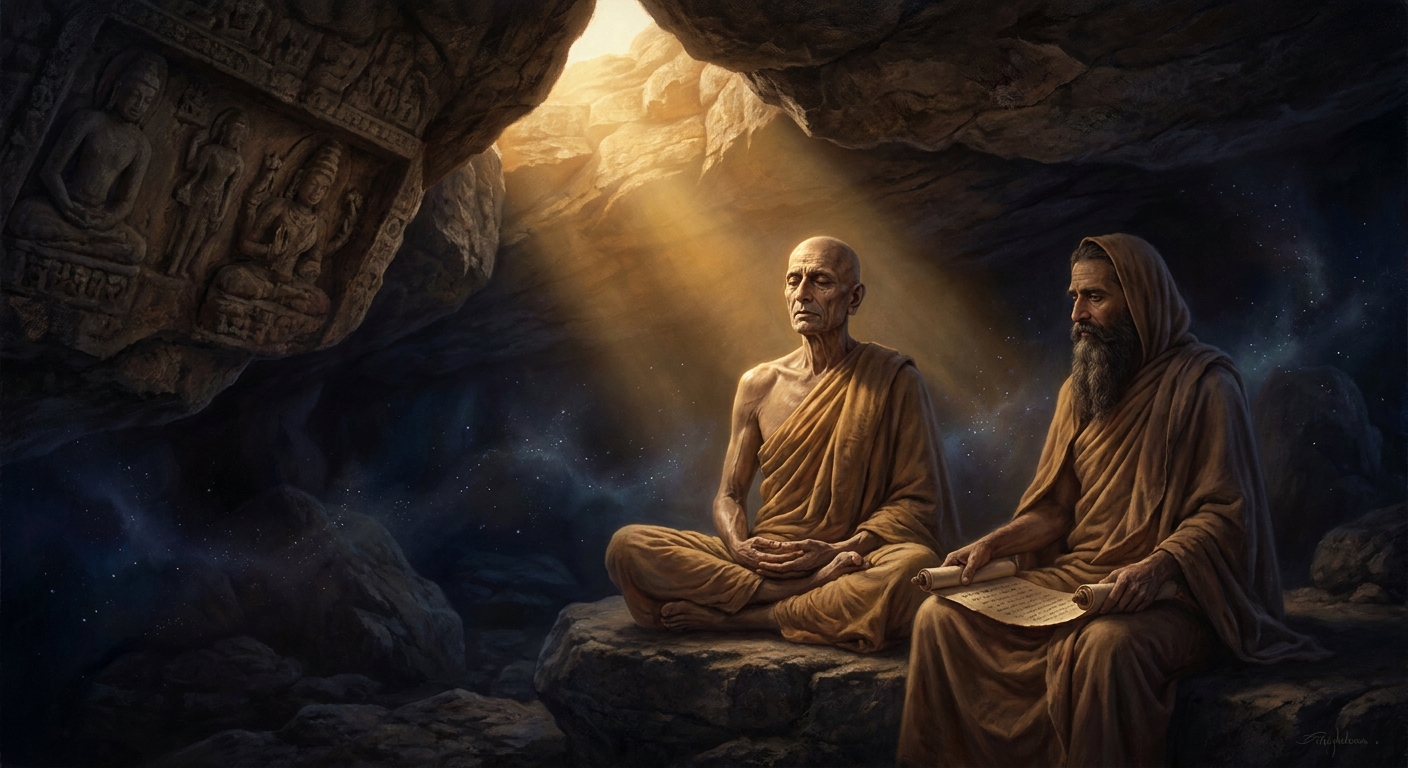
Chandragupta Maurya unified most of the Indian subcontinent and repelled Alexander’s successors. At the height of power, he gave it all away. Influenced by the monk Bhadrabahu, he abdicated to his son Bindusara, became a Digambara monk, and walked south to Shravanabelagola in Karnataka. There he performed sallekhana — voluntary fasting to death, the highest spiritual achievement when undertaken in full consciousness and detachment. He died around 298 BCE. The site remains a sacred Jain pilgrimage center. The conversion proved Jain ethics could capture even the most powerful figures of the age. His grandson Ashoka would later embrace Buddhist ahimsa, but the family’s first religious pivot was Jain.
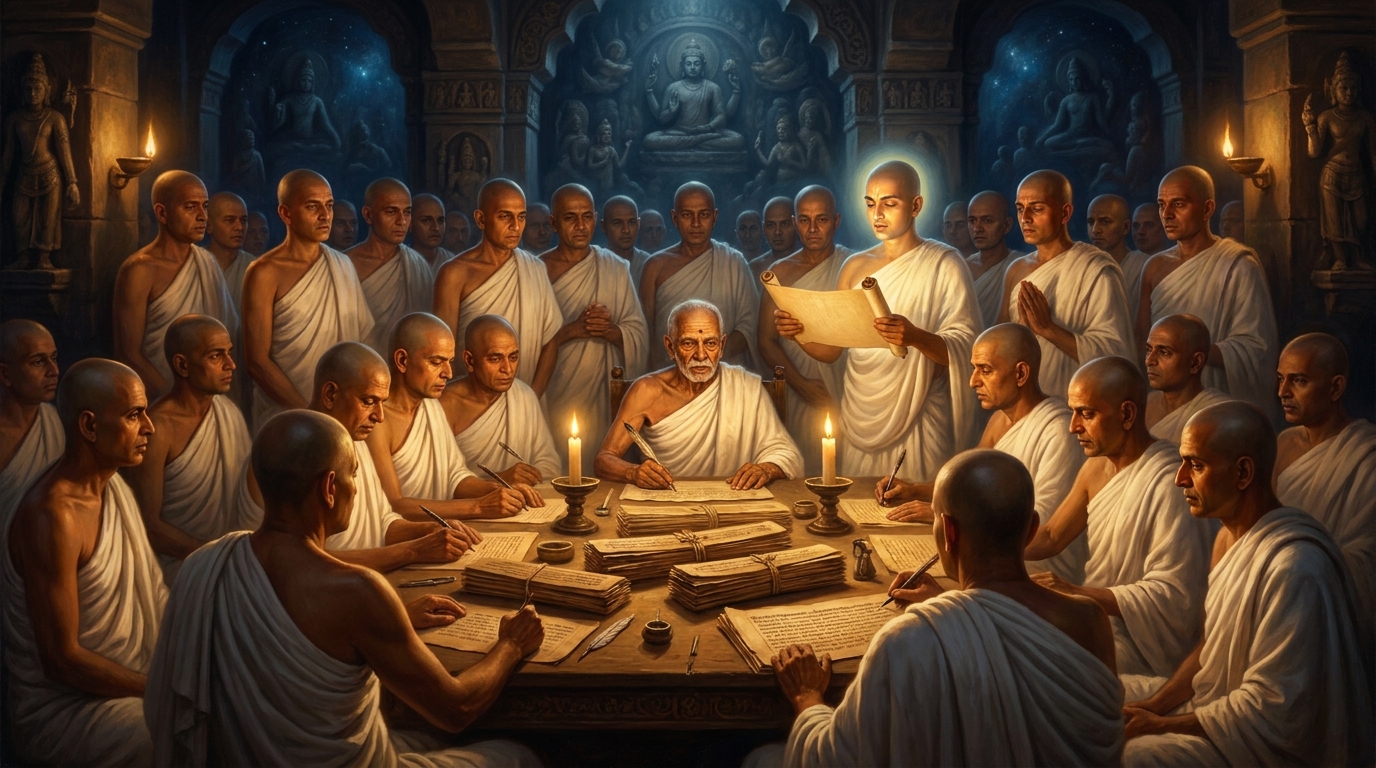
For nearly a millennium after Mahavira, oral transmission preserved the canon through monastic memorizers. Famines, schism, and lost elders eroded the original 14 Purvas — the teachings said to come directly from Mahavira (Bhagavati Sutra) — until they vanished. The 5th century Council of Valabhi in Gujarat became the pivot. The Shvetambara community compiled and wrote down 45 surviving Agamas: Angas (limbs), Upangas (sub-limbs), Mulasutras (root texts). The Digambaras, believing the original canon was irrecoverably lost, rejected Valabhi’s compilation and canonized Kundakunda’s Samayasara and Umasvati’s Tattvartha Sutra (the one text both sects accept as authoritative). Valabhi fixed Jainism’s textual identity for the next 1,500 years (Sthananga Sutra).
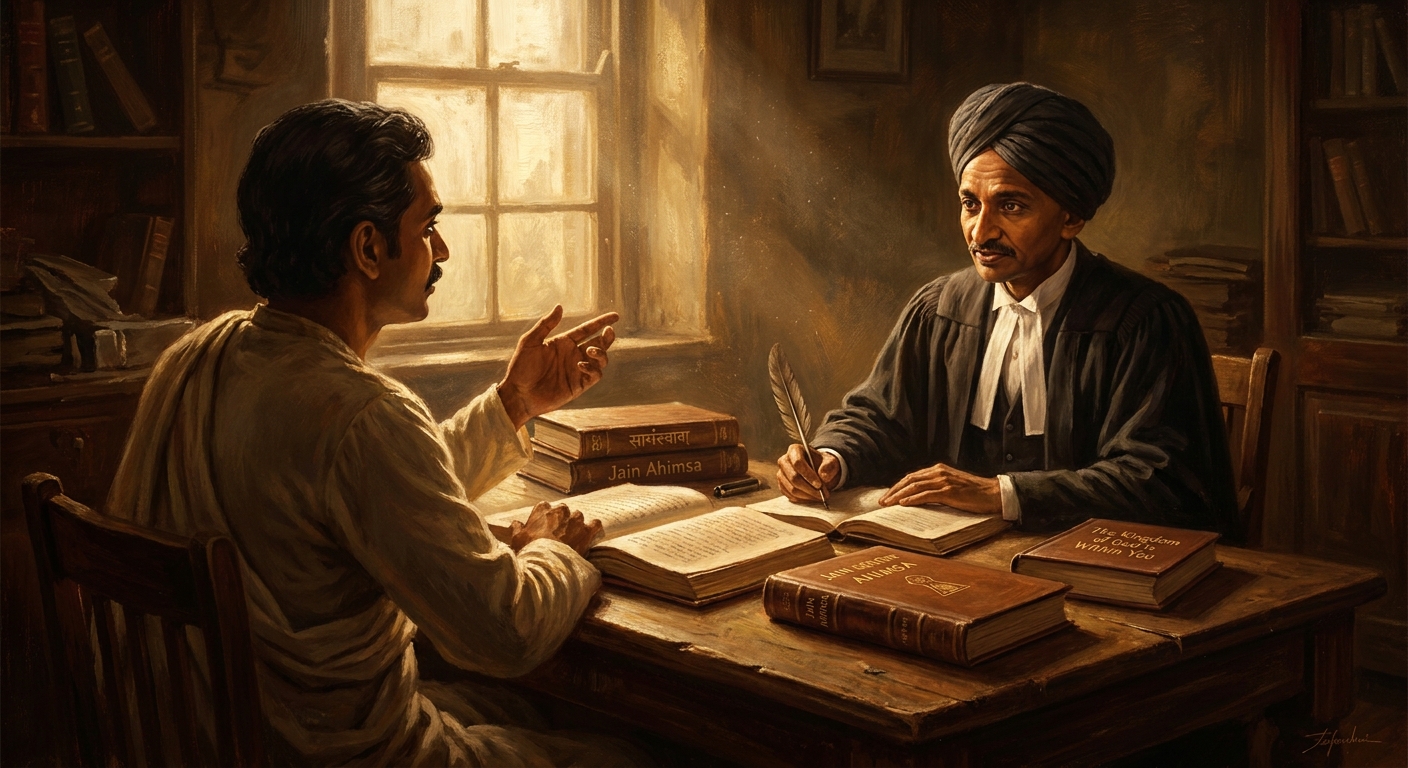
Mohandas Gandhi was raised in Gujarat, Jainism’s heartland. His mother was a devout Vaishnava with Jain influences; his spiritual mentor was the jeweler-philosopher Shrimad Rajchandra, whom Gandhi later called the man with the deepest influence on his life. From Rajchandra and Jain teaching, Gandhi extracted ahimsa as not merely personal ethic but political method — the conviction that non-violent resistance at scale transforms social order without revolutionary violence’s moral corruption. He forged this into satyagraha (truth-force) in South Africa beginning 1893, then carried it back to India and used it to dismantle the British Raj. Through Gandhi, Jain ahimsa flowed into the American civil rights movement (King studied Gandhi explicitly), anti-apartheid resistance, the animal-rights movement, and modern non-violent political theory. No tradition of its size has shaped the 20th century more.
Timeline
| Era | Date | Event | Source |
|---|
| Mythic Antiquity | Primordial | Rishabhadeva (Adinatha), 1st Tirthankara, teaches civilization | Kalpa Sutra; Jain cosmology |
| Mythic / Early | Cyclic | Tirthankaras 2-22 across cosmic ages | Kalpa Sutra |
| Iron Age | ~9th-8th c. BCE | Parshvanatha, 23rd Tirthankara, founds historical Jain community | Acaranga Sutra; modern scholarship |
| Mahavira’s Birth | 599 BCE (trad.) | Vardhamana born to royal Jnatrika clan, Bihar | Kalpa Sutra |
| Renunciation | ~569 BCE | Mahavira abandons palace at age 30 | Acaranga Sutra |
| Enlightenment | ~556 BCE | Mahavira attains kevala jnana under sal tree | Kalpa Sutra |
| Mahavira’s Death | 527 BCE (trad.) | Mahavira attains nirvana at Pavapuri | Kalpa Sutra |
| Early Sangha | 5th-4th c. BCE | Four-order community (monks, nuns, laymen, laywomen) consolidates | Jain tradition |
| Mauryan Era | ~298 BCE | Chandragupta Maurya abdicates, becomes Jain monk, performs sallekhana at Shravanabelagola | Digambara tradition; Jain inscriptions |
| Schism | ~3rd c. BCE | Digambara-Shvetambara split formalizes | Jain monastic histories |
| Council of Pataliputra | ~3rd c. BCE | First attempt to compile the Agamas | Shvetambara tradition |
| Karnataka Flowering | 2nd c. BCE - 10th c. CE | Digambara dominance in southern India; royal patronage of the Gangas, Rashtrakutas | inscriptions, temple records |
| Tattvartha Sutra | ~2nd-5th c. CE | Umasvati composes the philosophical synthesis accepted by both sects | Tattvartha Sutra |
| Council of Valabhi | ~5th c. CE | Shvetambara Agamas formally compiled and written | Shvetambara tradition |
| Gommateshwara Statue | 981 CE | 57-foot monolithic statue of Bahubali erected at Shravanabelagola | inscriptions |
| Solanki Patronage | 11th-13th c. CE | Jain temple complexes built at Mount Abu, Palitana, Ranakpur | architectural records |
| Mughal Period | 16th-17th c. CE | Forced conversions and temple destructions; Akbar shows partial tolerance | Mughal chronicles; Jain memoirs |
| Sthanakvasi Reform | ~1653 CE | Anti-idolatry reform movement breaks from mainstream Shvetambara | Sthanakvasi tradition |
| Shrimad Rajchandra | 1867-1901 | Jain mystic and philosopher; mentor to Gandhi | his letters |
| Gandhi Adopts Ahimsa | 1893 onward | Satyagraha developed in South Africa; Jain ahimsa enters global politics | Gandhi, Autobiography |
| Indian Independence | 1947 | Non-violent resistance ends British Raj | historical record |
| Global Diaspora | 1960s onward | Jain communities established in UK, North America, East Africa | community records |
| Present | 2026 | ~6M Jains worldwide; Digambara, Shvetambara, Sthanakvasi, Terapanthi sub-traditions | demographic studies |
Jainism — Don’t Harm Anything. Not Even Insects.
One of the world’s oldest living religions, with approximately 5 million practitioners, primarily in India. Jainism is the most radical position on non-violence in human history — not merely a principle, but an absolute metaphysical law binding on all souls at every moment. Jains sweep the ground before walking to avoid stepping on insects. Monks wear mouth-covers to avoid inhaling living creatures. Some sects refuse to eat root vegetables because harvesting them destroys the plant. The most devout Digambara monks wear nothing at all — not because they seek discomfort, but because possessions create attachment, and attachment creates karma, and karma is the enemy of the soul.
The central insight of Jainism is not about God — Jainism has no creator deity in the conventional sense. The Tirthankaras are not gods who intervene in the world. They are liberated humans who burned away every last particle of karma and achieved infinite knowledge, infinite perception, infinite bliss. They do not answer prayers. They cannot intervene. They exist as a model: this is what a soul looks like when it is finally free. The path is open to you. Walk it.
Jainism was founded — or rather, restored — by Mahavira in the 6th century BC, a contemporary of the Buddha. But Jainism claims its revelation is eternal and cyclical. The 24th and final Tirthankara of our current cosmic age, Mahavira confirmed a teaching that the first Tirthankara, Rishabhadeva, gave humanity at the dawn of civilization. There is no beginning to this truth and no end.
Key Sources:
Primary Texts:
- Tattvartha Sutra (Umasvati, ~2nd-5th century CE) — the most authoritative Jain philosophical text, accepted by both Digambara and Svetambara sects
- Kalpa Sutra (Bhadrabahu, ~5th century BCE) — canonical lives of the Tirthankaras and monastic discipline
- Acharanga Sutra (Vyakhyaprajnapti) — foundational text on ascetic practice and non-violence
- Sutrakritanga — extensive teachings on metaphysics and ethics
- Bhagavati Sutra (Bhagavati Aradhana) — doctrinal and narrative content
- Samayasara (Kundakunda, ~2nd-3rd century CE) — philosophical synthesis on karma and the soul
Secondary Scholarship:
- Padmanabh Jaini, The Jaina Path of Purification (University of California Press, 1979) — definitive scholarly treatment of Jain philosophy and practice
- Paul Dundas, The Jains: Their Religious Beliefs and Practices (Routledge, 1992) — essential introductory overview with strong historical coverage
- Kristi Wiley, Historical Dictionary of Jainism (Scarecrow Press, 2004) — comprehensive reference with cross-tradition connections
- John Cort, Jains in the World: Religious Values and Ideology in India (Oxford University Press, 2001) — ethnographic and theological study of contemporary Jain communities
| Figure / Concept | Period | Status | Key Role |
|---|
| Mahavira | 599-527 BC | Liberated (Siddha) | 24th Tirthankara; restorer of the path; contemporary of the Buddha |
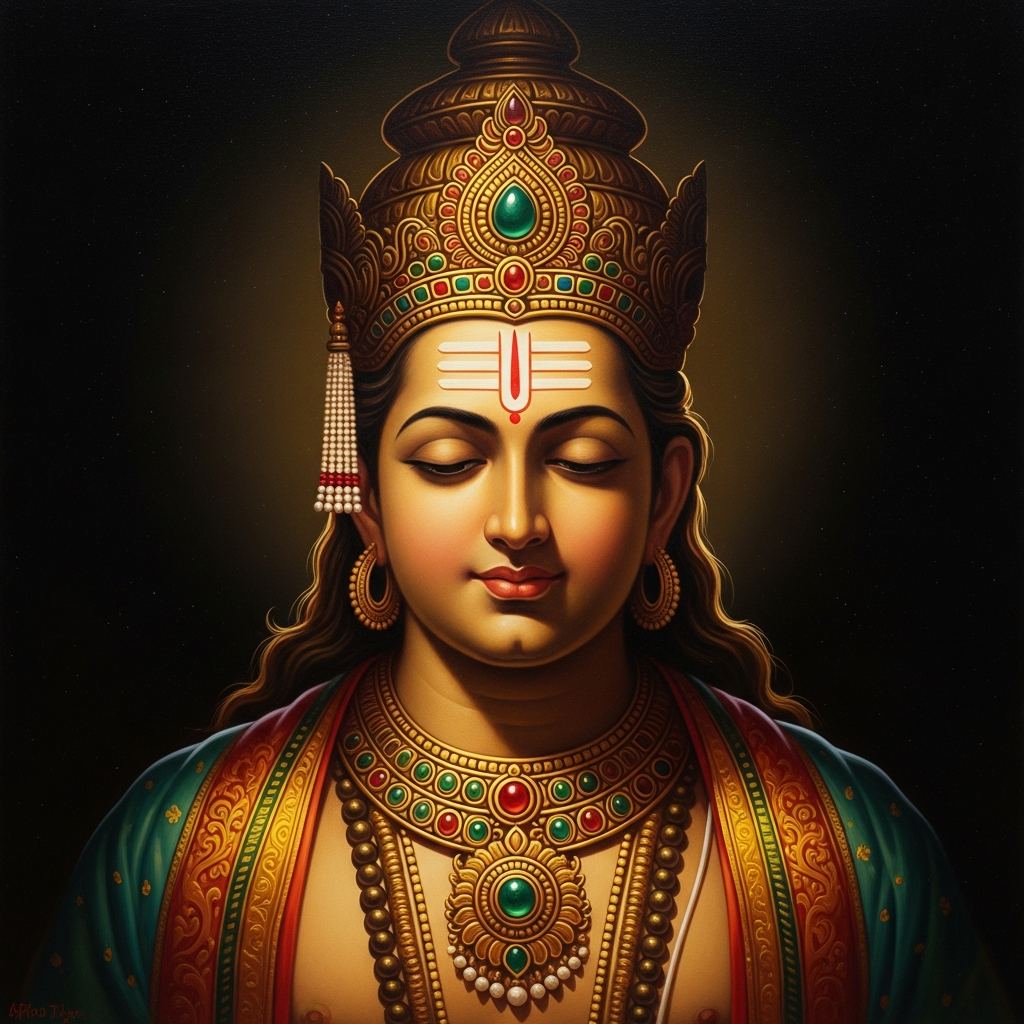
| Rishabhadeva (Adinatha) | Primordial time | Liberated (Siddha) | 1st Tirthankara; teacher of civilization; said to have lived 8.4 million years |
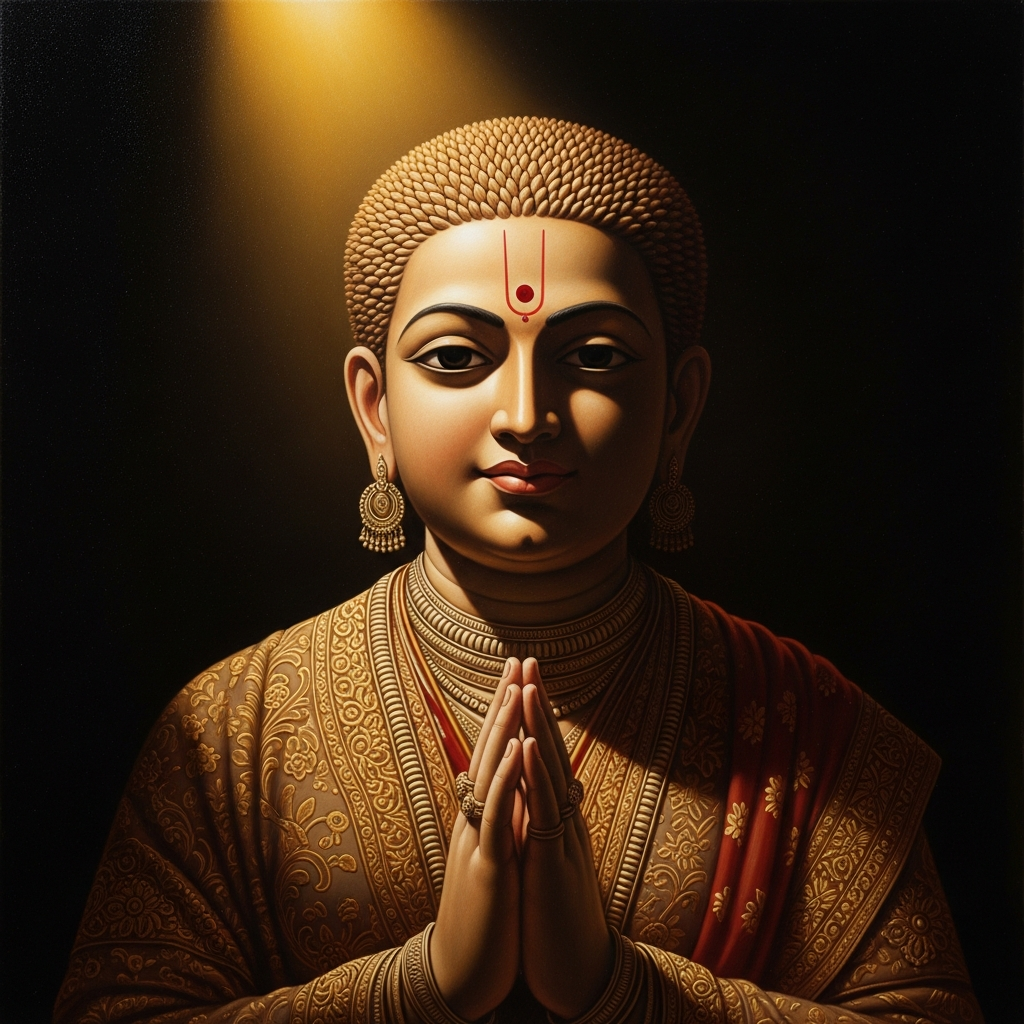
| Bahubali | Primordial time | Liberated (Siddha) | Son of Rishabhadeva; stood in meditation so long vines grew up his body |
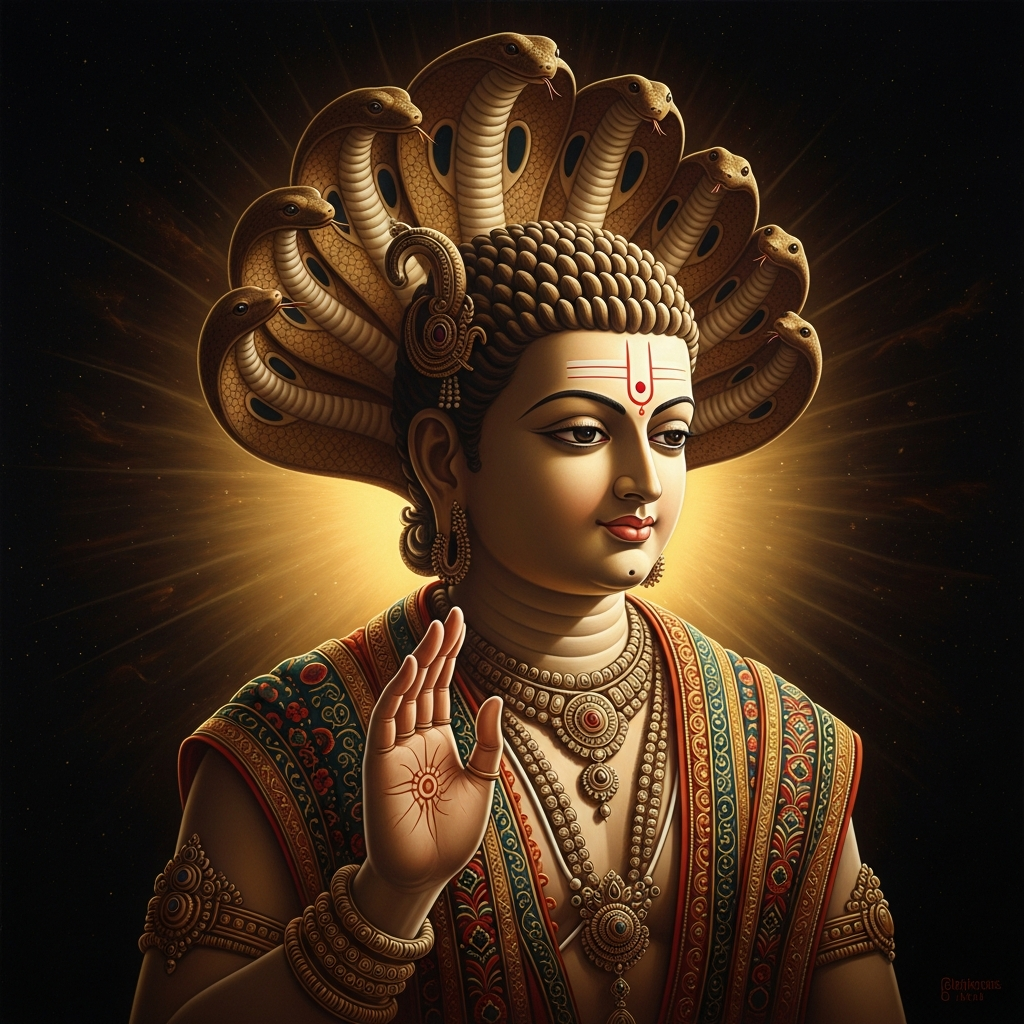
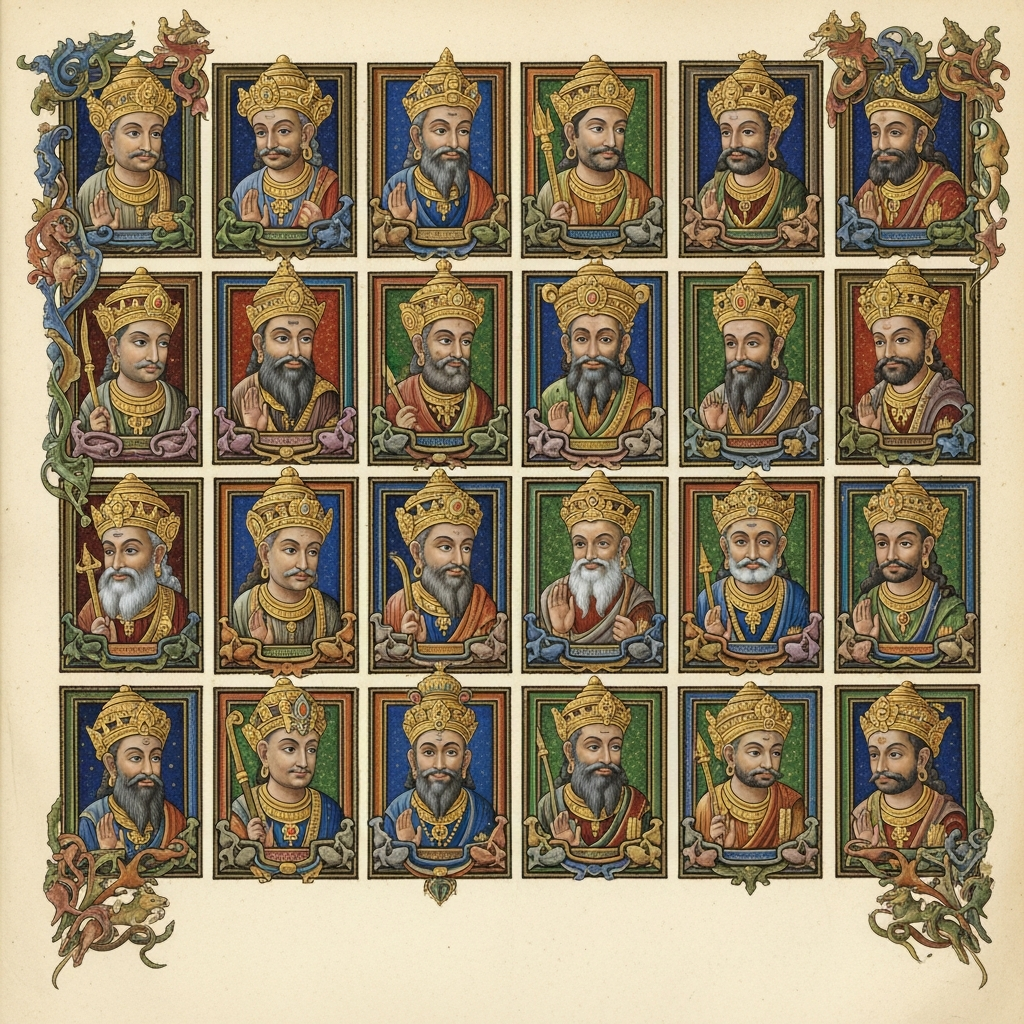
| The 24 Tirthankaras | Eternal cycle | All liberated | The complete lineage of ford-makers, appearing across cosmic ages |
| Ahimsa (Non-Violence) | Eternal | Supreme principle | The central law; absolute non-violence toward all living beings |
| Karma (Jain) | Eternal | Physical doctrine | Karma as actual matter — particles that weigh down the soul |
| Yaksha and Yakshi | Ancient | ACTIVE | Guardian deities of the Tirthankaras; protectors of the tradition |
| Digambara vs Svetambara | c. 300 BC-present | ACTIVE SCHISM | The two major sects; sky-clad vs white-clad; debate women’s liberation |
The Most Non-Violent Religion on Earth: A Comparison
No tradition in human history has taken the principle of non-violence further, more systematically, or more uncompromisingly than Jainism. This table makes the comparison explicit.
| Practice | Jainism | Buddhism | Christianity | Hinduism |
|---|
| Killing insects | Forbidden (sweep ground, wear mouth-cover, strain water) | Discouraged for monks; no strict rule for laity | Generally permitted | Varies; many Hindus kill insects without concern |
| Vegetarianism | Mandatory (strict: no root vegetables either) | Optional; Buddha ate meat if not killed for him | Optional; no general prohibition | Optional; Brahmins and many Vaishnavas are vegetarian |
| Root vegetables | Avoided (harvesting kills the plant) | No restriction | No restriction | No restriction |
| Farming | Traditionally avoided by devout Jains (kills soil organisms) | No restriction | No restriction | Central to dharmic life |
| Self-defense | Debated; radical Digambara teaching says forbidden even in self-defense | Self-defense is a complex case; general non-harm | Permitted; just war theory allows defensive force | Kshatriya dharma includes armed defense; Arjuna was commanded to fight |
| War | Almost universally condemned | Condemned in principle; historical Buddhist kingdoms fought wars | Just war theory (Augustine, Aquinas) | Dharma yuddha — righteous war (Bhagavad Gita) |
| Occupation | Trade and finance preferred; farming, soldiering, and butchery avoided | No formal restriction | No formal restriction | Defined by caste/varna system |
| The ultimate goal | Remove ALL karmic particles from the soul; achieve omniscience and liberation beyond all worlds | Nirvana: cessation of the cycle of suffering | Salvation: eternal life in God’s presence | Liberation (moksha) or union with Brahman; paths vary |
The Jain commitment is not merely more extensive than other traditions’ versions of the same principle. It is structurally different. Most traditions say: avoid harming beings that clearly suffer. Buddhism says: avoid harm motivated by the five poisons. Christianity says: love your neighbor, do not murder. These are genuine moral achievements. Jainism says: every particle of matter that has a soul — including the microorganisms in your drinking water — has an interest in its own continued existence, and your liberation depends on your recognizing this and acting accordingly. All life is sacred, always, without exception, including the life you will accidentally end by breathing.
This is an impossible standard. Jainism knows it is an impossible standard. The tradition’s response is not to lower the standard but to cultivate awareness — to acknowledge the violence that daily life necessarily involves, to minimize it as radically as possible, and to undertake the austerities that burn away the karma generated by unavoidable harm. The goal is not moral perfection as a human but liberation as a soul.
“A man should wander about treating all creatures as he himself would be treated.” — Mahavira, Sutrakritanga 1.11.33
 MYTHIC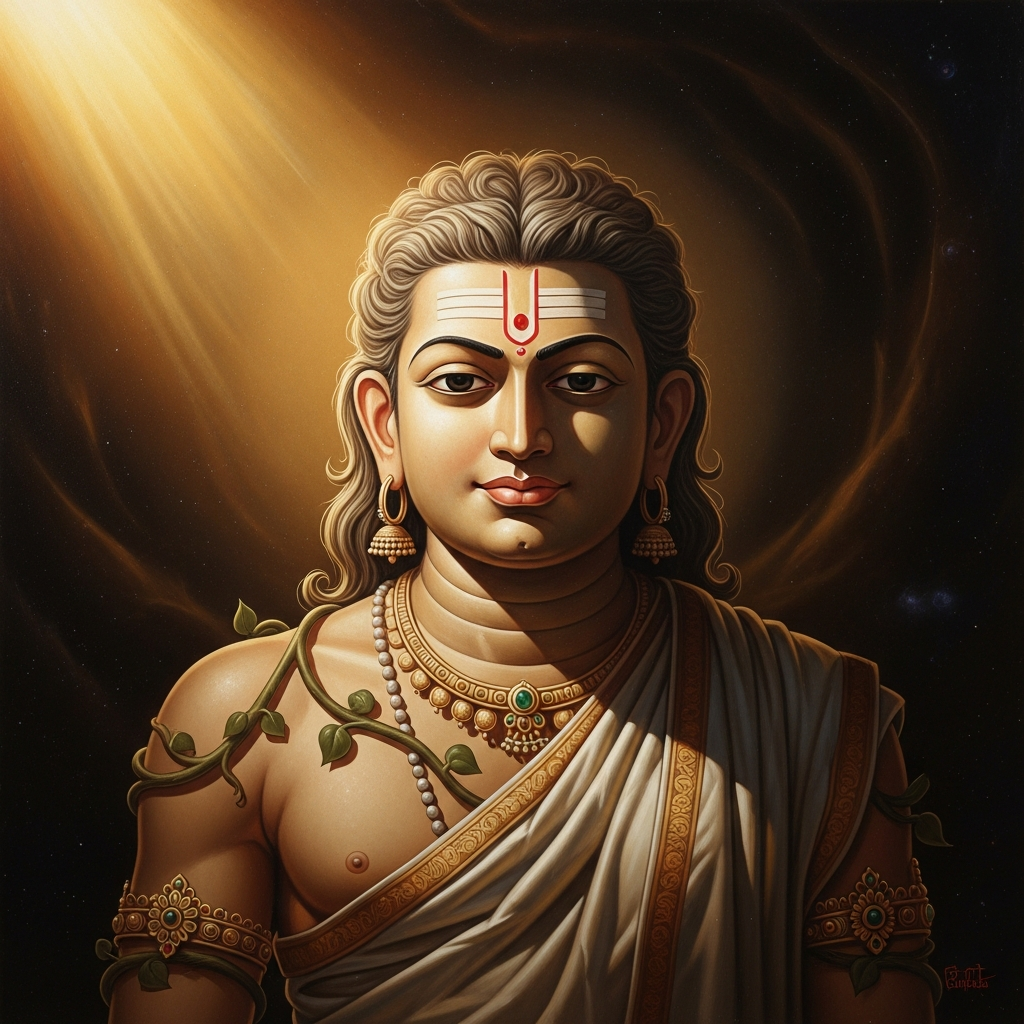
 LEGENDARY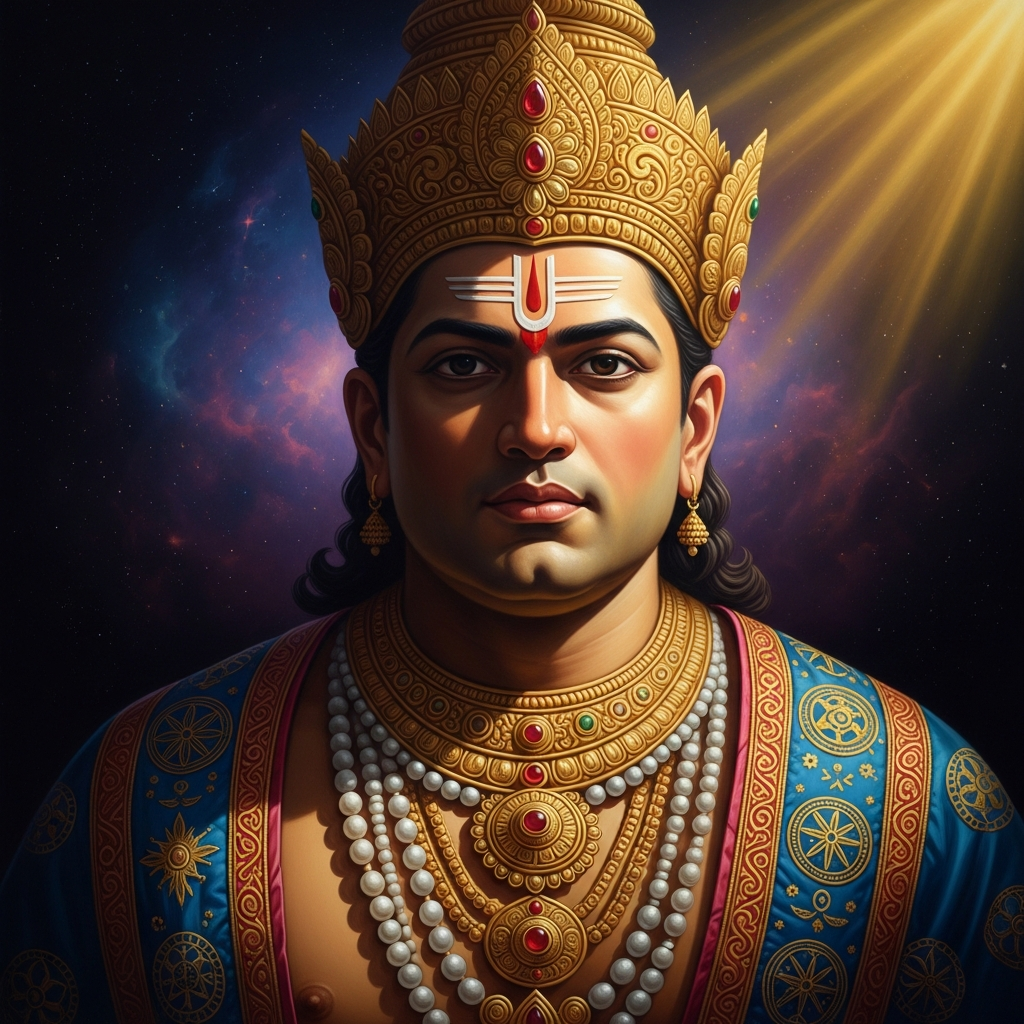
 LEGENDARY
  MYTHIC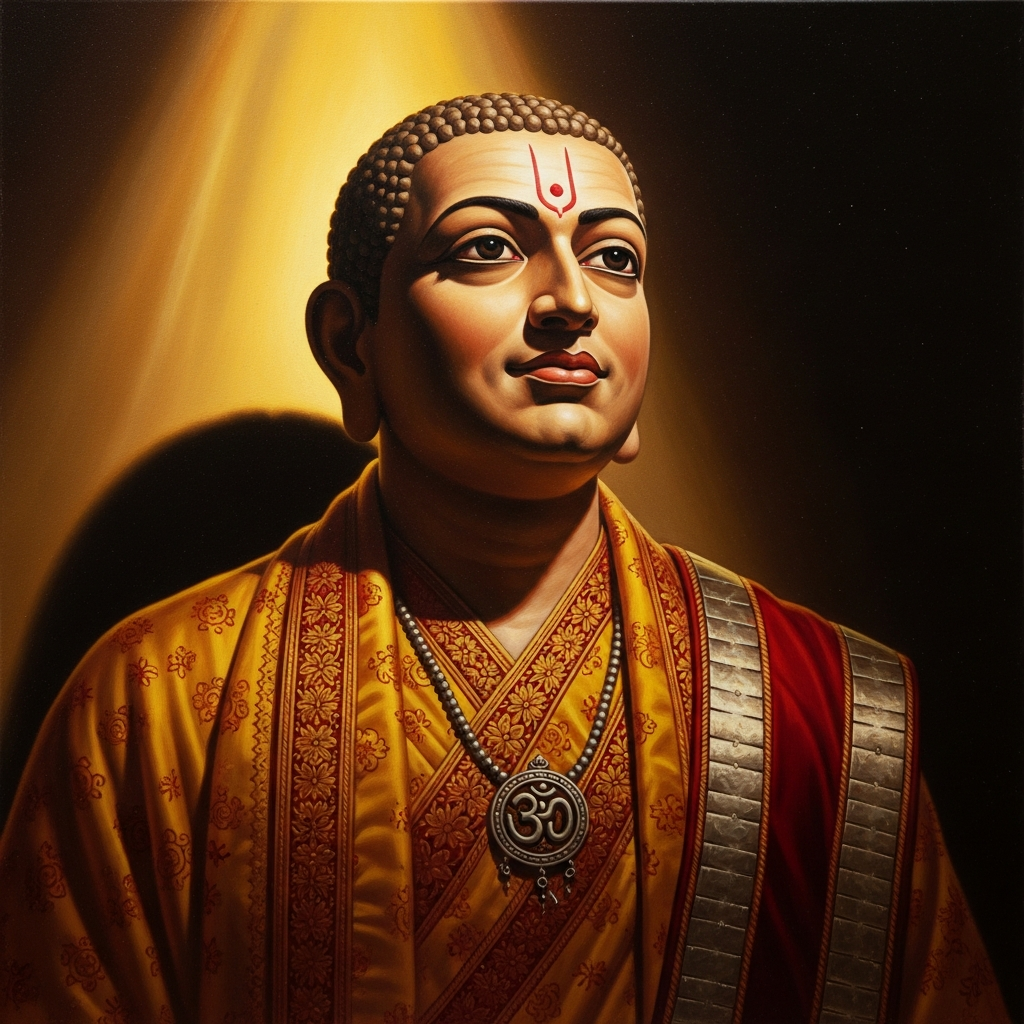
 MYTHIC