The Story
Hinduism is the world’s oldest continuously practiced major religion. No founder. No single scripture. No central church. Yet 1.2 billion people — one in every six humans alive — follow it. What exists instead is a four-thousand-year conversation between gods, sages, kings, poets, philosophers, and ordinary devotees across a subcontinent that absorbed every empire that tried to absorb it.
The Indus Valley (~3300-1300 BCE): The story begins in Harappa and Mohenjo-daro — urban civilizations contemporary with Egypt, with planned grids, drainage, and script we still cannot read. Seals show a horned figure in yogic posture, surrounded by animals: perhaps proto-Shiva. Whatever they worshipped was folded, partially, into what followed.
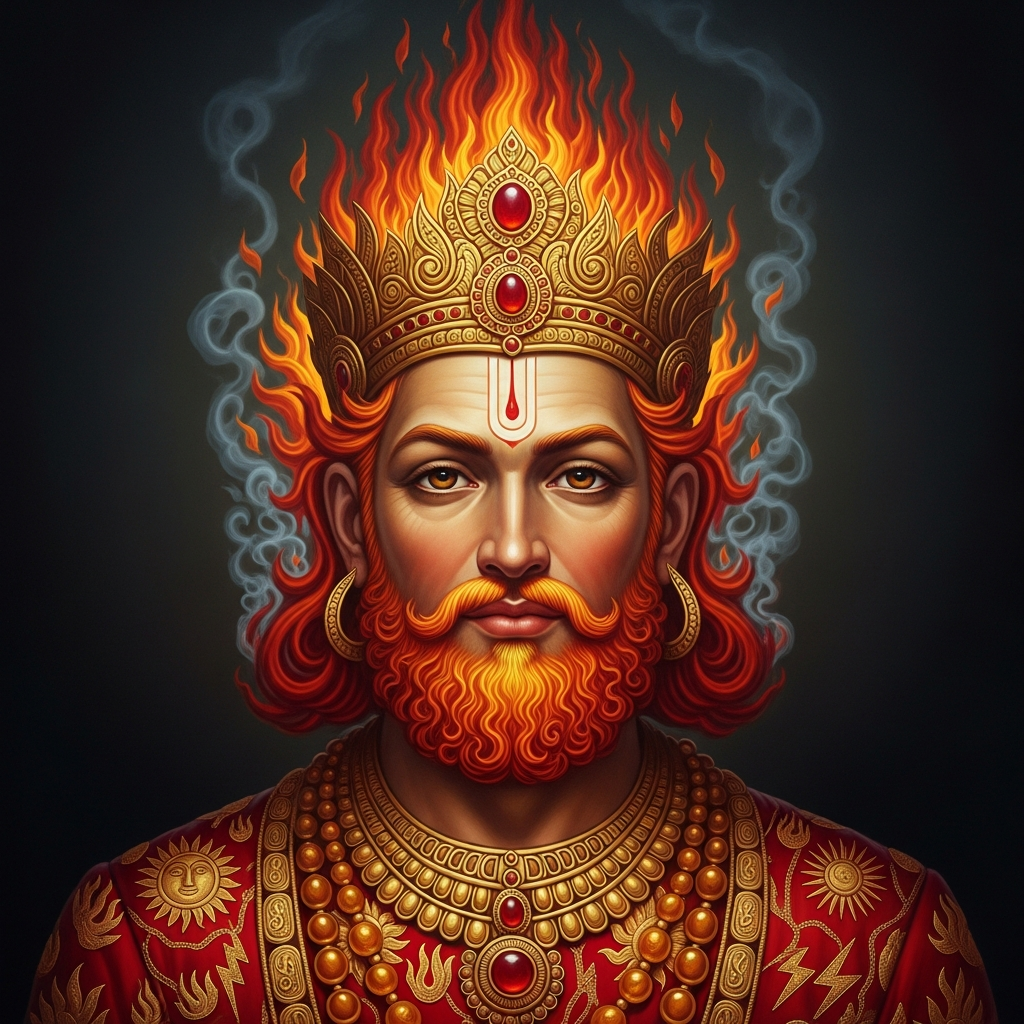
The Vedic Age (~1500-500 BCE): Indo-Aryan speakers compose the Rig Veda — 1,028 hymns to Agni (fire), Indra (thunder), soma, dawn, and rita (cosmic order) (Rig Veda 1.1). For over a thousand years, it was preserved orally with mnemonic precision that modern philologists find astonishing. Three more Vedas follow. Fire becomes the axis.
The Upanishads (~800-300 BCE): Philosophy turns inward. The fire altar internalizes. Brahman (the cosmic principle) merges with Atman (the self) (Chandogya Upanishad 6.8.7). Tat tvam asi — “thou art that” (Chandogya Upanishad 6.8.7). Mystical monism is born.
The Epics (~400 BCE-400 CE): The Mahabharata (100,000+ verses, humanity’s longest poem) and Ramayana shape the moral imagination of the subcontinent. Nested inside the Mahabharata sits the Bhagavad Gita — 700 verses where Krishna instructs Arjuna before battle. The most translated Hindu text in history.
The Buddha emerges (~500 BCE): Siddhartha Gautama renounces princely life inside this Hindu matrix, attains enlightenment, founds a parallel tradition. Hinduism eventually reabsorbs him as Vishnu’s ninth avatar. The traditions diverge, then speak past each other for 2,500 years.
Classical Synthesis (~200 BCE-1200 CE): The Puranas codify myth. Temple Hinduism crystallizes. Adi Shankara (~800 CE) walks the subcontinent founding monasteries and consolidating Advaita Vedanta — the doctrine that Brahman alone is real (Brahma Sutras, Shankara’s Brahma Sutra Bhashya). Ramanuja (~1100 CE) counters with qualified non-dualism, defending devotion.
The Bhakti Movement (~700-1700 CE): A devotional explosion in vernacular languages — Tamil, Marathi, Hindi, Bengali. Saints like Mirabai, Kabir, and Chaitanya bypass Sanskrit priesthood and caste with ecstatic love-poetry to Krishna, Rama, and the formless divine. Bhakti democratizes the tradition.
The Mughal Era (1526-1857): Islamic rule meets Hindu civilization. The encounter produces bloodshed and syncretism: Sufi-Bhakti cross-pollination, Sikhism (founded by Guru Nanak within this space), Akbar’s experiments in religious universalism, the Taj Mahal as meditation on paradise.
Colonial Encounter (1757-1947): The British arrive. Sanskrit texts enter European languages for the first time; Schopenhauer reads the Upanishads and weeps. Hindu reformers respond: Ram Mohan Roy founds the Brahmo Samaj. Swami Vivekananda electrifies the 1893 Parliament of Religions in Chicago. Mahatma Gandhi forges ahimsa and satyagraha into a weapon against empire and wins.
Modern Hinduism (1947-present): Independence partitions the subcontinent and kills a million people. India becomes a constitutional secular republic with a Hindu majority. Yoga and meditation globalize — the Beatles visit the Maharishi, ISKCON spreads Krishna-bhakti to the West, Ravi Shankar plays Woodstock. The diaspora reaches 30 million. Political Hinduism (Hindutva) rises. Temples appear in New Jersey and London. The conversation continues.
Pivotal Events
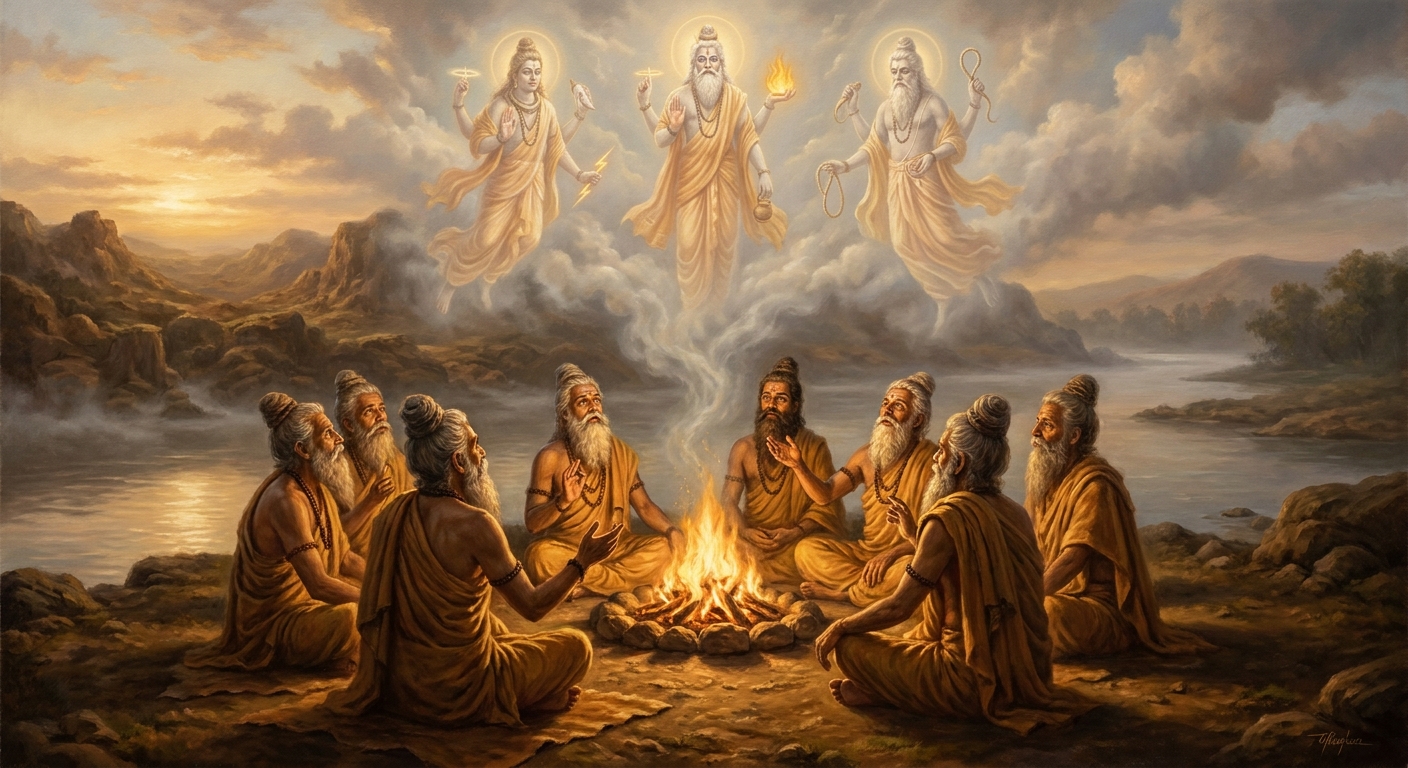
The Rig Veda is the oldest religious text in continuous use anywhere on earth: 1,028 hymns in archaic Sanskrit, addressed to Agni (fire), Indra (thunder), soma, Ushas (dawn), and Varuna (Rig Veda 1.1, 4.42, 1.113). Sages (rishis) claimed they saw the verses rather than wrote them — revelation as direct perception. For over a thousand years before it was written, it was preserved orally with a precision so exact that modern recordings from different regions of India agree syllable-for-syllable. Everything that follows in Hindu tradition — ritual, philosophy, theology, devotional language — rests here.
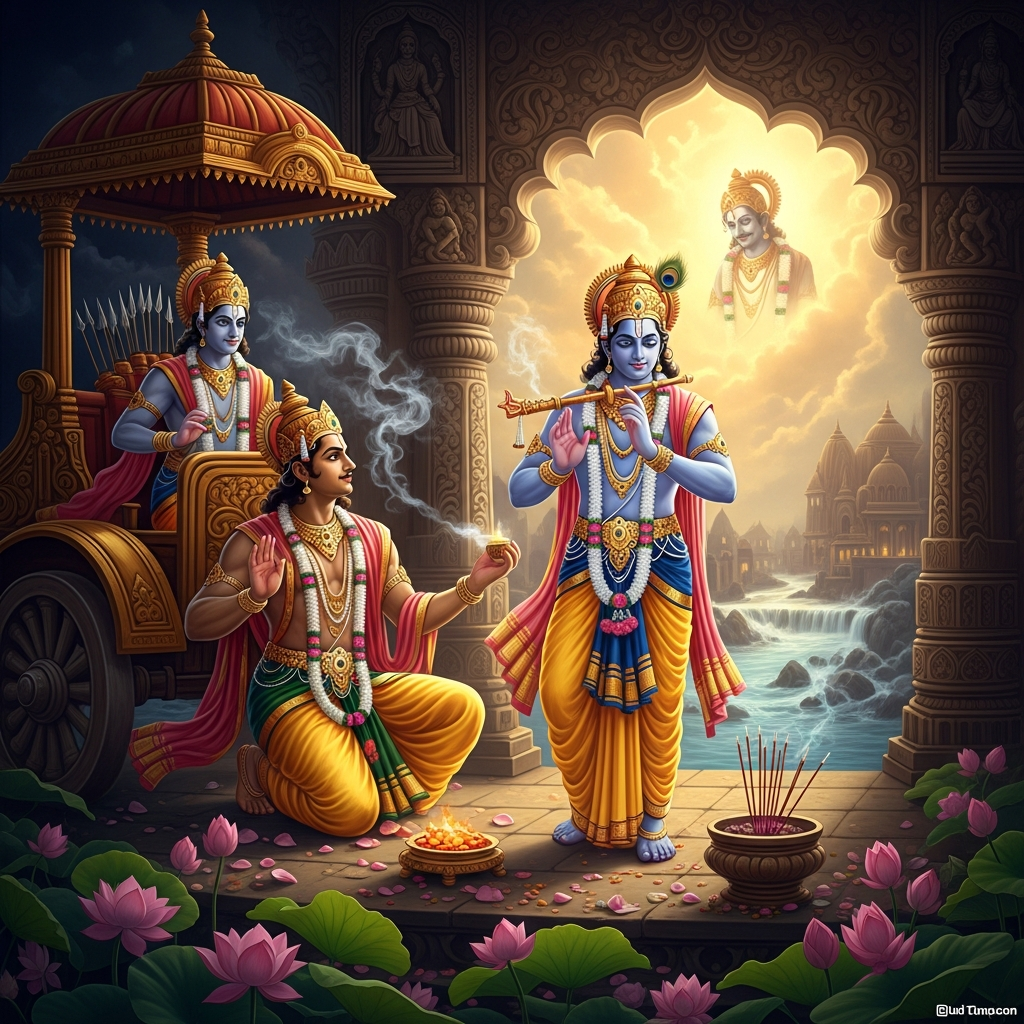
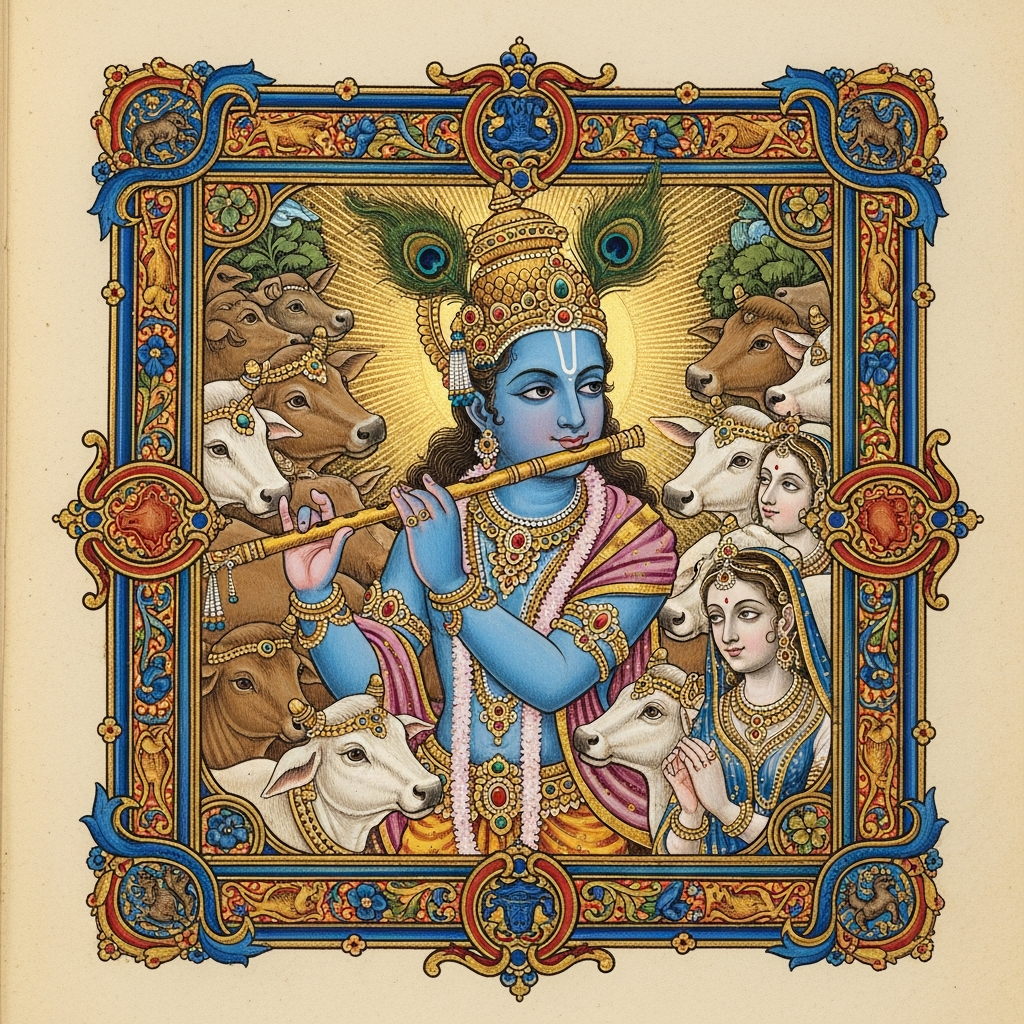
On the eve of the great war, the warrior Arjuna looks across the field and sees his cousins, teachers, elders arrayed against him (Bhagavad Gita 1.26). He refuses to fight. His charioteer, who is Krishna in disguise, delivers 700 verses of concentrated theology. The Gita synthesizes three paths — karma yoga (action without attachment) (Bhagavad Gita 2.47), jnana yoga (knowledge), bhakti yoga (devotion) (Bhagavad Gita 6.47) — into one integrated practice. It reveals Krishna as the supreme deity in his Vishvarupa (Universal Form), terrifying and total (Bhagavad Gita 11.12). More translated than any other Hindu text. Gandhi called it his “spiritual dictionary.” Oppenheimer quoted it at Trinity. It is the operating manual of Hindu spirituality.
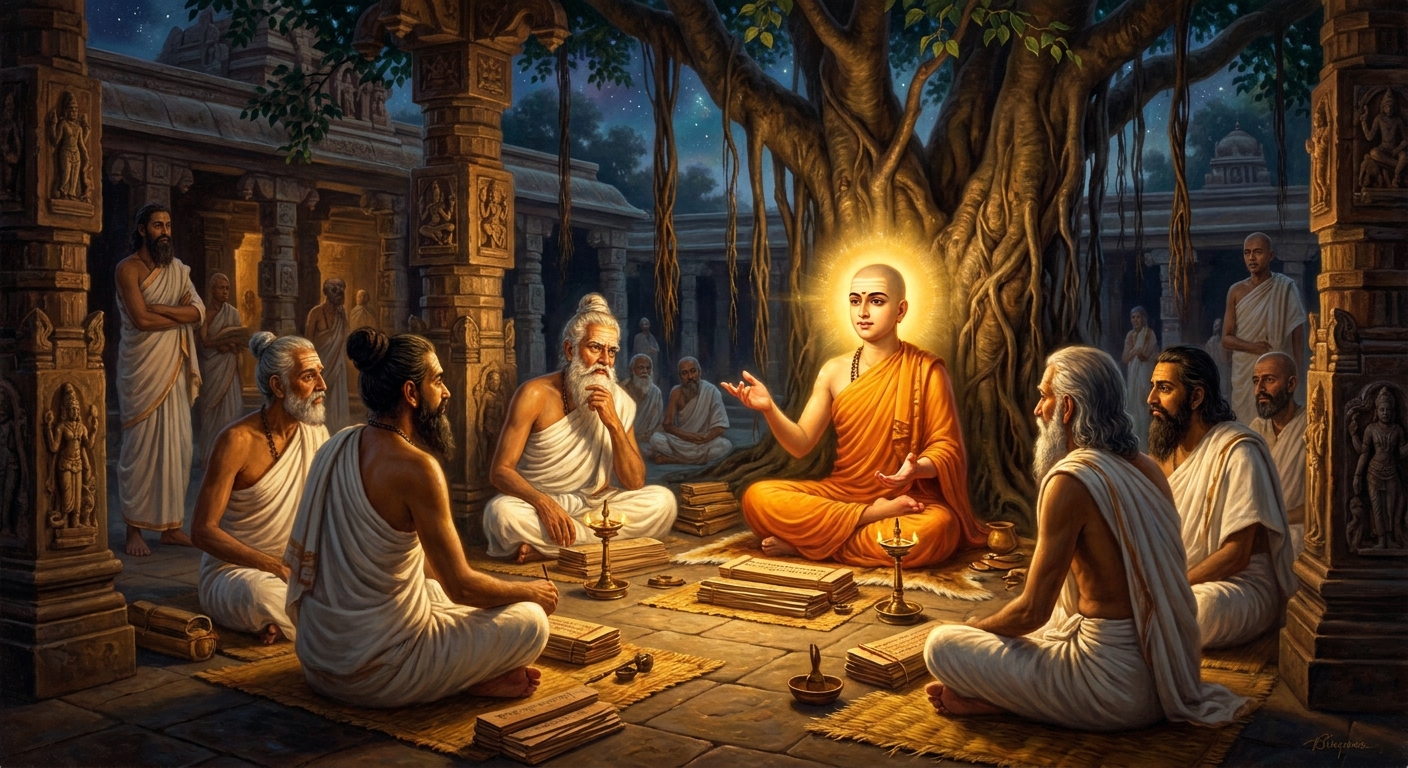
In perhaps 32 years, the Kerala-born philosopher Adi Shankara walked the subcontinent, debated rival schools, founded four monasteries at the cardinal points, wrote commentaries on the Upanishads and Bhagavad Gita, and established Advaita Vedanta as Hinduism’s dominant philosophy. His core claim: Brahman alone is real (Brahma Sutras, Shankara’s Brahma Sutra Bhashya); the world of multiplicity is maya (illusion); liberation is recognizing one’s identity with the absolute. Aham Brahmasmi — “I am Brahman” (Brihadaranyaka Upanishad 1.4.10). Shankara’s synthesis re-energized Hindu intellectual life when Buddhism was ascendant. Within centuries, Buddhism was largely gone from India and Vedantic non-dualism had become the philosophical lingua franca.
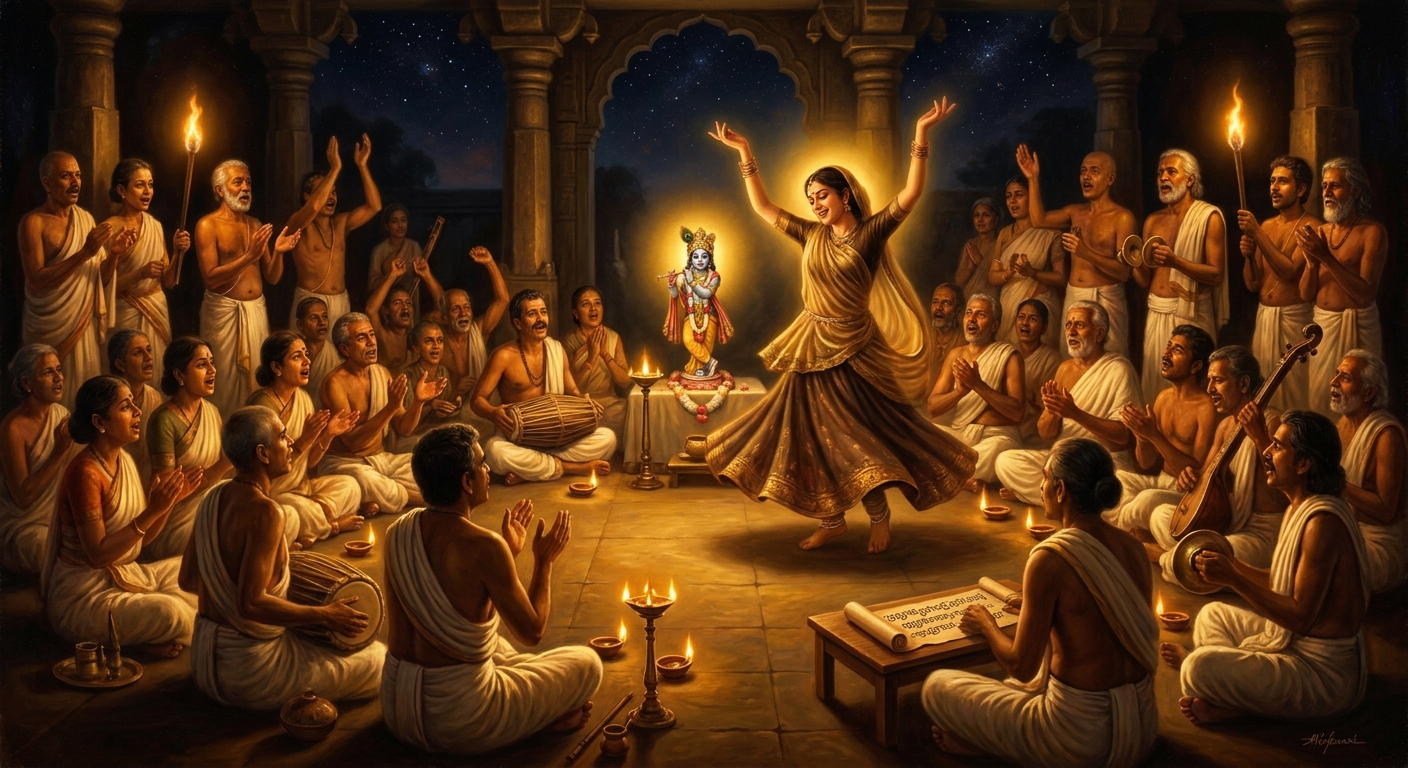
From the Tamil Alvars in the south to Chaitanya in Bengal, from Mirabai in Rajasthan to Kabir in the heartland, poet-saints bypassed Sanskrit priesthood and caste with ecstatic devotional poetry in the vernacular. Bhakti — devotion, love — made God direct, personal, available to anyone: weavers, untouchables, women, Muslims. Mirabai sang of Krishna as lover; nearly killed for it. Kabir refused to be Hindu or Muslim; both claimed him. Chaitanya danced through Bengal in ecstatic song. The movement democratized Hinduism (vernacular poetry traditions of Tamil, Marathi, Hindi, Bengali), seeded Sikhism, and produced some of the most beautiful religious poetry in any language. Modern devotional Hinduism — the lived tradition of most Hindus today — is Bhakti.
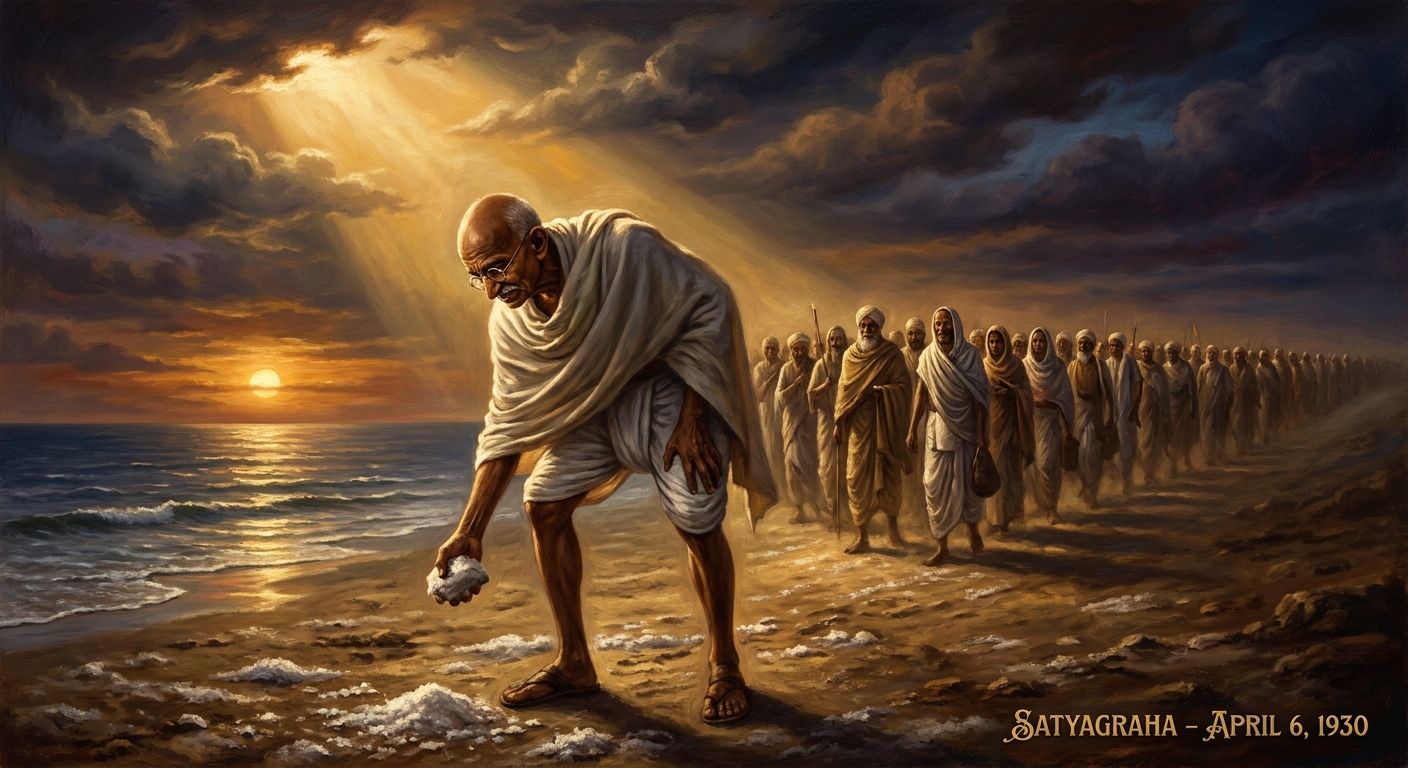
Mohandas Karamchand Gandhi took two ancient Hindu concepts — ahimsa (non-violence) and satya (truth) — and forged them into satyagraha (“truth-force”), a political weapon that broke the largest empire in history. The Salt March (1930), the Quit India movement (1942), years in prison, the spinning wheel as symbol of self-reliance — applied Hinduism, the Gita as manual for resistance. On August 15, 1947, India became independent. Five months later, a Hindu nationalist shot Gandhi for accommodating Muslims. Independence created the world’s largest democracy and a constitutional secular republic with a Hindu majority. The modern political container for the four-thousand-year tradition.
Timeline
| Era | Date | Event | Source |
|---|
| Indus Valley | ~3300-1300 BCE | Harappa, Mohenjo-daro; proto-Shiva seal | archaeology |
| Indo-Aryan Migration | ~1500 BCE | Vedic Sanskrit speakers enter NW India | linguistic / archaeological |
| Rig Veda | ~1500-1200 BCE | 1,028 hymns composed; oral preservation | Rig Veda |
| Later Vedas | ~1200-900 BCE | Sama, Yajur, Atharva Vedas | Vedas |
| Upanishads | ~800-300 BCE | Brahman = Atman; mystical monism | Upanishads |
| Buddha | ~563-483 BCE (contested) | Siddhartha Gautama; later absorbed as Vishnu’s 9th avatar | Pali Canon |
| Mahavira / Jainism | ~599-527 BCE | Parallel sramana tradition | Jain Agamas |
| Maurya Empire | 322-185 BCE | Ashoka spreads Buddhism; Hindu sacrificial culture continues | Ashokan edicts |
| Bhagavad Gita | ~200 BCE-200 CE | Composed within the Mahabharata | Mahabharata |
| Ramayana | ~500 BCE-200 CE | Valmiki’s epic of Rama | Ramayana |
| Puranas | ~300-1500 CE | Vast mythological encyclopedias | Puranas |
| Gupta Golden Age | 320-550 CE | Classical Sanskrit culture flourishes | Kalidasa et al. |
| Adi Shankara | ~788-820 CE | Advaita Vedanta consolidated; four mathas founded | Shankara’s commentaries |
| Bhakti Movement | ~700-1700 CE | Alvars, Nayanars, Mirabai, Kabir, Chaitanya | vernacular poetry |
| Ramanuja | 1017-1137 CE | Vishishtadvaita — qualified non-dualism | Ramanuja’s commentaries |
| Delhi Sultanate / Mughals | 1206-1857 | Islamic rule; Sufi-Bhakti syncretism; Sikhism emerges | Mughal chronicles |
| British Colonial Era | 1757-1947 | Sanskrit translations; Hindu reform movements | colonial records |
| Vivekananda | 1893 | Parliament of Religions in Chicago | Vivekananda’s lectures |
| Salt March | 1930 | Gandhi’s satyagraha campaign | Gandhi’s writings |
| Independence and Partition | 1947 | India and Pakistan partitioned; ~1M dead | historical record |
| Gandhi Assassinated | January 30, 1948 | Killed by Hindu nationalist Nathuram Godse | historical record |
| Yoga Goes Global | 1960s-present | Maharishi, ISKCON, BKS Iyengar; global yoga | cultural history |
| Present | 2026 | ~1.2B Hindus worldwide; 30M diaspora | demographic studies |
 MYTHIC
  MYTHIC
 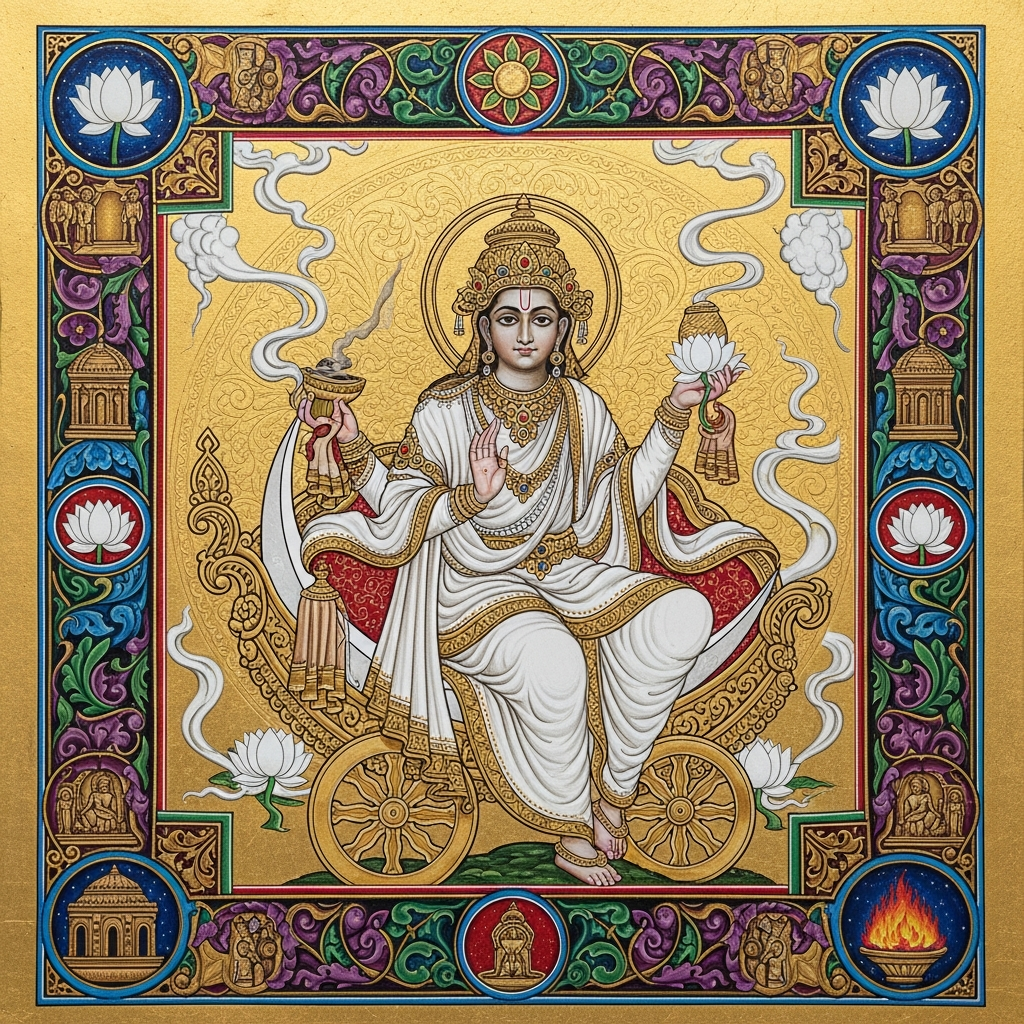 LEGENDARY
 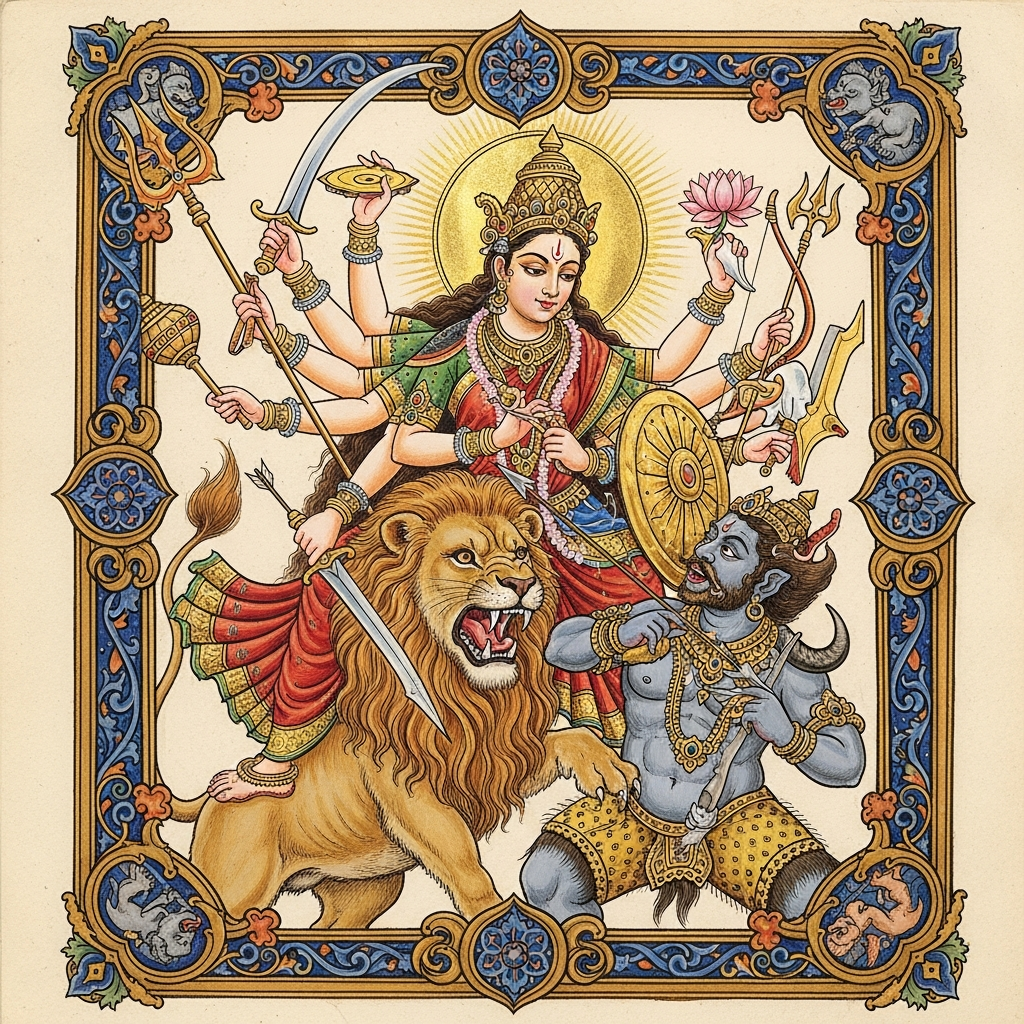 MYTHIC
 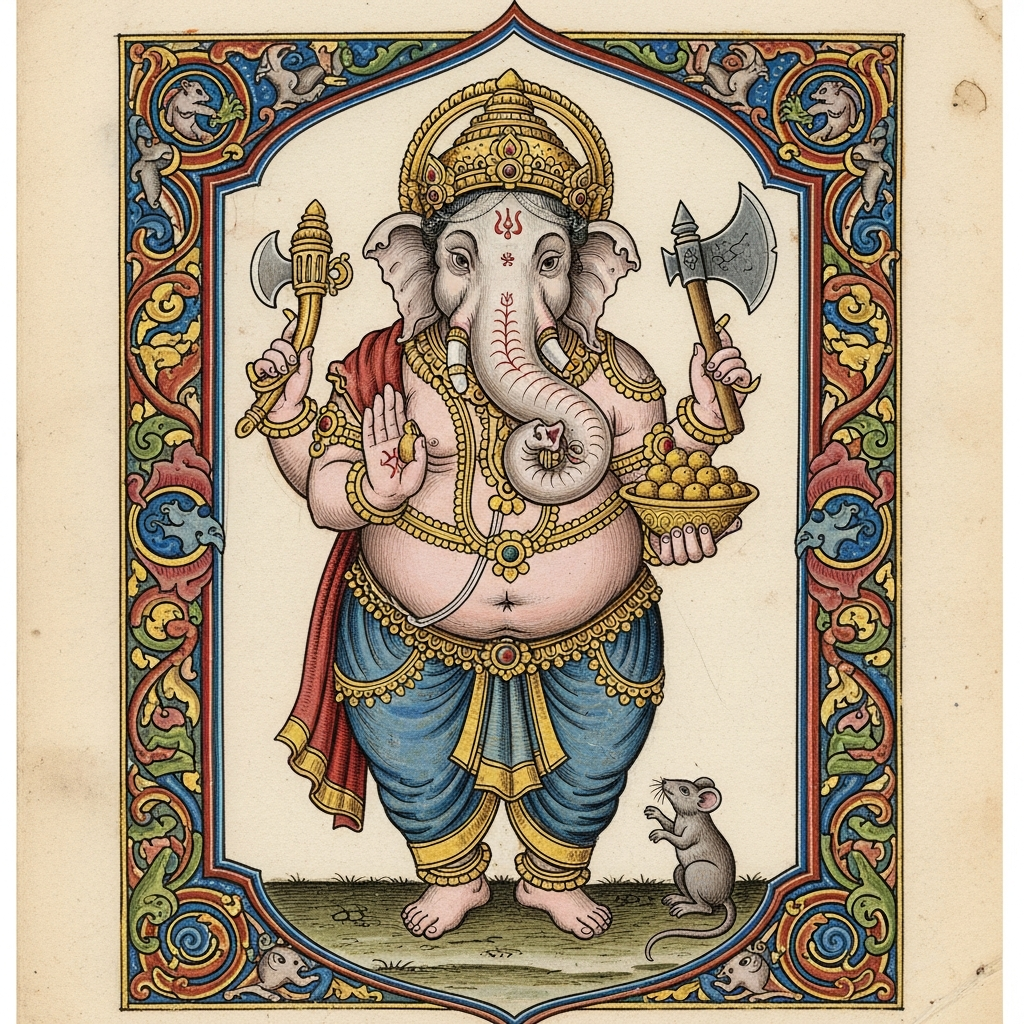 LEGENDARY
 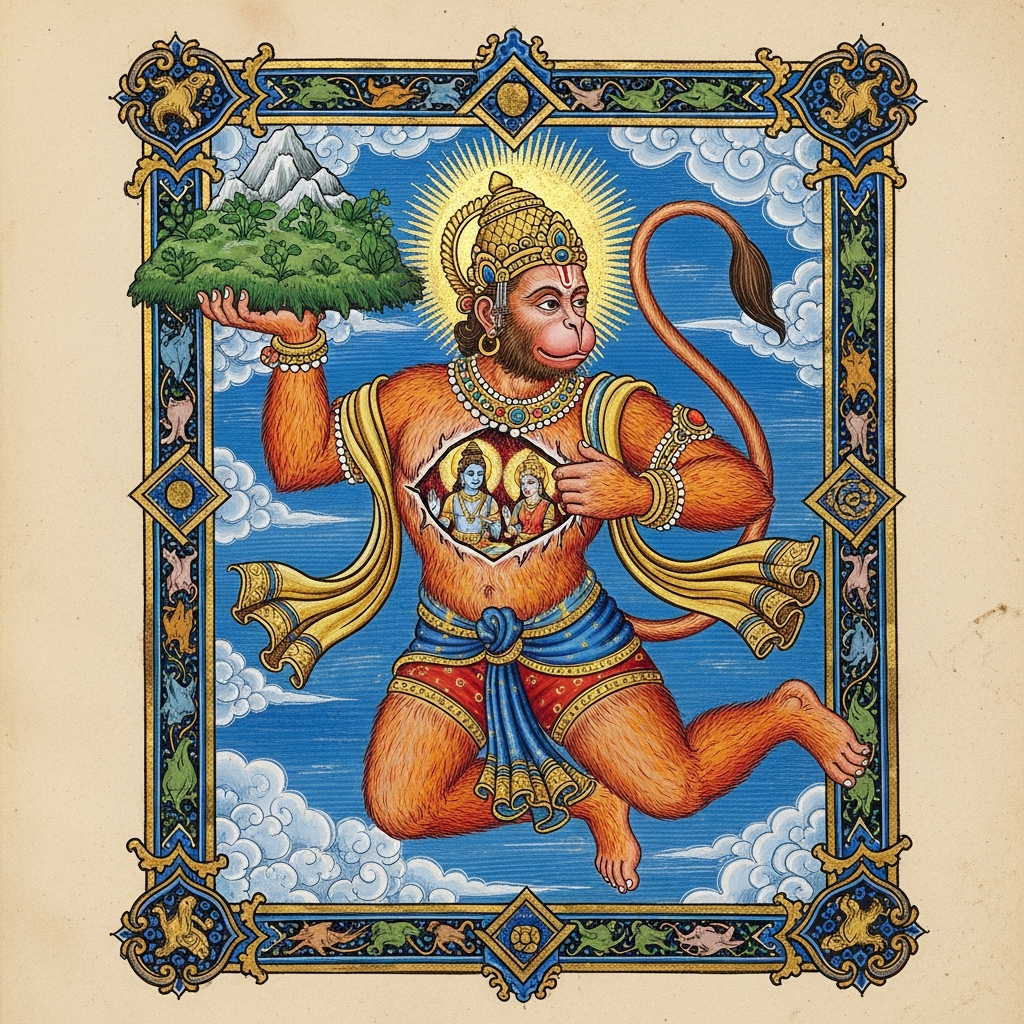 MYTHIC
  LEGENDARY
  LEGENDARY
  MYTHIC
  MYTHIC
  LEGENDARY
  LEGENDARY
  LEGENDARY
  MYTHIC
 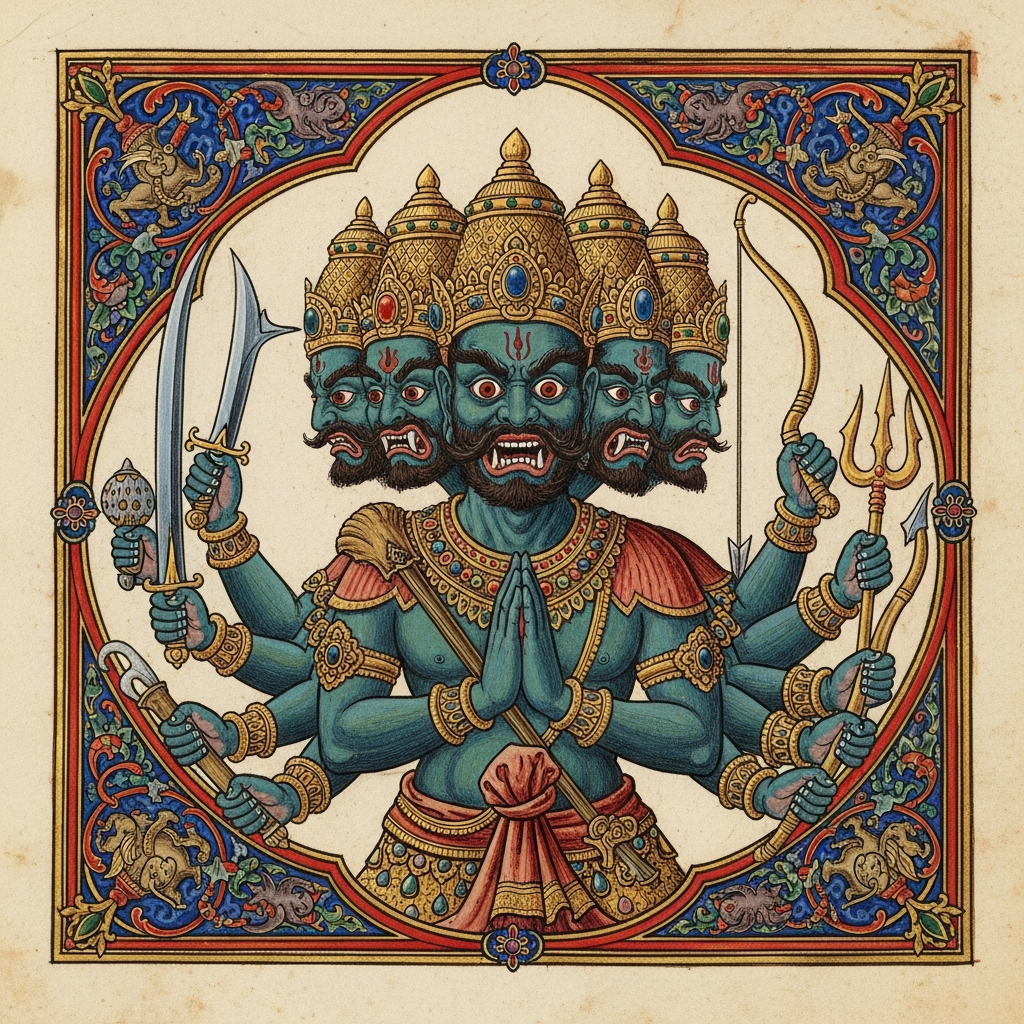 MYTHIC
 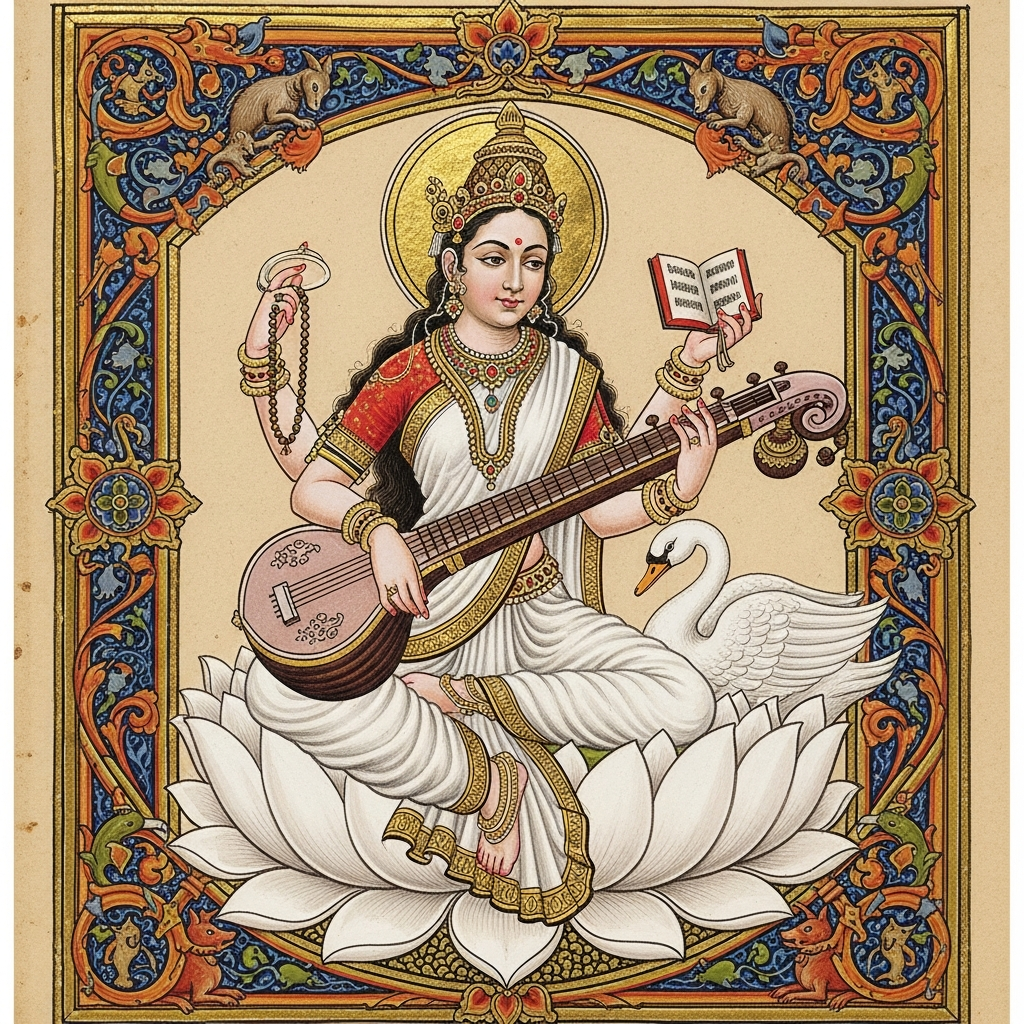 LEGENDARY
 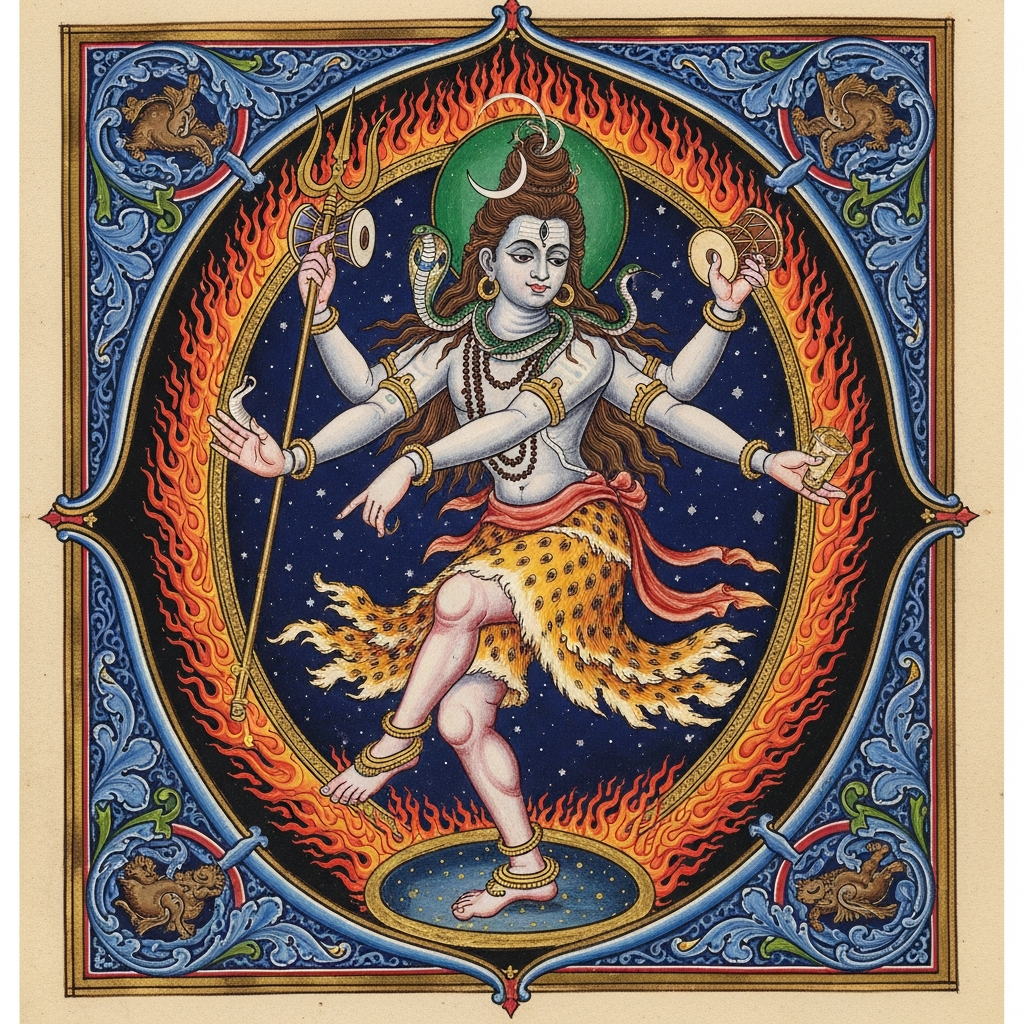 MYTHIC
 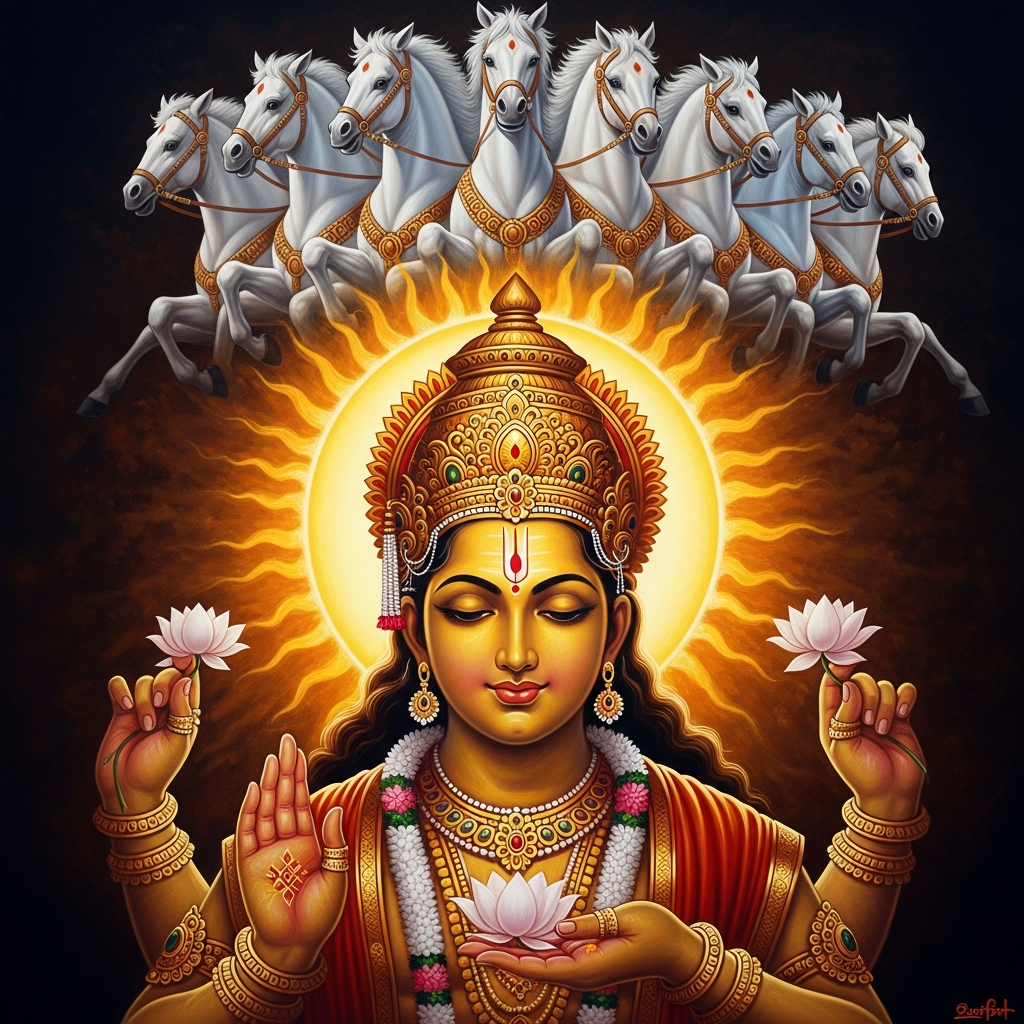 MYTHIC
  MYTHIC
  LEGENDARY
  MYTHIC