The Story
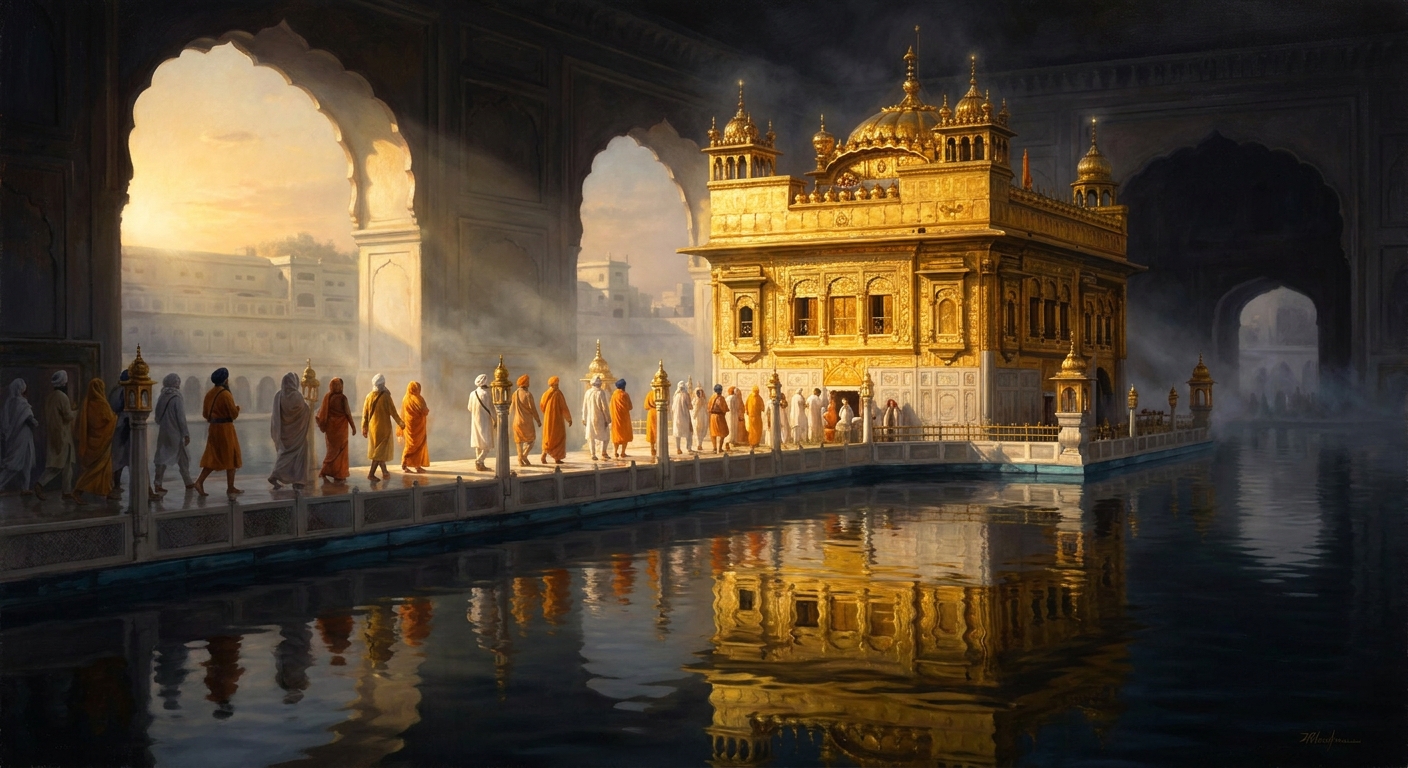
Sikhi is the fifth-largest religion on earth — roughly thirty million adherents, all five continents. It’s one of the youngest of the major traditions: only five centuries old, founded inside recorded history with named founders, dated events, and primary sources that still exist. Theologically, it is a fierce monotheism with something built in from the start: absolute refusal of caste, a commitment to armed self-defense, and a practice called langar — the free communal meal that dismantles all hierarchy every single day. It is not a hybrid of Hinduism and Islam (though it was born in the contact zone between them), and it is not a sect of either. It is entirely its own.
The narrative arc:
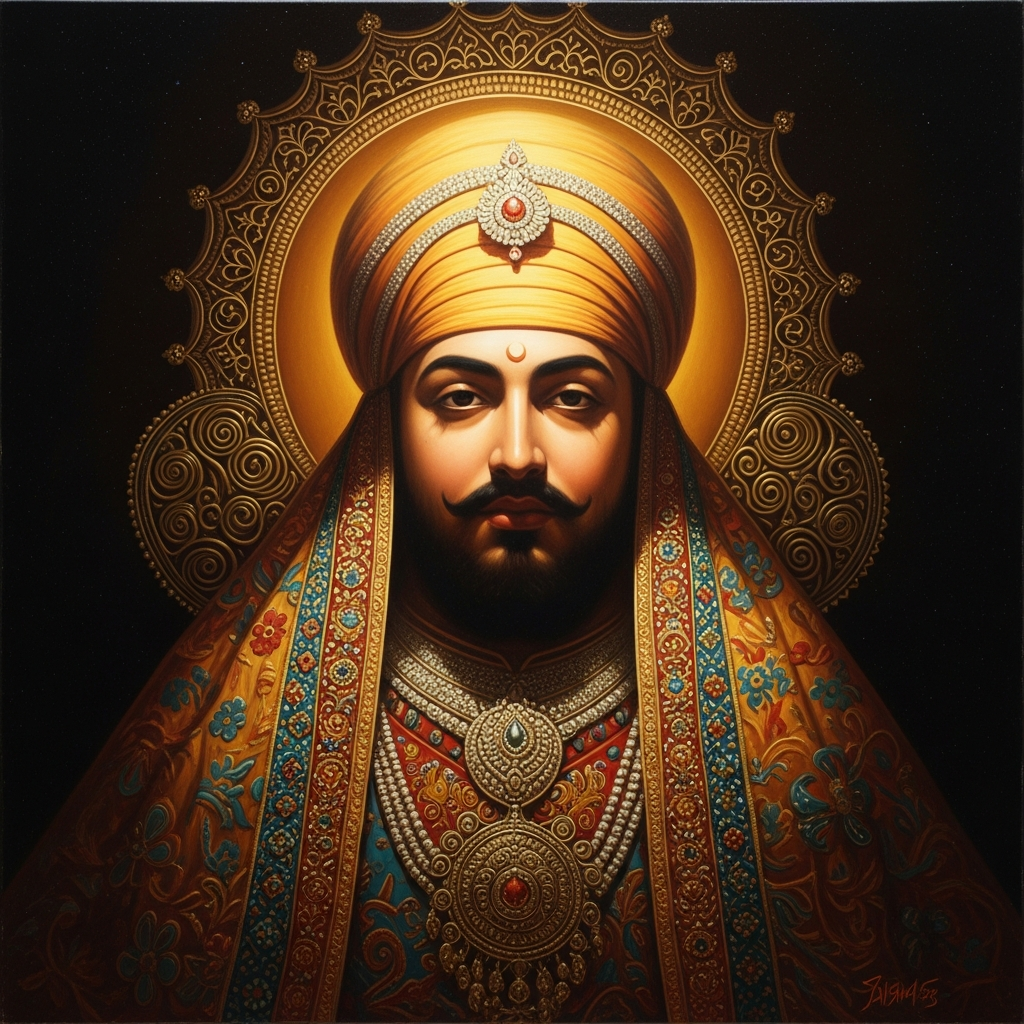
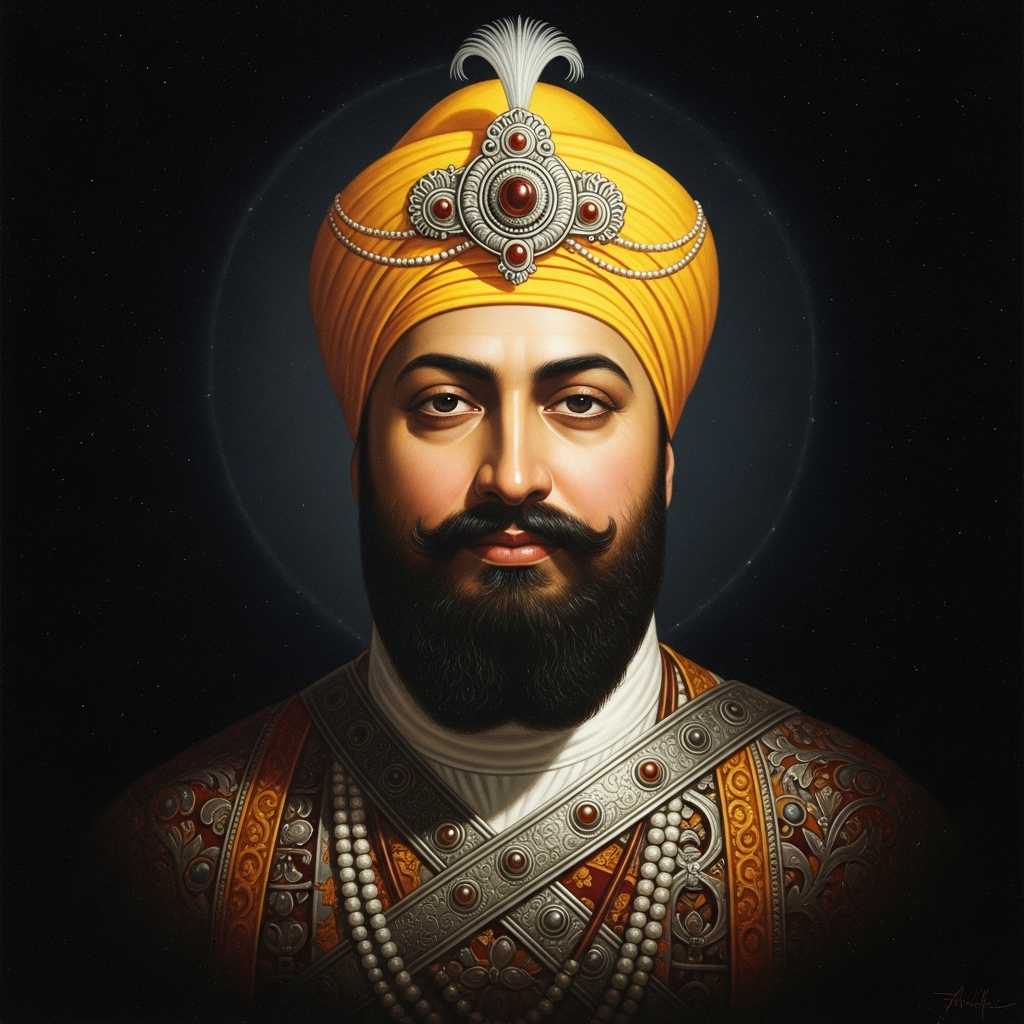
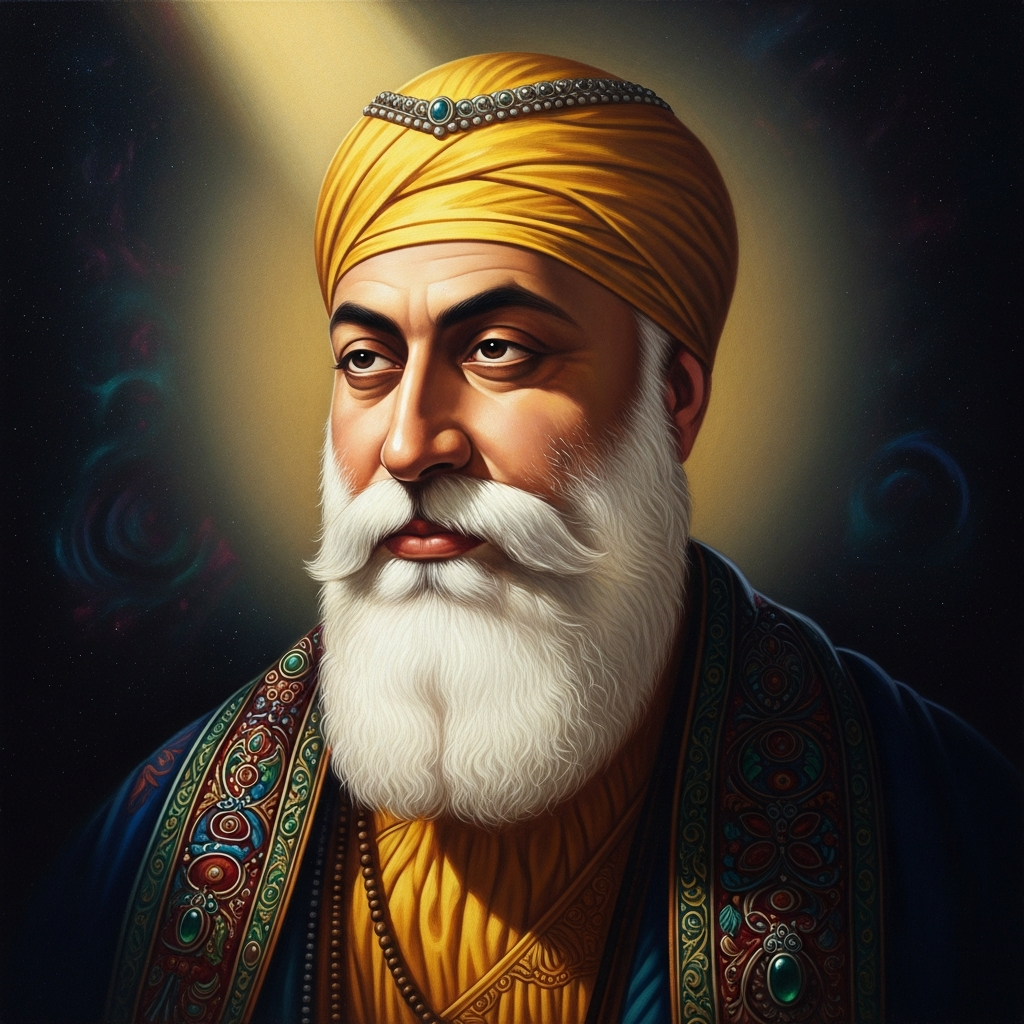
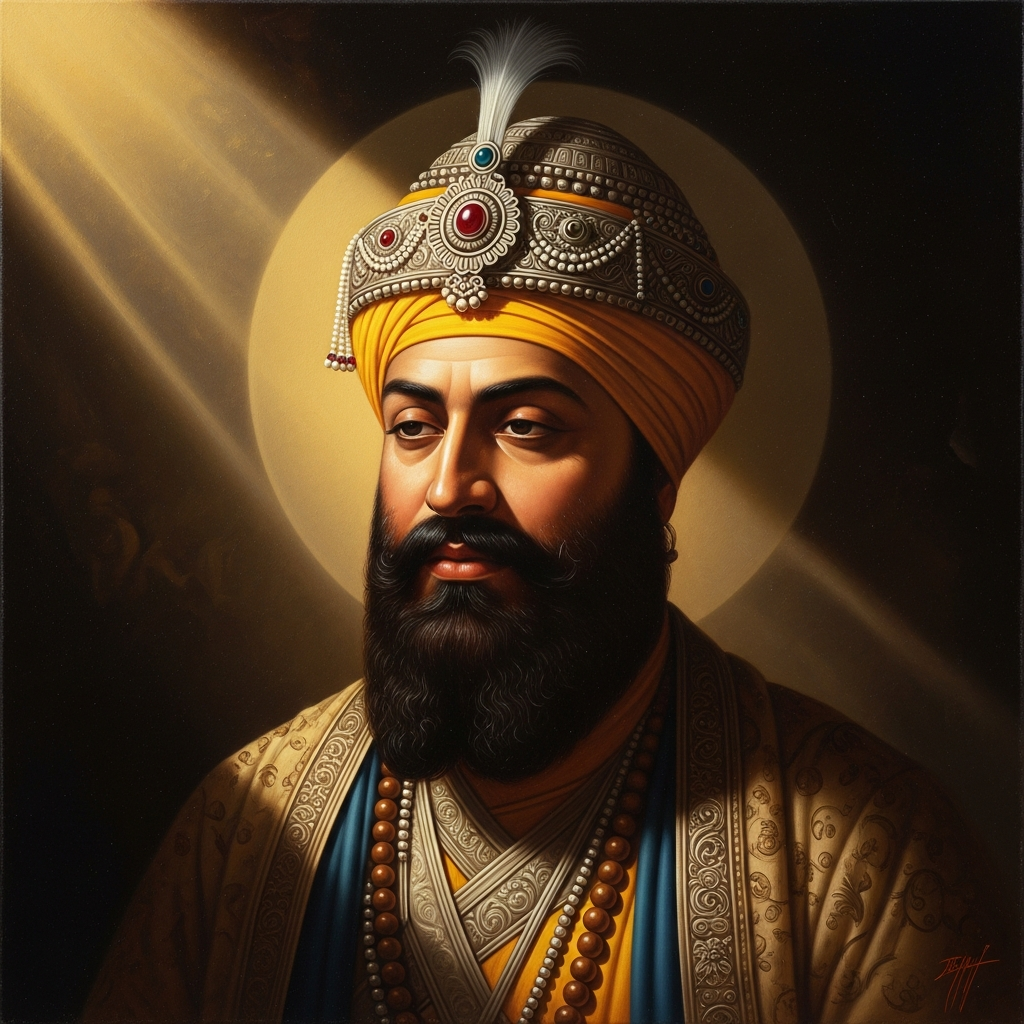
Guru Nanak (1469-1539): Born into a Hindu merchant family at Talwandi (now Nankana Sahib in Pakistani Punjab) (Janamsakhis). As a boy he refuses the sacred thread ceremony — if the thread binds you to caste, he asks, why not bind kindness and truth? He writes hymns instead. In 1499, working as a steward in Sultanpur Lodhi, he walks to the Bein river at dawn to bathe and vanishes. Three days pass. He reappears with the founding words: Na koi Hindu, na koi Mussulman — the categories the priests and the qazis are fighting over are not the categories that matter. There is only the One (Guru Granth Sahib, Sidh Gosht).
The Udasis (1500-1524): For twenty-four years, Nanak is on the road with Bhai Mardana, his Muslim companion and musician (Janamsakhis). East to Bengal, south to Sri Lanka, north to Tibet, west to Mecca and Baghdad. He composes hymns in every place. The image of the traveling Guru — not the settled Brahmin — is deliberate.
Kartarpur (1521-1539): Nanak settles on the banks of the Ravi river and builds a community around three practices (Rehat Maryada; Sikh tradition): Naam Japo (meditate on the divine name), Kirat Karo (work honestly), Vand Chhako (share what you have). Langar — the free communal meal where all sit on the floor together, caste erased — begins here and never stops (Guru Granth Sahib, ang 1245).
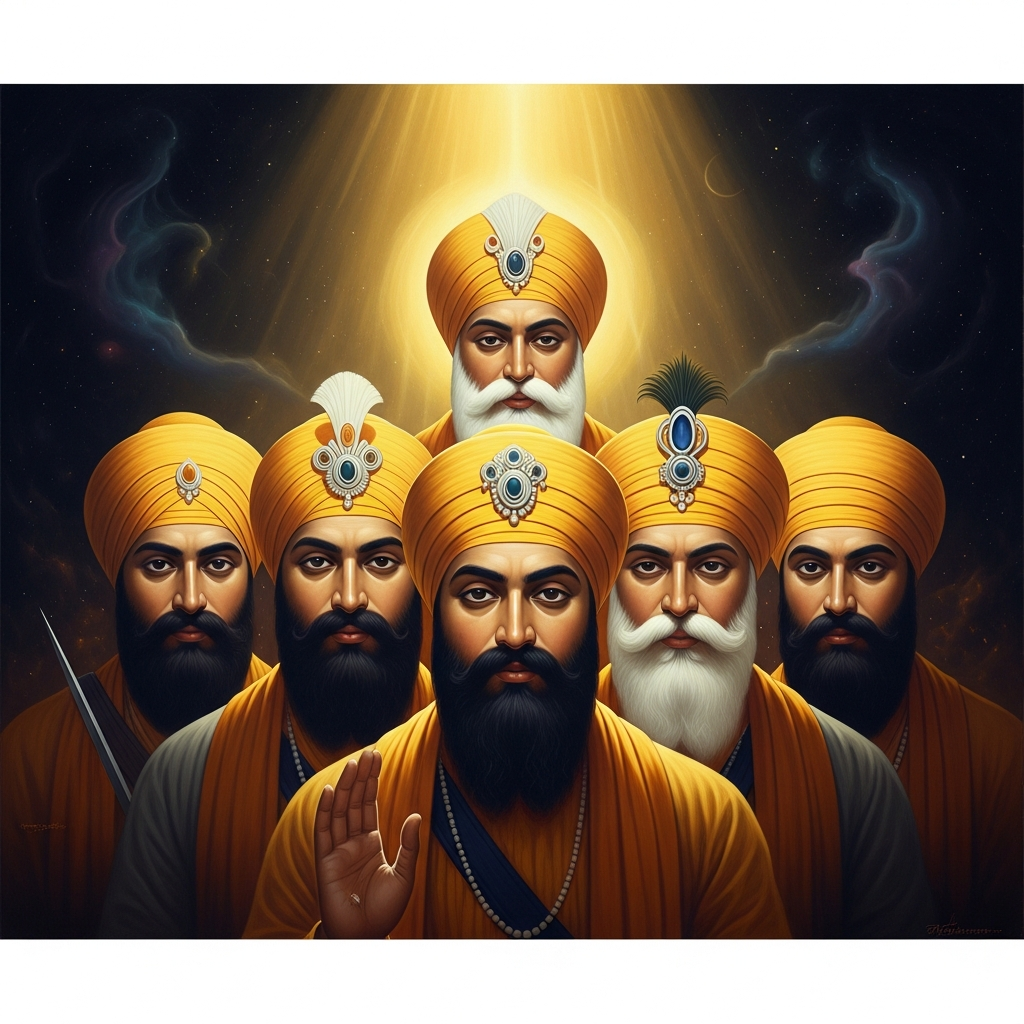
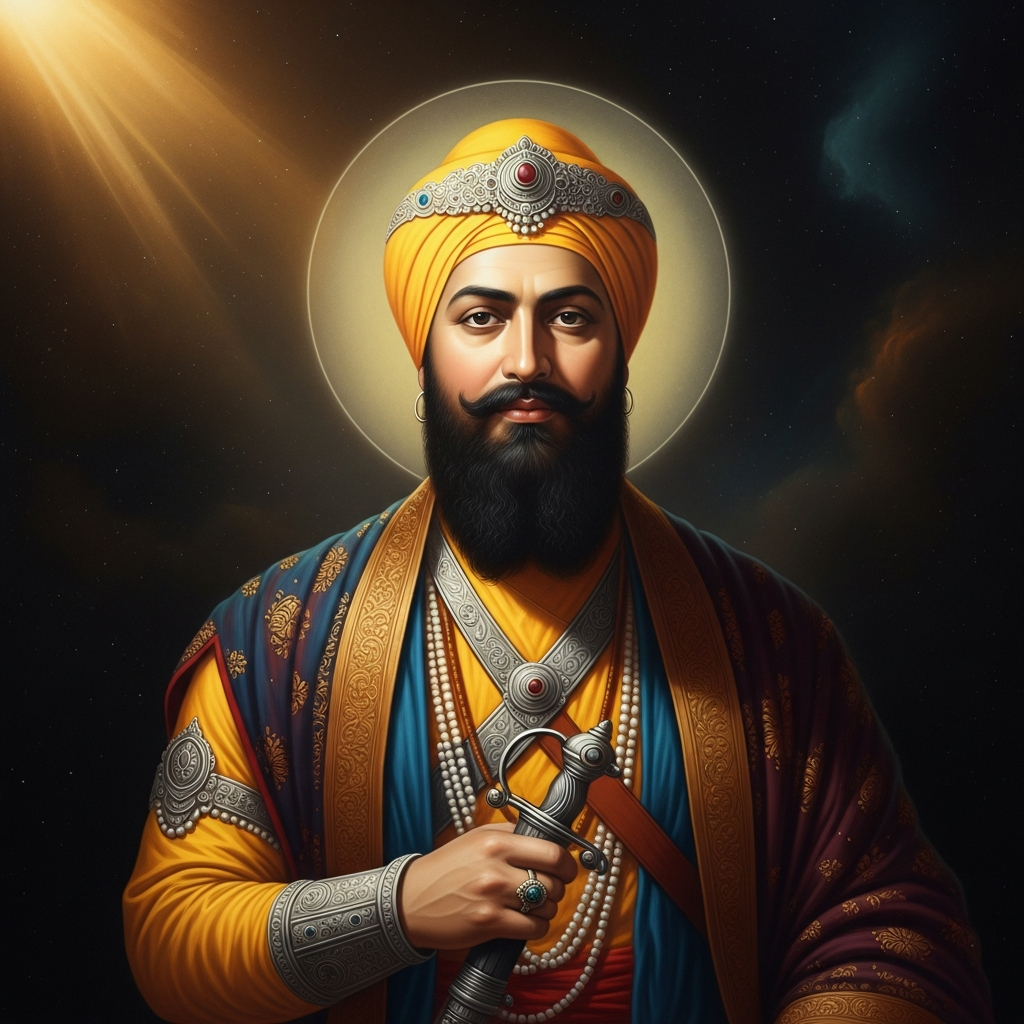
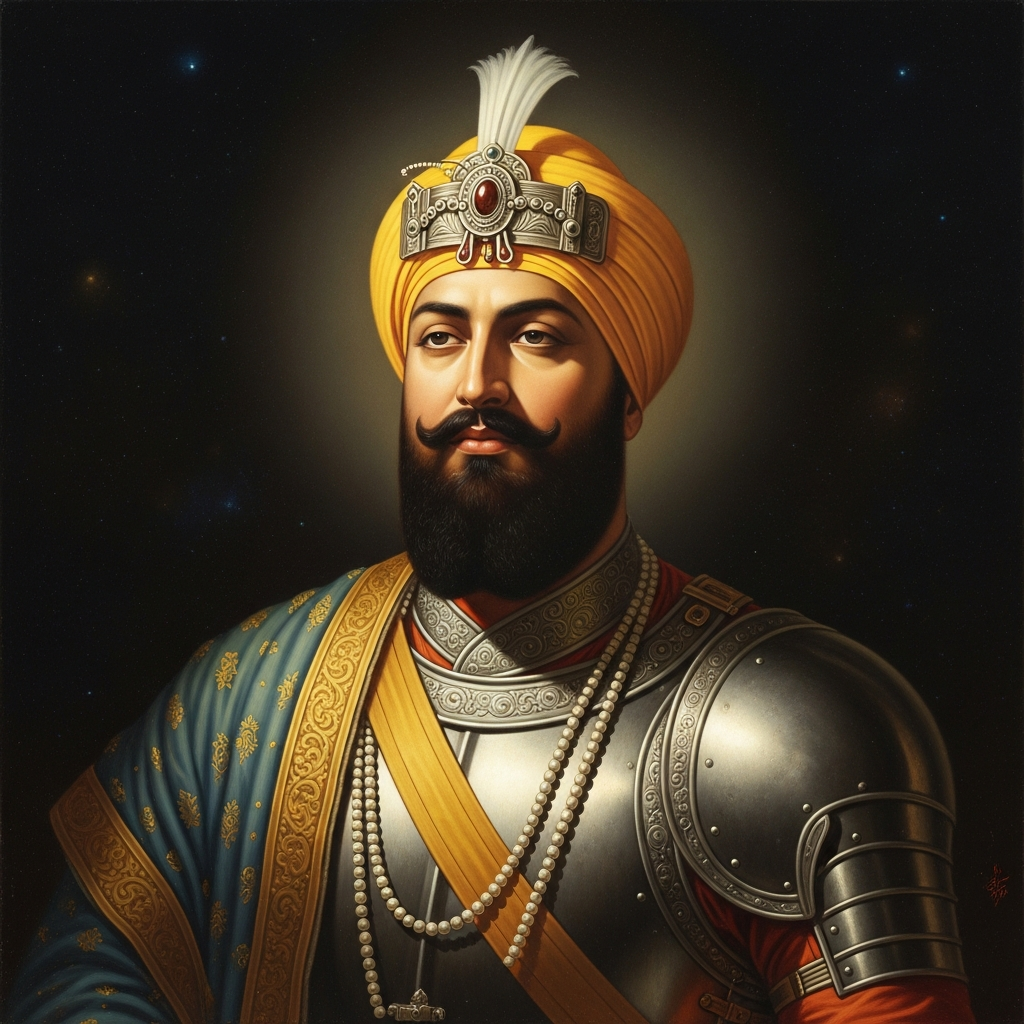
The Nine Successor Gurus (1539-1708): Nine Gurus in 169 years. Angad codifies the Gurmukhi script (Sikh tradition). Amar Das makes langar mandatory and forbids widow-burning (Sikh tradition). Ram Das founds Amritsar (Sikh tradition). Arjan compiles the Adi Granth (1604) (Adi Granth) and is tortured to death by Jahangir (1606) (Mughal records; Sikh tradition). Hargobind puts on two swords — miri (temporal) and piri (spiritual) (Sikh tradition). Har Rai, Har Krishan. Tegh Bahadur is beheaded in Delhi (November 11, 1675) (Bachittar Natak; Mughal records) defending Kashmiri Pandits against forced conversion (Bachittar Natak). Gobind Singh founds the Khalsa (April 13, 1699, Vaisakhi at Anandpur) (Dasam Granth; tradition) and, at death in 1708, closes the line of human Gurus — the scripture and the community become eternal Guru in his place (Dasam Granth).
Banda Singh Bahadur (1708-1716): Gobind Singh’s military commander. Leads the first Sikh rebellion (Dasam Granth; Persian chronicles), captures Sirhind in 1710 (Sikh tradition), is hunted, captured, tortured, and executed in Delhi (1716) (Persian Mughal chronicles).
The Misls and the Sikh Empire (1716-1849): Sikh militia bands (Misl) carve out territory through the 1700s (colonial records). Maharaja Ranjit Singh consolidates them in 1799 and rules a sovereign empire from Lahore for forty years (Sikh chronicles; colonial records) — religiously mixed, appointed Hindus and Muslims to power (Sikh chronicles). The empire fragments at his death in 1839 (colonial records); the British annex Punjab in 1849 after two wars (British military records).
Colonial Era (1849-1947): The Singh Sabha movement (1870s onward) asserts a separate Sikh identity against Hindu absorption and Christian missionaries. Sikhs serve disproportionately in the British Indian Army through both World Wars.
Partition (1947): The border slices through Punjab. 6.5 million Sikhs flee West Punjab to East Punjab; hundreds of thousands die in the violence. Lahore, Nankana Sahib, the holy sites — all fall on the Pakistani side.
1984: The single worst year in modern Sikh memory (Nanavati Commission). In June, Indira Gandhi orders Operation Blue Star (contemporary press): the Indian Army storms the Golden Temple with tanks to kill militant Jarnail Singh Bhindranwale. Bhindranwale dies. The Akal Takht is damaged. Hundreds of pilgrims, there for Guru Arjan’s martyrdom day, die in crossfire (contemporary press). On October 31, two of her Sikh bodyguards, Beant Singh and Satwant Singh, shoot her dead at her residence (contemporary press). Over the next three days, organized mobs burn Sikhs alive with tires around their necks, with police connivance (Nanavati Commission). Approximately three thousand Sikhs die. Almost no prosecution. The wound does not close.
Today: Thirty million Sikhs, six continents. The core commitments — one God, no priesthood, no caste, langar, the visible Khalsa — hold firm five centuries on.
Pivotal Events
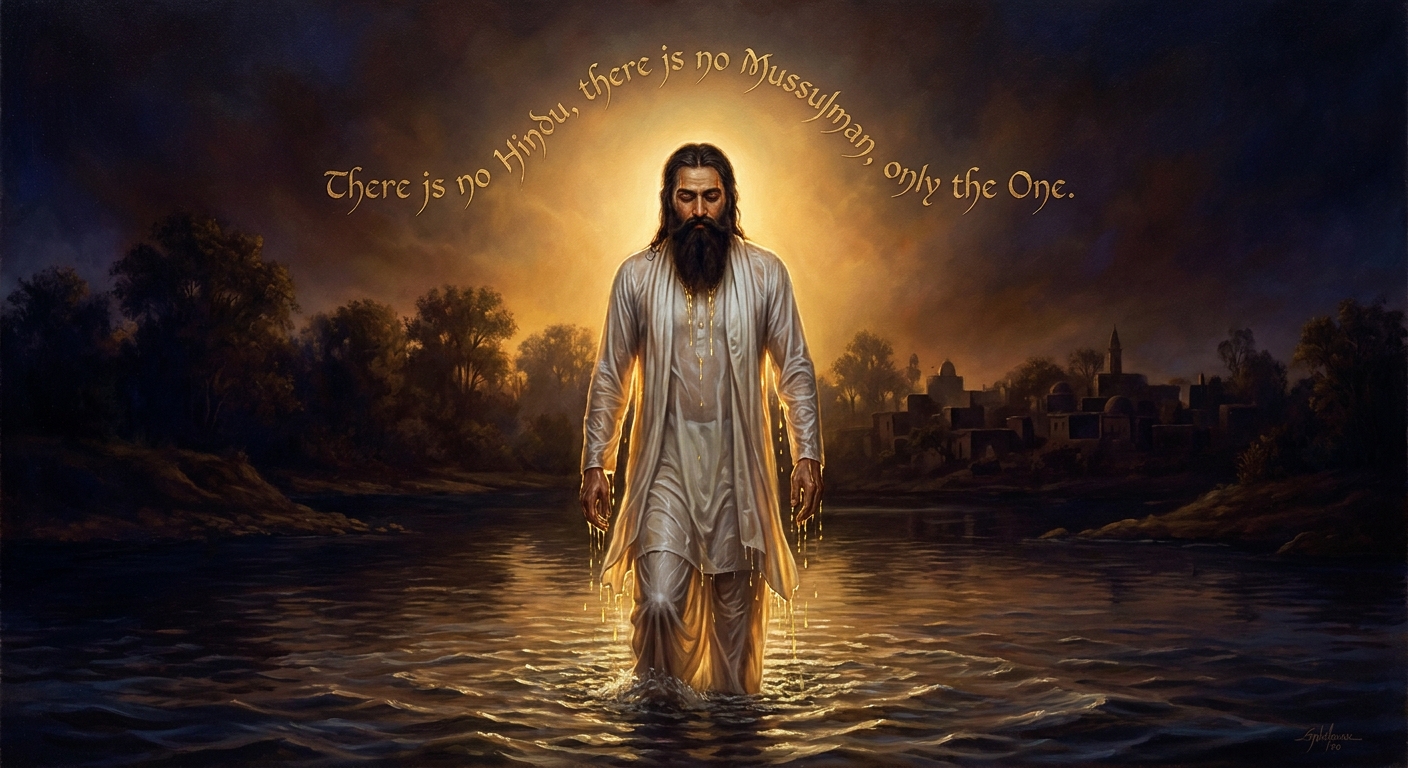
At dawn, the steward Nanak walks to the Bein river to bathe. He vanishes. Three days pass. His clothes sit on the bank. Searchers drag the river. He emerges silent. When he speaks, the first words are: Na koi Hindu, na koi Mussulman — both establishments have lost the plot. The categories the priests fight over are not the categories God recognizes. There is the One; there is everything else. Justice, honest work, remembrance of the Name. Nanak walks away from his job that day and spends the next twenty-four years on the road. The tradition marks this as Sikhi’s birth.
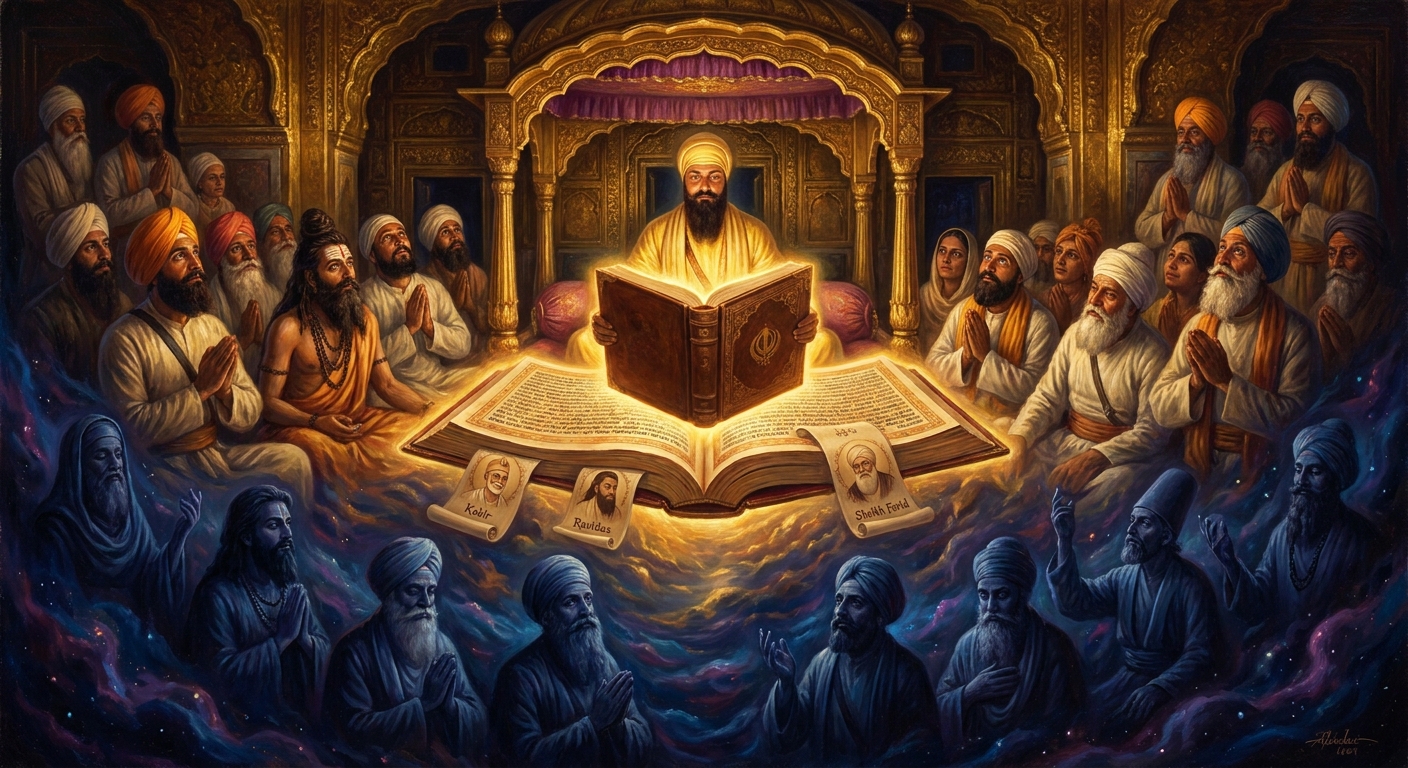
Arjan, the fifth Guru, compiles one of history’s most consequential religious texts. At Amritsar, working with scribe Bhai Gurdas, he gathers the hymns of four Gurus, adds his own, then includes Hindu bhakti saints (Kabir, Namdev, Ravidas) and Muslim Sufis (Sheikh Farid). A theological claim in the table of contents: the divine word belongs to no one community. The Adi Granth goes into the Golden Temple in 1604. Two years later, Jahangir arrests Arjan. They torture him on heated iron plates with sand poured on his head. He dies the first Sikh martyr. The book outlives the body, as was always the point.
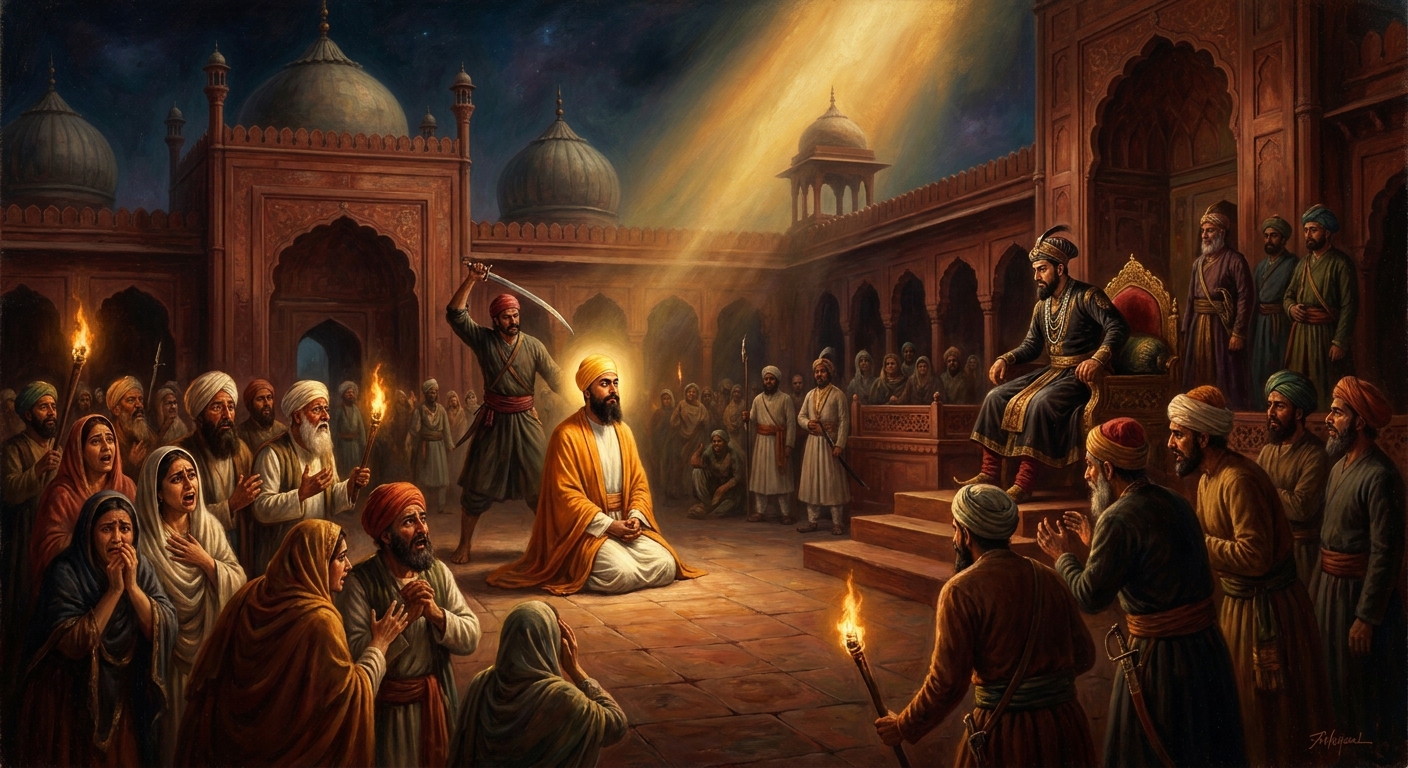
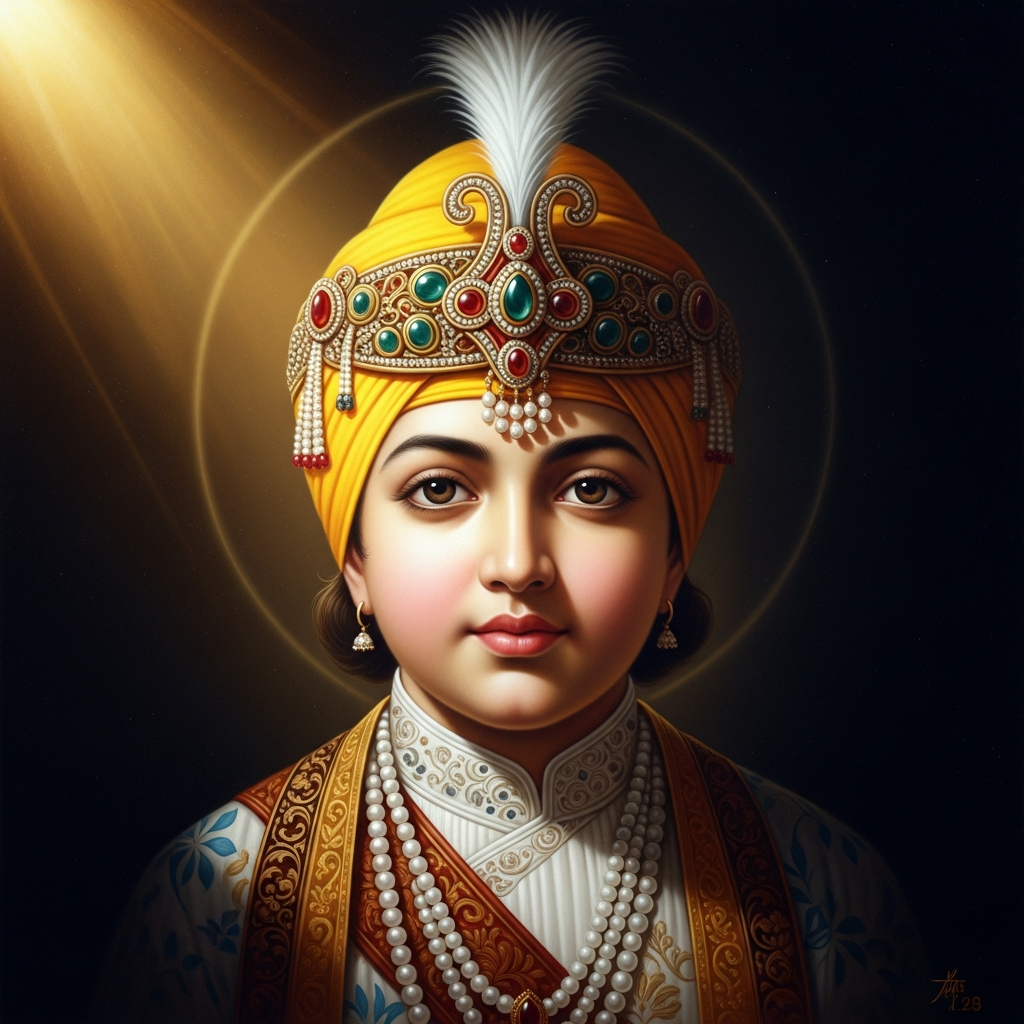
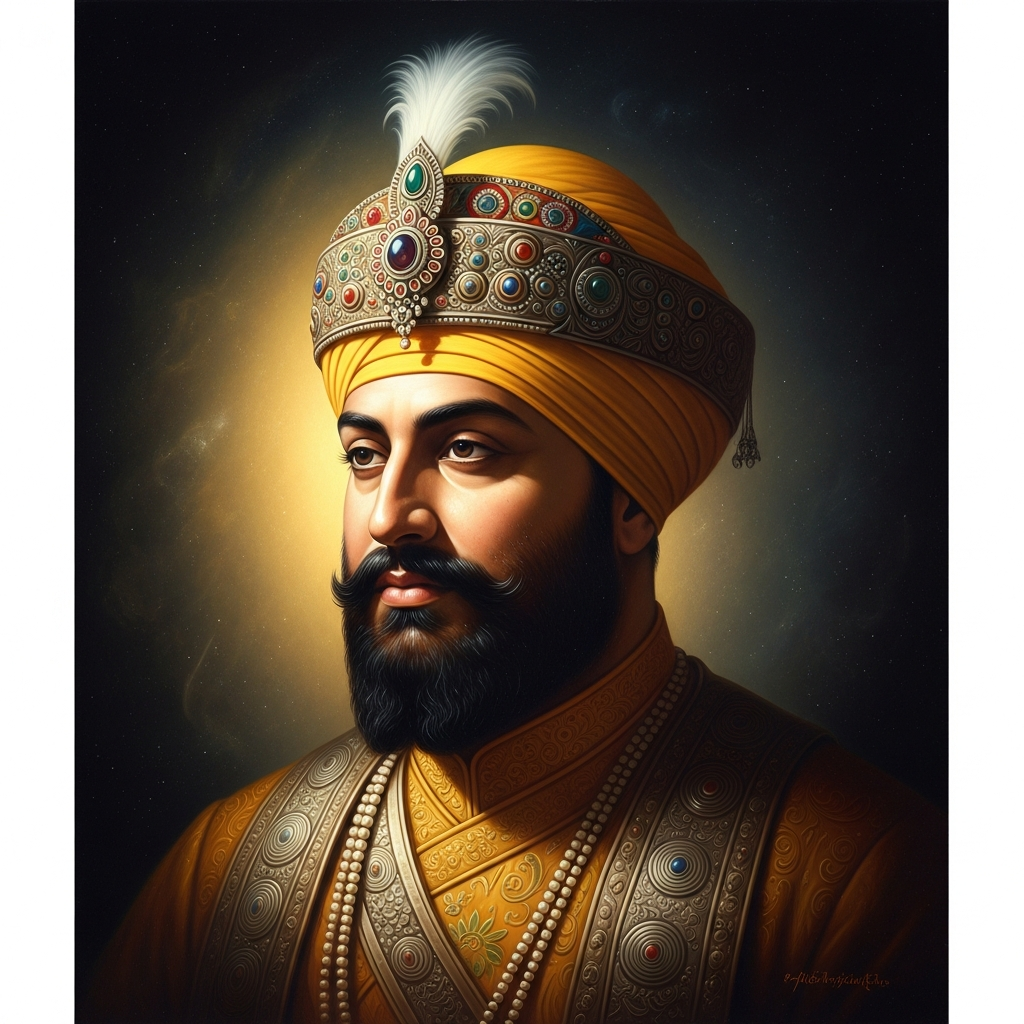
Aurangzeb is forcibly converting Kashmiri Pandits to Islam. A delegation of Pandits, fearing for survival, comes to the ninth Guru, Tegh Bahadur, and asks for help. His nine-year-old son Gobind Rai counsels him: “Who is greater than you to make this sacrifice?” Tegh Bahadur travels to Delhi, refuses conversion, and is publicly beheaded at Chandni Chowk, November 11, 1675. The singular act: a leader of one religion dies defending another’s right to be. The Sikh tradition calls him Hind di Chadar — “the Shield of India.” His son became Guru Gobind Singh.
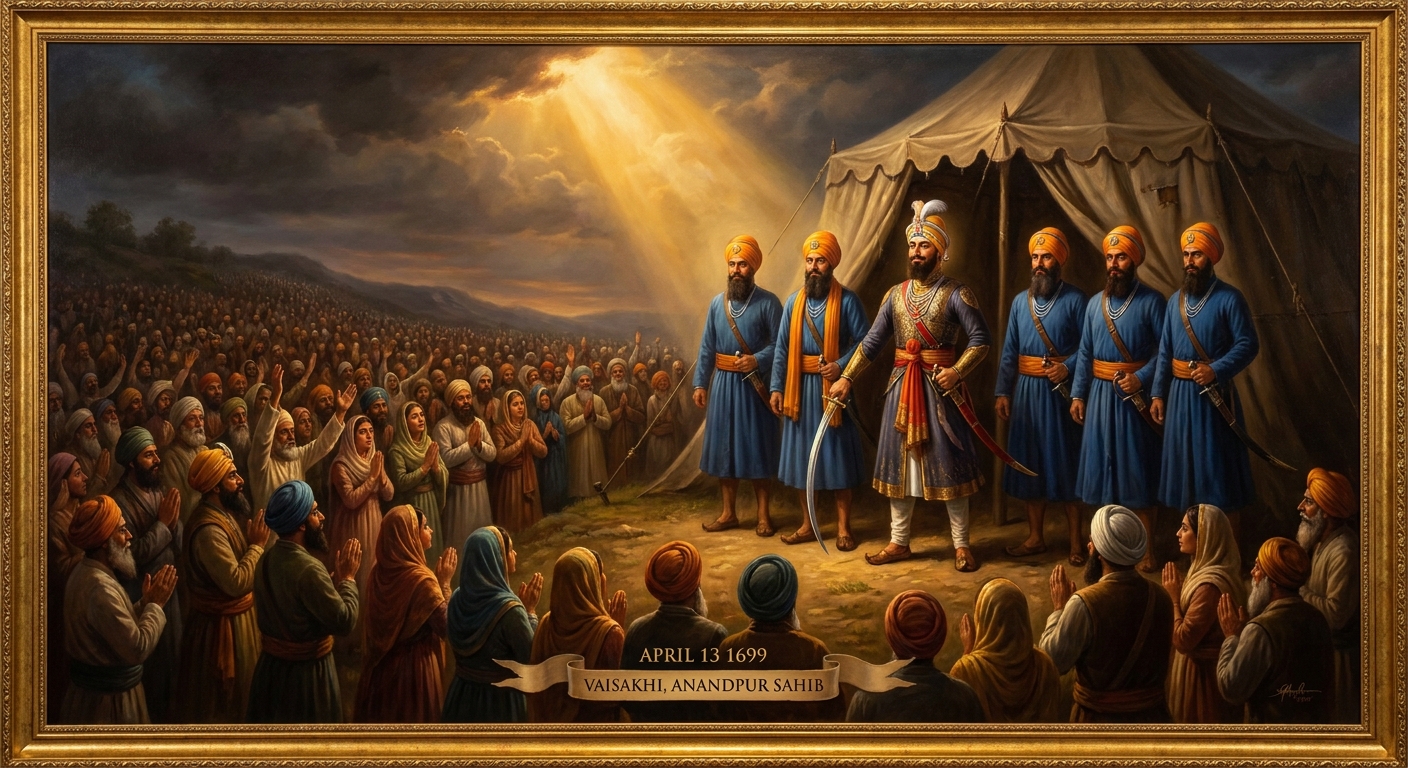
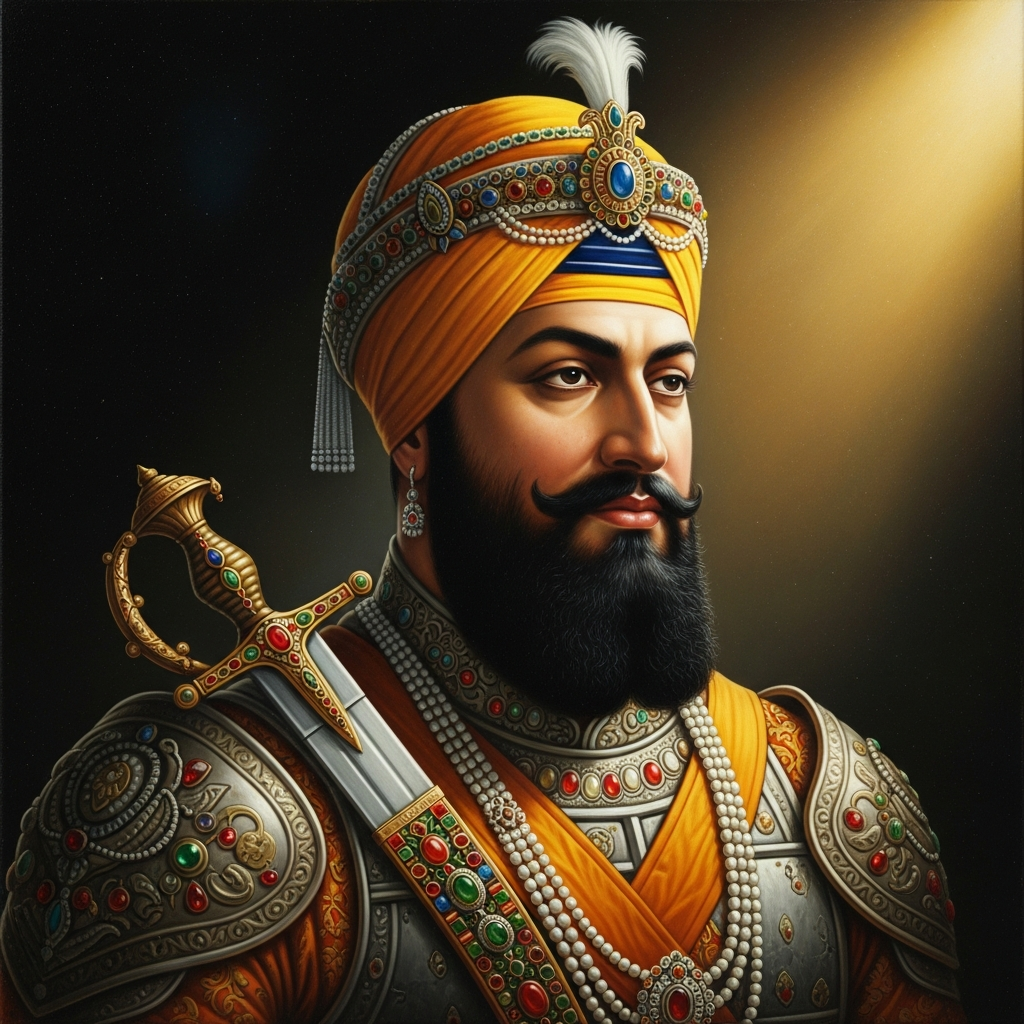
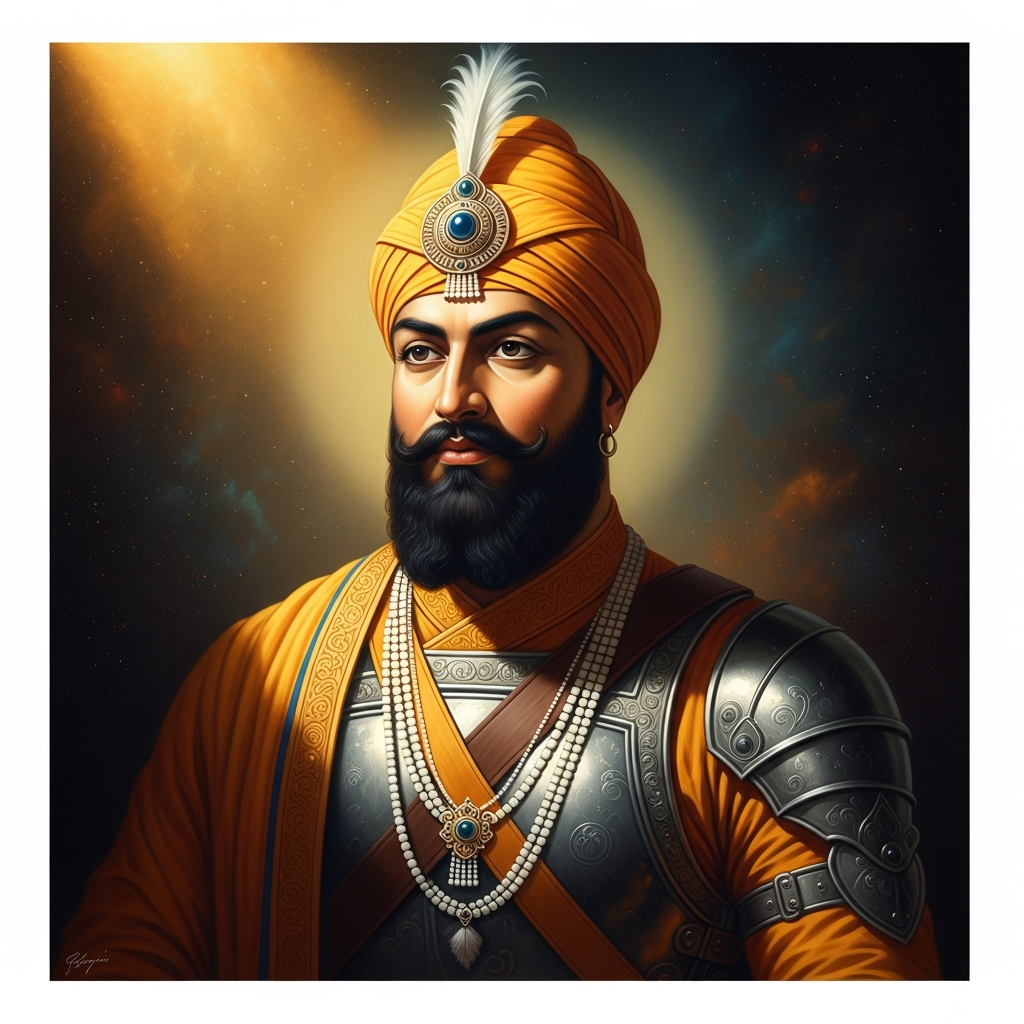
At Anandpur on Vaisakhi, Gobind Singh draws his sword and asks for volunteers. Five men stand — a Khatri from Lahore, a Jat farmer, a water-carrier, a tailor, a barber — five castes, the lowest included. He leads each into a tent. The sword emerges red. He asks again. Finally he lifts the tent: all five alive, dressed in saffron. The Panj Pyare — the Five Beloved Ones. He initiates them with amrit (sugar-water and sword), then asks them to initiate him in turn. Every Khalsa man becomes Singh (“lion”). Every woman becomes Kaur (“princess”). Caste names vanish. He institutes the Five Ks. The Khalsa is born: a visible, baptized community of saint-soldiers for the defenseless. In 1708, dying from an old assassin’s wound, he closes the line of human Gurus. The scripture and the community become Guru forever.
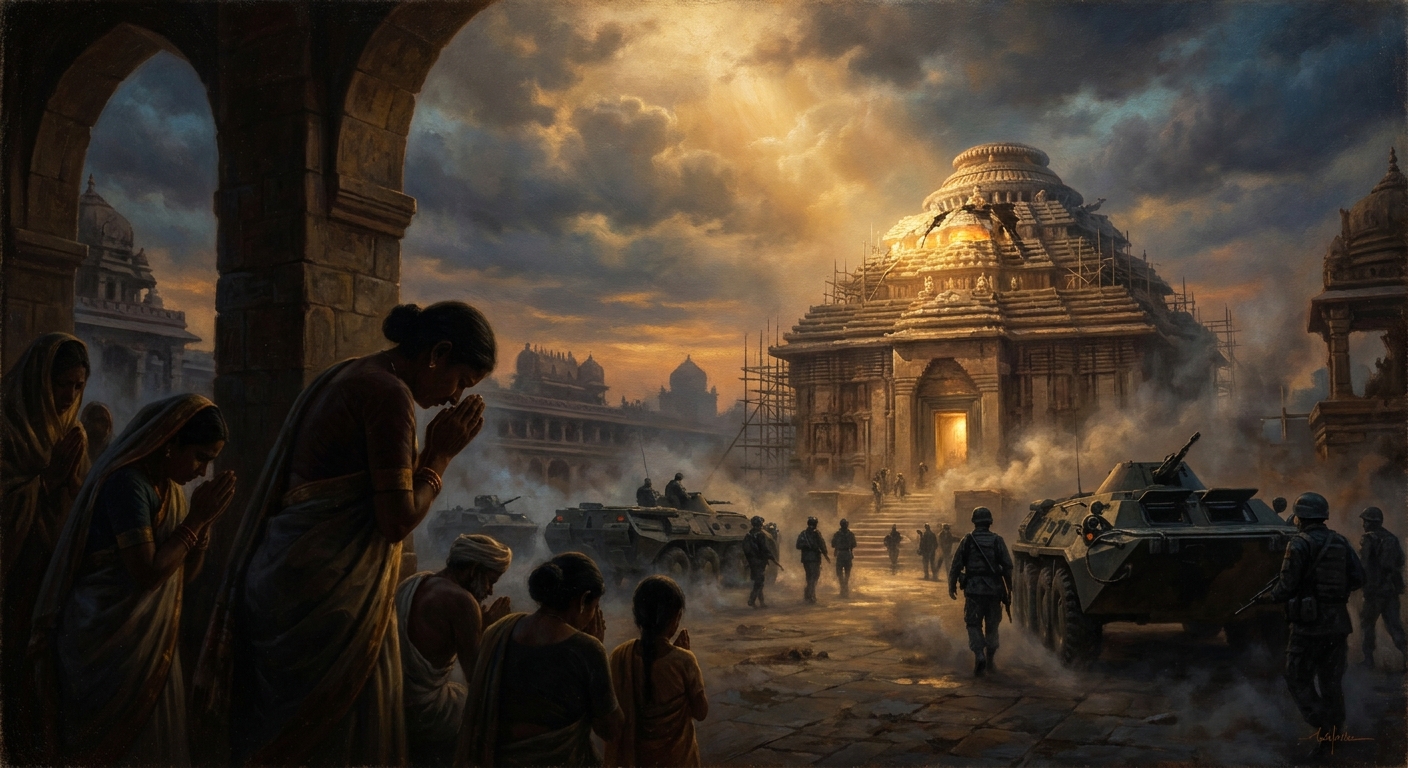
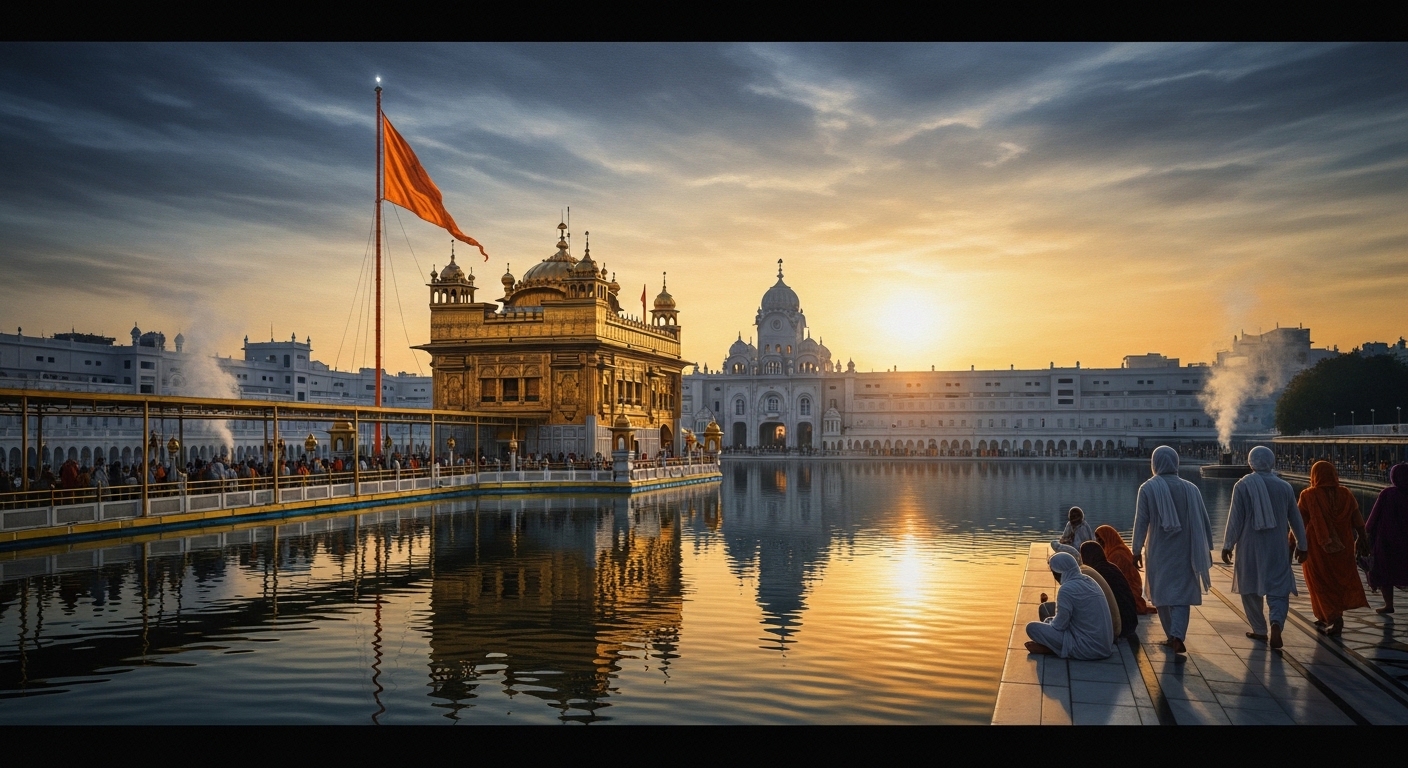
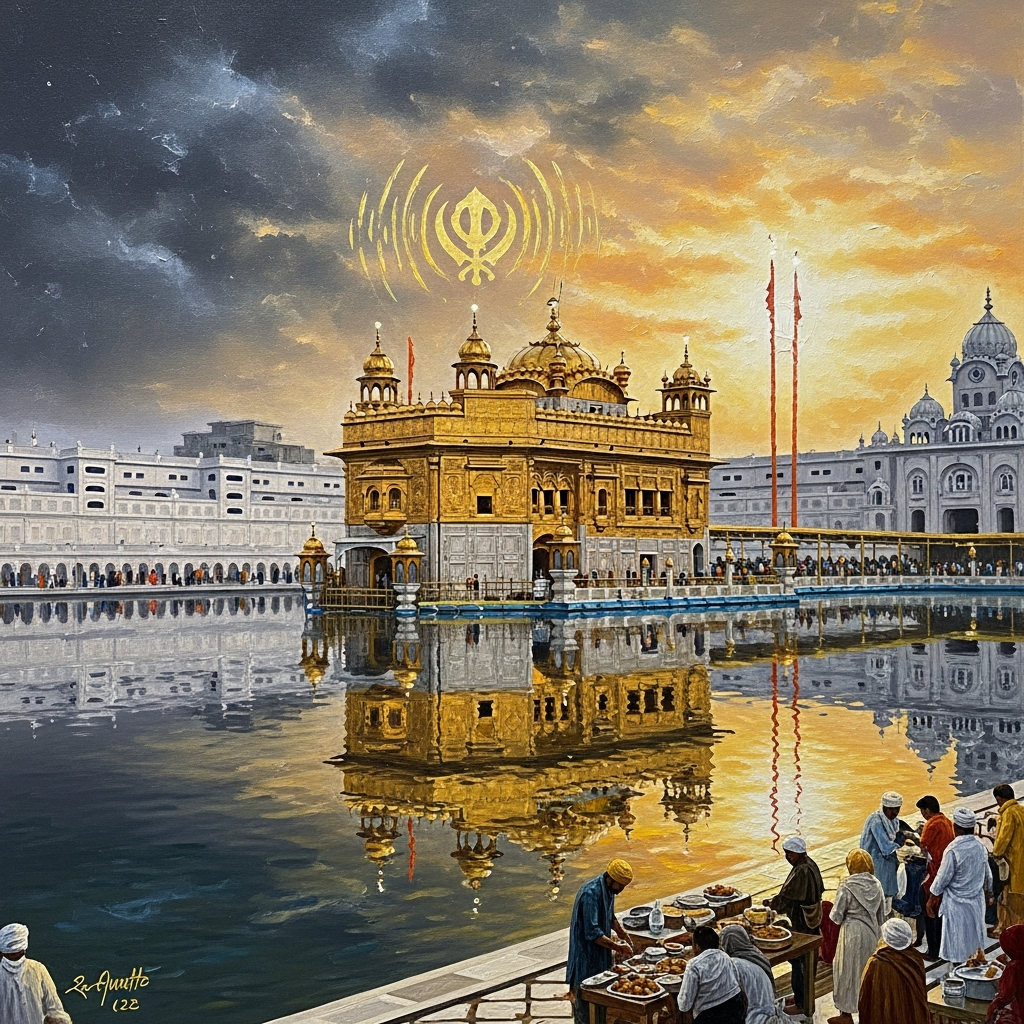
In June 1984, Indian Prime Minister Indira Gandhi orders the Indian Army to storm the Golden Temple complex in Amritsar to remove the militant preacher Jarnail Singh Bhindranwale and his armed followers, who had fortified themselves inside. The army uses tanks. Bhindranwale is killed; the Akal Takht (the seat of temporal Sikh authority, directly facing the Harmandir Sahib across the sacred pool) is heavily damaged; hundreds of pilgrims, present for the martyrdom anniversary of Guru Arjan, are killed in the crossfire. Sikh outrage is global. On October 31, two of Indira Gandhi’s own Sikh bodyguards, Beant Singh and Satwant Singh, assassinate her at her residence. Over the following three days, organized mobs in Delhi and other Indian cities — with documented complicity from Congress Party officials and police — kill an estimated three thousand Sikhs, burning men alive with tires around their necks, raping women, destroying gurdwaras and businesses. Most of the perpetrators were never prosecuted. The events of 1984 reshaped modern Sikh political consciousness, fueled the Khalistan separatist movement of the 1980s-90s, and remain a wound that has never fully closed.
Timeline
| Era | Date | Event | Source |
|---|
| Founding | 1469 | Guru Nanak born at Talwandi (Nankana Sahib) | Janamsakhis |
| Revelation | 1499 | Nanak’s three-day immersion in the Bein river | tradition |
| Udasis | 1500-1524 | Nanak’s four great journeys with Bhai Mardana | Janamsakhis |
| Kartarpur | 1521 | Nanak founds Kartarpur community; langar instituted | tradition |
| Succession | 1539 | Guru Angad succeeds Nanak; Gurmukhi script developed | Sikh tradition |
| Third Guru | 1552-1574 | Amar Das institutionalizes langar, women’s equality | tradition |
| Fourth Guru | 1574-1581 | Ram Das founds Amritsar | tradition |
| Adi Granth | 1604 | Guru Arjan compiles the scripture; installed in Harmandir Sahib | Adi Granth |
| First Martyrdom | 1606 | Arjan tortured and killed by Mughal emperor Jahangir | Sikh tradition; Mughal records |
| Miri-Piri | 1606 | Hargobind takes up two swords — temporal and spiritual | tradition |
| Ninth Guru | 1664-1675 | Tegh Bahadur leads the Sikhs | |
| Second Martyrdom | November 11, 1675 | Tegh Bahadur beheaded in Delhi for defending Kashmiri Pandits | Sikh tradition; Mughal records |
| Khalsa Founded | April 13, 1699 | Guru Gobind Singh initiates the Panj Pyare at Anandpur on Vaisakhi | Dasam Granth; tradition |
| Eternal Guru | 1708 | Gobind Singh declares Guru Granth Sahib the perpetual Guru | tradition |
| Banda Bahadur | 1708-1716 | First Sikh military uprising against the Mughals | Persian chronicles |
| Misl Period | 1716-1799 | Sikh military confederacies consolidate Punjab | |
| Sikh Empire | 1799-1839 | Maharaja Ranjit Singh rules Punjab from Lahore | colonial records |
| Anglo-Sikh Wars | 1845-1849 | British defeat the Sikh Empire | British military records |
| Annexation | 1849 | Punjab annexed into British India | |
| Singh Sabha | 1873 | Reform movement reasserting distinct Sikh identity | |
| Gurdwara Reform | 1920-1925 | Akali movement reclaims gurdwaras from hereditary mahants | Akali records |
| World Wars | 1914-1918, 1939-1945 | Sikh soldiers serve disproportionately in British Indian Army | military records |
| Partition | August 1947 | 6.5M Sikhs displaced from West to East Punjab; massive killings | partition archives |
| Punjabi Suba | 1966 | Punjab reorganized along linguistic lines | |
| Operation Blue Star | June 1984 | Indian Army storms Golden Temple; Akal Takht damaged | contemporary press |
| Indira Gandhi Assassinated | October 31, 1984 | Killed by her Sikh bodyguards | contemporary press |
| Anti-Sikh Pogroms | November 1-3, 1984 | ~3,000 Sikhs killed in Delhi and elsewhere | Nanavati Commission |
| Khalistan Insurgency | 1984-1995 | Armed separatist movement; brutal counter-insurgency | |
| Diaspora Era | 1990s-present | Major Sikh communities established globally | demographic studies |
| Kartarpur Corridor | 2019 | Visa-free pilgrim corridor opened between India and Pakistan | press |
| Present | 2026 | ~30M Sikhs worldwide; fifth-largest organized religion | demographic studies |
The Five Ks (Panj Kakkar)
The Khalsa’s founding gift: five visible articles, each a Punjabi K. Not symbols of something else — they are the practice. An Amritdhari (initiated) Sikh wears all five, always.
- Kesh — uncut hair, turbaned. God made it; the turban dignifies it. The most visible Sikh marker anywhere.
- Kangha — a wooden comb. Discipline. Not the matted hair of withdrawal — Sikhi is in the world.
- Kara — a steel or iron bracelet. Every time the hand moves: you are bound to the One and to the Khalsa’s code.
- Kachera — cotton undergarments. Modesty and readiness. A Khalsa dresses for action, not ascetic retreat.
- Kirpan — a ceremonial sword. Defend the weak, oppose injustice. It is a real weapon; history proves it. Modern Khalsa negotiate size and form with local law.
The Five Ks make a Khalsa unmistakable. Identity on the body. Deliberate. Early Khalsa were visible to enemies; contemporary Khalsa are visible to anyone in need.
What’s Distinctive
Ik Onkar — one formless God, no incarnation, no gender, no image. No statues. No avatars. No priesthood. The Guru Granth Sahib is the Word, not an idol. Understanding what is in it matters. Naam — the divine Name as both meditation-object and divine substance itself — is the contemplative center.
No caste in Sikh teaching (Guru Granth Sahib, ang 349). Langar — the free communal kitchen where all sit on the floor eating the same food (Rehat Maryada) — is not charity. It is daily, ritualized refusal of the entire caste logic surrounding it. Five hundred years running (Janamsakhi; tradition). The Golden Temple’s langar feeds over 100,000 people a day (contemporary sources).
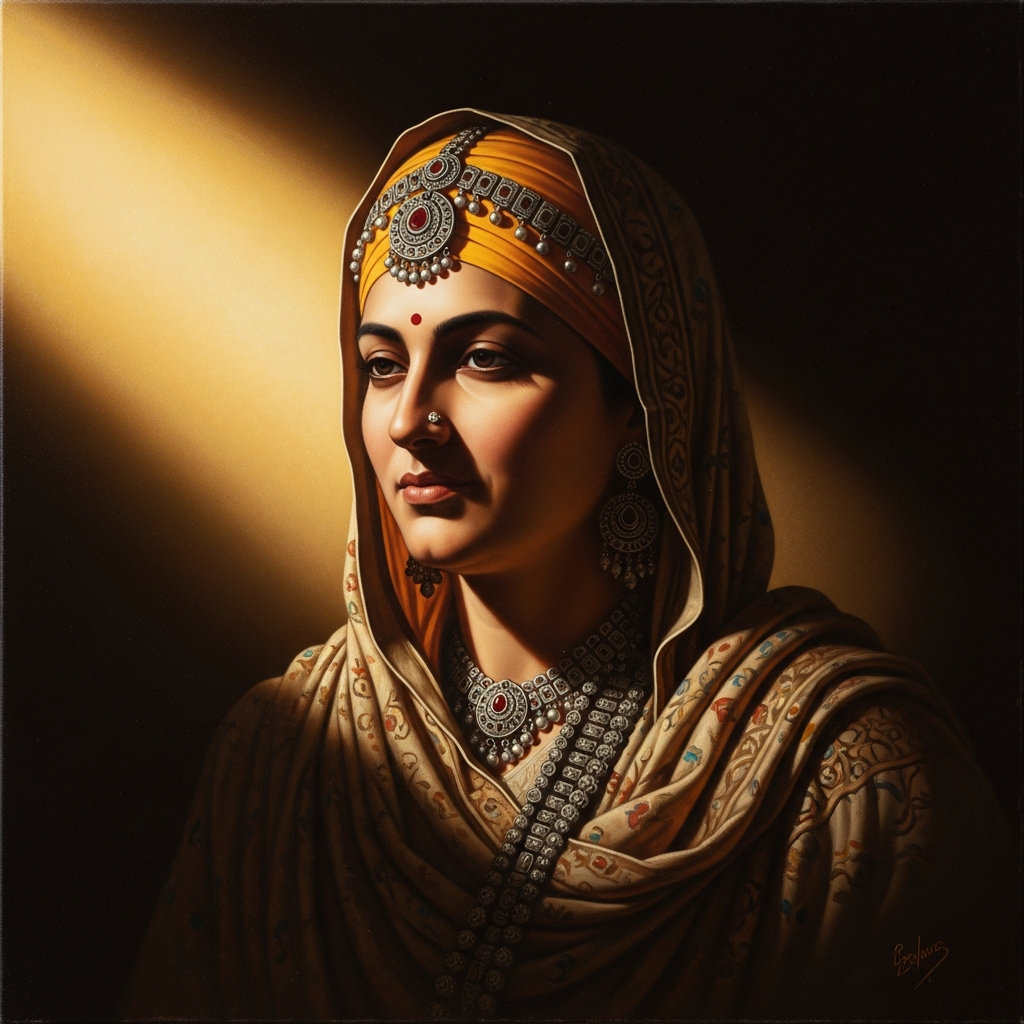
No professional priesthood (Guru Granth Sahib, ang 1 — Mool Mantar). A granthi reads and cares for scripture, no sacramental power (Rehat Maryada). Any Sikh, any woman, can lead worship, marry a couple, conduct any ritual (Rehat Maryada). The scripture promises women’s equality unambiguously (Guru Granth Sahib, angs 473, 966, 1013). In practice, like every tradition, the gap exists. Contemporary Sikh women continue the fight (contemporary sources).
Sewa — selfless service (Rehat Maryada; Guru Granth Sahib) — is not optional charity. It is the practice. Cleaning shoes at the gurdwara, chopping vegetables in the langar, disaster relief: how doctrine meets world (Rehat Maryada). The Sikh response to the pandemic was five centuries of institutional habit in motion (contemporary sources).
The Khalsa identity — the Five Ks, the turban, the kirpan — is deliberate visibility. You cannot hide as a Khalsa Sikh. The Guru built it that way: a saint-soldier identifiable to anyone in need.
Cross-Tradition Links
- Hindu — Sikhi was born in a Hindu world; Nanak was born Hindu; the Granth Sahib includes hymns by Hindu bhakti saints (Kabir, Namdev, Ravidas). But Sikhi rejects caste, image-worship, priesthood, avatars. Tegh Bahadur died for Hindu religious freedom, not to convert them. Solidarity, not absorption. See Bestiary/Hindu.md
- Islamic — Sikhi arose under Mughal rule; the Granth includes Sufi hymns (Sheikh Farid); Mian Mir laid the Golden Temple’s foundation. But Sikhi rejects Muhammad as final prophet, the Qur’an as exclusive revelation, Islamic law. Two Gurus were executed by Muslim emperors. Selective inheritance, clear boundary. See Bestiary/Islamic.md
- Biblical / Abrahamic — Sikhi’s monotheism, rejection of images, sacred Name, prophetic social reform parallel the Hebrew tradition. Sikh Gurus speak truth to power like the prophets; the difference is Sikhi institutionalized armed defense where exile-Judaism did not. See Bestiary/Biblical.md and Bestiary/Jewish.md
- See Sacred-Numbers.md for the significance of Ik (One) and the number ten (the Gurus)
- See Symbols.md for the Khanda, the Ik Onkar sigil, and the kirpan analyzed across traditions
- See Timeline.md for the unified timeline placing Sikh history alongside Hindu, Islamic, Christian, and secular events
- See Conspiracies.md for the documented state complicity in the 1984 anti-Sikh pogroms
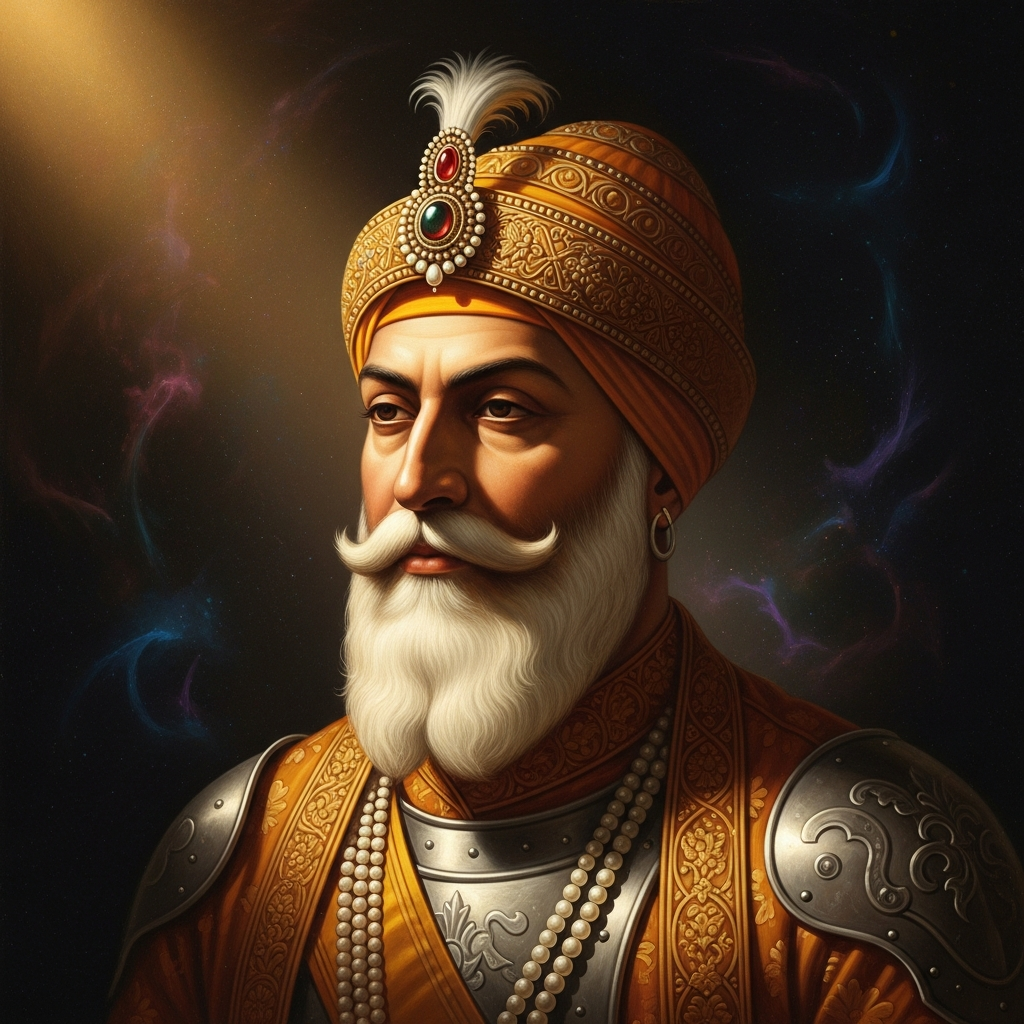
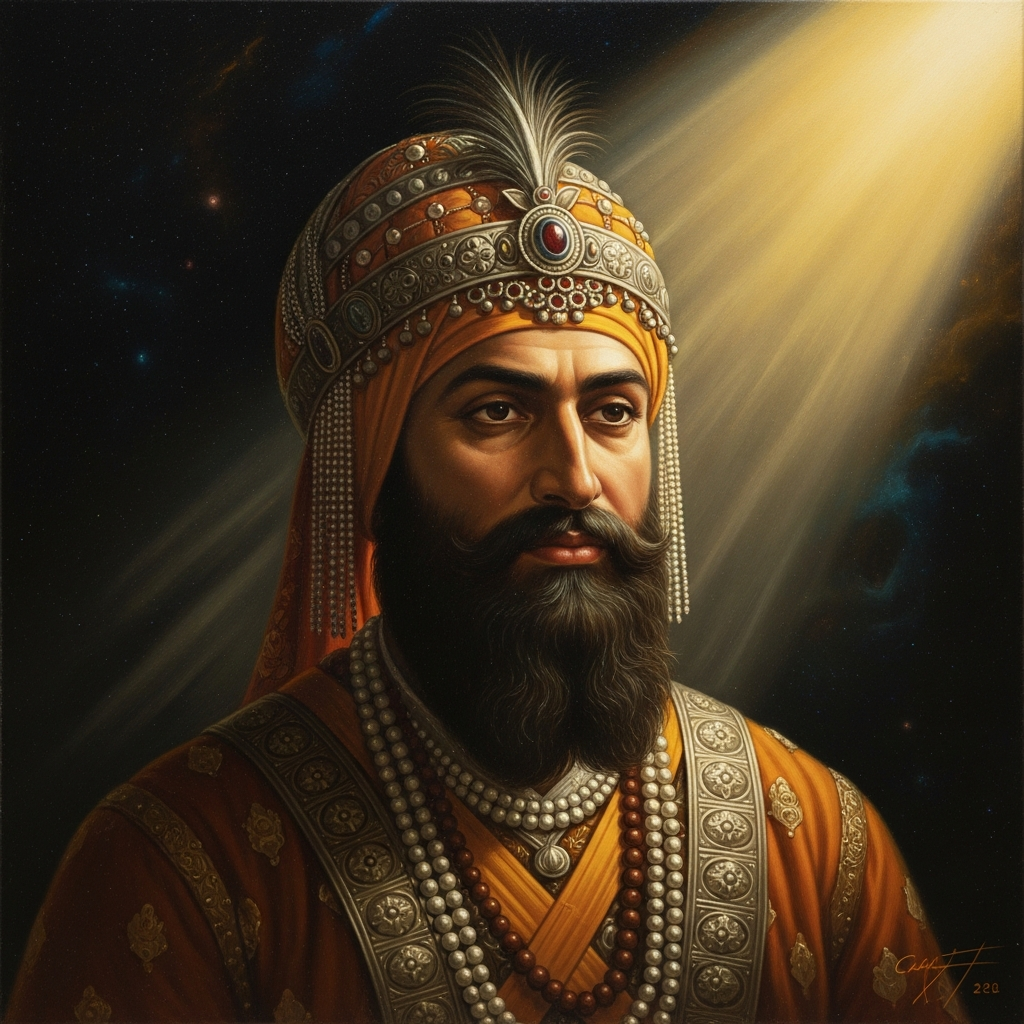
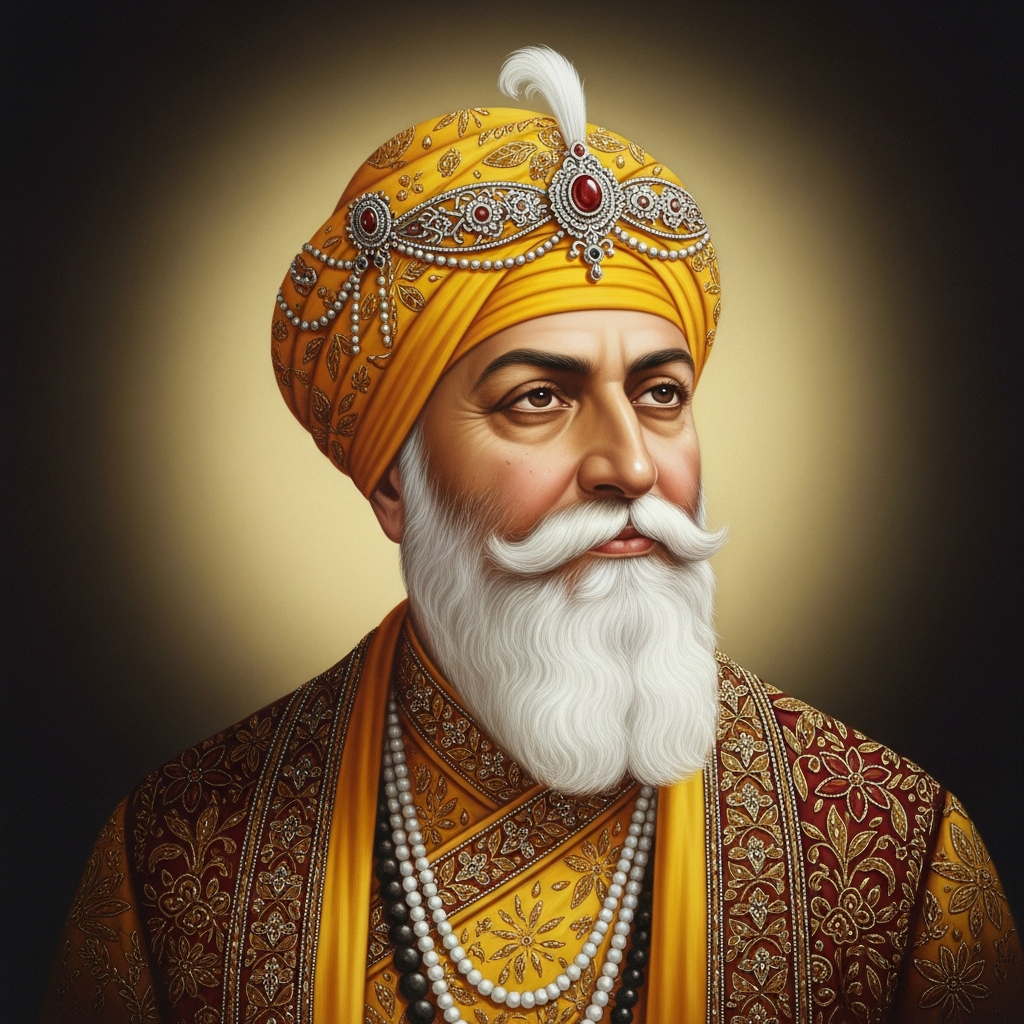 LEGENDARY
 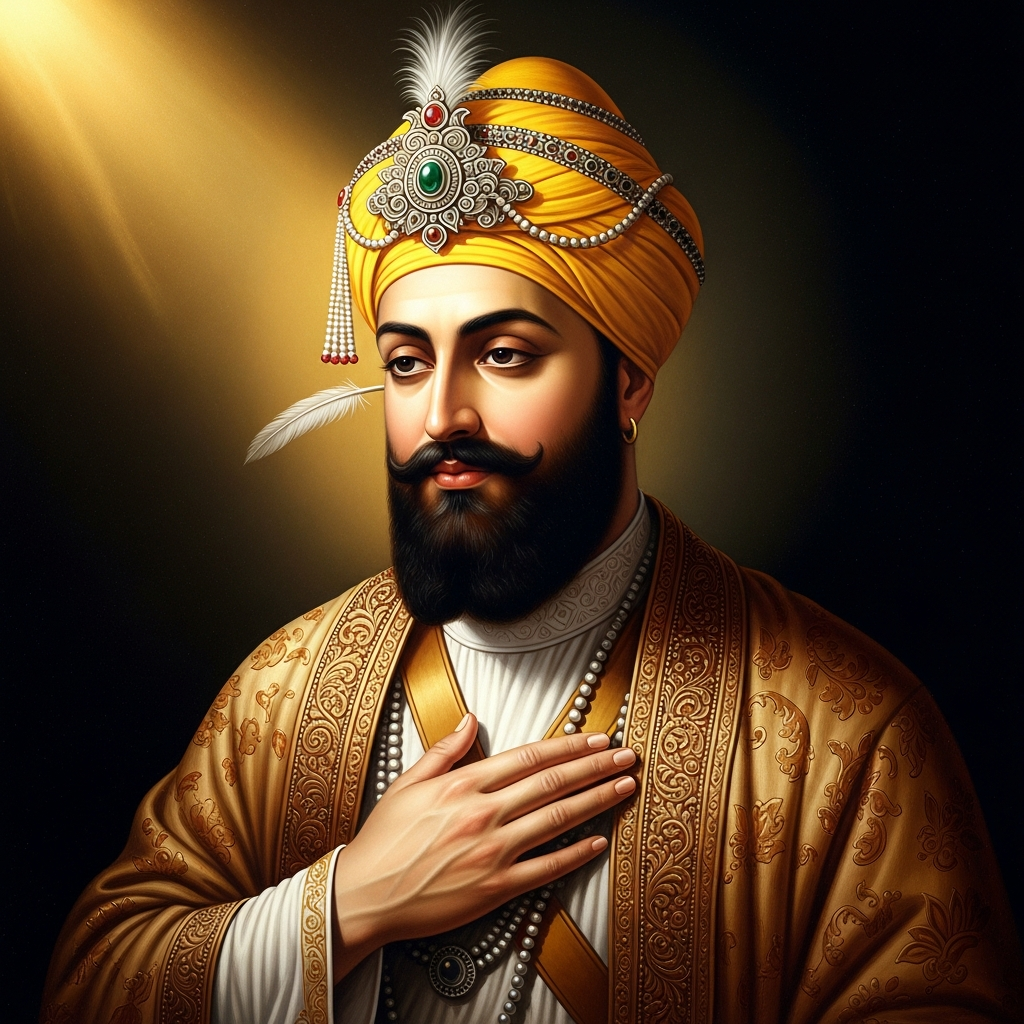 LEGENDARY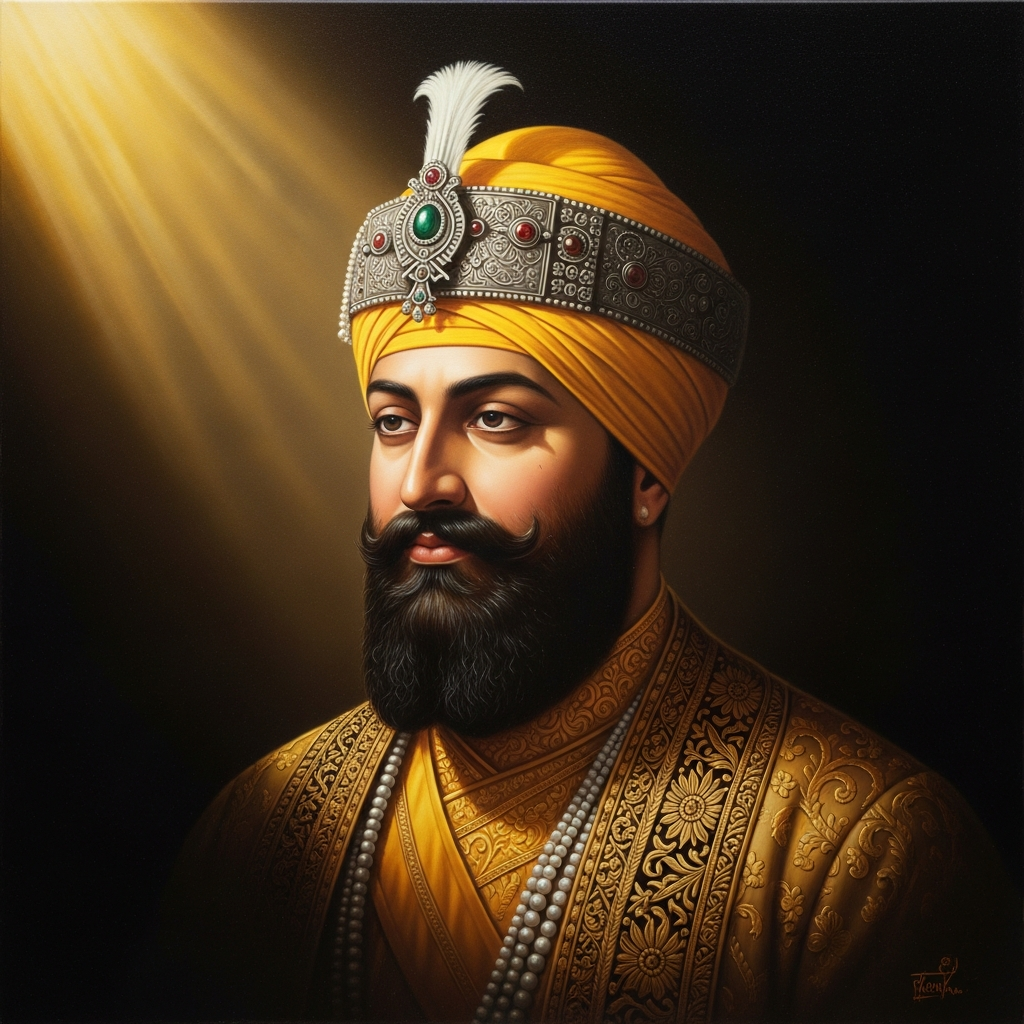
 LEGENDARY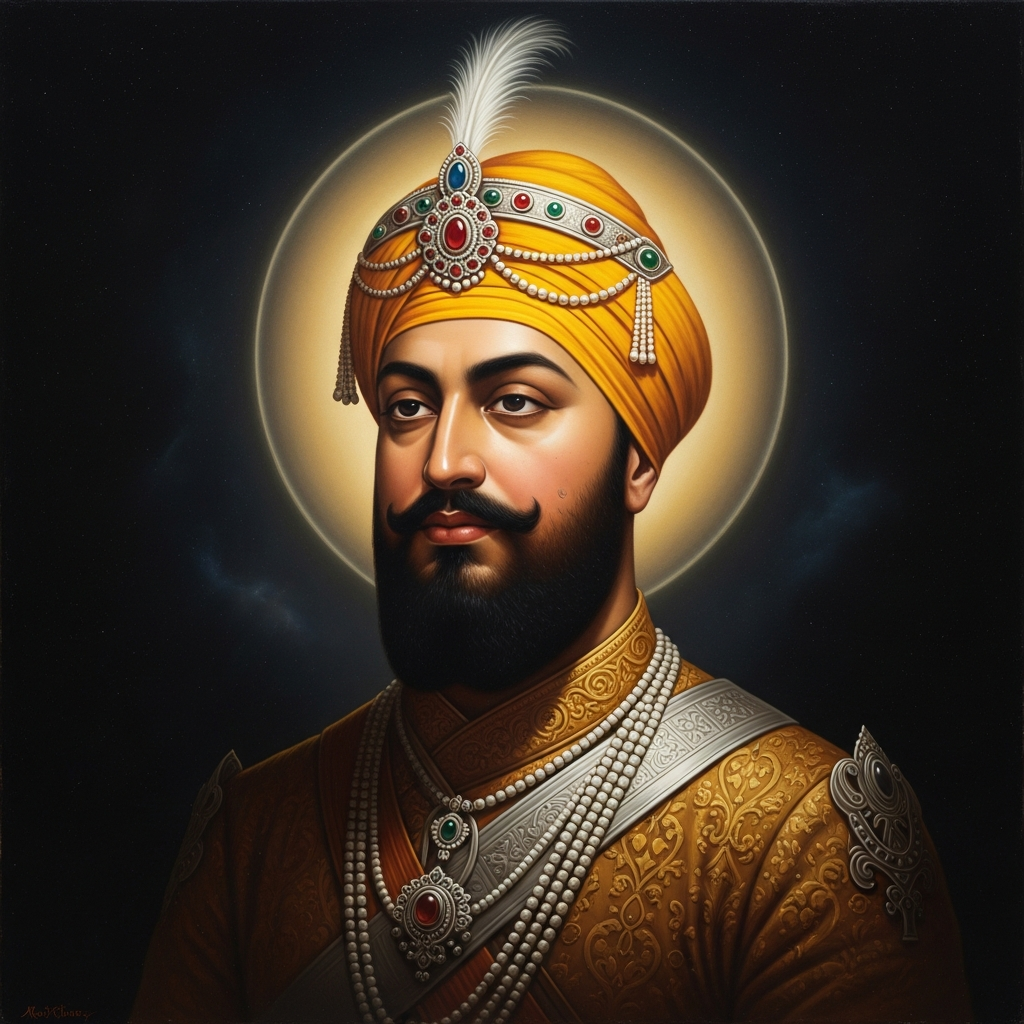
 LEGENDARY
  LEGENDARY
  MYTHIC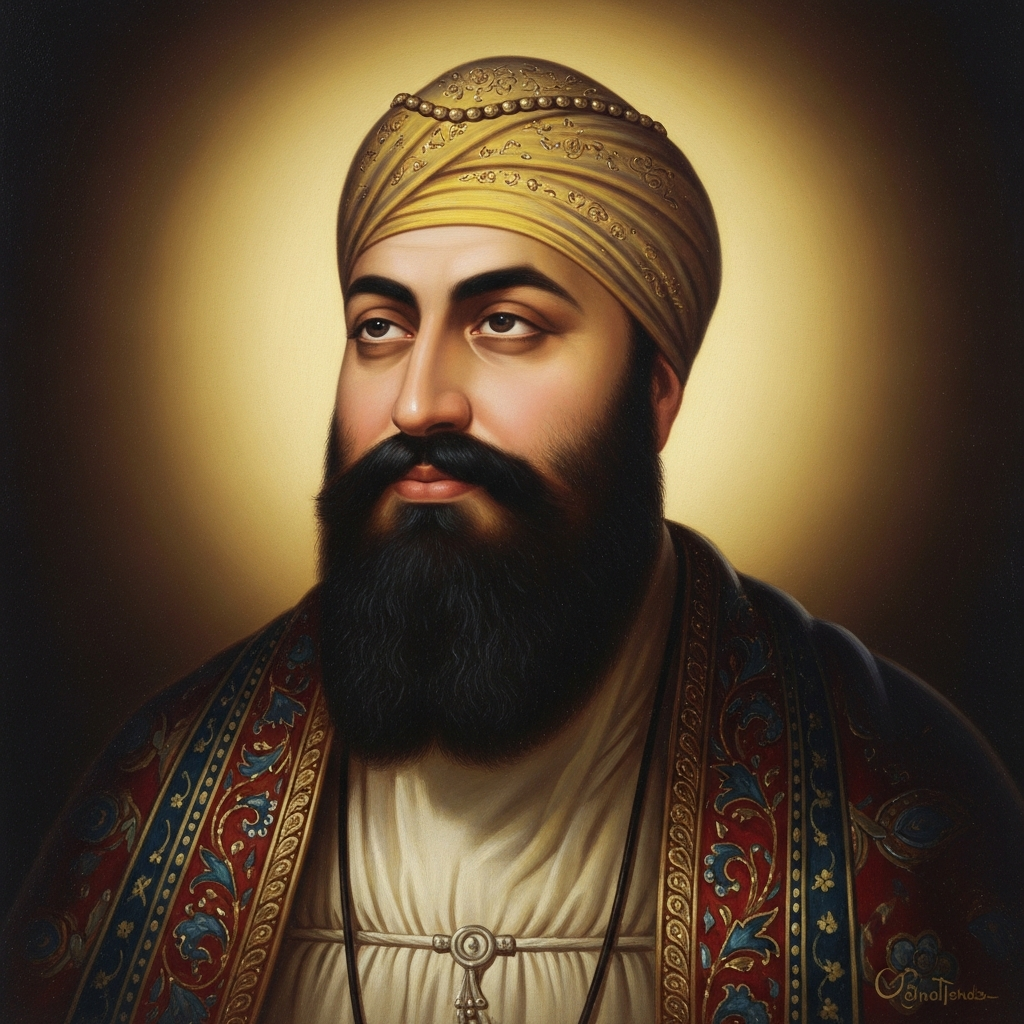
 MYTHIC
  LEGENDARY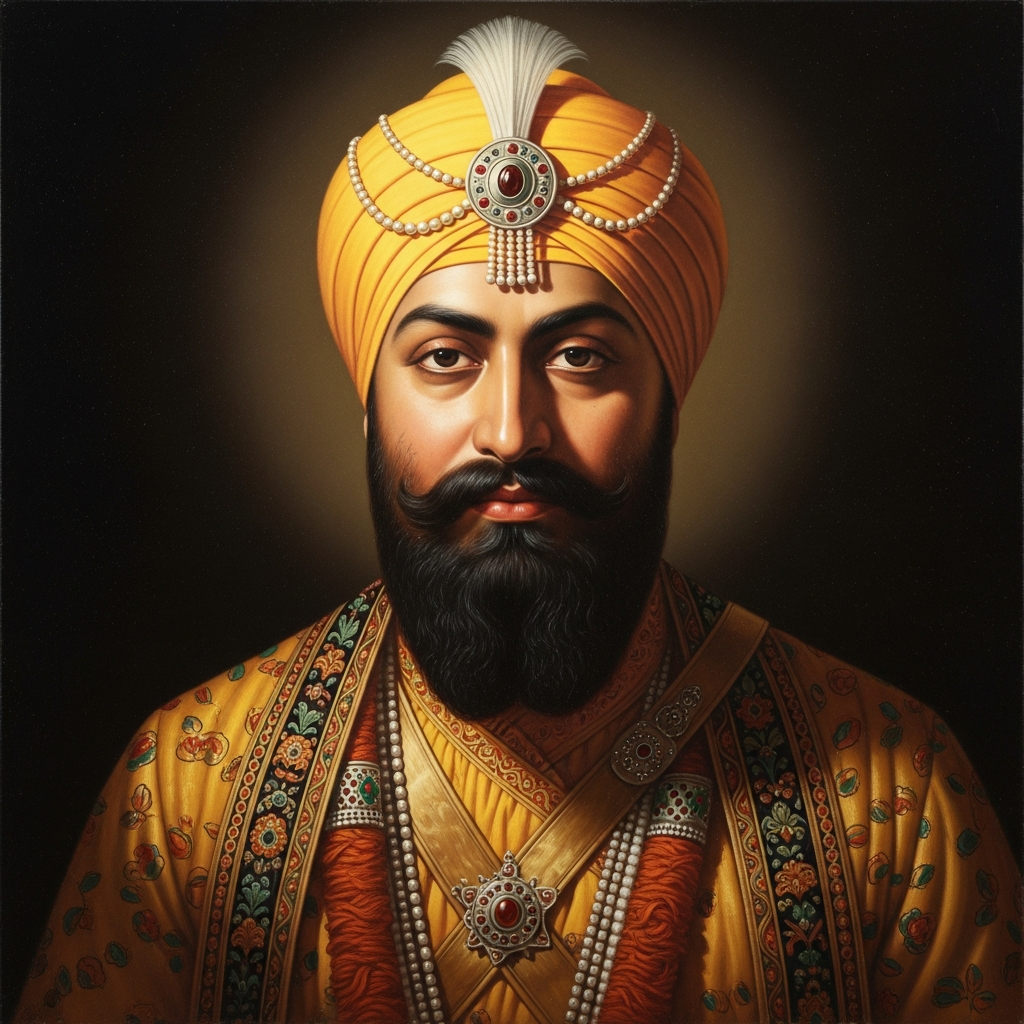
 MYTHIC
  LEGENDARY