Combat Profile
Khalsa Covenant
grants unwavering spiritual fortitude and righteous purpose to all allies, making them immune to despair and doubt
Five as One
their collective presence embodies equality, justice, and fearless devotion, inspiring courage in the faithful and witnessing divine truth
Founding Community | Sikh
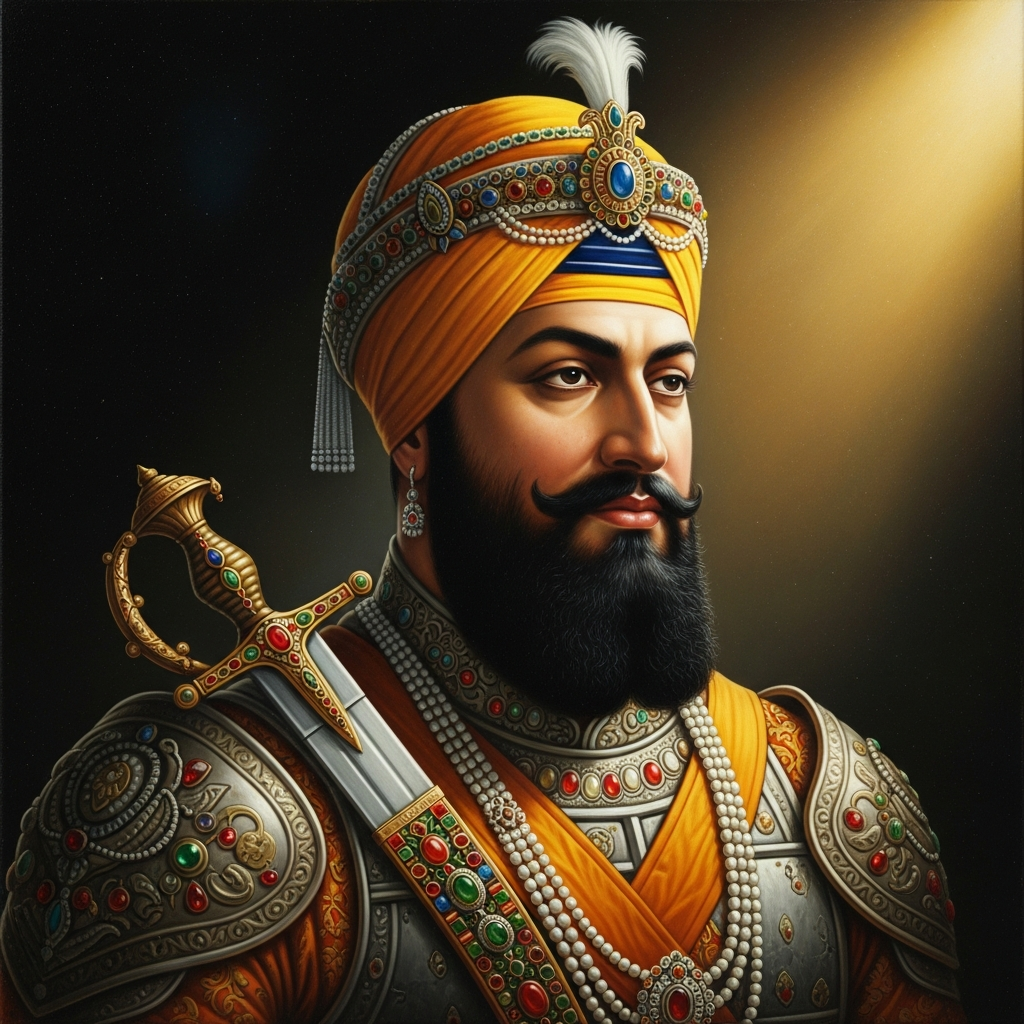
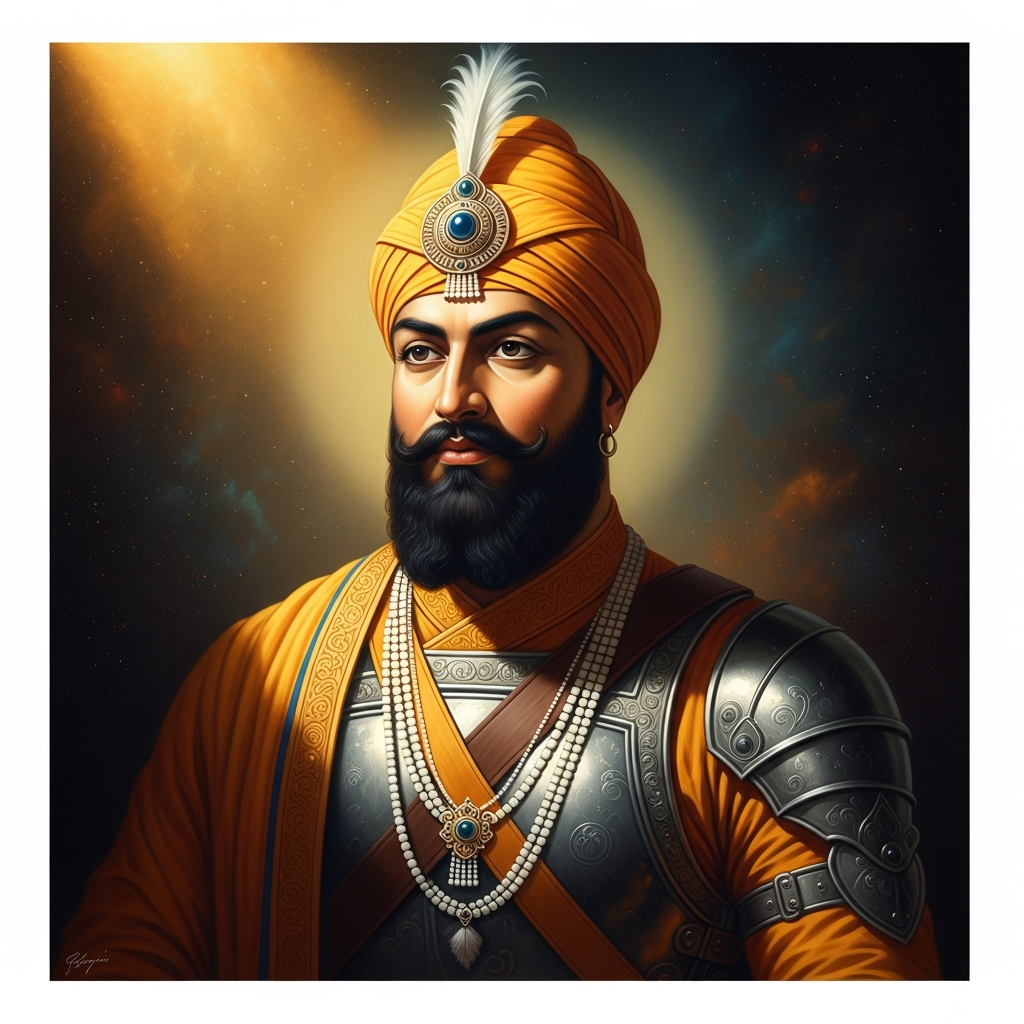
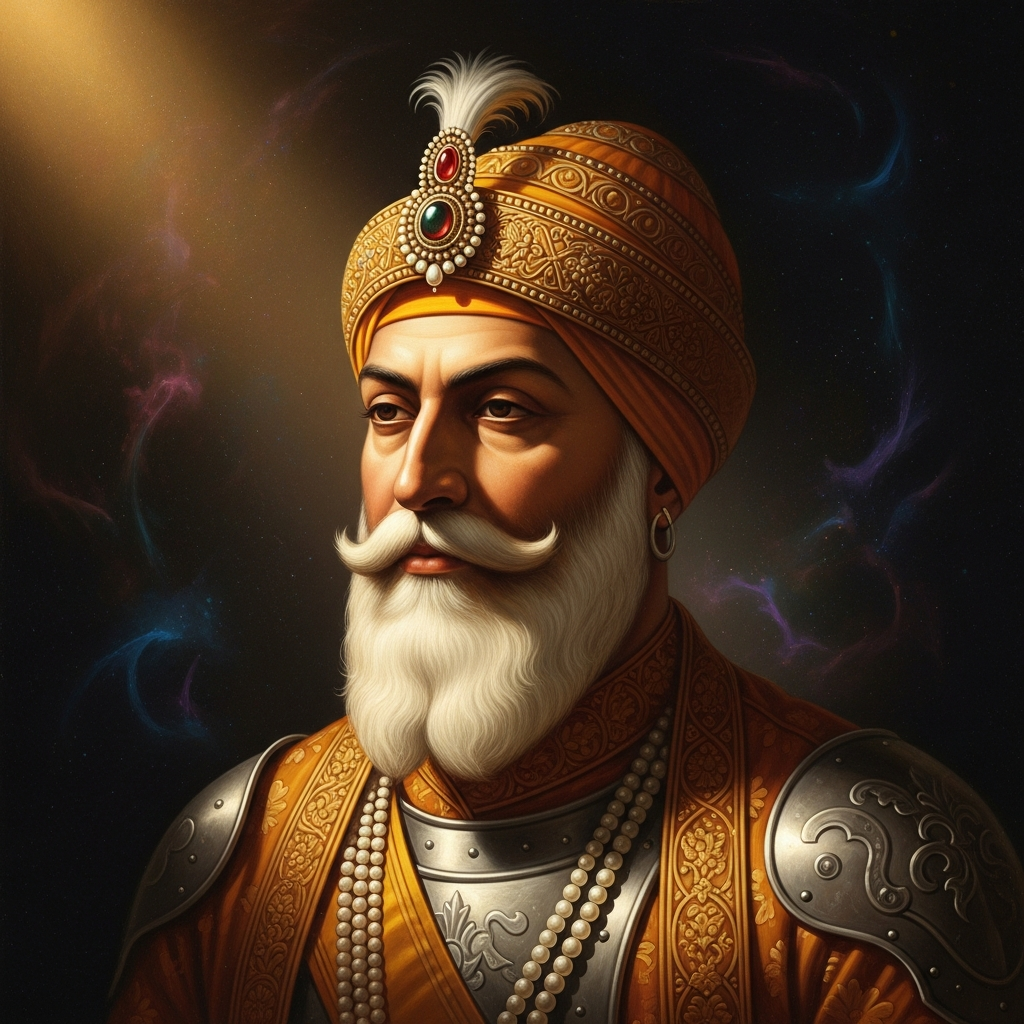
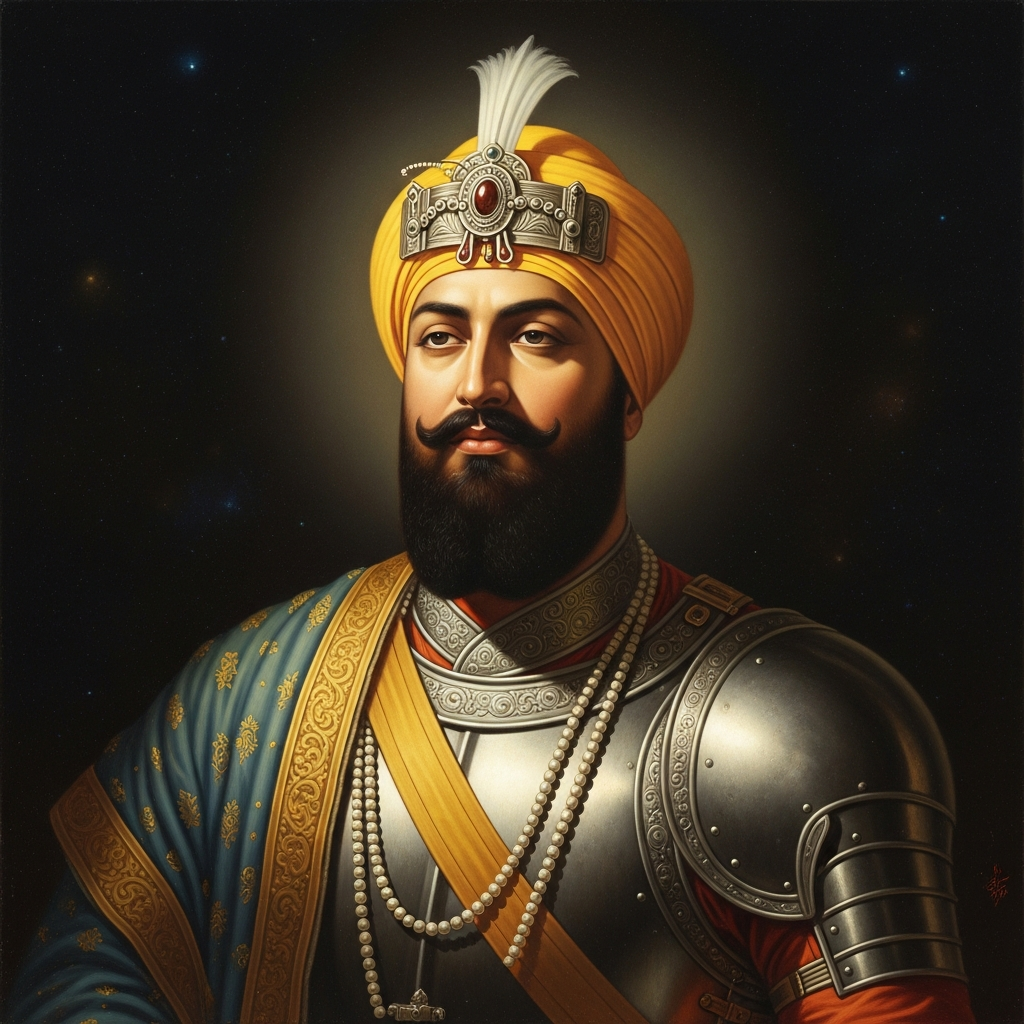
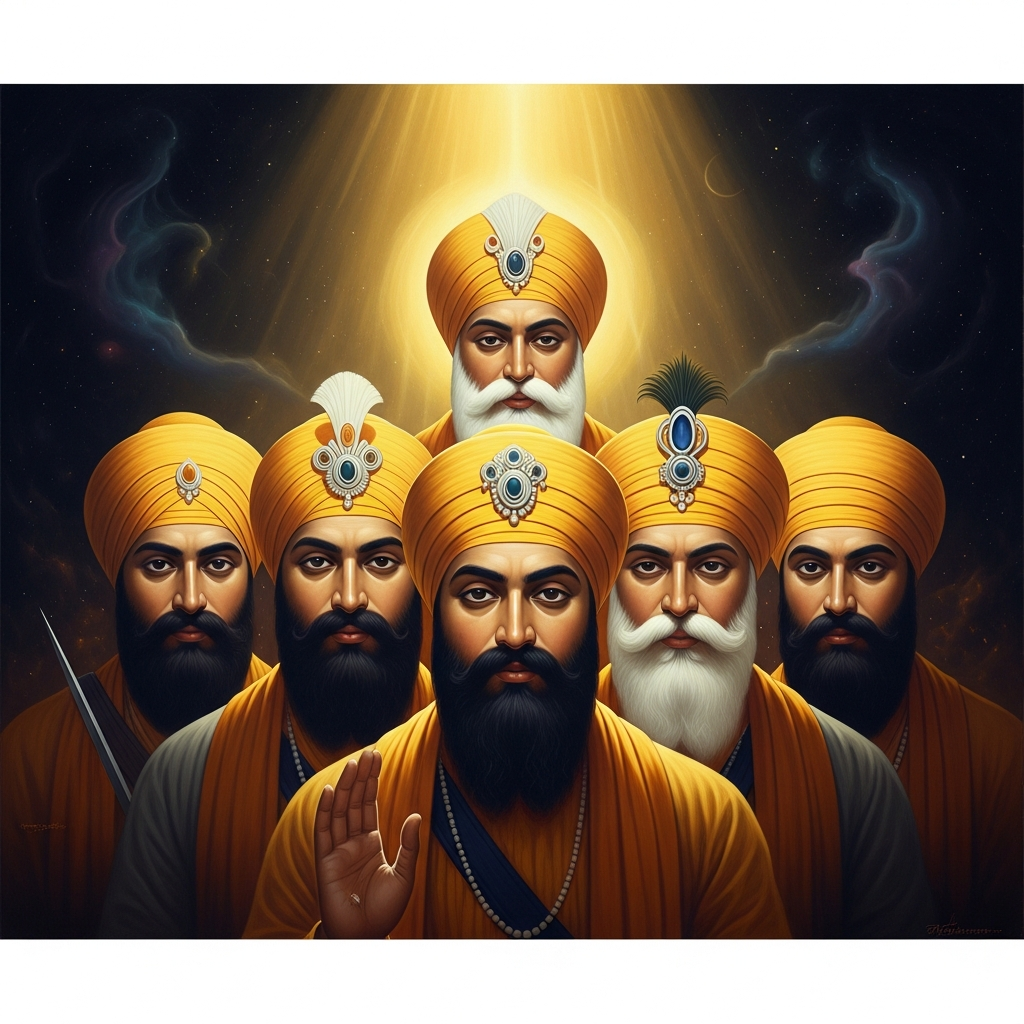
On Vaisakhi 1699 at Anandpur, Guru Gobind Singh drew his sword and asked which Sikh would give his life for the Guru. Five men stood — Daya Ram (a Khatri from Lahore), Dharam Das (a Jat farmer from Delhi), Mokham Chand (a washerman from Dwarka), Himmat Rai (a water-carrier from Jagannath Puri), and Sahib Chand (a barber from Bidar). Five castes, the lowest included. Gobind Singh led each into a tent; his sword emerged red each time; five times the crowd thought they were watching an execution. He then lifted the tent: all five were alive, dressed in saffron. He initiated them with amrit (sugar-water stirred with a double-edged sword), then asked them to initiate him in return — the Guru bowing before those who had bowed before him. Every Khalsa initiation since has been performed by the Panj Pyare, re-enacted in every gurdwara.
| ATK | 9/10 | the first Khalsa saint-soldiers | | DEF | 9/10 | faced apparent death without flinching | | SPR | 10/10 | embodied fearless devotion at the tradition’s founding moment | | SPD | 8/10 | first to act when the Guru called | | INT | 8/10 | understood the spiritual stakes of the moment | | CHA | 8 | | WIS | 28 | | END | 26 | | Element | Light | | Role | Guardian | | Rarity | Legendary | | Threat | Minor | | LCK | 85 | | ARC | 82 | | Special | Khalsa Covenant — grants unwavering spiritual fortitude and righteous purpose to all allies, making them immune to despair and doubt | | Passive | Five as One — their collective presence embodies equality, justice, and fearless devotion, inspiring courage in the faithful and witnessing divine truth | | Epithets | “Panj Pyare” (Five Beloved Ones), “The First Khalsa,” “The Five Who Stood” — their five names: Daya Singh, Dharam Singh, Himmat Singh, Mohkam Singh, Sahib Singh (names granted after initiation) | | Sacred Animals | None specifically; they embodied the lion spirit of the Khalsa | | Sacred Objects | Amrit (the initiation nectar they received and then prepared for the Guru), the Five Ks (which they were the first to receive), saffron robes (in which they emerged from the tent) | | Sacred Colors | Saffron (the color of the robes they wore at the founding ceremony — the color of sacrifice and courage) | | Sacred Number | 5 (the irreducible sacred number of the Khalsa; every Amrit Sanchar requires five initiated Khalsa Sikhs — the Panj Pyare re-enacted), 5 (five castes they represented, including the lowest) | | Consort(s) | N/A — they are a collective entity; their individual family lives are not the point of their story | | Sacred Sites | Anandpur Sahib (the site of the 1699 Khalsa founding — Takht Sri Kesgarh Sahib marks the spot where Gobind Singh asked for volunteers); all Amrit Sanchar initiation ceremonies globally re-enact this site | | Festivals | Vaisakhi (April 13 — the annual commemoration of the Khalsa founding); their initiation is re-enacted at every Amrit Sanchar ceremony worldwide | | Iconography | Five saffron-robed figures standing together — diverse in age, region, and original caste — unified in their willingness to die; Gobind Singh bowing to receive amrit from them; the iconic democratic reversal of spiritual authority | | Period | Vaisakhi 1699 (the founding moment); the five individuals lived and died in the early 18th century | | Region | Anandpur Sahib, Punjab (founding site); the Panj Pyare tradition is enacted everywhere there are Sikhs — on every continent |
Parallels: The twelve apostles (the founding inner circle of another tradition); the first Muslims who faced persecution in Mecca; the original Bodhisattva vow-takers — but the Panj Pyare deliberately crossed caste lines in a way none of these parallels did, and their act was institutionalized into the tradition’s rite of initiation. See also: Guru Gobind Singh, [Mata Sahib Devan](#mata-sahib-devan----mother-of-the-khalsa)
3 min read