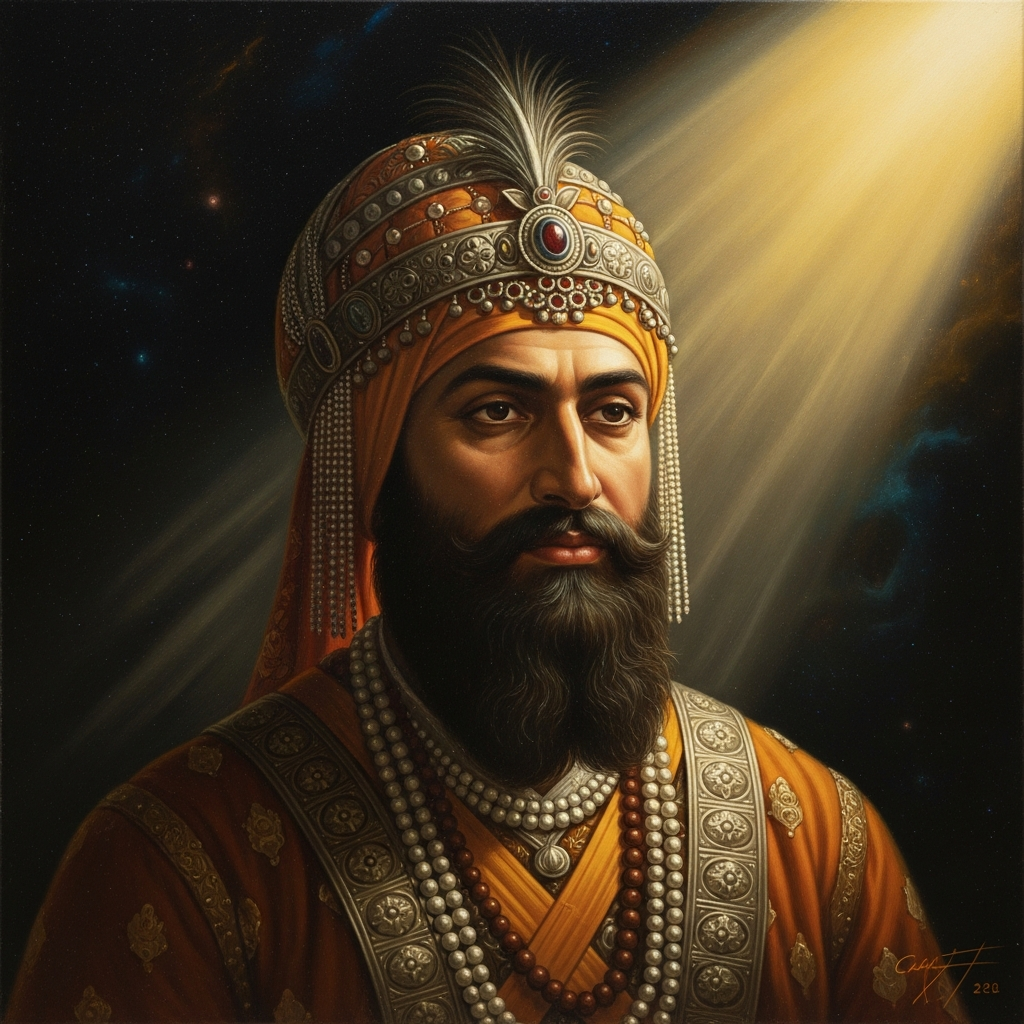
Combat Profile
Divine Harmony
channels spiritual music that heals wounds and elevates the consciousness of all who hear it
Devoted Companion
amplifies the spiritual power of allies through unwavering faith and selfless service
Companion and Musician | Sikh
Guru Nanak’s lifelong Muslim companion and rabab (rebec) player, Mardana traveled with Nanak for decades across all four of the great udasis (journeys) — east, south, north, and west — covering an estimated 28,000 miles. He was not a Sikh convert; he remained Muslim throughout his life. The Guru and his Muslim musician composed and performed kirtan (sacred music) together as the living refusal of the communal boundary that defined their world. Mardana’s rabab underlies the musical tradition of the Guru Granth Sahib; the instrument he played is preserved and venerated. His presence at Nanak’s side is the tradition’s founding image of what Ik Onkar looks like in practice: one God, one road, two men who refused to let religion be a wall.
Parallels: Aaron to Moses (the companion who speaks and translates the prophet’s vision into sound); Ananda to the Buddha (the disciple whose presence enabled the teaching); Ruth to Naomi (loyalty that crosses communal lines) — but Mardana never converted, which is precisely the point. See also: [Guru Nanak Dev Ji](#guru-nanak-dev-ji), [Waheguru](#waheguru)
1 min read