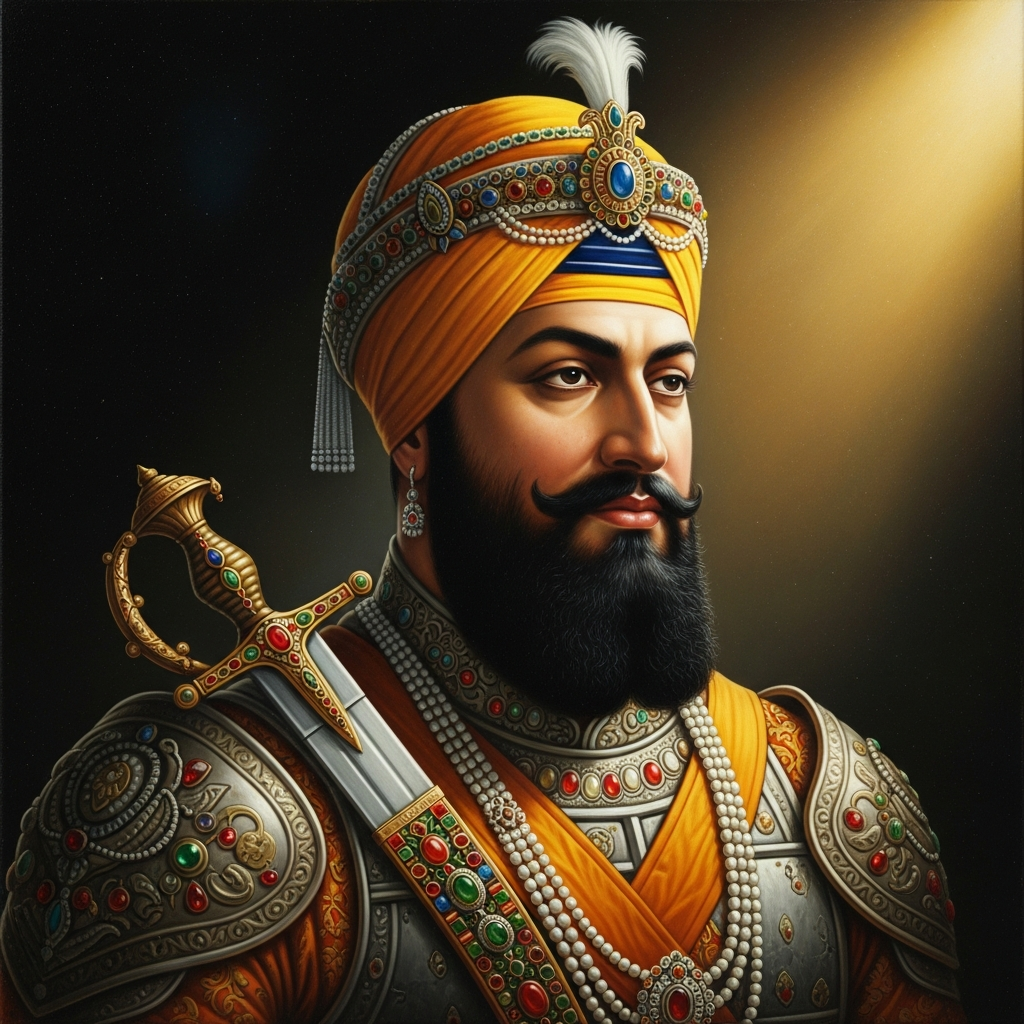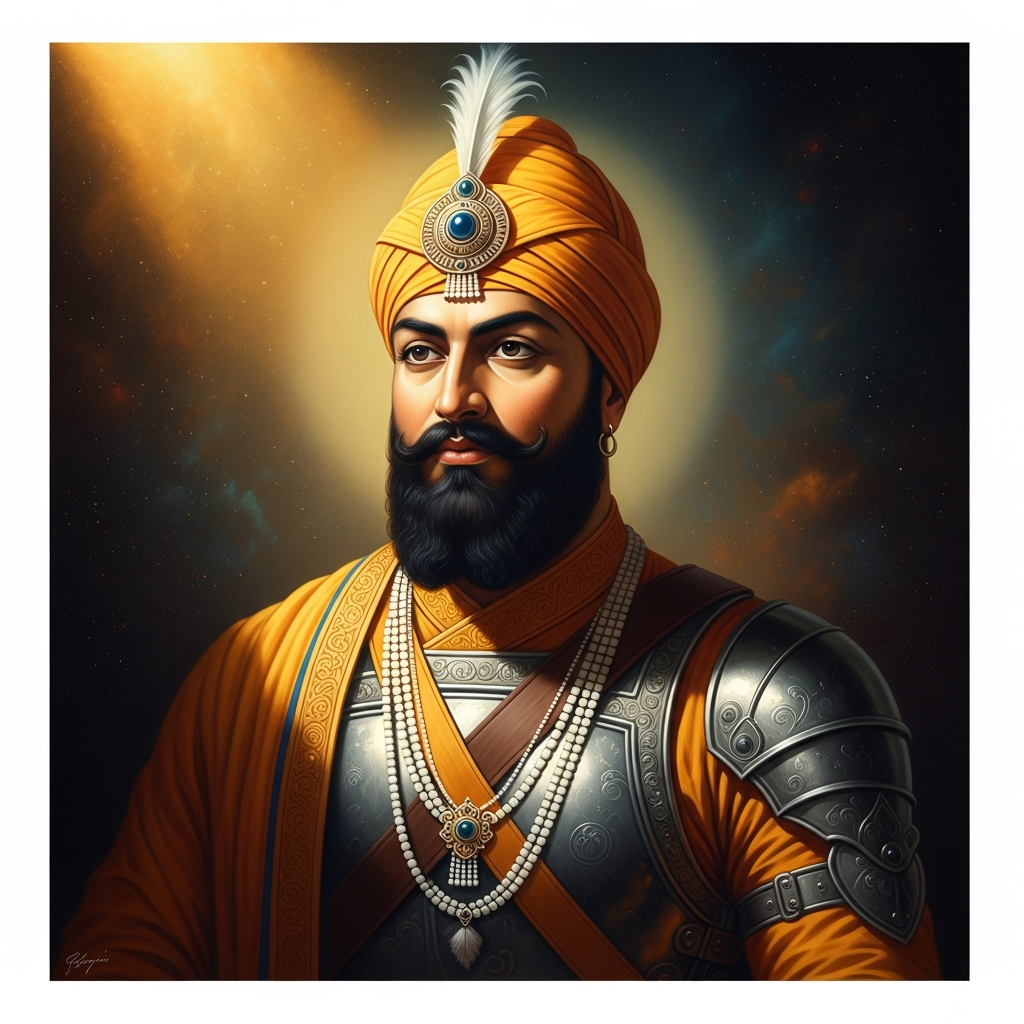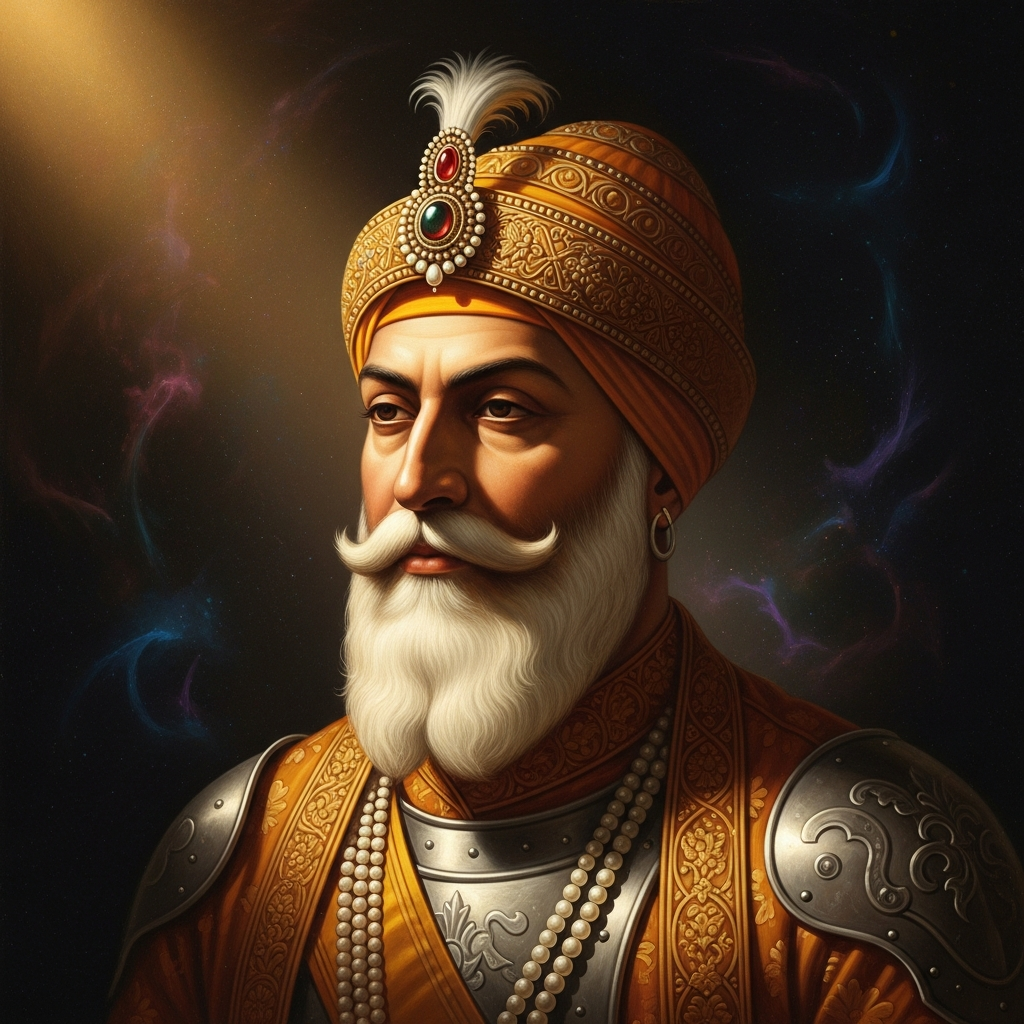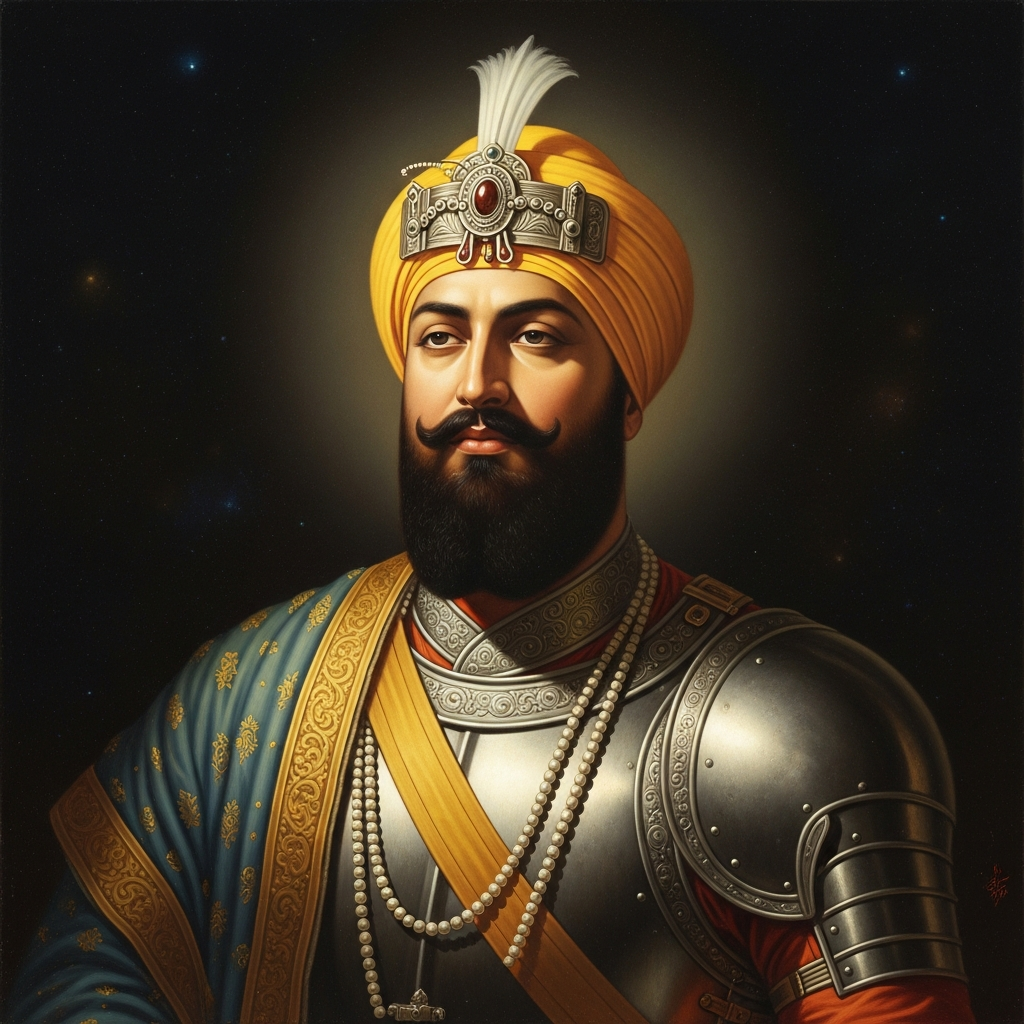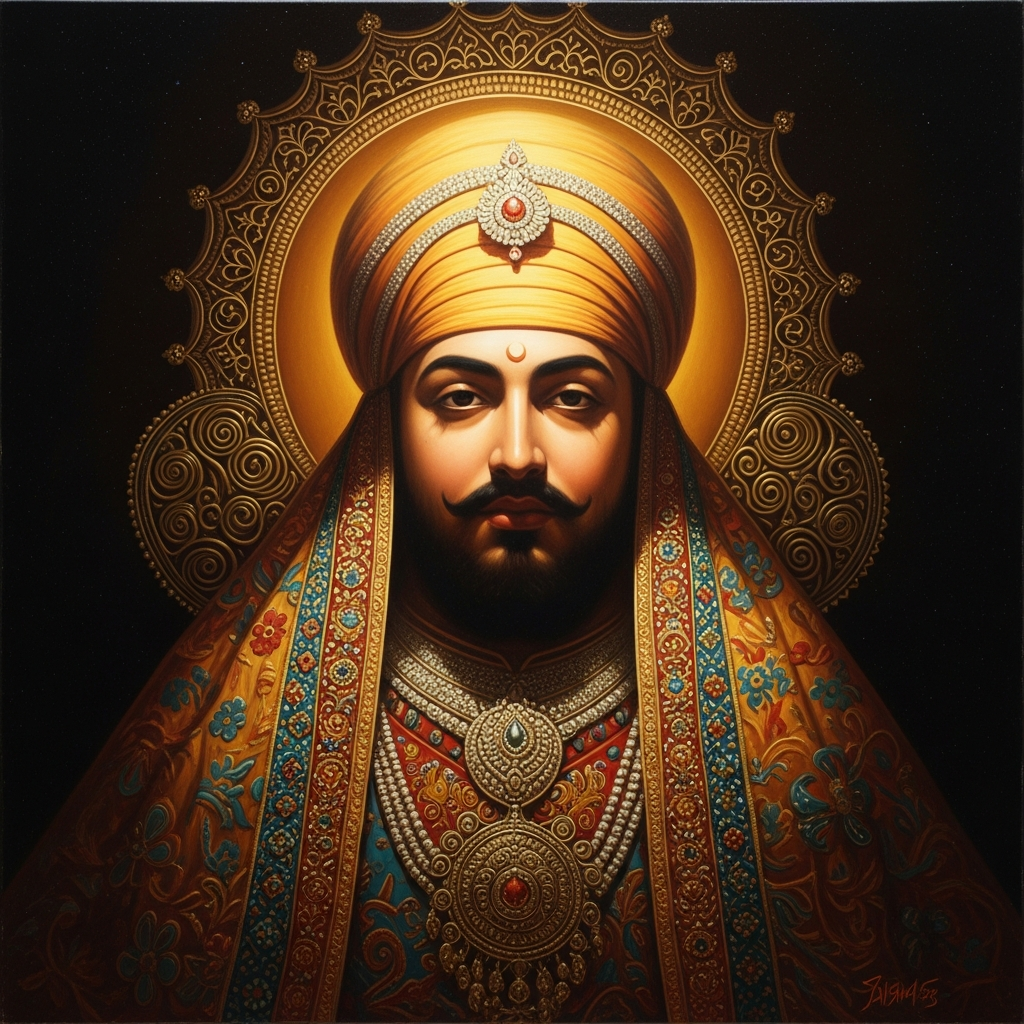
Combat Profile
Infinite Grace
bestows divine wisdom and spiritual enlightenment upon those who seek truth with sincere devotion
Omniscient Unity
exists beyond all forms, eternally present in all creation and consciousness, transcending duality
Divine Name | Sikh
Waheguru — “Wonderful Teacher” or “Wonderful Lord” — is the name for God in Sikhism, though the tradition insists no name fully captures the reality: formless (nirankar), timeless (akal), beyond gender, beyond image, beyond any description that limits. The Mool Mantar’s opening line — Ik Onkar (One God) — establishes the irreducible starting point. Waheguru is approached not through priests, temples, or ritual but through simran: meditative repetition of the divine Name, which is understood to be both a practice and a substance, both the path and the destination. This is not the deist’s clockmaker God nor the theist’s interventionist God — it is the ground of being whose nature is sat (truth), chit (consciousness), anand (bliss).
| SPR | 10/10 | the single ground of all reality | | SPD | 10/10 | beyond time; present in all moments simultaneously | | INT | 10/10 | omniscient; sarb-gyata (knower of all) | | CHA | 26 | | WIS | 34 | | END | 24 | | Element | Light | | Role | Sovereign | | Rarity | Mythic | | Threat | Benign | | LCK | 100 | | ARC | 100 | | Special | Infinite Grace — bestows divine wisdom and spiritual enlightenment upon those who seek truth with sincere devotion | | Passive | Omniscient Unity — exists beyond all forms, eternally present in all creation and consciousness, transcending duality | | Epithets | “Wonderful Teacher/Lord” (Waheguru), “Ik Onkar” (One God — the opening words of the Mool Mantar), “Nirankar” (Formless One), “Akal Purakh” (Timeless Being), “Sat Nam” (True Name) | | Sacred Animals | None — Waheguru is formless and imageless; Sikhi explicitly rejects all physical symbols of God | | Sacred Objects | The Guru Granth Sahib (the only “image” of Waheguru Sikh tradition recognizes — the living Word), Naam (the divine Name itself as sacred object and practice) | | Sacred Colors | No color — formless, beyond color; gold is associated with divine presence in Sikh temple aesthetics | | Sacred Number | 1 (Ik — the supreme sacred number in Sikhi: there is only One), 10 (Ten Gurus who transmitted the divine name) | | Consort(s) | None — Waheguru is beyond gender and relationship; the Guru Granth Sahib uses the metaphor of the soul as bride seeking union with the divine Beloved | | Sacred Sites | All gurdwaras are sites of Waheguru’s presence (the Guru Granth Sahib makes each a sacred space); the Golden Temple / Harmandir Sahib (most sacred Sikh site); Kartarpur Sahib | | Festivals | All Sikh festivals are expressions of Waheguru’s grace; simran (meditative repetition of the divine name) is the continuous daily practice | | Iconography | No iconography — Sikh theology is strictly non-representational for the divine; Ik Onkar (the calligraphic symbol representing “One God”) is the nearest thing to an “icon” | | Period | Eternal — beyond time; “Akal” means “timeless” — Waheguru was before creation and will be after its end | | Region | Omnipresent — Sikh theology insists Waheguru pervades all creation; the tradition originated in Punjab and is now practiced on every continent |
Parallels: The God of Maimonides (radically unknowable, beyond all attributes); the Sufi Al-Haqq (the Real, the ultimate name of God in Islamic mysticism); Brahman in Advaita Vedanta (the formless ground of all being) — but Waheguru is approached through simran rather than through philosophical negation or ritual. See also: [Guru Nanak Dev Ji](#guru-nanak-dev-ji), [Guru Gobind Singh](#guru-gobind-singh)
3 min read