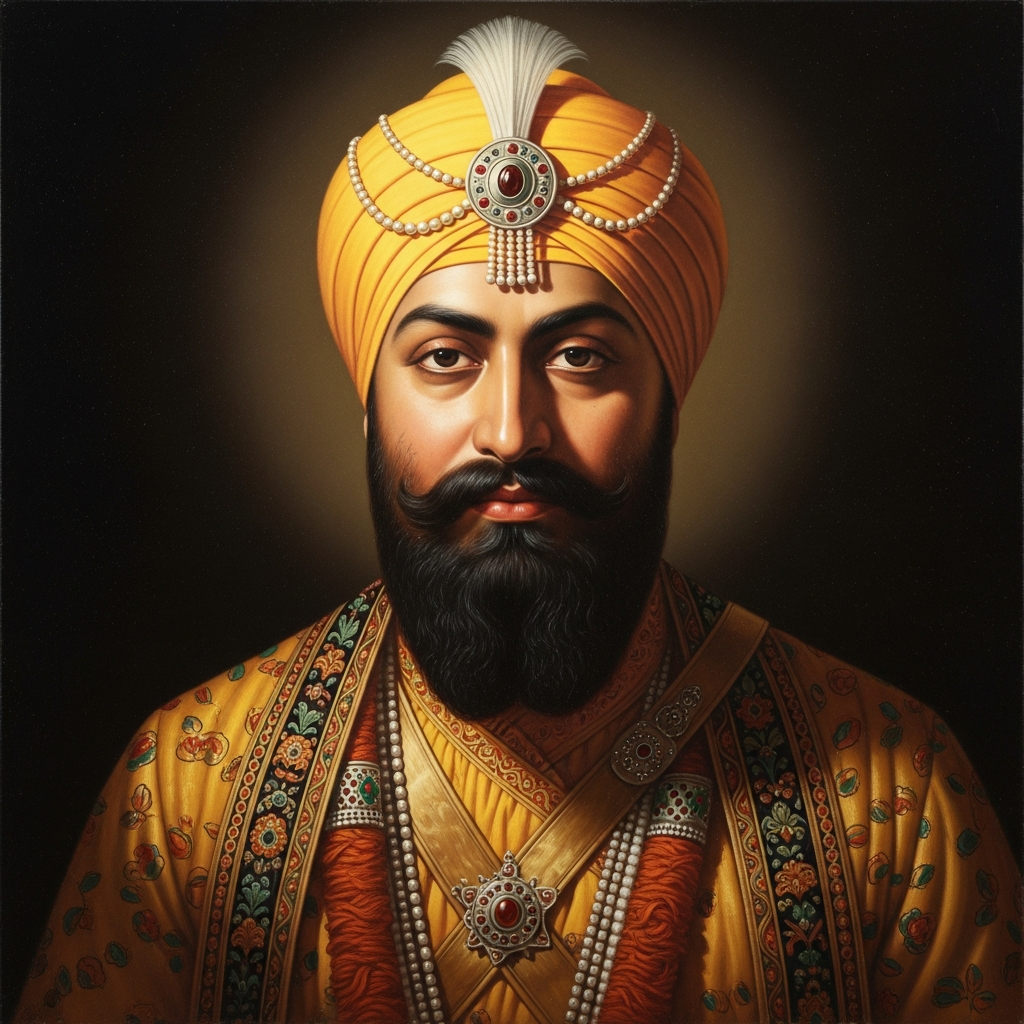
Combat Profile
Sacrifice of Truth
grants allies spiritual fortitude and transforms persecution into moral victory through unwavering conviction.
Beacon of Dharma
emanates protective spiritual wisdom that shields the righteous from tyranny and inspires steadfast resistance to injustice.
Ninth Guru | Sikh
The ninth Guru earned the title Hind di Chaadar — Shield of India — for an act that stands nearly alone in religious history: he was martyred defending the right of Kashmiri Hindus to practice their own religion. When a delegation of Kashmiri Pandits came to him in 1675 fleeing Aurangzeb’s forced conversions, his nine-year-old son Gobind Rai asked: “Who is greater than you to make this sacrifice?” Tegh Bahadur traveled to Delhi, publicly refused conversion, and was beheaded at Chandni Chowk on November 11, 1675. His severed head was carried to Delhi by his disciple Jaita; his body was cremated at the site where Gurdwara Rakab Ganj Sahib now stands, and Gurdwara Sis Ganj Sahib marks the place of his execution.
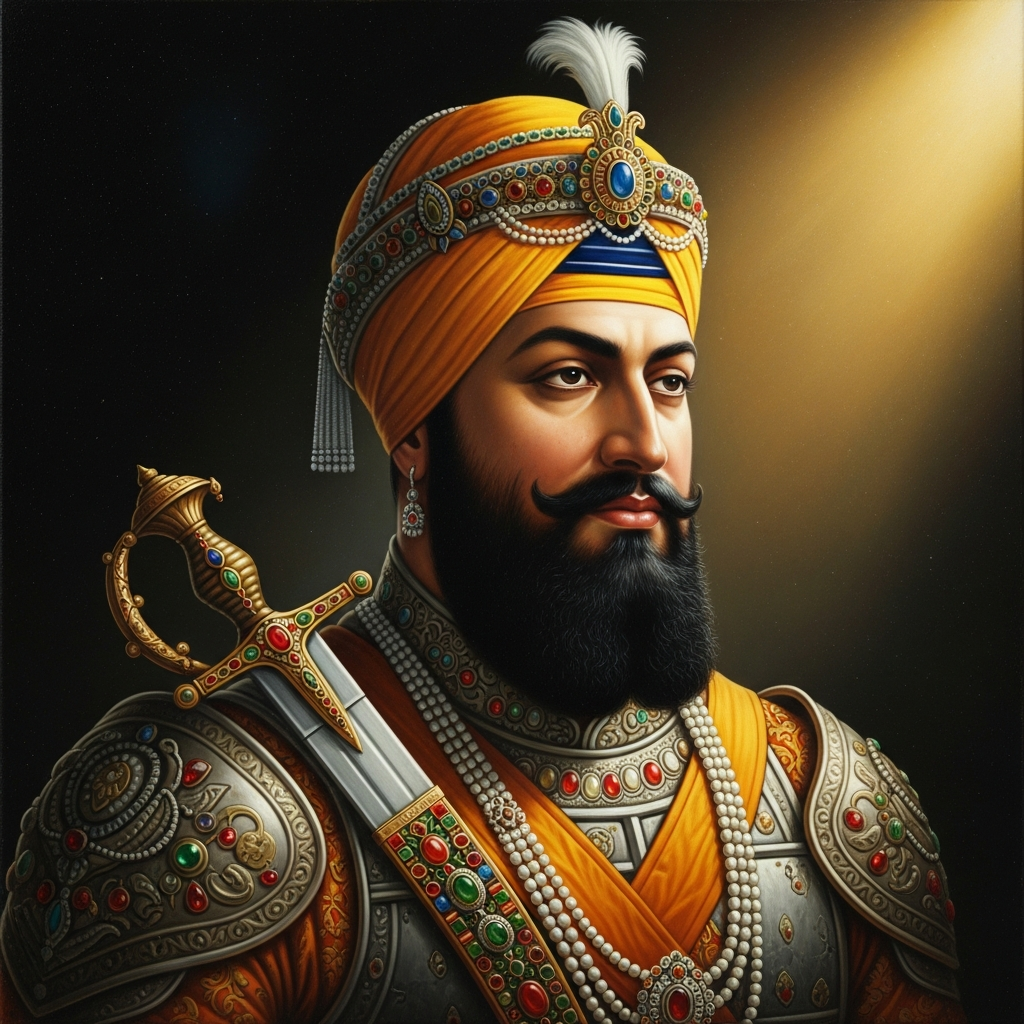
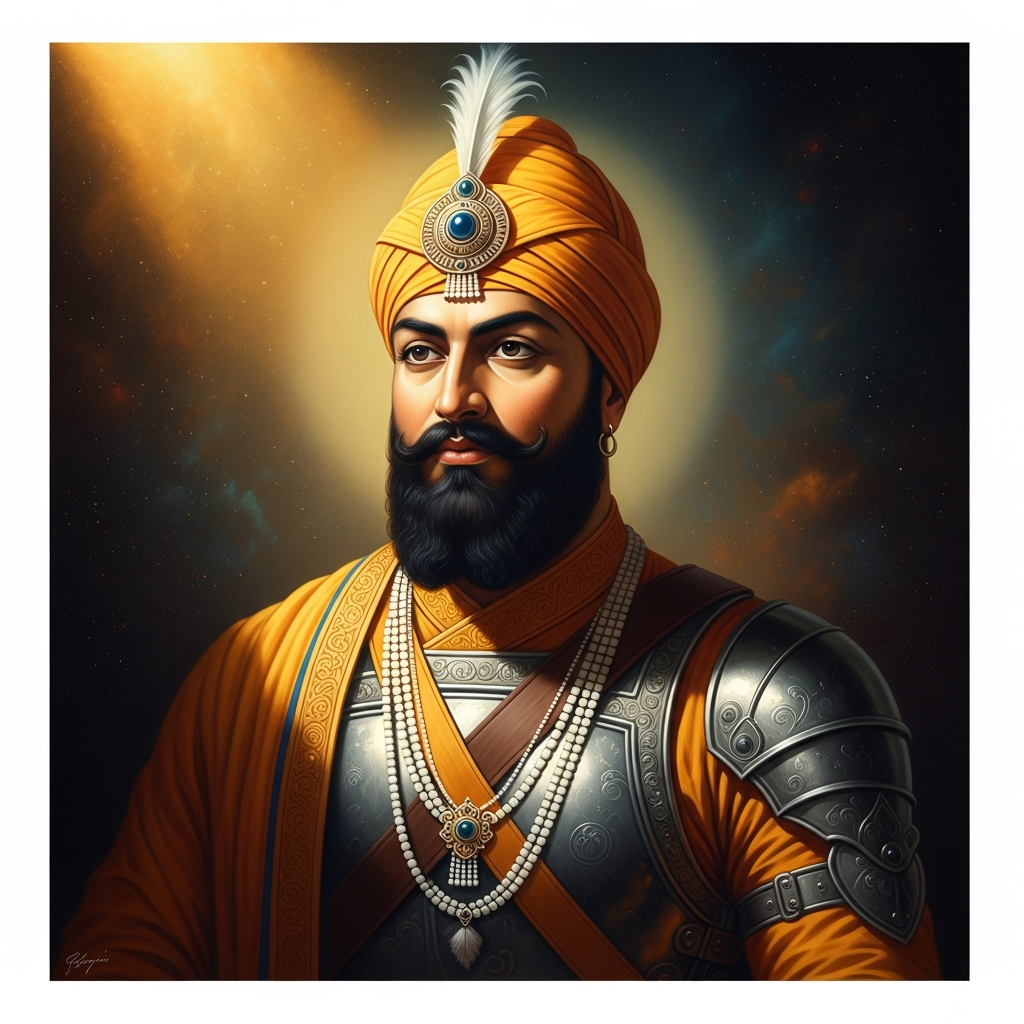
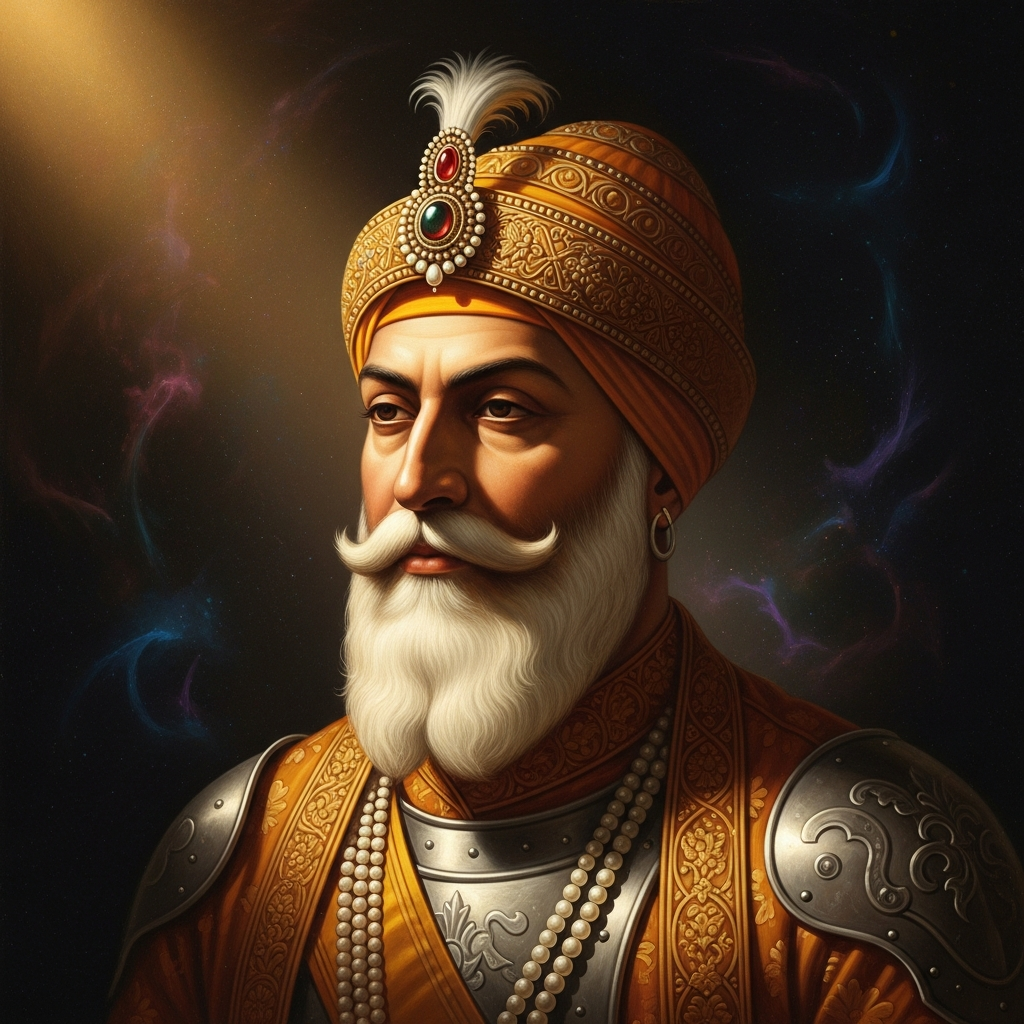
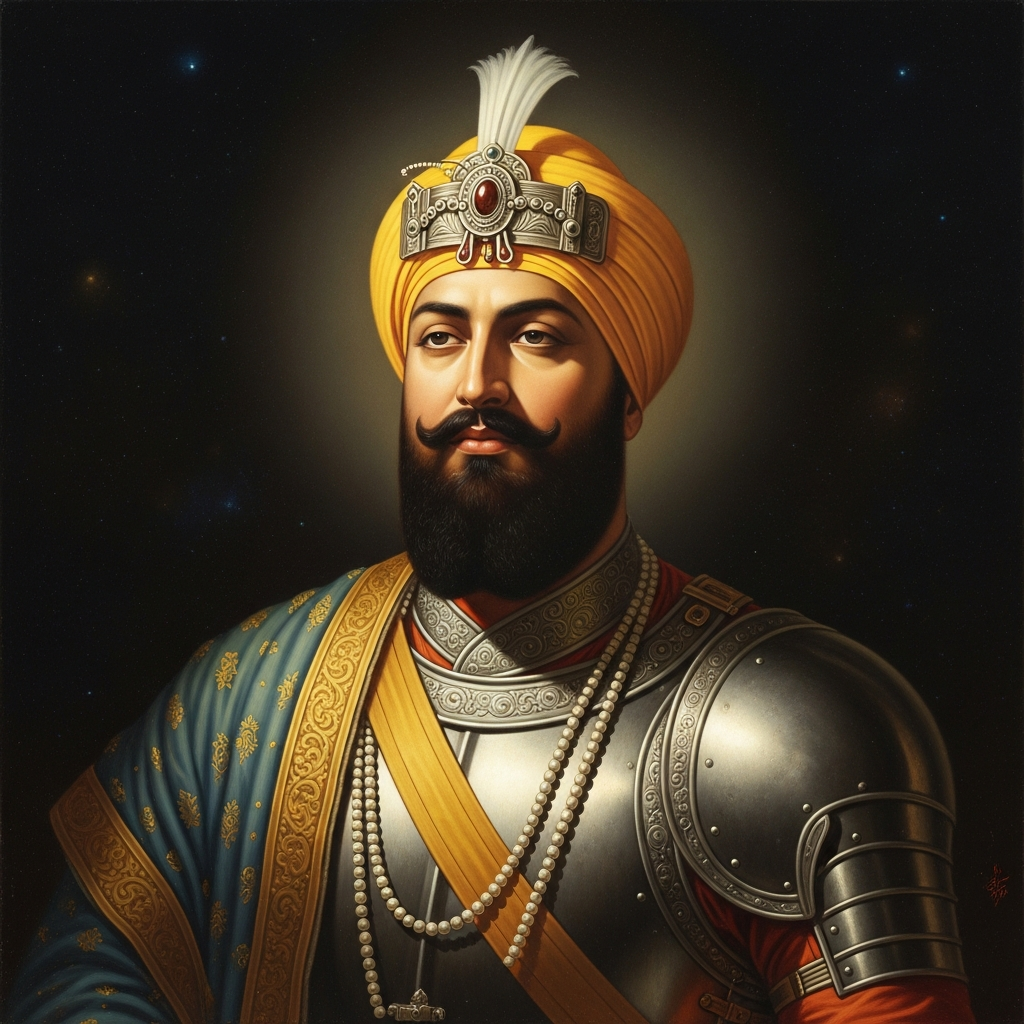
| INT | 9/10 | understood the political and spiritual stakes | | CHA | 26 | | WIS | 48 | | END | 22 | | Element | Light | | Role | Oracle | | Rarity | Legendary | | Threat | Benign | | LCK | 78 | | ARC | 92 | | Special | Sacrifice of Truth — grants allies spiritual fortitude and transforms persecution into moral victory through unwavering conviction. | | Passive | Beacon of Dharma — emanates protective spiritual wisdom that shields the righteous from tyranny and inspires steadfast resistance to injustice. | | Epithets | “Ninth Guru,” “Hind di Chaadar” (Shield of India), “Srisht-di-Chaadar” (Protector of the World’s Conscience), “Second Sikh Martyr” | | Sacred Animals | None specifically | | Sacred Objects | His own severed head (carried to Anandpur by his disciple Jaita as an act of supreme devotion), his kirpan | | Sacred Colors | Saffron (martyr’s color), White (freely chosen sacrifice) | | Sacred Number | 9 (Ninth Guru), 11 (November 11, 1675 — the fixed date of his martyrdom), 3 (three disciples executed with him) | | Consort(s) | Mata Gujri (wife; mother of the Tenth Guru Gobind Singh) | | Sacred Sites | Gurdwara Sis Ganj Sahib (Chandni Chowk, Delhi — execution site), Gurdwara Rakab Ganj Sahib (Delhi — cremation site), Anandpur Sahib (his base) | | Festivals | Guru Tegh Bahadur Sahib Ji Gurpurab (birthday); Shaheedi Divas (martyrdom day — November 11) | | Iconography | Serene, dignified bearded figure in saffron/white robes; sometimes depicted before the Mughal court refusing conversion; the image of composure in the face of death | | Period | 1621–1675 CE; Ninth Guru 1664–1675 | | Region | Punjab (his base); Delhi (martyrdom); Patna Sahib, Bihar (birthplace — Takht Sri Patna Sahib) |
Parallels: Thomas Becket (church leader martyred by the state for refusing submission); Maximilian Kolbe (died in another’s place at Auschwitz); Socrates (chose death over recantation) — but Tegh Bahadur’s sacrifice was for people of a different religion entirely, which is historically without parallel. See also: Guru Gobind Singh, [Guru Arjan Dev Ji](#guru-arjan-dev-ji)
2 min read