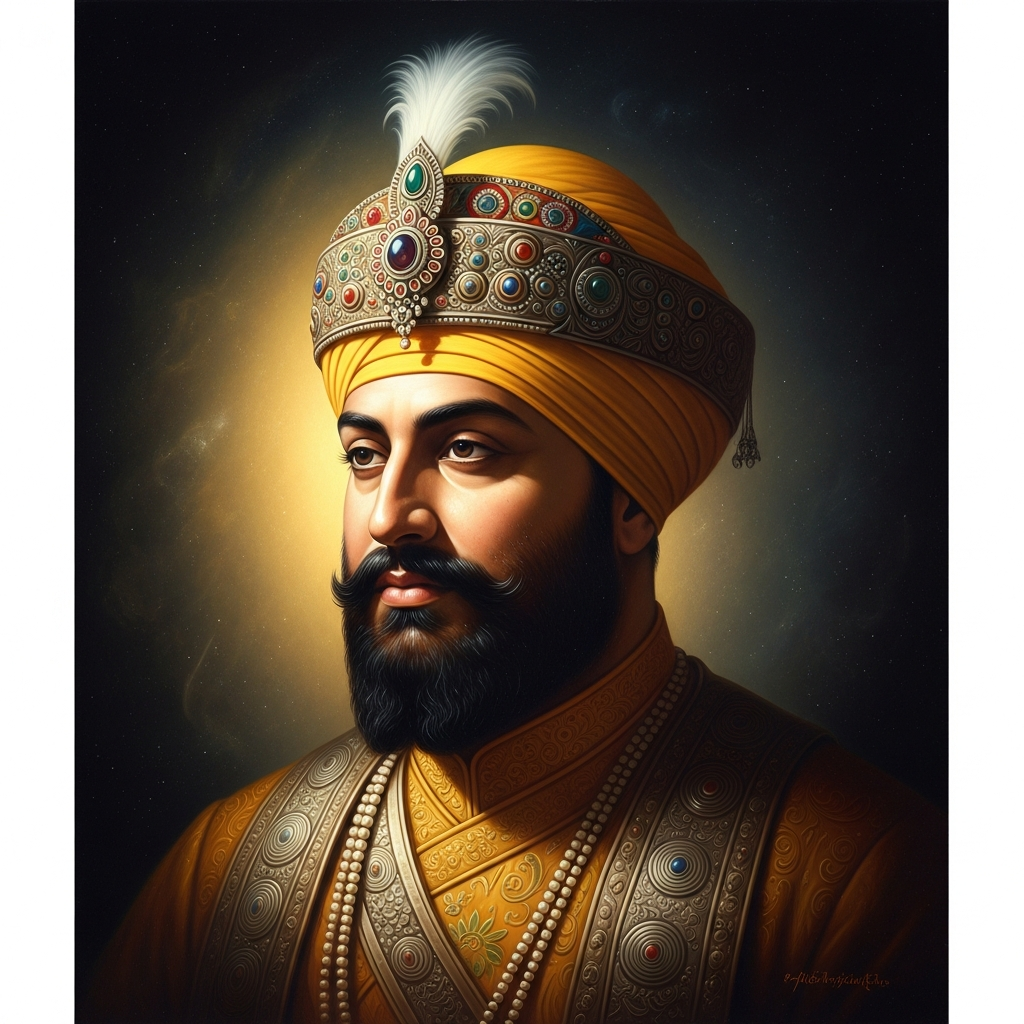
Combat Profile
Sacrifice for Faith
grants immunity to coercion and inspires allies to stand firm against oppression regardless of personal cost
Beacon of Conscience
radiates moral clarity that strengthens the resolve of those fighting for religious freedom and protects the vulnerable from persecution
His public defense of Hindu religious freedom drew Aurangzeb's direct hostility
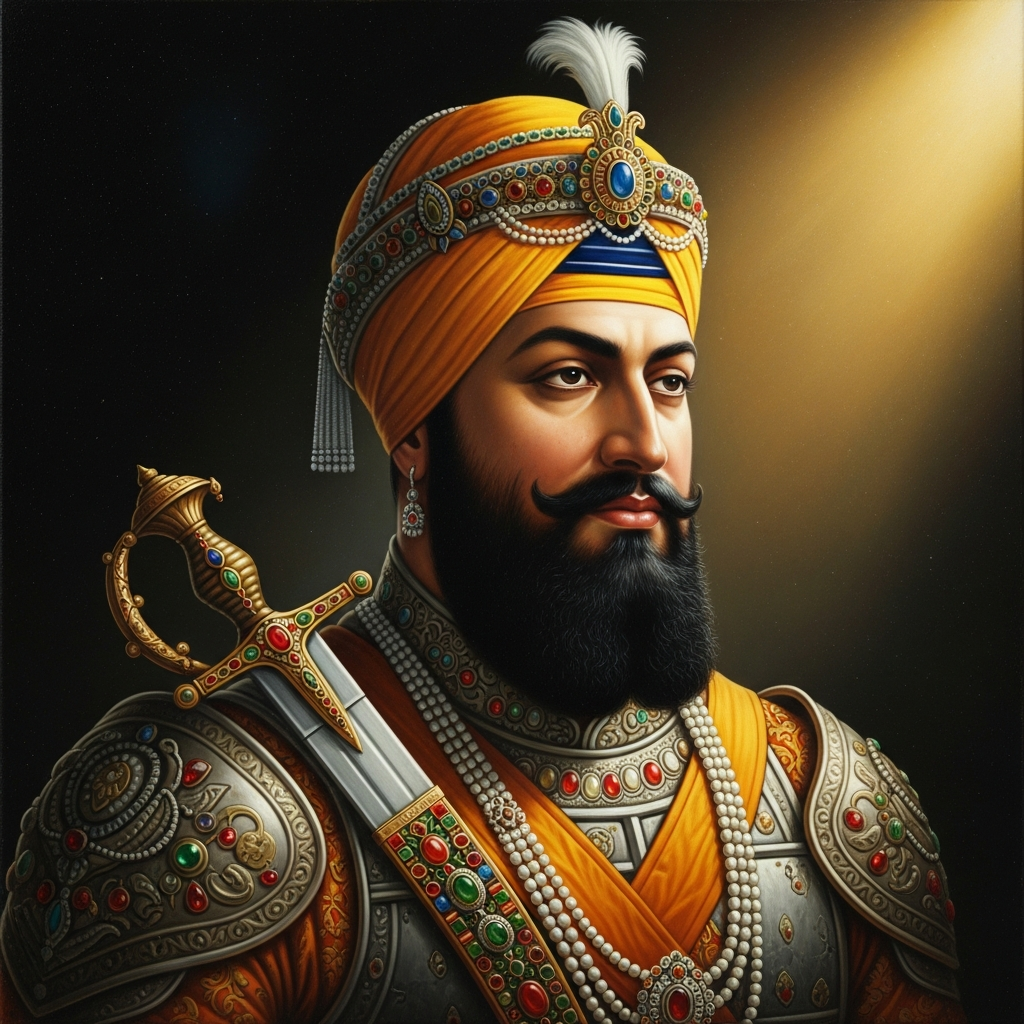
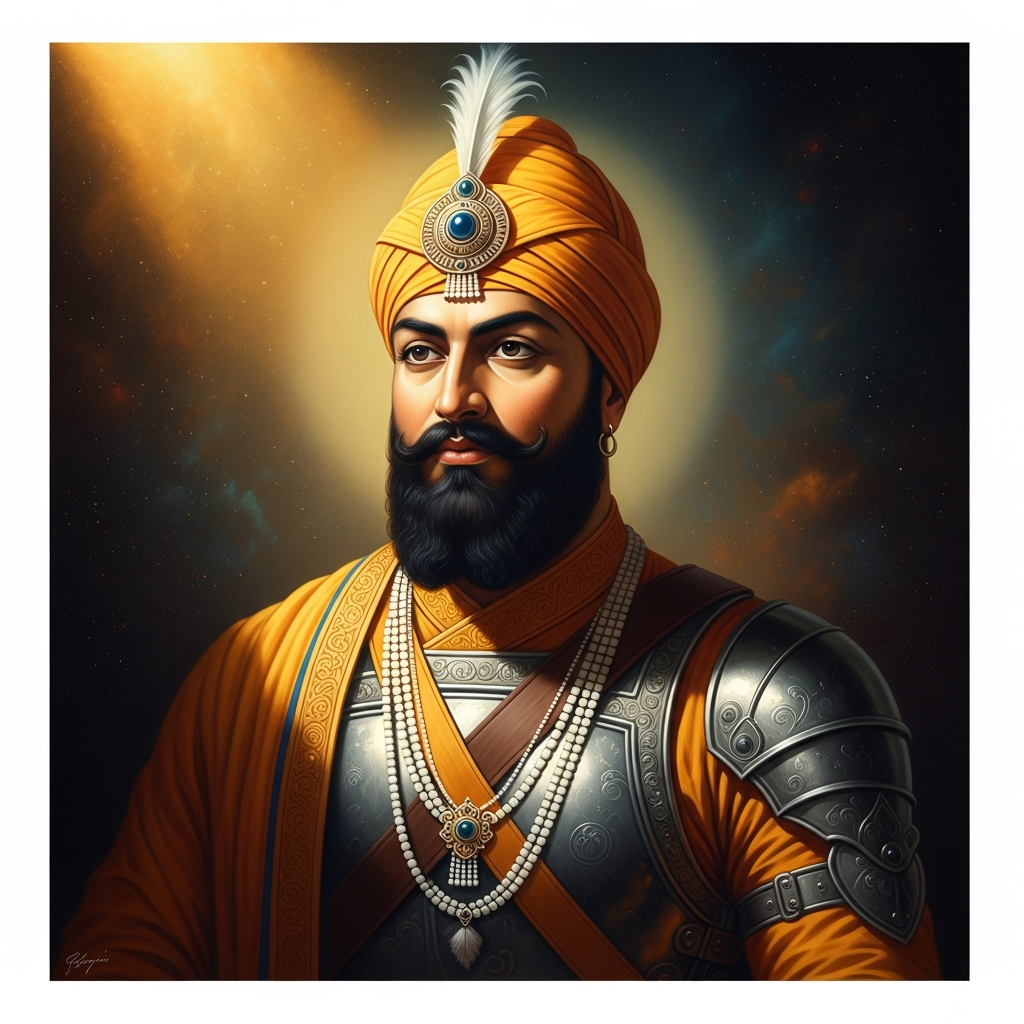
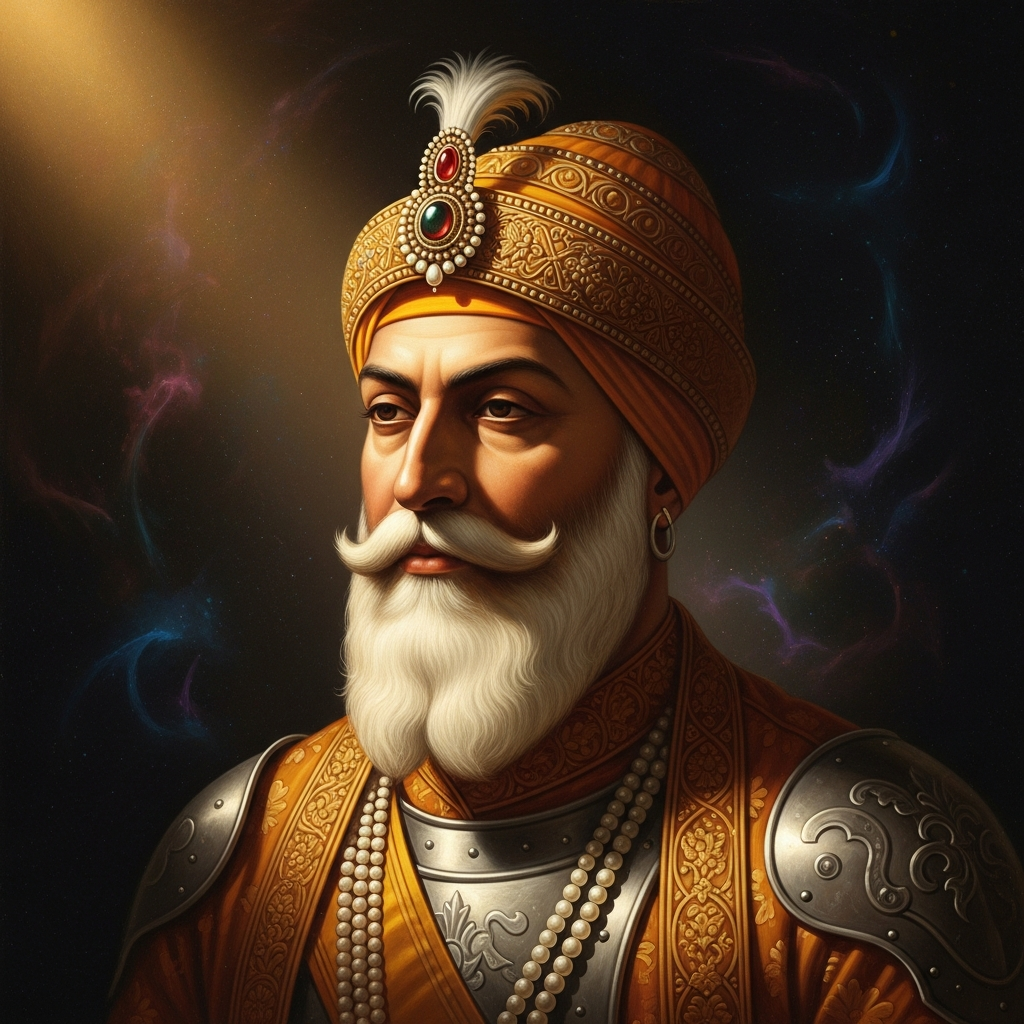
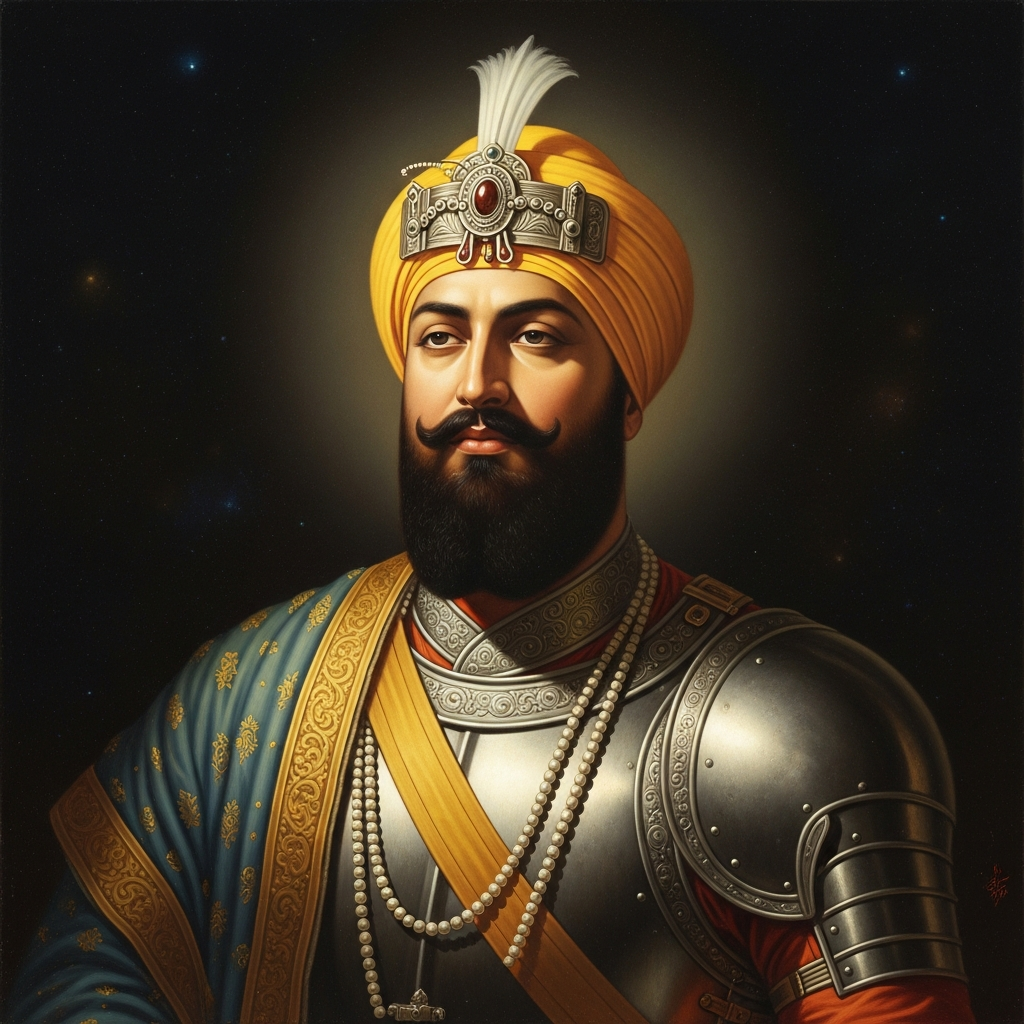
| Consort(s) | Mata Gujri (wife; mother of Gobind Rai who became the Tenth Guru) | | Sacred Sites | Gurdwara Sis Ganj Sahib (Chandni Chowk, Delhi — site of his beheading), Gurdwara Rakab Ganj Sahib (Delhi — site of his cremation), Anandpur Sahib (Punjab — where he served as Guru) | | Festivals | Guru Tegh Bahadur Sahib Ji Gurpurab (birthday); his martyrdom day (November 11) is observed with particular gravity; Shaheedi Divas (martyrdom day commemoration) | | Iconography | Depicted in serene composure — a dignified bearded figure in saffron/white robes; sometimes shown before the Mughal court refusing conversion; in Sikh miniature painting, sometimes depicted with a halo of sacrifice | | Period | 1621–1675 CE; Ninth Guru 1664–1675 | | Region | Punjab (Patna Sahib was his birthplace, Bihar — now Takht Sri Patna Sahib, one of the five Takhts); Delhi (execution site); his sacrifice redefined the moral scope of the Sikh tradition |
“He gave his head, but not his faith.” — common Sikh formulation
The act remains historically singular: a leader of one religion publicly martyred for the right of another religion to exist.
1 min read
*Bachittar Natak* (Gobind Singh's autobiography); Sikh tradition