Combat Profile
Khalsa's Wrath
unleashes devastating offensive power channeling the militant spirit of Guru Gobind Singh's appointed commander to shatter enemy formations
Sovereign Resistance
draws strength from righteous struggle against oppression, gaining power whenever defending Sikh independence and dharma
Captured by the Mughals after a long siege at Gurdas Nangal; tortured to death along with his young son in Delhi (1716)
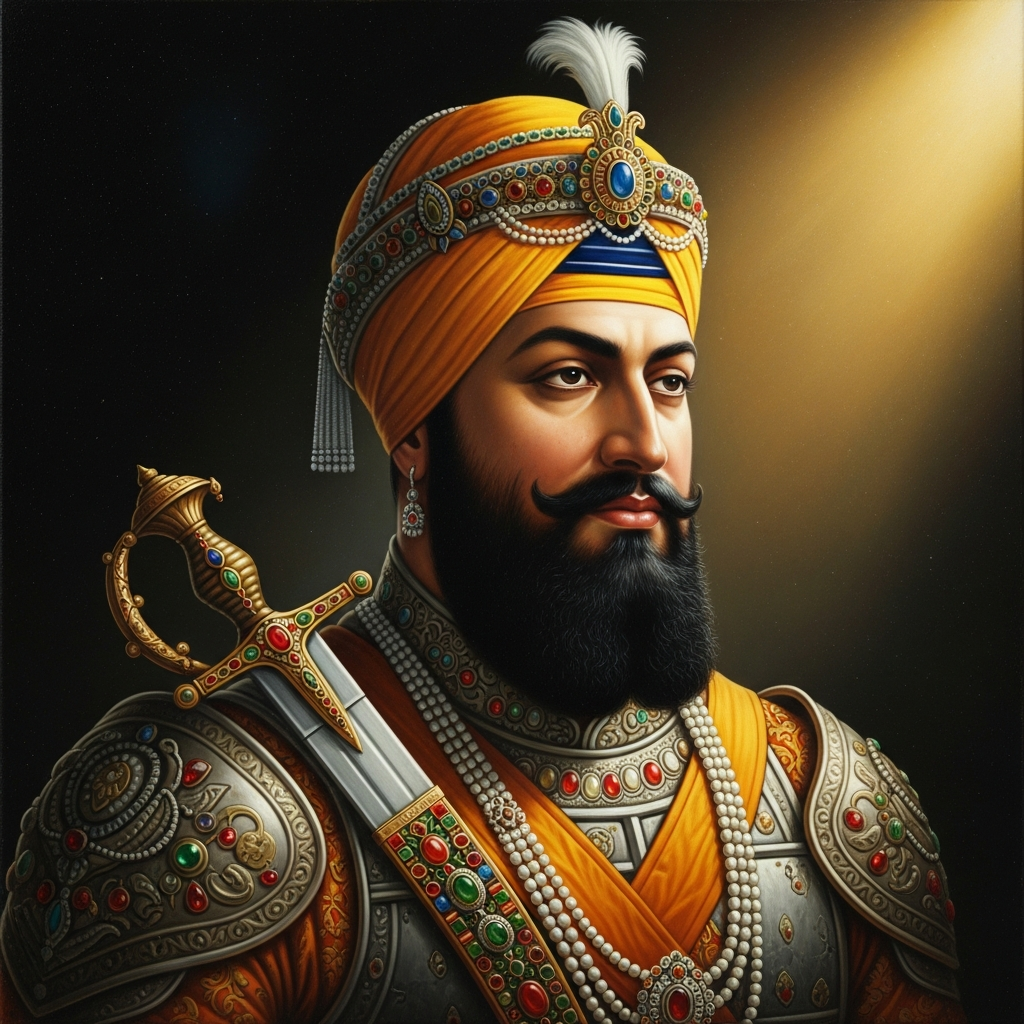
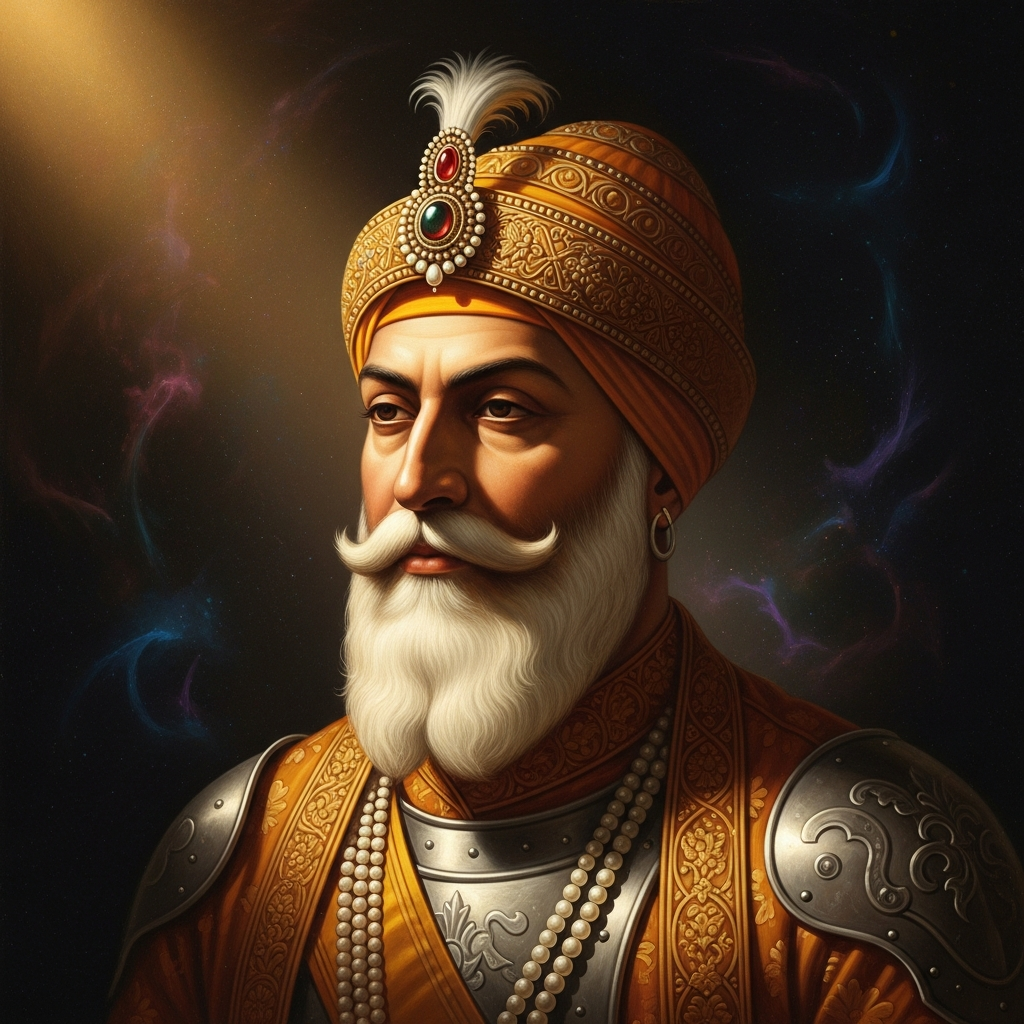
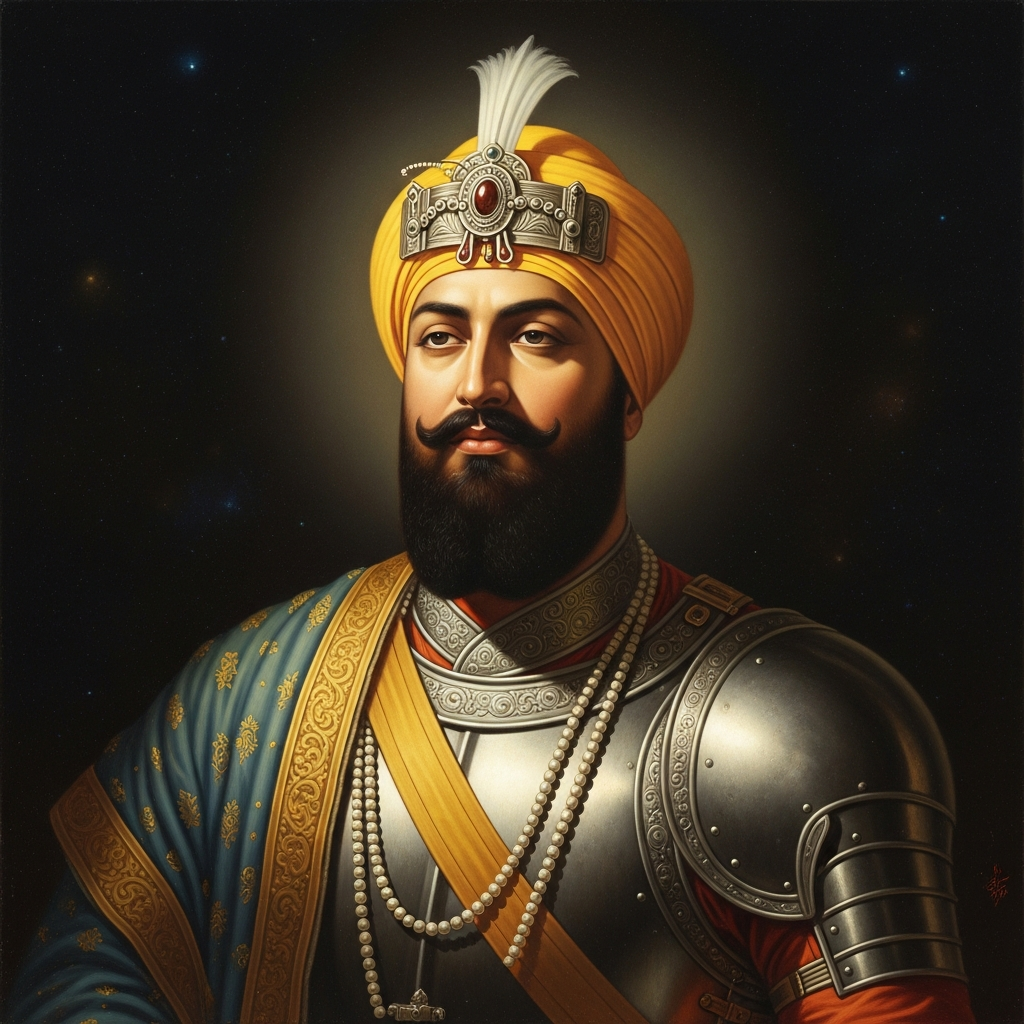
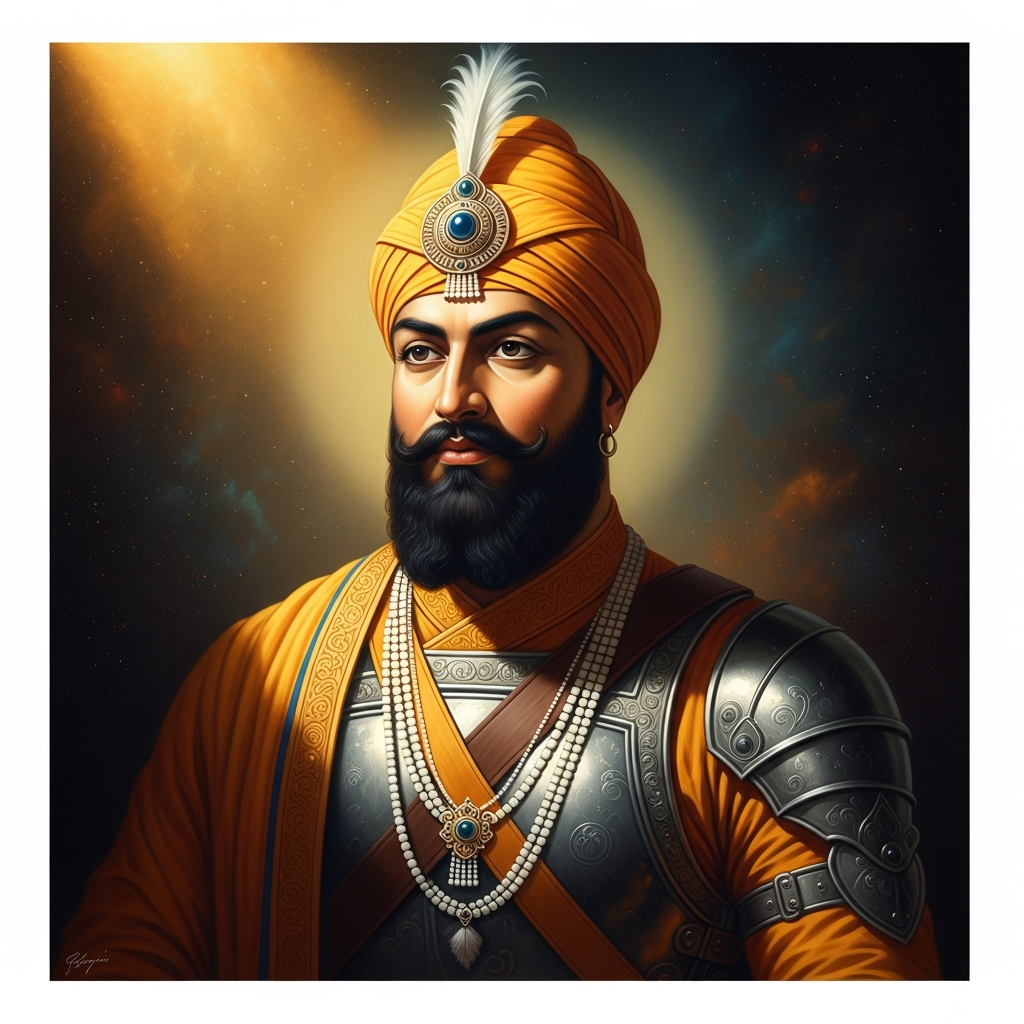
| Weakness | Captured by the Mughals after a long siege at Gurdas Nangal; tortured to death along with his young son in Delhi (1716) | | Key Act | Sent by Gobind Singh from the Deccan to Punjab in 1708 to lead an uprising. Captured Sirhind in 1710, executing the governor who had bricked Gobind Singh’s two younger sons into a wall. Established the first independent Sikh political authority, struck the first Sikh coinage, abolished the zamindari system in territories he held, and gave land to peasants | | Source | Persian Mughal chronicles; Sikh tradition | | Epithets | “Banda Singh Bahadur” (Banda the Brave — the name Gobind Singh gave him), “Bairagi” (wandering ascetic — his original identity before conversion), “First Sikh Sovereign,” “Liberator of Sirhind” | | Sacred Animals | None specifically; his campaign is military rather than symbolic | | Sacred Objects | The hukamnama (written order) Guru Gobind Singh gave him at their meeting, dispatching him to lead the Punjab uprising; the sword and the coin he struck — the first Sikh coinage in history | | Sacred Colors | Saffron (Khalsa warrior color), Blue (Nihang warrior tradition) | | Sacred Number | 1710 (the year he captured Sirhind — avenging the murder of Gobind Singh’s younger sons), 1716 (the year of his execution), 52 (the number of warrior companions tortured with him in Delhi) | | Consort(s) | He had a wife; his young son was executed with him before his eyes before his own execution in Delhi | | Sacred Sites | Gurdwara Banda Ghat (near Nanded, Maharashtra — site of his first meeting with Guru Gobind Singh), Muktsar (Punjab — battle site), Lohgarh (Punjab — his fortified capital; also called Sadhaura) | | Festivals | His story is told during Vaisakhi celebrations; observed in Sikh historical memory as the first political sovereignty; the Sikh calendar includes his capture at Gurdas Nangal as a historical commemoration | | Iconography | Depicted as a fierce warrior-saint in battle armor, sword raised; his execution scene (watching his son killed before his own torture) is depicted in Sikh historical art as a martyrdom narrative | | Period | 1670–1716 CE; Gobind Singh’s military commander from 1708 until his capture and execution in 1716 | | Region | Punjab (entire battlefield); his agrarian reforms in captured territory (abolishing zamindari, distributing land to peasants) mark the first Sikh political experiment |
Eight years of armed insurgency. After his execution, the Sikhs went underground for three decades before re-emerging as the misls.
2 min read
Persian Mughal chronicles; Sikh tradition