Combat Profile
Kevala Jnana
Mahavira achieves omniscient perception of all existence, granting complete knowledge of past, present, and future to guide seekers toward liberation.
Ascetic Perfection
Mahavira's absolute renunciation of violence and material attachment makes him immune to harm and grants immunity to corruption or deception.
Tirthankar | Jain
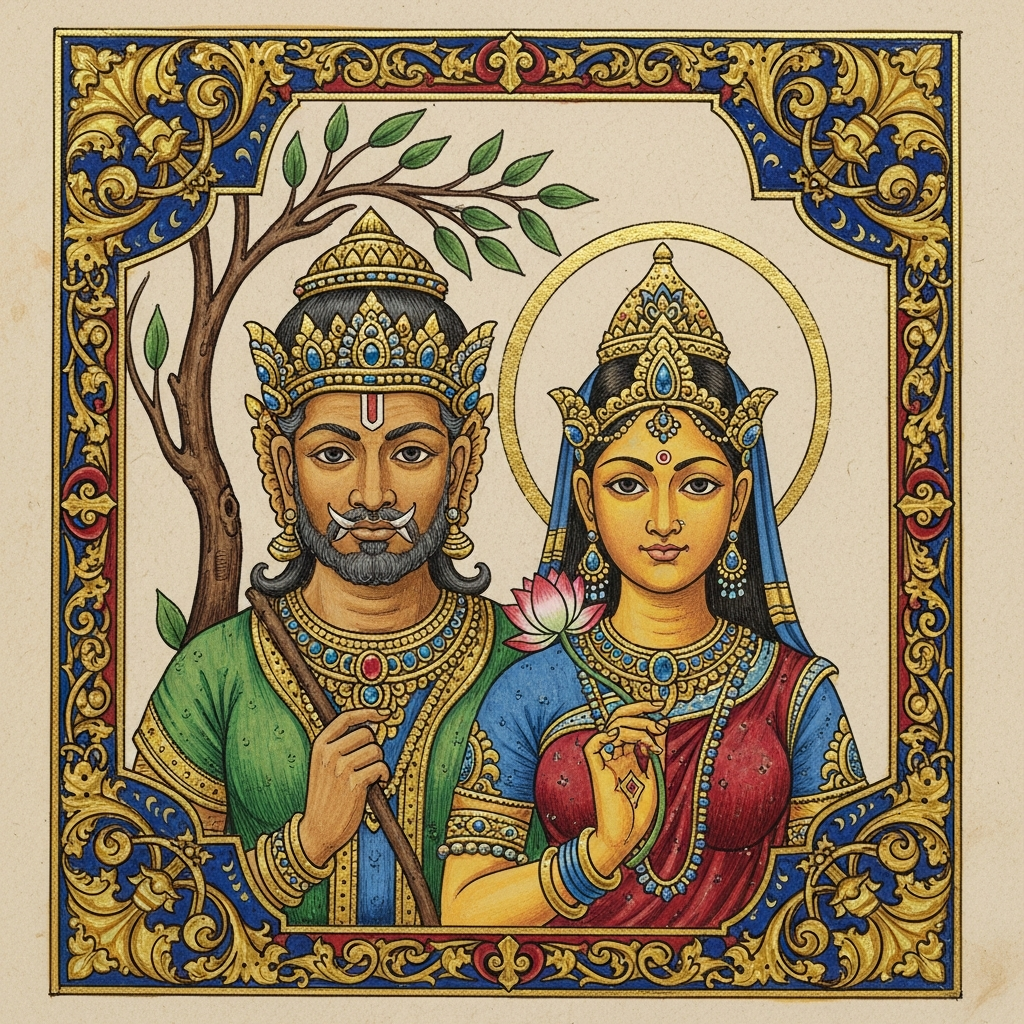
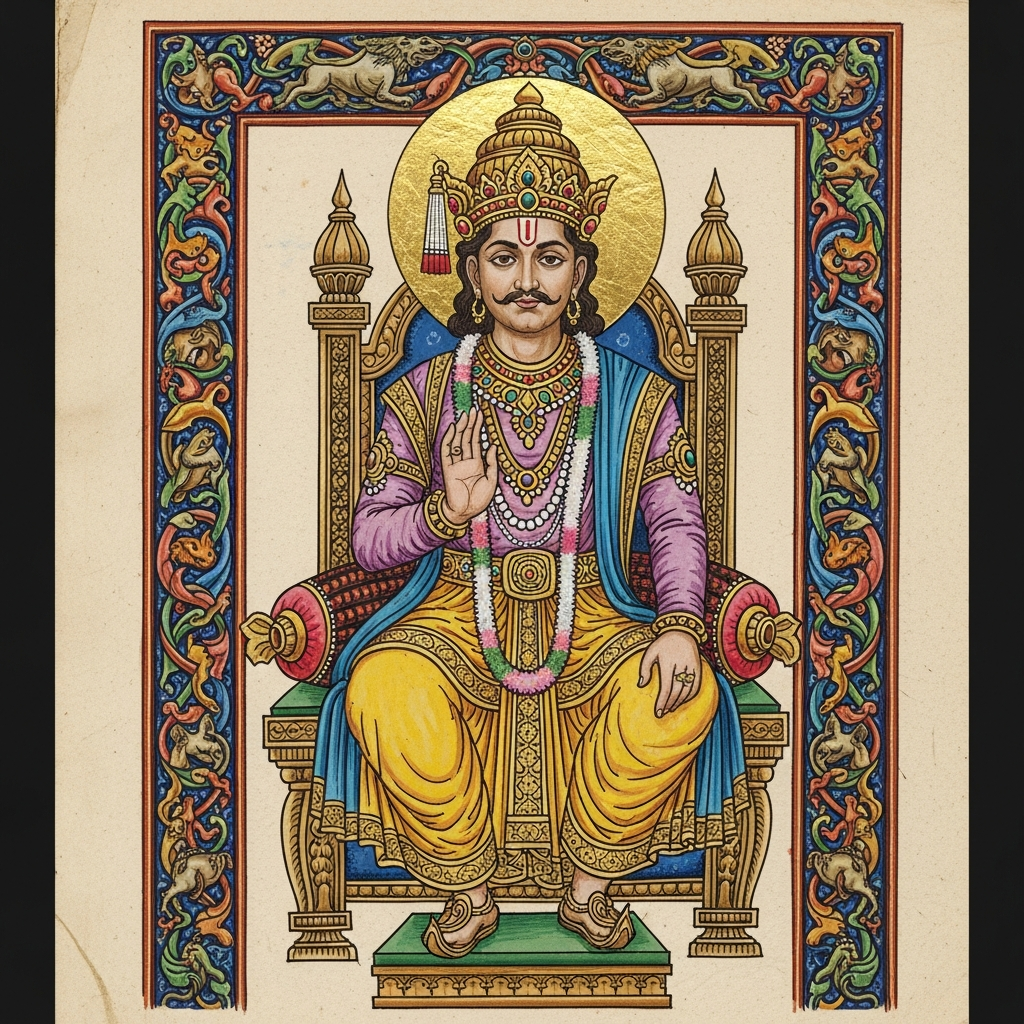
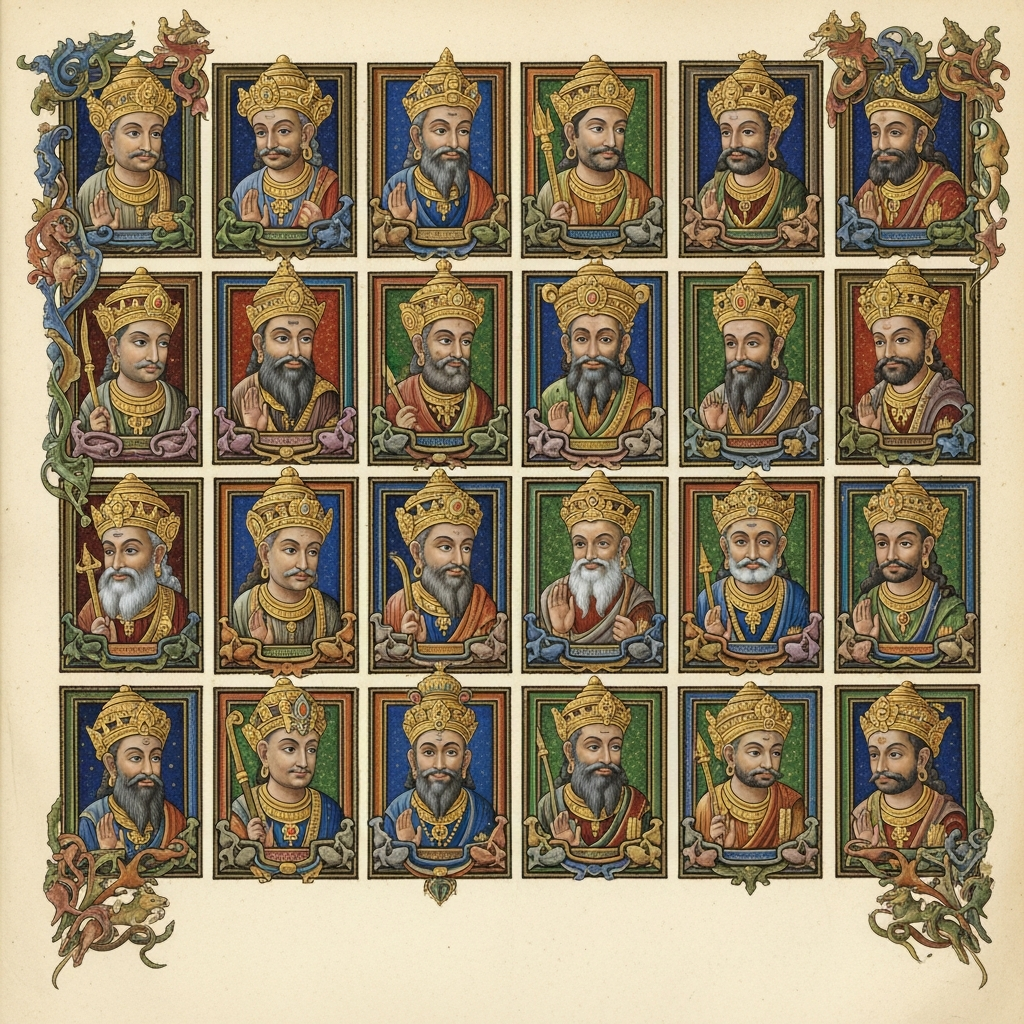
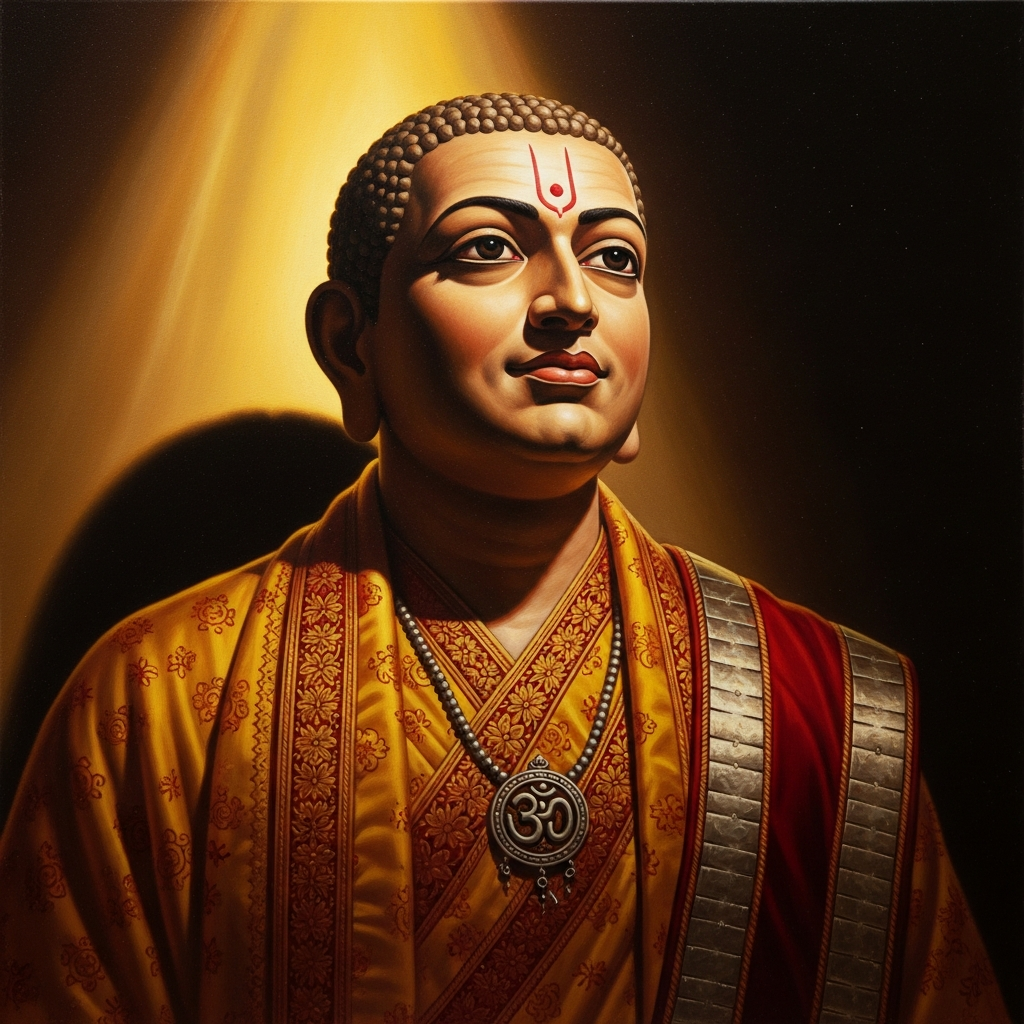
The 24th and final tirthankar of the current cosmic age, Mahavira was born Prince Vardhamana in Bihar around 599 BCE, renounced everything at 30, and spent 12 years wandering naked in extreme austerity before attaining kevala-jnana — omniscience of all things past, present, and future. For 30 years he taught the systematized path of ahimsa (non-violence) as its absolute first principle, alongside truth, non-stealing, non-possession, and celibacy, establishing the four-fold community of monks, nuns, laymen, and laywomen that has persisted unbroken for 2,500 years. He is a near-contemporary of the Buddha and their traditions explicitly critique each other: where the Buddha taught a Middle Way between asceticism and indulgence, Mahavira taught that only the most radical austerity burns away karma.
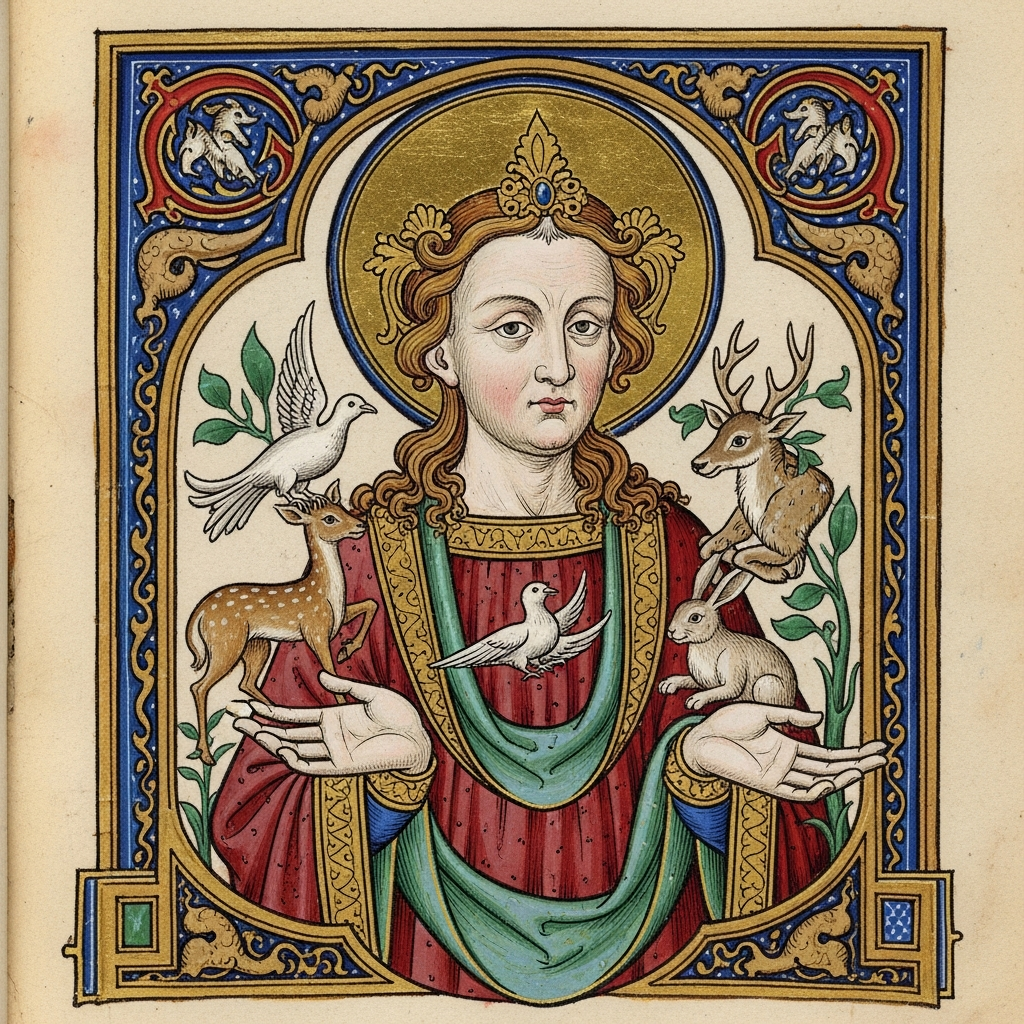
Parallels: The Buddha Shakyamuni (princely contemporary, fellow renouncer, rival teacher of liberation); St. Francis of Assisi (radical poverty and dispossession — but Francis kept his prayer book). See also: Rishabhanatha (Adinatha), [Parsvanatha](#parsvanatha), Ahimsa
1 min read