Combat Profile
Path of Moksha
Each tradition illuminates a different route to liberation through their interpretation of Mahavira's teachings, creating complementary soteriological frameworks.
Theological Discourse
Their eternal philosophical debate sharpens Jain doctrine and preserves the integrity of both ascetic and lay approaches to enlightenment.
The split weakens institutional unity; the doctrinal disagreement on women's liberation has never been resolved
“They agree on everything essential — ahimsa, karma, the Tirthankaras, the path of liberation. They disagree on whether the path requires wearing nothing, and on whether a woman can walk it at all.” — summary of the schism
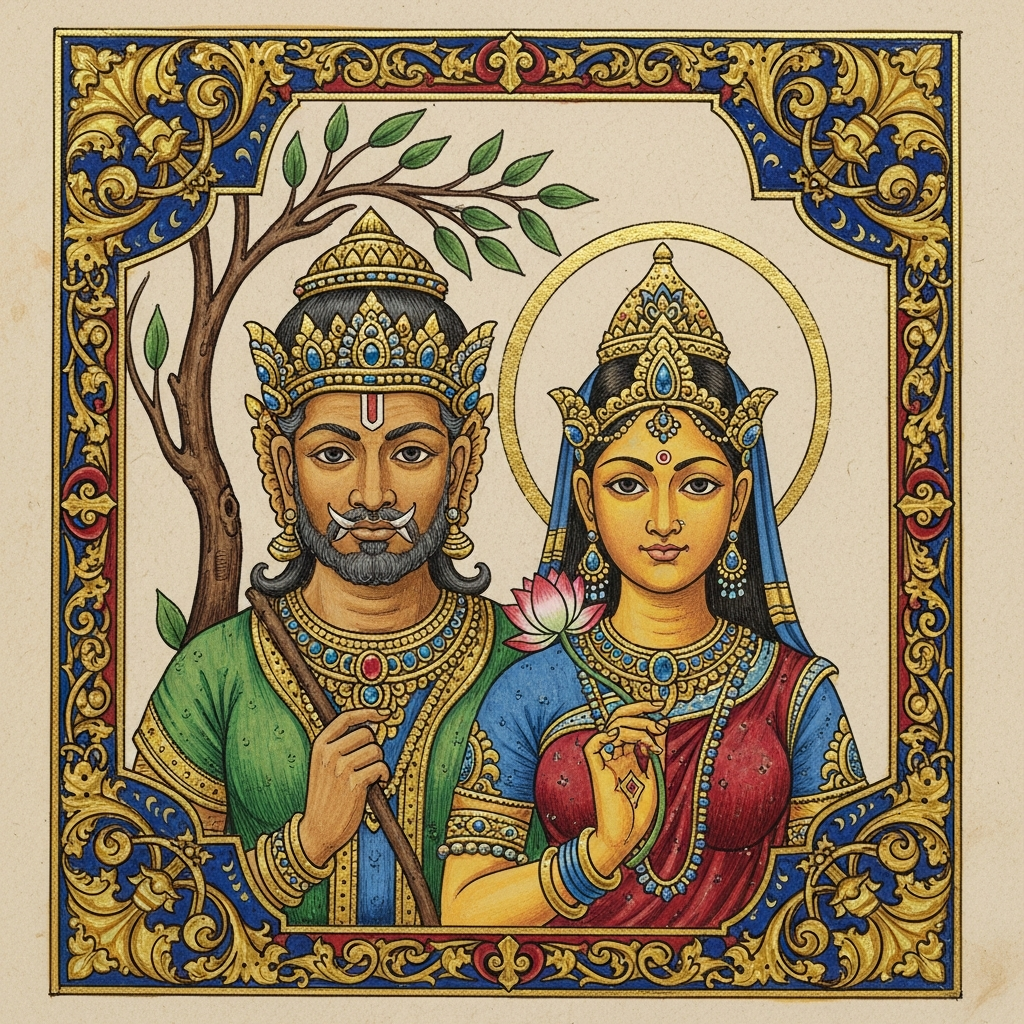
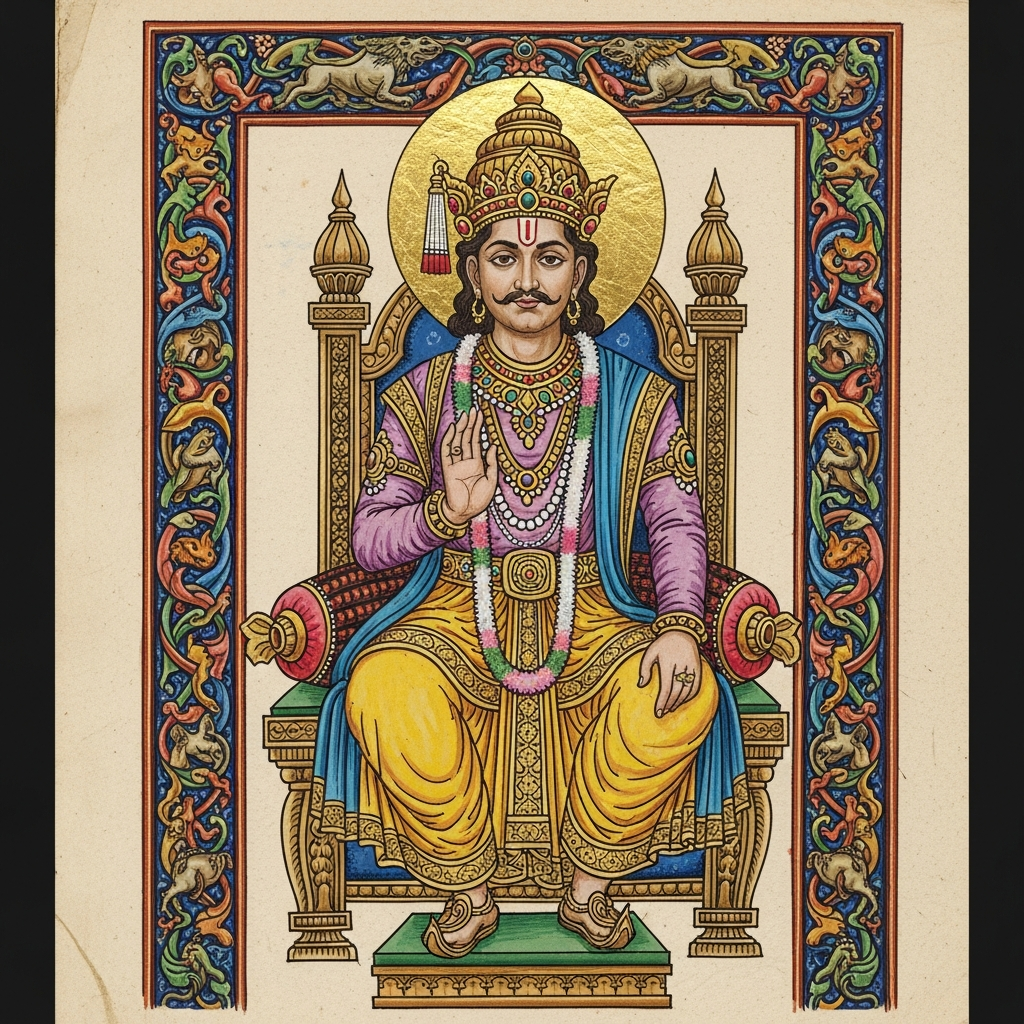
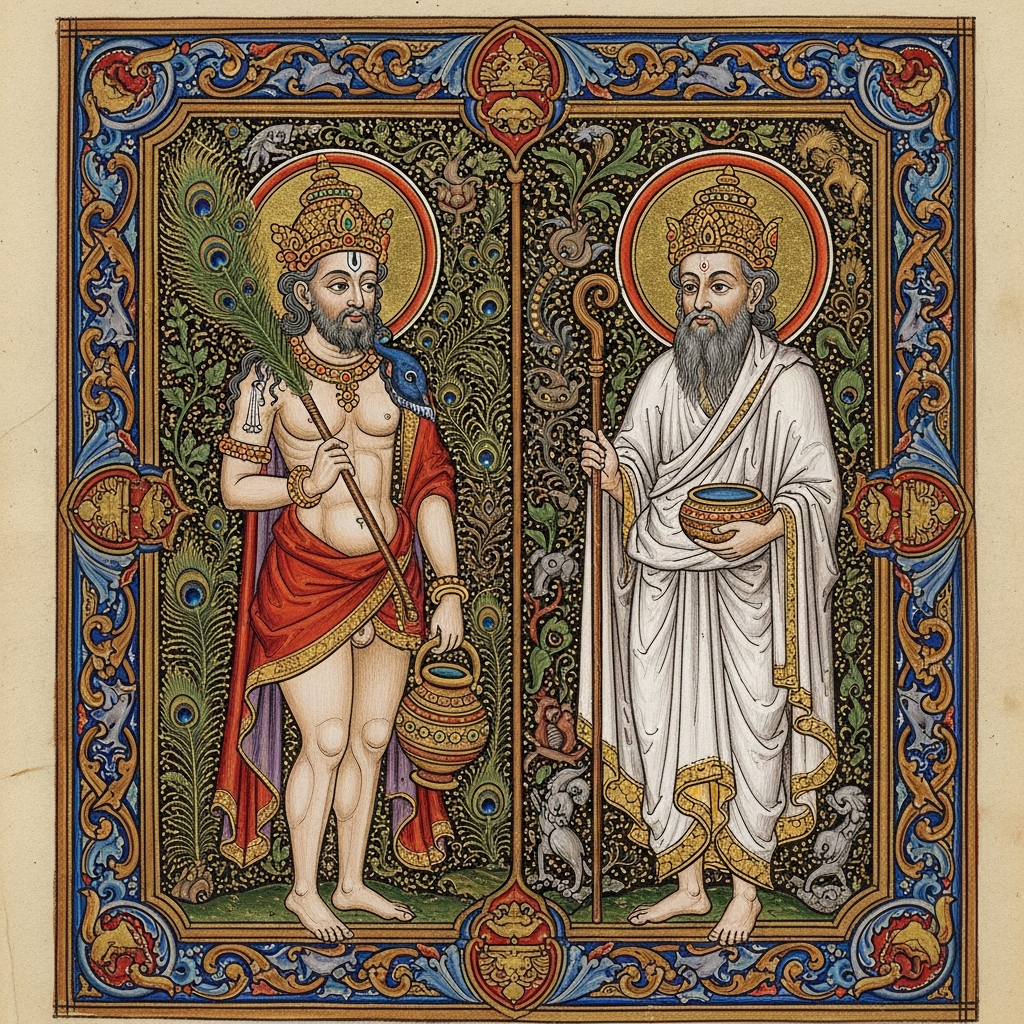
Lore: Digambara means “sky-clad” — wearing the sky, wearing nothing at all. Svetambara means “white-clad” — wearing simple white garments. The split emerged approximately 300 BC during a severe famine in the Ganges valley. The senior monk Bhadrabahu led a group of monks south to Karnataka (where the great Bahubali statue at Shravanabelagola now stands) to escape the famine, retaining the mahavrata of nudity — the great vow that a true Jain monk owns and wears nothing. The monks who remained in the north, under Sthulabhadra, accepted white robes during the difficult period and eventually canonized the acceptance of clothing into their practice.
When the two groups reunited after the famine, they disagreed on whether the scriptural canon was intact (the Digambaras believe the original Agamas were lost; the Svetambaras believe their canon preserved them) and on the deeper question: can women achieve liberation?
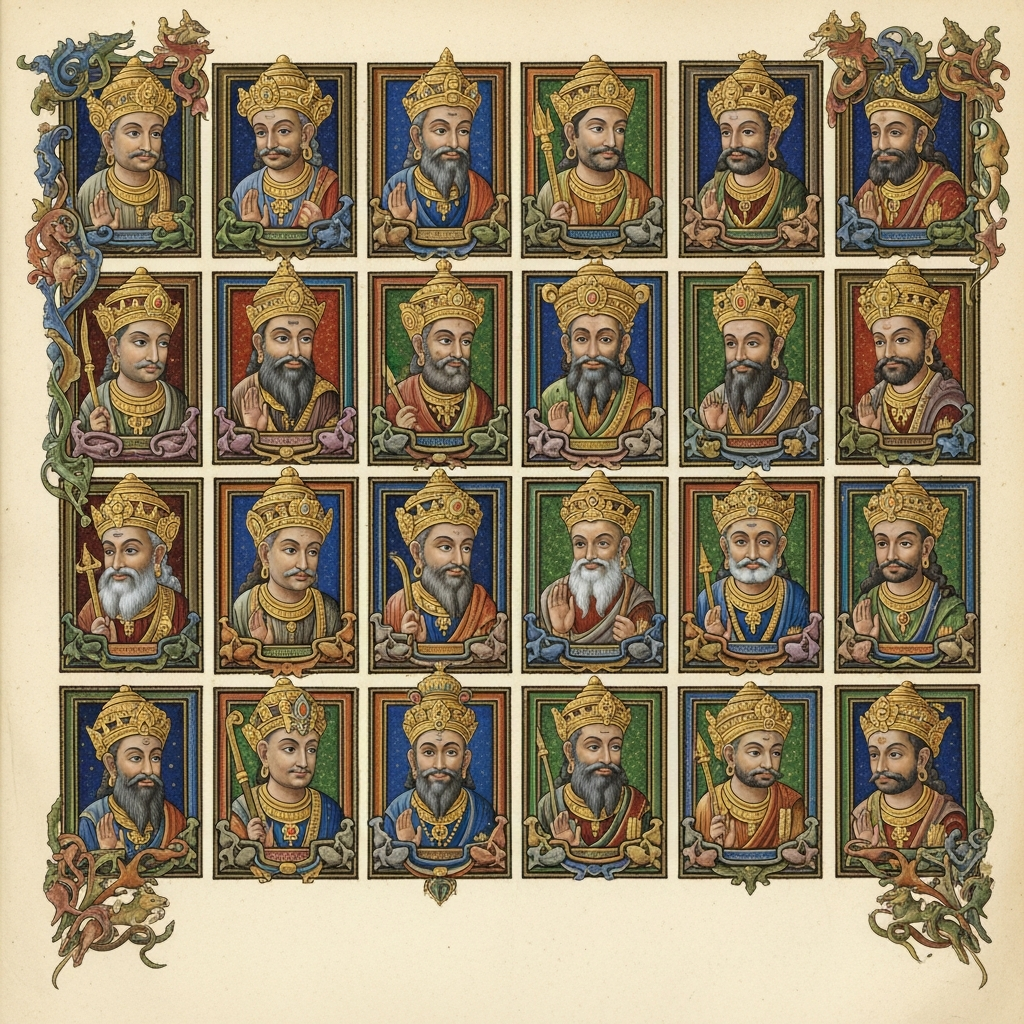
The Digambara position: No. Total nudity is required for liberation — the complete rejection of all possessions, including clothing. Women cannot practice nudity in public. Therefore women cannot follow the full monastic path. Therefore women cannot achieve liberation in a female body. A woman seeking liberation must be reborn as a man first. This also applies to the 19th Tirthankara, Malli — the Digambaras insist Malli was male; the Svetambaras insist Malli was female and that her liberation proves women can achieve moksha.
The Svetambara position: Clothing does not impede liberation. The Kalpa Sutra records that nuns formed half of Mahavira’s four-fold community. Malli was female. Women can and do achieve liberation.
Parallel: The Catholic-Orthodox schism (both traditions claim apostolic succession, both venerate the same Tirthankaras, both practice ahimsa, but disagree on authority, canon, and key doctrinal questions — much as Rome and Constantinople agreed on everything until they didn’t). The Sunni-Shia split (the surface question is succession; the deeper question is about legitimate authority and community identity). But the Digambara-Svetambara split is arguably more philosophically interesting than either, because its central unresolved question — can women achieve liberation? — is not a question about politics or succession but about the metaphysics of gender and embodiment.
2 min read
Each other, in scholarly debate
*Kalpa Sutra*; Paul Dundas, *The Jains* (chapters 3-4); John Cort, *Jains in the World*