Combat Profile
Baptism of Revelation
Immerse a target in divine gnosis, purifying their soul and granting them sight of hidden celestial truths for a sacred time.
Living Witness
John exists in eternal presence within Mandaean tradition, continuously guiding souls toward the light through baptismal waters and gnostic wisdom.
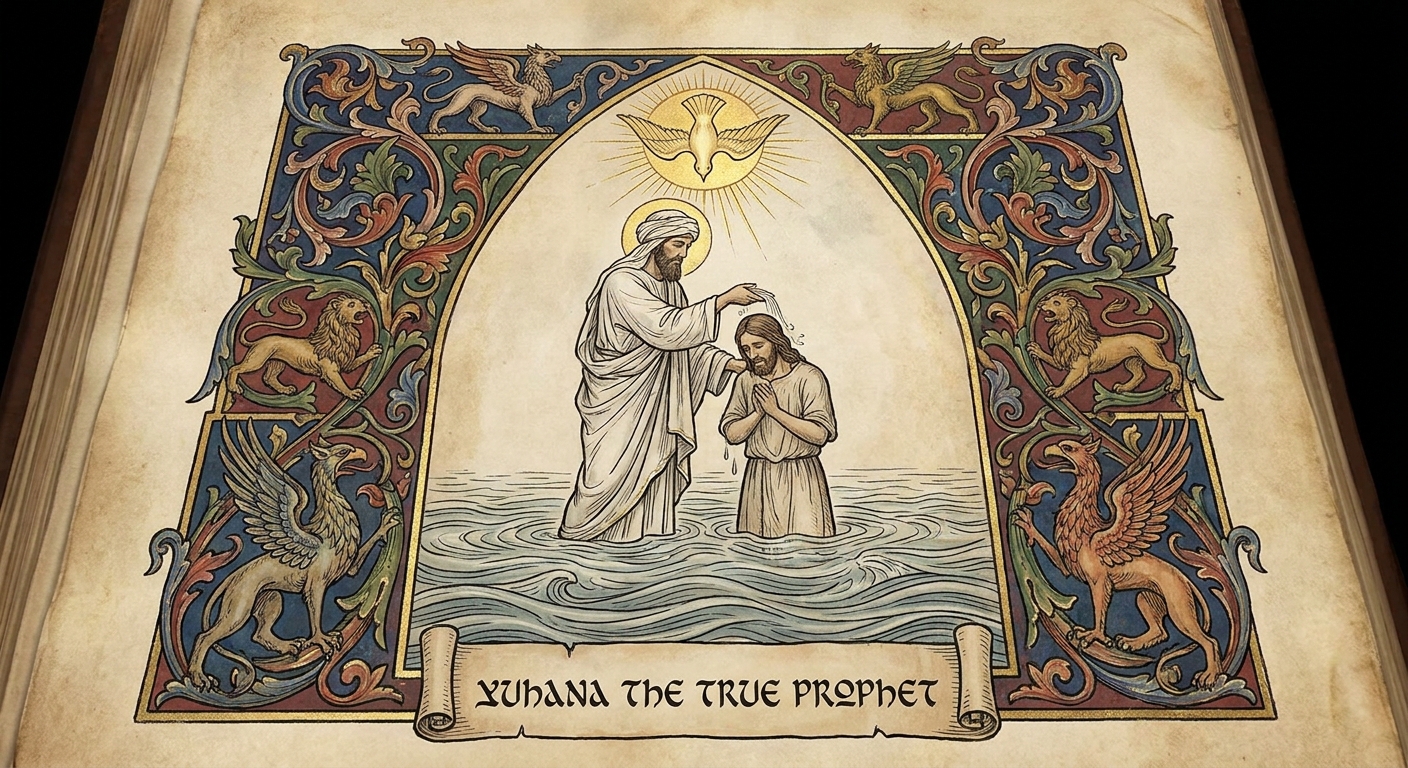
CRITICAL INVERSION: John the Baptist is NOT the precursor to Jesus in Mandaean theology (Book of John). John is the greatest prophet — revealer of the true path of gnosis and baptism. The Mandaeans teach that John (Yuhana) baptized Jesus, and that Jesus WENT ASTRAY (Mandaean Book of John). Jesus became the false messiah of a deceived people. Christianity is, from the Mandaean perspective, a heresy — a corruption of the true gnosis John revealed (E.S. Drower).
The Mandaean texts preserve ancient traditions about John that diverge radically from the Christian New Testament (Sidra d-Yahia). John taught continuous baptism in running water as the path of purification and ascent. His disciples preserved the teaching in the Mandaean community. Unlike Christianity, which subordinated John to Jesus, the Mandaean tradition exalts John as the supreme revealer of the gnostic path (Charles Häberl).
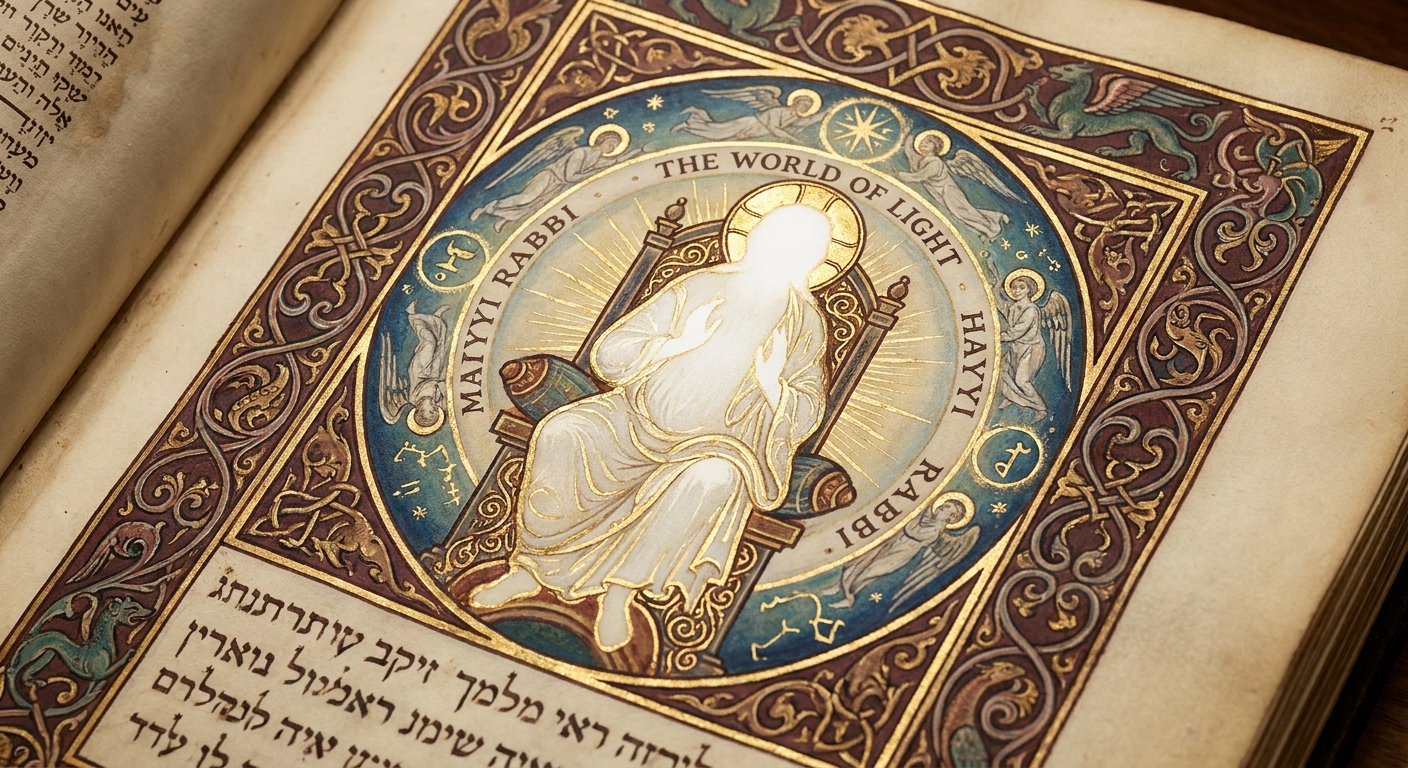
For the Mandaean priesthood, John the Baptist is no figure of the distant past. He is the eternally relevant guide to the Masbuta and the ascent to the World of Light.
1 min read
Mandaean *Ginza Rabba*; *Divan Abatur*; historical Mandaean tradition