Combat Profile
Thousandfold Harvest
Inari multiplies the prosperity and abundance of all allies, doubling resource generation and blessings for one cycle.
Divine Benevolence
All allies gain increased fortune and protection; Inari's presence transforms conflict into opportunity for growth and mutual benefit.
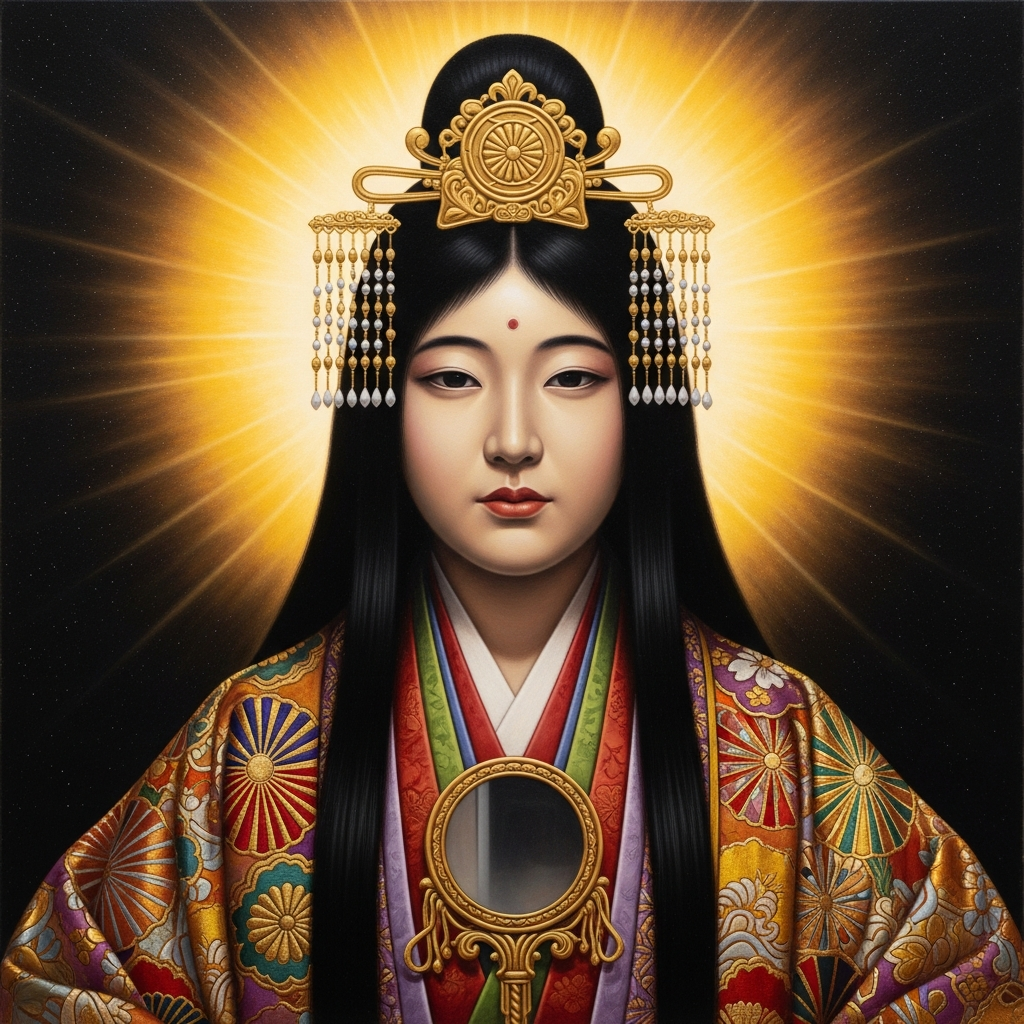
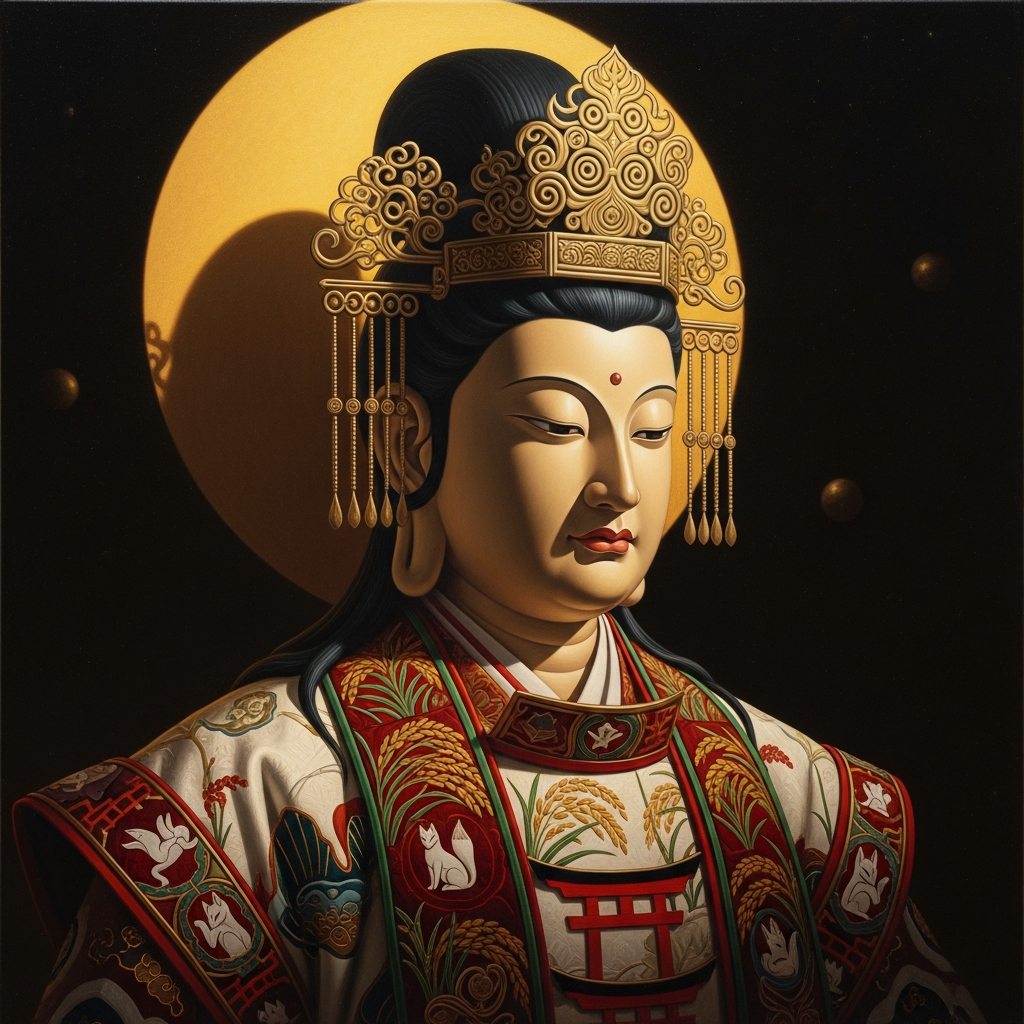
Inari's gender, identity, and even number (singular or plural) are ambiguous -- variously depicted as male, female, or androgynous, and sometimes as a collective of multiple kami
“One-third of all the shrines in Japan bear the name Inari. No other kami comes close.” — Karen Smyers, The Fox and the Jewel
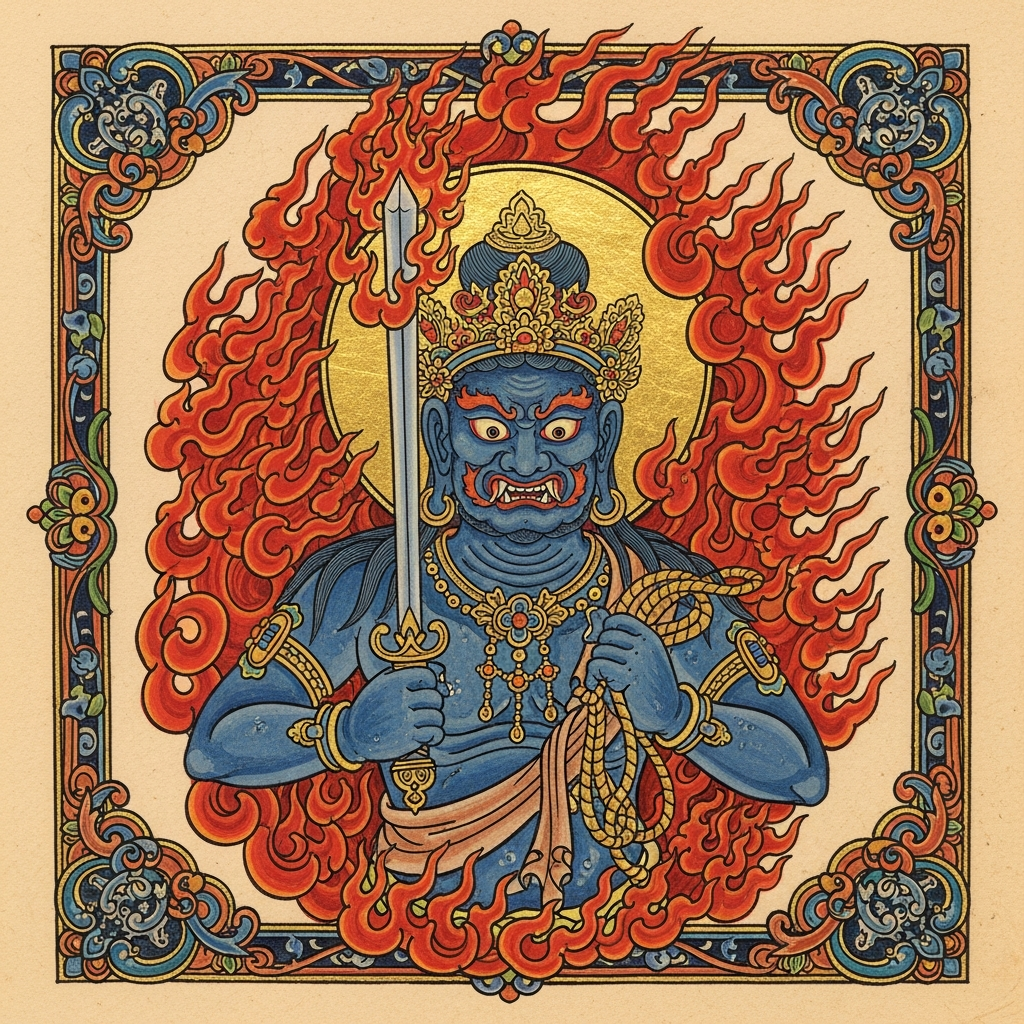
Lore: Inari is the single most widely worshipped kami in Japan, and yet Inari is also the most mysterious. Is Inari male or female? One entity or many? The answer varies by shrine, by region, by historical period. At Fushimi Inari Taisha (the head shrine, founded in 711 AD), Inari is worshipped as a collective of five kami. In popular imagination, Inari is often depicted as a beautiful woman carrying sheaves of rice, attended by white foxes. In Shingon Buddhist interpretation, Inari is identified with the Dakini, a fierce Buddhist deity.
The fox connection is central: white foxes serve as Inari’s messengers and guardians, and the stone fox statues at Inari shrines — often holding a key (to the rice granary), a jewel, or a scroll in their mouths — are among the most recognizable symbols in Japanese religious art. The thousands of vermilion torii gates at Fushimi Inari, donated by businesses and individuals seeking prosperity, form the most iconic image of Shinto worldwide. Inari’s domain expanded over the centuries from rice agriculture to include general commerce and industry, making Inari the patron kami of business — which is why so many corporations have Inari shrines on their rooftops.
1 min read
None specific -- Inari is almost universally benevolent
*Fushimi Inari Taisha* shrine traditions; Karen Smyers, *The Fox and the Jewel* (1999); Ashkenazi, *Handbook of Japanese Mythology*