The Missing God: How the Hittites Prayed When Things Went Wrong
Prayer texts from Hattusa, c. 1400–1200 BCE; Mursili II's plague prayers are the most complete · The great temples of Hattusa; the royal cult center; the ritual landscape of the Hittite empire
Contents
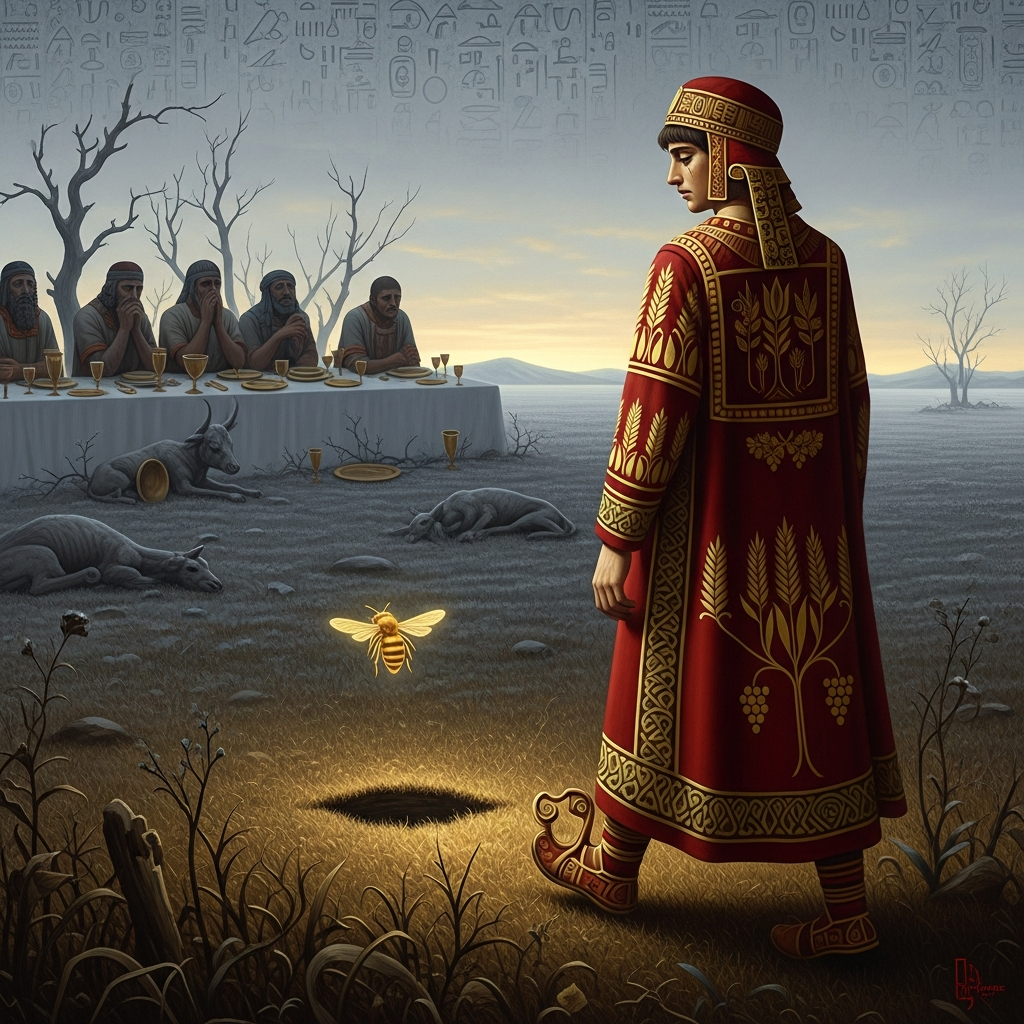
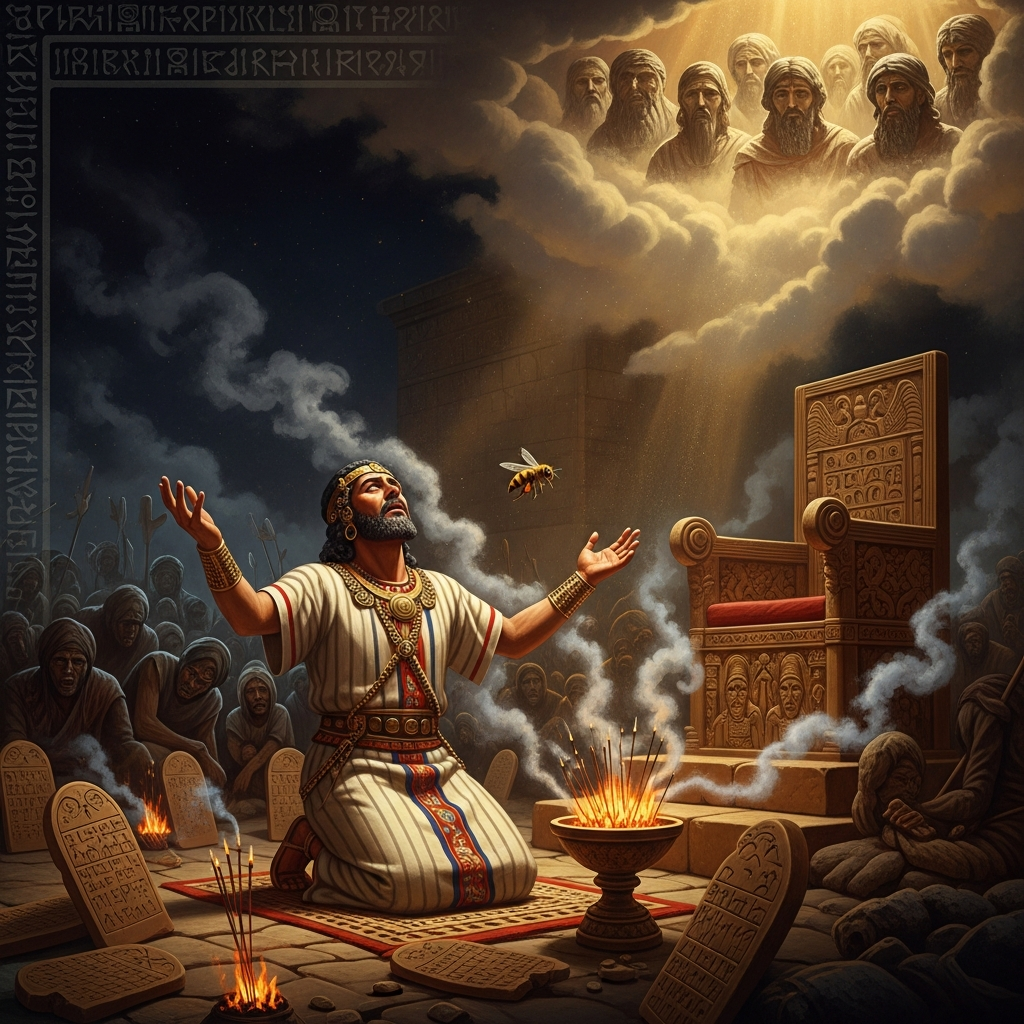
When catastrophe struck — plague, famine, military defeat, the silence of the oracles — the Hittites did not ask what they had done wrong. They asked which god was missing. Their prayer texts address gods who have 'turned aside,' who have 'gone to the mountains,' whose face is 'averted.' The Hittite theological insight: the world's disasters are not punishment. They are vacancy. Something divine has left the room.
- When
- Prayer texts from Hattusa, c. 1400–1200 BCE; Mursili II's plague prayers are the most complete
- Where
- The great temples of Hattusa; the royal cult center; the ritual landscape of the Hittite empire
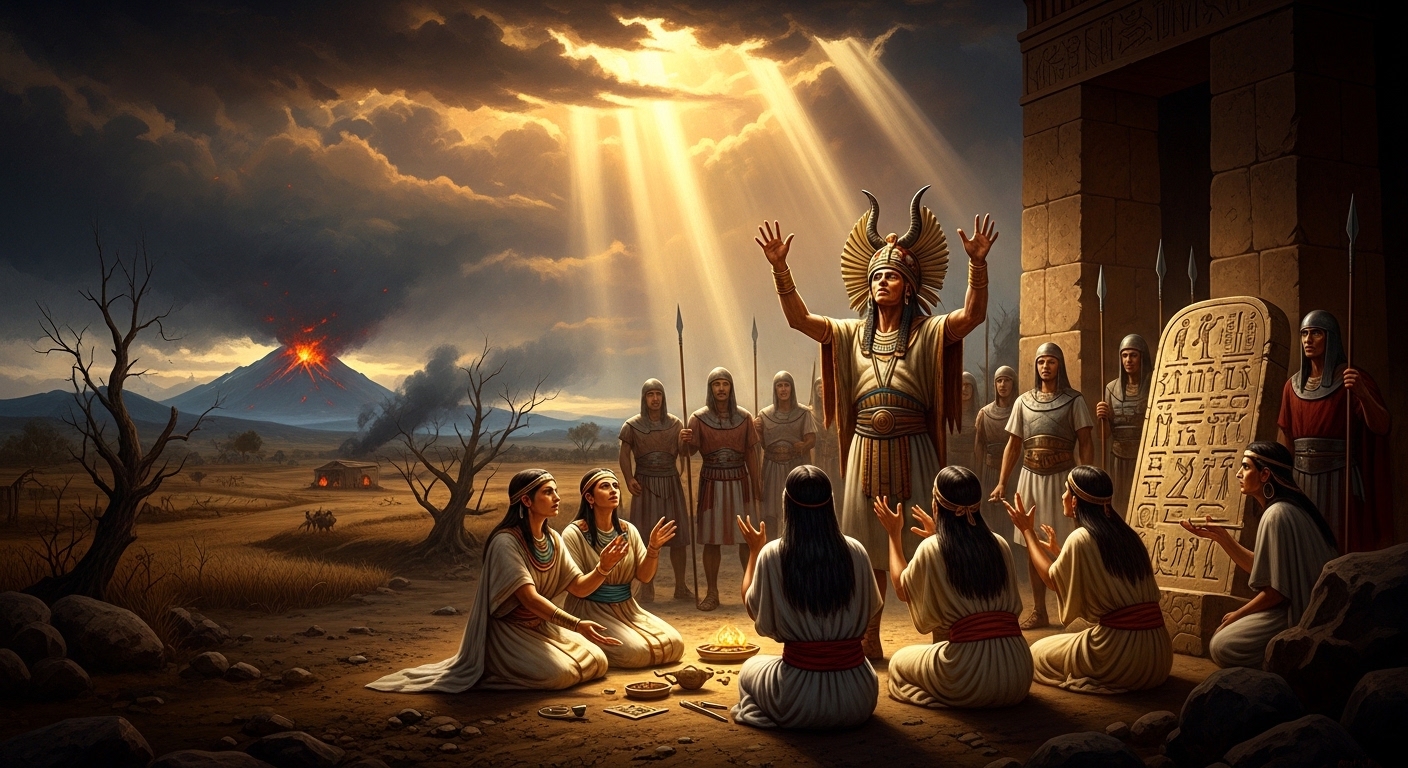
The plague had been killing people in the Hittite world for twenty years when Mursili II sat down and wrote his prayers.
His father Suppiluliuma had returned from a military campaign bringing Egyptian prisoners, and the prisoners had brought a disease, and the disease had not stopped. It killed Suppiluliuma. It killed his son and successor Arnuwanda. It was killing the Hittite people year after year with an consistency that suggested, to a theologically serious mind, that something specific was wrong — that the disease was not random but was the symptom of a specific disruption in the divine-human relationship, a disruption that had a cause, and the cause could be found, and the cause could be addressed.
Mursili sat down to find the cause.
The Hittite understanding of disaster was diagnostic, not penitential.
When things went wrong — when plague came, when crops failed, when armies were defeated, when oracles gave ambiguous or contradictory responses — the Hittite response was not primarily self-flagellation. It was inquiry. The theological question the Hittites asked was not What have we done wrong? (though this was part of the inquiry) but Where is the god? — which specific divine presence was absent, and why?
The prayer texts from Hattusa use a consistent vocabulary for divine absence. Gods are described as having turned aside. Their face is averted. They have gone to the mountains — the mountains being the wilderness beyond the managed world, the place where Telepinu the spring god had walked in his anger. The gods have not punished the Hittites; they have left. The world is not suffering under divine wrath; it is suffering under divine vacancy. Something necessary has withdrawn.
The distinction is theological and practical both. If disaster is punishment, the remedy is confession and penance — an acknowledgment of guilt and an appeal for mercy. If disaster is vacancy, the remedy is identification and restoration — finding what is missing and returning it to its place. The Hittites generally worked with the second model, though the prayers acknowledge the first as a possibility.
Mursili’s plague prayers are organized as a legal argument.
He begins with a principle: the gods are just, and if they have sent plague, there is a reason. He then enumerates the possible reasons, examining each with the thoroughness of a judge reviewing evidence.
Broken oaths. The Hittite king had obligations to the divine world — treaty obligations, ritual obligations, the obligations of the pact between human rulers and divine authority. Mursili considers whether those obligations have been violated, either by himself or by his predecessors. He acknowledges that he has not been personally responsible for the plague’s origins — it began before his reign — but acknowledges that ancestral guilt is transferable in the Hittite theological system. The sins of the father can fall on the son. He is willing to take responsibility for sins he did not personally commit.
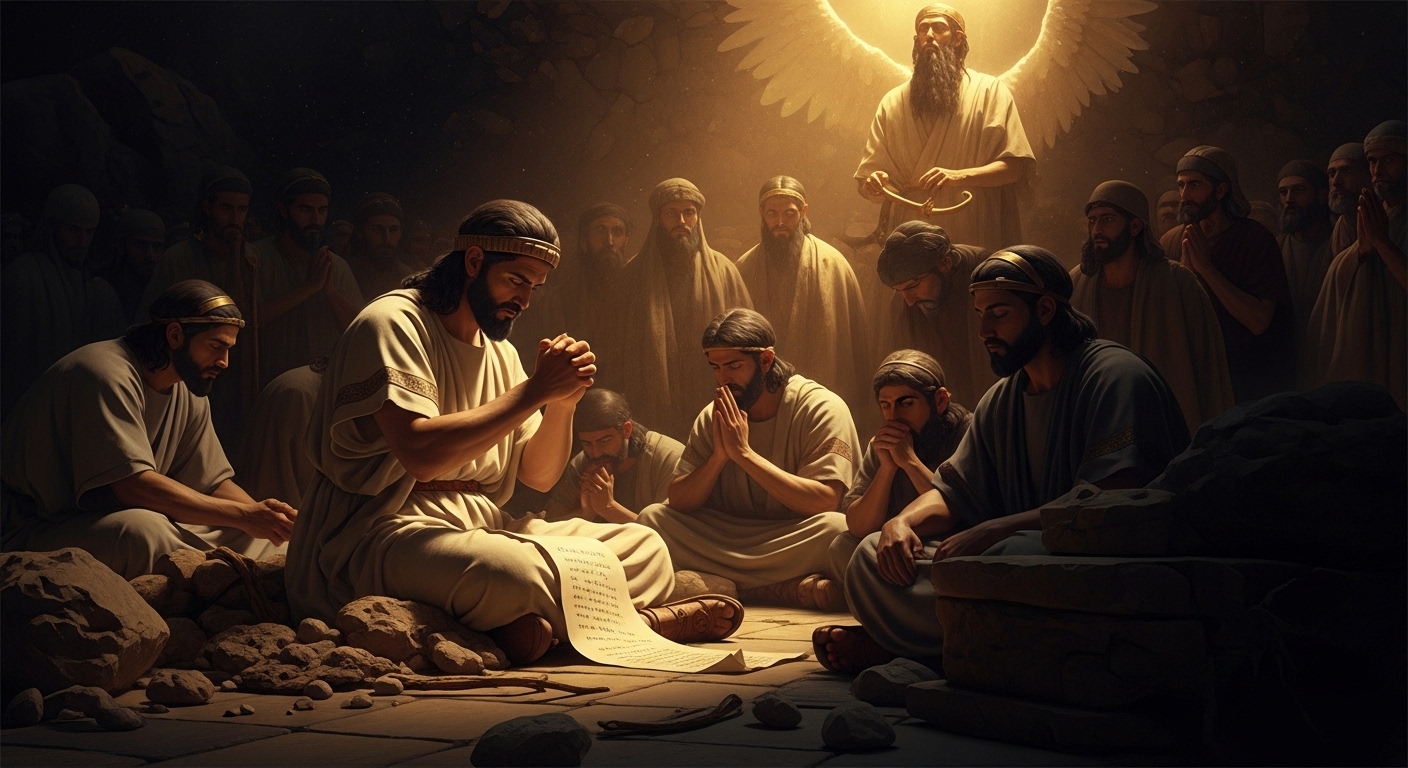
Neglected rituals. The great temples of Hattusa maintained continuous cycles of ritual service to the gods — offerings, prayers, festivals, the daily maintenance of the divine household. During the plague, some of this service had been disrupted. People had died. Priests had died. Mursili acknowledges the disruptions and commits to restoration.
And then he makes an argument that is unusual in the prayer literature of any tradition: he argues that the gods may have the attribution wrong.
The Egyptian connection.
The plague had come from Egypt, carried by Egyptian prisoners. Mursili argues — carefully, respectfully, but unmistakably — that if the original cause was an Egyptian violation (the Egyptians had killed a Hittite king’s son who had come to marry the Egyptian queen, a historical event recorded in other sources), then perhaps the gods were punishing the Hittites for an offense committed by Egyptians. This was not the Hittites’ fault. The gods should review their accounting.
This argument — a king telling the gods they may have made an error — is remarkable in the ancient Near Eastern religious context. The Babylonian prayer literature petitions the gods with extreme deference. The Egyptian prayers appeal to divine mercy. The Hittite king argues.
He does not argue without humility: the prayers are also full of acknowledgment of Hittite failings, confessions of neglected ritual, genuine expressions of distress. But the argumentative mode is present throughout, the sense that the divine-human relationship is not one of pure submission but of reasoning parties capable of examining evidence together.
What the Hittite prayer texts reveal, collectively, is a theology organized around the concept of the missing god — the divine presence that has withdrawn from its proper location in the world and left a vacuum that explains the world’s disorders.
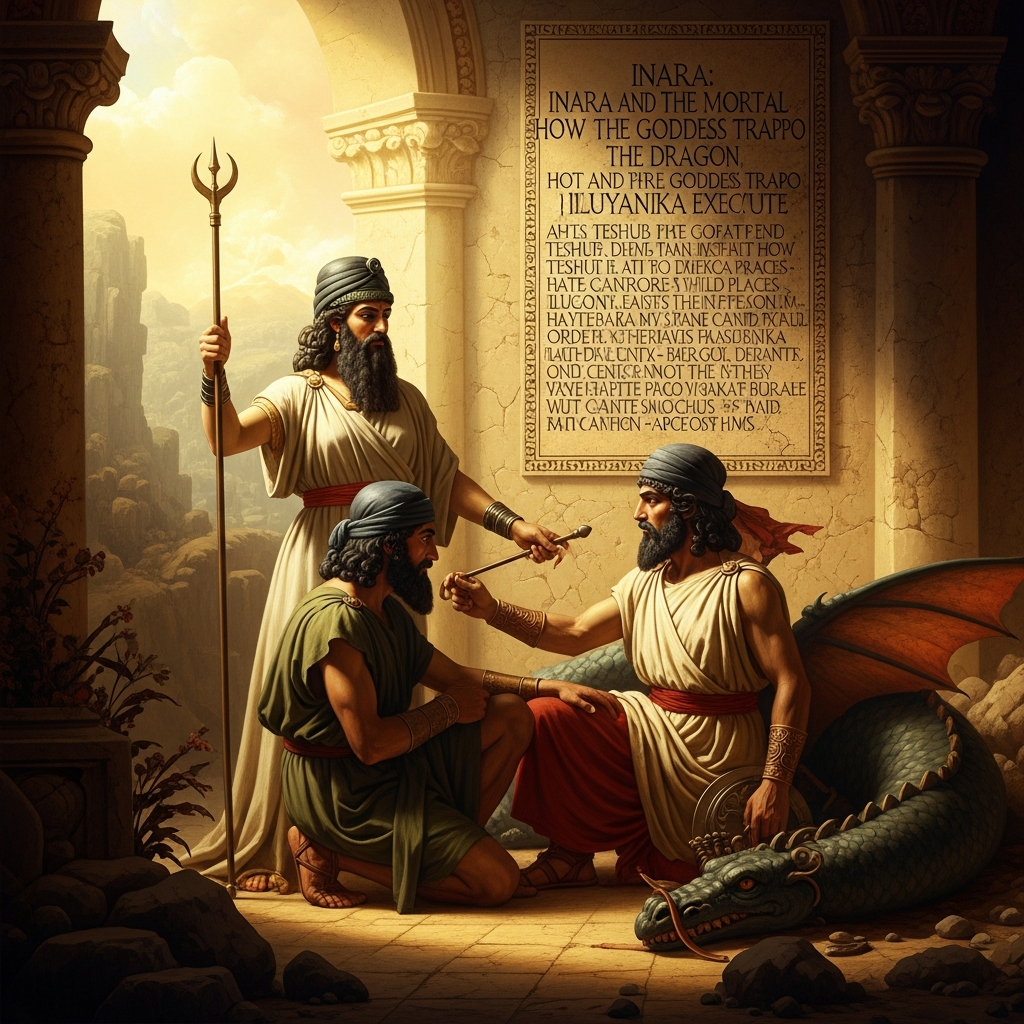
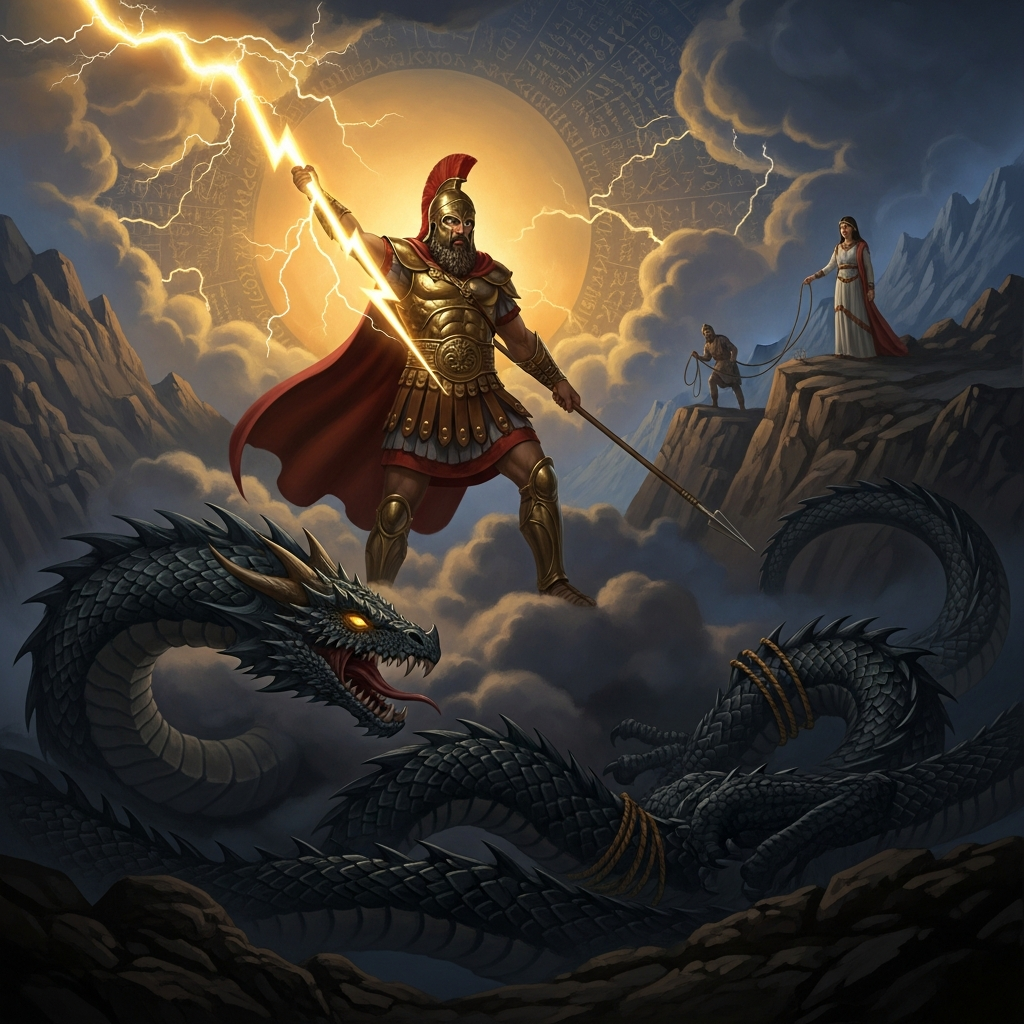
The Telepinu myth (the god who walks away because he is angry) and the Illuyanka myth (the god who is defeated and loses his organs of power) and the plague prayers (the gods who have averted their faces) all operate within the same theological framework: the world requires specific divine presences in specific divine locations, and when those presences are absent or diminished, the world fails correspondingly. The task of the human community — through ritual, through prayer, through the identification of causes — is to find the missing god and restore him or her to their place.
Mursili’s plague prayers were answered, in the Hittite historical record, by the plague eventually ending. Whether this ending was attributed to the success of the prayers, the restoration of neglected rituals, or simply the natural terminus of the epidemic, the scribes do not specify. The prayers survive; the disease did not.
There is a particular passage in the plague prayers that has stayed in the minds of scholars who read it, because of its tone. Mursili has enumerated the possible causes. He has acknowledged ancestral guilt. He has committed to ritual restoration. He has made his argument about Egyptian attribution. And then he says something that sounds, across thirty-three centuries, like a man at the end of his reasoning:
Oh gods, whatever I may have done to offend you, I do not know. If I knew, I would not have done it.
This is not confession. It is the acknowledgment of the limits of human knowledge in the face of divine complexity. Mursili cannot know everything he has done. He cannot know every violation, every moment when the divine-human relationship was disrupted by something he failed to observe. He is confessing, not to a specific sin, but to the general human condition of partial knowledge and limited accountability.
The gods, he implies, know what he does not. The prayer is asking them to account for the gap.
This is what the Hittite religious mind understood about suffering: it is not incomprehensible, but it may be too complex for the person in the middle of it to comprehend from where they stand. The divine assembly has the full picture. The mortal king has the pieces he can see. The prayer is the attempt to connect them.
The god who is missing knows the way back. The ritual is the invitation.
Scenes
Echoes Across Traditions
Entities
- The Hittite king (as priest-king and intercessor)
- The disappearing god (multiple — Telepinu, Teshub, Shaushka)
- The ritual specialist (AZU priest)
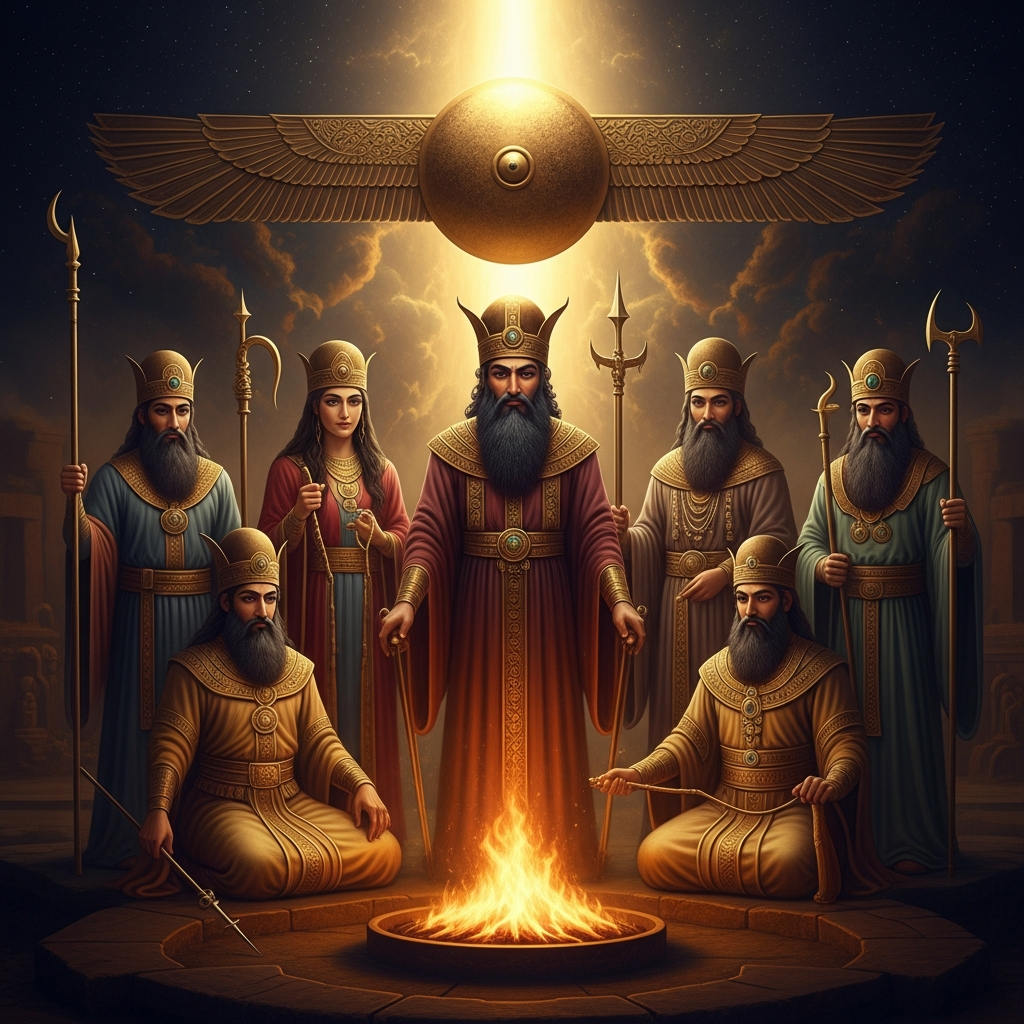
- The divine assembly
Sources
- Itamar Singer, *Hittite Prayers* (Scholars Press, 2002)
- Harry A. Hoffner Jr. and Gary Beckman, *Hittite Diplomacy and Political Writings* (Eisenbrauns, 1999)
- Trevor Bryce, *Life and Society in the Hittite World* (Oxford University Press, 2002)
- Billie Jean Collins, *The Hittites and Their World* (Society of Biblical Literature, 2007)
- Itamar Singer, 'The Hittites and Their Civilization' in *Civilizations of the Ancient Near East*, ed. Jack Sasson (Scribner, 1995)