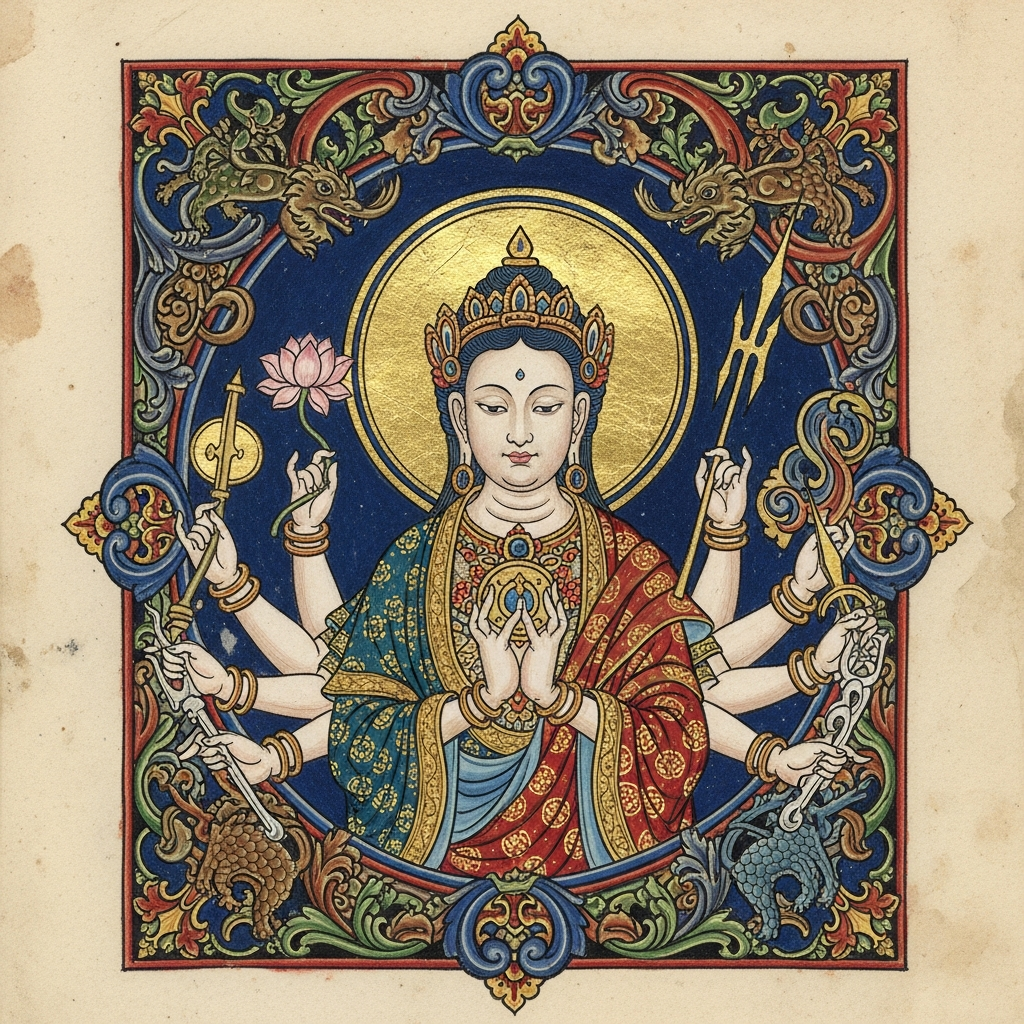
Combat Profile
Celestial Indulgence
Grant allies transcendent bliss that heals wounds and temporarily elevates their spiritual power, but risks karmic entanglement if overused.
Divine Longevity
Devas naturally extend the lifespan and vitality of themselves and nearby beings, though they remain bound to eventual rebirth outside their realm.
Complacency -- their pleasure is so great that they never feel the urgency to seek enlightenment; when their merit is exhausted, they fall into lower realms with devastating shock
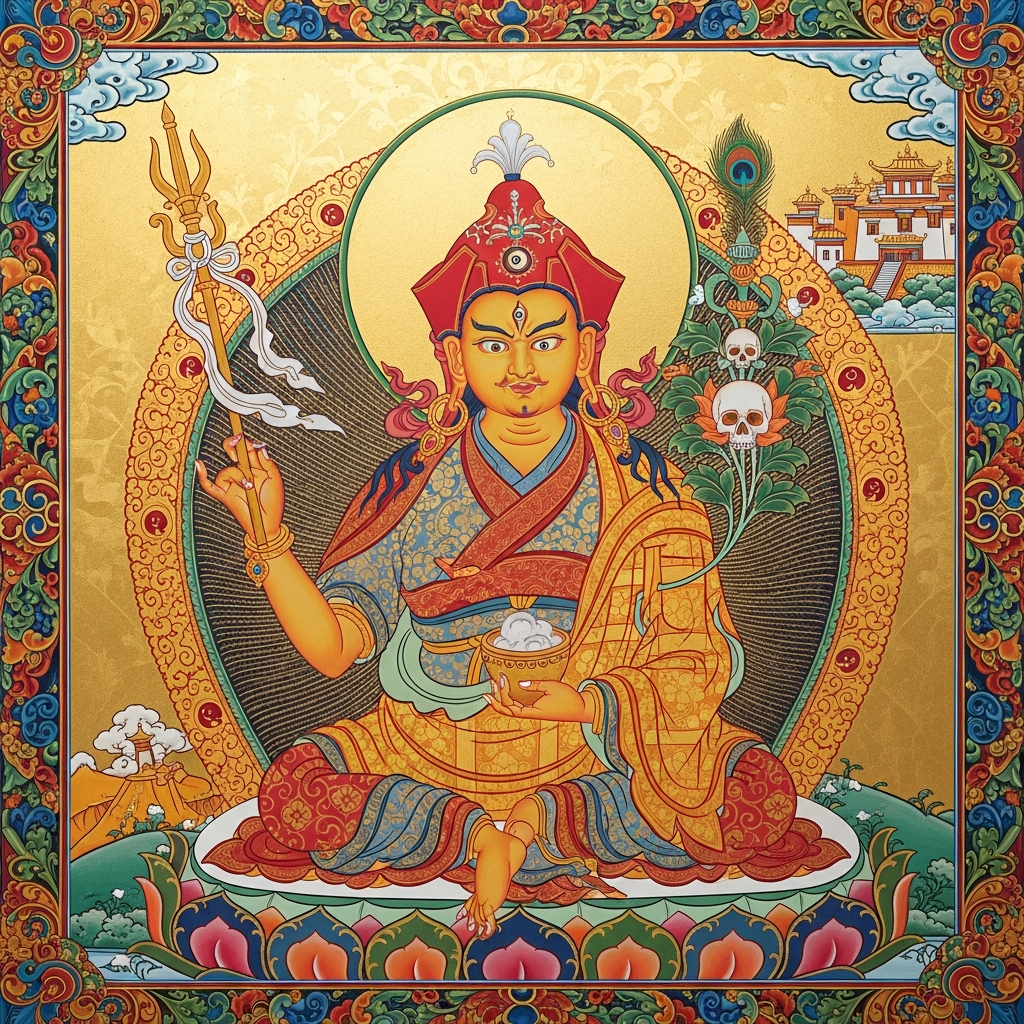
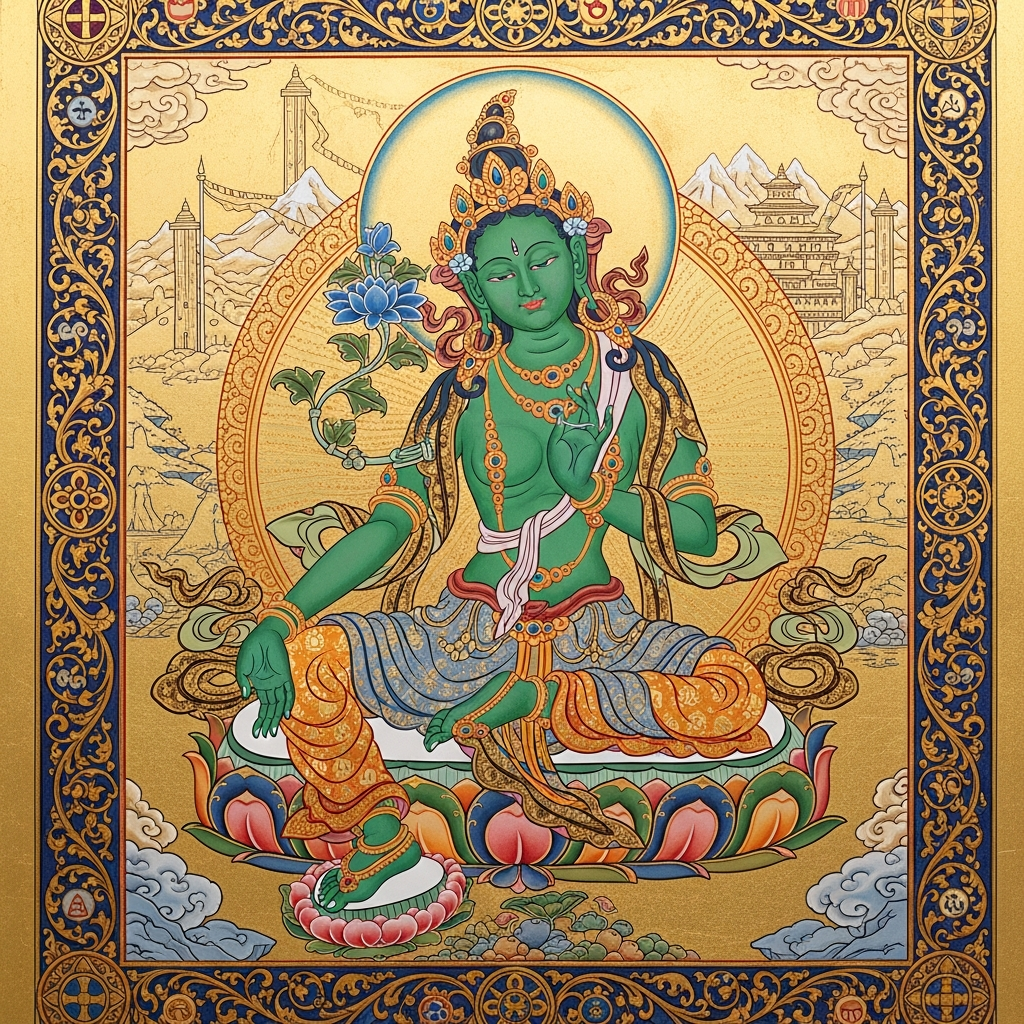
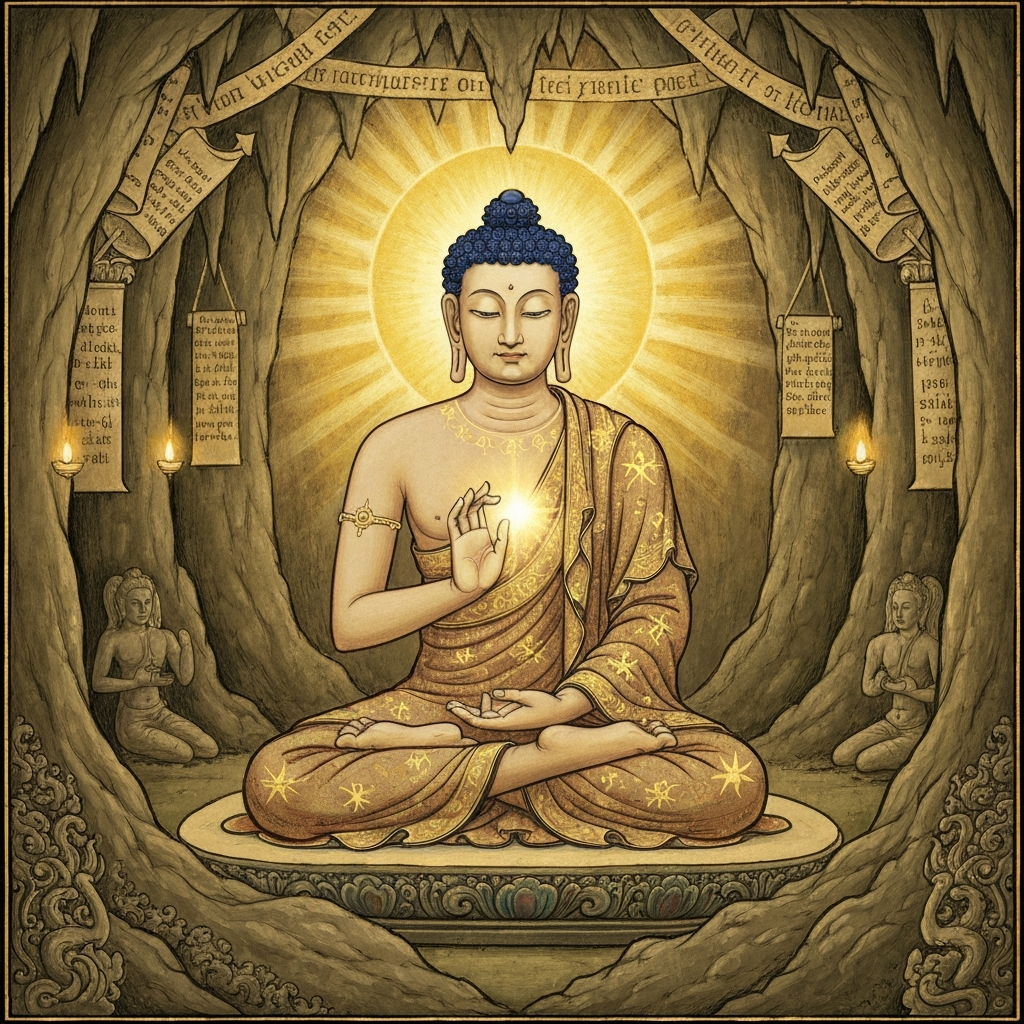
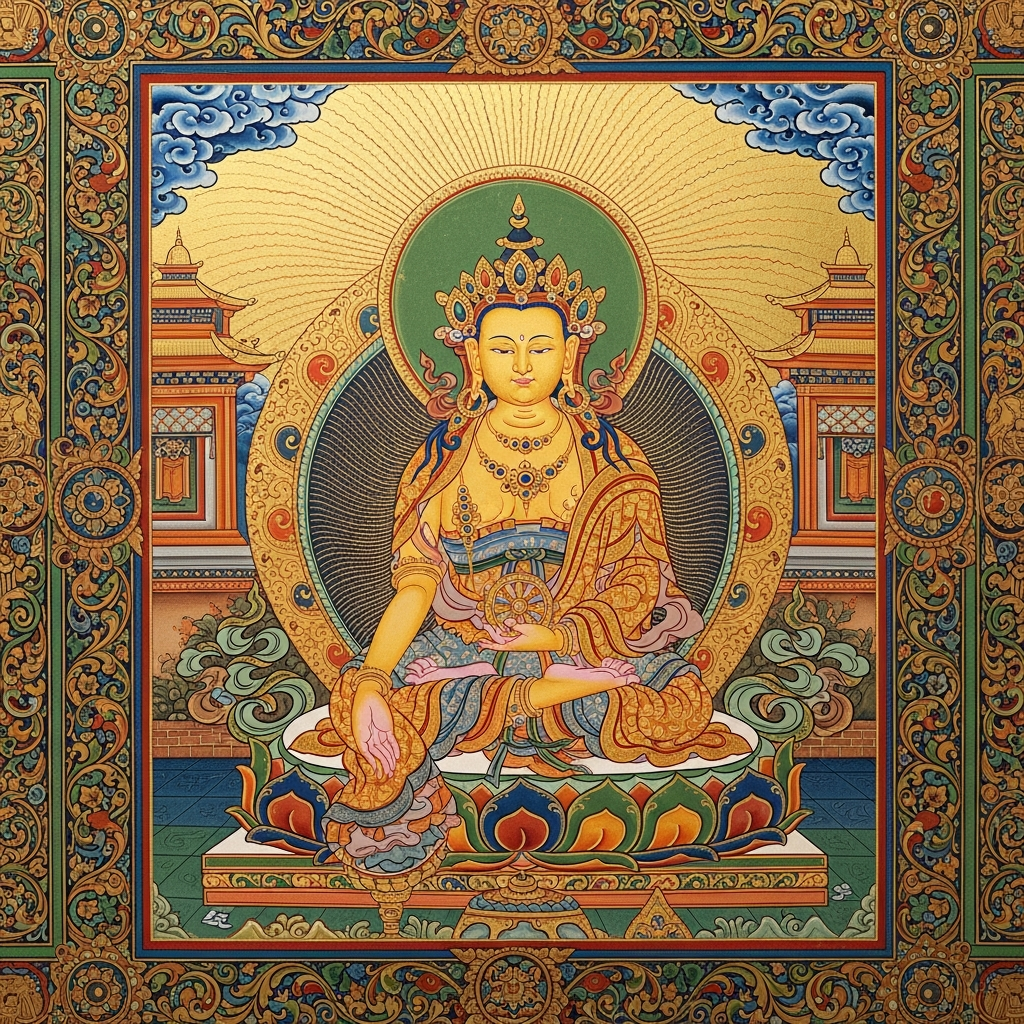
The devas live in realms of extraordinary beauty and pleasure — gardens of jeweled trees, bodies of light, lifespans measured in cosmic ages, sensory delights beyond human imagination. They are the gods of Buddhist cosmology, inhabiting multiple heavens stacked above the human realm: the six heavens of the desire realm (Kamadhatu), the form realms (Rupadhatu) of meditative bliss, and the formless realms (Arupadhatu) of pure consciousness.
And yet, in Buddhist cosmology, being a god is a trap.
The problem is that the devas’ pleasure is so complete, so uninterrupted, that they never develop the motivation to seek liberation. Why meditate when you are already in paradise? Why seek the end of suffering when you feel no suffering? The deva realm is a golden cage: the bars are made of bliss, and they are no less imprisoning for being beautiful. When a deva’s accumulated merit is finally exhausted — which WILL happen, because all conditioned phenomena are impermanent — they fall from heaven into a lower realm. And the shock of that fall, after eons of unbroken pleasure, is described as the most devastating suffering in all of samsara. The other devas, who have no concept of suffering, turn away in discomfort. The falling deva dies alone.
This is one of Buddhism’s most radical and counterintuitive claims: the best place to be is NOT the highest realm. The human realm — with its mixture of pleasure and pain, comfort and suffering — is the optimal realm for spiritual development. Just enough suffering to motivate the search for liberation; just enough pleasure to sustain the practice. Paradise is a dead end.
The Christian parallel is Jesus’ warning about wealth: “It is easier for a camel to go through the eye of a needle than for a rich man to enter the kingdom of God” (Matthew 19:24). “Woe to you who are rich, for you have already received your comfort” (Luke 6:24). “Blessed are the poor in spirit, for theirs is the kingdom of heaven” (Matthew 5:3). The structural logic is identical: material comfort and spiritual progress are inversely correlated. Those who have the most in this world may have the hardest time reaching the next. The Buddhist deva realm IS the parable of the rich man, writ cosmic.
“The god who has everything lacks only one thing: the motivation to become free.”
2 min read
The impermanence of even heavenly bliss; the dharma (which they rarely hear)
Abhidharmakosa; Digha Nikaya (Brahmajala Sutta); Vimanavatthu