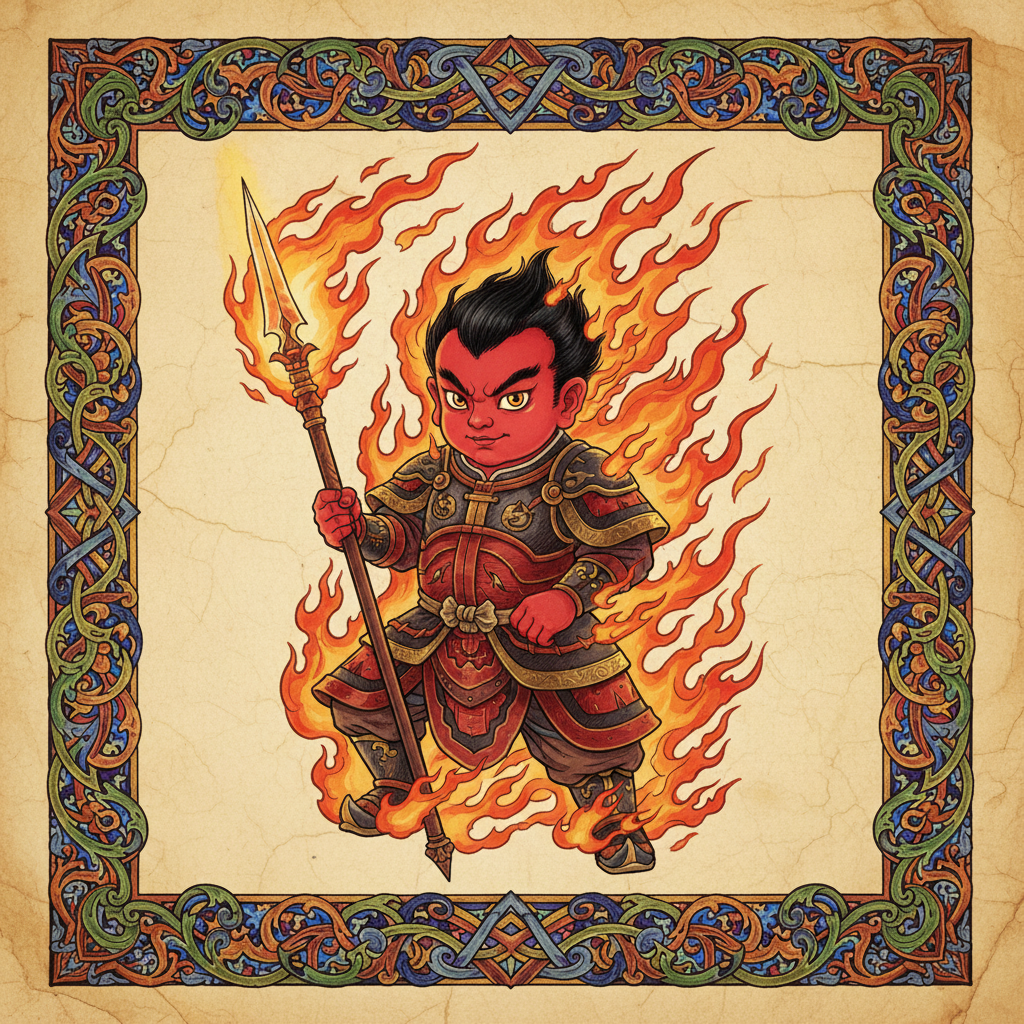
Combat Profile
Samadhi True Fire
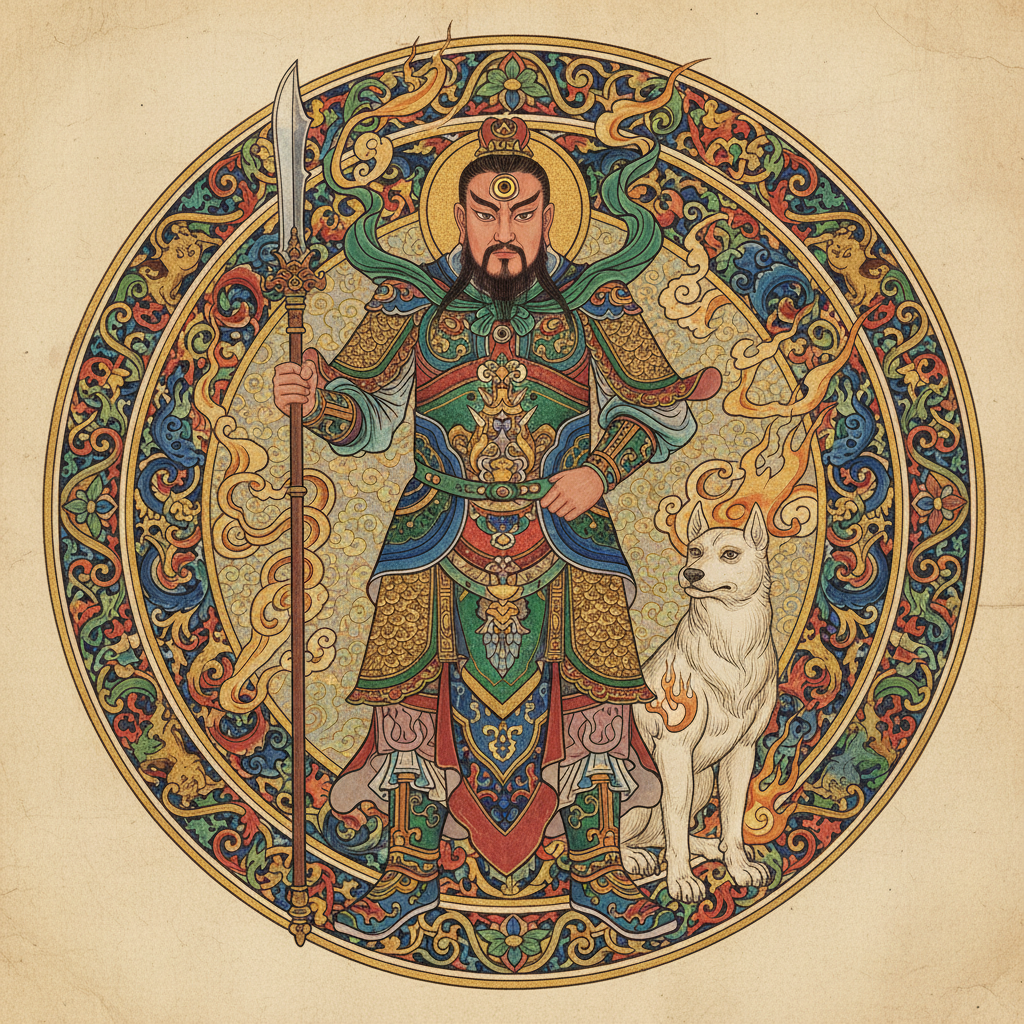
Unleashes inextinguishable celestial flames that consume all in their path and cannot be quenched by water or mortal means.
Dangerous Innocence
Red Boy's youthful nature grants him unpredictable fury and immunity to conventional restraint, embodying the chaos of unchecked power.
Arrogance of youth. Believed he could defeat anyone with his Samadhi True Fire. Did not anticipate that Guanyin's compassion could be stronger than his flames
“His fire cannot be put out with water. It can only be put out with mercy.”
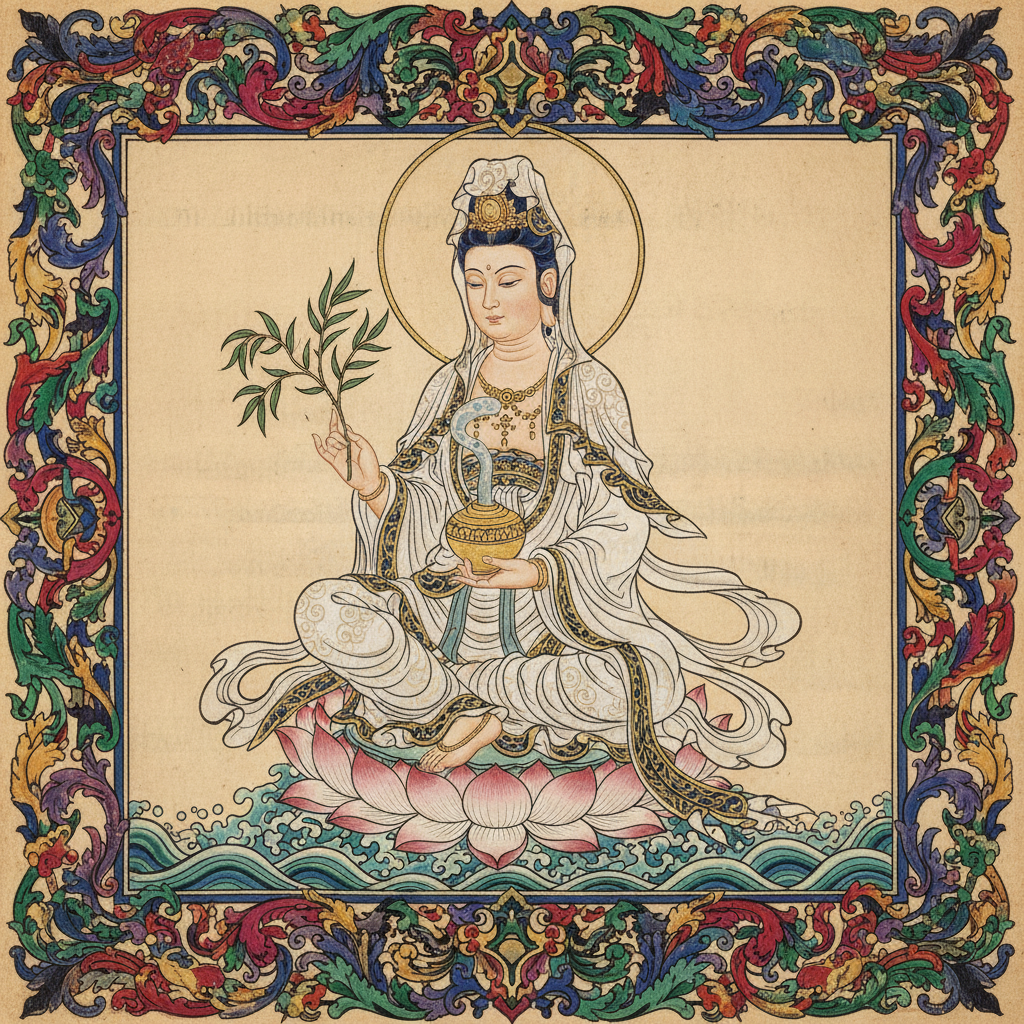
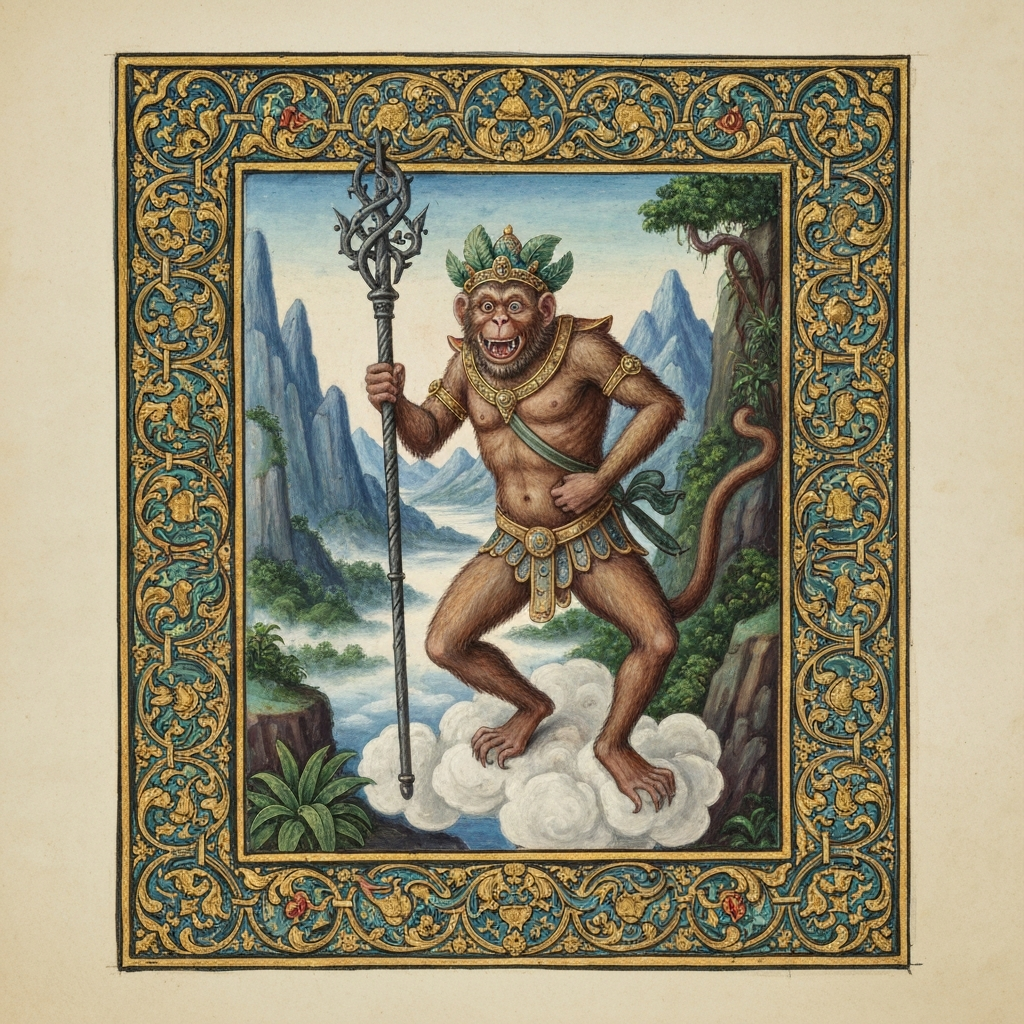
Lore: Red Boy is one of the most dramatically converted figures in Journey to the West. He appears as a child (his name means “Red Child”) but commands Samadhi True Fire — a spiritual flame that comes from within, not from any external source, and cannot be extinguished by ordinary water. Sun Wukong, who survived 49 days in Laojun’s furnace, is nearly killed by Red Boy’s fire. The resolution is not a battle but a conversion: Guanyin defeats Red Boy not with superior force but with superior compassion. She traps him, douses his fire with her pure water, and offers him a choice — destruction or service. He chooses service and becomes Sudhana, the “Boy of Wealth” (Shancai Tongzi), one of Guanyin’s two eternal attendants. He is transformed from a demon prince into a figure of devotion. His story is one of the novel’s clearest expressions of the Buddhist teaching that no being is irredeemable.
Parallel: Red Boy’s conversion parallels the Christian tradition of demons who are redeemed or repurposed — rare in orthodox theology but common in folk tradition. More precisely, it parallels the Buddhist concept that even the worst beings can achieve enlightenment given sufficient compassion and guidance. Compare Paul’s conversion on the road to Damascus (Acts 9) — the persecutor who becomes the apostle. The inextinguishable fire that yields only to mercy is a powerful image across traditions: hellfire that cannot be quenched (Mark 9:43) contrasted with the “living water” of salvation (John 4:10-14).
1 min read
Guanyin (subdued him with her jade vase and willow branch; converted him permanently)
*Journey to the West* ch. 40-42