The Story
Chinese religion is the oldest continuously practiced spiritual ecosystem on earth — and the only one of comparable age organized around no single founder, scripture, or institution. It is, instead, a layered confluence: four millennia of cosmology, ancestor reverence, philosophical reform, imported scripture, literary mythology, state ritual, and folk practice running in parallel and interpenetrating. To call it “Daoism” or “Confucianism” as if they were rival denominations is to misunderstand it entirely. These are streams that merged into one river millennia ago.
The Ancient Substrate (~1600 BCE and earlier): Before schools came cosmology: Heaven (Tian) above, Earth below, ancestors mediating between. Shang oracle bones (~1600-1046 BCE) record divinations to ancestral spirits and Shangdi, the high god (oracle bone inscriptions). The dead were not gone; they were promoted, fed, consulted on matters of state. Ancestor veneration, the unity of family and cosmos, the porous boundary between living and dead — this substrate has never vanished. Every later development sits atop it.
Confucius (~551-479 BCE): Kong Qiu of Lu — later Latinized as Confucius — teaches li (ritual propriety), ren (humaneness), and xiao (filial piety). Not a prophet. Not a mystic. A systematizer who transforms inherited Zhou court rites into a coherent ethics of social harmony. The Analects (Lunyu), compiled by his students, becomes the operating manual for two thousand years of Chinese governance, education, and family life.
Laozi and Daoism (~6th c. BCE, possibly mythical): A near-contemporary — or perhaps a legendary composite — writes the Tao Te Ching (Daodejing): eighty-one poems on the Way (Dao) flowing beneath all things. Where Confucius systematizes, Laozi de-systematizes: wu wei (non-action), soft overcoming hard, the sage following nature rather than reforming it. The two poles of Chinese thought. Most intellectuals lived Confucian at the office, Daoist at home.
Buddhism Arrives via the Silk Road (~1st c. CE): Emperor Ming dreams of a golden figure in his palace — the Buddha, he’s told (Mouzi Lihuolun). Envoys return with monks and scriptures. The White Horse Temple rises at Luoyang. Over five centuries, translation projects render Sanskrit into Chinese (often through Daoist vocabulary), transforming Buddhism into something distinctly Chinese: Chan, Pure Land, Tiantai, Huayan. By the Tang dynasty, monk Xuanzang’s pilgrimage to India (629-645 CE) returns with 657 texts (Da Tang Xiyu Ji). Buddhism becomes one of the Three Teachings (San Jiao) — equal with Confucianism and Daoism.
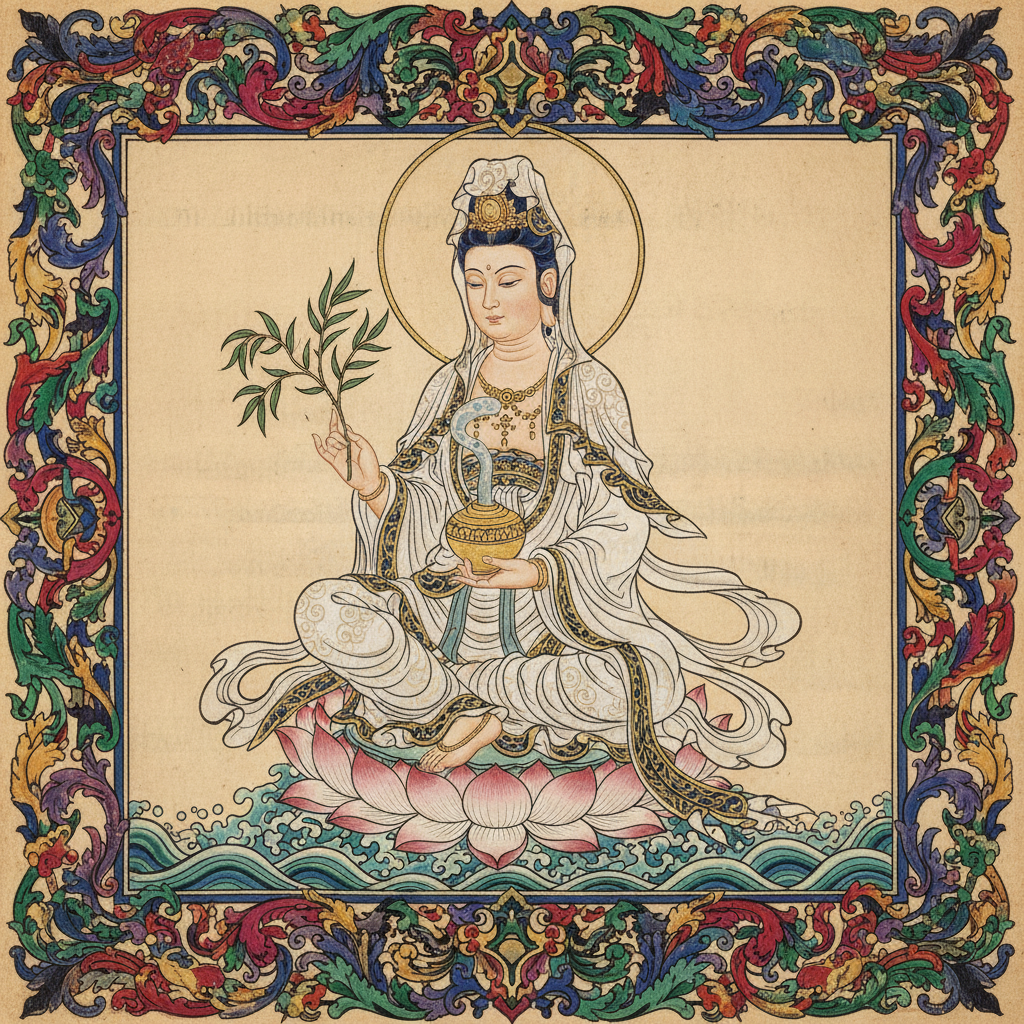
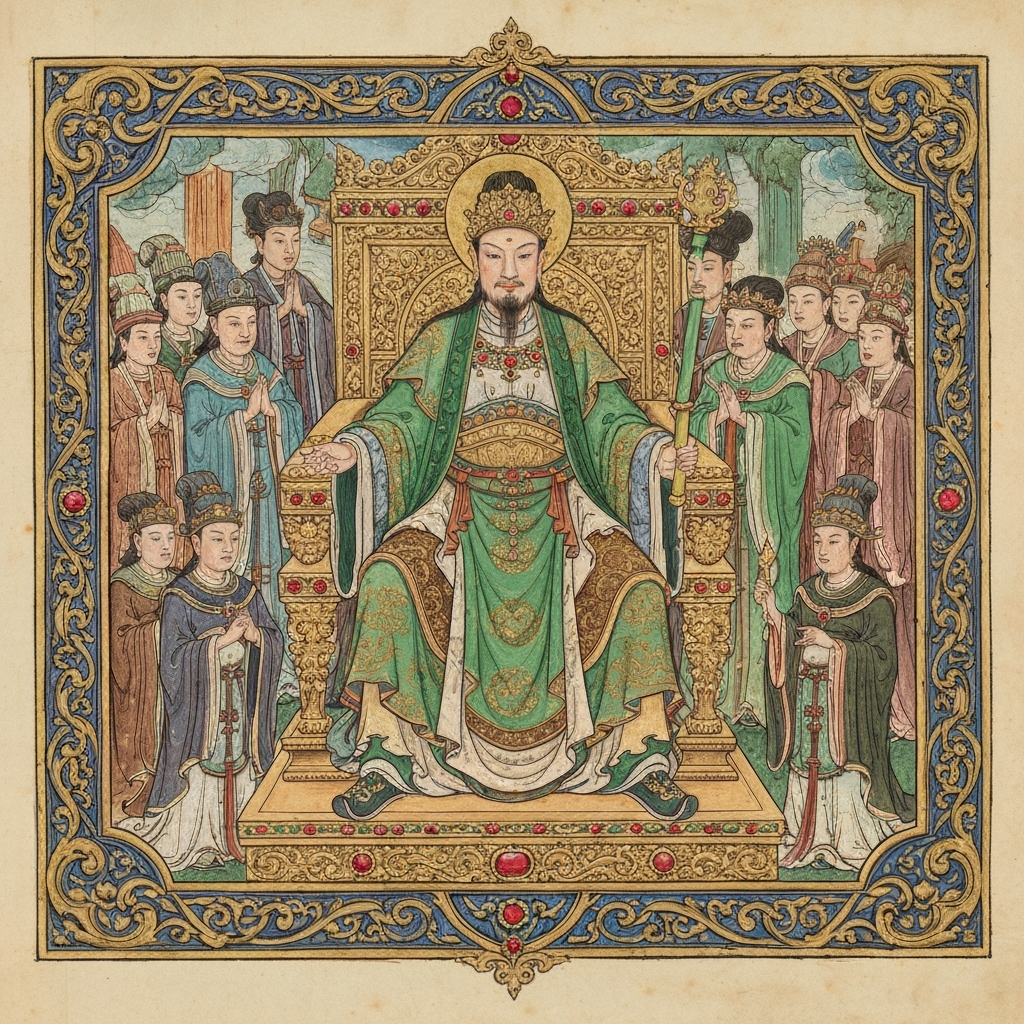
The Folk Pantheon Crystallizes (Tang-Ming, ~600-1600 CE): Around the Three Teachings, a vast pantheon crystallizes. The Jade Emperor rules a heavenly bureaucracy mirroring the imperial court. The Eight Immortals roam between heaven and earth. Guanyin (Avalokiteshvara transformed) becomes the most beloved deity in the empire. Local gods, kitchen gods, city gods, ancestral spirits fill a cosmos where the divine is not transcendent but administrative — a celestial civil service you petition, bribe, and report to.
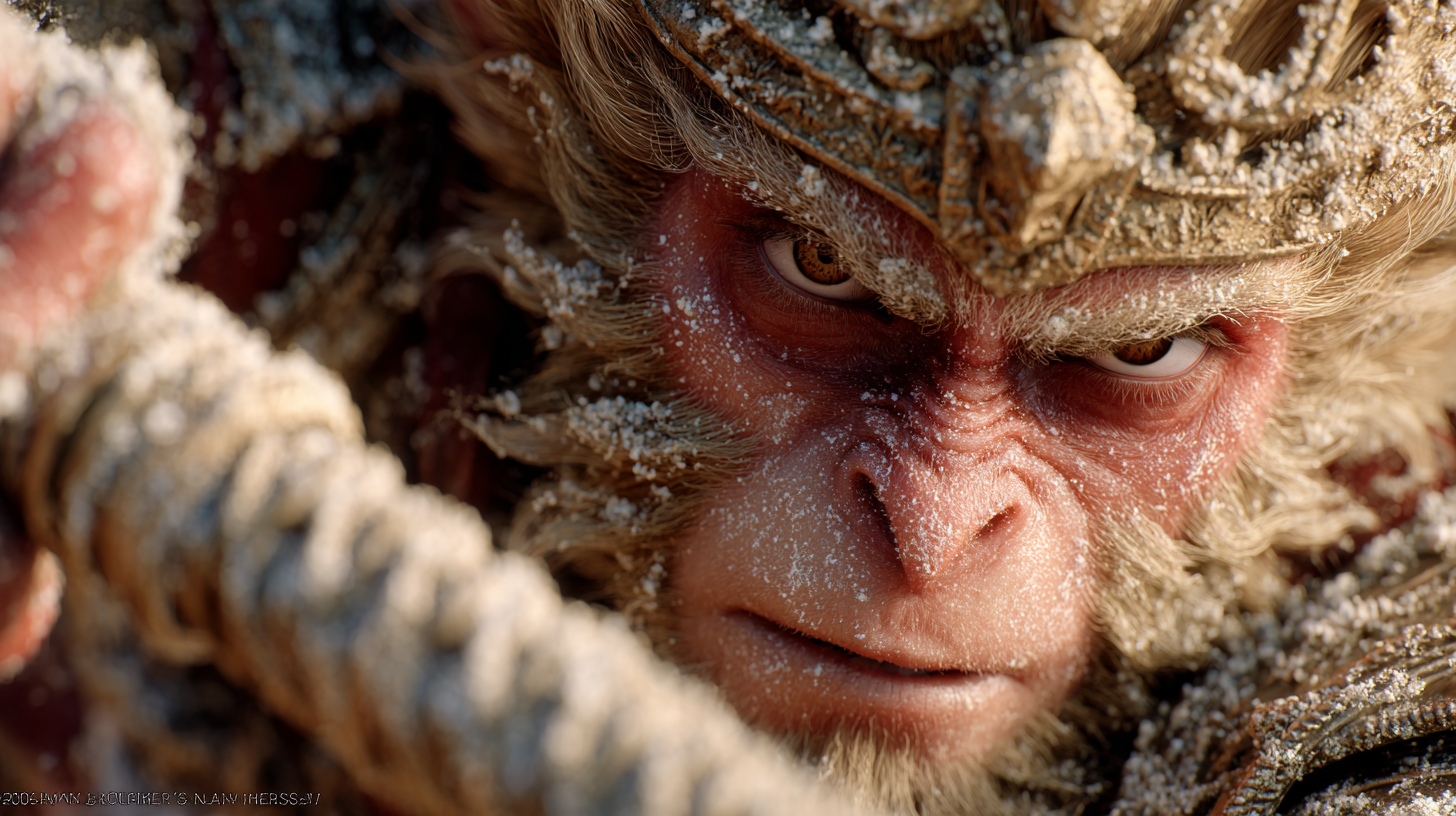
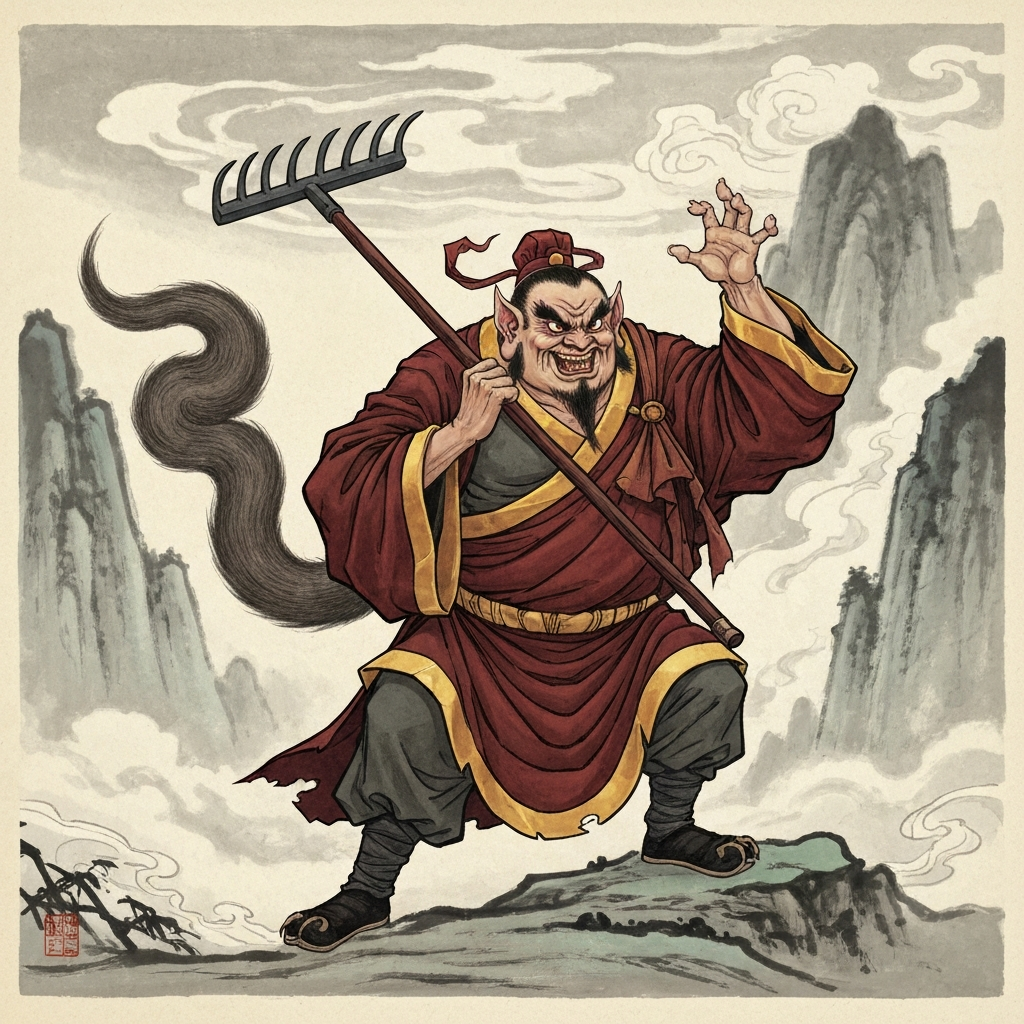
Wu Cheng’en’s Journey to the West (~1592): A late-Ming official (attribution traditional but contested) takes Xuanzang’s historical pilgrimage and writes it as a 100-chapter epic (Xi You Ji). The historical monk gains four supernatural disciples: Sun Wukong the Monkey King, Zhu Bajie the pig demon, Sha Wujing the river ogre, a dragon prince as horse. The novel becomes the most beloved story in East Asia. Sun Wukong — once he stormed heaven and was buried under a mountain by Buddha — becomes the trickster-saint of Chinese imagination.
The Cultural Revolution (1966-1976): Mao’s “Destroy the Four Olds” campaign turns on religion with systematic violence. Temples demolished or repurposed. Monks beaten, defrocked, sometimes killed. Ancestral tablets smashed. Confucius denounced. The state attempts what no Chinese regime had ever fully attempted: eradication of the Three Teachings as living traditions. It nearly succeeds in public. In private — in villages, in the countryside — the practices survive.
Post-Mao Revival (1978-present): Religion returns — partly state-managed (five recognized religions, registered temples, government clergy) and partly underground (house churches, unregistered masters, family rites). The 1999 Falun Gong crackdown signals limits to the revival. Meanwhile the Chinese diaspora — Taiwan, Hong Kong, Singapore, Malaysia, the Americas — preserves interrupted traditions and exports them back. Today the Three Teachings weave into daily life for hundreds of millions, even as the state claims to be atheist.
Pivotal Events
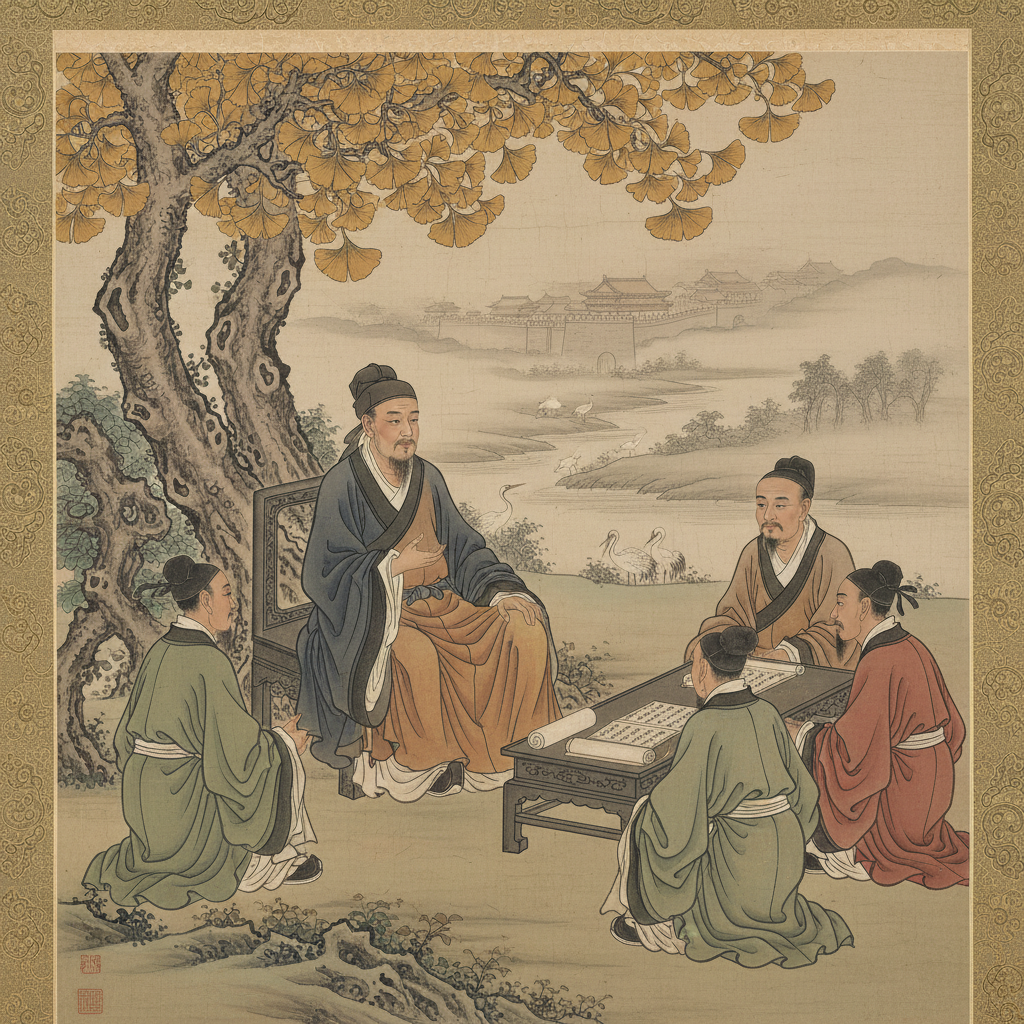
In late Zhou chaos, when feudal states warred and rituals decayed, Kong Qiu walks from court to court arguing that order comes from cultivated humaneness, not legalist coercion (Lunyu). Largely ignored. He dies believing he failed. Two centuries later, the Han dynasty makes his teachings the foundation of the imperial civil service exam — a system that shapes Chinese governance, education, family ethics for two thousand years. Filial piety, ritual propriety, the rectification of names, the gentleman (junzi) as moral exemplar (Lunyu) — these become the operating system of East Asian civilization. By scope of influence alone, one of the most consequential humans ever.
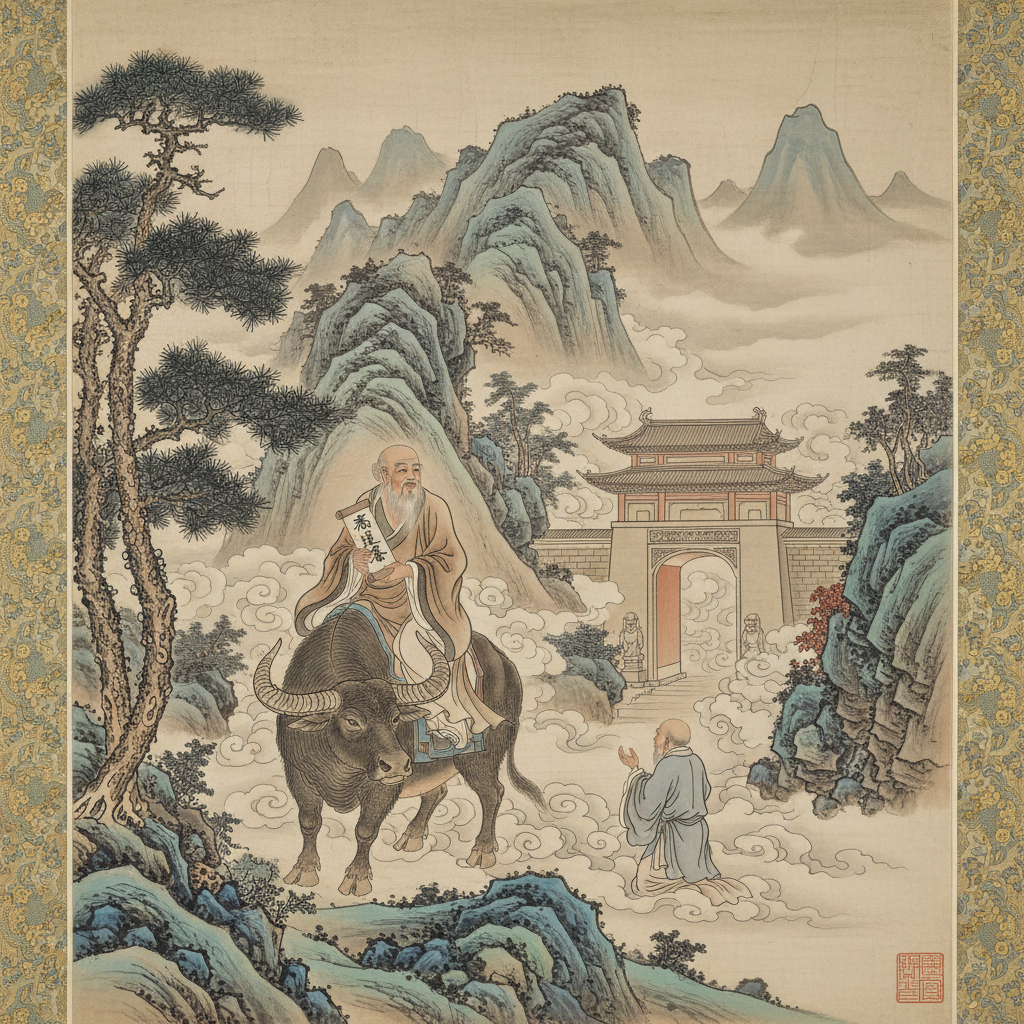
Legend: an old Zhou archivist grows weary of folly, rides west on a water buffalo intending to vanish. At the western gate, keeper Yinxi recognizes him as sage, refuses passage without his wisdom. Laozi sits and writes the Tao Te Ching (Daodejing) — five thousand characters, eighty-one chapters, the most translated Chinese book in history. Then rides on, never seen again. Whether Laozi was one person, a composite, or pure fiction is one of sinology’s oldest questions. What is not in question: impact. The Daodejing and Zhuangzi create Daoism as a philosophical, religious, aesthetic counter-current to Confucianism, and shape everything from landscape painting to medicine to taijiquan.
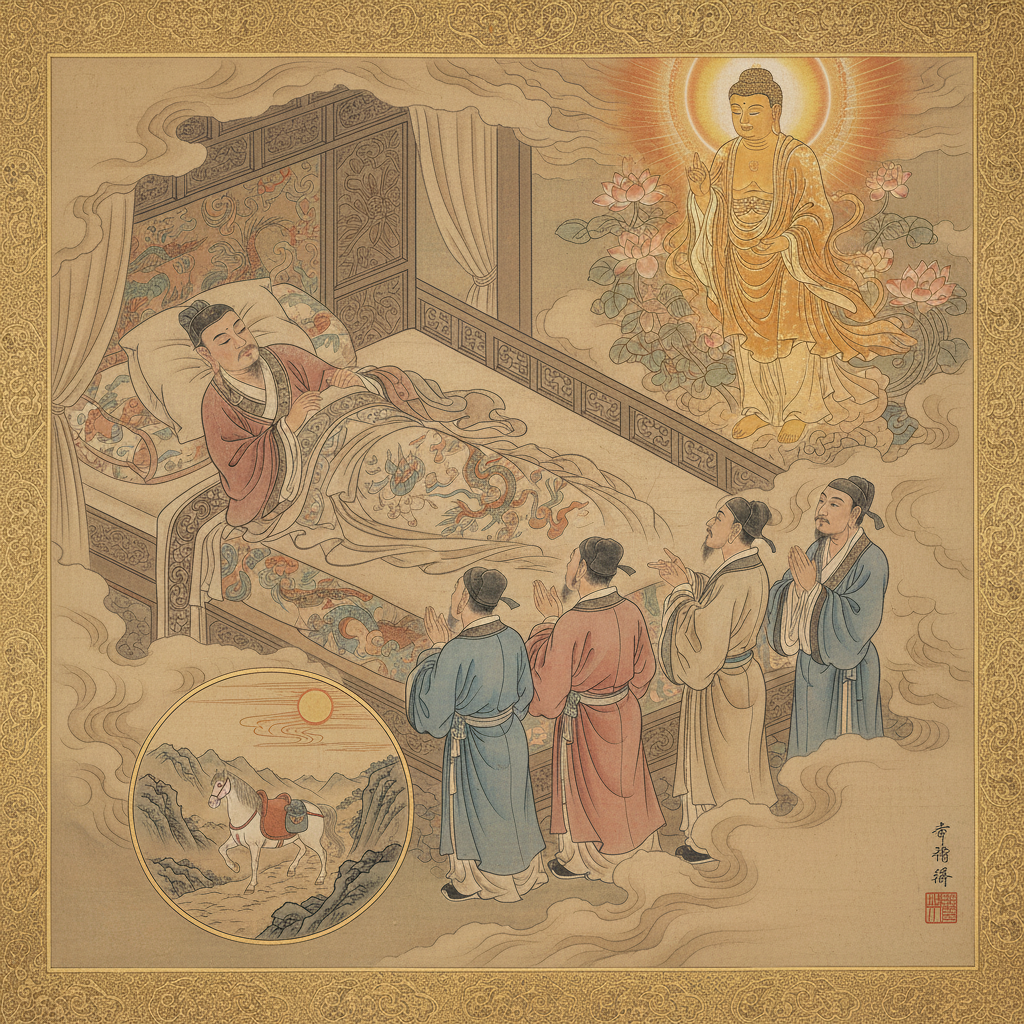
The account: Ming dreams of a golden man entering his palace. His advisors name it the Buddha (Mouzi Lihuolun). Envoys travel west. They return with two Indian monks, scriptures on a white horse, and found the White Horse Temple at Luoyang — China’s first Buddhist monastery. Historical reality is messier (Buddhism had likely trickled along trade routes before Ming’s dream), but the dream captures the cultural fact: a foreign religion entered the Middle Kingdom and was welcomed at the imperial level. Over five centuries, translation projects — Kumarajiva, Xuanzang, and others — render Sanskrit into Chinese (Gaoseng Zhuan). Buddhism transforms China; China transforms Buddhism. The hybrid (Chan, Pure Land, Tiantai, Huayan) becomes inseparable from Chinese civilization.
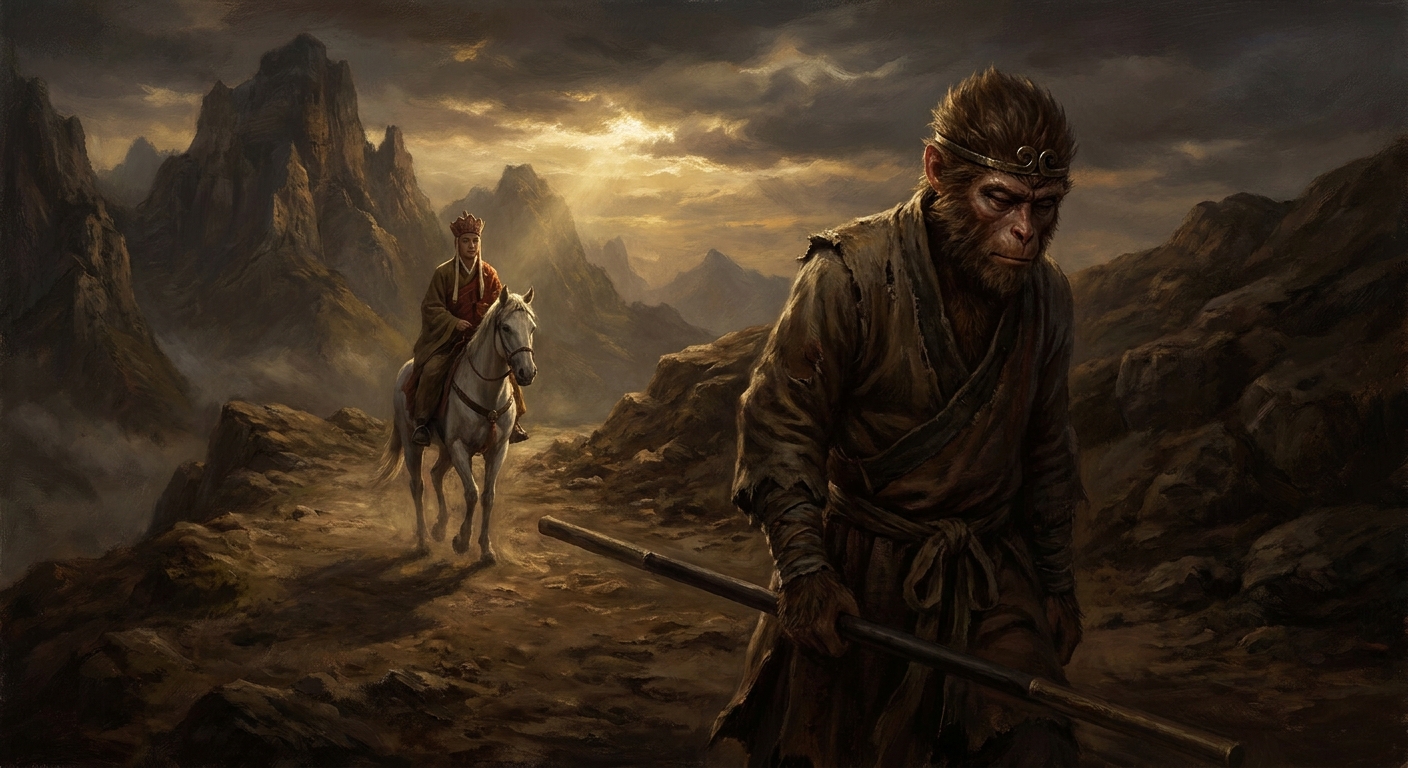
A late-Ming official takes Xuanzang’s historical pilgrimage — a seventeen-year scholarly expedition to India for Buddhist texts (Da Tang Xiyu Ji) — and rewrites it as a hundred-chapter epic crammed with demons, heavenly bureaucrats, transformations, satire, and the greatest trickster in Asian literature: Sun Wukong (Xi You Ji). The Monkey King learned seventy-two transformations, stole immortality peaches, fought heaven’s armies to a standstill, then was trapped under a mountain by Buddha until he agreed to escort a monk west. Journey to the West is simultaneously comedy, adventure, Buddhist allegory, and satirical X-ray of Chinese bureaucracy. Sun Wukong becomes as foundational to East Asian culture as Odysseus is to the West — and through countless adaptations (Goku, Son Wukong), one of the most recognizable mythological figures on earth.
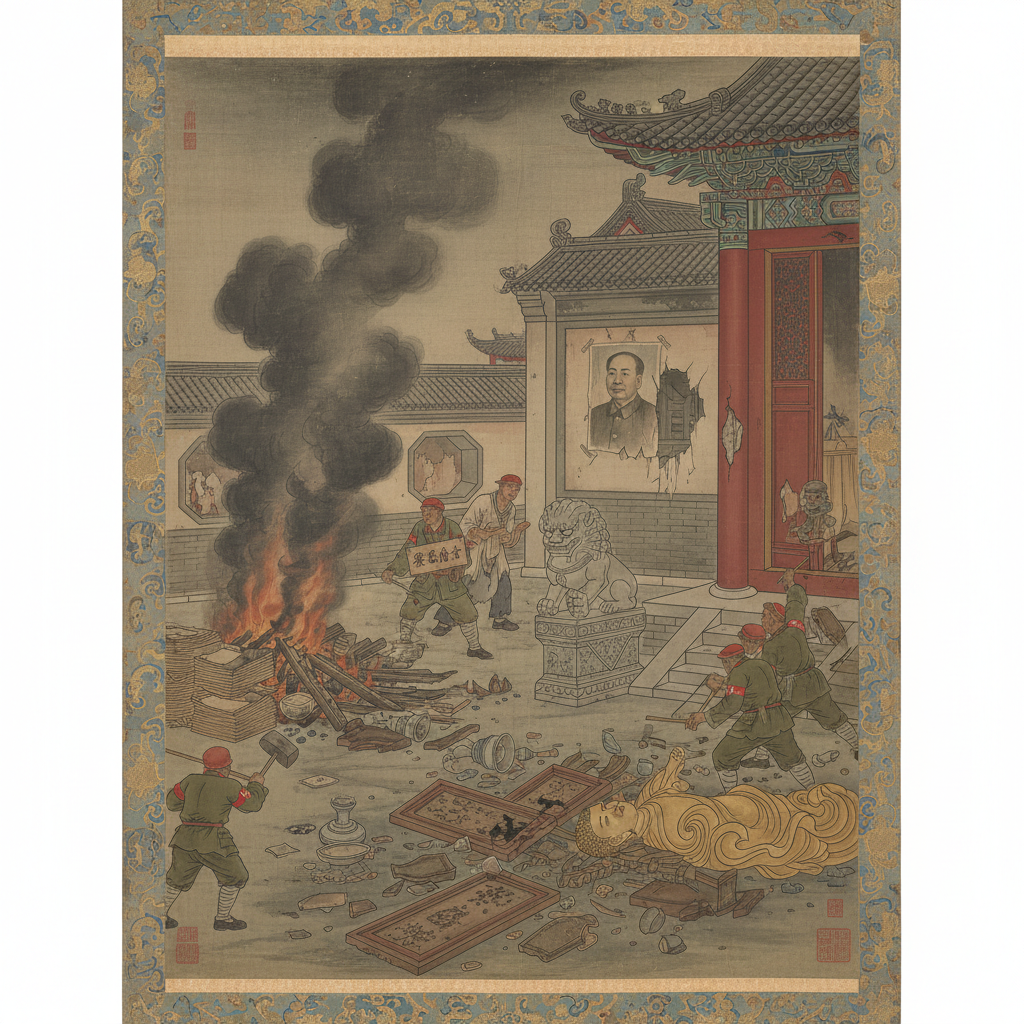
Mao’s Cultural Revolution — a decade-long campaign to destroy the “Four Olds” — turns on religion with unprecedented thoroughness. Red Guards smash ancestral tablets, demolish or repurpose thousands of Buddhist and Daoist temples, defrockand beat monks, denounce Confucius by name, attempt to break four-thousand-year-old practices. Shaolin nearly empties. Tibetan monasteries destroyed by the thousands. Family shrines burned. In public life, the Three Teachings appear to die. In private — in villages, in the countryside, in the diaspora — they survive underground. After Mao dies in 1976, they return. The Cultural Revolution comes closest to extinguishing a continuous religious tradition by state decree; that it fails is one of the more remarkable facts of twentieth-century religious history.
Timeline
| Era | Date | Event | Source |
|---|
| Mythic Antiquity | ~2900 BCE (legendary) | Pangu separates Heaven and Earth; Nuwa creates humanity | Shan Hai Jing; later commentaries |
| Three Sovereigns / Five Emperors | ~2800-2100 BCE (legendary) | Yellow Emperor (Huangdi), Yan Emperor; cultural origins | Sima Qian, Shiji |
| Xia Dynasty | ~2070-1600 BCE (semi-legendary) | First Chinese dynasty in tradition | Shiji |
| Shang Dynasty | ~1600-1046 BCE | Oracle bones; Shangdi worship; ancestor cult | oracle bone inscriptions |
| Zhou Dynasty | 1046-256 BCE | Mandate of Heaven (Tianming) doctrine established | Shujing |
| Confucius | ~551-479 BCE | Kong Qiu teaches in Lu; Analects later compiled | Lunyu |
| Laozi (traditional) | ~6th c. BCE | Tao Te Ching attributed; possibly mythical figure | Daodejing |
| Warring States | 475-221 BCE | Hundred Schools; Mencius, Zhuangzi, Mozi, Han Feizi | period texts |
| Qin Unification | 221 BCE | First emperor unifies China; burning of books | Shiji |
| Han Confucianism | 136 BCE | Emperor Wu makes Confucianism state ideology | Hanshu |
| Buddhism Arrives | ~67 CE | Emperor Ming’s dream; White Horse Temple founded | Mouzi Lihuolun |
| Way of Celestial Masters | 142 CE | Zhang Daoling founds organized religious Daoism | Daozang sources |
| Kumarajiva Translates | 401-413 CE | Major Buddhist sutras rendered into Chinese | Gaoseng Zhuan |
| Bodhidharma | ~520 CE | Founds Chan (Zen) at Shaolin (traditional) | Chan lineage records |
| Xuanzang’s Pilgrimage | 629-645 CE | Tang monk travels to India, returns with 657 texts | Da Tang Xiyu Ji |
| Tang Buddhist Flourishing | 618-907 | Pure Land, Chan, Huayan, Tiantai mature | Tang sources |
| Huichang Persecution | 845 | Emperor Wuzong suppresses Buddhism briefly | imperial edicts |
| Neo-Confucian Synthesis | ~1130-1200 | Zhu Xi reconciles Confucian, Daoist, Buddhist thought | Sishu Jizhu |
| Quanzhen Daoism | ~1170 | Wang Chongyang founds Complete Reality school | Quanzhen texts |
| Journey to the West | ~1592 | Wu Cheng’en composes the novel; Sun Wukong canonized | Xi You Ji |
| Jesuit Mission | 1583 | Matteo Ricci arrives; first sustained Christian presence | Ricci’s journals |
| Taiping Rebellion | 1850-1864 | Heterodox Christian-influenced uprising; ~20-30M dead | Qing records |
| Republican Era | 1912-1949 | Confucianism disestablished; reform movements | period documents |
| Cultural Revolution | 1966-1976 | Temples closed; clergy persecuted; “Four Olds” attacked | contemporary records |
| Post-Mao Revival | 1978- | Religious practice slowly legalized and rebuilt | State Council white papers |
| Falun Gong Crackdown | 1999 | Qigong movement banned; mass detention | Human Rights Watch |
| Present | 2026 | Three Teachings revived; diaspora preserves traditions globally | demographic studies |
 LEGENDARY
 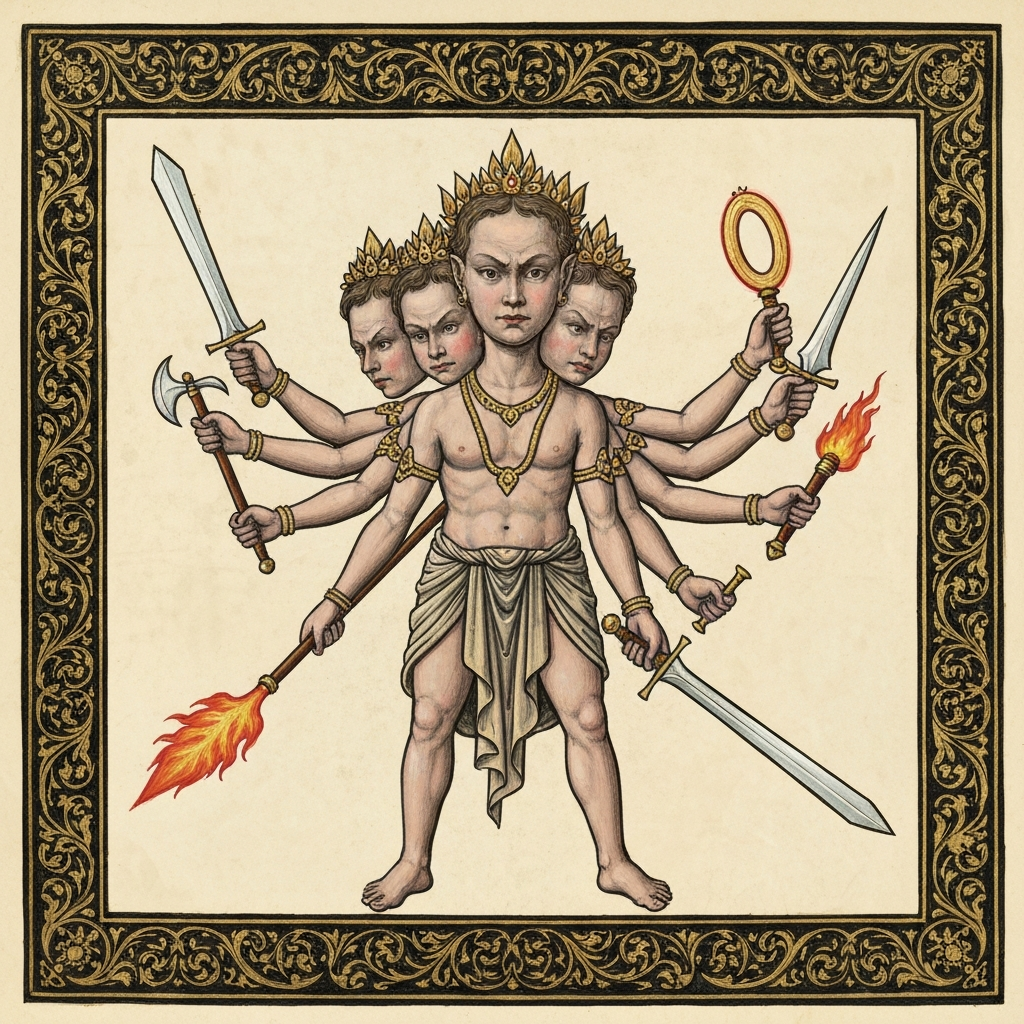 LEGENDARY
 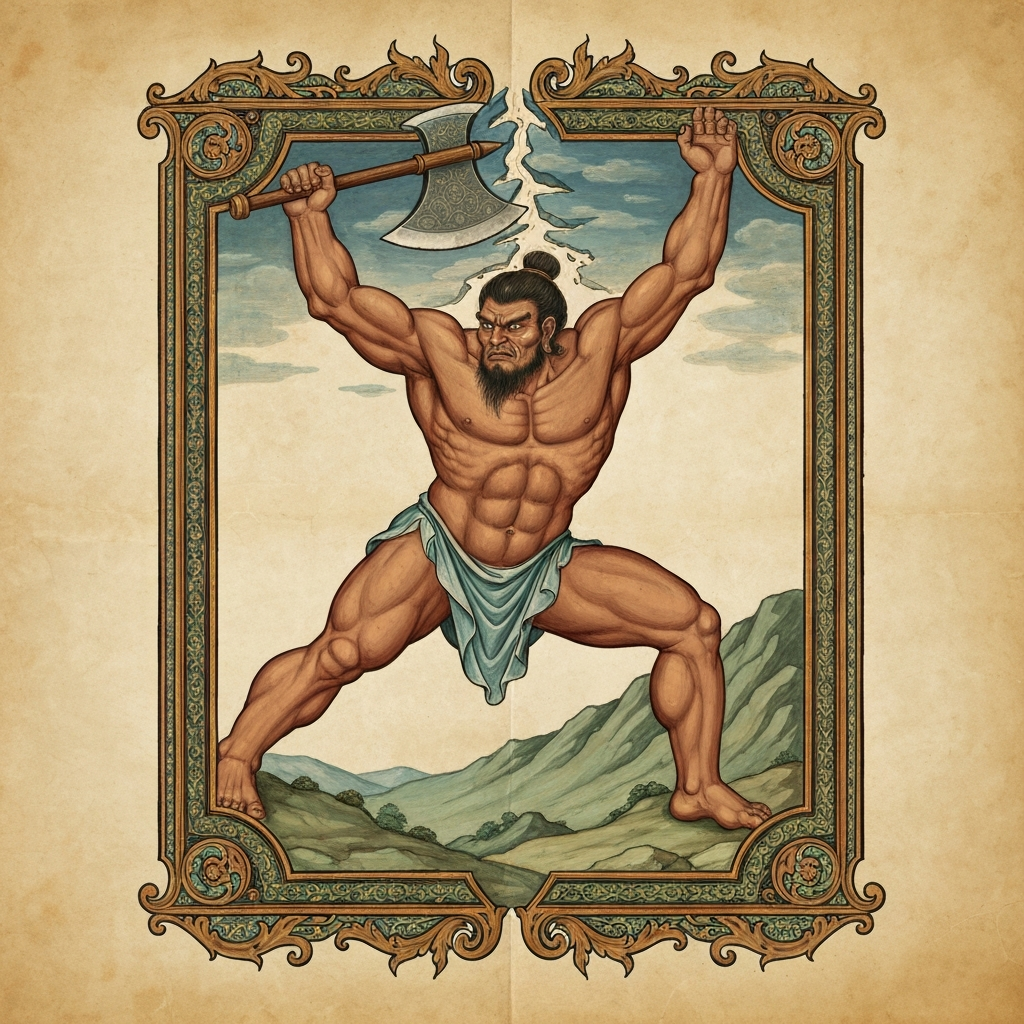 MYTHIC
 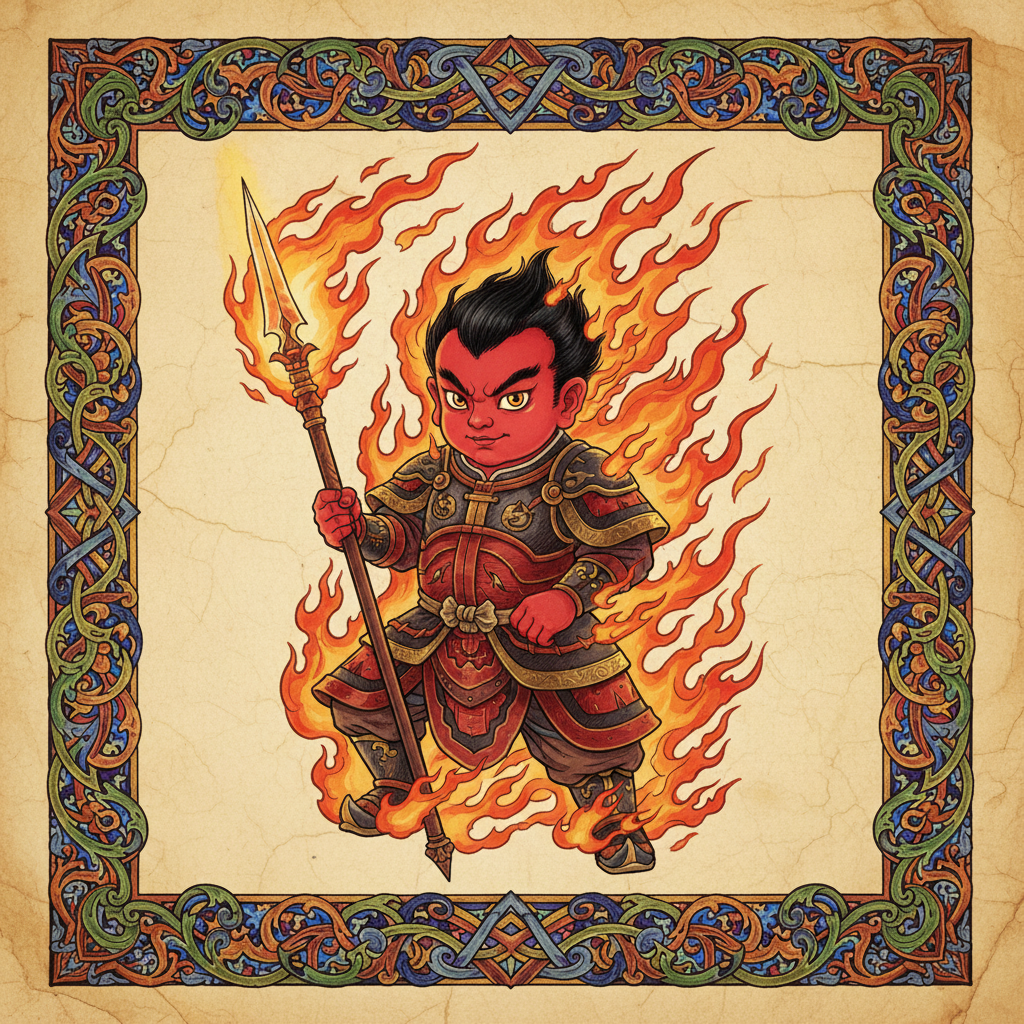 RARE
RARE 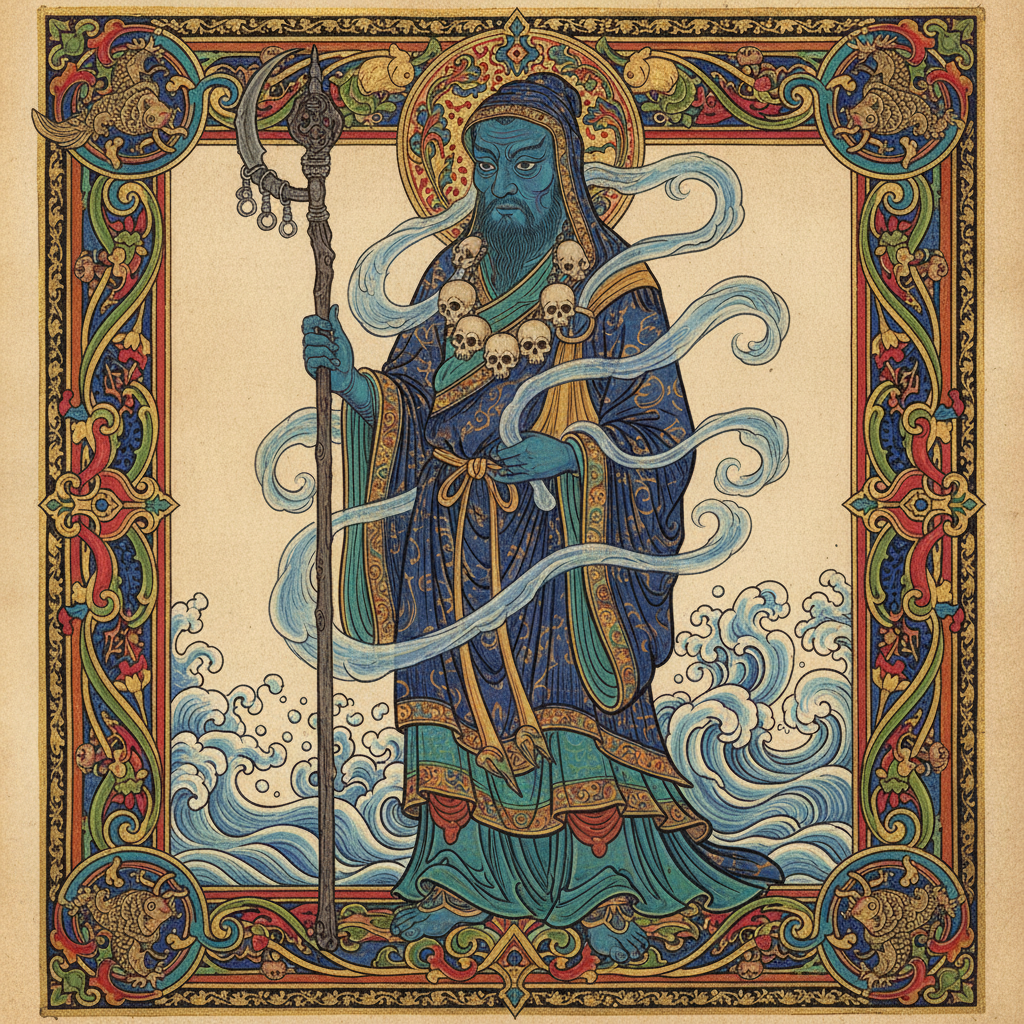 RARE
RARE 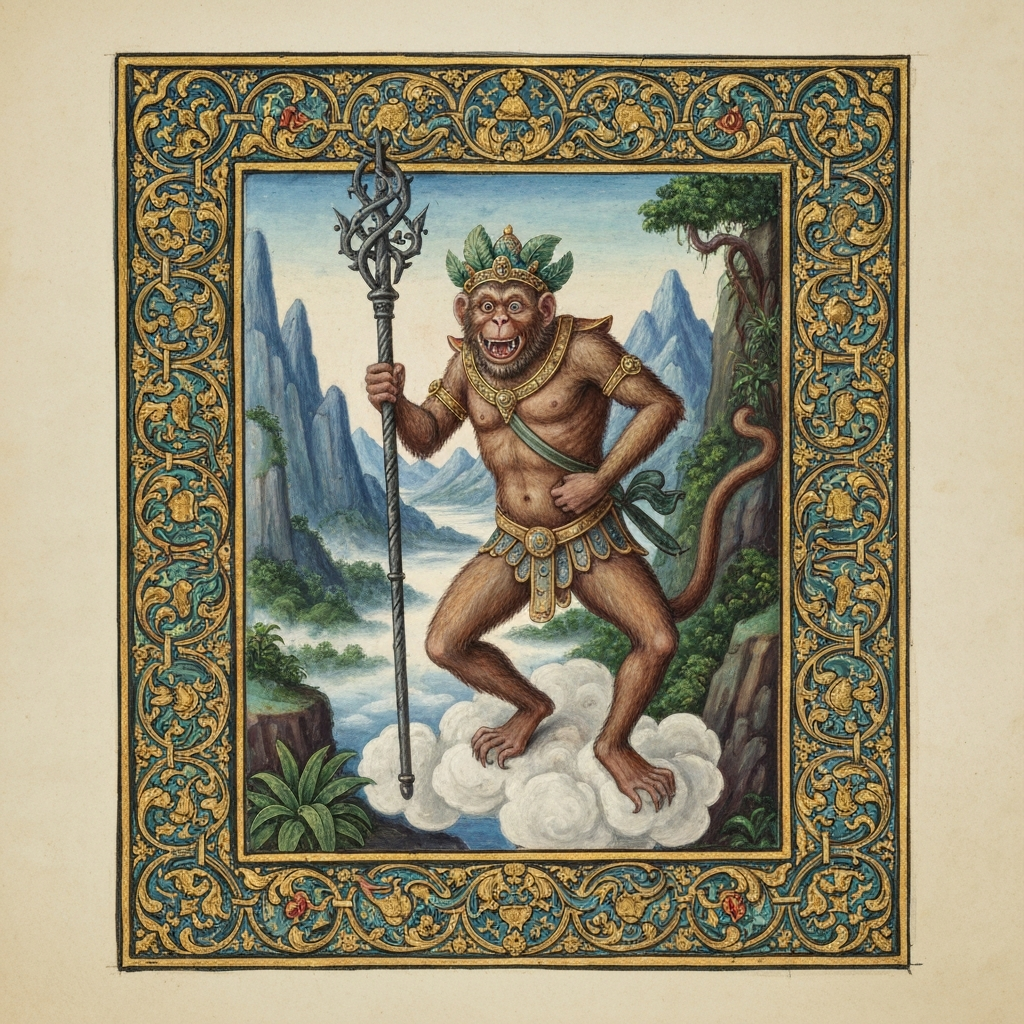 LEGENDARY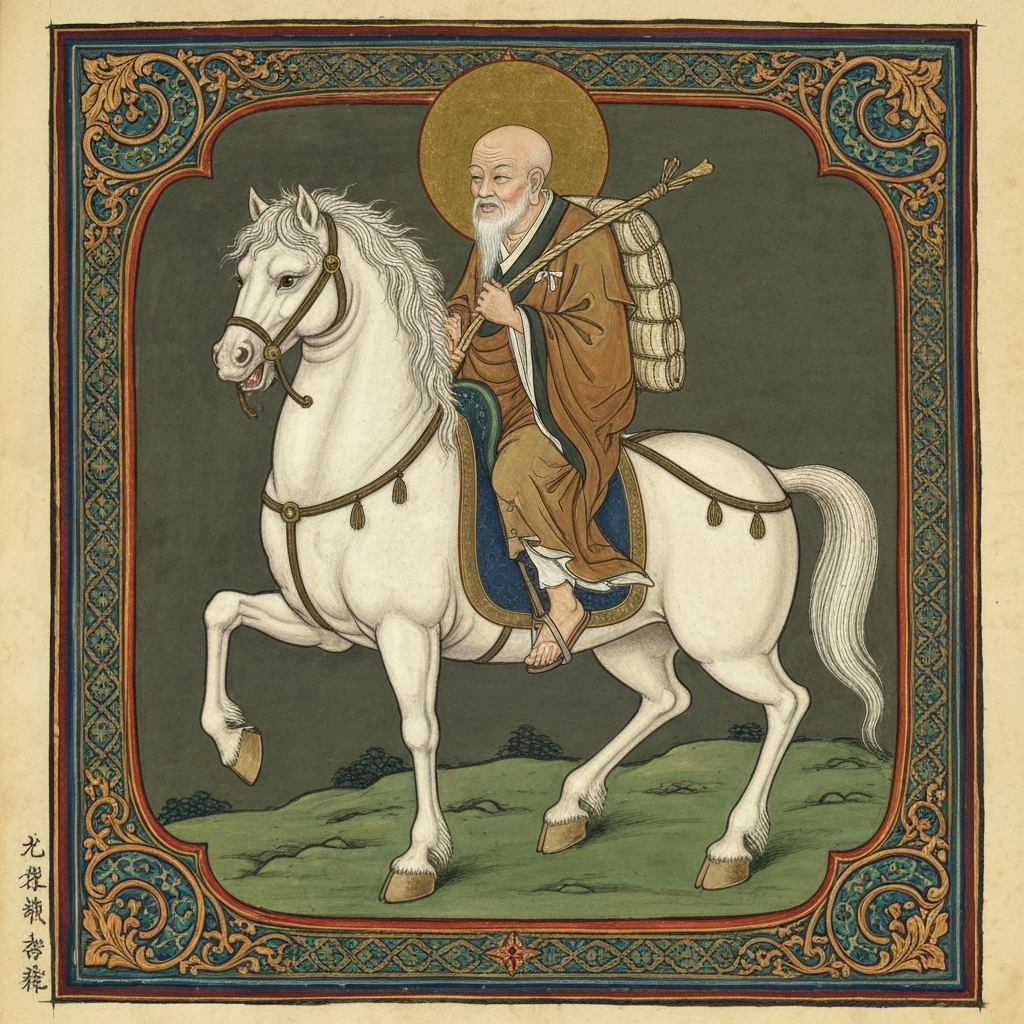
 LEGENDARY
  RARE
RARE