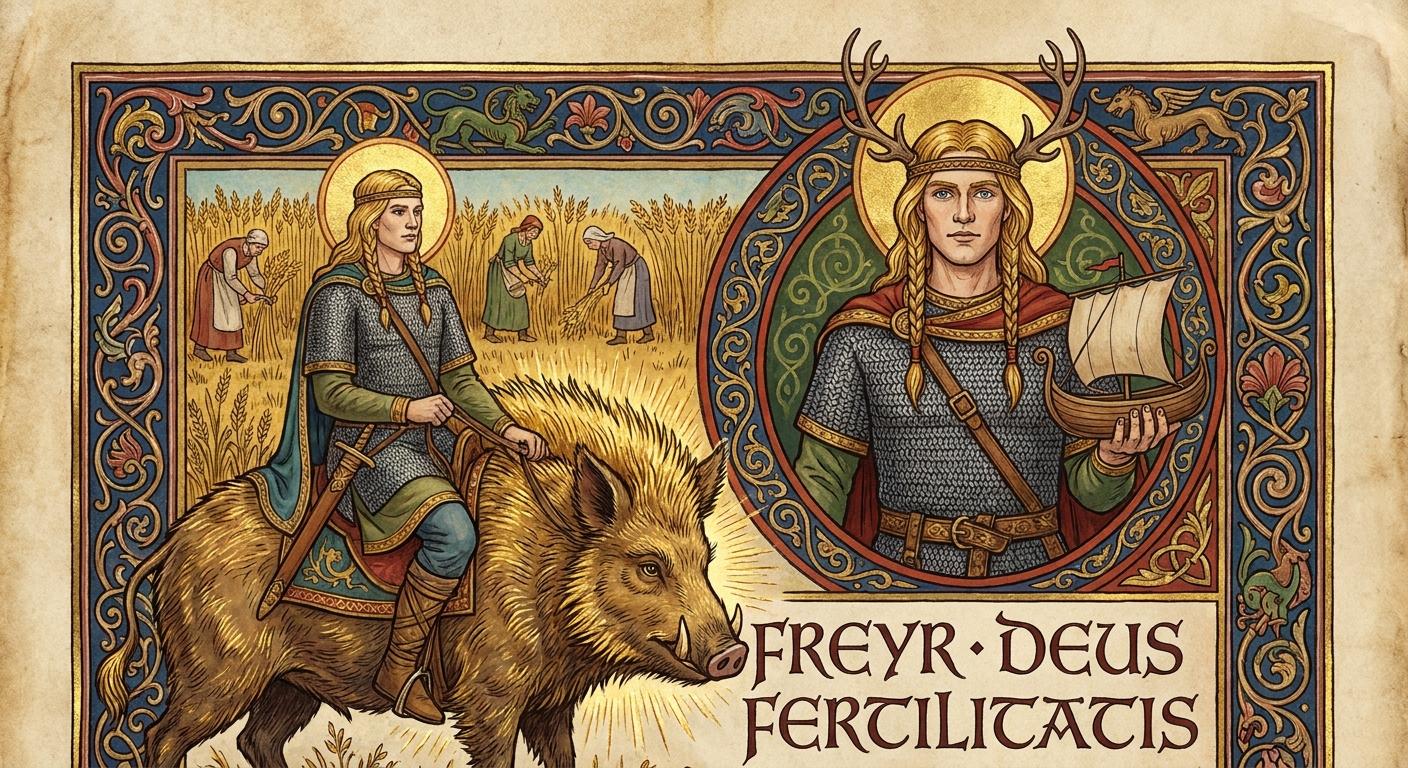
Combat Profile
Sumarbrander
Freyr unleashes brilliant sunshine that grants all allies prosperity and accelerated growth for the remainder of battle.
Vanir Blessing
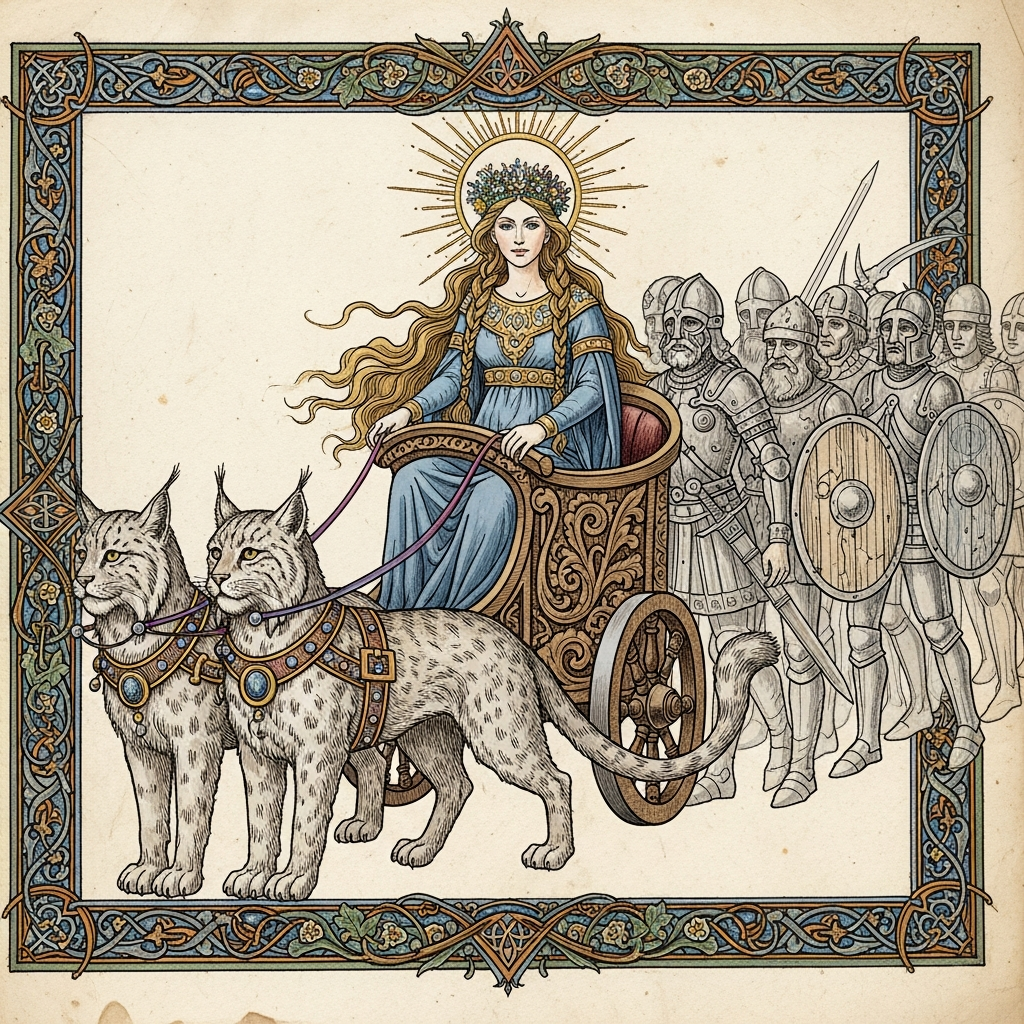
Freyr's presence brings fair weather and peace, gradually healing allies and reducing all damage taken by a small amount each turn.
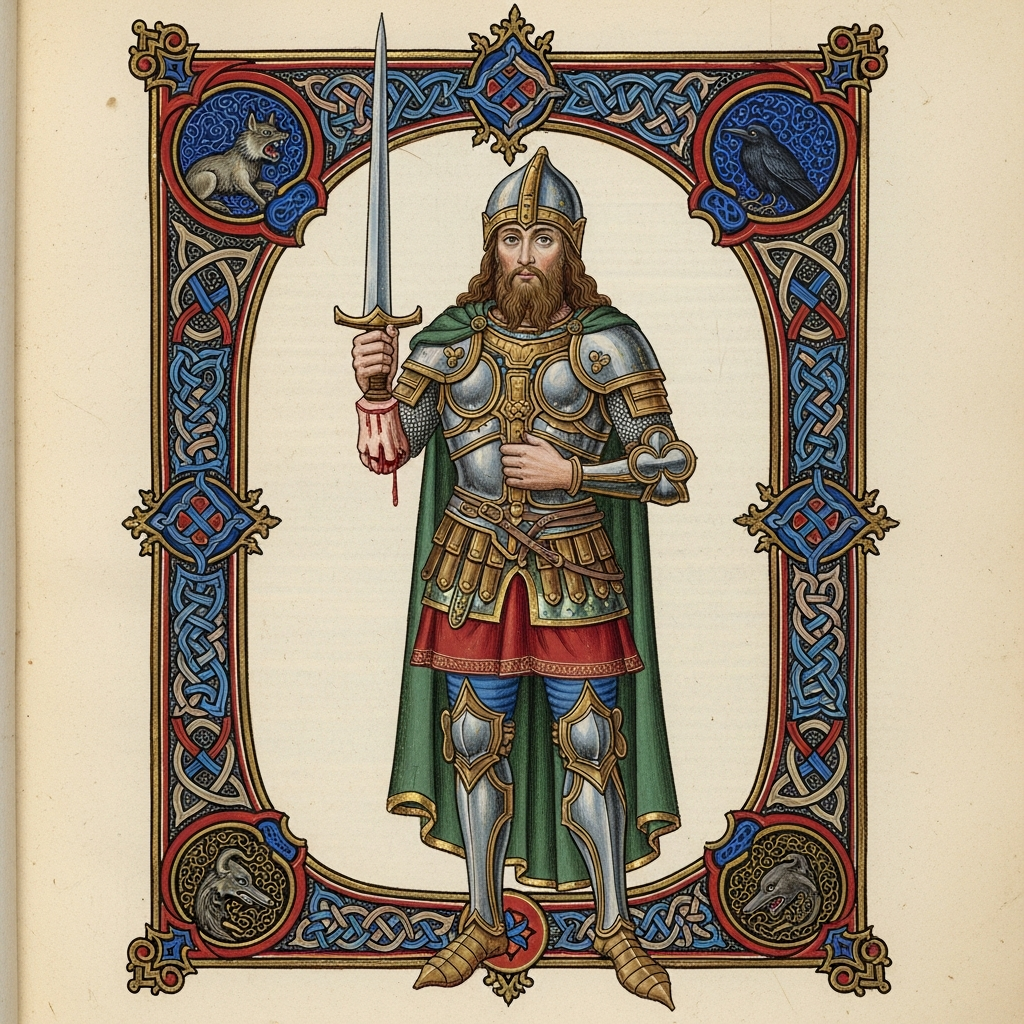
Gave away his invincible sword for love of the giantess Gerd -- will fight Surtr unarmed at Ragnarok and die
“Freyr is the most splendid of the gods in the halls of heaven. He rules over rain and sunshine and the growth of the earth.” — Prose Edda, Gylfaginning 24
Lore: Freyr is the twin brother of Freya and one of the Vanir gods who came to Asgard after the Aesir-Vanir War (Voluspa 21-24). He is the lord of fertility, sunshine, and prosperity — the god you pray to for good harvests, fair weather, and peace (Skirnismal, Snorri Gylfaginning 24). He possesses the ship Skidbladnir (which can hold all the gods but folds small enough to fit in a pocket, Skaldskaparmal) and once possessed an invincible sword that could fight on its own (Skirnismal). But Freyr fell in love with the giantess Gerd and gave the sword to his servant Skirnir as payment for wooing her on his behalf (Skirnismal). This act of love will cost him everything: at Ragnarok, when he faces the fire giant Surtr, he will have no sword (Voluspa 53). He will fight with an antler and fall.
Parallel: The theme of sacrificing ultimate power for love is universal in mythology but rarely so starkly tragic. Freyr gives up the weapon that could save him — and by extension, the world — for love. This resonates with the Christian concept of divine vulnerability: a god who willingly surrenders power (Philippians 2:6-8, the kenosis — Christ “emptying himself” of divine prerogatives). The difference: Christ’s sacrifice leads to victory; Freyr’s leads to defeat.
1 min read
Surtr (kills him at Ragnarok)
*Skirnismal* (Poetic Edda); Prose Edda (Gylfaginning); Adam of Bremen