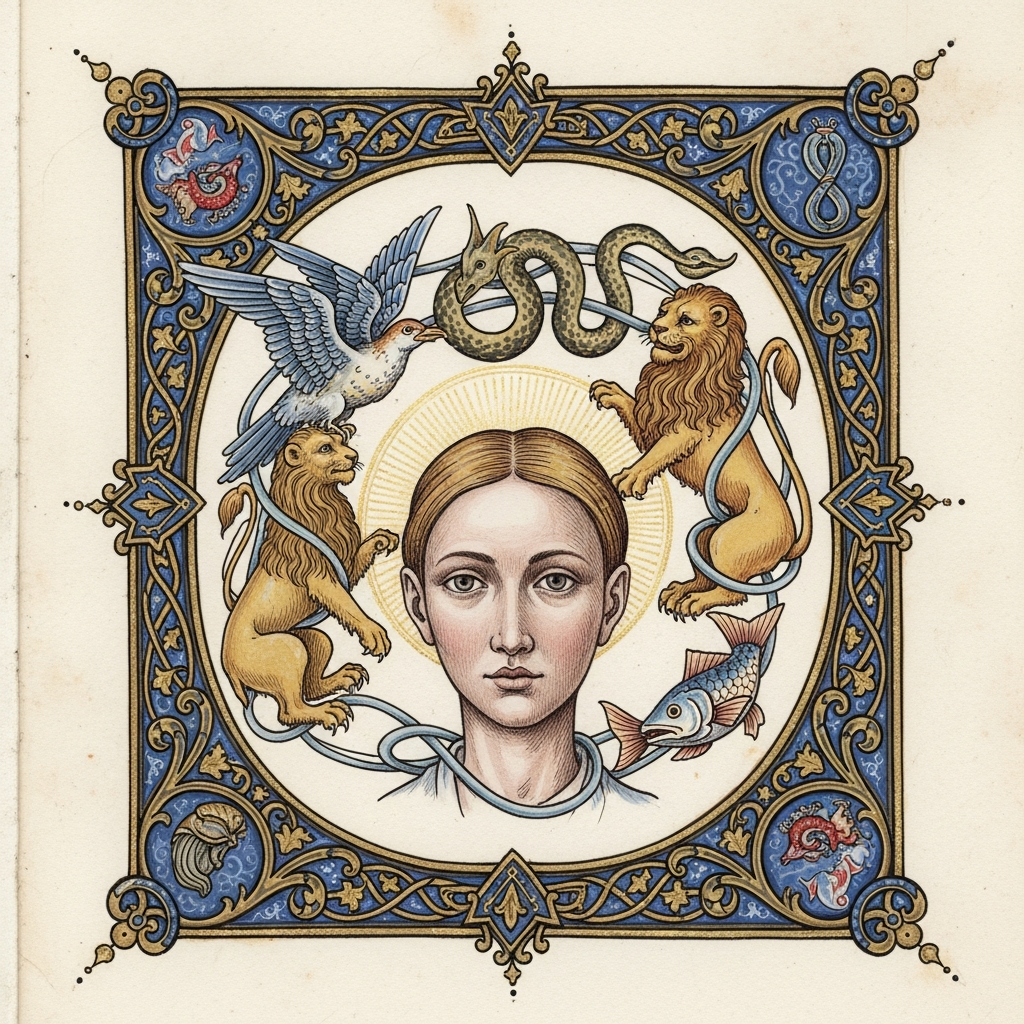
Combat Profile
Wheel of Souls
Forcibly reincarnates a target into a lower form of existence, trapping them in cycles of suffering until they achieve spiritual purification.
Eternal Recurrence
All beings caught in Metempsychosis's domain experience accelerated cycles of rebirth, with memories of past lives surfacing to torment or enlighten them.
Broken only by initiatory knowledge and purity; most souls cycle endlessly
“Those from whom Persephone has accepted payment for ancient grief, in the ninth year she returns their souls again to the upper sun. From these come noble kings and men of great strength and in wisdom those who are greatest; for the rest of time they are called sacred heroes among men.” — Pindar, Dirges fr. 133
The Orphics invented Western reincarnation — or rather, they transmitted and systematized it in the Greek world before anyone else did. While Hinduism and Buddhism developed elaborate doctrines of karma and rebirth, the Orphic tradition in Greece was teaching the same fundamental insight from at least the 6th century BC: the soul is not identical with the body, does not end when the body dies, and will be born again in a new body. This cycle continues until the soul has been purified sufficiently to escape it.
The Orphic doctrine of metempsychosis has specific ethical consequences that the Indian traditions share but arrive at through different logic. Vegetarianism is required not merely for ritual purity but because the animals you eat may be human souls in animal form — possibly the souls of people you loved in previous lives. To eat meat is potentially to eat your grandmother. This is not a metaphor. The Orphics and Pythagoreans (who adopted this doctrine in toto) meant it literally. Empedocles, the pre-Socratic philosopher who was almost certainly influenced by Orphism, wrote: “For already have I been once a boy and a girl, a bush and a bird, and a mute fish in the sea.”
Plato used Orphic metempsychosis as the structural framework for his metaphysics of the soul. The Myth of Er at the end of the Republic — in which a soldier dies in battle, observes the afterlife, and returns to report — is organized around Orphic ideas: the choice of a new life, the drinking from Lethe, the return to embodiment. The Phaedrus’s description of the soul’s fall and its cycle through multiple lives before returning to the divine realm is Orphic mythology in philosophical dress. The line from Orphic mystery religion to Plato to Neoplatonism to Christian Platonic theology is direct.
Compare: Hindu samsara (the cycle of birth, death, and rebirth driven by karma); Buddhist reincarnation (the cycle of conditioned existence from which Nirvana is liberation); Pythagorean transmigration (which derives directly from Orphism — Pythagoras reportedly remembered his previous lives); the Platonic immortal soul (which Plato explicitly grounds in Orphic tradition).
2 min read
Orphic initiation (which provides the knowledge to break the cycle); Lethe (which perpetuates it)
Pindar, *Olympian Odes* II.68-77; Plato, *Phaedrus* 248c-249b; Plato, *Republic* X.614-621 (Myth of Er); Empedocles, fragments; Herodotus II.123; Pythagoras (via Diogenes Laertius)