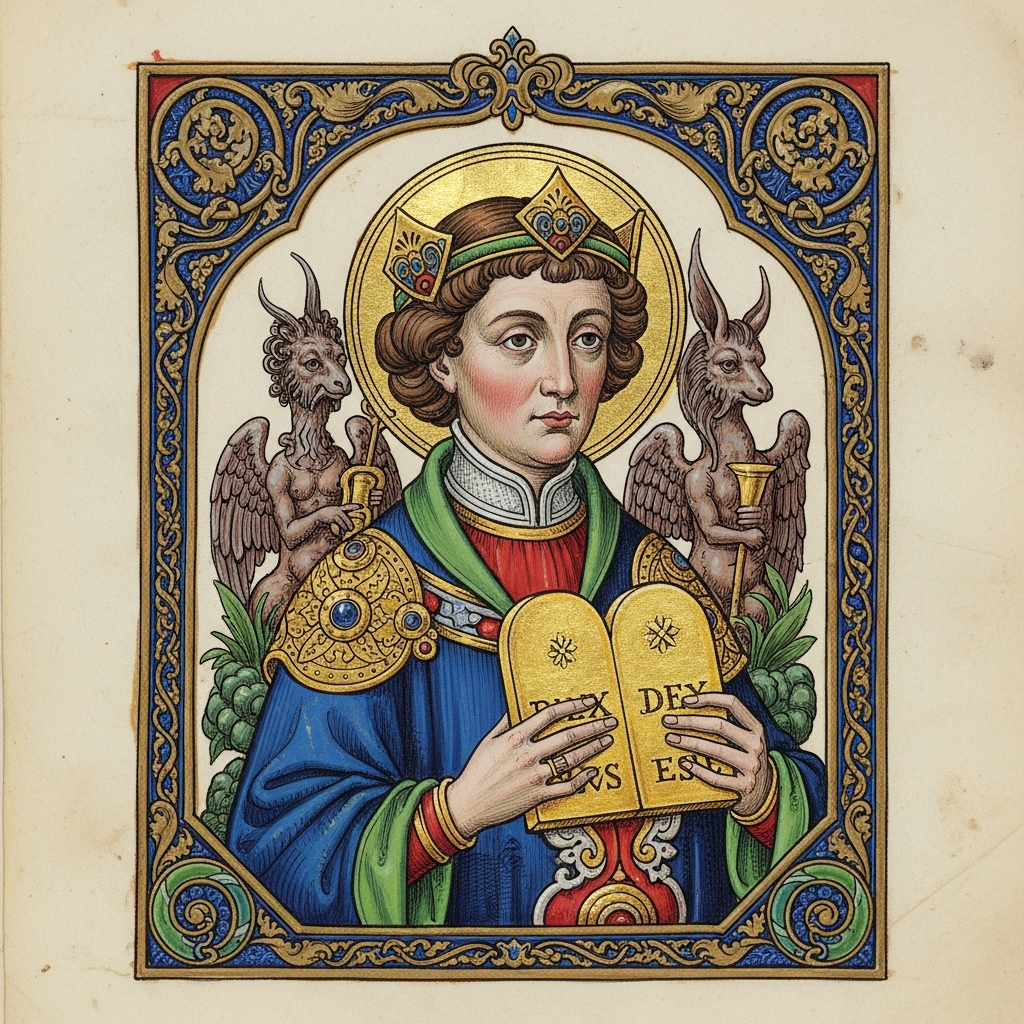
Combat Profile
Psychopomp's Compass
reveals the true path through the underworld and grants the soul passage through each threshold with the correct mystical passwords and divine names.
Eternal Inscription
the tablets' wisdom cannot be corrupted or forgotten, eternally preserving the mysteries of soul liberation and the proper rites of initiatory ascension.
Useless without initiation -- the passwords mean nothing if the soul does not know its own divine origin
“I am parched with thirst and am dying — give me quickly the cold water flowing from the Lake of Memory. And they will give you to drink from the divine spring, and thereafter among the other heroes you shall have lordship.” — Gold tablet from Hipponion, c. 400 BC
They are small. The largest is about the size of a man’s palm. They are made of thin beaten gold — not coins, not jewelry, not votive offerings. They are sheets of gold inscribed with Greek text, folded and placed in the grave, sometimes inserted into the mouth or on the chest of the dead. They were found rolled into scrolls and sealed inside small gold cases worn as amulets. Thirty or more have been discovered across southern Italy, Thessaly, Crete, and Cyprus, dating from the 5th to the 2nd century BC.
They are instructions for the dead.
The tablets tell the initiate exactly what to do when they arrive in the underworld. The structure is consistent across multiple tablets from different regions and centuries: there is a spring on the left, guarded by a white cypress tree — do not approach it. There is another spring, the Lake of Memory — approach it and say the right words. The guardians will ask who you are. Answer: “I am a child of Earth and starry Heaven, but my race is of Heaven alone.” They will give you water from the spring of Memory. Drink it and you will remember your divine origin. Then present yourself to Persephone with the proper formula and be recognized as an initiate, freed from the cycle of rebirth.
This is the Greek version of what the Egyptians put in the Book of the Dead and the Tibetans put in the Bardo Thodol: a practical guide to death, written down and sent with the deceased so that the knowledge is available at the moment of need. The logic is identical across all three traditions: the afterlife is navigable, but only with the right information, and the living (or the dying) must prepare the dead with instructions. The Orphic gold tablets predate most of the Book of the Dead papyri by centuries and are roughly contemporary with the earliest Tibetan death literature. Parallel development of the same insight: the passage through death requires a map.
Compare: The Egyptian Book of the Dead (papyrus scrolls placed with mummies containing spells and guidance for the afterlife judgment); the Tibetan Bardo Thodol (Book of the Dead — read aloud to the dying and dead to guide the consciousness through the after-death state); the Gnostic soul’s navigation past the Archons (in Sethian texts, the soul ascending through heavenly spheres must know the correct passwords for each gate).
2 min read
Lethe (the spring of Forgetting, which undoes the tablets' purpose if the soul drinks from it)
The Orphic Gold Tablets (extant; 30+ tablets found across southern Italy, Thessaly, Crete, Cyprus); Graf & Johnston, *Ritual Texts for the Afterlife*; Edmonds, *Myths of the Underworld Journey*